Archive for the ‘Viruses’ Category

Ticks Spread Plenty More For You to Worry About Beyond Lyme Disease

https://theconversation.com/ticks-spread-plenty-more-for-you-to-worry-about-beyond-lyme-disease-118102

Ticks spread plenty more for you to worry about beyond Lyme disease

When it comes to problems caused by ticks, Lyme disease hogs a lot of the limelight. But various tick species carry and transmit a collection of other pathogens, some of which cause serious, even fatal, conditions.

In fact, the number of tick-borne disease cases is on the rise in the United States. The range where various species of ticks live in North America may be expanding due to climate change. Researchers continue to discover new pathogens that live in ticks. And new, invasive tick specieskeep turning up.

In my career as a public health entomologist, I’ve been amazed at the ability of ticks to bounce back from all the ways people try to control them, including with pesticides. Ticks excel at finding new ecological niches for survival. So people and ticks frequently cross paths, exposing us to their bites and the diseases they carry.

Here are some of the lesser-known, but growing, threats from ticks.

Ticks can spread bacterial diseases

Certain very small species of bacteria that can cause human diseases, such as rickettsia, ehrlichia and anaplasma, live in ticks. Ticks ingest these bacteria when they drink animals’ blood. Then when the ticks take a subsequent blood meal, they pass the bacteria along to the next animal or person they feed on.

Probably the most well known of these bacterial diseases is Rocky Mountain spotted fever, the most frequently reported rickettsial disease in the U.S., with about 6,000 cases each year. The number of diagnoses seems to be increasing nationwide, especially among Native Americans, probably due to exposure on reservations to free-roaming dogs that can carry ticks.
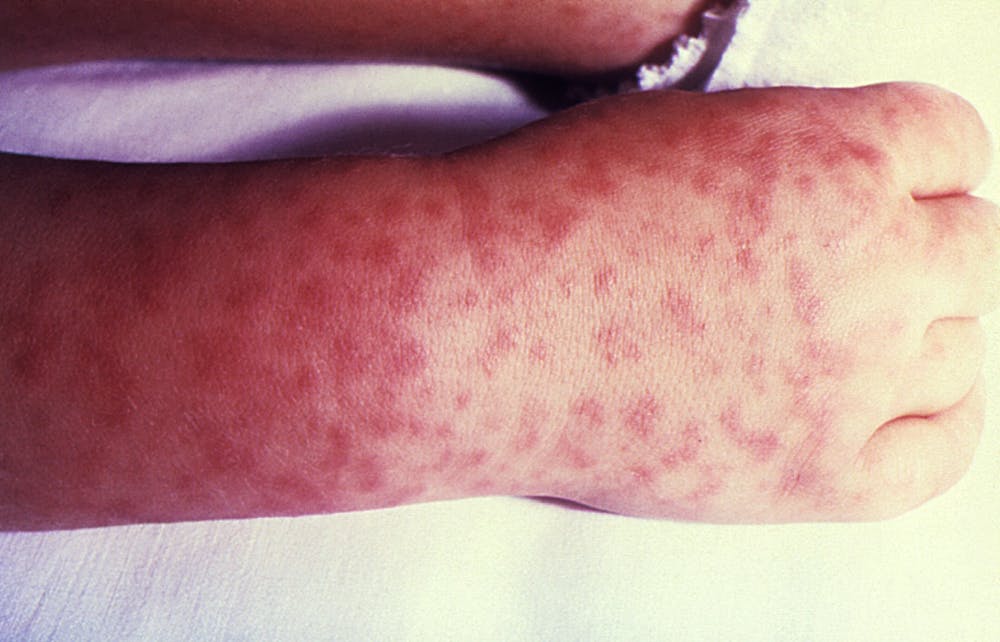
Rocky Mountain spotted fever usually comes with a rash, as on this child. Centers for Disease Control and Prevention, National Center for Immunization and Respiratory Diseases (NCIRD), CC BY

When people get sick with Rocky Mountain spotted fever, they usually come to a clinic with three things: fever, rash and history of tick bite. They may also report severe headache, chills and muscle pains, and gastrointestinal symptoms such as abdominal pain and diarrhea. A skin rash is usually present after a few days, but not always. Mental confusion, coma and death can occur in severe cases. Untreated, the mortality rate is about 20%; and even with treatment, 4% of those infected die.

Not all tick species are effective transmitters of the rickettsia bacteria. Even within the vector species, often only 1% to 5% of ticks in an area are infected. So getting bitten by a tick that passes rickettsia bacteria on to you is like getting stuck with a needle in a haystack. The primary carriers are the American dog tick in the eastern U.S. and Rocky Mountain wood tick in the West. The brown dog tick has also recently been shown to be a vector.

In most tick-borne diseases, the tick needs to feed for some amount of time before any pathogens it’s carrying are transmitted to the animal whose blood it’s eating. Rocky Mountain spotted fever organisms generally take between one and three hours for transmission to occur, so attached ticks need to be removed quickly. Doctors usually prescribe the antibiotic doxycycline to treat Rocky Mountain spotted fever, which works quite well if the disease is recognized early.

Ehrlichiosis is another bacterial disease transmitted from ticks to people. In the U.S. it’s most commonly caused by Ehrlichia chaffeensis bacteria, carried by lone star ticks which are common in the eastern U.S. Ehrlichia bacteria infect a type of blood cell called leukocytes. Human monocytic ehrlichiosis occurs mostly in the southern and south-central U.S.; 1,642 cases were reported to the CDC in 2017.

Ehrlichiosis patients usually have fever, headache, muscle aches and a progressive low white blood cell count. As opposed to Rocky Mountain spotted fever, people get a rash only about 20% to 40% of the time. Doctors usually treat ehrlichiosis with doxycycline.

Another tick-borne bacterial disease to worry about is human granulocytic anaplasmosis. In human granulocytic anaplasmosis, Anaplasma phagocytophilum bacteria infects a type of white blood cell called granulocytes. It mostly occurs in the upper midwestern and northeastern U.S., and the incidence is increasing, with 5,762 cases of human granulocytic anaplasmosis reported to the CDC in 2017.
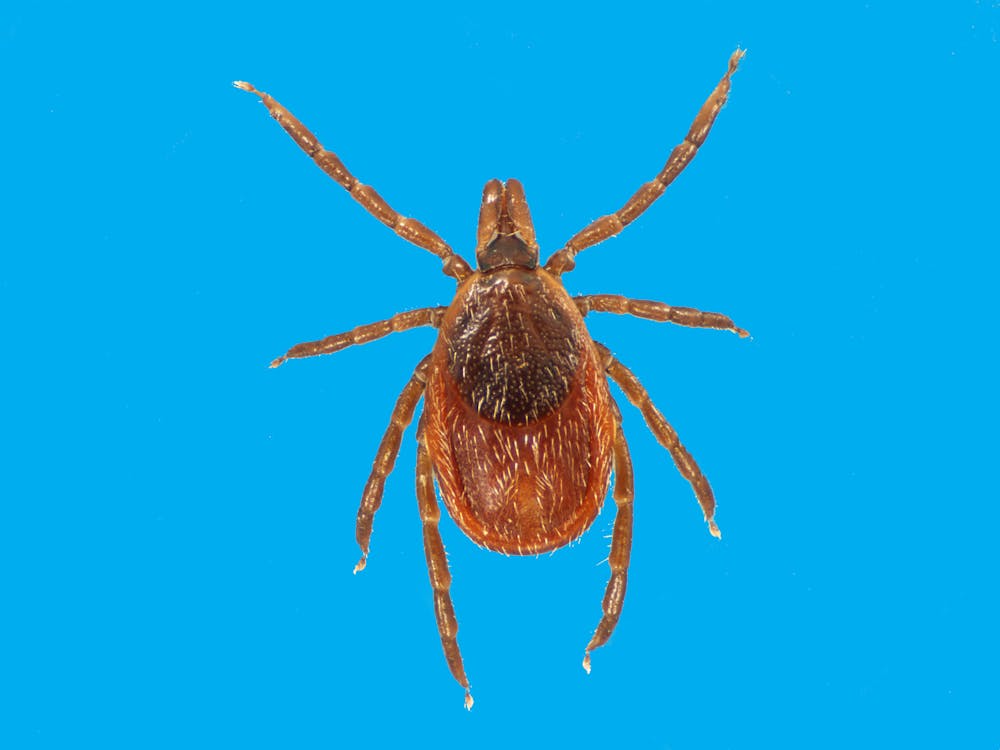
A female Ixodes scapularis tick. Dr. Blake Layton, MSU, CC BY-ND

Symptoms include fever, headache, muscle aches and progressive low white blood cell count. It’s the deer tick Ixodes scapularis – famously also responsible for Lyme disease – that transmits the Anaplasma bacteria to humans. There’s the unlucky chance that a bite from a deer tick could infect you with both diseases. Again, recommended therapy is doxycycline.

Ticks can carry viruses, too

People usually think of mosquitoes when they think of insect-transmitted viruses – dengue, Zika or West Nile garner a lot of headlines. But ticks can transmit viruses, too.

Scientists have historically grouped tick-borne viral diseases into two categories. One is diseases similar to dengue fever. The main dengue-like viral disease transmitted by ticks in the U.S. is Colorado tick fever, which occurs in mountainous areas of the West.

The other group of tick-borne diseases resemble mosquito-borne encephalitis. Most of these illnesses, characterized by brain inflammation, are not found in the U.S. Powassan encephalitis is the one that is, occurring in the northeastern U.S. and adjacent regions of Canada.

Powassan is a relatively rare but serious human disease, characterized by sudden onset of fever with temperature up to 104 degrees Fahrenheit, along with convulsions. Brain inflammation is usually severe, with vomiting, respiratory distress and prolonged fever.

Fewer than 100 cases of Powassan have been reported in North America, with about half of them fatal. Its incidence seems to be increasing; there were 34 cases of Powassan reported during 2017. POW is maintained in a natural cycle when ticks – primarily Ixodes cookei – infect animals with the virus via their bites. Then these infected animals may serve as what scientists call disease reservoirs, infecting new ticks when they feed on their blood.
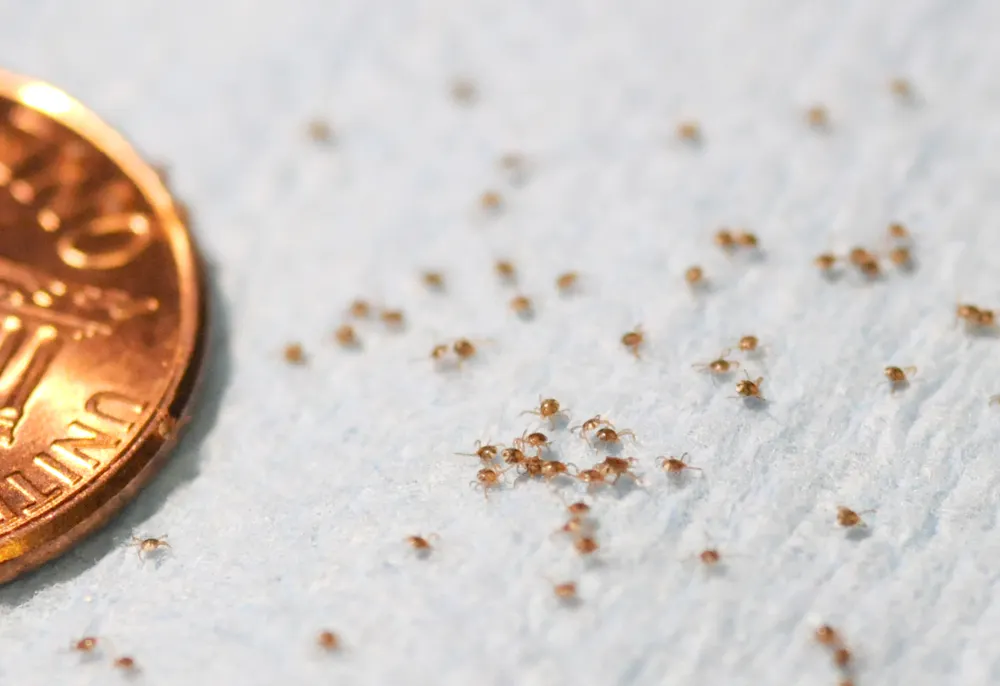
Tiny larval lone star ticks next to a penny. Jerome Goddard

In the last decade, researchers have found additional new tick-borne viruses in the U.S. About 30 cases of Heartland virus have thus far been identified. It’s associated with the lone star tick and has been recognized in Missouri, Oklahoma, Kentucky and Tennessee.

A few cases of a new Thogotovirus called Bourbon virus have been identified in the Midwest and southern U.S. The lone star tick may be the vector of Bourbon virus as well.

A food allergy triggered by a tick bite

Maybe the most bizarre threat from ticks is the “red meat allergy” scientists have recently traced back to tick bites. People can become allergic to eating meat when a tick’s saliva passes on the carbohydrate galactose-α-1.3-galactose it had previously picked up in a blood meal from an animal. If prone to allergies, the person can get sensitized to that alpha-gal molecule that’s found in animal blood and other tissues.

Then days or weeks later, he or she may develop hives, swollen skin and lips, or even life-threatening anaphylactic shock three to six hours after eating red meat. Meats containing alpha-gal include beef, pork, lamb, squirrel, rabbit, horse, goat, deer, kangaroo, seal and whale. People who become sensitized to alpha-gal may still eat chicken, turkey and fish.
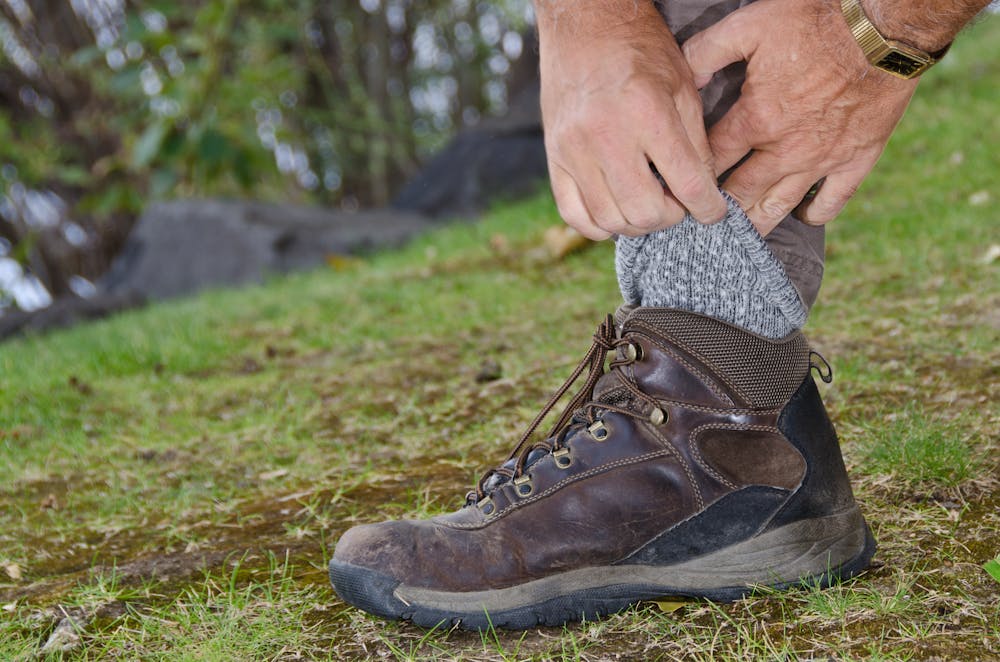
Take precautions, like tucking pants into socks, when you’re in tick territory. rck_953/Shutterstock.com

Overall, people should be aware of what tick-borne diseases are present in their area and use personal protection techniques whenever outdoors in tick-infested areas. Remember that ticks often come into close contact with people via pet dogs or cats. It’s a good idea to inspect yourself for ticks after being outdoors in tick-infested areas. Reducing the number of tick bites and the amount of time ticks remain attached can go a long way to protecting you from tick-borne diseases.

Disclosure statement

Jerome Goddard does not work for, consult, own shares in or receive funding from any company or organization that would benefit from this article, and has disclosed no relevant affiliations beyond their academic appointment.

Partners

Mississippi State Universityprovides funding as a member of The Conversation US.

Republish this articleRepublish our articles for free, online or in print, under Creative Commons license._________________**Comment**

Why people continue to downplay this thing is beyond my understanding.

Compare this:

“So getting bitten by a tick that passes rickettsia bacteria on to you is like getting stuck with a needle in a haystack.” Gerome Goddard – 2019 – (Extension Professor of Biochemistry, Molecular Biology, Entomology and Plant Pathology) 

With this:

“A lot of tick pathogens are rickettsia and rickettsial diseases. Every time I go to my local physician and I have some strange illness that they don’t know what it is, he says it is probably a rickettsia—an idiopathic condition.I’ve tested negatively for rickettsia, but the symptoms [suggest it] could be.”  – James Oliver – 2016 (international expert in medical entomology and acarology, especially the biology and cytogenetics of pathogen-transmitting ticks and parasitic mites)  https://academic.oup.com/ae/article/62/4/206/2712469

Regarding Powassan being “rare,” please see:

http://www.coppelabs.com/blog/why-is-powassan-virus-infection-still-described-as-rare-and-mysterious/  Please read the following excerpt by Coppe Lab here in Wisconsin,

For the last two years, Coppe Laboratories has dedicated a significant amount of time and resources to dispelling the myth that infection with Powassan virus, a virus transmitted by tick bite, is rare. The Centers for Disease Prevention and Control (CDC) reports only 100 cases of Powassan virus infection in the United States in the last 10 years. Indeed, that statistic gives the illusion that Powassan infection is rare. However, did you know that the only infections reported to CDC are those that are life-threatening, particularly cases causing severe inflammation of the brain like the case reported in LiveScience? Coppe has published three new papers in the last year that clearly show Powassan virus infection is not rare are at all,and until testing for this virus is included as part of tick-borne disease screening panels infections will continue to be underreported. Coppe’s Powassan Guide, which can be downloaded from the website, summarizes the findings from both tick and human Powassan prevalence studies, as well as defining the patient populations that would benefit most from Powassan testing.




Lyme Disease Vaccines: Past & Future

https://thevaccinereaction.org/2019/07/lyme-disease-vaccines-past-and-future/

Lyme Disease Vaccines: Past and Future

Lyme Disease Vaccines: Past and Future

STORY HIGHLIGHTS

  • A new Lyme disease vaccine candidate approved by the FDA using the fast track process is currently in its second phase of clinical trials.
  • In 1998, the FDA granted licensure for a Lyme disease vaccine called LYMErix.
  • Following reports of severe adverse reactions to LYMErix, GlaxoSmithKline (formerly SmithKline Beecham) withdrew the vaccine from the market in 2002.

Lyme disease is an infection caused by a bacterium known as Borrelia burgdorferi and is transmitted to humans through infected ticks. Typical symptoms include fever, headaches, fatigue and a characteristic skin rash called erythema migrans. In 2017, there were a total of 42,743 confirmed and probable cases of Lyme disease reported to the Centers for Disease Control and Prevention (CDC)—an increase of more than 17 percent since 2016.1 2

There are currently no vaccines for Lyme disease available for humans in the United States. However, there is a new vaccine candidate in the pipeline now in clinical trials.

In 2017, the U.S. Food and Drug Administration (FDA) approved a Fast Track designation for a new Lyme disease vaccine. The goal of the Fast Track designation is to get the vaccine on the market as soon as possible by lowering the bar for proof of safety and efficacy in favor of speeding up the licensing process. When an experimental is designated by the FDA for Fast Track approval, the FDA will accept less data from the manufacturer pre-licensure and allow ongoing post-marketing clinical studies after licensure approval.3 4 5

French biotech company Valneva has announced  the initiation of the second study of Phase 2 clinical development for its Lyme disease vaccine candidate, VLA15. VLA15 is a multivalent, protein subunit vaccine that targets the outer surface protein A (OspA) of Borrelia.The goal of Phase 2 is to determine the optimal dosage level and vaccination schedule for its use in Phase 3 efficacy studies.5 6

The Phase 2 study is a randomized, observer-blind, placebo controlled trial conducted at sites in the U.S. where Lyme disease is endemic. Plans call for 250 people to receive one of two doses of VLA15 (100 people each) or placebo (50 people). The vaccine candidate contains aluminum adjuvants and will be injected intramuscularly at day 1, day 57 and day 180. The participants in the study will be monitored for 18 months immunogenicity will be measured at day 208. The clinical trial participants will include healthy adults between the ages of 18 and 65.5

The LYMErix Debacle

VLA15 is not the first Lyme disease vaccine to be developed. In December 1998, the FDA approved a recombinant Lyme disease vaccine known as LYMErix that was manufactured by SmithKline Beecham (now GlaxoSmithKline). LYMErix was a three-dose vaccine that was believed to be 49 to 68 percent effective at preventing Lyme disease with two doses and 76 to 92 percent effective after the third dose.6 7

As a result of concerns regarding the potential safety of the vaccine prior to its licensure, an FDA panel met in May 1998 to review the proposed LYMErix vaccine. The panel acknowledged that there were several safety concerns regarding the vaccine, one of which was its possible relationship to autoimmune arthritis. The panel was concerned that the vaccine could result in inflammatory arthritis in genetically susceptible patients. This concern was raised during a clinical study in which vaccine subjects reported a greater number of transient arthralgias than the placebo subjects. Despite the glaring concerns, the FDA panel gave its unanimous support for the vaccine’s licensure.7 8

Soon after the vaccine was licensed in the U.S, there was a burst of media coverage around Lyme disease and LYMErix. The vaccine received prime time media coverage, with news reports highlighting the benefits of the vaccine but with almost no mention of the potential risks associated with the vaccine. The media encouraged those living in endemic areas to consult their health professionals about getting the vaccine.8 9

By 1999, LYMErix was receiving more negative than positive publicity. There were reports of serious adverse reactions occurring after vaccination. Although there was a wide range of adverse reactions reported, musculoskeletal complaints such as arthritis were the most common in these reports. The media began reporting experiences of vaccine injured victims and the Lyme Disease Network, a non-profit citizen action group, had extensive website coverage about serious reactions to LYMErix.8

In December 1999, the Philadelphia law firm of Sheller, Ludwig & Bailey filed a class action lawsuit against the LYMErix™ manufacturer, SmithKline Beecham. The law firm represented 121 individuals who claimed that they experienced severe adverse reactions to LYMErix. The suit claimed that the vaccine caused harm and that the manufacturer deliberately concealed evidence about its risks and failures.8

As a result of lawsuits and public outcry at a Jan. 31, 2001 meeting of the FDA Vaccines & Related Biological Products Advisory Committee (VRBPAC), the committee discussed evidence for safety concerns about LYMErix and held a two-hour public comment session. Participants at the meeting included FDA scientific advisors, representatives from SmithKline Beecham, physicians, consumer advocacy organizations, vaccine injured victims and their lawyers.8 10

The FDA advisory committee reviewed a summary of the Vaccine Adverse Event Reporting System (VAERS) data and concluded that there was no causal relationship between LYMErix and inflammatory arthritis. SmithKline Beecham assured the panel that LYMErix was safe and provided a status review of their Phase 4 post-marketing surveillance. Physicians spoke about the effectiveness of the vaccine, noting a dramatic decline of Lyme disease in their clinical practices.8

There were other scientists at the meeting, however, who argued that the vaccine could indeed trigger OspA-autoimmunity in those patients who had a genetic susceptibility. Vaccine injured victims described their suffering and their lawyers said that the manufacturer deliberately failed to provide warnings about increased reaction risks for genetically susceptible patients.8

The FDA Committee, however, decided that the benefits of LYMErix outweighed its risks. No changes were made to the product’s labeling or indications. The FDA requested that the manufacturer provide more vaccine and efficacy data by increasing the number of subjects in the Phase 4 post-marketing trial. The vaccine remained on the market for public use.8

Due to the negative press coverage and publicity about the vaccine risks and lawsuits, the sales for LYMErix dropped significantly. In 2001, the manufacturer  reported $5 million in sales with the purchase of only 93,000 doses of the vaccine. In February 2002, GlaxoSmithKline (GSK) decided to withdraw the vaccine from the market citing poor market performance.7 8

In July 2003, GSK settled the class action lawsuit with Sheller, Ludwig & Bailey and other smaller law firms. The agreement included $1 million for legal fees for the prosecuting attorneys but no compensation for the vaccine injured victims. The prosecuting attorneys expressed that the voluntary withdrawal of the vaccine from the market was the main intention of the lawsuit.8

According to a report published in Epidemiology & Infection:

“Despite the settlement, the manufacturer continued to deny that LYMErix™ caused harm and indicated that the decision to settle represented a choice based on economic concerns (i.e. the desire to avoid the costs of lengthy litigation) for a product showing relatively poor performance in the market.”8


References:

_________________

**Comment**

Deny, deny, deny…..that’s what authorities have been doing for decades on pretty much everything regarding Lyme/MSIDS.

https://madisonarealymesupportgroup.com/2018/07/01/lyme-vaccine-fail-safety-ignored/

https://madisonarealymesupportgroup.com/2018/06/07/the-lyme-vaccine-russian-roulette/

https://madisonarealymesupportgroup.com/2018/06/06/valneva-seeking-partner-for-350m-lyme-disease-vaccine-effort-prepping-for-phase-2/  (Please read my comment after the article.  This is far from a benign vaccine.  It has caused outright harm – even death)

https://madisonarealymesupportgroup.com/2017/07/01/pbs-lyme-vaccine/  Did you know that the LYMERIX vaccine caused 640 emergency room visits, 34 life threatening reactions, 77 hospitalizations, 198 disabilities, and 6 deaths? In a vile cesspool of conflicts of interest are university patent holders, drug companies, and the FDA itself as another patent holder. It generated 40 million dollars before it was yanked. (2008, Drymon)
As you can see in Dr. Lapenta’s article, the death toll raised to 229.  https://madisonarealymesupportgroup.com/2018/01/28/the-secret-x-files-the-untold-history-of-the-lymerix-vaccine/

Besides, death and suicide, please see:
http://www.yourlawyer.com/topics/overview/lymerix One doctor stated that 21 patients developed severe arthritis after receiving the LYMERIX vaccine.

http://www.lymediseaseassociation.org/index.php/about-lyme/controversy/vaccine/261-lymerix-meeting

“Given that Dr. Marks lead the clinical trials for Lymerix’s competitor, the OspA vaccine produced and then abandoned by Aventis Pasteur, his conclusions mean a lot. “In my opinion,” he told FDA officials, “there is sufficient evidence that Lymerix is causally related to severe rheumatologic, neurologic, autoimmune, and other adverse events in some individuals. This evidence is such as to warrant a significantly heightened degree of warnings and possible limitations or removal from marketing of Lymerix.”

Another glaring issue about the Lyme vaccine is it only covers borrelia, the causative agent of Lyme when often there are many other pathogens involved. These pathogens work synergistically together to depress the immune system. Vaccines also depress the immune system purposely to initiate an immune response. Nobody is discussing what the two together do inside the human body, but logic would state it can’t be good:  https://madisonarealymesupportgroup.com/2018/10/30/study-shows-lyme-msids-patients-infected-with-many-pathogens-and-explains-why-we-are-so-sick/

Every single Lyme/MSIDS patient I work with that gets vaccinated suffers a relapse.

This doctor shows vaccines reactive latent infections:  https://madisonarealymesupportgroup.com/2017/12/02/scottish-doctor-on-lyme-msids-part-2/

https://madisonarealymesupportgroup.com/2016/04/24/gardasil-and-bartonella/

Then there’s the little known fact that there has been a history of retroviral contamination of vaccines:  https://madisonarealymesupportgroup.com/2017/10/15/vaccines-and-retroviruses-a-whistleblower-reveals-what-the-government-is-hiding/

These retroviruses are connected to chronic diseases according to a well known Lyme literate doctor:  https://madisonarealymesupportgroup.com/2018/06/23/the-role-of-retroviruses-in-chronic-illness-a-clinicians-perspective/

Got 15 Minutes? The Officially Ignored Link Between Lyme & Plum Island

**UPDATE Sept, 2022**

Youtube censored the video on Plum Island, but I was able to find it here after the article, as well here on Rumble.  Censors beware, people will find a way to share truth without your platform!

image-2

The Horrors of Plum Island

Hybrids, Human Experiments, and Weaponized Killer Insects

In July 2008, the carcass of an animal washed up on the beach at Montauk Point Long Island. Local beachcombers are used to seeing dead animals. Seagulls, fish, crabs, even the occasional whale. But they had never seen anything like this. Animal experts were brought in to identify it. They were stumped. It looked like part dog, part reptile and part rodent – with the beak of a bird. This animal, whatever it was, became known as the Montauk Monster. But where did the Monster come from? There could be only one answer. Plum Island.

Plum Island is just a few miles from where the monster was found. Locals had heard rumors that this was a top-secret government facility that created bioweapons, engineered animal hybrids and maybe even experimented on people. Sounds like a wild theory. But then another animal washed up on the beach. Again, it couldn’t be identified. And then another animal. And then two more.

In 2010, the rumors about Plum Island seemed to be true when something else was found on the beach. This time it wasn’t a strange animal. It was a body. A human body. Well… it was almost human.

The video then goes on to chronicle the history of Lyme, the bioweaponization of ticks, and the subsequent human illness that is still still downplayed, mischaracterized, and denied today.

While ‘the powers that be’ continue to blame ‘climate change,’ they ignore the fact that between 1966-1969 government researchers released 300,000 irradiated ticks including Lone star ticks which are highly aggressive and actively hunt, and can:

  • bite multiple times
  • have eyes
  • survive for months without food
  • absorb water from the air
  • survive under water and after being frozen
  • swarm – being found in large numbers, leading to multiple bites
In 1952, the Army Chemical Corps reactivated the now notorious Plum Island Animal Disease Center, which is located on a bird haven isle only a few miles from and adjacent to Lyme, Connecticut, on the same island which also houses Fort Terry, a biological warfare defense research facility.
During the Cold War, the combined center was used as a secret biological weapons program targeting livestock, which would allegedly feature strange genetically mutated creatures washing up on the shores of the US mainland, making Plum Island the controversial center of numerous well-founded conspiracy theories and books related to a biohazard warfare conspiracy.
On April the 7th, CBS News New York began reporting on a new and untreatable tick-borne virus that has been re-discovered in the various areas around Lyme, Connecticut. This relatively new virus, now labeled as the “Powassan tick-borne virus” is resistant to all known types of treatment. The disease can be fatal and is transmitted within minutes of the tick’s bite.
The causative factor in this particular case being that ticks are routinely used in genetic research due to their ability to spread disease.  According to Wikipedia, “Lab 257, a book written by Michael C. Carroll, has alleged a direct connection between Plum Island Animal Disease Center and the outbreaks of at least two other infectious diseases: West Nile virus in 1999, and the Dutch duck plague in 1967.”
Regarding the now newly ubiquitous “Lone Star Tick” there is a bit more to the story, from a website called Preventdisease.com, a research specialist and consumer advocate, had this to say:
Researcher and entomologist Jaime Lombard says the ticks have been in circulation for a few years however the latest crop released are becoming more potent.

“Scientists have been experimenting on ticks since the 1960s because of their ability to spread disease. Since then, genetically engineered ticks have become more potent and scientists can create human disease almost at will,” he stated.

There is also yet another tick-born disease, which has emerged in Kansas as well, called “The Heartland Virus.” This story from the Fort Scott Tribune:

The Heartland virus is also a relatively new tick-borne virus that is carried by the Lone Star tick. According to the CDC, there is also currently no vaccine or medication to treat or cure the Heartland virus.

But, more interesting might be the proximity of the Bourbon viruses’ initial hot zone, which is a knight-like move of only about 200 miles away, from Manhattan, Kansas.  The Heartland virus, originated 182 miles away from Manhattan Kansas, in an almost geometrically identical movement compared to the Bourbon Virus.

The new bio-engineer warfare center located in Manhattan, Kansas, lies very near the geographic center of the US.

https://madisonarealymesupportgroup.com/2018/07/01/surveillance-for-heartland-bourbon-viruses-in-eastern-kansas/

Another chronological timeline of events complete with FOIA documents and studies:  https://galacticconnection.com/lyme-disease-mycoplasma-and-bioweapons-development-timeline/  Of particular interest is the Burgdorfer’s involvement with infecting the relapsing fever tick with Borrelia latychevi, a close relative to Lyme which would never show up on a test, at the NIH Rocky Mountains Lab, demonstrating they were working on infecting ticks with borrelia in bioweapons labs well before the 1975 Plum Island outbreak. A few years later Burgdorfer studied the artificial feeding of black-legged ticks for the transmission of disease agents, again showing they were infecting ticks with diseases to use in research experiments by those involved with bioweaponry. He also infected ticks with leptospirosis, another spirochete similar to Lyme that infects humans. 

In later research they state that these spirochetes persist in the body and when infected cows develop the “chronic form” it is associated with abortion, stillbirth, infertility, loss of milk production or premature birth in weak an infected calves. http://www.ivis.org/proceedings/navc/2005/LA/001.pdf?LA=1

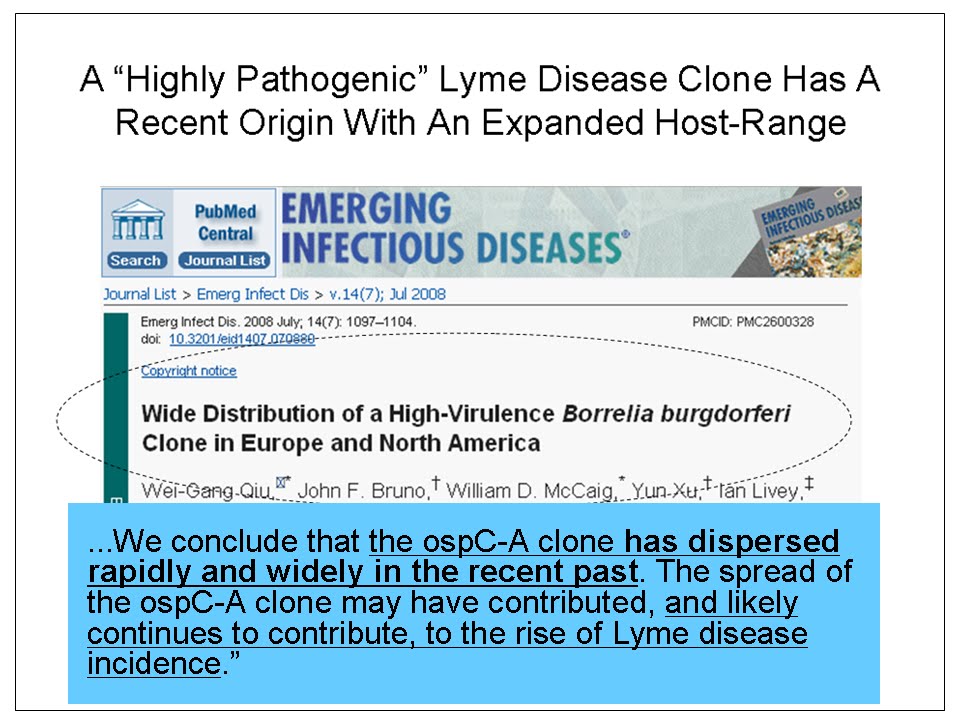
This link https://sites.google.com/site/jerryleonard999/home/burgdorfer shows that a highly pathogenic “clone”of borrelia found in Ixodid ticks “dispersed rapidly and widely in the recent past” and caused an epidemic Lyme disease centered around a biowarfare lab. 

And another report states this pathogenic clone and its tick vector appear to have evolved independently. The author of the collected information, Jerry Leonard, states this gives the distinct impression that experimental borrelia organisms were artificially fed to Ixodid ticks in a biowarfare lab and then leaked out. 

At the beginning of the censored Plum Island video above, an article called “Mrs. Murray’s Mysterious Disease” appeared.  Polly Murray wrote, in detail, her entire family’s saga with Lyme/MSIDS in the book, “The Widening Circle,” which I highly recommend. She was the first to document what would become a medical scandal of epic proportions.

An astute mother looked around and saw that nearly everyone in her community was plagued with health troubles.  She started the ball rolling but the Cabal quickly took over and created a false narrative we are still living with today.  And what “experts” are saying is entirely wrong.

I also recommend the much later written book by infected journalist Pam Weintraub called “Cure Unknown: Inside the Lyme Epidemic.” In it, Weintraub shows why Murray became disillusioned and frustrated with the medical system which would not address her many logical questions.  Turns out most of the players have severe conflicts of interest and have rigged testing and research for a pre-determined outcome, leaving the sickest patients abanded.


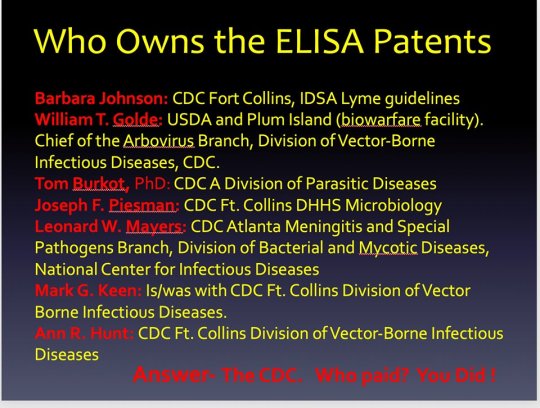
ConflictReport : Within this document, you will discover how many conflicts are in Lyme testing, vaccination, and treatment guidelines.  Government bullies have frightened doctors into blindly accepting their fake science or risk restricting or losing their medical licenses.

There will be a day of reckoning.

Cerebrospinal Fluid CXLC13 Indicates Disease Course in Neuroinfection: An Observational Study

https://www.ncbi.nlm.nih.gov/pubmed/30660201/

2019 Jan 19;16(1):13. doi: 10.1186/s12974-019-1405-8.

Cerebrospinal fluid CXLC13 indicates disease course in neuroinfection: an observational study

Abstract

BACKGROUND:

The chemokine CXCL13 is an intensively investigated biomarker in Lyme neuroborreliosis (LNB). Its role in other neuroinfections is increasingly recognized but less clear.

OBJECTIVE:

To determine the significance of CXCL13 in established central nervous system (CNS) infections other than LNB by matching cerebrospinal fluid (CSF) CXCL13 elevations with severity of the disease course.

METHODS:

We investigated 26 patients with bacterial (n = 10) and viral (n = 16; tick-borne encephalitis, n = 6; varicella zoster infection, n = 10) neuroinfections of whom CSF CXCL13 levels were available twice, from lumbar punctures (LP) performed at admission and follow-up. As outcome classification, we dichotomized disease courses into “uncomplicated” (meningitis, monoradiculitis) and “complicated” (signs of CNS parenchymal involvement such as encephalitis, myelitis, abscesses, or vasculitis). CXCL13 elevations above 250 pg/ml were classified as highly elevated.

RESULTS:

Eight of 26 patients (31%) with both bacterial (n = 4) and viral (n = 4) neuroinfections had a complicated disease course. All of them but only 3/18 patients (17%) with an uncomplicated disease course had CSF CXCL13 elevations > 250 pg/ml at the follow-up LP (p < 0.001). At admission, 4/8 patients (50%) with a complicated disease course and 3/18 patients (17%) with an uncomplicated disease course showed CXCL13 elevations > 250 pg/ml. All four patients with a complicated disease course but only one with an uncomplicated disease course had sustained CXCL13 elevations at follow-up. Patient groups did not differ with regard to age, time since symptom onset, LP intervals, type of infections, and anti-pathogen treatments.

CONCLUSION:

Our study revealed pronounced CXCL13 elevations in CSF of patients with severe disease courses of bacterial and viral neuroinfections. This observation indicates a role of CXCL13 in the CNS immune defense and points at an additional diagnostic value as biomarker for unresolved immune processes leading to or associated with complications.

Researchers at Upstate Medical University Collect CNY Ticks For Testing in a Pilot Study

https://www.localsyr.com/news/local-news/researchers-at-upstate-medical-university-collect-cny-ticks-for-testing-in-a-pilot-study/ News Video Here

Researchers at Upstate Medical University collect CNY ticks for testing in a pilot study

LOCAL NEWS

SYRACUSE, N.Y. (WSYR-TV) — A team of researchers with Thangamani Lab at Upstate Medical University have begun a multi-year pilot project studying the ticks in the Central New York region.

They’re trying to figure out which species of ticks are in the area, what they’re carrying, and how those infections impact a person’s health and their treatment.

“The deer ticks, they transmit 7 different pathogens,” said lead researcher, Saravanan Thangamani. “Almost 60% of ticks collected in Onondaga County are positive for Borrelia burgdorferi. That is the agent for Lyme disease.”

Some of the ticks also carry infections like Powassan virus, Ehrlichia, and Bartonella.

One of the goals of this 3-5 year study is to understand what happens if a tick bites someone when it’s carrying more than one infection.

“Does it make the Lyme disease worse, does it make the Powassan worse, or it doesn’t do neither?” asks Thangamani.

Researchers are also trying to track down the ticks’ path. To do so, they’re asking anyone who gets bit by a tick to mail it in for free testing.

“Send us the zip code so we know which zip code has particular pathogen prevalence and then does it change over time,” said Thangamani.

To have a tick tested, put it in a zip-lock bag with a moist towelette with the following information:

  • The date
  • Location
  • If the tick was found on a human or pet
  • Your email

More info:  https://thangamani-lab.com/free-tick-testing

You can mail the tick to:

Thangamani Lab
505 Irving Avenue
Suite 4209
SUNY Center for Environmental Health and Medicine
SUNY Upstate Medical Center
Syracuse, NY 13210
___________________

**Comment**

I called and they stated anyone can utilize their FREE tick testing. 
They will send you the results of what pathogens were found.