Question for Aaron Siri, Managing Partner Siri & Glimstad
Carl Tuttle
Hudson, NH, United States
Dec 18, 2024
If antibiotic resistance was acknowledged early on by our Public Health Officials as it was by Dr. Allen Steere in 1977 the focus would have been on developing new antimicrobials (or different combinations) as seen in the treatment of Brucellosis but the potential money grab from a Lyme vaccine was far too lucrative to pass up. Everything about Lyme from that point forward had to support vaccine development. A chronic relapsingSERONEGATIVE diseasedid not fit the vaccine model. The money orgy produced by vaccines could not be more obvious through recent Covid events. The rest of the world now has a bird’s eye view of what our Public Health Officials are capable of when a false narrative has been dictated. The disabled Lyme community has been shouting from the rooftops for decades and everyone reading this knows of someone severely affected from Lyme disease; shame on you for not speaking up!
The following letter to Aaron Siri, Managing Partner of Siri & Glimstad breaks down the timeline and deception. Attorney Siri recently exposed the truth/facts about childhood vaccines through the depositions of Stanley Plotkin world’s leading authority on vaccines and Dr. Kathryn Edwards world’s leading vaccinologist.
Letter to Attorney Siri:
———- Original Message ———- From: CARL TUTTLE <runagain@comcast.net>
To: “aaron@sirillp.com” <aaron@sirillp.com>
Cc: “mbarney@sirillp.com” <mbarney@sirillp.com>, “ebrehm@sirillp.com” <ebrehm@sirillp.com>, “ddisabato@sirillp.com” <ddisabato@sirillp.com>, “lconsidine@sirillp.com” <lconsidine@sirillp.com>, “wmoller@sirillp.com” <wmoller@sirillp.com>, “mconnett@sirillp.com” <mconnett@sirillp.com>, “ahaskins@sirillp.com” <ahaskins@sirillp.com>, “cxenides@sirillp.com” <cxenides@sirillp.com>
Date: 12/13/2024 12:29 PM EST
Subject: Question for Aaron Siri, Managing Partner Siri & Glimstad
Siri & Glimstad
Aaron Siri, Managing Partner
Dear Attorney Siri,
When and who ruled out sexually transmitted Lyme disease?
Hold that thought for one moment please….
Weren’t we told by IDSA/Eugene Shapiro that there has never been one case of congenital Lyme? WRONG! WRONG!
Weren’t we told by the New York Times that Lyme is “hard to catch and easy to halt”? WRONG!
Weren’t we told by Wormser that persistent symptoms are nothing more than the aches and pains of daily living? WRONG!
Weren’t we told by Mainstream media that LYMErix was taken off the market due to poor sales? WRONG!
Weren’t we told by the CDC/IDSA that the bulls-eye rash appears 80% of the time? WRONG!
Weren’t we told by the CDC/IDSA Paul Auwaerter that the two-tier Lyme test is a good test? WRONG! WRONG!
Weren’t we told by Wormser that single dose Doxycycline as a prophylaxis after tick bite is sufficient in stopping the disease? WRONG!
Weren’t we told by the CDC/IDSA that there’s no Lyme disease in the south? WRONG!
Weren’t we told by the CDC/IDSA that it takes 48hrs of tick attachment before the disease can be transmitted. WRONG! WRONG!
Weren’t we told by the (CDC/IDSA/ALDF) that there is no toxin involved in Lyme disease? WRONG! Again.
So what else have they gotten wrong??
Getting back to my original question: “sexually transmitted Lyme disease” ...
The 2014 study below found culture positive evidence of Borrelia spirochetes in the genital secretions of these patients:
Conclusions: The culture of viable Borrelia spirochetes in genital secretions suggests that Lyme disease could be transmitted by intimate contact from person to person. Further studies are needed to evaluate this hypothesis.
Here is the CDC’s stance on sexually transmitted Lyme disease:
There is no credible scientific evidence that Lyme disease is spread through touching, kissing, or sexual contact. Published studies in animals do not support sexual transmission (Moody 1991; Woodrum 1999), and the biology of the Lyme disease spirochete is not compatible this route of exposure (Porcella 2001).
Carl Tuttle’s comment: ONE SINGLE PUBLICATION 23 YEARS AGO! This is not an actual study proving or ruling out sexual transmission; this is one man’s perspective using the words “suggest/suggests/suggesting.”
Don’t look! That assures you won’t find!
Isn’t that exactly what you just exposed Attorney Siri in the depositions of Stanley Plotkin and Dr. Kathryn Edwards regarding the vaccine and autism debate? There have been no autism studies for the childhood vaccine schedule to challenge the mantra “Vaccines Do Not Cause Autism because we say so.”
There have been no studies to rule out sexually transmitted Lyme disease so how much sexually transmitted Lyme has been circulating in the public for the past three decades or more?
In 2003 Texas physicians Harvey and Salvato tested their chronically ill patients for Lyme disease via CDC Western blot criteria finding all patients positive for the infection in a state where the prevalence of Lyme infected ticks is only about 1-2%. “No history of bull’s-eye rash or illness following tick bite was reported by these patients.” The CDC defines “Lyme disease” exclusively as a zoonotic illness. Congenital and gestational transfer cases have been disregarded for reasons not evident to us.”
Here is an example of how other infections have been managed:
After acute brucellosis infection, symptoms persist in a minority of patients for more than 1 year. Such patients are defined as having chronic brucellosis. Since no objective laboratory methods exist to confirm the presence of chronic disease, these patients suffer delays in both diagnosis and treatment.
Why haven’t we done this with Borrelia burgdorferi infection…..
1. Administration of a triple versus a standard double antimicrobial regimen for human brucellosis more efficiently eliminates bacterial DNA load. https://www.ncbi.nlm.nih.gov/pubmed/25246401
The doxycycline-streptomycin-rifampin regimen eliminates Brucella DNA more efficiently than doxycycline-streptomycin, which may result in superior long-term clearance of Brucella.
It was once believed that rifampin was curative in treating Brucellosis but when symptoms returned doxycycline was added to the mix and when that too failed a third antibiotic, streptomycin was added to the current treatment regimen.
In contrast, oral amoxicillin or doxycycline remains the treatment of choice for treating Lyme disease for over thirty years regardless if debilitating symptoms return.Dr. Allen Steere knew that these antibiotics were not effective for all patients (see 1977 reference) but there has been no change in treatment or research to find more effective ways to eradicate the infection in all stages of disease.
Lyme arthritis: an epidemic of oligoarticular arthritis in children and adults in three connecticut communities. (1977) https://pubmed.ncbi.nlm.nih.gov/836338/
Steere AC, Malawista SE, Snydman DR, Shope RE, Andiman WA, Ross MR, Steele FM.
Excerpt:
“The best treatment for this illness is not clear. Some physicians have reported that penicillin or tetracycline results in disappearance of the skin lesion (41,42), but others find antibiotics ineffective. Four of the patients with expanding skin lesions received penicillin but still developed arthritis.”
In contrast, the only action item we have in the pipeline after FORTY years for Lyme disease is a vaccinefast-tracked by the FDA in 2017. Since all the eggs have been put into the vaccine basket it would appear that our Health Agencies are in the shot business with annual revenue of $4.3 billion from the sales and patent royalties.
A chronic relapsing seronegative disease DOES NOT fit the vaccine model because you cannot prove vaccine efficacy in a disease where we don’t know who has or does not have the infection! So, deny the chronically infected by suppressing all evidence of antibiotic resistance, claim that the infection is easily treated because newer curative treatment for all stages of disease would give the public an excuse not to take the vaccine, reject all direct-detection methods that prove chronic infection and voila! move forward with patent royalties, vaccine development and pharmaceutical profits. The federal watchdog is no more. People suffering and dying and for what? Lyme for Profit.
The CDC has propagated this false Lyme disease narrative for decades and to this day refuses to recognize the disabling stage of the disease exposed in the documentaries Under our Skin and The Quiet Epidemic.
Suppressing evidence of antibiotic resistance for the sake of a vaccine is a crime Attorney Siri!
This is a criminal case that must be exposed as you have done with the childhood vaccine mantra; “Vaccines do not cause autism because we say so.”
Chronic Lyme does not exist because we say so! DO NOT QUESTION OUR PUBLIC HEALTH NARRATIVE, PERIOD!!! Or else…
We need your help Attorney Siri! We need your help!
Respectfully submitted,
Carl Tuttle
Independent Researcher
Lyme Endemic Hudson, NH
PS. Publication from our public health officials of Vector Borne Division of the CDC:
This is the same old garbage (junk science) regurgitated by the CDC/IDSA year after year, decade after decade while avoiding the elephant in the room.
Conclusion:“Fortunately, safe and effective vaccines for Lyme disease may be on the horizon which could both reduce LB incidence on a population scale while averting long-term patient suffering” Voila and there you have it folks!!!!
Lida Mattman was able to culture spirochetes from tears, sweat, urine, CSF, blood, plasma, fleas, mites, mosquitoes, etc. and UW researcher Elizabeth Burgess could infect cats orally, ocularly, via IV, and via contact transmission in dogs: https://madisonarealymesupportgroup.com/2019/04/02/transmission-of-lyme-disease-lida-mattman-phd/ She almost lost her job over these findings because they didn’t want them found.
Popular Rationalism on: The Quackery Foundations of Modern Medicine
Once you know the history of Allopathic Medicine, you’ll never see the medical world quite the same way again. Rationally speaking, we have much to do to Make America Health Again. Feel free to repost
Founding Fraudsters: Prominent Founding Figures with Ties to Questionable Medical Practices
The late 19th and early 20th centuries represent a pivotal moment in the history of medicine. This era witnessed the rise of professional healthcare and pharmaceutical industries, yet it also bore the imprint of practices today deemed unscientific or outright fraudulent. Many key figures in this transformative period straddled the divide between groundbreaking advancements and methods that echoed the quackery of their time.
William Radam, a German immigrant to the United States, became a prominent yet controversial figure with his creation of “Radam’s Microbe Killer.” Radam claimed his solution could destroy all disease-causing microbes in the body, an assertion supported by fervent advertising campaigns. The product, a mixture of water, sulfuric acid, and red wine, was ineffective and potentially harmful. Yet, Radam’s marketing mastery—emphasizing dramatic claims of universal cures—foreshadowed the branding strategies that pharmaceutical companies would later refine, prioritizing trust and appeal over scientific evidence.
Similarly, Benjamin Brandreth, a New York-based entrepreneur, capitalized on public gullibility with his “Vegetable Universal Pills.” Brandreth promised that these pills, composed primarily of cayenne pepper and other innocuous ingredients, could purify the blood and cure myriad ailments. Despite their lack of medical efficacy, the pills became a household staple, and Brandreth amassed a fortune. His success illustrated not only the public’s willingness to embrace unverified remedies but also the power of colorful, engaging advertising—a practice that became a cornerstone of pharmaceutical promotion.
In the United Kingdom, Dr. John Collis Browne gained fame and notoriety with his creation of “Chlorodyne,” a mixture containing opiates, chloroform, and cannabis. Marketed as a remedy for coughs, colds, diarrhea, and even cholera, Chlorodyne provided symptomatic relief but posed significant risks, including addiction and overdose. The product exemplifies the tension between addressing immediate symptoms and ensuring long-term safety—a debate that persists in discussions about modern opioid use.
Image credit: Wikipedia
Dr. Thomas Holloway, another British figure, amassed wealth selling “Holloway’s Pills and Ointments,” remedies marketed as cures for conditions ranging from indigestion to tuberculosis. Holloway’s products lacked scientific validation, but his advertisements, filled with testimonials and dramatic imagery, captivated audiences and cemented his legacy as a pioneer of persuasive marketing. His approach to consumer trust and branding heavily influenced the pharmaceutical industry, even as it perpetuated the sale of ineffective treatments.
Image source: Library of Congress
The partnership of Silas Burroughs and Henry Wellcome further illustrates the complexity of this era. Co-founders of Burroughs Wellcome & Co. in London, they introduced “Tabloid” medicines, standardized doses of drugs in pill form. Their contributions to pharmaceutical standardization were significant, yet many of their early products were insufficiently tested, prioritizing marketability over rigorous scientific validation. This dual focus on innovation and profit laid the groundwork for the modern pharmaceutical industry while highlighting its enduring challenges.
In the United States, Dr. George H. Simmons, president of the American Medical Association (AMA) from 1899 to 1924, played a critical role in professionalizing medicine. Contradictions marked yet Simmons’ career; before joining the AMA, he practiced homeopathy and engaged in aggressive advertising tactics often bordering on the unethical. Under his leadership, the AMA advanced scientific medicine, but Simmons’ background underscored the blurred lines between legitimate practice and quackery during this transitional period.
James Morison, a British merchant who styled himself as a “doctor,” founded the British College of Health and became infamous for marketing “Morison’s Pills.” These purgatives, sold as universal remedies, often caused severe complications, including fatalities. Despite public outrage and debates over his practices, Morison’s “Hygeists” traveled door-to-door selling his pills, prefiguring pharmaceutical sales tactics. His story reflects the dangers of unregulated medicine and the enduring appeal of direct-to-consumer marketing.
Even respected educators like Dr. William Osler, one of the founders of modern medical education, were not immune to outdated practices. Osler advocated treatments such as bloodletting and purging, inherited from earlier medical traditions. These methods focused on alleviating symptoms, such as fever, while often ignoring underlying pathologies. Osler’s contributions to medical training were profound, but his reliance on antiquated treatments illustrates the slow evolution of medical science from symptom-focused approaches to more comprehensive care.
Dr. John Harvey Kellogg, director of the Battle Creek Sanitarium, also exemplified this focus on symptoms over root causes. Kellogg promoted dietary and hydrotherapy treatments to relieve discomfort like indigestion or constipation. While some of his ideas gained traction, many were later debunked. Nonetheless, his emphasis on symptom management persists in certain aspects of modern healthcare, where immediate relief often precedes systemic solutions.
These figures, both celebrated and controversial, embody the transitional nature of the late 19th and early 20th centuries. Their work laid the foundations for modern medicine and pharmaceuticals but also carried forward practices that blurred the lines between innovation and quackery. Understanding their contributions and controversies offers a critical perspective on how the medical profession has evolved—and how some of its early challenges remain relevant today.
Allopathic Medicine Doubles Down on Treating Symptoms for Mass Profits
The American Medical Association (AMA) emerged in 1847 with lofty aspirations to unify medical professionals and elevate the standards of medical practice. However, by the late 19th and early 20th centuries, the AMA’s role had evolved into gatekeeping within a chaotic and fragmented healthcare landscape. While it was instrumental in defining and enforcing professional norms, its efforts were not without controversy. The AMA frequently targeted medical traditions like homeopathy and eclecticism, branding these practices as quackery to consolidate its authority.
In the mid-20th century, doctors of chiropractic successfully fought a legal and professional battle to distinguish their practice from allopathic medicine and establish their own jurisdiction. The landmark case Wilk v. AMA (1976) was pivotal in exposing efforts by the American Medical Association (AMA) to marginalize chiropractic care through what was ruled as an organized campaign of anticompetitive practices. Chiropractors argued that their focus on spinal adjustments and holistic health addressed root causes of ailments, in contrast to the symptom-focused approaches of allopathic medicine. The courts ultimately ruled in favor of the chiropractors, affirming their professional legitimacy and granting them the autonomy to operate as a separate healthcare discipline. This victory solidified chiropractic care’s identity outside of the allopathic paradigm, enabling practitioners to define their own standards and scope of practice.
The AMA’s strategy of attacking competing professions, while successful in professionalizing medicine, often aligned the AMA with emerging pharmaceutical interests. By promoting treatments supported by these companies, the AMA helped establish and open new marketplaces where the lines between evidence-based care and commercial success were blurred. The organization’s endorsement of certain drugs and therapies, often marketed aggressively by pharmaceutical companies, underscored the extent to which medical practice was shaped by commercial imperatives as much as scientific rigor.
Similarly, the British Medical Association (BMA) faced significant challenges in addressing the pervasiveness of patent medicines. Founded in 1832, the BMA sought to instill ethical standards and unify medical practitioners under a professional banner. However, during the late 19th century, Britain was flooded with patent medicines promising miraculous cures for a range of ailments. The BMA’s efforts to regulate these products were hampered by the lack of legal authority to enforce its recommendations and the public’s reliance on these remedies. Adding to this complexity, some BMA members themselves profited from selling questionable treatments, illustrating the difficulty of disentangling professional credibility from commercial ventures. While the BMA’s eventual success in advocating for stricter regulation of patent medicines helped improve public health, this achievement came alongside the entrenchment of symptom-focused remedies in both medical practice and public expectations.
Pharmaceutical companies played an increasingly central role during this period, often shaping the direction of medical science through their influence on education and research. Burroughs Wellcome & Co., founded in 1880, revolutionized the standardization of pharmaceuticals by introducing pre-measured doses in tablet form. While this innovation addressed the need for consistent dosing, the company’s products frequently lacked the clinical testing necessary to substantiate their claims. Similarly, Parke, Davis & Co. in the United States pioneered standardized plant extracts but marketed addictive substances like heroin and cocaine-based products as therapeutic agents. Both companies engaged in aggressive marketing campaigns that emphasized the reliability of their products while sidestepping deeper questions about safety and efficacy. These marketing strategies shaped public perception of medicine, fostering a culture in which immediate relief was often prioritized over addressing underlying causes of illness.
The pharmaceutical industry’s influence extended into medical education and research, often steering these institutions toward commercially viable treatments. Companies provided funding for medical schools and clinical trials, ensuring that their products became central to medical curricula and practice. This symbiotic relationship between pharmaceutical companies and medical institutions helped establish the dominance of allopathic medicine but also entrenched a commercial model that occasionally undermined scientific objectivity.
The emphasis on treating symptoms rather than root causes, a hallmark of patent medicines, became institutionalized in modern medical practice. The industrialization of medicine during this era created pressure to produce quick, scalable solutions that aligned with the needs of an expanding healthcare system. For example, Dr. John Collis Browne’s Chlorodyne provided effective symptomatic relief for conditions like pain and diarrhea but ignored the underlying causes and contributed to widespread opiate addiction. Similarly, the rise of analgesics like aspirin marked a breakthrough in symptom management but also reinforced the perception that addressing discomfort was more important than understanding its origins. These trends, while addressing immediate patient needs, laid the groundwork for criticisms of modern medicine as overly focused on short-term relief at the expense of long-term health.
The legacy of these historical developments continues to shape contemporary healthcare. The commercialization of medicine, rooted in the practices of organizations and pharmaceutical companies during this period, is evident in today’s debates over chronic disease management, mental health treatment, and the opioid epidemic. The prioritization of symptom management over prevention and the influence of corporate interests on medical research and practice remain enduring challenges. By tracing these issues back to their historical roots, we can better understand the systemic forces that continue to shape healthcare today.
“Allo-pathy”: Come to Me for One Disease, I’ll Give You Another?
The term “allopathy” was coined by Samuel Hahnemann, the founder of homeopathy, in the early 19th century. Hahnemann used the term to criticize the prevailing medical practices of his time, which he believed treated disease by inducing effects opposite to the symptoms rather than addressing the underlying causes. Derived from the Greek words “allos” (other) and “pathos” (suffering or disease), allopathy was meant to contrast with homeopathy, which relied on the principle of “like cures like.” Over time, the term became associated with conventional Western medicine, though it was originally intended as a pejorative label for its symptom-focused methods
The model of perpetual symptom management has become a cornerstone of modern allopathic medicine. By focusing on alleviating symptoms rather than addressing the root causes of illness, the system inadvertently creates a cycle of dependency. This approach not only exacerbates underlying conditions but also generates new health issues that require further interventions. The parallels between 19th-century quackery and contemporary pharmaceutical practices are striking. Just as mercury-laced remedies once sickened patients while offering additional treatments to address those symptoms, today’s medicines often introduce side effects that necessitate more prescriptions, particularly among older adults. This phenomenon, known as polypharmacy, has become a defining characteristic of modern healthcare.
Just Like Doc Grandad
Historically, quack doctors in the 19th century used mercury-based treatments for a range of ailments, including syphilis and skin conditions. While initially marketed as a cure-all, these treatments caused severe toxic side effects, including damage to the kidneys and nervous system. Rather than abandoning these dangerous remedies, practitioners often compounded the issue by prescribing additional drugs to mitigate the damage caused by mercury, creating a profit-driven cycle of dependency. Similarly, in modern medicine, drugs designed to treat symptoms frequently lead to new health issues. Nonsteroidal anti-inflammatory drugs (NSAIDs), for example, are commonly used to relieve pain but are known to cause gastrointestinal irritation and ulcers. To address these side effects, patients are often prescribed proton pump inhibitors (PPIs), which carry their own risks, such as nutrient deficiencies and an increased likelihood of bone fractures. This cycle mirrors the strategies of historical quacks, perpetuating a model that prioritizes symptom management over holistic healing.
The emphasis on treating symptoms rather than root causes has profound implications, particularly for chronic diseases. Conditions such as hypertension and Type 2 diabetes are typically managed through medications aimed at controlling blood pressure and blood sugar levels. While these drugs provide measurable short-term benefits, they often fail to address underlying lifestyle or environmental contributors, such as diet and physical inactivity. This focus creates a long-term revenue stream for pharmaceutical companies, as patients remain dependent on medication for life.
In the case of autoimmune disorders, the use of aluminum-based adjuvants in vaccines provides another example. Aluminum is employed to enhance the immune response in vaccines. Still, research has shown that it is also used in animal studies to induce autoimmunity for testing drugs targeting such conditions in humans. These findings, detailed in a 2017 IPAK report, raise ethical concerns about the potential long-term consequences of aluminum exposure in humans, particularly for individuals predisposed to autoimmune conditions. The resultant autoimmune diseases require management with immunosuppressive drugs, further entrenching patients in the cycle of pharmaceutical dependency.
This pattern is most pronounced among older adults, where the prevalence of polypharmacy is staggering. Defined as the use of five or more medications simultaneously, polypharmacy is often the result of a cascade of prescribing practices. For instance, chronic pain patients may be prescribed opioids for pain relief, only to develop gastrointestinal issues and depression as side effects. These issues are then treated with additional medications, such as PPIs and antidepressants, each carrying its own risks and side effects. Diabetics on glucose-lowering medications frequently face cardiovascular side effects, prompting prescriptions for statins and antihypertensives, which can lead to fatigue, cognitive decline, and other complications. This layered approach to medication management not only diminishes quality of life but also places an enormous financial burden on healthcare systems.
Regulatory frameworks and institutional practices play a critical role in perpetuating these cycles. Agencies like the FDA approve drugs despite well-documented side effects, often viewing these risks as acceptable trade-offs. For instance, selective serotonin reuptake inhibitors (SSRIs) are widely prescribed for depression but can cause weight gain and sexual dysfunction. These side effects often lead to additional prescriptions for weight management drugs or PDE5 inhibitors like sildenafil, further entrenching the patient in a pharmaceutical feedback loop. Direct-to-consumer advertising exacerbates this issue by normalizing symptom-focused treatments and encouraging patients to request specific drugs. Advertisements for biologics targeting autoimmune diseases, for example, include long lists of potential side effects, many of which require additional medical interventions.
The broader implications of symptom-focused medicine are significant. Healthcare costs spiral as billions of dollars are spent annually on preventable complications and drug-related side effects. Hospitals face mounting challenges in managing polypharmacy-related hospitalizations and adverse drug interactions. Public trust in medicine also erodes as patients become increasingly disillusioned with a system that seems more focused on profits than genuine healing. This discontent is evident in the growing backlash against overreach, including controversies surrounding vaccine safety and pharmaceutical transparency.
MAHA via Root-Cause Medicine and Integrative Pathways to Health (IP2H)
There are, however, alternative models that prioritize root-cause analysis and prevention. Lifestyle medicine has demonstrated remarkable success in addressing chronic diseases like Type 2 diabetes through dietary and lifestyle interventions. Programs emphasizing whole-food plant-based diets or ketogenic diets have helped many patients reduce or even eliminate their dependence on medication. Preventive care models, such as those implemented in “Blue Zones” communities known for their longevity and low rates of chronic disease, offer compelling evidence that addressing root causes is both feasible and effective.
The parallels between historical quackery and modern symptom-focused practices highlight the dangers of a system that prioritizes profits over patient health. To break this cycle, systemic changes are needed, including a greater emphasis on preventive care, root-cause analysis, and patient education.Regulatory bodies must also be held accountable for approving drugs with significant side effects and for fostering a culture of transparency and safety in pharmaceutical development. By learning from history and addressing these issues head-on, the healthcare system can move toward a model that truly prioritizes patient well-being over perpetual dependency.
Since COVID-19 began, those who tried to warn the public about the clear dangers of how we were addressing COVID-19 (e.g., lockdowns, vaccines, and remdesivir) have been targeted and silenced. While many were initially in disbelief our government could do something like this, more cynical parties (e.g., myself) suspected something like this would happen (as it always does) and caught the early warning signs of it.
In my eyes, beyond the over-the-top marketing throughout the media to promote the COVID boondoggle, there were three particularly noteworthy (and interwoven) facets to this campaign:
1. Widespread censorship of opposing ideas (e.g., GoFundMe deleting fundraisers for individuals who had severe COVID vaccine injuries and nowhere else to turn for help since those fundraisers alerted people to the vaccines not being completely “safe and effective” and most of the news networks refusing to question the COVID narrative). Of note, from the start, I assumed there had to be shadow banning occurring (as I could see the effects of it happen in real time) and coordination between the social media platforms and the Biden administration—an illegal activity which was gradually confirmed by lawsuits (e.g., due to the Twitter file) and other leaks that revealed shadow banning was widespread on the tech platforms.
2. The establishment targeted anyone who dissented against the narrative in a coordinated fashion. For example, many absurd complaints were used to target the medical licenses of physicians who were saving patients from dying from COVID (e.g., Meryl Nass, whose suspension was so absurd that 13 members of Maine’s legislature formally complained to the medical board about it).
3. A very aggressive and coordinated campaign to neutralize anyone who disputed the narrative on social media. Early on, I began to suspect this was happening because I’d see the same bad actors (typically doctors) use the same sculpted talking points. In April 2024, I found out an industry funded group did indeed exist, and that:
Many of the people I’d suspected were in a coordinated conspiracy did indeed belong to a secret group (“Shots Heard”) dedicated to fighting misinformation online.
That group was tied to the Federal Government and funded by the pharmaceutical industry.
That group, one by one, would target dissident healthcare workers and attempt to both get them removed from social media, to have their medical licenses taken away or get them fired from work, and in some cases, to directly harass them at their homes. (See link for ‘must read’ article)
The highly sculpted language is sometimes clever, but is often ridiculously false.
John Davidson highlighted how another prominent “grassroots” and “parent-created” vaccine advocacy organization (Voices for Vaccines) takes money from almost every large pharmaceutical company on the planet. Oops again!
Due to cutthroat lobbying, blackmailing newspapers not to support clean food laws, and aggressively peddling paid off scientific ‘experts’ to promote junk science, the first head of the FDA resigned as he felt the only way to create change and a safe food supply was for the public to demand it.
Monopolization by Robber Barons like Rockefeller always enslaves and never empowers the public.
Monopolization follows a similar pattern and gradually makes it impossible to obtain resources and once competition is eliminated, costs skyrocket and make it significantly worse than what preceded it.
Richard Nixon’s Secretary of Agriculture made the decision that America needed to transition from small family farms to large monoculture operations (his motto was “get big or get out”), a policy which coincided with major agribusinesses taking over the farming sector and farming subsidies which entrenched this new status quo.
After the tobacco industry suffered devastating defeat in courts they then invested in the processed food industry and used their skills from making cigarettes addictive to now making processed foods addictive.
The US completely relaxed all regulatory safeguards regarding patented GMOs which monopolize agriculture, allowing companies to sue farmers who had GMO crops growing in their field due to drifting from a neighbor’s farm, that also require higher amounts of dangerous chemicals, and adversely affect human health.
See link on how dirty tricks are used against those who expose industry corruption.
Read an article by The Union of Concerned Scientists describing the playbook industry always uses to suppress inconvenient science. Also see the flow-chart for government PR campaigns.
A common PR tactic is to PAY a third party ‘expert’ to promote the desired message.
Protect Our Care is financed by the Sixteen Thirty Fund, a 501(c)(4), a special type of non-profit that is allowed to engage in political lobbying and more importantly, does not have to disclose its donors. This group in turn, has been used to fund various left-wing political causes and has been repeatedly criticized by left-leaning media outlets (e.g., the New York Times) as a “dark money” organization. According to Politico, the Sixteen Thirty Fund (which received 51.7 million from a single anonymous donor to influence the 2018 elections) was one of the largest television advertisers during the 2018 midterm elections—elections where coincidently a massive number of military intelligence operatives (e.g., from the CIA) ran as Democrats for Congressional seats and completely changed the direction of the party. As such, I feel it’s reasonable to suspect some of those invisible donors also have financial interests in the pharmaceutical industry.
Also see link for flow chart of who is funding these dark online groups censoring anyone challenging the COVID cartel.
Senator Elizabeth Warren received $821,941 from Big Pharma making her the second most bought-off person in Congress. Bernie Sanders got $1,417,811.
Now that you know that Lyme disease presents a regular risk for you and your family due to its worldwide spread, rapidly increasing tick populations due to a warming climate (ticks reproduce faster at higher temperatures), and lack of accurate testing, what are the most common Lyme symptoms, aside from the telltale rash, that you should be looking for to suspect an infection?
Signs and Symptoms of Lyme Disease
There are six major signs and symptoms that allow the Medical Detective to suspect an infection with Borrelia burgdorferi, the agent of Lyme disease:
(1) It is a multisystemic illness. Although it is possible to just have one joint that hurts and may be swollen as your primary symptom, this is not the usual manifestation that I have seen among the 13,000 chronically ill individuals I have diagnosed and treated. A broad range of body systems is usually affected, including the heart, musculoskeletal system, along with neurological, psychological, hormonal, and even immunological consequences, including immune deficiency.
So if you have a multisystemic illness, with many of the symptoms listed below, and your doctor has sent you to specialist after specialist looking for answers, that is a telltale sign Lyme disease may be present.
(2) Symptoms of Lyme disease tend to come and go with good and bad days. In many other chronic illnesses, symptoms tend to be daily without huge variations in intensity or frequency.
(3) The hallmark symptom of Lyme disease is migratory pain. Migratory joint pain, migratory muscle pain and/or migratory nerve pain (neuropathy, which is usually experienced as a burning, tingling, numbness or stabbing sensation) lets the Medical Detective know that a diagnosis of Lyme is likely. (There are only seven diseases that cause migratory pain.)
(4) Symptoms of Lyme disease usually get better or worse with antibiotics. This would not be the case with a chronic fatiguing, musculoskeletal, cardiac, neuropsychiatric illness due to a pure viral infection (which can be the case in CFS/ME, FM, and/or long Covid). Symptoms that can get better (lowering the load of the bacteria) or worse (known as a Herxheimer reaction, which is an inflammatory reaction due to killing off of the bacteria) include the following:
*Muscle and joint pain (which can be migratory in nature)
*Severe fatigue
*Tingling and/or numbness/and/or burning and/or stabbing sensations (neuropathy, which can be migratory in nature)
*A stiff neck
*Headaches
*Light and sound sensitivity
*Dizziness
*Memory and concentration problems
*Mood disorders such as depression and/or anxiety
*Difficulty falling asleep and staying asleep
*Fever and/or chills
*Gastrointestinal issues
*Chest pain with palpitations
*Shortness of breath…and more.
*(I’ll have more details about symptoms in my next article.)
(5) Women usually have a worsening of Lyme disease symptoms around their menstrual cycle: before, during or right afterwards. This is because when estrogen levels drop, the bacteria can become more active.
(6) Finally, there are clues on blood tests that you have been exposed to Lyme disease and associated tick-borne infections, but it is important to know that standard two-tiered testing (STTT), using an ELISA followed by a Western blot–one of the primary ways doctors try to diagnose Lyme disease–is highly insensitive, with the accuracy of about a coin flip.
Insensitive testing
For early Lyme disease, doctors may use a version of the STTT, called “Modified two-tiered testing (MTTT),” where two enzyme immunoassays (EIAs) are used instead of the traditional Immunoblot. (Although in one Canadian study it was 25% better at diagnosing some early cases, it is still an imperfect test, and other studies have found the MTTT to be more or less equivalent to the STTT.)
Which means that, ultimately, Lyme disease is a clinical diagnosis. An EM rash, the classic rash of Lyme disease, is proof of exposure and does not require a positive blood test. But if you did not see the rash, you need to know that negative testing with a STTT and/or a MTTT does not rule out exposure.
Clues that you have been exposed are Borrelia specific bands in your blood, such as the 23 kDa (Outer surface protein C, i.e., Osp C), 31 kDa (Osp A), 34 kDa (Osp B), 39 kDa and the 83/93 kDa bands. The exception is the 31 kDa band on a Western blot may cross react with viral proteins or reflect an autoimmune process. The 31 kDa band on an Immunoblot, a test that uses recombinant DNA, is however specific, which is why we prefer using Immunoblots as our first line test.
Standard treatment for Lyme disease
Because testing and treatment can be so complicated, there’s much more info to come….
For now, know that if caught early, the standard treatment for Lyme by some infectious disease doctors is a 14-day course of antibiotics, usually doxycycline or amoxicillin. For an EM rash, some doctors will prescribe antibiotics for up to 30 days.
However, if you have multiple EM rashes, or an EM rash with peripheral nervous system (PNS) involvement (tingling, numbness, burning, and/or stabbing sensations of the arms and legs) and/or central nervous system (CNS) involvement with nerve palsy like Bell’s palsy (where your facial muscles don’t work properly) with associated neuropathy, cognitive difficulties with memory/concentration problems, light or sound sensitivity, dizziness, sleep disorders, new or exacerbated psychological symptoms–short courses of antibiotics will not clear the infection, and you will go on to the chronic form of the disease.
When symptoms persist–Stephen’s story
If symptoms persist, brace yourself! You could find yourself at the mercy of the bacteria that will make your life a misery. Like Stephen.
When Stephen came to see me in March 2020, he told me he’d had to drop out of his first semester at college because he couldn’t function anymore. He’d been suffering for 10 years—no, that is not a typo!–from a strange disease that had brought his life to a halt, going from one doctor to another trying to find a cure.
When I asked him to describe his symptoms, he took a deep breath. The list was long. “Well, I’m tired all the time, no matter what I do,” he told me. “My joints and muscles always ache. I get these sharp stabbing pain in my hands or legs or chest. Sometimes it’s a burning pain.” He shook his head, confused. After all these years, he still couldn’t understand why this was happening. It didn’t make sense.
Working on a theory, I asked if he experienced shortness of breath or night sweats. He did. But then, carefully avoiding my eyes, he confessed to the worst symptom of all. “Sometimes —not always—I see or hear things that aren’t really there.”
My heart went out to him. This bright young man with such a promising future had suddenly developed auditory and visual hallucinations when he was 18 for no apparent reason. A psychiatrist decided he was schizophrenic, and prescribed an antipsychotic that came with serious side effects. Once Stephen had this diagnosis, no doctor had ever listened to him the same way again. Until now.
An important piece of the puzzle
“Have you ever been around cats?” I asked him.
“Not lately,” he said. Then he remembered that, growing up in rural Pennsylvania, he’d had a cat. Inevitably, she had scratched and bitten him more times than he could remember.
“How about tick bites?”
“Sure,” he said. “But that was years ago…”
As I questioned him, the pieces of the medical puzzle started to fall into place. I’d seen the same series of infectious and environmental assaults in patients with this illness for decades. I thought it might also stem from the same infections.
When I asked Stephen to stand up for the physical exam, he felt dizzy. I checked his pulse. It had jumped more than 30 beat per minute and stayed high for several more minutes.
That was a clear sign of POTS (Postural Orthostatic Tachycardia Syndrome), a dysregulation in areas of the nervous system that controls our blood pressure and pulse rate. I see this problem regularly in my chronic Lyme disease patients, those suffering from long Covid, as well as those with problems due to environmental toxins like mold.
When he lifted his shirt so I could listen to his lungs, Stephen muttered, apologetically, “Oh, I have a rash…” That was an understatement. Spreading across his entire middle and upper back was a distinctive purple rash that looked like horizontal stretch marks.
I smiled. “I need to confirm it with blood tests, but I think I know what’s causing your symptoms.”
Stephen was stunned. “What is it?”
“A parasite,” I told him. “It’s called Babesia. It’s a protozoan, like malaria, that can cause sweats, chills, shortness of breath. And I also strongly suspect you have contracted a bacterial infection called Bartonella, often transmitted through cat bites and scratches.”
When we got his laboratory results back, they confirmed my suspicions. “Bartonella could’ve caused all of your neuropsychiatric symptoms—and the rash!” I told him.
Other factors
That said, a condition as extreme as Stephen’s is not just about parasites and little-known bacterial infections. There were a lot of contributing factors. He’d been exposed to environmental toxins like mold, along with vitamin and mineral deficiencies, and this had exacerbated and compounded his symptoms, preventing his immune system from clearing away any lingering infections and making it difficult for him to detoxify and improve.
With so many things going on, it was clear that Stephen didn’t just have Lyme disease. He had Multiple Systemic Infectious Disease Syndrome (MSIDS). He had multiple overlapping sources of inflammation with downstream effects making him ill.
When I started Stephen’s treatment, using dapsone combination therapy for chronic Lyme disease and Bartonella, he soon felt like a completely different person. For the first time in over a decade, his pain was gone. His joint and muscles didn’t ache. The stabbing, burning nerve pains had disappeared. No more night sweats (we will devote an entire article to Babesia in the future). No fatigue.
Even the hallucinations were almost gone. After struggling to regain his health for so long that he had nearly given up hope, Stephen was almost completely back to normal — in months — after finally getting the right treatment.
And you can get the right treatment too.
More to come
In upcoming articles, I’m going to talk much, much more about MSIDS, and the 16-point treatment plan that I used my Medical Detective skills to develop. It’s a treatment plan that works for not only chronic Lyme disease, but many other chronic illnesses which share overlapping biological processes with the three I’s: multiple infections, inflammation, and immune dysfunction.
Coming up next, I’m going to share the Lyme questionnaire, taken from my book. How Can I Get Better? and published in the International Journal of General Medicine. We validated this questionnaire in 1,600 individuals, both healthy and sick, with help from researchers at the State University of New Paltz. I know it’s going to help if you worry at all that you or someone you know might have Lyme disease. Then, in future articles, we are going to dive into the broad range of testing available to help diagnose early and late disease.
This article was originally published on Substack by Dr. Richard Horowitz.
Dr. Richard Horowitz has treated 13,000 Lyme and tick-borne disease patients over the last 40 years and is the best-selling author of How Can I Get Better? and Why Can’t I Get Better? You can subscribe to read more of his work on Substack or join his Lyme-based newsletter for regular insights, tips, and advice.
FLCCC Co-Founders Join AAPS Lawsuit Against ABIM and Board-Certifying Organizations for Censoring Physicians
Washington, D.C. (November 12, 2024) – The FLCCC Alliance announced that its co-founders, Dr. Pierre Kory and Dr. Paul Marik, are seeking by motion to join the Association of American Physicians and Surgeons (AAPS) Educational Foundation’s federal lawsuit against the American Board of Internal Medicine (ABIM) and other board-certifying organizations as well as the Biden Administration. This lawsuit, filed in U.S. District Court in Galveston, TX, seeks to hold accountable entities that have not only censored but retaliated against physicians, including Drs. Kory and Marik, for advocating evidence-based approaches to patient care that are contrary to public health agency directives. Drs. Kory and Marik asked the court to join the suit after ABIM’s unprecedented decision to revoke their board certificationsfor their public advocacy despite their expertise acquired through long and distinguished careers.
FLCCC Co-founders Dr. Paul Marik and Dr. Pierre Kory
The lawsuit alleges that ABIM engaged in tortious interference with their efforts to engage in a national debate over repurposed drugs and concerns about mRNA vaccination. The suit alleges that ABIM infringed on their freedom of speech, contractual due process rights, and includes defamation claims on behalf of Drs. Kory and Marik.
“Consensus-Driven” Medicine Cited as Rationale for Decertification
Since May 2022, when the ABIM first issued a Notice of Potential Disciplinary Action, Drs. Kory and Marik have tirelessly defended their efforts on the part of FLCCC’s positions, providing substantial medical and scientific evidence to support their recommendations for early COVID-19 treatment and critiques of vaccine risks. Despite these eminent physicians’ submitting over 170 references in a comprehensive 60-page response in January 2023, the ABIM chose to dismiss these scientific contributions in favor of a narrow, “consensus-driven” narrative—a rationale used as grounds for the revocation of their board certifications.
The AAPS case against ABIM and its co-defendants was originally dismissed by the District Court but was reinstated against the board defendants by the Fifth Circuit in its opinion that expressed strong concern about the suppression of medical viewpoints.
In response to their recent decertifications, Dr. Marik underscored the pressing need to protect medical freedom and accountability in healthcare:
“True progress in medicine depends on the free exchange of ideas and the courage to challenge established norms. Without open scientific debate, we risk losing the opportunity to discover effective treatments and provide the best patient care.”
“This fight is about more than just our right to speak—it’s about protecting the future of healthcare and putting these organizations on notice. When doctors are silenced for questioning the prevailing narrative, we all lose,” said Dr. Kory.
“We must ensure that medical decisions are guided by expertise and evidence, not by fear of reprisal.”
A Stand for Free Medical Speech and Patient Care
The lawsuit contends that board-certifying organizations, including the ABIM, the American Board of Family Medicine (ABFM), and the American Board of Obstetrics & Gynecology (ABOG), have acted in concert together and with the federal government to suppress and retaliate against physicians with dissenting viewpoints, thus infringing upon First Amendment rights. President and Chief Medical Officer of FLCCC Dr. Joseph Varon highlighted the critical need for organizations like FLCCC to stand behind medical professionals facing such reprisals.
“The FLCCC Alliance firmly believes that the essence of medical science lies in the open dialogue, exchange of ideas, and rigorous debate of differing perspectives. However, the actions of the ABIM reflect a troubling trend towards censoring any opinions that challenge the status quo. This censorship stifles innovation, limits treatment options for patients, and ultimately harms the doctor-patient relationship.”
Seeking Justice and Accountability
This case represents a broader fight for the integrity of healthcare, protecting physicians’ right to practice honest medicine based on clinical experience and scientific evidence. The FLCCC Alliance remains steadfast in its mission to advocate for healthcare providers’ autonomy, ensuring that the voices of Drs. Kory and Marik, and other medical professionals, are not silenced. This lawsuit is a pivotal step toward safeguarding medical integrity and patient care freedom for practitioners and patients around the world.
About the FLCCC Alliance
The FLCCC Alliance, a nonprofit 501(c)(3) organization, was formed in March 2020 by a group of highly published, world-renowned critical care physicians and scholars with the academic support of allied physicians worldwide. Known for its lifesaving protocols for preventing and treating COVID-19 in all stages of illness, including “long COVID” and post-vaccination syndrome, the FLCCC has expanded its work to include treatment guides for various other conditions, such as sepsis, metabolic disease, cancer, and depression. The organization is dedicated to Honest Medicine™ that prioritizes patients above profits and emphasizes long-term wellness and the empowerment of both physicians and their patients. For more information, visit flccc.net
About AAPS
The Association of American Physicians and Surgeons – AAPS – is a non-partisan professional association of physicians in all types of practices and specialties across the country.
Since 1943, AAPS has been dedicated to the highest ethical standards of the Oath of Hippocrates and to preserving the sanctity of the patient-physician relationship and the practice of private medicine. www.aapsonline.org
Will You Support Honest Medicine?
Your support is vital to advancing our mission. As the ABIM situation continues to unfold, we need your support to defend doctors and uphold your right to healthcare free from harmful influences.
By contributing to the Honest Medicine Movement, you’re not just donating—you’re becoming a crucial part of our effort to transform healthcare. Your support helps us expand our network of experts, amplify our global advocacy, and drive impactful initiatives.
Together, we can enhance patient care, reform broken systems, and champion the cause of transparent, evidence-based medicine. Every contribution fuels our key initiatives and brings us closer to a future where honest, reliable healthcare is accessible to all.
https://madisonarealymesupportgroup.com/2024/09/25/ama-lyme-disease-a-clinician-toolkit-part-2/ In short, the CDC gave the AMA 5M in taxpayer dollars to come up with an IDSA Toolkit to improve care for patients with prolonged symptoms and concerns about Lyme disease.Hopefully you can see the inherent problems with this. Once again, the wolf is being asked to take care of the chickens. How can a medical ‘professional’ organization that has done nothing but monopolize medicine, persecute doctors who are actually helping patients, and discount persistent/chronic Lyme/MSIDS do anything to help patients? Answer: they can’t.
How Red Light Therapy Benefits Neuropathy, Myopathy and More
Analysis by Dr. Joseph Mercola
November 18, 2024
Story At-A Glance
Photobiomodulation, using specific wavelengths of red and near-infrared light, shows promise in treating neuropathy, myopathy and myopia by reducing inflammation, improving cellular function and slowing eye elongation
Red light therapy has demonstrated effectiveness in slowing myopia progression in children, with studies showing reduced axial eye elongation and improved vision compared to conventional treatments
Photobiomodulation therapy alleviates neuropathic pain by boosting mitochondrial function and reducing oxidative stress. It’s particularly effective when combined with other treatments like exercise or electrical stimulation
The optical window for light therapy ranges from 600 to 900 nanometers, with nearinfrared light (around 800 to 810 nm) being especially beneficial for deep tissue penetration and mitochondrial health
Red and near-infrared light exposure stimulates ATP and melatonin production in mitochondria, improving overall health. A general dosage guideline is 25 joules, typically achieved through 20-minute sessions
Red light therapy, also known as low-level light therapy (LLLT) or photobiomodulation, is a non-invasive treatment that uses specific wavelengths of red and near-infrared light to stimulate cellular function. This therapy has gained attention for its ability to promote healing, reduce inflammation and alleviate pain in various conditions.
The benefits of red-light therapy extend to several areas of health. For neuropathy, it helps reduce pain and improve nerve function by increasing blood flow and reducing inflammation. In cases of myopathy, red light therapy shows promise in enhancing muscle recovery and reducing muscle fatigue. Additionally, research suggests it may have positive effects on skin health, myopia, cognitive function and more.
Low-Level Red-Light Therapy: A Promising Approach for Myopia
Myopia, commonly known as nearsightedness, is becoming increasingly prevalent worldwide, especially among children. A study published in the British Medical Journal (BMJ) highlights the alarming rise in myopia rates (1). According to the research, the global prevalence of myopia has steadily increased from 24.32% in 1990 to 35.81% in 2023. Even more concerning, projections suggest this number could reach 39.80% by 2050.
This trend is particularly pronounced in certain demographics. East Asian populations show a higher prevalence at 35.22%, while urban areas see rates of 28.55%. Adolescents are especially affected, with a staggering 47% prevalence rate. These statistics underscore the urgent need for effective interventions to manage and prevent myopia progression in children. This is where innovative approaches like low-level red light therapy come into play.
Low-level red-light therapy (LLRL) offers a gentle approach that may be particularly suitable for children. A meta-analysis of several studies, published in Clinics and involving 685 patients with a mean age of 9.7 years, found that LLRL therapy was associated with better outcomes in two key measures of myopia progression: spherical equivalent refraction (SER) and axial length (AL) change (2).
Compared to control groups, children receiving LLRL therapy showed a mean difference of 0.58 diopters in SER change and -0.33 mm in AL change. These numbers might seem small, but in the context of myopia progression, they represent significant improvements that could make a substantial difference in long-term eye health.
A comprehensive review of multiple studies also found that red light therapy, using wavelengths between 635 to 650 nanometers (nm) — a unit of measurement used to describe wavelengths of light — effectively reduces axial elongation of the eye and slows the increase in myopic spherical equivalent refraction, suggesting the nearsightedness is progressing more slowly (3).
What’s particularly exciting is that these benefits were observed in treatments ranging from just four weeks up to 24 months.
A Bright Solution for the Growing Problem of Myopia
Additional studies have found that repeated low-level red light (RLRL) therapy significantly slows down the elongation of the eye, which causes myopia, and improves vision compared to just wearing glasses(4). The treatment is simple: children look into a red-light device for three minutes, twice a day, five days a week. It’s easy to do at home, and parents monitor their child’s progress through an app.
Best of all, it doesn’t have the side effects associated with other myopia treatments like atropine eye drops or orthokeratology lenses. The secret to red light’s profound effects on vision lies in how it interacts with your eyes at a cellular level.
Red-light therapy works by stimulating the production of dopamine in your retina, which acts as a “stop signal” for eye growth. It also increases blood flow to the choroid, the layer of blood vessels that nourishes your retina (5). A thicker choroid is associated with better eye health and less myopia progression.
Additionally, red light therapy reduces oxidative stress and inflammation in the eye, both of which are thought to play a role in myopia progression. By addressing these underlying factors, red light therapy doesn’t just mask the symptoms of myopia — it helps to slow down or even halt its progression. This is a crucial difference from conventional treatments that only correct vision without addressing the underlying cause of myopia.
In several clinical trials, children who received red light therapy showed significantly less myopia progression than those who only wore glasses. On average, children treated with red light L had about 0.3 millimeters less eye elongation after 12 months compared to those who only wore glasses (6).
Importantly, these studies found no serious side effects from the RLRL treatment. This safety profile, combined with its effectiveness, makes RLRL therapy an attractive option for parents concerned about their child’s worsening myopia.
Photobiomodulation Offers Hope for Neuropathy Sufferers
If you’re struggling with neuropathy, photobiomodulation (PBM) therapy, which refers to the therapeutic use of specific wavelengths of light, including red and near-infrared light, to stimulate biological processes in cells, may provide relief.
Recent research has shown that PBM is particularly effective when combined with other therapies, offering a powerful tool in managing neuropathic pain. The therapy works by boosting mitochondrial function, improving adenosine triphosphate (ATP) synthesis and reducing oxidative stress and inflammation.
These effects are especially beneficial for those dealing with peripheral neuropathy, where nerve damage causes pain, numbness and tingling sensations. Studies have demonstrated that PBM therapy helps alleviate these symptoms, offering you a drugfree alternative or complement to conventional treatments. The wavelengths used in PBM therapy, typically ranging from red to near-infrared light, target the affected nerves and promote healing at a cellular level (8).
Integrating PBM with treatments like exercise or ultrasound therapy yields superior results compared to using these therapies alone. For instance, combining PBM with transcutaneous electrical nerve stimulation (TENS) has been found to significantly reduce pain scores and improve nerve function in carpal tunnel syndrome, a common form of neuropathy (9).
Another study revealed that using PBM alongside wrist splinting led to reduced pain, enhanced hand grip strength and improved functional status in carpal tunnel patients (10). These combination therapies work synergistically to promote healing and restore function.
Beyond Neuropathy: PBM’s Wide-Ranging Benefits for Neurological Health
While neuropathy relief is a significant benefit of PBM therapy, its potential extends far beyond peripheral nerve issues. Research has shown promising results in various neurological and neuropsychiatric disorders. For instance, PBM has demonstrated positive effects in managing symptoms of neurodegenerative diseases like Alzheimer’s and Parkinson’s (11).
When combined with exercise, PBM therapy has shown promise in slowing disease progression and improving motor function in these conditions. In regard to mental health, PBM reduces anxiety and depressive behaviors when used alongside conventional treatments or environmental enrichment strategies (12).
For stroke patients, combining PBM with other therapies like neuromuscular electrical stimulation led to improvements in cognitive function and mobility (13). This suggests PBM could be a valuable addition to your treatment plan if you’re dealing with a range of neurological issues, not just neuropathy.
PBM Is a Powerful Health Optimization Tool
Indeed, PBM stands out as one of the most powerful health optimization tools available through modern technology. It’s crucial to understand a fundamental truth about human biology: your body requires regular exposure to red and infrared radiation, ideally on a daily basis. Nature designed us to receive this through sunlight on exposed skin, but modern lifestyles and seasonal changes often make this challenging.
Far infrared saunas offer an excellent alternative, providing both the necessary infrared radiation and valuable detoxification benefits. However, don’t make the mistake of thinking this replaces your need for movement. Daily walking, targeting 8,000 to 10,000 steps, remains essential for optimal health. If you’ve been free from vegetable oils for at least six months, performing these walks with minimal clothing around solar noon amplifies the benefits tremendously.
During winter months or poor weather, combining regular walking with infrared sauna sessions ensures you meet your body’s daily infrared requirements.
While saunas and sunshine provide invaluable full-body exposure to infrared radiation, PBM devices offer unique advantages for targeting specific areas needing therapeutic attention. This targeted approach proves particularly valuable when dealing with injuries or requiring focused treatment. The beauty of PBM lies in its precision — delivering optimal wavelengths at the therapeutic energy range where they are needed.
I’m particularly excited to share that we’re in the final stages of developing what I believe will be one of the world’s finest PBM devices, scheduled for launch in 2025. This device will incorporate cutting-edge technology while addressing the limitations of current devices on the market. Our focus has been on creating a tool that delivers precise, therapeutic wavelengths while maintaining the highest standards of safety and effectiveness.
Understanding the Optical Window
More than half the wavelengths that come from the sun — 53% — are red, near-, mid- and far-infrared. Each of these wavelengths has important health benefits. Solar rays can be divided into three categories:
Ultraviolet (UVA, UVB and UVC), which account for 7% of the solar spectrum
Visible light (violet, indigo, blue, green, yellow, orange, red), ranging from 400 to 700 nanometers, which account for 39% of the spectrum
Invisible infrared (near-, mid- and far-infrared) light, ranging from 700 to 10,000 nanometers, which account for 54% of the spectrum
There’s a term in biophysics called the optical window, which ranges from approximately 600 nanometers to 1,100 nanometers; 600 nanometers is red-orange. Around 700 nanometers you get into near-infrared, which becomes invisible and tops out roughly at 1,500 nanometers.
The ideal optical window is about halfway through the near-infrared range, between 600 to 900 nanometers. Within this optical window, the wavelengths are long enough to penetrate into the body and reach deep into the tissues, but they’re not readily absorbed by hemoglobin, melanin and water.
Below 600 nanometers, the rays don’t penetrate very deep, and what does get into the body gets absorbed by hemoglobin and melanin. The optical window sweet spot is around 800 to 810 nanometers, which is classic near-infrared.
Near-Infrared Light Is Also Beneficial
One of the primary mechanisms behind the benefits of infrared exposure is the increase in ATP production in your mitochondria. Any cell that has mitochondria benefits from exposure to red and near-infrared light.
Another fantastic benefit of near-infrared exposure is melatonin production — 95% of melatonin is produced in your mitochondria in response to near-infrared light. The melatonin released by your pineal gland accounts for just 5% of the melatonin in your body.
Mitochondria are tiny organelles found in most of your cells responsible for cellular energy production, and mitochondrial dysfunction is a root cause of most chronic disease. Melatonin, meanwhile, is a very powerful antioxidant that reduces oxidative stress in your mitochondria. By mopping up free radicals created through normal cellular metabolism, melatonin reduces damage right where it’s needed the most — in the mitochondria — and helps them work optimally.
Melatonin also helps increase glutathione, which is a major detoxification agent. Importantly, none of the oral melatonin you take will ever make its way into your mitochondria. Oral melatonin helps regulate sleep, when taken at the appropriate time (in the evening, shortly before bed), but it will not do anything for the oxidative stress in your mitochondria. The only thing that will trigger that is near-infrared light on your bare skin.
In addition to increasing energy and melatonin production, other benefits of nearinfrared exposure include triggering conversion of retinol (vitamin A) into retinoids, which your body needs for vitamin D production and the hemoglobin process, and boosting nitric oxide (NO) release, which increases blood circulation and vasodilation.
Dosing Suggestions
Spending time outdoors provides natural near-infrared exposure, but many people don’t get outside on a regular basis. Red and near-infrared therapy has also been shown to improve athletic performance and recovery, and for this effect, a PBM device is far more effective than sunshine, as the wavelengths are more targeted. This is also the case for targeting health conditions like myopathy and neuropathy.
For general health, you’re looking for the Goldilocks amount of red, near- and infrared light. With too little, you don’t get a biological effect. With too much, you get into an inhibitory zone. So, what’s an ideal dose, in terms of an individual session? Most of the scientific literature uses anywhere from 5 joules to 50 joules. (Joule is a measurement of the energy delivered to the body in watts per second.)
As a general guidance, get as much full-spectrum sunlight from the outdoors as you can, and then use a dose of 25 joules, and take a day off every now and then. With a large panel, that would equate to 10 minutes on the front and 10 minutes on the back, for a total of 20 minutes.
There are no hard rules to go by when it comes to selecting a device, but in general, red is not going to penetrate as deep, and is typically more for skin disorders. Near-infrared will penetrate deeper, which is ideal for muscle recovery and cognitive enhancement. A mixed device gives you the best of both worlds, but you’ll need to spend about 50% more time using it, compared to a pure near-infrared device.
The effectiveness of PBM varies depending on factors such as wavelength, power density and treatment duration. When considering PBM for your neuropathy or other health concerns, consult with a health care provider experienced in this therapy. They can help determine the most appropriate parameters for your specific condition and guide you on how to integrate PBM for the best results.
As you explore PBM as a treatment option, keep in mind that it’s typically most effective as part of a comprehensive approach to your health. Combining PBM with lifestyle modifications, such as a balanced diet and regular exercise, may enhance its benefits and your overall health.
Sources and References
British Journal of Ophthalmology September 24, 2024
Clinics (Sao Paulo). 2024 May 9;79:100375 1 2
Transl Vis Sci Technol. 2024 Aug 21;13(8):31
5. 6 BMC Ophthalmol. 2024 Feb 20;24:78; 7. 8. 9. 10. 11. 12. 13. BMC Neurol. 2024 Mar 19;24:101
Natural light is an essential nutrient many of us do not have enough of within our bodies. Because of this, when ultraviolet light is added to the bloodstream, phenomenal health benefits emerge.
Once ultraviolet blood irradiation (UVBI) was discovered in the 1930s, it produced miraculous results for patients on the verge of death and was quickly adopted by hospitals throughout America. There, it demonstrated remarkable efficacy for a wide range of diseases, and the doctors who pioneered its use compiled a large body of research.
To neutralize this competition, the American Medical Association published a small doctored study that “debunked” UVBI, and before long it became a forgotten side of medicine. The Russians and Germans however recognized the value of it, and for decades have produced research showing UBVI’s remarkable utility for a variety of challenging medical conditions both within and outside the hospital. However, in America, UVBI is primarily used by integrative practitioners who need effective tools to treat complex illnesses (e.g., Lyme disease, Chronic fatigue syndrome, spike protein injuries, or migraine disorders).
In this article we will review the hundreds of studies showing UVBI’s utility for a wide range of medical conditions (e.g., cardiovascular diseases, infertility, preventing miscarriages, many autoimmune disorders, preventing complications from surgery, and treating a myriad of challenging bacterial and viral infections), explain how UVBI works, and provide the resources for those wishing to best utilize this therapy.
In this publication, I have attempted to make the case that we are routinely denied vital knowledge, treatment, and care, in order to protect the interests of the medical industrial complex (as you can only sell costly but abysmal therapeutics to people if no alternatives exist). As that is a rather extreme allegation to make, I’ve tried to show piece by piece how this is indeed the case. For example:
I’ve highlighted how many unsafe and ineffective pharmaceuticals make it to market (and sometimes are even mandated) because the panels that approved them were stacked with people taking money from the manufacturer (which I recently argued was a tactic Anthony Fauci weaponized against America).
I’ve discussed how in the early 1900s, the American Medical Association was taken over by a group of unscrupulous businessmen who decided to fund the association by unconditionally promoting anything they were paid to (which amongst other things is why there were so many AMA advertisements of doctors promoting smoking) while simultaneously using the government to outlaw each competing therapy that refused to sell out to them.
I’ve shown how American society has been methodically separated from the fundamental requirements for good health (e.g., sleep or sunlight), how damaging losing each of those is, and just how far the marketing industry often goes to ensure we never reclaim those basic requirements for health.
Assuming the first three are indeed true, it then suggests that a variety of remarkable medical innovations exist that have been buried. In this article, I will discuss one of those, ultraviolet blood irradiation (UVBI), both because there is a vast body of evidence for its use and because, unlike many of the other lost medical technologies, it’s still relatively accessible.
The Importance of Sunlight
A widely held view now exists that sunlight (particularly its ultraviolet component) is dangerous and something we must avoid and shield ourselves from. In a recent article, I showed how this came from a 1980s public relations campaign that the struggling dermatology profession used to rebrand themselves as cancer fighters.Treating skin cancer (by cutting it out) is both easy and incredibly lucrative, hence making dermatology the most desired specialty in medicine.
Note: to illustrate the importance of sunlight, a 20 year prospective study of 29,518 Swedish women found that those who avoided sunlight were 130% more likely to die than women who had regular sunlight exposure, and much more likely to develop a variety of medical conditions (e.g., they were twice as likely to get cancer).
In the first half of this series (which provides critical context for this article), I thus attempted to shine a light on the critical benefits we receive from sunlight, how many different illnesses result from artificial lighting and lack of sunlight, and that the same changes observed in plants and animals from unhealthy lighting are also observed in humans. Some of the key points I covered there included:
•Unhealthy light causes and exacerbates a wide range of cancers.
•Unhealthy light significantly increases the risk of a variety of infections (particularly within livestock).
•Unhealthy light contributes to a variety of behavioral disorders (e.g., ADHD or animals attacking each other).
•Healthy lighting significantly increases the health, fertility, and productivity of domesticated animals.
•The normal growth cycle of many plants and animals is dependent upon healthy light from the environment. Likewise, the circadian rhythm (which regulates sleep and healing) is heavily disrupted by unnatural lighting.
•Many organisms are extraordinarily sensitive to unnatural lighting. Additionally, many biological structures are highly sensitive to specific wavelengths of light, which is problematic because artificial lighting typically has a few narrow bands of light, rather than a complete spectrum.
•Light plays a critical role in generating circulation throughout the body and protecting the blood vessels from damage.
•Ultraviolet light is particularly critical for health. In turn, the most dramatic benefits of using light therapies are seen when appropriate amounts of UV light are administered to the body.
•Glass blocks UV light, so since much of the sunlight we are exposed to is filtered through glass, modern life prevents us from having access to that light, and hence there is a widespread deficiency of UV light in our society.
•Since the skin has difficulty absorbing UV light, we instead receive much of the light which enters our body through the eyes. In turn, when individuals where glasses that block sunlight from entering their eyes, a wide variety of health problems can ensue that resolve once the glasses are addressed.
The major challenge with light therapies is getting the light inside the body. Fortunately, methods have been developed to do just that, and for over a century, they have produced truly remarkable results.
Note: conversely, since sunlight is “free” and has no lobbyists to promote it, there was little incentive not to make it a scapegoat for every health problem in America.
Before long, the medical field concluded part of the value of sunlight was that the ultraviolet within it was a sterilizing agent, and a variety of UV devices were developed to sterilize things. For example, one of the most effective ways to prevent people from catching COVID-19 indoors was to expose the air to UV light and likewise, one of the promising approaches which was explored for treating COVID-19 was to safely put UV light inside the respiratory tract to sterilize the viral particles there (which was what Trump was actually describing during his infamous remark about putting disinfectants inside the body).
Since blood borne infections (septicemia) were a major problem, in 1927, Emmett K. Knott (who was not a doctor) decided to try sterilizing the blood by extracting it, exposing it to UV light, and then returning it to the body. Initially, when tried doing this (by infecting dogs with a lethal bacteria), he found that while the treated dogs (unlike the untreated dogs) did not have the bacteria in the blood at their time of death, they still died after about a week (from a physiologic depression and respiratory slow down).
Eventually, in 1928 an accident happened and Knott dramatically under-dosed a septic dog (he’d been irradiating their entire blood volume), after which the dog had a dramatic recovery—leading Knott to realize only a small amount of the blood should be irradiated for the treatment to work. Shortly after, Knott received a request from a doctor (and friend) whose sister was on the verge of dying from septicemia (due to an abortion) for blood irradiation. Knott consented because her infection was the same as the bacteria he’d infected the dogs with, the UVBI worked, and the woman had a complete recovery.
For the next 5 years, Knott then refined his method but did not try it on any human beings, likely due to the difficulty of finding a doctor willing to try an unorthodox therapy and the economy being in a tailspin (due to the Great Depression). Eventually, in 1933, another Seattle doctor with a septic patient on the verge of death reached out to Knott, and again UVBI resulted in a dramatic recovery.
Knott then began traveling the country with his massive machine to promote the therapy, and beginning in 1937, successfully convinced doctors at hospitals around the country (who were highly skeptical of “quacks promoting miracle cures”) to use UVBI. As the therapy, proved itself, more adopted it, and by the 1940s, a few pioneering physicians who tested it on hundreds of patients found UVBI consistently treated a wide range of conditions such as sepsis, pneumonia (including viral pneumonias—an area which conventional medicine still struggles with), kidney disorders (e.g. nephritis), asthma, polio, botulism, rheumatic fever, and viral hepatitis. (See link for article)
_______________
**Comment**
Once again we owe A Midwestern Doctor a debt of gratitude for underscoring the importance of LIGHT for health.
Years ago my amazing holistic doctor (RIP) introduced me to the work of photobiologist John Ott and his work experimenting with light. This information changed me fundamentally and I’ve never looked at light the same.


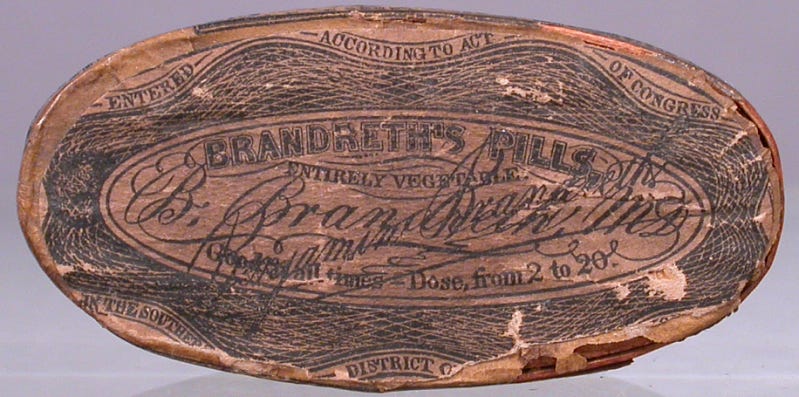
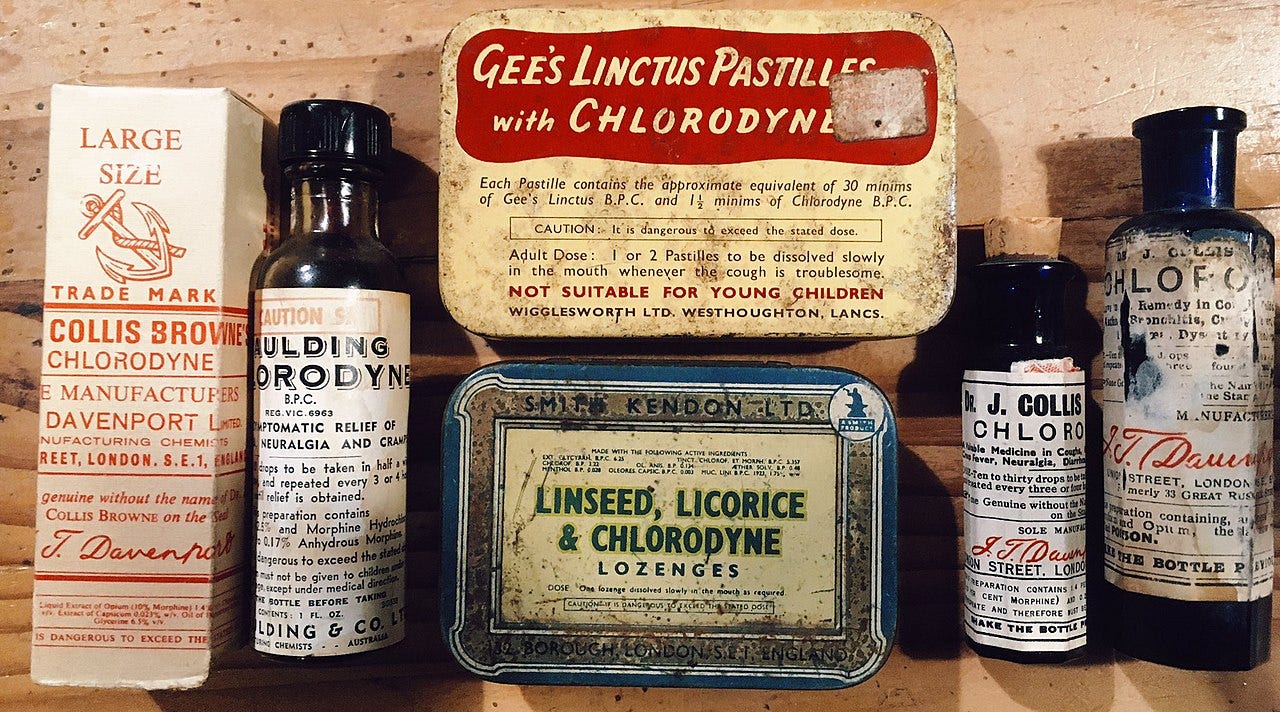
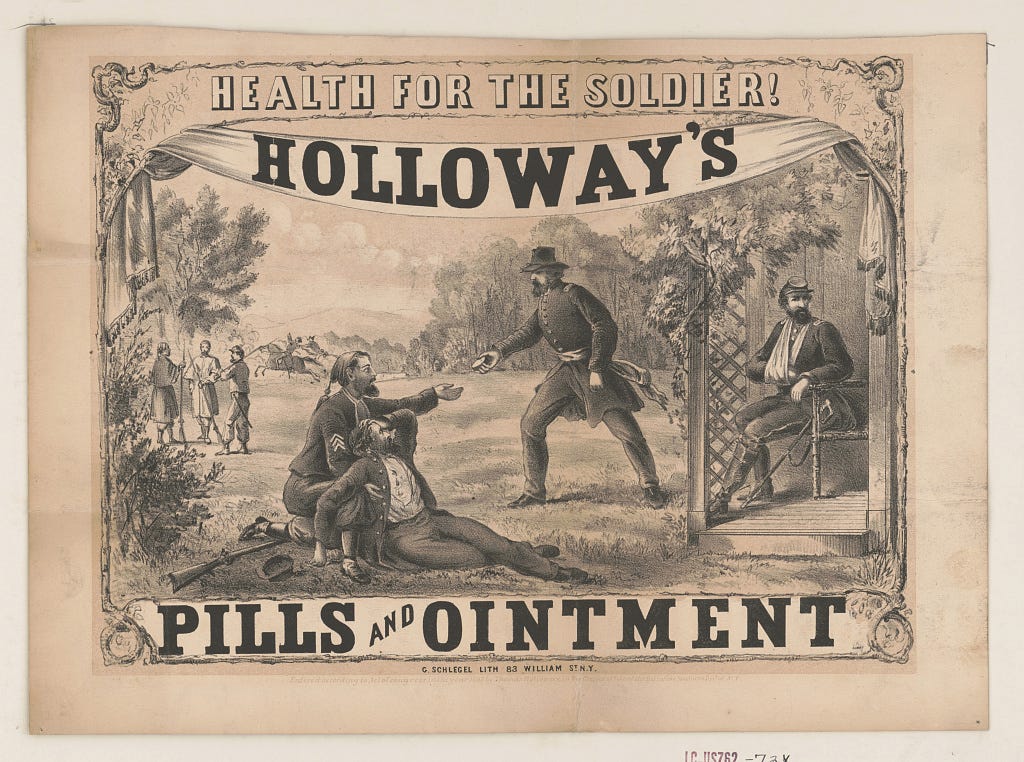
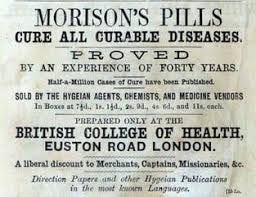
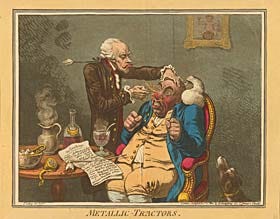





 Madison Area Lyme Support Group