Archive for the ‘Treatment’ Category

‘Cancer Disappeared’

**UPDATE**

Listen to this 50 Min interview with Dr. John Campbell and Dr. Makis who is helping cancer patients globally with cheap, safe, repurposed drugs with great success.

https://www.2ndsmartestguyintheworld.com/p/dr-paul-marik-on-ivermectin-and-cancer

Dr. Paul Marik On Ivermectin and Cancer: “We know of cases of patients who had solid tumors…and together with some other drugs… the cancer disappeared.”

Dr. Lee Merritt: “Doctors around the world are showing that cancer is intracellular parasites.”

Dr. Paul Marik discusses how Ivermectin, aka “horse dewormer,” has not only been vindicated as an effective treatment for COVID, but it is now proving to be an extremely powerful cancer treatment protocol.

Exactly how safe is Ivermectin?

You’re more likely to die from taking aspirin or Tylenol than taking Ivermectin. ~ Dr. Paul Marik

There is essentially no possible way to overdose on Ivermectin, and this drug is so safe there is no established level of toxicity.

According to Dr. Lee Merritt, one of the leading Ivermectin experts in the world, cancer may very well be an intracellular parasitic condition.

Doctors around the world are showing that cancer is intracellular parasites.

If you look at cancer under a light microscope, it’s essentially indistinguishable from parasite egg sacs. ~  Dr. Lee Merritt

Which is exactly why during the PSYOP-19 “pandemic” the democidal powers that be wanted so desperately to put the kibosh on Ivermectin. Not only would  Ivermectin have prevented all of the COVID murders committed at hospitals, it would have rapidly reduced global cancer trends, which are now exploding.

Instead, BigPharma — an asset of the Intelligence Industrial Complex — was tasked with manufacturing the slow kill bioweapon “vaccines” on behalf of their DoD and Pentagon patent holders. And after the recent societal rejection of vaccines in general, the last cash cow for BigPharma is cancer “treatment.”  (See link for numerous articles & videos)

________________

For more:

Whistleblower Exposes Widespread Hospital Corruption During COVID

**UPDATE**

Furthering the global psyop concept, an American living in China in 2019 recently stated:

“And I was trying to tell people. I went on television here live and I said, ‘Hey. Listen. This is not what you think it is. Anyway, of course, they said that stuff. But what I noticed was when you went up into the mountains and you were with the villagers, there was no COVID. There was no people wearing masks…so I realized this so-called virus has a mind of its own, and it only stays in big cities. And it doesn’t attack people when they’re in a restaurant and they’re sitting down. It had a time schedule. It would come out from 9 PM…because you have to be in by 9 PM, and then you couldn’t come out until, like, 6 or 7 o’clock in the morning. I said, ‘Wow. This doesn’t make any sense.'” ~ Victor-Hugo Vaca Jr.

Because psyops aren’t supposed to make any sense.
They are utilized for a pre-determined outcome for public acceptance of their ‘counter measures’

https://petermcculloughmd.substack.com/p/va-whistleblower-exposes-widespread?

VA Whistleblower Exposes Widespread Hospital Corruption During COVID-19

Former Navy Corpsman and ICU Nurse Shane Claytor Reveals Government Retaliation, Dangerous Protocols, and the Systemic Betrayal of Patients

Shane Claytor, a former Navy Corpsman, Iraq War Veteran, and ICU nurse, has worked inside both the VA and private healthcare systems. Shane has seen firsthand how hospital policies, corporate interests, and government mandates have compromised patient care. In this interview, Shane reveals:

  • The stark contrast between private hospitals and the VA system during the early days of COVID-19, including the lack of preparedness in private facilities and the bureaucratic dysfunction in government-run hospitals.
  • The suppression of dissent within the VA, where speaking out against questionable policies—such as excessive isolation, improper use of ventilators, and the sidelining of early treatment options—led to retaliation, including an investigation that sidelined him for seven months.
  • The failures of COVID-19 protocols, including the widespread use of remdesivir, which he and other healthcare professionals observed was linked to kidney failure. He compares outcomes at the VA, where the drug was heavily administered, to other hospitals that used it more sparingly and saw far fewer complications.
  • The toxic culture within healthcare institutions, where unvaccinated patients were stigmatized, and doctors failed to physically assess COVID-19 patients, relying instead on remote decision-making, which harmed patient care.
  • His personal journey of witnessing the effects of government mandates, corporate influence, and media-driven misinformation, leading him to advocate for healthcare reform and transparency in medical protocols.
  • His advocacy for VA healthcare reform, as he believes the system is deeply flawed and requires urgent intervention, especially with potential policy shifts under a new administration.

Consider following Shane on X: https://x.com/TheHealingFront

And his YouTube channel: https://www.youtube.com/@TheHealingFront

_______________

For more:

Cheap, safe, effective treatments were banned and doctors who promoted them were censored and persecuted.

Treatment & Recovery of mRNA Shot Injury

https://rairfoundation.com/kill-shot-dr-mark-trozzi-exposes-mrna-vaccines/

‘Kill Shot’: Dr. Mark Trozzi Exposes mRNA Vaccines as a Genetically Engineered Bioweapon and Reveals Groundbreaking Recovery Solutions (Video)

Rair Foundation

1/27/25

The top link will take you to a five part series with Dr. Trozzi.  Part IV is the treatment and recovery section posted below.

Article Excerpt:

Part IV: Treatment and Recovery

Dr. Trozzi concluded with practical strategies to mitigate the effects of mRNA vaccines and support recovery. He emphasized the importance of both natural and medical interventions.

  • Enhancing Autophagy: Autophagy, the body’s process of clearing damaged cells and proteins, can be stimulated through:
    • Intermittent Fasting: Restricting food intake to a 6-8 hour window daily.
    • Extended Water Fasts: Periodic 3-day water fasts to boost cellular cleanup and regeneration.
  • Key Supplements:
    • Nattokinase: An enzyme derived from fermented soybeans, effective in breaking down blood clots and degrading spike proteins.
    • Bromelain: Found in pineapples, this enzyme reduces inflammation and targets amyloid structures linked to spike proteins.
    • N-Acetylcysteine (NAC): An antioxidant that blocks spike protein binding and reduces oxidative stress.
    • Curcumin: The active compound in turmeric, enhanced with black pepper extract (piperine) for greater efficacy.
  • Repurposed Medications:
    • Ivermectin: Binds to spike proteins and neutralizes their effects.
    • Hydroxychloroquine: Facilitates zinc entry into cells, inhibiting viral replication and modulating immune responses.
  • Holistic Health Principles: Dr. Trozzi recommended a “NEW START” approach:
    • Nutrition: Emphasizing organic, nutrient-dense foods.
    • Exercise: Promoting regular physical activity.
    • Water: Staying hydrated with clean, fluoride-free water.
    • Sunshine: Ensuring adequate vitamin D levels.
    • Temperance: Avoiding excessive alcohol, smoking, and other harmful habits.
    • Air: Benefiting from fresh, outdoor environments.
    • Rest: Prioritizing quality sleep.
    • Trust in God or Spirituality: Reducing stress and cortisol levels through faith or mindfulness.

I also highly recommend his article: PCR Testing was a scam & How to Heal Post Injection.

Who’s Trying to Stop America From Being Healthy Again?

Asking who is trying to stop us from being healthy should be important to everyone, but particularly to Lyme/MSIDS patients.  You don’t have to be in Lymeland for very long before realizing ‘things are not right.’

Lyme Monsters: Doctors who repeatedly attack sick patients, advocates, nonprofits, and Lyme literate doctors”.

It’s also important to ask due to the fact an alarming new study shows deaths of Americans aged 25-44 spiked to 70% above the expected rate in 2023.  They examined over 3.3 million deaths.

Predictably ignoring the elephant in the room, drug overdoses, suicides, alcohol, and the pandemic are blamed for the trend, despite the fact the causes of these deaths normally kill much older people, as well as the sudden contribution of cardiometabolic conditions.

Dr. Pierre Kory notes:

“the inexplicable and unprecedented rises in group term life insurance claims among young people 25-44, which occurred suddenly in the 3rd quarter of 2021 when mandates were all the rage.”

Dr. James Thorp is also sparking widespread concern that babies from COVID ‘vaccinated’ mothers are dying from placentas failing to grow and blood flowing incorrectly to the umbilical cord.

In the following article, A Midwestern Doctor gives the sordid history.  Please remember the many and varied Big Pharma tactics including the fact that Merck created a hit list to ‘destroy,’ ‘neutralize,’ or ‘discredit’ dissenting doctors.  This tactic is common everywhere in ‘public health‘ and the medical industrial complex and was routinely used during COVID.

________________

https://www.midwesterndoctor.com/p/whos-trying-to-stop-america-from?

Who’s Trying to Stop America From Being Healthy Again?

Untangling the century of dark industry tactics that have poisoned the health of America

Silencing Dissent

Since COVID-19 began, those who tried to warn the public about the clear dangers of how we were addressing COVID-19 (e.g., lockdowns, vaccines, and remdesivir) have been targeted and silenced. While many were initially in disbelief our government could do something like this, more cynical parties (e.g., myself) suspected something like this would happen (as it always does) and caught the early warning signs of it.

In my eyes, beyond the over-the-top marketing throughout the media to promote the COVID boondoggle, there were three particularly noteworthy (and interwoven) facets to this campaign:

  1. Widespread censorship of opposing ideas (e.g., GoFundMe deleting fundraisers for individuals who had severe COVID vaccine injuries and nowhere else to turn for help since those fundraisers alerted people to the vaccines not being completely “safe and effective” and most of the news networks refusing to question the COVID narrative). Of note, from the start, I assumed there had to be shadow banning occurring (as I could see the effects of it happen in real time) and coordination between the social media platforms and the Biden administration—an illegal activity which was gradually confirmed by lawsuits (e.g., due to the Twitter file) and other leaks that revealed shadow banning was widespread on the tech platforms.
  2. The establishment targeted anyone who dissented against the narrative in a coordinated fashion. For example, many absurd complaints were used to target the medical licenses of physicians who were saving patients from dying from COVID (e.g., Meryl Nass, whose suspension was so absurd that 13 members of Maine’s legislature formally complained to the medical board about it).
  3. A very aggressive and coordinated campaign to neutralize anyone who disputed the narrative on social media. Early on, I began to suspect this was happening because I’d see the same bad actors (typically doctors) use the same sculpted talking points. In April 2024, I found out an industry funded group did indeed exist, and that: •Many of the people I’d suspected were in a coordinated conspiracy did indeed belong to a secret group (“Shots Heard”) dedicated to fighting misinformation online.  •That group was tied to the Federal Government and funded by the pharmaceutical industry. •That group, one by one, would target dissident healthcare workers and attempt to both get them removed from social media, to have their medical licenses taken away or get them fired from work, and in some cases, to directly harass them at their homes.

(See link for article)

_________________

**Comment**

Once again, a very astute piece by AMD on important history that is imperative to understand.

A brief bullet-point of items discussed:

  • A chronology of the FDA’s war against America’s health and how many toxic food additives got ‘grandfathered’ into or food supply as ‘generally recognized as safe,’ as well as the cutthroat lobbying from the food industry and the resulting monopolization of food.
  • Due to powerful lobbyists defending industries that contribute to poor health, actions to address ‘the root causes of disease,’ are never taken.
  • The power of public relations and the common tactic they underhandedly deploy:
    • by paying a ‘trusted’ 3rd party ‘expert’ to promote their message
    • by creating an organization with a name that implies the opposite of what it actually does and then having the group promote policies that harm their stated cause to support the industry that in turn funds it all

Herbs For Bartonella & Babesia

https://iladef.org/herbs-for-bartonella-and-babesia/?

The International Lyme and Associated Diseases Society (ILADS) is a nonprofit, international, multidisciplinary medical society dedicated to the diagnosis and treatment of Lyme and other complex inflammatory diseases. With these educational blog posts from experts and members of our board, ILADS aims to promote awareness and understanding of health and wellness, especially as it relates to complex inflammatory diseases, so that we can all learn and grow together. If you have any questions or want more information, you can email us at contact@ilads.org. 

Disclaimer: Every patient is an individual with unique characteristics. This blog article is not medical advice. It does not constitute a physician-patient relationship. It is for educational purposes only. Do not try out what is in this article without medical advice, working with your licensed physician and licensed healthcare providers

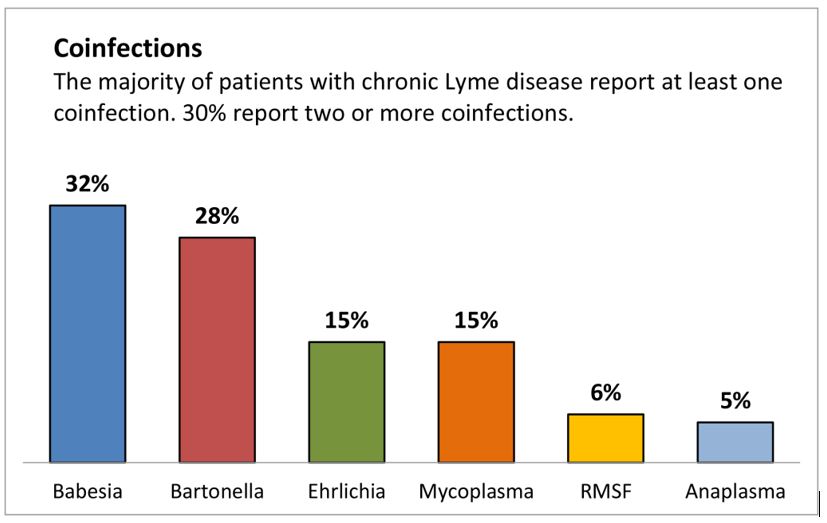
For people grappling with chronic Lyme disease, Bartonella and Babesia are increasingly in the spotlight. These stealthy microbes are often linked to some of the most debilitating symptoms, yet there’s a puzzling twist: they rarely cause severe acute illness in otherwise healthy individuals. This paradox may hold the key to understanding why traditional antibiotics often fall short—and why herbs, with their complex and synergistic properties, might offer a more promising path to lasting relief.

Babesia

Babesia is a protozoan. It shares characteristics with Plasmodium, the protozoa that cause malaria, but its potential to make people acutely ill is much lower. Instead of mosquitoes, it’s spread primarily by ticks. The most common species of Babesia are Babesia microtiBabesia divergins, and Babesia duncani, but about a dozen species have been associated with human illness.

Like Plasmodium, Babesia invades erythrocytes (red blood cells). Symptoms associated with an acute infection of Babesia, however, tend to be mild and may not appear at all: About 1 in 4 cases are asymptomatic. Symptomatic cases in immunocompetent (healthy) individuals generally resolve without treatment. Significant acute illness is mostly isolated to immunocompromised individuals and those lacking a spleen. Because most cases resolve without treatment, only about 2,000 cases are reported in the U.S. each year.

Bartonella

Bartonella is a slow-growing, gram-negative bacterium. The most common species include Bartonella quintana (trench fever) and Bartonella henselae (cat scratch fever), but a variety of Bartonella species infect humans; in fact, every mammalian species on earth (including whales!) harbors some species of Bartonella. Bartonella is spread primarily by insect and other arthropod vectors, including fleas, lice, and ticks.

Bartonella is a facultative intracellular bacterium, meaning it can live either inside or outside cells. It has a preference for invading endothelial cells lining small blood vessels. Like a tiger waiting for prey, this places the bacteria at an ideal location to invade and scavenge nutrients from erythrocytes.

As with Babesia, symptoms of acute infection with Bartonella are generally mild, and asymptomatic infections are not uncommon. Most infections in immunocompetent individuals resolve without treatment and go unreported.

A Balanced Relationship is a Natural State

Their main survival strategy is persistence, not aggression. (This is true of Borrelia and all the Lyme coinfections as well). Overwhelming a host with infection doesn’t work in the microbes’ favor. An equilibrium in which the host isn’t severely affected but the microbes can persist offers a stable environment for the microbes and — importantly — allows ongoing opportunities to spread to new hosts.

Of course, the host’s immune system would rather not have them there at all and makes every effort to root them out. The microbes, however, match that effort with sophisticated moves that allow them to persist. It’s a chess game that’s been going on between hosts and microbes for millions of years. In the end, a balanced host-microbe relationship is a natural outcome.

Mechanisms of Persistence

A key strategy used by all the Lyme microbes is invading and surviving inside cells. The internal environment of a living cell offers isolation from both the immune system and antibiotics. Different microbes invade different cells. Babesia and Bartonella have a preference for invading erythrocytes (red blood cells).

Another key strategy is the ability to slow their growth or even go dormant. Slowed growth or dormancy (quiescence) allows microbes to remain inside a cell without affecting the cell’s functions or alerting the immune system that the cell has been compromised.

Babesia parasites are cleared primarily by macrophages in the spleen (which is why not having a spleen is a big risk factor for severe acute illness). When red blood cells become swollen with parasites, the swollen red blood cells become trapped and then eliminated. By slowing their growth rate, red blood cells infected with parasites don’t swell, which allows infected red blood cells to pass through the spleen undetected.

Persistence of Babesia for greater than two years has been documented in asymptomatic individuals. Transmission of Babesia by blood transfusion is a leading risk to the blood supply in the United States, suggesting that individuals harboring Babesia asymptomatically are not uncommon.

The same strategy is used by Bartonella. It has been documented that the bacteria can achieve a slow enough growth rate to survive undetected for the lifespan of infected erythrocytes. In addition to lodging within erythrocytes, these bacteria may exist within lymphocytes and other cells in the body. Numerous studies have documented an asymptomatic carrier state for Bartonella in healthy individuals.

That isn’t to say that Babesia and Bartonella aren’t pathogens. They most certainly are. But they wait until they have the advantage. And they can wait — quietly residing inside cells — for a long time.

And it isn’t just Babesia and Bartonella. All the Lyme microbes use intracellular persistence as a strategy, though each microbe goes about it in a different way and has preference for different cell types. Together they form a silent reservoir of pathogens hiding out in blood and tissues — all waiting for an opportunity.

Reaching the Boiling Point

That opportunity comes if the host’s health is compromised. 

Sometimes it’s a sudden event — like a severe trauma or infection with a more virulent microbe, such as SARS-CoV-2 (COVID-19) — that tips the balance. But more often it’s multiple factors adding up over time: years of eating a poor diet, inadequate sleep, chronic exposure to toxic substances, or a sedentary lifestyle. All of those factors may weaken cells.

Once infected cells are weakened by stress, the microbes are free to grow unchecked. Unchecked microbes destroy cells. The types of symptoms that result correspond to the types of cells that are damaged.

Destruction of erythrocytes by Babesia results in symptoms including anemia, headache, muscle and joint aches, air hunger, an enlarged spleen and liver, brain fog, jaundice, bruising, petechiae, and dark urine.

Invasion of endothelial cells (cells that line blood vessels) by Bartonella bacteria can cause constriction of blood flow, which can result in symptoms including bone pain, pain in the soles of feet, endocarditis, and liver or spleen enlargement. Damage to red blood cells can result in anemia. Entry into the central nervous system can cause a range of neurological symptoms.

Babesia and Bartonella, of course, don’t account for all the symptoms that occur with chronic Lyme disease. Compromised host status allows the unchecked growth of not only Babesia and Bartonella but also Borrelia and any other pathogens that might be lurking in the host’s blood and tissues. Because different microbes invade and damage different cells in the body, a wide range of symptoms is possible.

It’s like a pot boiling over on the stove. Increased microbial activity compounds stress on the host, which unleashes greater microbe activity. It becomes a vicious cycle with cellular destruction caused by a frenzy of unleashed microbes throughout tissues.

Where Treatments Fall Short

Whereas, antibiotics might seem like the logical solution, antibiotics only kill active microbes, but have minimal impact on the total reservoir of slow-growing or dormant intracellular microbes in tissues. As soon as the antibiotics are discontinued, new microbes emerge and the patient relapses.

What’s more, antibiotics don’t restore the body’s ability to contain the microbes. In fact, prolonged use of antibiotics further compromise this ability by:

  • Disrupting normal flora in the gut and skin, which are a key part of the body’s natural defenses
  • Generating antibiotic-resistant pathogens, which has become a major health hazard worldwide
  • Being toxic to cells and mitochondria in the body

Winning the battle requires long-term suppression of microbe activity — without causing further stress to the body. In other words, you have to counter the microbes with the same strategy they use — with persistence instead of aggression.

The best suited option to achieve that goal is herbal therapy.

The Herbal Advantage

Herbs are plants. Like all living organisms, plants must maintain defenses against invasive microorganisms. They accomplish that task with a sophisticated defense system made up of hundreds of chemical substances known as phytochemicals.

It’s not a random collection of chemicals, however. The plant phytochemical defense system functions somewhat like an immune system. It’s selective for a wide range of pathogenic bacteria, viruses, protozoa, fungi, and parasites — but doesn’t adversely affect normal flora.

This gives herbs a distinct advantage over synthetic antibiotics. The regular use of herbs actually balances the microbiome of the gut and skin, instead of disrupting it. Though well recognized, this phenomenon has been documented by science.

The advantages don’t stop there.

Antimicrobial resistance occurs most rapidly with the use of synthetic antibiotics. This creates antibiotic-resistant “superbugs.” In contrast, the same type of resistance doesn’t occur to herbs. In a world where antibiotic-resistant pathogens have become a major problem, herbs may be our best hope.

Instead of being toxic to cells (like antibiotics and many therapies), the phytochemical defense provided by herbs protects cells throughout the body from a wide range of stress factors by neutralizing free radicals, harmful radiation and toxic substances. This provides a high level of protection to cells.

Herbs are plants that humans have selectively consumed for hundreds or even thousands of years as both food and medicines. Not surprisingly, the most commonly used herbs have a very low potential for toxicity.

While all herbs provide broad-spectrum antimicrobial properties, some herbs are more potent than others — and many of these herbs have found their way to treatment of chronic Lyme disease.

People have been using herbal therapy to treat chronic Lyme disease with good results for over two decades. Their stories and accounts, posted on the internet and social media, provide strong support for herbal therapy as a viable option for overcoming chronic Lyme disease.

The popularity of herbs for Lyme disease caught the attention of researchers at Johns Hopkins University. In a study published in 2020, a dozen herbs commonly used for treatment of chronic Lyme disease were evaluated for activity against Borrelia burgdorferi. Of the twelve, seven herbal extracts were found to have greater activity against both motile and cyst (dormant) forms of the bacteria than commonly used antibiotics.

The list included

  • Cryptolepis sanguinolenta
  • Juglans nigra (Black walnut)
  • Polygonum cuspidatum (Japanese knotweed)
  • Artemisia annua (Sweet wormwood)
  • Uncaria tomentosa (Cat’s claw)
  • Cistus incanus
  • Scutellaria baicalensis (Chinese skullcap)

In the same year, two other studies were published using some of these same herbs against Babesia and Bartonella.  In one study published in Frontiers in Cellular and Infection MicrobiologyCryptolepis sanguinolentaArtemisia annuaScutellaria baicalensis, Alchornea cordifolia, and Polygonum cuspidatum were found to have good in vitro inhibitory activity against Babesia duncani in the hamster erythrocyte model.

In a second study done at Cold Springs Harbor Laboratory, Cryptolepis sanguinolentaJuglans nigra, and Polygonum cuspidatum were able to eradicate all stationary phase Bartonella henselae cells within 7 days.

The fact that several of the herbs — Polygonum cuspidatum (Japanese knotweed), Scutellaria baicalensis (Chinese skullcap), and Cryptolepis sanguinolenta — had good activity against more than one of the microbes shows the wide range of activity found in herbs. When herbs with strong broad-spectrum antimicrobial properties are combined with immunomodulating and adaptogenic herbs and medicinal mushrooms, the results can be phenomenal.

Rebuilding the Body Back Better

The low potential for toxicity associated with these herbs allows you to do something that isn’t possible or practical with most chronic Lyme therapies — never let up. Herbal therapy can be continued until all symptoms are resolved, even if that takes years. Instead of being in a perpetual war, however, you can think of it as rebuilding your body from the ground up.

Learn more about Dr. Rawls’ approach to treating chronic illness with herbal therapy on RawlsMD.

References

An X, Bao Q, Di S, et al. The interaction between the gut Microbiota and herbal medicines. Biomed Pharmacother. 2019;118:109252.

Akel T, Mobarakai N. Hematologic manifestations of babesiosis. Ann Clin Microbiol Antimicrob. 2017;16(1):6.

Bloch EM, Kumar S, Krause PJ. Persistence of Babesia microti Infection in Humans. Pathogens. 2019;8(3):102.

Bush JC, Robveille C, Maggi RG, Breitschwerdt EB. Neurobartonelloses: emerging from obscurity!. Parasit Vectors. 2024;17(1):416.

Cheslock MA, Embers ME. Human Bartonellosis: An Underappreciated Public Health Problem?. Trop Med Infect Dis. 2019;4(2):69.

Deng H, Pang Q, Zhao B, Vayssier-Taussat M. Molecular Mechanisms of Bartonella and Mammalian Erythrocyte Interactions: A Review. Front Cell Infect Microbiol. 2018;8:431.

Eicher SC, Dehio C. Bartonella entry mechanisms into mammalian host cells. Cell Microbiol. 2012;14(8):1166-1173.

Feng J et al. Evaluation of Natural and Botanical Medicines for Activity Against Growing and Non-growing Forms of B. burgdorferi. Front Med (Lausanne). 2020 Feb 21;7:6.

Goc A, Niedzwiecki A, Rath M. In vitro evaluation of antibacterial activity of phytochemicals and micronutrients against Borrelia burgdorferi and Borrelia garinii. J Appl Microbiol. 2015;119(6):1561-1572.

Goc A, Rath M. The anti-borreliae efficacy of phytochemicals and micronutrients: an update. Ther Adv Infect Dis. 2016;3(3-4):75-82.

Jalovecka M, Sojka D, Ascencio M, Schnittger L. Babesia Life Cycle – When Phylogeny Meets Biology. Trends Parasitol. 2019;35(5):356-368.

Jin X, Gou Y, Xin Y, et al. Advancements in understanding the molecular and immune mechanisms of Bartonella pathogenicity. Front Microbiol. 2023;14:1196700.

Ma X, Leone J, Schweig S, Zhang Y. Botanical Medicines with Activity against Stationary Phase Bartonella henselae. Cold Spring Harbor Laboratory.

Scherler A, Jacquier N, Greub G. Chlamydiales, Anaplasma and Bartonella: persistence and immune escape of intracellular bacteria. Microbes Infect. 2018;20(7-8):416-423.

Vannier EG, Diuk-Wasser MA, Ben Mamoun C, Krause PJ. Babesiosis. Infect Dis Clin North Am. 2015;29(2):357-370.

Xi Y, Li X, Liu L, et al. Sneaky tactics: Ingenious immune evasion mechanisms of BartonellaVirulence. 2024;15(1):2322961.

Zhang Y, Alvarez-Manzo H, Leone J, Schweig S, Zhang Y. Botanical Medicines Cryptolepis sanguinolenta, Artemisia annua, Scutellaria baicalensis, Polygonum cuspidatum, and Alchornea cordifolia Demonstrate Inhibitory Activity Against Babesia duncani. Front Cell Infect Microbiol. 2021;11:624745.

_______________

**Comment**

Please keep in mind this is one doctor’s opinion who just happens to make money off the very thing he promotes, so there’s a definite conflict of interest.

Also, since treating over a long period of time is often required, keep an open mind, and be willing to experiment.  It is common knowledge that people respond quite differently to treatment.  Wisdom and finesse is required for this journey.  Your best bet is to see an experienced Lyme literate doctor.

Personally, I can say I’ve used nearly everything out there – and some things definitely worked better than others, but again, what worked for me may not work for you.  Also, it’s important to understand dosages, pulsing, and cycling of treatments as these issues can make all the difference.

For more: