Archive for the ‘Transmission’ Category

Wisconsin DHS Reports Presumptive Positive Human Case of H5N1. Meanwhile Congress Looks to Bankroll More Biolabs to Experiment on Dangerous Pathogens

https://www.dhs.wisconsin.gov/news/releases/121824.htm

For Immediate Release
December 18, 2024
Contact
Elizabeth Goodsitt, 608-266-1683
Jennifer Miller, 608-266-1683

DHS Reports Presumptive Positive Human Case of Highly Pathogenic Avian Influenza (HPAI) in Wisconsin

The Wisconsin Department of Health Services (DHS) has detected the first presumptive positive human case of Highly Pathogenic Avian Influenza A (H5N1), also known as bird flu, in Barron County. The human case follows an infected flock of commercial poultry identified in Barron County. The person had exposure to the infected flock. The case was identified through testing at the Wisconsin State Lab of Hygiene (WSLH) and is pending confirmation at CDC (Centers for Disease Control and Prevention).

DHS, in coordination with Barron County Health and Human Services, is monitoring farm workers who may have been exposed to the virus and has provided them with information to protect their health. The risk to the general public in Wisconsin remains low. People who work with infected animals, or have recreational exposure to them, are at higher risk.

The H5N1 HPAI virus has continued to circulate in both wild and domestic birds in North America since December 2021. H5N1 HPAI viruses are highly contagious and often fatal to domestic poultry. Caused by influenza type A viruses, the disease can cause illnesses ranging from very mild to severe depending on the strain and species affected. The disease can spread from infected birds to people by contact with infected birds, commingling with wild birds or their droppings, equipment, or clothing worn by anyone working with the animals.

The virus does not spread easily from animals to people. People who have gotten sick with bird flu have been in direct contact with infected animals.

Symptoms of bird flu in people include:

  • Sore throat
  • Fever
  • Muscle aches
  • Cough
  • Eye infections (Conjunctivitis)

Anyone who develops symptoms of flu or an eye infection and has been in contact with animals who may have been infected should stay home (not go to work, school, shopping, or use public transportation) and call their doctor’s office or clinic before visiting so they can take precautions to ensure other patients are not exposed to the virus. Treatment for bird flu may include hospitalization, supportive care, and/or the use of antivirals.

It is safe to eat eggs, poultry, and meat that has been fully cooked. Pasteurized milk and milk products, such as cheese and yogurt, are also safe to eat and drink. General precautions should always be taken when handling any raw meat, including raw eggs, to avoid possibly spreading germs. These measures include:

  • Washing hands and surfaces before and after food preparation.
  • Avoiding using the same utensils on raw meat as on other foods, even cooked meat.
  • Cooking raw meat thoroughly.

Additional case counts will be posted to Outbreaks, Recalls, and Investigations in Wisconsin. Prevention information for farmworkers or others who have close contact with birds, dairy cows, or other relevant animals can be found under Protective Actions for People.

Letter Breaking Down Timeline & Deception of Lyme Disease: No Studies Have Ruled out Sexual Transmission

https://www.change.org/p/the-us-senate-calling-for-a-congressional-investigation-of-the-cdc-idsa-and-aldf/u/

Question for Aaron Siri, Managing Partner Siri & Glimstad

Carl Tuttle
Hudson, NH, United States
Dec 18, 2024

If antibiotic resistance was acknowledged early on by our Public Health Officials as it was by Dr. Allen Steere in 1977 the focus would have been on developing new antimicrobials (or different combinations) as seen in the treatment of Brucellosis but the potential money grab from a Lyme vaccine was far too lucrative to pass up. Everything about Lyme from that point forward had to support vaccine development. A chronic relapsing SERONEGATIVE disease did not fit the vaccine model. The money orgy produced by vaccines could not be more obvious through recent Covid events. The rest of the world now has a bird’s eye view of what our Public Health Officials are capable of when a false narrative has been dictated. The disabled Lyme community has been shouting from the rooftops for decades and everyone reading this knows of someone severely affected from Lyme disease; shame on you for not speaking up!

The following letter to Aaron Siri, Managing Partner of Siri & Glimstad breaks down the timeline and deception. Attorney Siri recently exposed the truth/facts about childhood vaccines through the depositions of Stanley Plotkin world’s leading authority on vaccines and Dr. Kathryn Edwards world’s leading vaccinologist.

Letter to Attorney Siri:

———- Original Message ———-
From: CARL TUTTLE <runagain@comcast.net>
To: “aaron@sirillp.com” <aaron@sirillp.com>
Cc: “mbarney@sirillp.com” <mbarney@sirillp.com>, “ebrehm@sirillp.com” <ebrehm@sirillp.com>, “ddisabato@sirillp.com” <ddisabato@sirillp.com>, “lconsidine@sirillp.com” <lconsidine@sirillp.com>, “wmoller@sirillp.com” <wmoller@sirillp.com>, “mconnett@sirillp.com” <mconnett@sirillp.com>, “ahaskins@sirillp.com” <ahaskins@sirillp.com>, “cxenides@sirillp.com” <cxenides@sirillp.com>
Date: 12/13/2024 12:29 PM EST
Subject: Question for Aaron Siri, Managing Partner Siri & Glimstad

Siri & Glimstad
Aaron Siri, Managing Partner

Dear Attorney Siri,

When and who ruled out sexually transmitted Lyme disease?

Hold that thought for one moment please….

Weren’t we told by IDSA/Eugene Shapiro that there has never been one case of congenital Lyme? WRONGWRONG!

Weren’t we told by the New York Times that Lyme is “hard to catch and easy to halt”? WRONG!

Weren’t we told by Wormser that persistent symptoms are nothing more than the aches and pains of daily living? WRONG!

Weren’t we told by Mainstream media that LYMErix was taken off the market due to poor sales? WRONG!

Weren’t we told by the CDC/IDSA that the bulls-eye rash appears 80% of the time?  WRONG!

Weren’t we told by the CDC/IDSA Paul Auwaerter that the two-tier Lyme test is a good test?  WRONGWRONG!

Weren’t we told by Wormser that single dose Doxycycline as a prophylaxis after tick bite is sufficient in stopping the disease? WRONG!

Weren’t we told by the CDC/IDSA that there’s no Lyme disease in the south?  WRONG!

Weren’t we told by the CDC/IDSA that it takes 48hrs of tick attachment before the disease can be transmitted. WRONGWRONG!

Weren’t we told by the (CDC/IDSA/ALDF) that there is no toxin involved in Lyme disease? WRONG! Again.

So what else have they gotten wrong??

Getting back to my original question: “sexually transmitted Lyme disease” ...

The 2014 study below found culture positive evidence of Borrelia spirochetes in the genital secretions of these patients:

Culture and identification of Borrelia spirochetes in human vaginal and seminal secretions
https://pmc.ncbi.nlm.nih.gov/articles/PMC5482345/

Conclusions:  The culture of viable Borrelia spirochetes in genital secretions suggests that Lyme disease could be transmitted by intimate contact from person to person. Further studies are needed to evaluate this hypothesis.

Here is the CDC’s stance on sexually transmitted Lyme disease:

About other modes of transmission
https://www.cdc.gov/lyme/causes/index.html

There is no credible scientific evidence that Lyme disease is spread through touching, kissing, or sexual contact. Published studies in animals do not support sexual transmission (Moody 1991; Woodrum 1999), and the biology of the Lyme disease spirochete is not compatible this route of exposure (Porcella 2001).

Carl Tuttle’s comment: ONE SINGLE PUBLICATION 23 YEARS AGO! This is not an actual study proving or ruling out sexual transmission; this is one man’s perspective using the words “suggest/suggests/suggesting.”

Don’t look!  That assures you won’t find!

Isn’t that exactly what you just exposed Attorney Siri in the depositions of Stanley Plotkin and Dr. Kathryn Edwards regarding the vaccine and autism debate? There have been no autism studies for the childhood vaccine schedule to challenge the mantra “Vaccines Do Not Cause Autism because we say so.”

There have been no studies to rule out sexually transmitted Lyme disease so how much sexually transmitted Lyme has been circulating in the public for the past three decades or more?

In 2003 Texas physicians Harvey and Salvato tested their chronically ill patients for Lyme disease via CDC Western blot criteria finding all patients positive for the infection in a state where the prevalence of Lyme infected ticks is only about 1-2%. “No history of bull’s-eye rash or illness following tick bite was reported by these patients.” The CDC defines “Lyme disease” exclusively as a zoonotic illness. Congenital and gestational transfer cases have been disregarded for reasons not evident to us.”

Here is an example of how other infections have been managed:

Chronic Brucellosis and Persistence of Brucella melitensis DNA
https://www.ncbi.nlm.nih.gov/pubmed/?term=Chronic+Brucellosis+and+Persistence+of+Brucella+melitensis+DNA

After acute brucellosis infection, symptoms persist in a minority of patients for more than 1 year. Such patients are defined as having chronic brucellosis. Since no objective laboratory methods exist to confirm the presence of chronic disease, these patients suffer delays in both diagnosis and treatment.

Why haven’t we done this with Borrelia burgdorferi infection…..

1. Administration of a triple versus a standard double antimicrobial regimen for human brucellosis more efficiently eliminates bacterial DNA load.
https://www.ncbi.nlm.nih.gov/pubmed/25246401

The doxycycline-streptomycin-rifampin regimen eliminates Brucella DNA more efficiently than doxycycline-streptomycin, which may result in superior long-term clearance of Brucella.

2. Different Clinical Presentations of Brucellosis.
https://www.ncbi.nlm.nih.gov/pubmed/27284398

It was once believed that rifampin was curative in treating Brucellosis but when symptoms returned doxycycline was added to the mix and when that too failed a third antibiotic, streptomycin was added to the current treatment regimen.

In contrast, oral amoxicillin or doxycycline remains the treatment of choice for treating Lyme disease for over thirty years regardless if debilitating symptoms return. Dr. Allen Steere knew that these antibiotics were not effective for all patients (see 1977 reference) but there has been no change in treatment or research to find more effective ways to eradicate the infection in all stages of disease.

Lyme arthritis: an epidemic of oligoarticular arthritis in children and adults in three connecticut communities. (1977)  https://pubmed.ncbi.nlm.nih.gov/836338/

Steere AC, Malawista SE, Snydman DR, Shope RE, Andiman WA, Ross MR, Steele FM.

Excerpt:

“The best treatment for this illness is not clear. Some physicians have reported that penicillin or tetracycline results in disappearance of the skin lesion (41,42), but others find antibiotics ineffective. Four of the patients with expanding skin lesions received penicillin but still developed arthritis.”

In contrast, the only action item we have in the pipeline after FORTY years for Lyme disease is a vaccine fast-tracked by the FDA in 2017. Since all the eggs have been put into the vaccine basket it would appear that our Health Agencies are in the shot business with annual revenue of $4.3 billion from the sales and patent royalties.

A chronic relapsing seronegative disease DOES NOT fit the vaccine model because you cannot prove vaccine efficacy in a disease where we don’t know who has or does not have the infection! So, deny the chronically infected by suppressing all evidence of antibiotic resistance, claim that the infection is easily treated because newer curative treatment for all stages of disease would give the public an excuse not to take the vaccine, reject all direct-detection methods that prove chronic infection and voila! move forward with patent royalties, vaccine development and pharmaceutical profits. The federal watchdog is no more. People suffering and dying and for what? Lyme for Profit.

The CDC has propagated this false Lyme disease narrative for decades and to this day refuses to recognize the disabling stage of the disease exposed in the documentaries Under our Skin and The Quiet Epidemic.

Suppressing evidence of antibiotic resistance for the sake of a vaccine is a crime Attorney Siri!

This is a criminal case that must be exposed as you have done with the childhood vaccine mantra; “Vaccines do not cause autism because we say so.”

Chronic Lyme does not exist because we say so! DO NOT QUESTION OUR PUBLIC HEALTH NARRATIVE, PERIOD!!! Or else…

We need your help Attorney Siri! We need your help!

Respectfully submitted,

Carl Tuttle
Independent Researcher
Lyme Endemic Hudson, NH

PS. Publication from our public health officials of Vector Borne Division of the CDC:

Post-treatment Lyme borreliosis in context: Advancing the science and patient care
Grace E. Marx*, Alison F. Hinckley, Paul S. Mead

Published 27 June 2021
https://www.thelancet.com/pdfs/journals/lanepe/PIIS2666-7762(21)00130-7.pdf

Tuttle’s comment:

This is the same old garbage (junk science) regurgitated by the CDC/IDSA year after year, decade after decade while avoiding the elephant in the room.

Conclusion: “Fortunately, safe and effective vaccines for Lyme disease may be on the horizon which could both reduce LB incidence on a population scale while averting long-term patient suffering”  Voila and there you have it folks!!!!

_________________

**Comment**

Our case is a perfect example of sexual transmission.  For our story:   https://madisonarealymesupportgroup.com/2017/02/24/pcos-lyme-my-story/

Lida Mattman was able to culture spirochetes from tears, sweat, urine, CSF, blood, plasma, fleas, mites, mosquitoes, etc. and UW researcher Elizabeth Burgess could infect cats orally, ocularly, via IV, and via contact transmission in dogs:  https://madisonarealymesupportgroup.com/2019/04/02/transmission-of-lyme-disease-lida-mattman-phd/  She almost lost her job over these findings because they didn’t want them found.

Brazil Faces Same Problems With Lyme Disease As Seen in the USA

http://cameronmd.com/brazil-faces-problems-lyme-disease-seen-usa/

Brazil faces same problems with Lyme disease as seen in the USA

An article published in the Brazilian Journal of Microbiology entitled “Brazilian borreliosis with special emphasis on humans and horses” examines the growing number of cases in Brazil of Lyme disease, referred to, in that country, as the Lyme-like or Baggio-Yoshinari Syndrome (BYS).

The authors take an in-depth look at BYS and how it compares to Lyme disease (LD) found in the United States. Although there are slight differences between the diseases, BYS and LD share similarities on many fronts. [1] “Despite the increasing number of suspect cases, this disease [BYS] is still neglected in Brazil by the medical and veterinary communities,” writes Basile and colleagues.

BYS causes some of the same symptoms seen in Lyme disease, such as erythema migrans, arthritis, neurological symptoms and cardiac disease. Both are difficult to diagnose.

“The disease is often unrecognized, especially at secondary or tertiary stages when patients do not remember what occurred months or years before the current disease,” stated Basile. “Certainly, many cases of unrecognized chronic neurological or articular disease are in fact cases of BYS not identified and treated at early stage.”

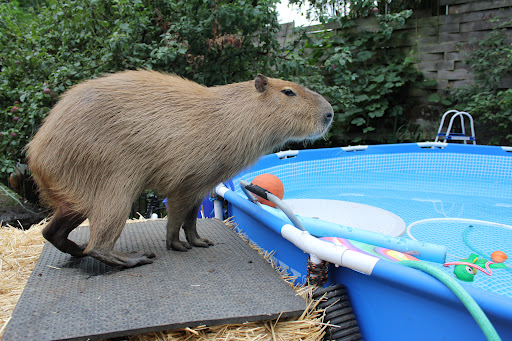
The capybaras, a popular Brazilian house pet, is a known reservoir for ticks infected with the Lyme-like or Baggio-Yoshinari Syndrome (BYS).

The Brazilian disease can also be multisystemic. “Baggio-Yoshinari Syndrome has been reported to cause neurological, cardiac, ophthalmic, muscle, and joint alterations in humans.” Furthermore, it has been associated with a high morbidity “due to the presence of symptom recurrence, severe reactive manifestations such as autoimmunity, and the need for prolonged treatment.”

According to Basile and colleagues, the disease progresses with recurrences, “especially if antibiotic treatment is initiated later than three months after infection.” Thus, treating the disease in its early stages is critical.

Cystic forms have been described, as well. “Because motile and spiral spirochetes were never isolated or cultured in Brazil, researchers from LIM-17 assumed that the etiological agent in Brazil was present in cystic form.”

The Brazilian patients may also be suffering from co-infections, as investigators identified other microrganisms in the blood of BYS patients. Tests showed “the occurrence of microorganisms with morphological structures similar to Mycoplasma spp., Chlamydia spp., and non-flagellated spirochetes in the peripheral blood of patients with BYS who were seropositive for B. burgdorferi sensu lato,” according to Basile. “Those patients exhibited negative serology for Mycoplasma spp. and Chlamydia spp.”

Additionally, laboratory testing for BYS is unreliable. There is a low sensitivity and specificity with the ELISA, enzyme immunosorbent assay, or western blotting for B. burgdorferi, in part because these tests utilize antigens from B. burgdorferi stricto sensu from the Northern Hemisphere.

Domestic pets have been described as potential reservoirs for ticks carrying the disease. The capybaras, a large rodent and popular house pet in Brazil, has been identified as a likely reservoir and is thus a threat in spreading the disease.

Wild and domestic animals can be infected. “Studies indicate that LB [Lyme borreliosis] in horses has clinical signs similar to the disease in humans, including fever and lethargy, arthritis, polysynovitis, lameness, muscle stiffness, abortion, meningitis, cranial neuritis, radiculoneuritis and encephalitis, uveitis, and premature death of foals,” according to Basile.

The authors’ findings reminds us that the challenges faced in the United States in gaining recognition for a disease that is growing in numbers and has the potential to cause chronic, debilitating illness is not unique to our country. The Brazilian patients suffering from the Lyme-like or Baggio-Yoshinari Syndrome are struggling to conquer the same obstacles.

“Lyme disease is a condition of extreme importance because it is a zoonosis that causes physical and psychological sequelae in affected individuals. It remains poorly investigated in Brazil, especially in the field of veterinary medicine. Therefore, studies describing the unique aspects of the disease in Brazil and the etiological agents found are needed.”

References:

  1. Basile, R.C., et al., Brazilian borreliosis with special emphasis on humans and horses. Braz J Microbiol, 2016.

Update: Oliveira from the Ministry of Health, Brasilia, DF, Brazil was not able confirm Lyme-like borreliosis in Brazil in a letter in the journal Travel Medicine and Infectious Disease.1 “The interpretations of the results have not followed those recommended by the CDC.” writes Oliveira. Only three cases of Lyme-like borreliosis were identified. “This evidence reinforces the hypothesis that Lyme borreliosis does not occur in Brazil.” writes Oliveira.

  1. de Oliveira SV, Faccini-Martinez AA, Cerutti Junior C. Lack of serological evidence for Lyme-like borreliosis in Brazil. Travel Med Infect Dis. 2018.

________________

**Comment**

Another perfect example of why the CDC must go.

This corrupt, inept organization rules the world.

Boy Gets Powassan Encephalitis After Camping Trip

https://danielcameronmd.com/powassan-encephalitis-camping-trip/

Young boy develops Powassan encephalitis after camping trip

powassan-encephalitis

Although the Powassan virus is considered to be a rare tick-borne illness, the number of cases is rising, and at an alarming rate. A recent survey found, a 4-fold rise in the number of Powassan virus cases in the US from 2014 to 2023 (compared with 2004 to 2013). [3]

This summer, a 9-year-old boy in Canada developed Powassan virus encephalitis, a life-threatening condition. In Pennsylvania, another young child was hospitalized with the virus. And, in April, an older man from Massachusetts was infected. Meanwhile, last year, a Maryland resident died from Powassan encephalitis after contracting it in Canada.

Powassan virus – transmitted in 15 minutes

The Powassan virus, which is transmitted through the bite of an infected blacklegged tick, can be deadly. And, most concerning, as cases are rising, the infection can be contracted within 15 minutes of a tick attachment.

The virus can cause fever, headache, vomiting, loss of coordination and memory and speech problems. It can also cause encephalitis (inflammation of the brain) and meningitis (inflammation of the membranes surrounding the brain and spinal cord.)

However, it often does not present with any symptoms, according to the CDC.

POWV encephalitis can be deadly

From 2004 to 2022, the US reported 288 cases of Powassan virus infection. Of these cases, 72 (25%) occurred in children, 264 patients (92%) required hospitalization, and 36 patients (13%) died.1

Patients infected with the virus have a “10% risk of developing fatal encephalitis and up to 50% of infected patients have long-term neurologic damage.”2

Up to 50% of patients have long-term neurologic complications.

The prognosis for individuals with Powassan virus neuroinvasive disease is poor. The case fatality rate is 10%–15%, and survivors have about a 50% probability of persistent neurologic deficits, including headaches, altered mental status, and cognitive difficulties.1

There is no treatment for the Powassan virus.

Case Report: 9-year-old boy

In July, a 9-year-old boy, residing in Canada, was hospitalized with Powassan encephalitis, after returning from a camping trip in northern Ontario.

Blatman and colleagues describe the case in their article, “Powassan virus encephalitis in a 9-year-old.”1

The young boy was admitted to the hospital with a fever, neck stiffness and headache, which began 1 week after returning from his camping trip.

Initially, he was treated with ceftriaxone and vancomycin for suspected meningitis.

PCR testing of the CSF for viral causes of meningitis or encephalitis, however, was negative. Bacterial culture and Gram stain of the CSF sample was also negative. And, an MRI of the brain was unremarkable.

The patient had no known tick bites or rashes.

“Over the next 48 hours, blood cultures showed no growth,” the authors state. However, “The patient remained persistently febrile with ongoing severe headache.”

After 3 days in the hospital, the boy’s condition worsened and he was transferred to the ICU. At this point, he was nonverbal and nonresponsive to commands, according to the authors.

Testing for Lyme disease was negative.

“Tick-borne Powassan virus encephalitis is associated with high mortality and a risk of long-term neurologic sequelae in survivors.”

Repeat EEG showed generalized slowing of brain activity. Meanwhile, a repeat MRI of the patient’s brain and full spine showed subtle bilateral basal ganglia and substantia nigra.

However, CFS testing was negative for autoimmune encephalitis.

“Given concern for potential autoimmune encephalitis, the patient received intravenous immunoglobulin at a dosage of 1 g/ kg for 2 days, with notable improvement in his level of consciousness within 24–48 hour,” the authors state.

Within 2 months, the boy had made a complete recovery.

New research indicates that the Powassan virus may be more deadly in older patients. “… only minimal infectious doses of the virus were highly lethal in older mice and that lethality increased >10-fold with age,” states Mackow.2

“Increased awareness of Powassan virus among clinicians in Canada will likely lead to increased identification of Powassan virus and other arthropod-borne infections, which should always be reported,” the authors state.

References:
  1. CMAJ 2024 August 26;196:E973-6. doi: 10.1503/cmaj.240227
  2. Megan C. Mladinich et al, Age-dependent Powassan virus lethality is linked to glial cell activation and divergent neuroinflammatory cytokine responses in a murine model, Journal of Virology (2024). DOI: 10.1128/jvi.00560-24
  3. Passive surveillance of Powassan virus in human-biting ticks and health outcomes of associated bite victims. Siegel, Eric et al. Clinical Microbiology and Infection, Volume 30, Issue 10, 1332 – 1334

________________

**Comment**

But like all things Lyme/MSIDS, Powassan can persist in humans as well as mice.

Powassan is NOT rare:

For the last two years, Coppe Laboratories has dedicated a significant amount of time and resources to dispelling the myth that infection with Powassan virus, a virus transmitted by tick bite, is rare. The Centers for Disease Prevention and Control (CDC) reports only 100 cases of Powassan virus infection in the United States in the last 10 years. Indeed, that statistic gives the illusion that Powassan infection is rare. However, did you know that the only infections reported to CDC are those that are life-threatening, particularly cases causing severe inflammation of the brain like the case reported in LiveScience?

Coppe has published three new papers in the last year that clearly show Powassan virus infection is not rare are at all, and until testing for this virus is included as part of tick-borne disease screening panels infections will continue to be underreported. Coppe’s Powassan Guide, which can be downloaded from the website, summarizes the findings from both tick and human Powassan prevalence studies, as well as defining the patient populations that would benefit most from Powassan testing.

Coppe Labs, a specialized CLIA-certified lab, right in Waukesha, Wisconsin tests for Powassan, West Nile, Anaplasma, Babesia, Human Herpes Viruses 6 & 7, COVID, and Lyme disease.

Wisconsin is a hot-spot for Powassan.

For more:

Regarding IVIG, it has been used successfully in many Lyme/MSIDS patients including this young autistic boy infected with borrelia, babesia, and bartonella.  After a rough week of treatment suddenly this boy could remember things, he became happy, social, and agreeable with fewer tics.  Disulfiram also played a key role as well as targeting bartonella.  IVIG has also been used in PANS and PANDAS with some success.

Susannah Cahalan, who wrote the book Brain on Fire: My Month of Madness, was given steroids, plasmapherisis, and IVIG for autoimmune encephalitis.

Dr. Frid uses IVIG for treating infections induced autoimmune encephalitis.

https://madisonarealymesupportgroup.com/2017/10/01/panspandas-steroids-autoimmune-disease-lymemsids-the-need-for-medical-collaboration/   Boy’s Lyme Disease Morphs into Autoimmune encephalopathy. It took 10 years and 20 doctors to find out 12-year-old Patrik had Lyme disease. Just 4 months later the doctors discovered he also has a condition where his immune system attacks his brain.

Massachusetts Officials Approve Curfew Due to EEE & Fauci Recovering from West Nile Virus

https://www.boston25news.com/news/local/despite-parental-pushback-officials-approve-curfew-mass-town-amid-critical-eee-risk

Despite parental pushback, officials approve curfew in Mass. town amid critical EEE risk

OXFORD, Mass. — Health officials in one of four Massachusetts communities facing a critical risk for Eastern Equine Encephalitis met Wednesday night at a special meeting to discuss measures to keep residents safe, ultimately approving a townwide curfew.

As of Wednesday, the towns of Oxford, Douglas, Sutton, and Webster were considered at critical risk for EEE, according to the latest Massachusetts arbovirus risk map.

The towns were elevated to the high-risk level after a man in his 80s recently tested positive for EEE last week(See link for article)

______________

**Comment**

The curfew set at 6pm will shift to 5pm starting Oct 1 and will last through the first frost.

Please note all of this due to one 80 year old man testing positive.

Please note that EEE is a nationally notifiable condition.  This means they are counting cases and keeping track of it.  Bartonella, on the other hand, isn’t, yet can make you miserable or kill you just the same.

The CDC webpages state:

  • Eastern equine encephalitis virus IgM testing is available commercially, at some state health departments, and at CDC.
  • A positive eastern equine encephalitis virus IgM test result should be confirmed by neutralizing antibody testing at a state public health laboratory or CDC.
  • Some patients who are severely immunocompromised might require molecular (e.g., RT-PCR) testing for diagnosis.
  • Most persons infected with eastern equine encephalitis virus have no apparent illness. Symptomatic persons typically develop a systemic febrile illness that can progress in <5% of individuals to meningitis or encephalitis. The incubation period for eastern equine encephalitis ranges from 4 to 10 days but can be several weeks in patients who are immunocompromised.
  • Signs and symptoms in patients with neuroinvasive disease can include headache, meningismus, confusion, focal neurologic deficits, seizures, and coma.
  • Eastern equine encephalitis should be considered in any person with an acute febrile or neurologic illness who has had recent exposure to mosquitoes, especially during the summer months in areas where virus activity has been reported.
  • EEE has a fatality rate of 30%.  Of those that recover, more than half are left with physical or neurologic sequelae.

The article doesn’t state how this elderly man was tested but I’ll bet my hat it was PCR, which inventor Kary Mullis states should never be used to diagnose anybody.

The article also doesn’t state whether this man even has symptoms or how severe they symptoms are.

Does all of this look and feel like deja vu?

It should.

________________

https://www.theguardian.com/us-news/article/2024/aug/24/anthony-fauci-west-nile-virus

Anthony Fauci recovering at home after hospitalization for West Nile virus

Former head of the NIH’s National Institute of Allergy and Infectious Disease is expected to make a full recovery

Anthony Fauci is recovering at home from a West Nile virus infection, a spokesperson told news outlets on Saturday.

The former head of the National Institutes of Health’s (NIH) National Institute of Allergy and Infectious Disease was hospitalized for six days with the virus. Fauci, 83, is expected to make a full recovery.

“Tony Fauci has been hospitalized with a case of West Nile virus. He is now home and is recovering. A full recovery is expected,” a spokesperson told multiple outlets.

Fauci retired from his role at the NIH in 2022 after achieving widespread recognition for his role in public health communication during the Covid-19 pandemic. He now serves as a distinguished professor at Georgetown University’s School of Medicine. (See link for article)

______________

**Comment**

CDC webpages state:

  • West Nile virus is the leading cause of mosquito-borne disease in the U.S.
  • Most people with West Nile do not feel sick.  (About 1 in 5 have fever and symptoms)
  • Symptoms include fever, headache, body aches, vomiting, diarrhea, or rash.
  • There are no vaccines to prevent or medicines to treat West Nile virus disease (West Nile) in people.

For more:

Please note that all sorts of shenanigans have been done for decades against mosquitoes and nobody knows the effects of these interventions.  As in the case of ‘vaccines,’ man-made interventions to kill bugs often have deleterious effects on biological health, which few are tracking.