Archive for the ‘Transmission’ Category

New Hampshire Man Tests Positive For Jamestown Canyon & Powassan Viruses

http://indepthnh.org/2019/08/08/dhhs-kingston-man-tests-positive-for-rare-viruses-carried-by-ticks-mosquitoes/

DHHS: Kingston Man Tests Positive for Rare Viruses Carried By Ticks, Mosquitoes

Public Domain photo

NH health officials say protect yourself from mosquito bites.
Concord, NH – The New Hampshire Department of Health and Human Services (DHHS) announced that an adult from Kingston, NH tested positive for both Jamestown Canyon virus (JCV) and Powassan virus (POW), the first time these vector-borne diseases have been identified in the State in 2019.JCV is transmitted by infected mosquitoes and POW is transmitted by infected ticks. There are no vaccines to prevent JCV or POW and treatment consists of supportive care.

“From spring until fall, New Hampshire residents and visitors are at risk for a number of different infections from the bite of mosquitoes and ticks, and this case highlights the risk from both,” said Dr. Benjamin Chan, State Epidemiologist.

“In addition to Jamestown Canyon virus and Powassan virus, there are a number of other viral and bacterial infections that can be transmitted by mosquitoes and ticks in New Hampshire, and we recommend that residents and visitors continue to take basic steps to prevent mosquito and tick bites in order to stay healthy.”

Jamestown Canyon virus is a mosquito-borne pathogen that circulates widely in North America primarily between deer and a variety of mosquito species, but it can also infect humans. First reported in the early 1970s, reports in humans are rare but have been increasing over the last several years. This is New Hampshire’s seventh case of JCV since the first report of the disease in 2013. Most reported illnesses caused by JCV have been mild, but moderate-to-severe central nervous system involvement has been reported.

Powassan virus infection is similar to mosquito-borne viruses like JCV, West Nile virus (WNV), and Eastern equine encephalitis (EEE), but is transmitted to people by infected ticks. POW was identified as a cause of human illness in the late 1950’s. In the last decade, 144 cases of POW have been detected in the United States. This is New Hampshire’s fourth case of POW, also since 2013. In New Hampshire, the blacklegged tick is the most likely to transmit this virus to people. A tick needs to be attached to a person for only 15 minutes to transmit POW. Some people who are infected may experience mild illness or no symptoms. Powassan virus can also infect the central nervous system causing brain inflammation, which may be disabling or fatal.

The Kingston resident had no recent history of travel outside our state and spent a great amount of time outdoors. Residents and visitors to New Hampshire should protect themselves and their family members by:

·         using an effective mosquito and tick repellant containing DEET (20-30%), Picaridin, or oil of lemon eucalyptus

·         wearing protective clothing, tucking shirts into pants and pants into socks

·         removing standing water from around your house so mosquitoes do not have a place to breed

·         being mindful of tick habitat keeping grass cut short, and

·         performing frequent and daily tick checks with immediate tick removal.

Vitamin B, ultrasonic devices, incense, and bug zappers have not been shown to be effective in preventing mosquito- or tick-borne diseases.

Other mosquito- and tick-borne illnesses that have been documented in New Hampshire include WNV and EEE from mosquitoes, and Lyme disease, anaplasmosis, babesiosis, and Borrelia miyamotoi from ticks. Biting mosquitoes will continue to be a disease concern until there are two, statewide, hard frosts. Risk of tick bites exists when temperatures are above freezing and ticks are not covered by snow.

People can be infected and not develop any symptoms, or only develop very mild symptoms. Early symptoms can include flu-like illness including fever, muscle aches, headaches, and fatigue. People infected with JCV, EEE, WNV, and Powassan can develop more serious central nervous system disease, including meningitis or encephalitis. If you or someone you know is experiencing flu-like symptoms, including fever and headache, contact your local medical provider.

Anyone with questions about vector-borne illnesses can call the DHHS Division of Public Health Services Bureau of Infectious Disease Control at (603) 271-4496 between 8 AM to 4:30 PM, Monday through Friday. More information can also be found online at www.dhhs.nh.gov and www.cdc.gov.

News story here:  https://www.wmur.com/article/new-hampshire-adult-infected-with-jamestown-canyon-virus-powassan-virus/28647142

________________

**Comment**

Pathogens have a certain proclivity for their vectors. It’s always interesting to me to entertain the possibility that perhaps there is cross over.

For instance, borrelia has been found in mosquitoes and many patients claim to have become infected with Lyme after a mosquito bite:

https://madisonarealymesupportgroup.com/2018/11/07/are-mosquitoes-transmitting-lyme-disease/

https://www.ncbi.nlm.nih.gov/m/pubmed/26631488/  Excerpt:

…results show that DNA of Borrelia afzelii, Borrelia bavariensis and Borrelia garinii could be detected in ten Culicidae species comprising four distinct genera (Aedes, Culiseta, Culex, and Ochlerotatus). Positive samples also include adult specimens raised in the laboratory from wild-caught larvae indicating that transstadial and/or transovarial transmission might occur within a given mosquito population.

BTW: THE LAST STUDY ON THE POTENTIAL OF OTHER BUGS TRANSMITTING LYME (MINUS THE GERMAN STUDY ON MOSQUITOS) WAS DONE OVER 30 YEARS AGO.  AND, WHILE NO SPIROCHETES WERE ISOLATED FROM THE HAMSTERS, ANTIBODIES WERE FOUND – EVEN BACK THEN.

Therein lies the hang up. The presence of antibodies does not prove infection. It’s interesting that the current CDC 2-tiered testing relies upon antibodies…..

The transmission of Bartonella from ticks is also still being quibbled about with some just stating emphatically that it is:  https://madisonarealymesupportgroup.com/2016/01/03/bartonella-treatment/ while others take a more conservative approach and say the science isn’t settled: https://madisonarealymesupportgroup.com/2019/07/13/suspected-insect-and-arthropod-vectors-for-bartonella-species-galaxy/

This issue of what is being transmitted by whom seems to me to be a very important and practical issue.  Why isn’t the science being done?

Also, while the media continues to inform us all of this is “rare,” please remember that many of these pathogens are not mandatorily reported, and we have no idea on prevalence. Coppe Lab out of Wisconsin emphatically states Powassan is NOT rare:

http://www.coppelabs.com/blog/why-is-powassan-virus-infection-still-described-as-rare-and-mysterious/  Please read the following excerpt by Coppe Lab here in Wisconsin,

For the last two years, Coppe Laboratories has dedicated a significant amount of time and resources to dispelling the myth that infection with Powassan virus, a virus transmitted by tick bite, is rare. The Centers for Disease Prevention and Control (CDC) reports only 100 cases of Powassan virus infection in the United States in the last 10 years. Indeed, that statistic gives the illusion that Powassan infection is rare. However, did you know that the only infections reported to CDC are those that are life-threatening, particularly cases causing severe inflammation of the brain like the case reported in LiveScience? Coppe has published three new papers in the last year that clearly show Powassan virus infection is not rare are at all,and until testing for this virus is included as part of tick-borne disease screening panels infections will continue to be underreported. Coppe’s Powassan Guide, which can be downloaded from the website, summarizes the findings from both tick and human Powassan prevalence studies, as well as defining the patient populations that would benefit most from Powassan testing.

To my knowledge, not only are there few current studies on what transmits what, but nothing has been done  on transmission time when multiple pathogens are being transmitted concurrently. Everyone’s stuck on climate change….



This Tick Bites, Clones Itself & Lays 2,000 Eggs

https://articles.mercola.com/sites/articles/archive/2019/08/10/new-tick-species.aspx

This tick bites, clones itself and lays 2,000 eggs

Analysis by Dr. Joseph MercolaFact Checked
new tick species

STORY AT-A-GLANCE

  • The Asian longhorned tick, first found in the U.S. in 2010, is now established in 11 states along the East Coast. The female is capable of laying 2,000 eggs without mating and an infestation may kill livestock from the blood loss
  • While ticks are known vectors of disease, thus far this species has not transmitted disease in the U.S. It is known to carry thrombocytopenia syndrome virus triggering human hemorrhagic fever, responsible for killing 15% of those the tick bites in Asia
  • The number of ticks and range in which they live have been expanding dramatically. Tickborne illnesses include Lyme disease, infecting 300,000 each year in the U.S., Rocky Mountain spotted fever, babesiosis, Powassan virus and Bourbon virus
  • As Lyme disease rates skyrocket, it’s important to do a quick check each time you come back inside after being in a grassy area or near trees and bushes; Lyme disease may be successfully treated when caught early. Your risk of infection is lower if you effectively remove the tick as soon as possible

While you might have thought a tick is an insect, it really belongs to the arachnid family, along with spiders, scorpions and mites.1 A tick survives by feeding on the blood of a host, growing from the size of an apple seed before food and swelling to more than double their size after feeding.2

Ticks are more active during the summer months, between March and November in the northern hemisphere. Most enjoy living in warm moist places, such as bushes, tall grasses and shrubs. Animals and humans get ticks while walking through these areas.3

Of the 899 species of ticks found throughout the world, only 90 reside in the U.S.,4 and just a select few are known to bite humans.5 After a tick gets on you, it doesn’t usually bite right away but will crawl around to find an acceptable place to latch on and feed. They look for soft, moist areas, including near your ears, hair, underarms and groin. They also like to settle under the waistband of your pants.6

After piercing your skin with its mouth, the tick inserts a tube to feed on your blood until it’s full. This may take up to two weeks.7 Tick bites are often painless so it may be difficult to tell if you’ve been bitten.

First new tick species in US in 50 years

In the past decade the U.S. has become home to a new species, the Asian longhorn. Dr. Gregory Poland from the Mayo Clinic says this tick represents the first time in 50 years a new species has made its way to the U.S.8 Because it is an emerging threat in the U.S. the CDC recommends that surveillance should include testing for pathogens.9

Ticks are associated with diseases in humans and animals. The Asian longhorn tick is known to carry human hemorrhagic fever caused by thrombocytopenia syndrome virus10 in Asia.11 This species has been found in 11 states, including:12

Arkansas Connecticut Kentucky
Maryland North Carolina New Jersey
New York Pennsylvania Tennessee
Virginia West Virginia

However, while it appears to be spreading across the eastern U.S., the CDC has reported there is currently no evidence these ticks have transmitted disease to humans or animals.13 Asian longhorned ticks in Asia carry a virus responsible for killing 15% of those they bite.14

In recent years, this population has spread to several Pacific Islands, Australia and New Zealand. Although some experts warn against extrapolating information to the Asian longhorn tick carrying serious viruses in the U.S.,15 this species also represents additional dangers to livestock and other animals.16

North Carolina State veterinarian Dr. Doug Meckes sent out information17 reminding farmers and pet owners to be vigilant with preventive measures to avoid ticks in their animals. Five cows in Surry County, North Carolina, recently died due to acute anemia triggered by a tick infestation.18


Asian tick sounds like something from a horror film

Samples from the cows confirmed the ticks were Asian longhorn. According to Meckes, this was the fourth confirmed case since 2018 and the first in 2019.19 One young bull presented to the diagnostic lab for necropsy had 1,000 ticks. As described in this short video, the ticks are aggressive biters, feeding on both animals and humans.

The first identified case, in 2010, involved a white-tailed deer from West Virginia.20 In other reports the tick was found in New Jersey in 201721 when a woman discovered them on her sheep.22

The first recorded human bite was reported by a 66-year-old man from Yonkers, New York, in June 2018. He removed the tick from his leg and subsequently took it to the Lyme Disease Diagnostic Center in Westchester County for testing.23 After confirmation that it was the Asian longhorned tick, sampling was done near his home and nearby park, finding 90 ticks.24

A unique characteristic of this species is its ability to reproduce quickly and prolifically without mating.25 The female does not need a male to lay as many as 2,000 eggs at a time.26 The threat to livestock may be significant. A dairy cow may experience a 25% drop in milk production after becoming a host.27

As the species continues to multiply and spread, it is conceivable millions of animals could be exposed.28 A study published in the Journal of Medical Entomology29 developed a model demonstrating the wide area of North America where favorable conditions for the Asian longhorned tick may exist.30

Study author Ilia Rochlin, Ph.D., is a professor at Rutgers University. She believes the adaptability of this species means it has the potential to spread across the U.S. and southern Canada.31 The ability of the tick to reproduce without mating may make it extremely hard to control. Rochlin said,32In practice, it’s impossible to eradicate this species.”

Tick population rising, along with the diseases they carry

The number of all ticks and the range in which they live have both increased. According to the CDC,33the lone star tick has expanded from the southeastern U.S. into the northern and Midwestern states. The range of the black-legged tick, responsible for many cases of Lyme disease, has more than doubled in the past 20 years. Between 1993 and 2012, the number of counties in the U.S. at high risk for Lyme disease rose by more than 300%.34

Although the Asian longhorned does not yet carry disease, many other ticks do. The CDC announced it will begin monitoring the population and diseases ticks carry as the number of people diagnosed with diseases carried by ticks has more than doubled. Anna Perea, from the CDC’s Division of Vector-Borne Diseases, commented on the new monitoring:35

“For the first time this year, the CDC is funding states to conduct widespread surveillance of ticks and the pathogens they can transmit, in addition to funding human disease surveillance and education and prevention. Taken together, the data can help define areas where ticks are spreading, the infectious pathogens that they carry, and where risk of tick-borne disease is increasing.”

Tick-borne diseases may include Lyme disease, suspected to affect nearly 300,000 people each year.36 Rocky Mountain spotted fever, anaplasmosis, ehrlichiosis and babesiosis are also spread by ticks. New infections have also been detected, including the Bourbon virus, Heartland virus37 and Powassan virus.38 Ticks spread disease by virtue of the way they find nutrients.

In order to transition through life stages, ticks must have a blood meal to survive.39 Through the process of hatching from the egg, going through the larvae, nymph and adult stage, they may live up to three years. If unable to find a suitable host, they die.40 As they ingest blood, they also suck up any pathogens from the host and spread it to their next host.

Lyme disease rates skyrocketing

The rising number of ticks and their spreading habitat has meant an increase in the number diagnosed with tick-borne diseases. Lyme disease is the most prevalent of those conditions. CDC41data show that in 1997, there were 12,801 confirmed cases which more than doubled to 29,513 confirmed and 13,230 probable cases in 2017.

Data also show more males than females are affected, with the age group of 5 to 9 years having the greatest number affected. The disease is most frequently diagnosed in the months of June and July.42One study from researchers at Carnegie Mellon University43 called the rising epidemic of Lyme disease a “Ticking Bomb.”

These researchers found a relationship between rising temperatures and the incidence of Lyme disease, predicting the number of people diagnosed may rise by more than 20% by midcentury.44 In addition to temperature playing a role in the rising number of tickborne illnesses, researchers find smaller patches of forest may also increase the number of Lyme carrying ticks.

White-footed mice, also known to carry Lyme disease,45 are often the first blood meal for the larval tick.46 In smaller forest fragments measuring less than 5 acres, the mice are abundant because smaller areas of forest support fewer predators.47

Felicia Keesing from Bard College, New York, and other researchers have found an average of three times the number of ticks in a three-acre forest fragment than in larger areas. As many as 80% of the arachnids in the smallest patches were infected.48

Challenges of diagnosis and treatment for Lyme disease

Although the disease has been around for thousands of years, the medical community only began describing it in the 1970s. An autopsy of a 5,300-year-old mummy found the presence of the bacteria and a German physician first wrote about symptoms more than 130 years ago.49

Lyme disease is caused by a bacterium, which when left untreated may spread to the joints, heart and nervous system. The bacterium, Borrelia burgdorferi, may be treated successfully when found early.50 However, while commonly acknowledged now, Lyme disease has historically been a challenge to diagnose.

CNN reported51 on a U.S. Air Force enlisted man, Ruben Lee Sims, who was voted the “top enlisted management analyst of the year” in 1977. Only seven years later he was discharged and labeled a hypochondriac when the military was unable to diagnose Lyme disease. Misdiagnosed for more than three decades, he now shares his story to help others.

Early symptoms resemble the flu and the bullseye rash is not always recognized.52 Within 30 days of being bitten, you may experience fever, chills, fatigue and muscle and joint aches. Up to 80% of those infected will have a rash resembling a bull’s-eye target at the site of the tick bite, which gradually reaches 12 inches or more across.53

Later on, signs of infection may include severe headache and neck stiffness, a spreading rash on other areas of your body, severe arthritis pain and swelling, facial palsy, heart palpitations and possibly an irregular heartbeat.54 If left untreated, you may develop inflammation of the brain and spinal cord. This can lead to pain, numbness and tingling in the hands and feet as well as problems with short-term memory.55

Some people have seen multiple physicians and undergone a plethora of tests before being given a correct diagnosis.56 Early tests may not detect antibodies to the bacteria as it may take several weeks to rise to detectable levels.

Since early treatment is most effective57 some physicians begin treatment before offering a definitive diagnosis.58 The Lyme antibody test looks for exposure to the bacteria, but it may take your immune system several weeks to produce measurable levels. This can result in a false negative test with early testing.59

You’ve found a tick — now what?

Anytime you’re out in grassy areas or around trees and bushes do a quick skin check when you get back inside. Look for small brown to black spots or crawling, eight-legged arachnids. If the tick is unattached to your skin and has not fed, slip a sheet of paper under it and seal it in a container with alcohol.

However, if it’s become attached to your skin, it’s important to remove it to lower your risk of infection. While there are several tools on the market you may want to consider, a set of fine-tipped tweezers will also do the job. According to the CDC you should:60

  • Grasp the tick close to the skin’s surface.
  • Using steady and even pressure, pull the tick upward. Twisting or jerking may cause the mouth parts to remain in the skin. If the mouth parts are left behind, try to remove them with clean tweezers. If you are unable to remove them easily, allow the skin to heal.
  • Clean the area and your hands thoroughly with rubbing alcohol or soap and water.
  • Do not crush the tick as this forces blood and pathogens into your body.61

Avoid using techniques such as painting the tick with nail polish or covering it with petroleum jelly. This will not suffocate it. Likewise, poking it or using heat to make it detach are not recommended.62

Once a tick has been safely removed drop it in a sealed container with alcohol and take it to your health department or Lyme disease center for identification. Keep an eye on the area for the next several weeks. If you develop a rash or flu-like symptoms, see a doctor who’s experienced in treating Lyme disease.

_________________

**Comment**

A few points for consideration:

  1. While human infection from the Asian Long-horned tick has not been documented in the U.S., it may still be happening. Remember, in Asia, it causes illness that KILLS 15% of those whom contract it. Don’t take this lightly.
  2. These “new” diseases aren’t new and there are plenty more out there that aren’t even named yet. While authorities are collecting climate data, which is erroneous to this issue, patients continue to suffer and yes, DIE, due to lack of good science and flat-out neglect:  https://madisonarealymesupportgroup.com/2018/11/07/ticks-on-the-move-due-to-migrating-birds-and-photoperiod-not-climate-change/
  3. The white-footed mouse is not the sole perp, in fact according to independent Canadian tick researcher John Scott, established tick populations exist in areas devoid of the mouse:  https://madisonarealymesupportgroup.com/2018/08/13/study-shows-lyme-not-propelled-by-climate-change/. Many mammals transport ticks – particularly birds, and reptiles play a role, especially down South:  https://madisonarealymesupportgroup.com/2019/01/25/bb-in-s-italian-ectoparasites-reptiles/  Please read comment after article as well.  https://madisonarealymesupportgroup.com/2019/01/14/python-covered-with-more-than-500-ticks-rescued-in-australia/
  4. “Rising temperatures” have nothing to do with this. In fact, research has shown warmer winters are actually lethal to black legged ticks. They also survive in 3 degrees for 24 hours:  https://madisonarealymesupportgroup.com/2016/01/20/polar-vorticks/
  5. Unfortunately, Ruben Lee Sims’ story is all too common:   https://madisonarealymesupportgroup.com/2017/09/21/its-all-in-your-head-untilfinally-a-lyme-diagnosis/https://madisonarealymesupportgroup.com/2019/04/22/its-just-crazy-why-is-lyme-disease-treatment-so-difficult-to-find-in-mississippi/https://madisonarealymesupportgroup.com/2016/09/24/arkansas-kids-denied-lyme-treatment/….I could literally go on and on with such examples.
  6. Regarding what to do when you find an attached tick – again – insanity is doing the same thing over and over and expecting different results. Since everyone admits catching this early makes all the difference, why are people still telling people to “wait and see?”  No, do NOT wait and see! By that point it will be TOO LATE!  Treat this as seriously as a heart attack and treat it prophylactically if you are bitten by a tick. It’s not worth the risk, trust me.  A month’s worth of cheap antibiotics are worth it. Take probiotics, avoid sugar, and live to see another day, or take your chances, spend $15K a year for potentially ever, and hope you can keep working to keep the lights on, as well as keep your family intact. People STILL are not “getting” the seriousness of this. Here’s better advice on what to do if you are bitten:  https://madisonarealymesupportgroup.com/2019/05/25/help-ive-been-bitten-by-a-tick-now-what/ and go here for better info on prevention:  https://madisonarealymesupportgroup.com/2019/04/12/tick-prevention-2019/


Tick Expert Admits to ‘Working on Ticks’ & Dropping Them Out of Airplanes

Tick Expert Admits to ‘Working on Ticks’ & Dropping Them Out of Airplanes

The following full-length interview with James H. Oliver, Jr. is an eye opener on the type of work that’s been done on ticks and mosquitoes.

He’s described by Pamela Weintraub in the book, Cure Unknown, as a “world-class entomologist” for figuring out that the southern U.S. had Lyme Disease by finding 300 southern genetic strains of Borrelia, 57 of which are nearly identical to the northern pathogen and are classified as Borrelia burgdorferi sensu stricto. He also discovered two new species, Borrelia americana and Borrelia carolinensis that could potentially help explain why many in the South suffer with Lyme yet are not testing positive on current tests.

Oliver was responsible for producing ticks and mosquitos, running distribution tests, and determining factors that would cause migration for the Army.

Oliver also worked in Australia where he found ticks on snakes there.

The Navy used Oliver in Uganda, where he stayed at the Rockefeller Institute, as their acarologist where he collected ticks.

For full interview:  https://academic.oup.com/ae/article/62/4/206/2712469

James H. Oliver, Jr.: Ticks, Lyme Disease, and a Golden Gloves Champion

Source:

Marlin E. Rice & James H. Oliver, Jr. Ticks, Lyme Disease, and a Golden Gloves Champion. American Entomologist (2016) 62 (4): 206–213, doi:10.1093/ae/tmw073. Published by Oxford University Press/ on behalf of the Entomological Society of America.

__________________

For more:  https://madisonarealymesupportgroup.com/2019/07/19/biological-warfare-experiment-on-american-citizens-results-in-spreading-pandemic/

https://madisonarealymesupportgroup.com/2019/07/21/got-15-minutes-the-officially-ignored-link-between-lyme-plum-island/

https://madisonarealymesupportgroup.com/2019/07/24/lyme-disease-expert-champions-investigation-into-pentagon-weaponizing-ticks-its-a-courageous-move/

https://madisonarealymesupportgroup.com/2019/07/27/lyme-biowarfare-4-video-series/

https://madisonarealymesupportgroup.com/2018/12/19/its-1984/

How Quickly Can An Attached Tick Make You Sick?

https://www.consumerreports.org/outdoor-safety/how-quickly-can-an-attached-tick-make-you-sick/?

How Quickly Can an Attached Tick Make You Sick?

Once a tick bites you, disease transmission can take days—or minutes. Here’s what to know.

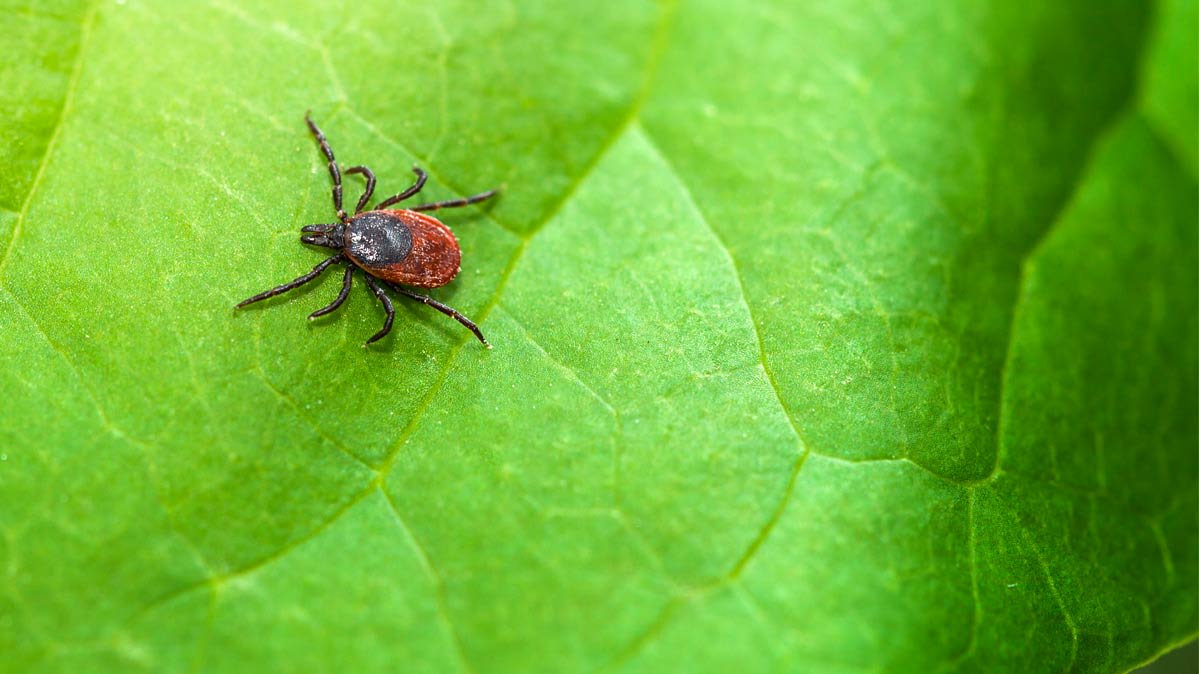
A photograph of a tick on a leaf.

For a tick bite to make you sick, the tick must be attached to you and feeding for a certain amount of time. For some diseases, this can take a day or more. For others, it takes just minutes.

We spoke with experts in tick biology to find out why there’s so much variation, and what you need to know to protect yourself.

How a Tick Infects You

First, it’s important to understand that ticks can transmit bacteria, viruses, and parasites, and all of these behave a little differently.

When it comes to the transmission of tick-borne disease, scientists arguably know the most about how this works for Borrelia burgdorferi, the bacterium that causes Lyme disease, which (in the U.S.) is transmitted by blacklegged ticks (or deer ticks) as well as Western blacklegged ticks. That depth of knowledge is at least in part because so much research has been conducted into developing a vaccine against Lyme, explains Jean Tsao, Ph.D., associate professor at Michigan State University in the Department of Fisheries and Wildlife and the Department of Large Animal Clinical Sciences.

A 2018 review of all of this evidence published in the journal Ticks and Tickborne Diseases confirmed that it most likely takes more than 24 hours and closer to 48 hours of tick feeding time for the Lyme pathogen to pass from tick to human. (Your chance of getting Lyme disease from a tick that has been attached for less than 24 hours is “extremely small,” according to the Centers for Disease Control and Prevention.)

And why does it take so long? It has to do with the way ticks transmit disease, which is generally not a one-step process.

Blacklegged ticks pick up Lyme bacteria from a host, commonly a white-footed mouse. Those bacteria, also called spirochetes, settle in the tick’s gut.

When the tick finds its next host—possibly a human like you—it breaks the skin and starts injecting saliva into the wound, says Lars Eisen, Ph.D., research epidemiologist with the Centers for Disease Control and Prevention’s Division of Vector-Borne Disease, and author of the 2018 review. “Over several days, the tick alternates between injecting saliva and ingesting blood.”

When the first of your blood enters the tick’s gut, it signals the bacteria to begin reproducing, and eventually to travel up into the tick’s salivary glands. Once the bacteria are there, they can enter your body via the tick’s saliva.

That whole process is complicated, notes Eisen, which is one reason it takes such a long time. Additionally, in order for an infection to take hold, a sufficient number of bacteria have to enter the host’s body. If only a few bacteria make it in, then the human or animal immune system may be able to fight them off and prevent an infection, according to Tsao.

How Long Do Other Pathogens Take to Infect You?

A number of other tick-borne diseases similarly may take up to a day or longer to get themselves from the tick into the human or animal host, according to scientists’ estimates.

The tick-borne bacteria that cause anaplasmosis and Borrelia miyamotoi disease (discovered in the U.S. only in the last few years) likely take more than 24 hours to be transmitted. Babesiosis, a tick-borne disease caused by a parasite, isn’t likely to be transmitted until a tick is attached for 36 hours. (See our guide to tick-borne diseases.)

For certain other infections, however, it’s a different story. Studies have shown that Powassan virus, which is also transmitted by blacklegged ticks and can cause severe symptoms such as brain or spinal cord inflammation, can be transmitted from a tick to a person in as little as 15 minutes.

How? Saravanan Thangamani, Ph.D., a professor in the department of microbiology and immunology at SUNY Upstate Medical University, says it has to do with a difference in how viruses behave inside ticks, compared with bacteria. Instead of camping out in the tick’s gut, as bacteria generally do, viruses multiply in the salivary glands, “ready to be transmitted to the human or animal the next time the tick feeds on them.

Studies have demonstrated this for Powassan virus, he says, as well as for tick-borne encephalitis virus, a common tick-borne infection in Europe and Asia. And he says his lab has been generating data to suggest transmission times for Heartland virus, another recently discovered tick-borne pathogen in the U.S., are similar to those of Powassan.

A few other tick-borne illnesses can be transmitted in minutes or hours instead of days.

One is Rocky Mountain spotted fever. Estimates vary about how long it takes for a tick to give you this disease, but the CDC advises that the bacteria that cause it could be transmitted in as little as 2 hours.

Another is a disease called tick-borne relapsing fever, which is caused by another type of Borrelia bacteria, distantly related to the Borrelia that cause Lyme.

Tick-borne relapsing fever is transmitted by soft ticks, which lack the hard shield of the ticks that transmit diseases such as Lyme. And these soft ticks only feed for a few minutes, usually less than half an hour, according to the CDC.

“The relapsing fever bacteria that they spread therefore have, by necessity, evolved to be transmitted very quickly,” Eisen says.

The good news is that soft ticks, which make their homes in the burrows of hosts (often rodents), have less contact with humans. When people do contract tick-borne relapsing fever, it’s usually because they’ve spent the night in a rodent-infested cabin in a rustic or mountainous area.

What Tick Transmission Times Mean for You

It’s important to remember that the infections that can be transmitted from a tick to you very quickly, like Powassan and tick-borne relapsing fever, are rare. The CDC estimates that 300,000 people contract Lyme disease every year—while just 34 cases of Powassan virus were reported to the CDC in 2017and just 504 cases of tick-borne relapsing fever between 1990 and 2011.

For pathogens that generally take a longer time to transmit, there’s time to act before an attached tick causes a disease. Think of it as a “grace period,” Tsao says, that gives you time to thoroughly check for ticks and remove any that you find attached to you. (Here’s how to remove a tick.) The CDC recommends showering within a few hours of any potential tick exposure—that will wash off any ticks that may be crawling on you but that haven’t attached yet, and gives you an opportunity to do a thorough check for any ticks that did find a place to bite.

But given that the risk of a quick-transmitting disease, although rare, isn’t zero, it’s also important to take precautions against getting bitten in the first place. Avoid tick habitat if you can by staying out of wooded or grassy areas; when you’re on a hike, stick to the center of the trail and dress in long pants, long sleeves, and closed-toe shoes. Use an EPA-registered insect repellent on any exposed skin (see a few of our top-rated picks below), and consider buying permethrin-treated clothing or treating clothes with permethrin yourself.

__________________

**Comment**

Insanity is doing the same thing over and over and expecting different results.

They are asking the wrong question.

The question should be, how quickly can transmission occur?

Answer: NOBODY KNOWS

Minimum infection times have NEVER been determined.

For more: https://madisonarealymesupportgroup.com/2017/04/14/transmission-time-for-lymemsids-infection/

https://www.ncbi.nlm.nih.gov/pmc/articles/PMC4278789/?

Important quote from study:

Studies have found systemic infection and the presence of spirochetes in the tick salivary glands prior to feeding, which could result in cases of rapid transmission. Also, there is evidence that spirochete transmission times and virulence depend upon the tick and Borrelia species. These factors support anecdotal evidence that Borrelia infection can occur in humans within a short time after tick attachment.

More importantly is nobody has a clue what coinfections do to this party. In other words, if a tick is coinfected with numerous pathogens (which many are), perhaps some in the salivary glands, some not – what does that do to transmission times?

Because here’s the facts: ticks are commonly infected with numerous pathogens and people contract these:   https://madisonarealymesupportgroup.com/2017/05/01/co-infection-of-ticks-the-rule-rather-than-the-exception/

https://madisonarealymesupportgroup.com/2019/04/24/tick-data-76-infected-with-one-organism-20-have-three-or-more-pathogens/

https://madisonarealymesupportgroup.com/2019/04/26/three-strains-of-borrelia-other-pathogens-found-in-salivary-glands-of-ixodes-ticks-suggesting-quicker-transmission-time/

https://madisonarealymesupportgroup.com/2018/10/30/study-shows-lyme-msids-patients-infected-with-many-pathogens-and-explains-why-we-are-so-sick/

It boggles the mind why they continue to downplay transmission time.

Lastly, Bob Giguere of IGeneX states a case by Dr. Jones of a little girl who went outside to play about 8:30a.m. and came inside at 10:30 with an attached tick above her right eye.  By 2 o’clock, she had developed the facial palsy.  At the hospital she was told it couldn’t be Lyme as the tick hadn’t been attached long enough.  They offered a neuro-consult…..

By 4pm she couldn’t walk or talk.

So within about a 4-6 hour window a healthy little girl was sidelined by a tick bite.

I guess these transmission times don’t take into account all the sorry suckers who don’t fit into this myopic paradigm.


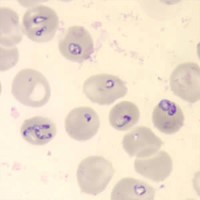
Tick-Borne Infection Risk in Blood Transfusion

https://www.galaxydx.com/blood-transfusion-tick-borne-disease-babesia/

Tick-Borne Infection Risk in Blood Transfusion

https://madisonarealymesupportgroup.com/2017/09/27/premature-infants-develop-babesia-via-blood-transfusion/