Madison Area Lyme Support Group

  • About/Contact
  • Articles & Documents
  • Meetings
  • Petitioning the State of Wisconsin
  • Photographs
  • Videos

Archive for the ‘research’ Category

Lyme Disease Rash: What Does It Really Look Like?

https://danielcameronmd.com/lyme-disease-rash/

Lyme Disease Rash: What Does It Really Look Like?

lyme-disease-rash

Learn all about Lyme disease and rashes in this informative video. In this video, I discuss the various appearances of a Lyme Disease rash, also known as an erythema migrans (EM) rash.

By Dr. Daniel Cameron

Many people assume that a Bull’s-eye or erythema migrans (EM) rash is a common manifestation of Lyme disease. And that the lack of a rash confirms a person does not have the disease. This is far from the truth.

EM rash identification remains a challenge because it often takes on a variety of appearances, according to a study by Burlina and colleagues.

“Only 20% of patients with an EM [rash] in the United States present with lesions that have the central clearing of a classic target lesion (“ring-within-a-ring” or “bull’s eye”).¹

Instead, “the majority of EM lesions appear uniformly red or bluish-red in color and lack central clearing.”

Unfortunately, a Lyme disease rash may look like lesions found in other disorders. For instance, patients with Lyme disease may be misdiagnosed as having a cellulitis rash. The treatment for cellulitis is not necessarily effective for Lyme disease.

Furthermore, between 4% and 8% of Lyme disease rashes present with a central blistering. These cases can be misdiagnosed as shingles, a viral infection that causes blistering and is treated with anti-viral medications. Shingles treatment is not effective in treating Lyme disease.

READ MORE: It wasn’t shingles. It was Lyme disease.

Lastly, about 20% of patients have multiple EM rashes at the time of diagnosis due to the Lyme spirochete disseminating to other areas of the body. This presentation can be confused with erythema multiforme or other skin disorders.

In practice, I treat with an antibiotic if there is uncertainty, as the consequences of missing a diagnosis of Lyme disease can be serious. If the rash is questionable, I often treat with antibiotics that would be effective for either Lyme disease or another possible condition. For example, I might treat a patient with a rash that could be cellulitis or Lyme disease with an antibiotic that works for both such as cefuroxime rather than Keflex.

I typically treat these cases longer if Lyme disease is a possibility. Finally, I have also treated patients with a combination of an anti-viral medication (Valtrex) and cefuroxime if I am unsure whether the rash is related to shingles or Lyme disease.

References:
  1. Burlina PM, Joshi NJ, Mathew PA, Paul W, Rebman AW, Aucott JN. AI-based detection of erythema migrans and disambiguation against other skin lesions. Comput Biol Med. 2020;125:103977.

For more:

  • https://madisonarealymesupportgroup.com/2023/01/26/the-many-presentations-of-the-lyme-disease-rash/
  • https://madisonarealymesupportgroup.com/2019/07/09/not-all-lyme-rashes-are-created-equal/
  • https://madisonarealymesupportgroup.com/2021/07/20/lyme-disease-skin-rash-puzzles-doctors-leads-to-misdiagnoses/
  • https://madisonarealymesupportgroup.com/2019/03/26/formally-challenging-cdc-advice-on-lyme-disease-rashes/
  • https://madisonarealymesupportgroup.com/2020/07/18/misdiagnosis-of-lyme-caused-rash-can-have-potentially-fatal-consequences/
  • https://pmc.ncbi.nlm.nih.gov/articles/PMC7566400/
  • https://madisonarealymesupportgroup.com/2019/02/21/lyme-disease-dont-wait-for-blood-tests-where-patients-have-bullseye-rash/

Category:

Lyme, research, Treatment, Viruses

Lyme & Herxheimer Reaction in Newborn

https://danielcameronmd.com/lyme-disease-herxheimer-reaction-newborn/

Lyme disease and herxheimer reaction in newborn

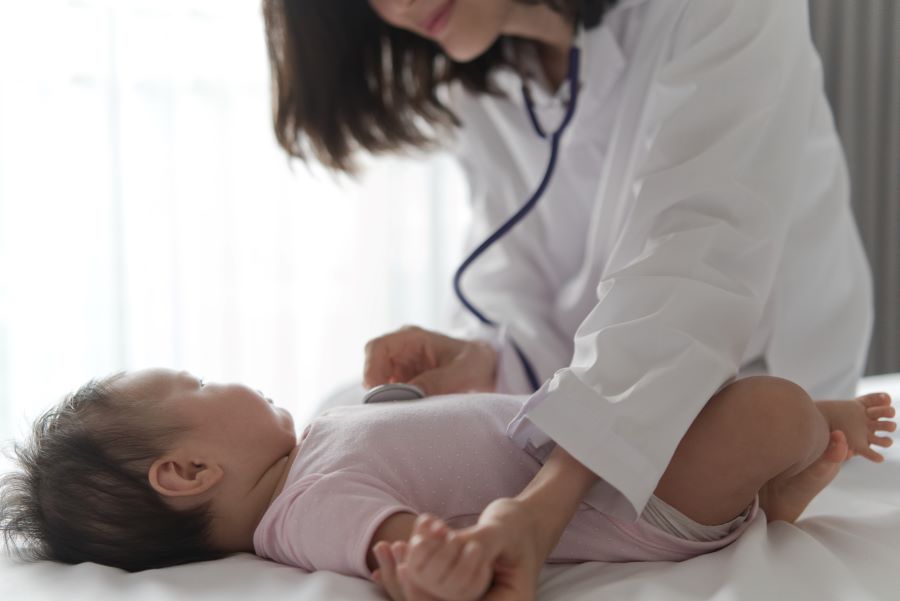
Newborn with lyme disease and herxheimer reaction being examined by doctor.

The Herxheimer reaction, also referred to as a Jarisch-Herxheimer reaction, is “a transient clinical phenomenon that occurs in patients infected by spirochetes who undergo antibiotic treatment.”¹ It was first described in patients with syphilis but has also been associated with other spirochetal infections including leptospirosis, Lyme disease, and relapsing fever. The reaction is associated with the onset of new symptoms or a worsening of existing symptoms in patients receiving antibiotic treatment.

By Dr. Daniel Cameron

In 2020, investigators published a case involving a 13-year-old boy with Lyme arthritis, a common manifestation of Lyme disease, who developed a Herxheimer reaction when treated with doxycycline. On the 7th day of treatment, the boy developed a low-grade fever and severe arthralgias with intense hip, ankle and cervical spine pain and myalgias.

You can read more about the 13-year-old boy’s case in an earlier blog “Herxheimer reaction in a 13-year-old boy with Lyme disease.” 

Newborn with herxheimer reaction

In their article “Lyme disease in a neonate complicated by the Jarisch–Herxheimer reaction,”  Prodanuk and colleagues² describe the case of a 21-day-old infant who was admitted to the hospital with decreased activity, poor feeding and abdominal distension.

The parents removed an engorged tick from the infant’s forearm 5 days earlier. An EM rash was present at the site of the tick bite.

“Given the erythema migrans lesion at the site from which the engorged tick was removed, we made a presumptive diagnosis of Lyme disease and administered IV ceftriaxone,” the authors write.

Two hours after treatment began, the infant developed a fever, tachycardia and other symptoms consistent with the Jarisch–Herxheimer reaction.

Testing for Lyme disease was negative.

Clinicians should also “be aware of the possibility of the Jarisch–Herxheimer reaction during the initial phase of treatment.”²

Several studies, they warn, indicate “newborns with findings consistent with early localized disease may also be at higher risk for disseminated disease.”

“Given the limited data for neonates and the possible predisposition of this population to disseminated Lyme disease, clinicians should strongly consider administering IV antibiotics to target Lyme disease,” the authors suggest.

Patients can experience a broad range of symptoms resulting from a herxheimer reaction, explains Nykytyuk and colleagues, including fever, severe polyarthralgias, myalgias, chills, hypotension, nonpruritic, nonpalpable rash, tachycardia, nausea, headache, strengthening of existing or occurrence of new symptoms of the underlying disease.¹

The exact cause of Jarisch-Herxheimer reactions is still unknown. “At first, the role of an endotoxin in the development of JHR was suggested, but later experimental studies showed that spirochetes do not have biologically active endotoxins,” the authors explained.¹

References:
  1. Dhakal A, Sbar E. Jarisch Herxheimer Reaction. [Updated 2022 Apr 28]. In: StatPearls [Internet]. Treasure Island (FL): StatPearls Publishing; 2022 Jan-. Available from: https://www.ncbi.nlm.nih.gov/books/NBK557820/
  2. Prodanuk M, Groves H, Arje D, Bitnun A. Lyme disease in a neonate complicated by the Jarisch-Herxheimer reaction. CMAJ. 2022 Jul 18;194(27):E939-E941. doi: 10.1503/cmaj.220112. PMID: 35851530; PMCID: PMC9299745.

______________

For more:

  • https://madisonarealymesupportgroup.com/2023/11/14/its-crucial-to-acknowledge-treat-congenital-lyme-disease/
  • https://madisonarealymesupportgroup.com/2022/09/16/congenital-lyme-part-1-2/
  • https://madisonarealymesupportgroup.com/2022/03/22/congenital-lyme-the-nih/
  • https://madisonarealymesupportgroup.com/2018/06/19/33-years-of-documentation-of-maternal-child-transmission-of-lyme-disease-and-congenital-lyme-borreliosis-a-review/
  • https://madisonarealymesupportgroup.com/2018/11/17/young-boy-infected-congenitally-with-lyme-speaks-in-ottawa-house-of-commons/
  • https://madisonarealymesupportgroup.com/2021/01/14/mothers-children-panel-5th-annual-lymemind-conference-2020/
  • https://madisonarealymesupportgroup.com/2019/01/28/who-removes-congenital-lyme-from-diagnostic-reference/
  • https://madisonarealymesupportgroup.com/2018/11/11/gestational-lyme-other-tick-borne-diseases-dr-jones/
  • https://madisonarealymesupportgroup.com/2018/02/26/transplacental-transmission-fetal-damage-with-lyme-disease/
  • https://madisonarealymesupportgroup.com/2018/12/12/systematic-review-on-gestational-lyme/

Category:

Lyme, Pregnancy, research, Testing, Ticks, Transmission, Treatment

DMSO Transforms The Treatment of Infectious Diseases

https://www.midwesterndoctor.com/p/dmso-transforms-the-treatment-of?

DMSO Transforms The Treatment of Infectious Diseases

How DMSO can treat many challenging infections

A Midwestern Doctor
Dec 29, 2024

Story at a Glance:

•Dimethyl Sulfoxide (DMSO) is a remarkably safe naturally occurring substance that has a variety of remarkable properties that make it well suited to treating a variety of challenging medical conditions (e.g., pain, injuries, wounds, strokes, spine injuries, autoimmune conditions, cancer, and internal organ diseases).

•DMSO has broad antimicrobial properties, protects the body from microbial toxins (e.g., from C. diff), eliminates antibiotic resistance, and serves as a vehicle that can bring antimicrobials deep into the body and treat otherwise inaccessible infections.

•DMSO significantly enhances the treatment of many common bacterial infections (e.g., of the head, mouth, and skin) and many severe bacterial infections that require hospitalization (e.g., tuberculosis, sepsis, peritonitis, severe lung infections, osteomyelitis). In many cases, this has allowed an individual requiring an amputation of a chronically infected area to instead fully recover.

•DMSO has significant antiviral properties, which have most extensively been studied for herpes and shingles (both of which it excels in treating), but also in a variety of other conditions (e.g., feline panleukopenia, one of the most deadly conditions cats face.

•DMSO has significant value in treating challenging fungal and parasitic infections. Additionally, evidence suggests its utility in treating cancer and autoimmune disorders arise from DMSO’s unique antimicrobial properties.

•In this article, we will review the body of evidence showing DMSO’s remarkable contributions to the treatment of infectious diseases and provide guidance on how DMSO can be used to treat many of the conditions listed in this article.

Introduction

DMSO is a remarkably safe and naturally occurring substance (provided you use it correctly) that rapidly improves a variety of conditions medicine struggles with — particularly chronic pain. For reference, those conditions included:

  • Strokes, paralysis, a wide range of neurological disorders (e.g., Down Syndrome and dementia), and many circulatory disorders (e.g., Raynaud’s, varicose veins, hemorrhoids), which I discussed here.
  • A wide range of tissue injuries such as sprains, concussions, burns, surgical incisions, and spinal cord injuries (discussed here).
  • Chronic pain (e.g., from a bad disc, bursitis, arthritis, or complex regional pain syndrome), which I discussed here.
  • A wide range of autoimmune, protein, and contractile disorders such as scleroderma, amyloidosis, and interstitial cystitis (discussed here).
  • A variety of head conditions, such as tinnitus, vision loss, dental problems, and sinusitis (discussed here).
  • A wide range of internal organ diseases such as pancreatitis, infertility, liver cirrhosis, and endometriosis (discussed here).
  • A wide range of skin conditions such as burns, varicose veins, acne, hair loss, ulcers, skin cancer, and many autoimmune dermatologic diseases (discussed here).

In turn, since I started this series, it struck a cord and has now been seen by millions of people, and I have received over 1400 reports of remarkable responses to DMSO many readers have had (which can be read here).

This begs an obvious question — if a substance capable of doing all of that exists, why does almost no one know about it? Simply put, like many other promising therapies, it fell victim to a pernicious campaign by the FDA which kept it away from America despite decades of scientific research, Congressional protest, and thousands of people pleading for the FDA to reconsider their actions. Consider for example, this 60 Minutes program about DMSO that aired on March 23, 1980.  (Go to top link to watch program)

DMSO and Infectious Diseases

DMSO has a variety of unique properties that make it incredibly well suited to addressing microbial infections (e.g., bacteria, fungi, viruses, and parasites).

These include:

  • While non-toxic, it has an antiseptic effect that is harmful to microorganisms, especially the smallest ones (mycobacteria, cell wall deficient bacteria, and viruses). This property appears to be the most beneficial for herpes, shingles, and other complex conditions, which I believe have a microbiological component (e.g., cancer and autoimmunity).
  • It can remove the antibiotic resistance of bacteria. This is particularly helpful in widespread problematic infections that have gradually developed a resistance to many existing antibiotics (e.g., tuberculosis) and challenging infections that are not responding to antibiotics (e.g., ones that would otherwise require an amputation).
  • It can further increase the sensitivity of already susceptible microorganisms to antimicrobial agents.
  • It can deliver antimicrobial agents to areas that are typically difficult to reach (e.g., deep in a bone) and also directly to regions that would otherwise require a systemic application of the medication.
  • It can increase circulation to many parts of the body, something which is often critical for resolving illnesses (as a healthy blood supply allows the immune system to enter and heal diseased areas). Likewise, pretreatment with DMSO has been shown to increase the immune system’s ability to resist a subsequent infection.
  • Much in the same way DMSO protects cells from a wide variety of lethal stressors, it can also protect them from the harmful effects of bacterial toxins (e.g., with the most pertinent applications studied being for sepsis and clostridium difficile). Likewise, it can also mitigate the toxicity of antimicrobial agents taken for a prolonged period.

DMSO and Bacterial Infections

DMSO has six properties that make it useful in treating bacterial infections.

  1. Data suggests DMSO increases bacterial cell membrane permeability and concurrently creates changes in the cell indicative of damage to its membrane. In addition to directly eliminating bacteria, it also reduces their ability to prevent antibiotics from entering them. In turn, existing data shows DMSO has a much greater ability to increase the potency of antibiotics that target structures inside bacteria rather than ones that target their cell wall (e.g., penicillin).
    Note: this property is particularly important for tuberculosis as it has a robust external barrier that impairs antibiotic entry.
  2. By increasing membrane permeability, it can also make bacteria more susceptible to taking up the nucleic acids of lethal bacteriophages (viruses that kill bacteria and have been extensively researched outside of America due to their efficacy in treating a wide range of bacterial infections).
  3. DMSO can often simply dissolve bacteria and cause their contents to leak out.
  4. DMSO can interfere with the normal functioning of bacteria. A 1977 study, for instance, found that it interferes with the production of membrane proteins that E. coli (and other bacteria) need for metabolism.
  5. As discussed throughout a previous article, DMSO greatly improves circulation (which, when impaired often leads to chronic infections).
  6. In the same way DMSO can protect cells from various lethal stressors (discussed here), DMSO effectively mitigates the harmful effects of many bacterial toxins.

Cancer and Autoimmunity

One of DMSO’s widely recognized properties is that it causes cancerous cells to revert to normal. In researching that, I came across a fascinating study that tested cancer patients for pleomorphic bacteria (something many previous pioneers of successful but suppressed alternative cancer therapies like Rife and Naessens also believed caused many cancers). While difficult to culture, pleomorphic bacteria were eventually isolated from the blood of some of them, in the blood of some of those who had been around those who had recently died from cancer for a prolonged period.

Note: the morphology of the bacteria is extensively described in the paper, but essentially matches what many other pleomorphic researchers have found over the years.

The pleomorphic model of bacteria (discussed further here) essentially states that bacteria can significantly change their morphology (to the point they are almost unrecognizable from their original form), that these changes are often done in response to their environment, and that some forms are relatively harmless to the body, while others cause disease. In turn, since things that kill bacteria often transform them into ones that are more pathogenic, a longtime belief within certain schools of natural medicine is that the goal should be to change the terrain of the body to encourage a benign morphology of bacteria rather than trying to kill them all off.

A large group of modern researchers studied this subject for decades (e.g., hundreds of research studies they conducted are summarized in this wonderful textbook by Lida Mattman). Five of their key observations were:

  1. Antibiotics will often fail to kill every bacteria present and then trigger those that survive to enter a primitive survival state known as a “cell wall deficient” (CWD) form resembling a mycoplasma. This process in turn, was most commonly triggered by antibiotics that attack bacterial cell walls (which characterizes many commonly used antibiotics).
  2. CWD bacteria are very hard to detect (most standard microbial methods will determine that no organisms are there when CWDs are present).
  3. When conditions are more optimal for survival, CWD organisms can revert to the active form and cause an infection that had been eliminated with antibiotics to suddenly and inexplicably recur (which, for example, we frequently see with urinary tract infections).
  4. Once present, CWD bacteria will often enter cells and cause chronic inflammation because the immune system will attack cells with the CWD bacteria.
  5. Many different unexplained autoimmune disorders (e.g., sarcoidosis) have characteristic CWD bacteria present that can be repeatedly identified from their inflamed tissue (the textbook cites an exhaustive amount of data substantiating this).

While standard antibiotics are ineffective in treating CWD infections, non-standard ones (e.g., erythromycin or minocycline) often are, but the sensitivity to those antibiotics is highly variable depending on the causative organism.

In practice, we find 10-15% of chronic illnesses (including blood clots and cancers) have a pleomorphic etiology, but rather than try to eliminate those organisms with antibiotics (which always have side effects), we instead give signaling products derived from healthy bacteria that cause the pathologic bacteria to transform into a non-harmful form, which in those applicable cases, frequently yields remarkable results (e.g., this approach is very useful for lupus and many cancers). Likewise, I believe this model explains a longstanding belief within natural medicine that giving antibiotics for an acute infection often transforms it into a chronic illness down the road.

Note: ultraviolet blood irradiation is also quite effective at eliminating these organisms and the diseases they cause. 

Lastly, Individuals with chronic fatigue syndrome often find relief from DMSO, which some have attributed to its antiviral properties (e.g., towards Epstein Barr). This for example, is a letter Stanley. Jacob received from a patient.

Note: Readers have also reported to me (e.g., here, here, and here) that DMSO helped their chronic fatigue.  (See link for article)

______________

**Comment**

Please note that DMSO did best when it was coupled with antibiotics or other antimicrobials.

For more:

  • https://madisonarealymesupportgroup.com/2018/03/02/dmso-msm-for-lyme-msids/
  • https://madisonarealymesupportgroup.com/2024/11/01/how-dmso-cures-eye-ear-nose-throat-and-dental-disease/
  • https://madisonarealymesupportgroup.com/2024/10/25/how-dmso-treats-incurable-autoimmune-and-contractile-disorders/
  • https://madisonarealymesupportgroup.com/2024/09/16/dmso-its-remarkable-properties/
  • https://madisonarealymesupportgroup.com/2024/12/18/dmso-protects-heals-organs-and-revolutionizes-the-skin/

Category:

C-diff, Cancer, Dentistry, Eye Issues, Inflammation, Lyme, Pain Management, Parasites, research, Treatment, Viruses

Advances in Lyme & Babesiosis Research

https://www.globallymealliance.org/news/from-diagnostics-to-disease-mechanisms-advances-in-lyme-and-babesiosis-research?

From Diagnostics to Disease Mechanisms: Advances in Lyme and Babesiosis Research

by Cara DeAngelis, Ph.D. on January 3, 2025

<span id="hs_cos_wrapper_name" class="hs_cos_wrapper hs_cos_wrapper_meta_field hs_cos_wrapper_type_text" style="" data-hs-cos-general-type="meta_field" data-hs-cos-type="text" >From Diagnostics to Disease Mechanisms: Advances in Lyme and Babesiosis Research</span>
Cutting-edge research funded by GLA advances diagnostics and insights into Lyme disease and babesiosis, identifying key biomarkers and genetic risk factors.

Three GLA-funded investigators have been making exciting progress. Dr. Rafal Tokarz’s team has been uncovering key insights into the immune response to specific proteins of Lyme bacteria, paving the way for more accurate diagnostics. Dr. Ben Mamoun has achieved an important milestone by developing the first diagnostic tests for detecting active Babesia duncani infections.  Dr. Klemen Strle’s research suggests that specific genetic factors may increase the risk of developing chronic Lyme arthritis. Meanwhile, Dr. Strle’s new findings are shedding light on how certain genetic factors may heighten the risk of developing chronic Lyme arthritis. 

Summary: 

GLA-funded research continues to shed light on key aspects of Lyme and tick-borne diseases, from diagnostic biomarkers to genetic factors influencing disease outcomes. 

Dr. Rafal Tokarz and his team at Columbia University used peptide arrays and machine learning to identify immune reactive proteins in Borrelia burgdorferi to differentiate between phases of Lyme disease. These insights could enhance the accuracy of antibody-based diagnostic tests by improving their sensitivity and specificity (Tokarz et al., 2024). 

At Yale University, Dr. Choukri Ben Mamoun and his team developed the first antigen detection tests for Babesia duncani, a parasite often responsible for severe babesiosis. These assays, validated with over 1,700 samples, can detect active infections with high sensitivity and specificity, paving the way for early diagnosis, reservoir animal screening, and improved blood safety (Chand et al., 2024).  

Research by Dr. Klemen Strle and his group at Tufts University identified genetic variations associated with chronic Lyme arthritis. These variations are linked to increased inflammation and autoantibody responses, suggesting that some patients may have a genetic predisposition to persistent arthritis in Lyme disease. These findings may guide future biomarker development to predict disease risk (Ehrbar et al., 2024). 

These studies reflect GLA’s unwavering commitment to support research that addresses critical challenges in diagnosing and managing tick-borne diseases. 

Publications: 

Tokarz, R., Guo, C., Sanchez-Vicente, S., Horn, E., Eschman, A., Turk, S. P., Lipkin, W. I., & Marques, A. (2024). Identification of reactive Borrelia burgdorferi peptides associated with Lyme disease. mBio, 15(10). https://doi.org/10.1128/mbio.02360-24   

Chand, M., Vydyam, P., Pal, A. C., Thekkiniath, J., Darif, D., Li, Z., Choi, J. Y., Magni, R., Luchini, A., Tonnetti, L., Horn, E. J., Tufts, D. M., & Ben Mamoun, C. (2024). A set of diagnostic tests for detection of active Babesia duncani infection. International Journal of Infectious Diseases, 147, 107178. https://doi.org/10.1016/j.ijid.2024.107178  

Ehrbar, D., Arvikar, S. L., Sulka, K. B., Chiumento, G., Nelson, N. L. J., Hernandez, S. A., Williams, M. A., Strle, F., Steere, A. C., & Strle, K. (2024). Variants in the late cornified envelope gene locus are associated with elevated T-helper 17 responses in patients with postinfectious Lyme arthritis. The Journal of Infectious Diseases, 230(Supplement_1), S40–S50. https://doi.org/10.1093/infdis/jiae164  

https://www.globallymealliance.org/news/decoding-chronic-lyme-investigating-epigenetic-signatures?

Decoding Chronic Lyme: Investigating Epigenetic Signatures

by Admin at Global Lyme Alliance on January 3, 2025

<span id="hs_cos_wrapper_name" class="hs_cos_wrapper hs_cos_wrapper_meta_field hs_cos_wrapper_type_text" style="" data-hs-cos-general-type="meta_field" data-hs-cos-type="text" >Decoding Chronic Lyme: Investigating Epigenetic Signatures</span>
Pictured: Tanja Petnicki-Ocwieja, PhD, courtesy of Tufts University School of Medicine
Tufts University, with support from GLA, is leading research to uncover epigenetic mechanisms behind chronic Lyme disease. Dr. Tanja Petnicki-Ocwieja’s work could improve treatments and reveal commonalities with other post-infectious syndromes like long COVID.

By Mase Peterson

In the fight against Lyme disease, cutting-edge research is essential for advancing treatment and prevention strategies. Tanja Petnicki-Ocwieja, PhD, a research assistant professor at Tufts University School of Medicine, is a key contributor to this effort through her work with the Tufts Lyme Disease Initiative. This collaborative group of faculty, staff, and students is dedicated to eliminating the public health threat of Lyme disease by 2030.

Tufts is home to one of the world’s most comprehensive groups of tick-borne disease researchers. Led by co-directors Linden Hu, Paul and Elaine Chervinsky Professor of Immunology, and Robert P. Smith, a physician at Maine Medical Center and professor of medicine, the team recently secured a $20.7 million federal grant, further solidifying Tufts’ position as a global leader in Lyme disease research.

In this Q&A, part of a feature series spotlighting members of the Initiative, Professor Petnicki-Ocwieja discusses her research on the immunological and epigenetic mechanisms underlying chronic Lyme disease and its potential to transform patient outcomes…

Read the rest from Tufts School of Medicine

_____________

**Comment**

I’d love to be hopeful, but when the moniker PTLDS continues to be used it shows an inherent bias that ongoing infections aren’t to blame for people’s ongoing symptoms.  This must change.

For more:

  • https://madisonarealymesupportgroup.com/2020/08/13/slyme-an-interview-we-need-to-drop-the-term-ptld-like-a-bad-habit/
  • https://madisonarealymesupportgroup.com/2020/08/16/70-post-treatment-lyme-disease-syndrome-publications-ignore-infection/
  • https://madisonarealymesupportgroup.com/2023/08/02/nih-funds-ptlds-research-more-deception/
  • https://madisonarealymesupportgroup.com/2019/03/25/the-shortfalls-of-h-r-220-national-lyme-and-tick-borne-diseases-control-and-accountability-act-of-2019-the-devil-is-in-the-details/  Very important article laying out the sordid details controlling Lymeland that are imperative to know.
  • https://madisonarealymesupportgroup.com/2023/03/17/iv-antibiotics-helpful-for-ptlds/
  • https://madisonarealymesupportgroup.com/2022/06/22/efficacy-of-short-term-high-dose-pulsed-dapsone-combination-therapy-in-the-treatment-of-chronic-lyme-disease-post-treatment-lyme-disease-syndrome-ptlds-associated-coinfections-a-report-of-3-c/
  • https://madisonarealymesupportgroup.com/2021/03/10/how-ptlds-aca-affect-lyme-patients/
  • https://madisonarealymesupportgroup.com/2021/03/15/part-2-ptld-insurance-coverage/
  • https://madisonarealymesupportgroup.com/2021/03/18/part-3-ptld-insurance-coverage/

Category:

Babesia, Lyme, research, Uncategorized

Lyme Disease Research in Review: Triumphs, Trials, and the Path Forward

https://www.lymedisease.org/lyme-disease-research-review/

Lyme disease research in review: triumphs, trials, and the path forward

As always, the world of Lyme is complicated with both good news and bad. Looking back over the past year, I want to highlight a few of the biggest scientific advances that stand out in my mind.

Co-Infections

First I want to share something that science keeps validating—the majority of patients with persistent symptoms following a diagnosis of Lyme disease have co-infections.

This means they are infected with two or more pathogens (such as bacteria, viruses, or fungi) at the same time. These co-infections (including COVID-19) complicate the immune response and likely increase the chance of developing chronic Lyme.

As I wrote about previously, North America is “ground zero” for babesiosis, which is likely playing a much greater role in patients with chronic Lyme than we know. In the MyLymeData study, over 60% of patients report they were diagnosed with an additional tick-borne infection along with Lyme. For most of them, it’s Babesia.

In July 2024, researchers conducting a Lyme disease pilot study at North Carolina State University discovered that all seven participants were infected with Babesia, and six out of the seven were co-infected with at least one (sometimes two or more) species of Bartonella.

Babesia is a parasite, similar to malaria. It requires a separate test and special anti-parasitic medications outside of the standard tests and antibiotics used for Lyme disease alone.

Diagnostics

As I wrote about in December 2023, Borrelia (Lyme) has some unique features allowing it to hide from our immune system. That stealth technique, which keeps the number of bacteria low in the blood stream, also makes it difficult for standard blood tests to detect Lyme disease. In April of 2024, Dr. Michal Tal and her team published another clue as to how Borrelia hides from the immune system.

Right now, all eyes are on the six teams competing in the LymeX diagnostic challenge as they move forward with their innovations. These will hopefully result in a more accurate test becoming available to the public than the standard outdated test that has been around since 1994. (Note: Lyme X Phase 3 winners will be announced soon.)

While an accurate Lyme diagnostic is absolutely needed, I cannot ignore the fact that ticks in North America are known to transmit over 18 different pathogens.

In August of 2024, a team of biologists at City University of New York Graduate Center produced a genetic analysis of 47 different strains of Borrelia. This may pave the way for improved diagnosis, treatment, and prevention of Lyme disease.

I hope that with this new genetic mapping, we will finally be able to take advantage of the next-generation metagenomic testing which is capable of detecting multiple pathogens.

Treatment

One of the top priorities of patients with chronic Lyme disease is finding an effective treatment.

Two recent studies have shown that combination therapy for Lyme, and combination therapy for Babesia work better than monotherapy.

But not everyone responds favorably to pharmaceuticals. One reason for this, may be a condition called alpha-gal syndrome (AGS).

AGS is triggered by the bite of a tick and causes an allergy to anything derived from red meats including some medications. An estimated 450,000 people have AGS in the U.S., making it the tenth most common food allergen.

If enacted, the Alpha-Gal Inclusion Act would require the FDA to list alpha-gal as a major allergen and require labeling to include it as an ingredient.

Mast cell activation syndrome

Another complicating factor common in patients with chronic Lyme is mast cell activation syndrome (MCAS). MCAS can make patients extremely sensitive to certain types of chemicals, foods and additives.

In fact, MCAS is such an important topic, in 2024 we devoted an entire issue of the Lyme Times to Mast Cell Activation Syndrome which you can download and read for free.

Alas, there is nothing simple about treating complex medical conditions triggered by the bite of a tick. Many of the patients I know who’ve gotten better took years before they found the root cause of their misery followed by the right combination of treatment that worked.

In 2023 we devoted an entire issue of the Lyme Times trying to answer the question: What does it take to get better?

My hope is that we continue to see scientific progress in finding better diagnostics and treatment. And if you are struggling with a chronic illness, please do not give up hope.

LymeSci is written by Lonnie Marcum, a physical therapist and mother of a daughter with Lyme. She served two terms on a subcommittee of the federal Tick-Borne Disease Working Group. Follow her on X: @LonnieRhea   Email her at: lmarcum@lymedisease.org.

_______________

**Comment**

To my knowledge, treating this complex illness has hardly moved forward in over 40 years.  The medical industrial complex is myopically focused on ‘vaccines,’ which are big money makers for both Big Pharma and the government, which owns patents on many aspects of them.  As long as this remains the singular focus, patients will not be treated properly.  Further, as long as ‘consensus based‘ medicine reigns, innovative doctors who dare to use their God-given brains to help patients will continue to be persecuted, leaving patients to suffer.  As it is, the only true help for Lyme/MSIDS is to get to an independent, trained, and experienced Lyme literate doctor.

For more:

  • https://madisonarealymesupportgroup.com/2016/02/13/lyme-disease-treatment/
  • https://madisonarealymesupportgroup.com/2016/01/16/babesia-treatment/
  • https://madisonarealymesupportgroup.com/2016/01/03/bartonella-treatment/
  • https://madisonarealymesupportgroup.com/2016/03/08/anaplasmosis/
  • https://madisonarealymesupportgroup.com/category/ehrlichiosis-treatment/
  • https://madisonarealymesupportgroup.com/2022/03/23/complete-guide-to-lyme-disease-coinfection-tests/
  • https://madisonarealymesupportgroup.com/2017/07/01/one-tick-bite-could-put-you-at-risk-for-at-least-19-different-diseases/

Category:

Lyme, Mast Cell Activation Syndrome (MCAS), research, Testing, Ticks, Treatment

Search

Archives

Lyme Non-Profits

  • Wisconsin Lyme Network Facebook

Lyme Resources

  • Affordable Blood Draws/injections in Wisconsin
  • Blood Draws in Madison
  • Columbia Specimen Bank 646-774-7503
  • Dental Care For Children With Autism
  • Find a Lyme Support Group
  • IGeneX, Inc. (lab testing)
  • ILADS (International Lyme And Associated Diseases Society)
  • Learn about Lyme
  • Lyme Bio Bank (NDRI & Bay Area Lyme Foundation)
  • Lyme Curriculum & Educational Activities
  • Lyme Disease Association
  • Lyme Info
  • Lyme Resource Zip File
  • Lyme-Symptoms
  • Lymedisease.org (Formally CALDA)
  • LymeLight Foundation
  • National Suicide Hotline
  • On-line Mental Health Therapy
  • SE Wisconsin Support Group
  • Substance Abuse Rehab Centers in Wisconsin
  • Substance Misuse Support
  • Suicide & Social Media
  • Tick borne disease education
  • Tick Borne Disease Prevention: Stuff for Kids
  • Tick Prevention
  • Tick-Borne Disease Alliance
  • TRUTHCURES
  • What is Lyme

Online Support Groups

  • Lyme Support Group of Southeast Wisconsin (Facebook)
  • Military Lyme Info
  • Military Lyme Support (Facebook)
  • Parents Whose Children Have Lyme/MSIDS
  • Wisconsin/Illinios Lyme (Facebook)

Visitors

  • 8,078,300

Top Posts & Pages

  • Proof That the Pandemic Was Planned & With Purpose
  • Declassified Docs Link Bioweapon Program to Lyme Disease
  • Why We Should Care if Lyme Disease Was Bioengineered
  • Ivermectin's Accidental Breakthrough: Parkinson's & Alzheimer's
  • Can A Tick Bite Make Me Sick Years Later?
  • WHO Convenes Global Session to Dictate How the Coming Influenza Pandemic Will Be Run
  • Hiding Bioweapons Under Cancer Research
  • DMSO/MSM for Lyme/MSIDS
  • The Truth About Fauci - Featuring Dr. Judy Mikovits
  • Military Veterans, Suicide, and LymeMSIDS

Categories

  • Activism
  • Adrenals
  • Allodynia
  • Alpha Gal Meat Allergy
  • Alzheimer's
  • Anaplasmosis
  • Anaplasmosis Treatment
  • Autism
  • Babesia
  • Babesia Treatment
  • Bartonella
  • Bartonella Treatment
  • Biofilm
  • Borrelia Miyamotoi (Relapsing Fever Group)
  • C-diff
  • Cancer
  • Candida
  • Chiropractic Care for MSIDS
  • Climate
  • Clinic
  • Corrections
  • Dentistry
  • Detoxing
  • diet and nutrition
  • Disability
  • Educational handouts
  • Ehrlichiosis
  • Ehrlichiosis Treatment
  • EMF
  • Eye Issues
  • Genetic Mutations
  • Gut Health
  • Hearing Loss
  • Heart Issues
  • Hemp Oil
  • Herbs
  • Hormones
  • Hyperthermia
  • Inflammation
  • Interstitial Cystitis
  • Lyme
  • Lyme Disease Treatment
  • Lyme Vaccine
  • Malaria
  • Marijuana
  • Mast Cell Activation Syndrome (MCAS)
  • Meetings
  • Mold
  • Morgellons
  • mosquitoes
  • Mycoplasma
  • Mycoplasma Treatment
  • Pain Management
  • PANS
  • Parasite Treatment
  • Parasites
  • Pregnancy
  • Prevention
  • Psychological Aspects
  • Q Fever
  • research
  • Rickettsia
  • Rocky Mountain Spotted Fever
  • Sleep
  • Supplements
  • Support Group Presentations
  • Syphilis
  • Testing
  • thyroid
  • Tickborne Relapsing Fever
  • Ticks
  • Toxoplasmosis
  • Transmission
  • Treatment
  • Tularemia
  • Uncategorized
  • vaccines
  • Viruses
  • Zika

Older Posts

Newer Posts

Madison Area Lyme Support Group
  • Subscribe Subscribed
    • Madison Area Lyme Support Group
    • Join 684 other subscribers
    • Already have a WordPress.com account? Log in now.
    • Madison Area Lyme Support Group
    • Subscribe Subscribed
    • Sign up
    • Log in
    • Report this content
    • View site in Reader
    • Manage subscriptions
    • Collapse this bar
 

Loading Comments...