Archive for the ‘Psychological Aspects’ Category

Brain on Fire: Neuropsychiatric Disorders in Children

https://www.lymedisease.org/alain-mass-brain-on-fire/

Brain on fire: neuropsychiatric disorders in children

By Alain Mass, MD

2/13/24

Nearly one in six children between the ages of 2 and 6 years old (17.4%) has a diagnosed mental, behavioral or developmental disorder.

More than 17 million children in the United States have or have had a diagnosable mental illness.

Mental disorders are either primary or secondary. Primary mental illnesses are rather treatable than curable and the treatment is most of the time lifelong.  If you ignore that behind the well-made diagnosis, there may be a deeper reason for the symptoms, you accept the fate of what a primary mental health disorder is about.

The expression “brain on fire” means that the child has only a brain inflammation as opposed to having a true psychiatric disorder, where the psychiatric disorder is only a symptom and not the disease.

The causes of neuroinflammation are numerous and often combined with each other. Many extra-psychiatric conditions may cause psychiatric disorders. The most common ones are infections, auto-immune encephalitis, toxicity including but not limited to mold, heavy metals, or pesticides.  Metabolic or nutritional factors may also contribute to mental disorders.

Lyme disease and neuropsychiatric disorders in children

Children develop more central nervous system symptoms while adults develop more symptoms from the peripheral nervous system.

The most common manifestations of Lyme disease in children are emotional, cognitive and behavioral. The change of personality is definitely the number one symptom of Lyme disease in children.

Lyme disease may be responsible, according to Robert Bransfield, M.D, psychiatrist, for a wide spectrum of neuropsychiatric symptoms. These may include: developmental disorders, autism spectrum disorders, schizoaffective disorders, bipolar disorder, depression, anxiety disorders (panic disorder, social anxiety disorder, generalized anxiety disorder, OCD), intrusive thoughts, eating disorders, sleep disorders, addiction, cognitive impairment, brain fog, seizure disorders, suicide, violence, social withdrawal, depersonalization, dissociative episodes, and derealization. 20-25% of autistic children in the US have been shown to have Lyme disease.

Children may have difficulty with attention and concentration, speed and efficacy of processing information, learning and memory, auditory processing and language expression. Sleep disorder is common or return to bedwetting or loss of daytime bladder control.

Teenagers may have mood swings, depression, suicidal thoughts, personality changes, sleep problems, poor concentration, cognitive disorder, a loss of interest in school and school activities and interest in family values.

Most children who present with cognitive or psychiatric disorders do not remember a tick bite. They are already in the late phase of the disease. The initial phase may be missing.

The symptoms and severity of symptoms can vary from day to day. A child may feel well enough to go to school one day, but not the next. A psychiatric disorder may be the only symptom. Brian Fallon, M.D, Director of the Lyme and Tick-Borne Diseases Research Center at Columbia University, writes, “Psychiatrists who work in endemic areas need to include Lyme disease in the differential diagnosis of any atypical psychiatric disorder.”

Basal ganglia autoimmune encephalitis (PANDAS/PANS)

Auto-immune encephalitis is characterized by an abrupt onset, often from one day to the next and by the correlation in time between the evidence of an infection and a sudden and acute new onset of a neuropsychiatric disorder.

PANDAS refers to encephalitis due to streptococcal infections, whereas PANS to other infections. The diagnostic criteria of PANDAS/ PANS are to have an abrupt, dramatic onset or recurrence of OCD, acute onset of anorexia and/or severe restrictive eating disorders with at least two of the following symptoms.

  • Anxiety, including new onset of separation anxiety, or hyper-alertness.
  • Behavioral regression (baby talk, tantrums),
  • Emotional lability including suicidal depression, hallucination,
  • Irritability, aggression, raging, severe oppositional behaviors.
  • Hypersensitivity to light, noise, or touch. The child may not tolerate his/her clothing
  • Tics, involuntary movements.
  • Handwriting change
  • Deterioration in school performance and cognitive changes, (difficulty focusing)
  • Sleep disturbances (difficulty falling asleep, night terrors, refusal to sleep alone)
  • Urinary frequency or urgency, new onset of bedwetting

Toxicity

Heavy metals (such as mercury and lead), mycotoxins released by mold, and other environmental toxicants are neurotoxic and may also be responsible for neuropsychiatric disorders.

Post COVID 

Anxiety and depression may be common six months after COVID-19 recovery.

Nutritional and metabolic factors

Glutamate, GABA, histamine, oxalate, copper, zinc, selenium, vitamin Bs in excessive or insufficient amounts, the inability to process folic acid as seen in those who have MTHFR mutations,  have also been associated with mental disorders.

Gut inflammation

The gut-brain axis (GBA) consists of bidirectional communication between the central and the enteric nervous system, linking emotional and cognitive centers of the brain with peripheral intestinal functions. Gut inflammation can cause cognitive and mental health disorders, too.

Conclusion

Wondering whether a mental disorder is either primary or secondary, even when the disorder is well categorized as well known mental disease is the only way to give a chance to convert a lifelong, treatable but not curable, mental illness into a curable disease, to relieve from the social and medical burden of a psychiatric illness.

Dr. Alain Mass is board-certified in family medicine, with a practice in Suffern, New York. He is a member of the International Lyme and Associated Diseases Society (ILADS), the International Society of Environmentally Acquired Illnesses (ISEAI), and the PANDAS Physician Network (PPN). His website is massfunctionalmd.com.

For more:

Mom of 4 Kids With Lyme Offers Encouragement to Other Parents

https://www.lymedisease.org/ultraparenting-book/

Mom of 4 kids with Lyme offers encouragement to other parents

By Anna Brennan

I had already given birth four times before I found out that I had chronic Lyme. Looking back, I think my children’s diagnoses were inevitable.

Just like the other children in our neighborhood, my kids sat in piles of leaves in the fall. They played in tall grass in the spring. We lived in a quiet cul-de-sac by the woods and, naively, my husband and I were flattered when rabbits and deer chose our yard to graze in.

At very young ages, my children struggled with a range of symptoms from food allergies to OCD to recurring fevers and more. They also developed behavioral issues that made them extra difficult to parent. Their idiosyncratic symptoms got worse as they grew, which led me to seek the help of a physician who specialized in autism spectrum disorders. Fortunately, he happened to be a Lyme literate doctor, too. “Let’s test for Lyme,” he said. What’s that? I thought to myself as he handed me a pamphlet on ticks.

The daunting, winding road

I soon found out how daunting and winding the road to recovery from tick-borne illnesses can be.

Veteran parents and well-meaning friends told me not to worry about my kids. They said, “They’ll be just fine” if I “let them grow out of it.” The guidance I actually needed didn’t come from them or from traditional parenting books. And I hadn’t yet met other families who had Lyme.

On the contrary, motivational speakers and high achievers I didn’t know personally became my role models. I read their books, listened to their interviews, and incorporated their wisdom in my parenting in order to be in constant contact with hope. Their push to Set big goals! and Never give up! had relevancy in my home.

Using these people’s advice, I was tough on myself. I even assigned myself ratings as I parented. If I was impatient when my toddler had an hour-long meltdown, I would dock my grade. When I handled my five-year-old’s aggressive behavior calmly, I would mentally reward myself with a high mark. Reaching for high personal standards helped me get through the grueling days and nights as I cared for my sick kids.

We’ve all heard of the airplane analogy where passengers are advised to put on their own oxygen mask before helping their child. However, I learned that I had to take care of myself simultaneously as I was helping my kids.

What this looked like for me was ditching junk food that I had been using to dull my emotional stress. I traded soda for water and ate nourishing foods so that I could be alert when I had to wake up during the night.

Having time to exercise was a challenge but I found out the hard way that if I didn’t consider my own health along with my children’s, I would not be able to keep up with their schedule. I would put a set number of rubber bands on my wrist in the morning, each one representing a mobility drill or strength exercise that I had to sneak into my day. By the evening, I intended to have no more reminders left on my arm.

The “invisible attorney”

I reached my goals by thinking creatively. Just as an elite athlete uses analogies to better performance, I did, too, as I parented. I would pretend that an invisible attorney was standing beside my children, ready to catch me on details I did wrong.

One time, for example, when my daughter had a stomachache, she quietly walked upstairs and ripped an entire jumbo package of paper towels off their rolls. When I found her in the white, wispy mess, I wanted to shout at her, “What do you think you’re doing?! Clean it up, now!” However, I imagined the attorney watching me and taking notes. I had to think carefully before addressing her without losing my temper.

One technique I also relied on was when I passed by the bathroom mirror on my way to the hallway, and I would stop for a moment to look at myself. “You can do this,” the reflection would say aloud to me. Or, “You didn’t handle that well. Try to do better.”

Just seeing my face was comforting because I knew the person in the mirror had my best interest in mind. “I see you…It’s OK…You are strong…Keep going,” I would remind myself, often offering a nod and a thumbs-up for added assurance. This tactic, along with many others, helped me treat my children respectfully when they were most difficult to care for.

I viewed myself as a leader in my household. I managed everything related to my kids’ health protocols, from special diets and therapies to homeschool and the general morale of my family. Despite how hard I worked, I still got blamed by other adults when my kids were unwell. In fact, I was bombarded with negativity from those around me who knew nothing about Lyme disease. No one outside of my home and our doctor’s office acknowledged their medical symptoms.

Proving to outsiders shouldn’t be your goal

After years of experience, I now can say that trying to prove to others that I was doing my best is irrelevant. My advice to caregivers who are new to the battles of Lyme would be this: remember that your reputation is not what you’re fighting for. Convincing others takes emotional effort and time that would be better spent on helping your loved ones.

Additionally, I would say that everyone learns on his/her own timeline. We all know some impressive leaders in the Lyme community who were once nonbelievers. You, and everyone else that those people have come across in life, contributed to their transformation.

My children have made significant progress over the years. They aren’t recognizable as the once medically fragile people they used to be. Because of their years of struggling, they don’t take their health for granted.

I believe that I was gifted the children I had. As a family, we discovered through trial and error how to be grateful, educated, and resilient. My role now is to help other families in the Lyme community.

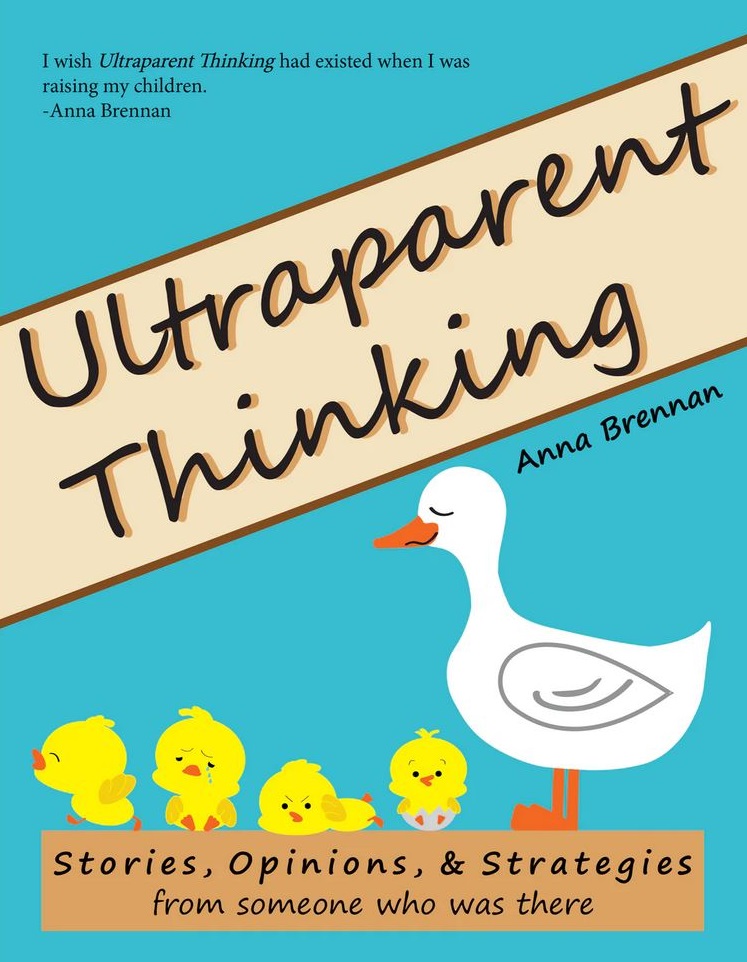
Anna Brennan has written a book to help other parents who have children with health issues. “Ultraparent Thinking” can be found at ultraparentthinking.com.

______________

A true heroine in my book.

For more:

Big Pharma: Influences Diagnoses & Treatments & More Than Half of CDC Employees End Up Working For It

https://thevaccinereaction.org/2024/01/pharma-influences-diagnoses-and-treatments-in-bible-of-psychiatric-disorders/

Pharma Influences Diagnoses and Treatments in “Bible” of Psychiatric Disorders

Medical Gaslighting and Lyme Disease: The Patient Experience

healthcare-12-00078

Medical Gaslighting and Lyme Disease: The Patient Experience

Jennifer L. Fagen 1, *, Jeremy A. Shelton 2 and Jenna Luché-Thayer 3

Abstract:

Even though there are approximately half a million new cases of Lyme disease in the US annually, according to the CDC, it is often undiagnosed or misdiagnosed, which can result in a chronic, multisystemic condition. Lyme disease is a recognized public health threat and is a designated “notifiable disease”. As such, Lyme disease is mandated to be reported by the CDC. Despite this, both acute and chronic Lyme disease (CLD) have been relegated to the category of “contested illnesses”, which can lead to medical gaslighting. By analyzing results from an online survey of respondents with Lyme disease (n = 986), we elucidate the lived experiences of people who have been pushed to the margins of the medical system by having their symptoms attributed to mental illness, anxiety, stress, and aging. Further, respondents have had their blood tests and erythema migrans (EM) rashes discounted and were told that CLD simply does not exist. As a result, a series of fruitless consultations often result in the delay of a correct diagnosis, which has deleterious consequences. This is the first study that addresses an extensive range of gaslighting techniques experienced by this patient population.

(See top link for entire paper)

_____________

For more:

Podcast: When Lyme Disease Leads to Low Sex Drive

https://www.lymedisease.org/lyme-disease-and-low-sex-drive/

PODCAST: When Lyme disease leads to low sex drive

Dec. 1, 2023

On a recent episode of the Lyme Boss podcast, host Heather Gray interviews Dr. Diane Mueller, a Colorado naturopath who specializes in sexual health and chronic illness.

Dr. Mueller has two different medical clinics:

One clinic, MyLymeDoc.com, is dedicated to helping those with Lyme, mold and other chronic infections/toxins that are driving symptoms such as fibro, headaches, hormonal imbalances, cognitive decline, chronic fatigue and more.

The other one, MyLibidoDoc.com, focuses on sexual well-being.

In this podcast episode, the two discuss sexual dysfunction in the context of chronic illness, the role of hormones and stress in sexual function, and tips for improving sexual health and wellness.

The Lyme Boss podcast is available via Apple, Amazon, Spotify and YouTube.

Or click below to listen.

For more: