WASHINGTON— The Environmental Protection Agency today approved the highly persistent pesticide isocycloseram for golf courses, lawns and food crops such as oranges, tomatoes, almonds, peas, and oats. The pesticide is a “forever chemical” — one of a group called PFAS, or perfluoroalkyl and polyfluoroalkyl substances.
Today’s announcement marks the second approval of a PFAS pesticide since Trump took office, with the first approval coming just two weeks before. The administration plans to approve three more PFAS pesticides in the coming year.
“To approve more PFAS pesticides amid the growing awareness of the serious, long-term dangers from these forever chemicals is absurdly shortsighted,” said Nathan Donley, environmental health science director at the Center for Biological Diversity. “The undeniable reality is that the Trump administration is knowingly putting the nation’s children at greater risk of developing serious reproductive and liver harms for generations to come.”
Isocycloseram is classified as moderately persistent to persistent and is known to transform into 40 smaller PFAS chemicals, some of which are much more highly persistent. (See link for article)
According to a report from Slay News, unlabeled cloned “beef” and “pork” are already being sold in American supermarkets and restaurants, raising serious transparency and safety concerns. Slay News
Under existing FDA rules, meat from cloned animals and their offspring is considered “safe and nutritious,” while the agency does not require any special labeling. Slay News+2CBS News+2 Unlike the FDA, Health Canada recently paused a plan to greenlight cloned meat without safety reviews or labeling after public backlash. The situation in Canada has amplified public scrutiny.
Critics, such as the National Health Federation (NHF), have long contended that these policies deprive consumers not only of the basic right to know what they’re eating but of healthy food as well. Moreover, the NHF and others raise a range of concerns, from ethical and animal-welfare issues to long-term health risks and lack of genetic stability.
As manufactured “demand” for synthetic or biotechnologically derived foods is pushed upon consumers, they increasingly reject this “fake” food and are calling at least for clearer labeling rules and a reexamination of the FDA’s earlier approval of cloned meat from as far back as 2008, so that informed consumers can avoid this unhealthy food, which is also reportedly found in soup.
It has been reported on X that Campbell’s Soup is using bioengineered meat (printed from a 3D printer) in its soup, as per Campbell’s Soup Vice President Bally in a supposed “rant” that he made at a meeting about the poor quality of the company’s products. Campbell’s Soup denies the poor-quality claim but has not, to NHF’s knowledge, addressed the real issue of whether or not it is indeed using 3D-printed meat in its soups.
The Florida State Attorney General, James Ulthmeier, was concerned enough to announce on X that the State’s Consumer Protection Division is launching an investigation into the quality of Campbell’s products. He said, “Florida law bans lab-grown meat. Our Consumer Protection division is launching an investigation and will demand answers from Campbell’s.”
As NHF President Scott Tips says, “Instead of aiming for healthier and more nutrition-dense foods for consumers, food companies are taking the low road of developing highly processed foods with very low nutritional value that can also actually pose a health risk. We see this at Codex Alimentarius meetings of late, where the INGO front groups representing food manufacturers are pushing for the global adoption of standards that would allow them to sell this lab-grown ‘Franken-meat’ worldwide. And there are not even adequate label warnings that would allow consumers to differentiate between the ultra-processed meat and the traditional. If consumers were informed, then they could exercise their free-market power to drive the fake meat out of the marketplace by refusing to buy it.”
Another ill-conceived effort to reform the Generally Recognized as Safe (GRAS) pathway directly threatens access to countless safe supplements and natural products. Action Alert!
THE TOPLINE
Rep. Pallone’s GRAS reform bill would eliminate the self-affirmed GRAS pathway and replace it with an FDA pre-approval system—raising costs, reducing competition, and threatening access to many safe, natural supplement ingredients.
The bill gives FDA broad new powers to retroactively challenge existing ingredients and to reassess GRAS substances without considering dose, opening the door to EU-style bans on nutrients essential for health.
While transparency reforms are needed, abolishing the “self-GRAS” pathway entirely would overwhelm FDA and harm consumers, all while failing to address the real problem: the risk assessment approach used by the agency itself that has allowed many dangerous food additives to remain on the US market.
Over the last few months, we’ve been telling you about federal bills aimed at reforming how food and supplement ingredients come to the market through the “Generally Recognized as Safe” (GRAS) pathway. These bills have come on the heels of HHS Secretary Robert F. Kennedy Jr. identifying the elimination of dangerous food additives as a priority, asking the FDA to explore eliminating the “self-GRAS” pathway, whereby companies certify an ingredient as GRAS and add it to food without notifying the agency.
We’ve argued that many of these proposals, however well-intentioned, are misguided. Yes, we all want safer food. Yes, some unscrupulous companies may take advantage of the self-GRAS pathway to sneak bad ingredients into food. But the truth is that the US GRAS system is the primary mechanism used to get micronutrients—like vitamins, minerals, amino acids, and thousands of botanicals—as well as food additives like dyes, preservatives, thickeners and a whole host of other additives that have technological, rather than nutritional, functions, onto the US market.
This means that if you set up roadblocks and pre-market approvals for the food additives that any health-conscious consumer might have concerns about, you also threaten consumer access to thousands of entirely safe, natural ingredients which come to the market as GRAS—including many of the ingredients in supplements you care about. Changing the entire regime into a de facto pre-market approval system, with the FDA as the gatekeeper, is, as we wrote in our white paper on this topic, like throwing the baby out with the bathwater. It will have the effect of reducing consumer access to some of the healthiest ingredients that are both know to be safe and proven to be of benefit to health. It will also impact the smaller, more innovative manufacturers and suppliers the most by creating regulatory barriers that are only accessible to big players. This is exactly what we don’t want because it ends up depriving citizens of choice.
A Push for Reform That Misses the Mark
A bill introduced by Rep. Frank Pallone (D-NJ) to reform the GRAS system makes many of the same mistakes as the other bills we’ve covered previously (here and here). Rep. Pallone’s bill proposes eliminating ‘self-GRAS’ entirely, requiring companies to submit detailed notifications to the FDA on new GRAS substances; only after the FDA has issued a written statement to not object to the GRAS notice can that ingredient be used. This is a pre-approval system for GRAS ingredients, plain and simple, which will increase costs, decrease competition, and eliminate many safe, healthy ingredients from the marketplace.
Speaking to the problems with this bill, ANH General Counsel Jonathan Emord said, “Regrettably, Congressman Frank Palone’s bill eliminates all future self-GRAS but grandfathers all prior self-GRAS determinations, leaving in the market the very subset of unsafe food additives in need of removal. The bill is underinclusive and overinclusive, failing to direct government to target demonstrably unsafe food additives for market removal, whether FDA approved or self-GRAS—the approach ANH advocates in our white paper on the subject).”
A Dangerous Expansion of FDA Power
Further, the FDA is handed the authority to require a GRAS notice for any ingredient considered GRAS before the enactment of the bill, giving the agency arbitrary authority to go after ingredients it doesn’t like. You can bet that natural substances and supplements that compete with drugs are on the hit list.
The Precautionary Principle Problem
The bill also requires the FDA to reassess 10 GRAS ingredients every three years, looking at, among other things, whether the ingredient is carcinogenic or can cause reproductive or developmental issues—without specifying that the assessment should be based on the intended use and dose. This pushes us directly into the problems caused by relying on the precautionary principlewhich dominates assessments by the European Food Safety Authority (EFSA), thatwe wrote about previously, that have been catastrophic for consumer choice in Europe.
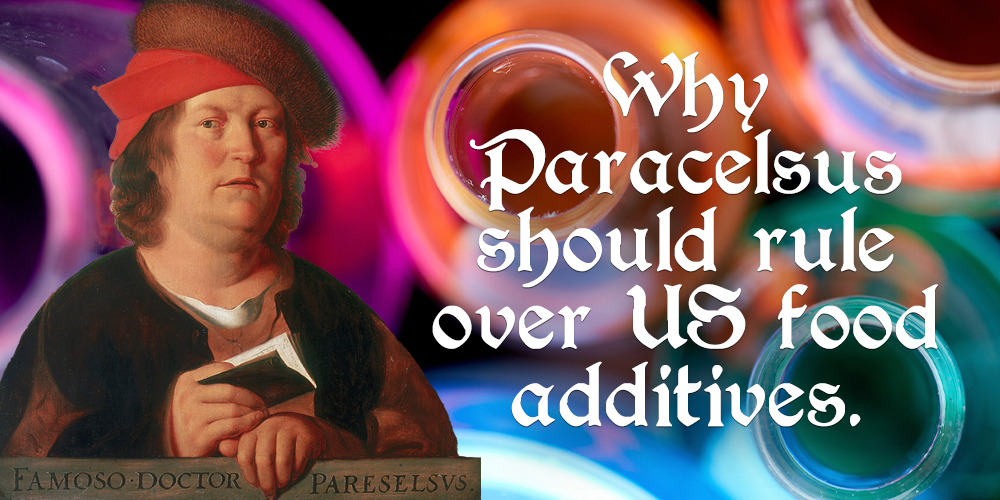
Emord also spoke to this issue: “This bill invites all new food additives to be assessed for carcinogenicity and mutagenicity without regard to dose. That undermines the historic toxicological basis for adulteration law—in effect, the Paracelsian Principle—wherein dose determines toxicity. Without that limitation on the exercise of government power, FDA may well adopt the Precautionary Principle as used in the EU, which gives essentially unbridled discretion to the government to remove food additives on cancer or birth defect grounds without having to prove those effects result from the form or dose levels actually being recommended. That approach would, if applied to existing food additives and other GRAS ingredients, cause many to be banned that are health enhancing, such as those containing selenium. That is because many substances we commonly consume, and are essential for good health, become carcinogenic or mutagenic at high dose levels. It is a foundational truism of toxicology that everything—even water—is toxic at some dose level.
The upshot is, under bills like Rep. Pallone’s, we risk losing access to safe, health-promoting ingredients due to a misapplication of the precautionary principle. This is a principle that gathered momentum decades back as a means of limiting exposure to environmental chemicals like pesticides and air pollutants to which exposure has no benefits, only the potential for risk. So when regulators now apply this same principle to substances like nutrients that have distinct benefits, they risk using the inevitable uncertainty in the science to eliminate exposure (altogether or at least a beneficial levels), so depriving us of benefits.
Transparency Is Needed—But This Isn’t It
None of this is to say that there aren’t problems with the current GRAS system. We’ve laid out these issues in detail in our recent white paper, Reforming GRAS: Food Safety Without Sacrifice. Notably, the drive towards more transparency is crucial. It is not acceptable that companies can self-certify an ingredient as safe and add it to our food without any transparency or accountability. That’s why, among other recommendations in our white paper, we call for the creation of a GRAS Transparency Register, making all GRAS determinations public for review by independent experts, consumer groups, and researchers.
The Real Source of Harmful Additives: FDA Approvals
There’s a common misconception that the self-affirmed GRAS pathway is the main culprit behind the flood of harmful ingredients in our food supply. But many of the additives most often cited by critics—Red 40, Yellow 5, titanium dioxide, potassium bromate, aspartame, sodium nitrite, and BHA—have actually been reviewed and approved by the FDA, either as food or color additives or through the GRAS process itself. These substances were greenlit despite substantial evidence of health risks. The real issue, then, is that most harmful additives were approved through official FDA channels—not industry exploitation of loopholes.
A Better Path Forward
Abolishing the self-GRAS pathway altogether, as proposed by Rep. Pallone’s bill as well as other bills, would wreak havoc on the food and dietary supplement industries and create an enormous workload for the FDA, which the agency would likely be unable to manage given current staffing. Creating another de facto pre-market approval system undermines the original purpose of the GRAS pathway: to streamline the introduction of safe ingredients, including many natural ingredients, into food.
We need lawmakers to hear from YOU, their constituents, that real reform means not throwing the nutrient baby out with the GRAS bathwater.
The following are important developments we must act against now. A new study has shown that the world’s most used insecticides (neonics) damage male fertility in rodents.
The scientists analyzed 21 laboratory studies between 2005 and 2025. Despite differences in design, species, and dosing, more than two-thirds found neonic exposure damaged testicular function and sperm: Sperm counts dropped. Sperm moved more slowly. Shapes became abnormal, and hormone levels changed.
The effects worsened with higher doses or more prolonged exposure to neonics, causing more severe or permanent injury.
This is alarming, given that over 95 percent of pregant women have neonics in their bodies, with the highest levels in Hispanic women, and levels are on the rise.
Beware: drinking water treatment does not remove neonics from water.
TAKE Action to ban bee-killing neonic seed treatments.
U.S. Commercial Development of Transgenic HB4 GMO Wheat is Now Underway
Capital Press:
“Argentina-based Bioceres Crop Solutions Corps and the Colorado Wheat Research Foundation will jointly develop and commercialize HB4 wheat in the United States. HB4 is a transgenic wheat trait that incorporates drought tolerance transferred through a sunflower gene. According to Bioceres, HB4 wheat demonstrated up to a 43% yield improvement in targeted environments.
The USDA in August 2024 approved HB4, the first GMO trait ever deregulated in the U.S. for wheat. As part of the collaboration, Bioceres will grant the research foundation ‘exclusive, sublicensable rights’ to the HB4 trait in the U.S. territory. The foundation will serve as ‘trait manager,’ facilitating broad access to HB4 wheat for third-party breeding programs and commercial channels, and leading engagement with U.S. stakeholders, according to a joint announcement from Bioceres and the foundation.
The parties will work together with industry participants to develop, register and commercialize new ‘broad-spectrum’ herbicide formulations tailored for HB4 wheat.”
Introducing the SHAM GRAS Act, a Bill To Weaken Food Chemical Safety
Sarah Sorscher reports for Food Safety News:
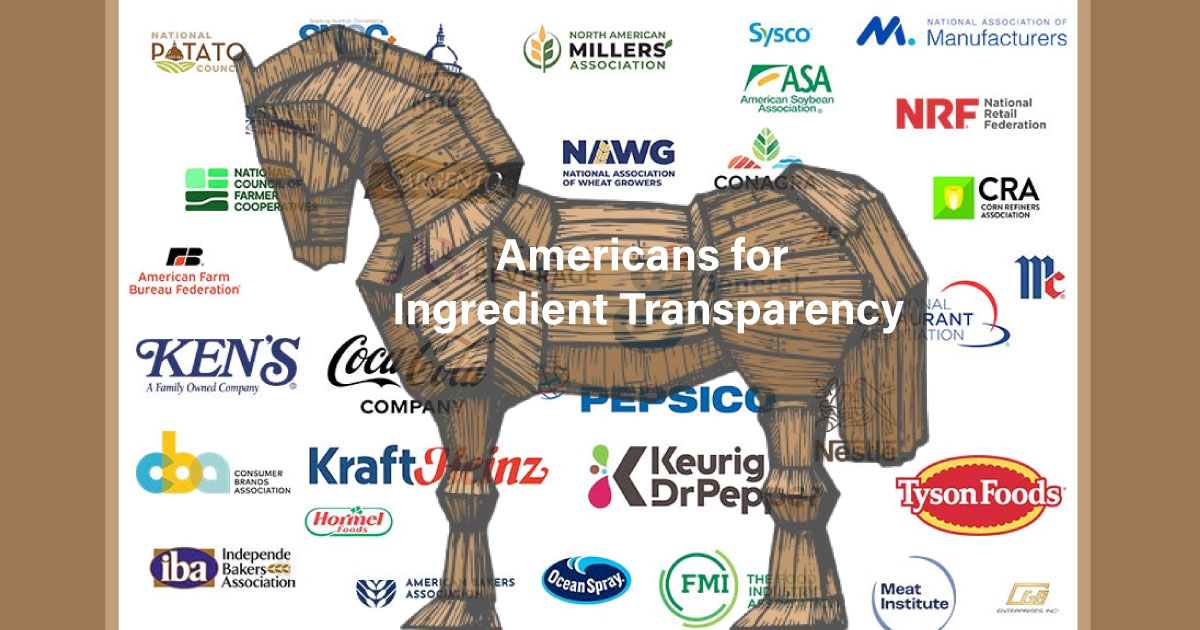
“Last week, some of the biggest players in Big Food, including household names like Nestlé, Coca-Cola, General Mills, Hormel and PepsiCo, teamed up to launch a lobbying coalition to permanently undermine food safety in the United States.
The new coalition is purportedly seeking to reform the “Generally Recognized as Safe” (GRAS) loophole, a federal policy that allows food companies to self-certify their ingredients as safe and then introduce them into the market without even informing FDA. At the same time, there are rumblings of Sen. Roger Marshall R-KS, introducing a federal bill to amend the GRAS process, pairing it with a preemption provision, a move that aligns with the interests of the new group.
It may come as a surprise to no one that the new front group, ironically titled ‘Americans for Ingredient Transparency,’ has a special interest in taking on federal food chemical safety reform.”
In 1930, Will Keith Kellogg, the breakfast-cereal magnate, endowed a new philanthropic institution with a simple mission: to promote the health and happiness of children. Like many industrialists of his time, he believed that the wealth created by modern business should serve the public good. The W.K. Kellogg Foundation was born from that ideal, funded by stock in the company that still bears his name.
Nearly a century later, that relationship endures. The Foundation’s trust remains one of the largest shareholders in the Kellogg Company—now split into Kellanova (snacks) and WK Kellogg Co (cereals). The dividends from those shares sustain one of the world’s largest charitable foundations, supporting programs in early childhood, food security, and public health.
But the Foundation’s history reveals a deeper paradox—one that raises uncomfortable questions about how philanthropy, industry, and science can become entangled in shaping public health itself.
Sugar, Tooth Decay, and the Birth of Fluoridation
By the mid-20th century, Americans were consuming record amounts of refined sugar, much of it through breakfast cereals and convenience foods. Dental caries became one of the most common chronic diseases in children.
Rather than confronting the role of sugar, public-health officials and industry leaders rallied around a technological fix: fluoridation. Adding fluoride to drinking water, they claimed, would strengthen enamel and prevent cavities regardless of diet.
The idea was not born in dental science alone—it was also nurtured by industry influence. According to a 2025 analysis by Chris Neurath in Environmental Health, the sugar industry and its allies actively promoted fluoridation to deflect attention from the role of sugar in tooth decay. Among the most prominent actors in this alliance was the W.K. Kellogg Foundation, whose deep financial ties to the sugary cereal business gave it both motive and means to shape dental policy.
The Kellogg Connection
Neurath’s research reveals that in 1942, Emory Morris—a former dentist, Kellogg Company executive, and later president of the W.K. Kellogg Foundation—was appointed chair of the American Dental Association’s Committee on Dental Health Policy. Under his leadership, the ADA began to promote fluoride as a “magic bullet” against tooth decay while de-emphasizing the importance of reducing sugar consumption.
That same year, Morris’s committee even discussed the compulsory addition of fluoride to food.
Soon after, Harold Hillenbrand, editor of the Journal of the American Dental Association (JADA) and a fluoridation advocate, joined the Kellogg Foundation’s dental advisory committee, while Morris simultaneously chaired the ADA’s policy committee—a reciprocal relationship that aligned the Foundation and the ADA in promoting fluoridation.
According to University of Michigan dentist Philip Jay, who led the first human fluoridation trial in Grand Rapids, Michigan, the Kellogg Foundation provided the initial funding for that study in 1945. A decade later, the Foundation gave the ADA a $250,000 grant—worth roughly $2.8 million today—and continued to fund fluoridation programs for decades, including in Latin America as late as 2005. (See link for article)
_______________
**Comment**
The devastating role of sugar and fluoride on human health has been covered up for decades.
“….fluoridation and the proclaimed benefit of fluoride as a way of preventing dental decay is perhaps the greatest “scientific” fraud ever perpetrated upon an unsuspecting public.”
It’s important to note that fluorides are cumulative toxins which means they accumulate in the body.
In 1998 EPA scientists declared a 4ppm safety level; however, this level was set fraudulently by outside forces in a decision that omitted 90% of the data showing the mutagenic properties of fluoride.
Since fluoride is now everywhere, it’s impossible to accurately measure total fluoride intake.
Regarding sugar, “That Sugar Film” documentary follows filmmaker Damon Gameau as went from consuming very little sugar to consuming the average amount of sugar eaten daily by Australians (160gm or 40 teaspoons). He noted:
It appears that the can of worms is fully opening……
Truth-telling doctors have completely upended the cancer paradigm by stating it’s a metabolic disease. Now, research is showing it’s also behind mood disorders like bipolar and depression as well. This is good news for those who suffer with these often treatment resistant diseases because you can fully change your metabolism, which means you could finally be free from these plagues.
Bipolar disorder and depression affect tens of millions globally, long treated as strictly brain-based illnesses, yet both consistently show high rates of insulin resistance and metabolic disturbances
A 2025 Nature Neuroscience study found that pancreatic insulin release and hippocampal activity are linked through a circadian feedback loop. This suggests bipolar mood shifts arise from disrupted metabolism, not brain chemistry alone
Earlier research in 2022 showed lithium stabilizes mood partly by restoring insulin signaling, while a clinical trial found metformin improved both insulin sensitivity and psychiatric symptoms in treatment-resistant bipolar depression patients
Insulin resistance is extremely widespread, with around 40% of Americans affected, driven by refined sugars, seed oils, stress, sleep loss, and environmental exposures that disrupt the body’s natural energy regulation
Supporting insulin sensitivity involves stepwise changes, replacing damaging fats and ultraprocessed foods, introducing gut-friendly carbs and fibers gradually, managing stress, improving sleep, and staying active to stabilize both metabolic and mental health (See link for article)
Article Highlights:
The Importance of Testing
One of the most straightforward ways to gauge how well your body responds to insulin is through a test called HOMA-IR, short for Homeostatic Model Assessment of Insulin Resistance. It requires only two basic blood tests, both done first thing in the morning before you eat. One test measures fasting glucose and the other measures fasting insulin.
Once you have those two numbers, they are entered into a simple formula:
HOMA-IR = (Fasting Glucose in mg/dL × Fasting Insulin in μU/mL) ÷ 405
This score shows how hard your body is working to keep blood sugar in check — A higher number means your pancreas is pushing out more insulin to control your glucose levels, which signals that your cells are becoming resistant to insulin’s effect. Ideally, your HOMA-IR should be under 1.0. Even values around 1.0 deserve attention, because they show that your body may already be moving toward resistance. The lower the number, the better your insulin sensitivity.
The ability to track your progress over time makes HOMA-IR even more valuable. As you make adjustments in diet, movement, and lifestyle, you can retest and see whether your score is improving. That direct feedback provides motivation and clarity, showing you how your efforts translate into measurable improvements in insulin sensitivity and, by extension, in your long-term health.
Steps to Improve Insulin Sensitivity
Start with carbs that are easy on your gut — Glucose is often automatically viewed as harmful in the context of insulin resistance, yet your body relies on it as a primary fuel. If you cut carbs too low, your body compensates by raising cortisol, a stress hormone that breaks down muscle tissue to make glucose, which weakens your metabolic health over time. Most adults require about 250 grams of healthy carbohydrates a day.
Introduce resistant starches and root vegetables once stable — When your system has stabilized, resistant starches and root vegetables can be introduced in small amounts. Cooked and cooled white potatoes or green bananas are two reliable starting points, then you can expand to foods like garlic, onions, and leeks, which nourish the bacteria that produce butyrate, a short-chain fatty acid that strengthens your gut lining and supports blood sugar regulation. This is often the stage where people notice steadier energy, fewer cravings, and more balanced glucose levels.
As your digestion becomes more resilient, you can slowly rotate in a wider variety of plant foods — Begin with root vegetables, then move toward leafy greens, beans, legumes, and eventually whole grains. The key is to add them gradually and not to eat the same new food every day at the start. Your gut bacteria need time to adjust to new fiber sources, and pacing yourself helps avoid the discomfort that can come with sudden changes.
Alongside what you add, it is equally important to cut out what damages your gut — Vegetable oils high in linoleic acid, ultraprocessed foods, and alcohol all erode the gut barrier and encourage the growth of bacteria that worsen inflammation and insulin resistance. Replacing these with healthier fats such as grass fed butter, ghee, or tallow helps repair the intestinal lining and supports the balance of your microbiome. A healthier gut environment, in turn, makes your cells more responsive to insulin.




 Madison Area Lyme Support Group