Archive for the ‘Alpha Gal Meat Allergy’ Category

“Super-Fast” Lone Star Ticks Showing up in New Places

https://www.lymedisease.org/lyme-sci-super-fast-lone-star-ticks-are-showing-up-in-new-places/

LYME SCI: “Super-fast” lone star ticks are showing up in new places

March 30, 2022

By Lonnie Marcum

The lone star tick (Amblyomma americanum) has been rapidly expanding its range, from the Southern United States into the Northeast and Midwest.

This tick is a major vector of several viral, bacterial, and protozoan pathogens affecting humans, pets, livestock, birds and other wild animals in the United States. In some Midwestern states, it is commonly known as the “turkey tick” due to its association with wild turkeys. (Childs and Paddock, 2003)

Currently, the lone star tick is known to transmit human ehrlichiosis, tularemia, Heartland virus, Bourbon virus, Southern tick-associated rash illness (STARI) and rarely Rocky Mountain spotted fever—one of the deadliest tick-borne diseases in the US.

People bitten by a lone star tick may also develop alpha-gal syndrome—a severe allergy to meat and meat-related products.

A recent crowdsourced science project has documented the largest increase of the lone star tick in decades. Researchers documented new tick encounters in over 300 counties—including six new counties in western states—where these ticks had not been documented before.

TickSpotters program evaluates photos

In a study published in the Journal of Medical Entomology, researchers at the University of Rhode Island (URI) evaluated over 9,500 photos submitted between 2014-2019 to the TickSpotters surveillance program.

To document the changes, researchers first identified the ticks in the submitted photos, then logged the county each was reported from. They used this method to plot the geographic ranges of three medically important U.S. tick species: Amblyomma americanum, Ixodes scapularis and Ixodes pacificus. The last two are the vectors for Lyme disease.

More than 5,000 photographs of the lone star tick were received from over 1,000 counties across the US. Of those, 341 counties had no previous record of lone star ticks. The largest expansion of the lone star tick was seen in Illinois, Indiana, Kentucky, and Ohio.

In addition, the lone star tick was reported in several counties in the western US, a region not typically associated with these ticks. Notably, it was found in six new counties in California, four counties in Colorado and one new county each in Idaho, Oregon and Utah.

“The causative drivers of these upturns are complex, but have a lot to do with increased host availability, warming temperatures, and moisture availability,” researcher Heather L Kopsco, PhD, told Entomology Today,

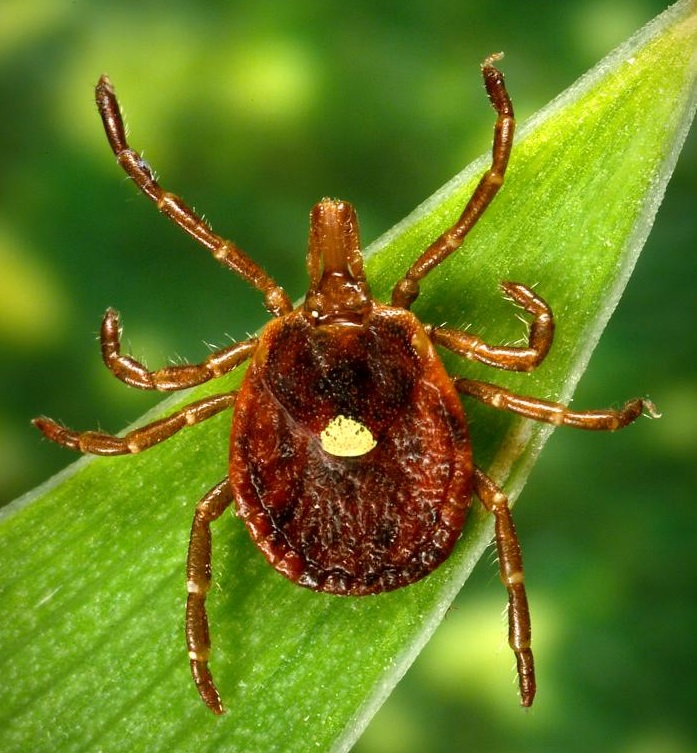
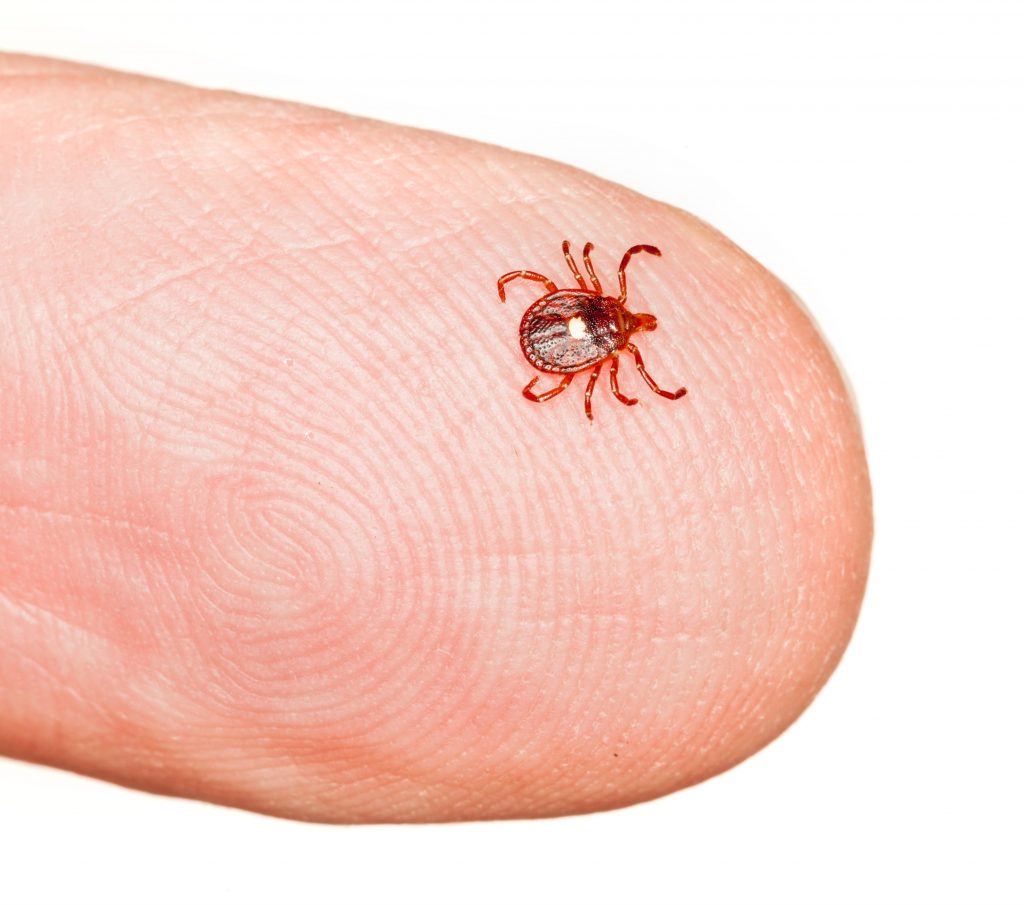
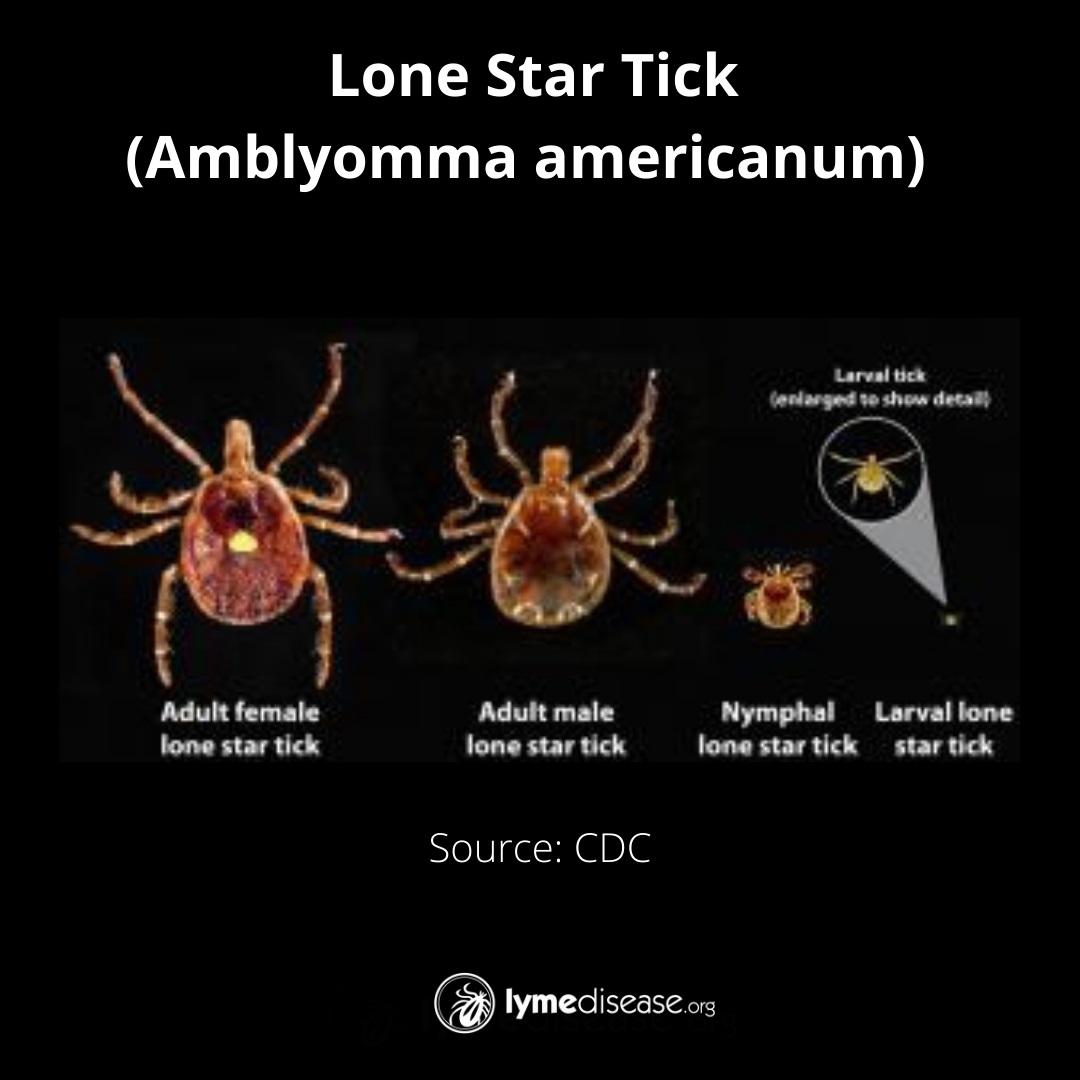
Female lone star ticks are identifiable by a single silvery-white spot on the center of their back (scutum.) The male lone star tick is slightly smaller, with varied white streaks or spots around the margins of its body.
Finding Heartland virus in Georgia

Another recent study published in the CDC journal “Emerging Infectious Diseases” found lone star ticks infected by Heartland virus in Georgia. The article points out several major knowledge gaps and the complexity of diseases carried by the lone star tick. (Romer et al, 2022)

“Heartland is an emerging infectious disease that is not well understood,” says Emory University’s Gonzalo Vazquez-Prokopec PhD, senior author of the study.

Interestingly, the genetic analysis of the Heartland virus from Georgia shows that it is 2%-5% different from previous genetic sequences of the virus.

“These results suggest that the virus may be evolving very rapidly in different geographic locations, or that it may be circulating primarily in isolated areas and not dispersing quickly between those areas,” Vazquez-Prokopec says.

The Heartland virus wasn’t officially named until 2009. However, the CDC has since found evidence of it in wild animals in at least 13 states, including stored samples from deer dating back to 2001. (Clark et al, 2018)

Because the initial symptoms of these tick-borne viruses resemble the flu, and tests for it are not readily available, it is likely being undetected and underreported in humans.

Quick and aggressive

The lone star tick moves quickly and aggressively, says Thomas Mather, PhD, Director of the TickEncounter Resource Center and co-author of the URI study.

“It is super-fast. It can move from below your knees to the top of your head in a matter of seconds.” Mather says it is the tick most frequently found attached to humans in the South.

The greatest risk of being bitten by the adults exists in early spring through fall. Lone star ticks are found mostly in woodlands with dense undergrowth and around animal resting areas, where they will quest on tall grass and low hanging branches.

Nymphal ticks quest lower to the ground but also move fast. If you encounter a patch of larvae, you’ll find they may latch on by the hundreds. Tick Encounters recommends using sticky duct tape to remove these larvae as soon as possible.

Expanding range

The range of the lone star tick in North America has increased dramatically over the past 30 years. Large numbers have been recorded as far to the northeast as Maine, as far to the southeast as Florida, as far south as Mexico and as far west as Colorado. Recently, patchy encounters have also been noted in Canada and the West coast.

Diseases carried by lone star ticks

The following is a list of symptoms of diseases caused by the bite of the lone star tick per the CDC.

Alpha-gal Syndrome (AGS)

Reactions can include:

  • Rash
  • Hives
  • Nausea or vomiting
  • Heartburn or indigestion
  • Diarrhea
  • Cough, shortness of breath, or difficulty breathing
  • Drop in blood pressure
  • Swelling of the lips, throat, tongue, or eye lids
  • Dizziness or faintness
  • Severe stomach pain

Symptoms commonly appear 2-6 hours after eating meat or dairy products, or after exposure to products containing alpha-gal (for example, gelatin-coated medications). Personal products that use ingredients containing “hydrolyzed protein,” lanolin, glycerin, collagen, or tallow are particularly problematic.

AGS reactions can differ from person to person and range from mild to severe. Anaphylaxis (a potentially life-threatening allergic reaction involving multiple organ systems) may need urgent medical care.

People may not react after every alpha-gal exposure.

Seek immediate emergency care if you are having a severe allergic reaction.

Bourbon Virus

Scientists are still learning about possible symptoms caused by this virus.

People diagnosed with Bourbon virus disease had symptoms including:

  • fever
  • tiredness
  • rash
  • headache
  • other body aches
  • nausea, and

Patients with Bourbon virus will have low blood counts for cells that fight infection and help prevent bleeding.

There is no medicine to treat Bourbon virus disease. Doctors can only treat the symptoms. For example, some patients may need to be hospitalized and given intravenous fluids and treatment for pain and fever. Antibiotics don’t work against viruses.

Ehrlichiosis

Signs and symptoms of ehrlichiosis typically begin 1-2 weeks after the bite of an infected tick. Left untreated, ehrlichiosis can be fatal. Early treatment with doxycycline is highly effective.

Early signs and symptoms (the first 5 days of illness) are usually mild or moderate and may include:

  • Fever, chills
  • Severe headache
  • Muscle aches
  • Nausea, vomiting, diarrhea, loss of appetite
  • Confusion
  • Rash (more common in children)

About a third of people with ehrlichiosis report a rash, which can look like red splotches or pinpoint dots. This typically develops five days after the fever begins.

Early treatment can reduce your risk of developing severe illness, which can include:

  • Damage to the brain or nervous system (e.g. inflammation of the brain and surrounding tissue (called meningoencephalitis))
  • Respiratory failure
  • Uncontrolled bleeding
  • Organ failure
  • Death
Heartland Virus
  • Most people infected with Heartland virus experience fever, fatigue, decreased appetite, headache, nausea, diarrhea, and muscle or joint pain. Many require hospitalization.
  • Some people also have lower than normal counts of white blood cells (cells that help fight infections) and lower than normal counts of platelets (which help clot blood). Sometimes, liver enzymes are elevated.
  • It can take up to two weeks for symptoms to appear after an infected tick bite.
Rocky Mountain Spotted Fever

Early signs and symptoms are not specific to RMSF. However, the disease can rapidly progress to a life-threatening illness.

Signs and symptoms can include:

  • Fever
  • Headache
  • Rash
  • Nausea
  • Vomiting
  • Stomach pain
  • Muscle pain
  • Lack of appetite

While almost all patients with RMSF will develop a rash, it often does not appear early in illness, which can make RMSF difficult to diagnose. RMSF rash usually develops 2-4 days after fever begins. The appearance of the rash can vary widely. Some rashes look like red splotches and some look like pinpoint dots.

Some patients who survive severe RMSF may be left with permanent damage, including amputation of arms, legs, fingers, or toes (from damage to blood vessels in these areas); hearing loss; paralysis; or mental disability.

Southern tick-associated rash illness (STARI)

It is not known whether antibiotic treatment is necessary or beneficial for patients with STARI. Nevertheless, because STARI resembles early Lyme disease, physicians will often treat patients with oral antibiotics.

The rash of STARI is a red, expanding “bull’s-eye” lesion that develops around the site of a lone star tick bite. The rash usually appears within seven days of the tick bite and expands to a diameter of three inches or more. The rash should not be confused with much smaller areas of redness and discomfort that can occur commonly at the site of any tick bite.

Patients may also experience fatigue, headache, fever, and muscle pains. The saliva from lone star ticks can be irritating; redness and discomfort at a bite site does not necessarily indicate an infection.

Tularemia

The signs and symptoms of tularemia vary depending on how the bacteria enter the body. Illness ranges from mild to life-threatening. All forms are accompanied by fever, which can be as high as 104 °F.

“Ulceroglandular” is the most common form of tularemia and usually occurs following a tick or deer fly bite or after handing an infected animal. A skin ulcer appears at the site where the bacteria entered the body. The ulcer is accompanied by swelling lymph glands, usually in the armpit or groin.

LymeSci is written by Lonnie Marcum, a Licensed Physical Therapist and mother of a daughter with Lyme. She serves on a subcommittee of the federal Tick-Borne Disease Working Group. Follow her on Twitter: @LonnieRhea  Email her at: lmarcum@lymedisease.org.

References

Childs JE, Paddock CD. (2003) The ascendancy of Amblyomma americanum as a vector of pathogens affecting humans in the United States. Annu Rev Entomol. 48:307-37. doi: 10.1146/annurev.ento.48.091801.112728. Epub 2002 Jun 4. PMID: 12414740.

Clarke, L. L., Ruder, M. G., Mead, D. G., & Howerth, E. W. (2018). Heartland Virus Exposure in White-Tailed Deer in the Southeastern United States, 2001-2015. The American journal of tropical medicine and hygiene, 99(5), 1346–1349. https://doi.org/10.4269/ajtmh.18-0555

Guzmán-Cornejo C et al (2011) The Amblyomma (Acari: Ixodida: Ixodidae) of Mexico: identification keys, distribution and hosts. Zootaxa 2998:16–38

Kopsco HL, Duhaime RJ, Mather TN. (2021) Crowdsourced Tick Image-Informed Updates to U.S. County Records of Three Medically Important Tick Species. J Med Entomol.  11:tjab082. doi: 10.1093/jme/tjab082. Epub ahead of print. PMID: 33973636.

Monzón, J. D., Atkinson, E. G., Henn, B. M., & Benach, J. L. (2016). Population and Evolutionary Genomics of Amblyomma americanum, an Expanding Arthropod Disease Vector. Genome biology and evolution, 8(5), 1351–1360. https://doi.org/10.1093/gbe/evw080

Riemersma KK, Komar N. (2015) Heartland Virus Neutralizing Antibodies in Vertebrate Wildlife, United States, 2009-2014. Emerg Infect Dis. 21(10):1830-3. doi: 10.3201/eid2110.150380. PMID: 26401988; PMCID: PMC4593439.

Romer, Y., Adcock, K., Wei, Z., Mead, D. G., Kirstein, O., Bellman, S….Vazquez-Prokopec, G. M. (2022). Isolation of Heartland Virus from Lone Star Ticks, Georgia, USA, 2019. Emerging Infectious Diseases, 28(4), 786-792. https://doi.org/10.3201/eid2804.211540.

Springer YP, Eisen L, Beati L, James AM, Eisen RJ. (2014) Spatial distribution of counties in the continental United States with records of occurrence of Amblyomma americanum (Ixodida: Ixodidae). J Med Entomol. Mar;51(2):342-51. doi: 10.1603/me13115. PMID: 24724282; PMCID: PMC4623429.

Steinke J, Platts-Mills T, Commins, S. (2015) The alpha-gal story: lessons learned from connecting the dots. J Allergy Clin Immunol. 135(3): 589-96.

___________________

**Comment**

Great, informative article.  I disagree with the notion that the climate is causing tick movement and proliferation of disease – here’s why:

Ticks will be the last species on the planet besides the IRS.

Patients With Alpha-Gal Syndrome Report Wide Range of Symptoms

https://www.lymedisease.org/alpha-gal-syndrome-survey/

Patients with alpha-gal syndrome report wide range of symptoms

By Alexandra Todak, Healio.com

March 7, 2022

Patients with alpha-gal syndrome reported many physical and mental effects along with a profound quality-of-life impact, according to survey results presented at the American Academy of Allergy, Asthma & Immunology Annual Meeting.

Understanding the vast range of symptoms that can indicate alpha-gal syndrome (AGS) — the first known carbohydrate-based allergy to mammalian-derived ingredients, which is associated with tick bites — is essential for diagnosing clinicians, according to the researchers.

“A lot of health care providers still are not aware of AGS, and providers who are aware of it do not understand the full range of symptoms,” Jennifer Platt, DrPH, cofounder and director of Tick-Borne Conditions United.

“AGS impacts every body system. Many patients are still told, ‘it’s all in your head,’ prescribed anxiety/depression medication, and sent on their way.” READ MORE

With Three Invasive Tick Species Thriving in Connecticut, State Scientist Warns of Major Public Health Hazard

https://www.courant.com/news/connecticut/hc-news-ct-more-ticks-20210816-eafwrhehkbhspacc7r5qrw4m4m-story.html

With three invasive tick species thriving in Connecticut, state scientist warns of major public health hazard

Stratford, Ct. - 08/13/2021 - Dr. Goudarz Molaei, with Connecticut's Agricultural Experiment Station, searches for ticks trapped on a canvas dragged through shoreline vegetation. Photograph by Mark Mirko | mmirko@courant.com
Stratford, Ct. – 08/13/2021 – Dr. Goudarz Molaei, with Connecticut’s Agricultural Experiment Station, searches for ticks trapped on a canvas dragged through shoreline vegetation. Photograph by Mark Mirko | mmirko@courant.com (Mark Mirko/The Hartford Courant)

State scientist Goudarz Molaei pulled a square of cloth through brush and grass on the Stratford coast recently, then stopped and pointed to a crawling smear of larvae on the white fabric.

The tiny arachnids were either Gulf Coast or lone star ticks, two of three invasive species, along with the Asian long-horned tick, that have recently established footholds in Connecticut.

First seen only in pockets near the coast, the blood-sucking, disease-carrying ticks have spread into other parts of the state. Compared with past years, many more worried residents and visitors have submitted ticks to the Connecticut Agricultural Experiment Station, mostly deer ticks that may carry Lyme disease, Molaei said. The tally so far in 2021 is 4,700 tick submissions to the testing laboratory, compared with a total annual average of 3,000 submissions.

Milder winters and warmer temperatures overall are helping the ticks survive and thrive in Connecticut.

“This is going to be a major public health concern in the near future, if it is not already,” Molaei said.  (See link for article)

_____________________

**Comment**

Important takeaways:

  • Previously only .2% of submitted ticks were lone star ticks which increased to 4.2% this year. They transmit ehrlichiosis, STARI, spotted fever rickettsiosis, tularemia, Alpha-gal allergy, and Heartland and Bourbon Viruses.
  • The researcher states that it’s a matter of time before the entire state of Connecticut will be infested with Asian long-horned tick – the tick that can reproduce by cloning. It is supposedly less attracted to human skin but can spread diseases that make both animals and humans seriously ill.
  • The Gulf Coast tick overwintered successfully in Connecticut but currently is limited to coastal areas.  Thirty percent tested there were infected with rickettsiosis, which is similar to but less serious than Rocky Mountain Spotted Fever.
  • The deer tick, or blacklegged tick transmits Lyme disease and is active any time temperatures are above freezing.  All life stages bite humans.
  • The following percentages of ticks were sent to the Experiment Station this year:
    • 72.8% deer ticks (32% were positive for Lyme, 10% for Babesia, 4% for Anaplasmosis – and 2% tested positive for at least 2 disease agents concurrently)
    • 23.1% American dog ticks
    • the rest were lone star ticks

Know Your Ticks

https://www.globallymealliance.org/tick-table/

Know your ticks

Easy to read table shows the most common ticks found in the U.S. that transmit pathogens to humans.
Note: only a partial list. To learn more about tick-bite prevention and how to be Tick AWARE, click here

Click here to download the Tick Table

Tick Table

For more:

Remember, in Wisconsin, ticks are found in every county in the state. Researchers are also finding them in bright, open, mowed lawns.

Alpha-gal Syndrome – Symptoms, Diagnosis, & Treatment

https://www.lymedisease.org/alpha-gal-syndrome/

There is growing evidence that certain types of tick bites can trigger alpha-gal syndrome (AGS) a life-threatening allergy to red meat and meat-related products.

In some individuals, it appears tick bites can result in the sensitization to a carbohydrate known as galactose-alpha-1,3-galactose, or “alpha-gal” for short. This sugar molecule is found in most mammals you might be likely to eat, but not in fish or fowl.

Most recognized food allergies, such as to peanuts or shellfish, will prompt an immediate reaction after being consumed. That’s not the case with AGS, however, which can take up to eight hours (or even more) after exposure to produce a reaction.

Note: exposure to alpha-gal via inhalation, injected drugs or vaccines can cause an immediate reaction.

Alpha-gal syndrome - meats that contain alpha-gal

Examples of commonly consumed mammalian meats that contain alpha-gal include beef, pork, lamb, goat, venison and buffalo. Common foods that are derived from mammals include lard, milk, cream, ice cream, and cheese—although the majority of AGS patients do tolerate dairy products.

Personal products that use ingredients containing “hydrolyzed protein” (gelatin), lanolin, glycerin, collagen, or tallow are particularly problematic.

Additional products that can bring on an alpha-gal reaction are jello, gelatin capsules, certain medications, pig or cow heart valves, surgical mesh, certain vaccines and unlabeled “natural flavorings” in foods.

Some people with AGS also react to carrageenan, a common food additive made from red algae, which also contains alpha-gal. (So even being strictly vegan won’t necessarily protect you from AGS reactions.)

How are ticks involved in alpha-gal syndrome?

Alpha-gal meat allergy has been reported all over the world including Asia, Australia, Central America, Europe, Germany, Japan, South Korea, and the United States.

The tick species most often associated with Alpha-gal syndrome is the lone star tick

In the U.S., the tick species most often associated with AGS is the lone star tick (Amblyomma americanum) found throughout the South, East and parts of the Midwest. Recent research suggests that the blacklegged tick (Ixodes scapularis and Ixodes pacificus) may also be implicated in alpha-gal syndrome.

The Asian longhorned tick (Haemaphysalis longicornis), the primary trigger of AGS in Asia, has shown up in the US recently, but has yet to be implicated in AGS here. The Cayenne tick (Amblyomma cajennese) found in southern Texas and Florida has also been linked to AGS in Central America, but not yet in the U.S.

While no known pathogen has been linked to triggering AGS, more research is needed to understand the mechanism and the role that ticks play. Currently the thought is that the tick saliva plays a role in activating the allergy to alpha-gal.

Who’s at risk for AGS?

Alpha-gal syndrome is a much more common allergy in the U.S. today than it was a decade ago, with the number of laboratory-confirmed cases growing from 12 in 2009 to over 34,000 in 2019. Unfortunately, AGS has no insurance billing code (ICD code), nor is it a reportable illness to the CDC.

Experts agree alpha-gal syndrome is under-reported in geographic areas where tick bites are common.

Alpha-gal syndrome Lone Star Tick in the United States

Surveillance for IgE to alpha-gal. Percent positive rates are presented for IgE to alpha-gal within each of six regions in the United States, 2012-2013 (7300 samples). Diagonal white lines on the map represent the known geographic distribution of the lone star tick (Data and map, Viracor-IBT Laboratories; Tick Distribution, CDC).

For now, the biggest risk factor for AGS appears to be repeated bites by ticks that contain alpha-gal in their saliva and salivary glands. It is not understood why, but not everyone who is bitten by a tick containing alpha-gal will develop AGS.

While both children and adults can acquire AGS, most cases have been reported in adults.

Certainly, if a patient with recent tick exposure presents with sudden onset anaphylaxis and recurrent gastrointestinal symptoms, AGS should be considered.

Alpha-gal syndrome is a much more common allergy in the U.S. today than it was a decade ago, with the number of laboratory-confirmed cases growing from 12 in 2009 to over 34,000 in 2019.

What are the symptoms of alpha-gal syndrome?

The symptoms of alpha-gal syndrome are often delayed, making it much harder to pinpoint the trigger. Someone may wake up at 3 o’clock in the morning in the throes of serious allergic reaction, and have no idea it was brought on by a hamburger they ate the night before.

Symptoms can range from itching and stomach upset to breathing difficulty and full anaphylaxis. AGS reactions often start with itching of the palms of hands and soles of feet.

Common symptoms of AGS include:

  • 90% have skin symptoms: itching “pruritus,” flushing “erythema,” hives “urticaria” (swollen, pale red bumps or “wheals” on the skin), angioedema (swelling in deep layers below the skin)
  • 60% develop anaphylaxis (a potentially deadly reaction that can restrict breathing)
  • 60% have gastrointestinal symptoms (abdominal pain, diarrhea, acid reflux, cramping, vomiting)
  • 30-40% experience cardiac symptoms: rapid decrease in blood pressure (hypotension, POTS); palpitations (atypical chest symptoms)
  • 30-40% experience respiratory symptoms (wheezing, coughing, shortness of breath)
  • 20% of patients will have GI symptoms alone (may present like irritable bowel syndrome)
  • 3-5% develop mast cell activation syndrome
  • arthritis (rare)
  • mouth swelling, sores (rare)

How is AGS diagnosed?

If you experience symptoms after eating mammalian meat products, immediately notify your primary care physician or allergist. Unlike most tick-borne pathogens, the onset of AGS usually takes at least 4-6 weeks from the time of the tick bite. Complicating things further, about a third of patients do not recall a tick bite.

Your doctor should be able to determine if you have AGS based upon your clinical symptoms and a positive blood test: immunoglobulin E (IgE) to the oligosaccharide glactose-alpha-1,3 galactose (alpha-gal.)

In the U.S., Viracor is the main laboratory for AGS testing. The Viracor “specific IgE galactose-alpha-1,3-galactose” test can be taken at most commercial laboratories like Labcorp and Quest and shipped to Viracor.

Warning: The test for alpha-gal is often mistaken for “alpha-galactosidase” or “a-galactosidase A deficiency”—note these are the wrong tests! Because the test is so new, it is recommended to take the proper testing codes with you to the doctor and the laboratory. Click here to download and print a PDF on the proper testing codes for alpha-gal syndrome.

How is Alpha-gal syndrome treated?

There are currently no U.S. FDA-approved medications for the treatment of AGS. As with most allergies, the mainstay of management is avoidance of the allergen. Therefore, the best practice is to avoid exposure to:

  1. Mammalian meats
  2. Personal products containing mammalian derivatives
  3. Medical products containing mammalian proteins, derivatives or parts
  4. Medications containing mammalian proteins or derivatives

Knowing you must avoid mammalian products is only half the battle, as these products have worked their way into nearly every level of our modern life.

For instance, gelatin is the main ingredient of jellybeans, candy corn, marshmallows, puddings and the capsules of many medications. Chicken and turkey sausages may be stuffed in pork casings, lard (rendered pork fat) is found in many pre-made gravies, sauces, soups, candies, chips, fries, and more.

As with all serious allergies, it is important to have the proper diagnosis and be prepared with how to respond in the event of an emergency. Most allergists will recommend wearing a medical alert bracelet and carrying an EpiPen and an antihistamine with you at all times.

Avoiding alpha-gal hidden components

Mammalian proteins and parts can be found in many medications and medical products. . Because the source of many ingredients is not listed on product labels, your pharmacist may need to contact the manufacturer. Have your pharmacist ask specifically if it contains galactose-alpha-1,3-galactose, alpha-gal, mammalian meat, or any animal by-products.

Common sources of alpha-gal include:

  1. heart valve replacement derived from pig or cow,
  2. monoclonal antibodies (cetuximab)
  3. vaccines (zostavax, MMR and some flu),
  4. pancreatic enzyme replacement therapy,
  5. thyroid hormone replacement,
  6. fillers in medications (magnesium stearate, stearic acid, lactic acid, glycerin, gelatin, lactose)
  7. antivenom,
  8. protein powders,
  9. vaginal capsules
  10. heparin

Alpha-gal & co-infections

Ticks that carry alpha-gal are known to carry many other pathogens that can be simultaneously transmitted to humans. It is possible to acquire any of these other tick transmitted diseases and also have alpha-gal syndrome. It is also possible to have AGS alone.

Ticks that carry alpha-gal are known to carry many other pathogens

The lone star tick, the primary source of AGS in the U.S., is known to transmit the following diseases:

  • human monocytotropic ehrlichiosis (HME)
  • ehrlichiosis (Ehrlichia chaffeensis, Ehrlichia ewingii, and Panola Mountain ehrlichia)
  • Rocky Mountain spotted fever (RMSF)
  • tularemia (Francisella tularensis)
  • Heartland virus
  • Bourbon virus
  • Q fever
  • tick paralysis
  • STARI, an illness similar to Lyme disease, caused Borrelia lonestari
With alpha-gal recently discovered in blacklegged ticks, we may also begin to see an increase in AGS in patients with Lyme disease, anaplasmosis, babesiosis, ehrlichiosis, relapsing fever borreliosis, Powassan virus disease, and other diseases transmitted by these ticks.

How to prevent alpha-gal syndrome

For now, the best way to avoid getting AGS is to avoid tick bites. This means wearing tick repellent when working, hiking or playing in grassy or wooded areas where ticks are found. Protecting your pets and doing thorough tick checks after being outdoors is helpful.

If you are bitten by a tick, we suggest following these eight steps.

What to do if you have alpha-gal syndrome?

Learning you have an allergy to all mammalian products can be overwhelming. Because this is such a newly discovered condition there are few resources available.

When it comes to making medical decisions, it’s important to have a knowledgeable provider who understands the risks versus benefits of certain medications and procedures. Vaccines that contain gelatin are one of the riskier products, but if you need a rabies shot, for instance, your doctor may determine the benefits outweigh the risks and take the necessary steps to mitigate the adverse effects.

To learn more about the history, symptoms and how to diagnose alpha-gal syndrome listen to this interview with Dr. Scott Commins, of the University of North Carolina.

Additional help can be found at:

References:

  1. CDC | Alpha-gal allergy
  2. HHS | Alpha-Gal Syndrome Subcommittee Report to the Tick-Borne Disease Working Group
  3. Commins SP, Satinover SM, Hosen J, Mozena J, Borish L, Lewis BD, Woodfolk JA, Platts-Mills TA. (2009) Delayed anaphylaxis, angioedema, or urticaria after consumption of red meat in patients with IgE antibodies specific for galactose-alpha-1,3-galactose. J. Allergy and Clin Immunol 123(2):426-33. doi: 10.1016/j.jaci.2008.10.052.
  4. Commins, S. P., James, H. R., Kelly, L. A., Pochan, S. L., Workman, L. J., Perzanowski, M. S., Kocan, K. M., Fahy, J. V., Nganga, L. W., Ronmark, E., Cooper, P. J., & Platts-Mills, T. A. (2011). The relevance of tick bites to the production of IgE antibodies to the mammalian oligosaccharide galactose-α-1,3-galactose. J. Allergy and Clin Immunol, 127(5), 1286–93.e6. DOI: https://doi.org/10.1016/j.jaci.2011.02.019
  5. Commins SP (2020) Diagnosis & management of alpha-gal syndrome: lessons from 2,500 patients, Expert Review of Clinical Immunology, 16:7, 667-677, DOI: 10.1080/1744666X.2020.1782745
  6. Fiocchi A, Restani P, Riva E, Qualizza R, Bruni P, Restelli AR, Galli CL. (1995)  Meat allergy: I–Specific IgE to BSA and OSA in atopic, beef sensitive children. J Am Coll Nutr. 14(3):239-44. doi: 10.1080/07315724.1995.10718502. PMID: 8586772.
  7. Hamsten C, Tran TAT, Starkhammar M, Brauner A, Commins SP, Platts-Mills TAE, van Hage M. (2013) Red meat allergy in Sweden: association with tick sensitization and B-negative blood groups. J. Allergy and Clin Immunol. 132(6):1431-1434. doi: 10.1016/j.jaci.2013.07.050. Epub 2013 Oct 4. PMID: 24094548; PMCID: PMC4036066.
  8. Kuehn BM. (2018) Tick Bite Linked to Red Meat Allergy. JAMA. 23;319(4):332. doi: 10.1001/jama.2017.20802. PMID: 29362779.
  9. Mullins RJ, James H, Platts-Mills TA, Commins S.(2012) Relationship between red meat allergy and sensitization to gelatin and galactose-α-1,3-galactose. J. Allergy and Clin Immunol. 129(5):1334-1342.e1. doi: 10.1016/j.jaci.2012.02.038. Epub 2012 Apr 3. PMID: 22480538; PMCID: PMC3340561.
  10. Platts-Mills, TAE, Schuyler, AJ,Commins,SP, et. al ( 2018) Characterizing the Geographic Distribution of the Alpha-gal Syndrome: Relevance to Lone Star Ticks (Amblyomma americanum) and Rickettsia. J. Allergy and Clinical Immun 141;2. DOI: https://doi.org/10.1016/j.jaci.2017.12.470
  11. Wilson JM, Schuyler AJ, Workman L, Gupta M, James HR, Posthumus J, McGowan EC, Commins SP, Platts-Mills TAE.  (2019) Investigation into the α-Gal Syndrome: Characteristics of 261 Children and Adults Reporting Red Meat Allergy. J. Allergy and Clin Immunol Pract. 7(7):2348-2358.e4. doi: 10.1016/j.jaip.2019.03.031.