Back to the Lab: Dr. Wills From the G. Magnotta Research Lab

Back to the lab with Dr. Melanie Wills from the G. Magnotta Research Lab at the University of Guelph
Post cast: https://cdn.transistor.fm/file/transistor/m/shows/17123/595fdfc3b5c2a92230d6dd180b8379eb.mp3
In this episode Sarah talks research, Canadian research that is, with Dr. Melanie Wills. She is the Director of the G. Magnotta Lab at the University of Guelph, conducting research and studying the diagnosis, prognosis and treatment of Lyme disease. She became interested in researching Lyme disease while working on her PhD, when her own health history intersected with her research interests. When a doctor suggested she may have symptoms of Lyme disease, Dr. Wills agreed that her symptoms were similar, but she had been tested, and Lyme disease had been ruled out. At the doctor’s recommendation, she explored further into the disease and the testing for it. When she realized that the research around Lyme disease was inadequate, her career moved toward helping to fill that gap while at the same time incorporating her PhD and her lived experience with the disease. Dr. Wills recalls how conversations with fellow researcher Vett Lloyd, Jim Wilson (CanLyme President) and the G. Magnotta Foundation resulted in the collaboration behind the lab located at the University of Guelph.
Dr. Wills talks about their research examining the different forms that Borrelia (Lyme bacteria) can adopt, including round bodies and biofilms, and what role they have in the expression of the disease. She is also looking at how a person’s genetics and the genetics of the bacteria might play a role in how the disease is expressed. Dr. Wills points out that the body’s reaction to the bacteria can cause an excessive inflammatory response, and how that may differ from person to person. She also describes their research study which looks at peoples’ experiences with Lyme disease including their interactions with the medical system.
One of the other exciting areas of research in her lab is the development of a new diagnostic tool for Lyme disease. Dr. Wills takes us into the science and history behind the current Canadian testing protocol and explains some of the shortcomings of this protocol in terms of immune response and the inability to rule out ongoing infection using these tests.
People with chronic Lyme can’t help but notice the many similarities between Lyme disease and COVID-19. Dr. Wills has been working with researchers at Mount Allison University to study the chronic complications of COVID-19. Studying these symptoms and comparing them to Lyme disease may help to determine which systems in the body may be involved for both diseases. She tells us about other research happening now that may help us to understand what is going on with a certain population by looking at genomes.
Dr. Wills shares a vision for advances in research in Lyme disease, including more collaboration between researchers and points out that the political landscape is currently hampering such collaboration. She is also concerned that, because Lyme disease has been inaccurately framed as a disease that is easily treated, there has been little interest in funding better treatments and research. Despite all of the challenges Dr. Wills has had to manage both personally and professionally, she believes that we are up to the challenge of finding better solutions in the future. Thank you so much Dr. Wills for all the hard work you are doing to help improve the lives of people with Lyme disease!
Related resources
- G. Magnotta Foundation
- G. Magnotta Research Lab
- Dr. Melanie Wills on Twitter
- U of G Study Reveals Complexity of Lyme Disease and Knowledge Gaps



 Poor diet: Did I mention that all my long hours of delivering babies had me living out of the hospital vending machine and constantly eating processed and fast foods on the run? All of those
  Chronic stress: I know I’m not alone here when I say that constant low-grade tension and stress had become the norm. Unfortunately, when the body exists in a constant state of alert, all of its systems, and especially immune function, become overly taxed.
 Sedentary lifestyle: I truly love to exercise, but most days I felt too crappy to move much at all, so regular activity was put on hiatus. Prolonged inactivity is stressful to the body: It’s associated with decreased blood flow,
  Toxic environment: The modern world is saturated with hidden toxins — plastics, pesticides, food additives, etc. — that act like free radicals and cause systemic inflammation, further compromising immune function. Without actively trying to avoid them, I was undoubtedly surrounded by them.
 Microbes: Borrelia might have been at the top of my hit list, but by now I knew it wasn’t just one microbe I had to worry about. With my immune system down, the floodgates were open, and that strong prevalence of normal flora I needed to support my immune defenses was getting overrun by potential pathogens.
 Rhodiola: One of the first herbs defined as an adaptogen and studied by modern scientists,
  Reishi mushrooms: This mushroom’s main claim to fame is its ability to help regulate the immune system, improving how it works.
 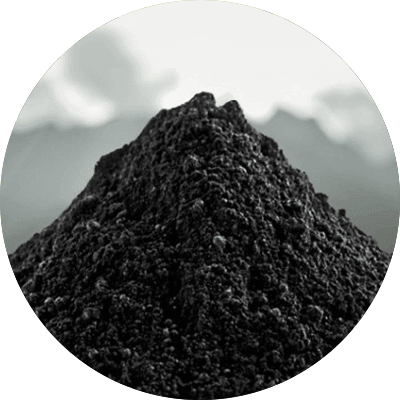 Shilajit: This isn’t technically an herb, but more like primordial ooze — a byproduct of plant materials that have been compressed into the earth in the Himalayas and seeps out of the rocks.
 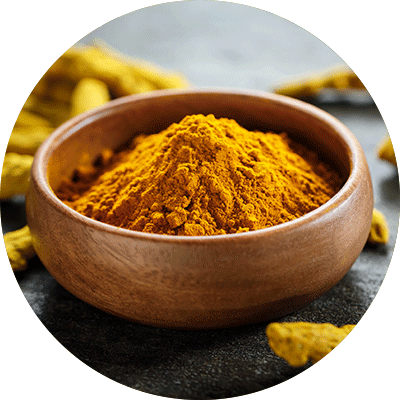 Turmeric: This adaptogen companion has potent anti-inflammatory powers. The compounds in
  Gotu Kola: A calming, anti-inflammatory and antioxidant adaptogen companion that’s part of the parsley family,


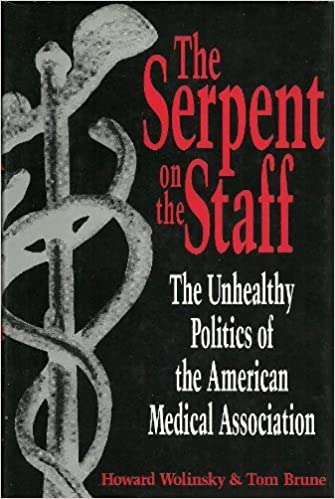
 In 1975, a whistleblower, who called himself “Sore Throat,” fed information about how the AMA’s Committee on Quackery was aiming to “contain and eliminate” a competing profession, chiropractic.
 “CONTAIN AND ELIMINATE is a story that needs to be told not for revenge but for restoration and rehabilitation to the image of chiropractic which was disparaged and destroyed resulting in millions of patients who would never seek the services of a doctor of chiropractic because the image of the profession was so tarnished by the ACTIVITIES of the American Medical Association.” Who should get a copy of the book CONTAIN AND ELIMINATE? Everyone who has been either positively or negatively impacted by the decades of illegal activity of the American Medical Association.