Author Archive

Online Premiere of New Lyme Film

https://www.lymedisease.org/your-labs-are-normal-premiere/

Online premiere of new Lyme film Wednesday, October 20

October 17 update: The premiere originally scheduled for October 20 has been postponed. According to Rhisa Marie Perera, she did not anticipate so much attention, both locally, and worldwide. She has been advised to push back the date to pursue further options for distribution. When the new date is chosen, we’ll let you know about it.

From Rhisa Marie Parera, Lyme patient and filmmaker:

At 17, I collapsed on my senior trip in high school and spent months in and out of doctors’ offices. After a brief period of respite, I was 19 years old when the intense migraines and constant dizzy spells began. Then, in my early to mid-twenties, constant joint and muscle pain.

Add all of this to a part-time job and full college workload, and I felt like I was running on fumes. I couldn’t believe this was my life. By the time I was 29, I could barely function. After seeing dozens of doctors in my twenties, I was finally diagnosed with Lyme disease.

There were absolutely no answers or help from medical professionals. I had to figure it out on my own to start healing. As a kid, all I ever wanted to do was write stories. I dreamed of writing for a television show, movies, Broadway, anything! I ended up thinking, Why not write down my own story? Six months into the COVID-19 quarantine, I started writing and knocked out a few drafts….

******

Those drafts turned into a film called  YOUR LABS ARE NORMAL. Its online premiere will be October 20. Viewing it will be freely available to anybody. The link to the film will be posted on Rhisa’s Facebook page on Wednesday.

Click below to watch a trailer of film:

Previous blog by Rhisa:

10 years of headaches, vertigo and other pains dismissed as “depression”

______________

For more:

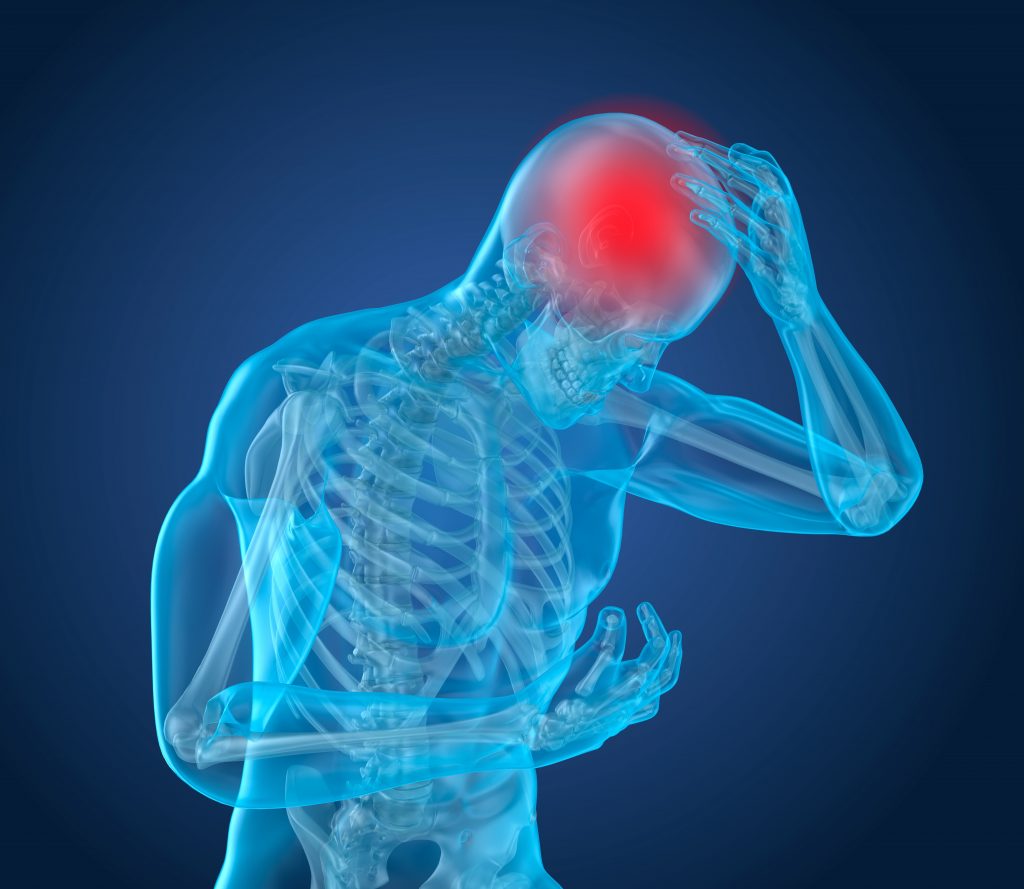
Head Trauma, Prolonged Neurological Symptoms, & Lyme Disease

https://www.lymedisease.org/head-trauma-lyme-disease/

Head trauma, prolonged neurological symptoms, and Lyme disease

By Daniel A. Kinderlehrer MD

When Brian finished college, he had dreams of becoming a professional hockey player. Unfortunately, he got a rough blow to the head and sustained a concussion. Although he didn’t lose consciousness, he developed a host of symptoms that led to leaving the ice.

He complained of daily headaches that were worse with exertion, physical and mental fatigue, decreased concentration and short-term memory, joint pains, muscle pains, muscle cramps, chest pain, sore soles that were more tender when first getting out of bed, paresthesias (pins and needles sensations) in his fingers and toes; daytime sweats and urethritis—pain on urination.

Sound familiar? Brian had spent time in upstate New York and went to college in Massachusetts. He had never seen a tick attachment nor an EM rash. An alert physician ran a Lyme Western Blot test but the only positive band was the IgG 18 kd, which was interpreted as negative.

The plot thickens

Because of his ongoing urethritis, Brian was put on Cipro for one week and all his symptoms flared. Later he was prescribed Levaquin, but he suffered the same reaction and stopped it after two days

Brian got checked out by specialists at a highly regarded medical center, but they could shed no light on the matter.

Brian’s symptoms were getting worse, including a sore throat with swollen glands. He had another Lyme Western Blot (performed at Labcorp) in which the IgM was now reactive at 23 kd. This was interpreted as positive for Lyme disease.

He was then prescribed doxycycline 100 mg twice daily. He herxed for five days and over the next two months he experienced mild improvement.

Post-Concussive Syndrome

I’m going to take a break from Brian to discuss post-concussive syndrome (PCS), symptoms that persist after a traumatic brain injury (TBI). The symptoms of PCS include headache, dizziness, neck pain, exercise intolerance, irritability, anxiety, sleep problems, diminished cognition with memory loss, poor concentration and difficulty with problem-solving, noise and light sensitivity.

In 2019, Sergio Azzolino and colleagues published a report entitled “The prevalence of Lyme disease and associated co-infections in people with a chronic post-concussive syndrome.”1 They wondered if patients with TBIs who continued to have symptoms of post-concussive syndrome a year after their head trauma had undiagnosed Lyme disease.

They did a retrospective chart review of patients who fit the criteria of ongoing symptoms of PCS at least a year after suffering a TBI. To be included in the study, patients had to have a negative brain computed tomography (CT) or magnetic resonance imaging (MRI) scan. Participants were excluded from the study if they had previously tested positive for Lyme and/or co-infections; had two weeks of antibiotics since the date of injury; had been diagnosed with a primary neurological illness (e.g., seizure disorder or multiple sclerosis), or had post-stroke syndrome.

The researchers tested 69 patients who met those criteria: 38% had a positive IgM Western Blot and 26% had a positive Western Blot IgG. They also tested 18 patients without a history of TBI but who had symptoms consistent with PCS: 72% had a positive IgM Western Blot and 33% had a positive IgG Western Blot.

IgM in Lyme disease is not only acute infection

The IgM antibody is considered an acute phase reactant—acute in medicine means recent onset. In most infections, the IgM antibody to a pathogen starts rising soon after the onset of infection. Then begins its decline about a month later, when IgG–the chronic phase reactant–starts increasing. Usually, the IgM becomes negative and the IgG remains elevated while the infection is still active, but IgG can remain elevated long after the infection has been eradicated.

However, this is not the case with Lyme disease. In Lyme, the IgM does indeed rise early—it is usually detectable within one to two weeks. But if the infection is untreated, the elevation in IgM will persist.2,3 This may be due to changes in outer surface proteins on the bacteria that continually signal a new infection to our immune systems.

In the series by Azzolino et al., IgM positivity was disproportionately higher than IgG.  And the same was true in the group of people who had the neurological symptoms of PCS without a history of TBI.

Most of my patients present with chronic persistent Lyme disease that has not been previously treated—they have been ill for years or even decades. The vast majority have Western Blot IgM positivity disproportionate to IgG positivity. It is not unusual for these patients to be told that the positive IgM is a false positive, since they have been ill for a long time and do not have an acute infection.

Prolonged neurological symptoms after TBI may be caused by Lyme disease

It turns out that a significant number of folks who get banged in the head and develop prolonged neurological symptoms were already suffering from a dormant infection with Borrelia burgdorferi, the Lyme pathogen. We know that some people get a tick attachment but don’t see a rash and don’t experience acute Lyme disease—but weeks, months or years later they become ill with chronic Lyme disease.

Sometimes, the symptoms develop gradually, but often they develop almost overnight. In the latter situation, there is usually a trigger—a viral infection, mold exposure, taking an agent that suppresses the immune system like corticosteroids, a vaccine, emotional stress, and trauma of any kind—especially head trauma.

Dr. Chad Prusmack is a neurosurgeon in Denver who sees a lot of patients with head trauma. He is unique among neurosurgeons in that he also diagnoses and treats Lyme disease. Chad told me that in his clinical experience, a third of his patients with PCS have Lyme disease and improve with appropriate treatment.

He also notes that most of these patients have issues with mold sensitivity and mold toxins, as well as dysautonomia, especially POTS—Postural Orthostatic Tachycardia Syndrome–and they improve considerably when they are stabilized.

Back to Brian

When I initially saw Brian, I told him I didn’t know how much his neurological symptoms were still attributable to the TBI he sustained over a year earlier as opposed to symptoms caused by the tick-borne diseases.

I suspect many readers of Lymedisease.org have already surmised that Brian was suffering from both Lyme disease and bartonellosis. Morning pain on the soles of the feet, urethritis, daytime sweats, and Herxheimer reactions to Cipro and Levaquin are big tip-offs.

The short story is that with treatment Brian experienced a 100% remission. He wisely decided not to pursue a professional career on the ice, but instead went to medical school. At the time of this writing, he is completing an orthopedic residency.

When Brian was a fourth-year medical student, I asked him what attending physicians on the wards had to say about Lyme disease. His reply: “They think it’s a joke, it’s not real.” This level of denial among mainstream physicians is, distressingly, still quite common.

I talked with Dr. Azzolino recently. He told me his clinical experience has been similar to that of Dr. Prusmack, who found that treating his long-term PCS patients for their tick-borne infections “…resulted in a dramatic improvement in function and reduction in disability” in this patient population.

The bottom line is that head trauma can activate dormant infections that manifest with chronic neurological symptoms that overlap with those of PCS. Anyone with head trauma with persistent PCS should get checked for Lyme disease.

Dr. Daniel Kinderlehrer is an internal medicine physician with a private practice in Denver, Colorado, devoted to treating patients with tick-borne illness. He is the author of  Recovery From Lyme Disease: The Integrative Medicine Guide to the Diagnosis and Treatment of Tick-Borne Illness.

References

  1. Azzolino S, Zaman R, Hankir A, Carrick FR. The prevalence of Lyme disease and associated co-infections in people with a chronic post-concussive syndrome. Psychiatr Danub. 2019 Sep;31(Suppl 3):299-307. PMID: 31488744.
  2. Craft JE, Fischer DK, Shimamoto GT, Steere AC. Antigens of Borrelia burgdorferi recognized during Lyme disease. Appearance of a new immunoglobulin M response and expansion of the immunoglobulin G response late in the illness. J Clin Invest. 1986;78(4):934–939.
  3. Steere AC, et al. Lyme arthritis: correlation of serum and cryoglobulin IgM with activity, and serum IgG with remission. Arthritis Rheum.1979;22(5):471-83

For more:

Study Shows “Shelter in Place” Policies Were Fruitless but Vermont Data Show Three-Quarters of COVID Deaths Are Among the Fully “Vaccinated”

https://www.nber.org/papers/w28930

The Impact of the COVID-19 Pandemic and Policy Responses on Excess Mortality

As a way of slowing COVID-19 transmission, many countries and U.S. states implemented shelter-in-place (SIP) policies. However, the effects of SIP policies on public health are a priori ambiguous as they might have unintended adverse effects on health. The effect of SIP policies on COVID-19 transmission and physical mobility is mixed. To understand the net effects of SIP policies, we measure the change in excess deaths following the implementation of SIP policies in 43 countries and all U.S. states. We use an event study framework to quantify changes in the number of excess deaths after the implementation of a SIP policy.

We find that following the implementation of SIP policies, excess mortality increases.

The increase in excess mortality is statistically significant in the immediate weeks following SIP implementation for the international comparison only and occurs despite the fact that there was a decline in the number of excess deaths prior to the implementation of the policy.

At the U.S. state-level, excess mortality increases in the immediate weeks following SIP introduction and then trends below zero following 20 weeks of SIP implementation.

We failed to find that countries or U.S. states that implemented SIP policies earlier, and in which SIP policies had longer to operate, had lower excess deaths than countries/U.S. states that were slower to implement SIP policies. We also failed to observe differences in excess death trends before and after the implementation of SIP policies based on pre-SIP COVID-19 death rates.

__________________

**Comment**

All we have to do is look at Sweden who took a very different approach to the ‘plandemic.’

In short, this review found the exact same thing stated early on by epidemiologists. It’s also what Israel found, as another study that looked at global data: lockdowns don’t make a bit of difference in mortality.  In fact, they cause adverse effects on health.  The same exact thing can be said of masking.

We need to learn from history or we are doomed to repeat it.  There will be many more ‘plandemics’ to come.  Are we going to allow them to force us to do things that have only damaged people or are we going to say, “enough is enough.”  The approach didn’t work before and it won’t in the future.

___________________

https://www.newstarget.com/2021-10-05-three-quarters-covid-deaths-vermont-fully-vaccinated

More than three-quarters of covid deaths in Vermont are among the “fully vaccinated”

10/05/2021 / By Ethan Huff
More than three-quarters of covid deaths in Vermont are among the “fully vaccinated”
 

The latest data out of Vermont shows that a whopping 76 percent of all new Wuhan coronavirus (Covid-19) deaths are occurring in the “fully vaccinated.”

So-called “breakthrough” cases, which we were told are “rare,” actually account for the vast majority of Chinese Virus deaths in the highly “progressive” state, which is one of the most vaccinated in the nation.

Important excerpts:

The Chinese Virus vaccination rate in Vermont is currently 88 percent among people aged 12 and older. This means that the state should be fully protected against the disease with no more deaths.

So much for a “pandemic of the unvaccinated”

The accepted narrative is maintained despite mounting evidence.  The script reads that all of this somehow proves the jabs are working by protecting people against worse outcomes, despite death pretty much being the worst outcome possible. Blind guides continue to state we are in a “pandemic of the unvaccinated,” therefore everyone must continue to get the clot shots.

Don’t ask questions, don’t hesitate, just roll up your sleeve already and get the jabs despite what you hear, observe, and feel.

The article points out two very very crucial facts:

“The experts keep spouting mortality statistics based on the 500K+ people who died before vaccines were available,” wrote one commenter at Citizen Free Press.

“If you die within 14 days of being jabbed, you are designated as ‘unvaccinated,’ so how do they even know that the eight unvaccinated were really unvaccinated?” asked another.

For more:

Tom is no ordinary doctor. He is the former Director of the Center for Disease Control under President Barack Obama. He is also propagating dangerous misinformation about the COVID-19 vaccines. It will cause people to misunderstand the real world results which can cause more people to die, and exacerbate the pandemic.

Dr. Tom is wrong. About as wrong you can get. The real world data has shown that the death rate among the vaccinated, if infected with COVID, can be 3 to 5.7 times higher1 than the death rate of the unvaccinated.

The former Director of the CDC is making what I call an Acceptable Catastrophic Error. This is the kind of error one is allowed to make when they are perceived to have the correct opinion.

Bloodstream Infections in COVID Patients: A Retrospective Cohort Study

https://bmcinfectdis.biomedcentral.com/articles/10.1186/s12879-021-06647-x

Clinical profile of bloodstream infections in COVID-19 patients: a retrospective cohort study

Abstract

Background

Bloodstream infections (BSIs) are an emerging cause of significant morbidity and mortality in severe Coronavirus disease 2019 (COVID-19). We aimed to assess the prevalence, clinical profile and outcome of BSIs in critically ill COVID-19 patients.

Methods

This was a single-centre retrospective study conducted at a tertiary care hospital in Western India. All patients (age > 18 years) with reverse-transcription polymerase chain reaction (RT-PCR) confirmed COVID-19 admitted in the intensive care unit (ICU) were included. Hospital electronic records were searched for demographic data, time of bloodstream infection since admission, clinical profile, antimicrobial resistance pattern and clinical outcome of all patients who developed BSIs.

Results

Out of 750 patients admitted in COVID ICU, 8.5% developed secondary BSIs. All severe COVID-19 patients who developed BSIs succumbed to illness. A significant proportion of BSIs were Gram-negative pathogens (53/64, 82.8%). Acinetobacter baumannii was the commonest isolate, followed by Klebsiella pneumoniae (32.8% and 21.9%, respectively). Multidrug-resistance organisms (MDRO) were found in 57.8% of the cases. The majority of MDRO belonged to K. pneumoniae and Enterococcus groups. The proportion of Gram-negative bacteria resistant to carbapenems was 47.2% (25/53). On multivariate analysis, raised total leukocyte counts, mechanical ventilation and presence of comorbidities were significantly associated with the incidence of BSIs.

Conclusion

We found a significant prevalence of Acinetobacter baumannii in COVID-19 associated BSIs. The presence of comorbidities raised leukocyte counts and mechanical ventilation should alarm clinicians for possible BSIs. The timely initiation of empirical antibiotics and rapid de-escalation is vital to improve the outcome. At the same time, strict compliance of infection control practices should be accomplished to reduce the occurrence of MDRO.

Better Diagnostic Teesting: Antibodies & Beyond

https://www.lookingatlyme.ca/2021/10/40-better-diagnostic-testing-antibodies-and-beyond-with-dr-armin-schwarzbach/  Webinar Here

40. Better diagnostic testing: antibodies and beyond with Dr. Armin Schwarzbach

Detecting Lyme disease and related infections.

Episode 40 with Dr. Armin Scharwzbach from Armin Labs in Augsburg Germany.

In this episode of Looking at Lyme, we go to Augsburg, Germany to learn about diagnostic testing with Dr. Armin Schwarzbach, MD, PhD.

Dr. Schwarzbach is a specialist in laboratory medicine and infectious diseases, having worked in the field for over 20 years. He recalls one of his patients who was diagnosed with Multiple Sclerosis and tested positive for a test that was then called a lymphocyte transformation test for Borrelia burgdorferi even though she subsequently tested negative for antibodies to the bacteria. The patient had not responded to previous treatment for her MS (with steroids) but recovered after being treated for Lyme disease.

“[The Western Blot] is a screening test for transmission of Borrelia burgdorferi but not an activity test…I never have seen such cases where there are no antibodies, but cellular immune reactions.”

Dr. Armin Schwarzbach

Testing options

After recognizing that routine antibody tests for Lyme disease were unreliable, Dr. Schwarzbach decided to explore other methods of cellular analytics for patients with tick-borne illnesses based on cellular immune reactions. Although these tests are now performed in some other labs in Germany, Dr. Schwarzbach points out that many countries, including Canada, are not currently offering these types of tests. Canadian patients currently have to arrange to have their blood samples shipped to Germany to access the tests done at his laboratory.

“When I travelled around and people contacted me [I found that] nobody is doing the test in Canada, (or in many other countries).”

Dr. Armin Schwarzbach

B cells and T cells

Dr. Schwarzbach describes the difference between direct and indirect testing. Direct testing, including cultures and PCR (polymerase chain reaction) tests, look for direct evidence of a pathogen. Indirect testing, including antibody and t-cell tests, look at the body’s immune response to a pathogen. He differentiates between B cells, or antibodies in the form of proteins, and T-cells which are living cells called lymphocytes. Dr. Schwarzbach points out that in the US, the Centre for Disease Control (CDC) actually prefers a T-cell test for tuberculosis, but does not yet accept this test for Lyme disease.

 “B cells are the antibodies and the T cells are the lymphocytes. Antibodies are proteins, lymphocytes are living cells…in the whole diagnostic world I think (T cells) are underrepresented.”

Dr. Armin Schwarzbach

Antibody anomalies with Lyme disease

Dr. Schwarzbach also explains one of the other anomalies seen in Lyme disease patients. With other infections, IgM antibodies are normally produced early in the infectious process and IgG antibodies in the long term. In Lyme disease, they are observing the persistence of IgM antibodies but not IgG antibodies. He collaborated with professor Dr. Leona Gilbert, who was leading research on multiple tick borne diseases as well as persister forms and intracellular forms of Borrelia burgdorferi, sometimes called round bodies, cysts, or L-forms. Dr. Leona Gilbert discussed her research with Sarah in Season One of Looking at Lyme.

Testing for multiple infections

This research led to the creation of a test panel called the TickPlex, which includes various co-infections and opportunistic infections. Dr. Schwarzbach notes that a patient can test positive for multiple infections even if they test negative for Lyme disease. He explains that co-infections (also called tick-borne or vector-borne infections) are caused by pathogens found in vectors such as ticks, whereas opportunistic infections are already in our bodies and are normally kept under control by our immune system. When our immune system is not functioning properly, these opportunistic infections can re-activate, creating further health issues for patients with tick-borne infections such as Lyme disease.

“The TickPlex was developed because…we saw together with professor Gilbert that there are persister forms…we said why should we not test for these persister form antibodies…and that was a breakthrough because we found around 98% now with a persister form of antibodies.”

Dr. Armin Schwarzbach

The three “I’s” of infection

Dr. Schwarzbach explains that one of the biggest roadblocks to better testing is that many authorities don’t accept the concept of chronic infection. He hopes this will improve with the increased use of other testing modalities such as the TickPlex test. He discusses diagnostics for infections using the three “I’s”;  IgA, IgG and IgM antibodies, immune dysfunction tests, and inflammatory markers. Another test for Borrelia burgdorferi and SARS-CoV-2 is the I-spot, which can test both for past and current infection, and biopsy or tissue testing.  Dr. Schwarzbach points out that all of these tests are helpful not only for initial diagnosis, but also for monitoring patient progress and treatment effectiveness. He also notes that test results need to be considered in conjunction with what is happening clinically with patients, and with what patients are experiencing.

“What I see in this model with the three ‘I’s’ with SARS CoV-2, we diagnose it with antibodies, IgG, IgA…the second ‘I’ is the immune dysfunction…and the (third) ‘I’…is inflammation, the inflammatory markers…(we can) help therapists and to give additional information about infection, inflammation and immune dysfunction.”

Dr. Armin Schwarzbach

The COVID connection

What do Lyme disease, COVID and HIV infections have in common? They all can all cause reactivation of dormant infections in our bodies such as Epstein-Barr, Herpes Simplex, Coxsackie and Cytomegaloviruses as well as imbalances in yeast, mold and gut bacteria. In fact, in a recent study, 66.7% of long COVID patients were found to have reactivation of Epstein-Barr Virus. Dr. Schwarzbach points out that these patients may have other opportunistic infections which require diagnostic testing. He even developed a checklist to help clinicians determine which opportunistic infections may be active in their patients.

“I accept chronic infections… but the majority of doctors don’t accept this. They say yes you can have a current or recent infection… but it cannot get chronic. This is the struggle we have politically… I’m fighting for the acceptance of chronic infection, and this we can do by these wonderful blood tests.”

Dr. Armin Schwarzbach

New directions in testing

Looking to the future, Dr. Schwarzbach hopes to develop tests for biofilms, parasitic infections, gut viruses and bacteria, as well as yeast and mold. Thank you Dr. Schwarzbach for filling us in on the latest testing for infections that can be associated with Lyme disease! Remember to keep an eye out for ticks even as the weather gets cooler, and stay safe in the outdoors!

Resources

“(With the TickPlex test) we found also that all of these patients had multiple infections, so called co-infections from tick bites or re-activated infections, we name opportunistic infections; viruses and so on…so (Dr. Gilbert) designed a panel for that.”

For more: