https://www.nih.gov/news-events/news-releases/nih-strategic-research-plan-addresses-growing-tickborne-diseases-threat

Thursday, October 10, 2019

NIH strategic research plan addresses growing tickborne diseases threat

What

The incidence of reported cases of tickborne diseases in the United States has significantly increased in recent years. It is expected to continue to grow as tick species expand their geographical reach and new tick-transmitted pathogens emerge, raising the potential for serious human illness and death. A new strategic research plan from the National Institutes of Health aims to build on — and accelerate — new and existing research initiatives to improve scientific understanding of ticks and the pathogens they may transmit and to develop the necessary tools and strategies to better diagnose, prevent and treat tickborne diseases.

According to the U.S. Centers for Disease Control and Prevention, 59,349 cases of tickborne disease were reported in 2017 compared to 48,610 cases in 2016. Lyme disease accounted for the bulk (82%) of the cases. Recent CDC estimates suggest that Lyme disease is underreported and that the true incidence is likely 10 times higher. At least 20 different disease-causing bacteria, viruses and parasites are known to be transmitted from ticks to people. Depending on the disease, patients can experience symptoms that range from mild infections that resolve on their own to serious illness, extended disability, or death.

Many tickborne diseases have been discovered only recently. For example, in 2009, scientists reported a red-meat allergy, known as “alpha gal syndrome.” Growing evidence suggests that this reaction may be associated with the bite of a tick,  but further research is needed to understand this connection. Newly identified tick-transmitted pathogens continue to be reported, raising concerns about missed diagnoses, inadequate treatment, and knowledge gaps related to tickborne diseases.

The new NIH Strategic Plan for Tickborne Disease Research focuses on five scientific priorities for advancing research and development over the next five years.

  • First, the plan calls for improving fundamental knowledge of tickborne diseases, including the biology of tickborne pathogens; how they are transmitted to humans, evade the immune system, and spread within the body. This area also includes determining the cause of persistent symptoms in some people infected with tickborne diseases, such as Lyme disease, and furthering the understanding of how tick-derived factors contribute to the establishment and severity of disease.
  • Second, the plan calls for improving detection and diagnosis of tickborne diseases by developing rapid diagnostic tests that can detect a pathogen both early and late in infection and distinguish between active and past infections.
  • Third, NIH will support the development of diagnostics capable of predicting treatment success and identifying human biomarkers of infection and persistent symptoms. The new plan also prioritizes the acceleration of research designed to prevent tickborne disease infection, including vaccines, and immune-based treatments, as well as strategies to reduce the transmission of tickborne pathogens to animal populations that serve as hosts.
  • Fourth, the plan focuses on research to develop new treatments for tickborne diseases and techniques to reduce disease complications.
  • Fifth, the plan prioritizes the development of tools and resources to advance tickborne disease research by improving scientists’ access to biological samples, tickborne disease genetic data, and supporting preclinical development of promising products.

NIH intends to expand collaborations across its institutes and centers to promote a multidisciplinary approach to tickborne disease research, answer complex biological questions and encourage the application of state-of-the-art technologies used successfully in a range of scientific disciplines.

The new NIH strategic plan builds on the activities of the Department of Health and Human Services Tick-Borne Diseases Working Group, which issued a 2018 report to Congress outlining research recommendations. NIH sought input from the research and medical communities, patient advocacy groups, pharmaceutical industry, and the general public in developing this strategic plan.

Materials

NIH Strategic Plan for Tickborne Disease Research

Who

Anthony S. Fauci, M.D., director of the National Institute of Allergy and Infectious Diseases, and Robert H. Carter, M.D., director of the National Institute of Arthritis and Musculoskeletal and Skin Diseases, both part of the NIH, are available to comment on the strategic plan.

NIAID conducts and supports research — at NIH, throughout the United States, and worldwide — to study the causes of infectious and immune-mediated diseases, and to develop better means of preventing, diagnosing and treating these illnesses. News releases, fact sheets and other NIAID-related materials are available on the NIAID website.

About the National Institutes of Health (NIH): NIH, the nation’s medical research agency, includes 27 Institutes and Centers and is a component of the U.S. Department of Health and Human Services. NIH is the primary federal agency conducting and supporting basic, clinical, and translational medical research, and is investigating the causes, treatments, and cures for both common and rare diseases. For more information about NIH and its programs, visit www.nih.gov.

__________________

**Comment**

I had to read this about twice in disbelief.  I just hope it’s all true. Remember, these are the people that for 40 years have told us it’s “all in your head,” and to just take an anti-depressant.

https://www.wmtw.com/article/senate-bill-would-create-national-strategy-to-combat-rise-of-tick-borne-illnesses/29660201 News Video Here

Senate bill would create national strategy to combat rise of tick-borne illnesses

Maine has highest incidence of Lyme, tick-borne illnesses in country

A bill to create a national strategy to combat the rise in tick-borne illnesses passed out of a U.S. Senate committee Thursday and now goes to the full Senate for consideration.

The Kay Hagan Tick Act, sponsored by Maine U.S. Sen. Susan Collins, would provide $20 million annually for funding to states and health departments to improve public education and early detection and treatment.

Maine has the highest incidence of tick-borne illnesses in the country, Collins said in an interview with WMTW News 8.

In 2018, there were some 1,400 new Lyme disease cases in Maine. In 2010, the number was just 752.

“If tick-borne illnesses are caught early enough and treated early, often they have a very successful outcome,” Collins said. “But if they are not — which is often the case — they can produce lifelong health consequences.“

The bill is named after former U.S. Sen. Kay Hagan, who died this week from complications of the Powassan virus, which is spread by ticks.

Maine U.S. Sen. Angus King is a co-sponsor of the legislation.

__________________

**Comment**

Senator Hassan Applauds HELP Committee of Bipartisan Kay Hagan Tick Act

Senator Hassan speaks of how she has watched friends suffer with a horrible form of dementia and who have lost their lives due to Lyme disease.

It appears word is finally getting to the politicians – now the word needs to wrap up the side of the heads of those in the CDC/IDSA/NIH.

Until these fraudsters admit to the devastation caused by this complex illness mainstream medicine will continue to abuse and malign those seeking medical help who suffer with tick borne illness.

The CDC has undermined everything done over the years at the State level:  https://madisonarealymesupportgroup.com/2017/07/07/cdc-sabotages-state-laws-protecting-lyme-patients/

Word on the street is that doctor protection laws aren’t working as well as bills telling doctors they must tell patients that even though a Lyme test comes back negative, they could still be infected.

Unfortunately, nothing’s really changed yet.

Please make it your personal goal to not allow your representative to rest until they know how wrong Lyme/MSIDS has been handled through the years.  Tell them how you were treated and how they need to speak up and represent those too ill to represent themselves.

You can make phone calls and write letters from your bed.
Please know that things will not change until we push this monster up the hill.  Alone we are weak.  Together we are strong.


https://thevaccinereaction.org/2019/11/nov-14-rally-in-dc-to-raise-awareness-about-americas-vaccine-injury-epidemic/

Nov. 14 Rally in DC To Raise Awareness About America’s Vaccine Injury Epidemic

Nov. 14 Rally in DC To Raise Awareness About America’s Vaccine Injury Epidemic

On Thursday, Nov. 14, 2019 from 10 am to 4 pm, there will be a gathering of families with vaccine injured children, doctors, lawmakers and civil and human rights activists at a rally on the National Mall in Washington, DC to raise awareness about the vaccine injury epidemic and honoring those who have been harmed. The Vaccine Injury Epidemic (VIE) rally is being organized by Crazymothers, a non-profit organization, and held on the 33rd anniversary of the enactment of the National Childhood Vaccine Injury Act of 1986 to highlight the “current epidemic of chronic health conditions, injuries and deaths from vaccination.”

The rally location on the National Mall is 9th St NW and Madison Dr. NW near the National History Museum and National Gallery of Art.
From 10 to 11:30 am, there will be a pre-rally showing of excerpts from the new movie, VAXXED II “The People’s Truth,” shown on a big screen.

The VAXXED bus, which traveled across America and has been signed by thousands of parents of vaccine injured children, will be there.

The night before the rally, on Nov. 13, VAXXED II will have a screening in a Washington, DC venue sponsored by the National Vaccine Information Center (NVIC).

From Noon to 4 pm, the Nov. 14 rally will include music performances, a memorial honoring those who have been injured or died after vaccinations, and 18 speakers. The speakers will focus on evidence for vaccine injury and death and institutional attempts to cover-up the vaccine injury epidemic that, in 2019, prompted “the biggest attack on our civil liberties, medical freedom, religion and parental rights but, most of all, our children.”

Speakers include

  • Crazymothers founder Hillary Simpson
  • National Vaccine Information Center (NVIC) co-founder and president Barbara Loe Fisher
  • Maine State Senators Heidi Sampson and Robert Foley
  • Children’s Health Defense (CHD) founder Robert F. Kennedy, Jr
  • Informed Consent Action Network (ICAN) founder Del Bigtree
  • scientists, physicians, attorneys and parents of vaccine injured children

The VIE event is being supported by the non-profit charity National Vaccine Information Center, formerly Dissatisfied Parents Together (DPT), founded in 1982 by parents of DPT vaccine injured children, and the non-profit Children’s Health Defense, formerly World Mercury Project, established in 2016 by Robert F. Kennedy, Jr.

For tickets and more information on the VIE rally location, speakers and events, visit the VIE website.

___________________

**Comment**

According to this: https://childrenshealthdefense.org/news/vaccine-injuries-ratio-one-for-every-39-vaccines-administered/

There is one vaccine injury for every 39 vaccines administered

The same study found that typical clinicians see 1.3 vaccine injuries per month.

Every single Lyme/MSIDS patient I know who’s gotten vaccinated suffered a relapse. We are not being told the truth about vaccines.

For more:  https://madisonarealymesupportgroup.com/2017/10/15/vaccines-and-retroviruses-a-whistleblower-reveals-what-the-government-is-hiding/

https://madisonarealymesupportgroup.com/2019/01/07/the-vaccine-debate-top-government-expert-states-vaccines-can-cause-autism-in-some-children/

One prominent doctor who treats Lyme/MSIDS patients has stated that vaccines can cause reactivation of dormant diseases such as Lyme, Bartonella, and potentially other illnesses:  https://madisonarealymesupportgroup.com/2017/12/02/scottish-doctor-gives-insight-on-lyme-msids/

https://madisonarealymesupportgroup.com/2016/04/24/gardasil-and-bartonella/

The CDC’s 1999 Verstraeten study, which clearly inculpated thimerosal as the principle culprit behind the autism epidemic, was buried for years, and according to Robert F. Kennedy, the data was tortured for four years, removing all the unvaccinated children, to create a sanitized result to placate the public over safety.

https://madisonarealymesupportgroup.com/2019/08/05/fully-vaccinated-vs-unvaccinated-a-summary-of-the-research/

Many that hypocritically push for vaccines, don’t vaccinate their own children: 

https://madisonarealymesupportgroup.com/2019/01/22/bill-gates-former-doctor-says-billionaire-refused-to-vaccinate-his-children/

Mechanisms of Vaccine Injury:


https://danielcameronmd.com/when-do-ticks-quest-next-meal/

WHEN DO TICKS QUEST, WAITING FOR THEIR NEXT MEAL?

By

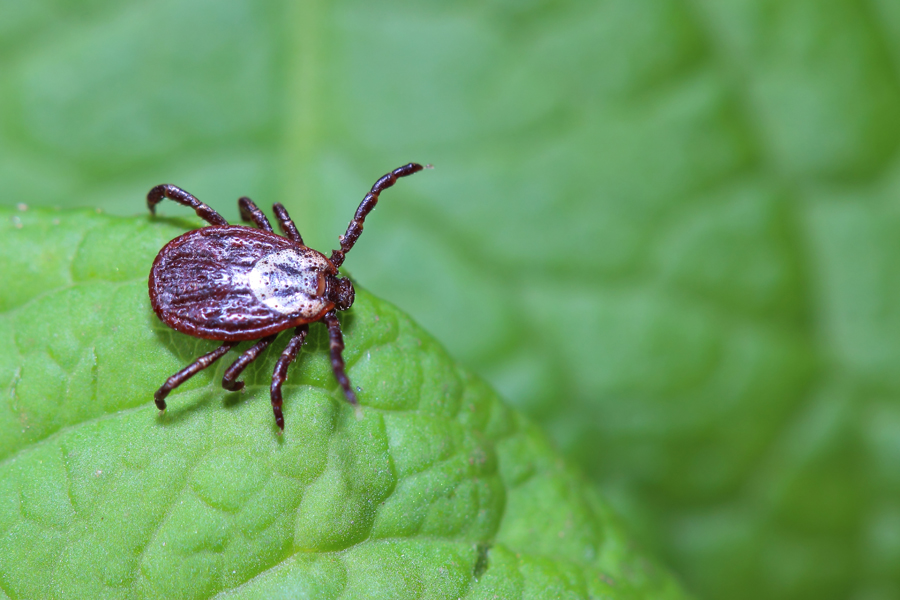
When ticks are questing, they hold onto leaves, grass and other objects with their third and fourth pair of legs. They hold their front legs outstretched, waiting to climb onto the host as it passes by. But, when do ticks quest?

So far, research has focused on questing behavior primarily in the laboratory.

“Ticks must balance the need to quest for blood meal hosts with the risk of desiccation, all on a fixed energy budget,” writes Thomas from Washington State University. ¹

But Thomas and his team wanted to investigate questing patterns in a natural habitat.

“We measured questing activity of nymphs and larvae throughout the day and night and over several weeks in enclosures across a range of suitable tick habitats within a site in the Northeast,” he writes.

A new study finds some ticks quest most of the time, regardless of weather conditions or time of day. 

They found that the activity of nymphs increased slightly during dawn and dusk, the opposite of larvae. But their findings could not be replicated at other sites. Questing behavior was also not impacted by temperature, relative humidity, light-dark cycles and energy reserves.
“Rather it appears a fraction of ticks were questing most of the time, regardless of conditions,” he writes. “Our study suggests neither climatic conditions or light-dark cycles have appreciable influence on tick questing behavior.”

___________________

For more:  https://madisonarealymesupportgroup.com/2018/08/13/study-shows-lyme-not-propelled-by-climate-change/

https://madisonarealymesupportgroup.com/2018/11/07/ticks-on-the-move-due-to-migrating-birds-and-photoperiod-not-climate-change/

https://madisonarealymesupportgroup.com/2019/06/17/ontario-public-health-officials-called-out-on-shoddy-biased-research-utilizing-an-erroneous-climate-change-model-to-program-a-futuristic-tick-problem/

https://madisonarealymesupportgroup.com/2018/11/17/uw-madison-phd-in-ecological-climatology-climate-change-computer-models-fudged-except-russian-model/

https://nypost.com/2019/09/17/ticks-carrying-multiple-diseases-are-taking-over-long-island/

Ticks carrying multiple diseases are ‘taking over’ Long Island

Lyme disease isn’t the only awful illness ticks are capable of transmitting.

Superticks can carry up to four different diseases at a time, including Lyme disease. And these insects of mass destruction are becoming especially abundant in Long Island, according to a study published this month in the journal mBio.

“They’ve kind of taken over,” co-author Rafal Tokarz tells The Post.

It means that one bite could potentially give a person Lyme disease as well as illnesses such as potentially life-threatening babesiosis and anaplasmosis. A quarter of the ticks examined in the study had the ability to transmit more than one disease.

“Most people think of Lyme disease when they think of [tick-borne illnesses], and that’s justified, but in Suffolk County alone, ticks can carry four other pathogens,” says Tokarz, an assistant professor of epidemiology at the Center for Infection and Immunity at Columbia’s Mailman School of Public Health.

“Very often, we find sometimes two, even three, of these pathogens [in the same tick],” he says.

He and his fellow researchers are also growing increasingly worried about the Lone Star tick, a species whose saliva can cause an allergic reaction to meat. The tick has migrated in recent years from the southern part of the United States up to Long Island and New England.

One woman in Missouri developed the allergy after a tick bite four years ago — and only just learned it was due to the Lone Star tick.

“It got to the point where my stomach would swell up; I was vomiting,” Kristie Downen said. “The rashes were real bad. It was getting to the point [I told doctors], ‘You’re missing something — I’m still dying.’ ”

There’s currently no treatment for the meat allergy the Lone Star tick can cause, Tokarz says. But, he adds, doctors now need to start testing people who were recently bitten for multiple tick-borne diseases.

“This tick, in particular, has become very troublesome,” Tokarz says. “Thirty, 40 years ago, you hardly ever found them on Long Island. Now they’ve become extremely abundant.”

__________________

**Comment**

The number of diseases currently transmitted by ticks is 20 and counting. This article states it’s 16 within the U.S. but these numbers are continually influx with new pathogens continually being discovered:

https://madisonarealymesupportgroup.com/2019/08/09/ticks-are-worldwide-we-all-need-to-learn-more-about-them/

https://madisonarealymesupportgroup.com/2019/07/27/ticks-spread-plenty-more-for-you-to-worry-about-beyond-lyme-disease/

https://madisonarealymesupportgroup.com/2017/05/01/co-infection-of-ticks-the-rule-rather-than-the-exception/

https://madisonarealymesupportgroup.com/2019/09/18/more-than-lyme-tick-study-finds-multiple-agents-of-tick-borne-diseases/

https://madisonarealymesupportgroup.com/2018/10/30/study-shows-lyme-msids-patients-infected-with-many-pathogens-and-explains-why-we-are-so-sick/

Excerpt:

For the first time, Garg et al. show a 85% probability for multiple infections including not only tick-borne pathogens but also opportunistic microbes such as EBV and other viruses.

“Our findings recognize that microbial infections in patients suffering from TBDs do not follow the one microbe, one disease Germ Theory as 65% of the TBD patients produce immune responses to various microbes.”

The poly microbial issue isn’t even on the radar of most doctors, and this is why the CDC recommendation of 21 days of doxycycline is an absolute farce.

According to this review, 83% of all commercial tests focus only on Lyme (borrelia), despite the fact most of us are infected with more than one microbe.  The review also states it takes 11 different visits to 11 different doctors, utilizing 11 different tests to be properly diagnosed.  https://www.news-medical.net/news/20181101/Tick-borne-disease-is-multiple-microbial-in-nature.aspx?

When will things change?