There have been warnings about serious vulnerability issues – including by the Food and Drug Administration (FDA) – associated with medical devices and implants that use Bluetooth, Internet of Things (IoT), and wireless technology (see 1, 2, 3, 4). Additional warnings were recently issued in a medical journal. (See link for article)
_____________________
Important excerpts:
Whether you have a medical implant or not, there are warnings in the manuals of cell phones, laptops, and other wireless radiation emitting products to NOT carry or hold these devices against the body. Telecom companies seem to be aware of the risks. They have warned investorsfor many years that they could be held liable for harm caused by their devices and transmitters. In fact, insurance companies rarely insure telecom companies anymore (see 1, 2). Despite all of this – both telecom and tech companies often advertise unsafe use of their products to people of all ages. Unfortunately, many businesses do.
There are a number of excellent videos within the link as well.
This is important information for everyone, but particularly Lyme/MSIDS patients as tick-borne infections can affect the heart – sometimes requiring pace-makers.
How Underlying Conditions Affect Your Immune System
By Holtdorf Medical Group
12/15/20
The immune system plays the crucial role of protecting the body and defending against pathogens, illness, and disease. As such, a decline in immune function often results in greater occurrence and increased severity of sickness. Unfortunately, chronic health conditions impact 6 out of every 10 American adults and these conditions often impair their underlying immune system and function.
Below are some of the most common chronic conditions and the ways in which they compromise the immune system.
Heart Disease
Heart disease affects 121.5 million adults in the United States. The term heart disease describes a range of conditions such as coronary artery disease, congenital heart defects, and issues that affect the heart’s muscle, valves, and rhythm. All of these conditions have the ability to negatively affect the immune system as the body perceives the cholesterol-containing plaque inside coronary blood vessels as a foreign invader and works to eliminate it, which results in inflammation. If the body continues to attack the coronary blockages, the prolonged state of inflammation strains the immune system as it is forced to continually stay in an active state and fight the plaque rather than potential foreign invaders.
Heart disease can also impact your lung function. Because a compromised heart struggles to effectively pump blood from the lungs to the rest of the body, blood can build up and raise the pressure in the pulmonary veins. This results in fluid being pushed into the lungs, making it harder to breathe. It is important to note this connection between the heart and lungs and the strain that results between the two with heart disease patients, as it makes them more vulnerable to respiratory infection when their lungs are weakened.
Chronic Lung Disease
The lungs are not only weakened by heart disease but also conditions such as severe asthma, chronic obstructive pulmonary disease (COPD), pulmonary fibrosis, and chronic pneumonia. All of these diseases block airflow to the lungs, making it difficult to breathe and resulting in irritated lung cells and inflammation.
These inflamed lung cells also strain the immune system as they fuel an immune system cycle in which the body sends additional inflammatory immune cells to the lungs in an attempt to fight the chronic conditions. Long-term lung inflammation leads to both extensive lung damage and an impaired immune response to respiratory infections.
Diabetes and High Blood Sugar
With more than 100 million U.S. adults now estimated to have either diabetes or pre-diabetes and 47 million estimated to have metabolic syndrome, it is important to understand how this affects the body’s capacity to fight off illness.
Diabetes is a disease that occurs when the body’s ability to produce or respond to the hormone insulin is impaired resulting in elevated blood sugar levels, a state called hyperglycemia. Chronic hyperglycemia, which can occur in type 1 and type 2 diabetes, can damage the function of white blood cells such as neutrophils and T cells, which help fight off viruses, toxins, and bacteria.
High blood sugar compromises the body’s antioxidant system, which helps fight against free radicals and oxidative stress. Additionally, people with high blood sugar often have reduced blood flow because the sugar creates increased blood viscosity, which makes it more difficult for the blood to reach smaller blood vessels in the eyes, heart, nerves, feet, arms, and kidneys. The reduced internal blood flow makes the body less capable of mobilizing immune cells that are responsible for defending the body against infection.
Immunocompromised Conditions
There are many conditions that can result in someone being immunocompromised, or impaired or unable to fight against pathogens. Cancer, bone marrow or organ transplantation, HIV or AIDS, and prolonged use of certain medications can all lead to someone being immunocompromised.
Regardless of the condition or cause, those who are immunocompromised produce fewer T cells, macrophages, and complement proteins, which are all key parts of the immune system. Therefore, when the immune system lacks these aspects of its defense response, its ability to combat illness is impaired.
Autoimmune Conditions
Unlike those that are immunocompromised and have an underactive immune system, the 24 million Americans with autoimmunity have an overactive immune system. Patients with conditions such as lupus, celiac disease, Hashimoto’s thyroiditis, multiple sclerosis, or rheumatoid arthritis may suffer from their immune system being overactive to the point of attacking its own healthy cells. Therefore, unlike the previously addressed conditions, those with autoimmune conditions do not necessarily have a weakened immune response rather, they are more likely to have complications from illnesses when their body overcompensates and begins to attack itself.
If you do have an underlying condition that puts you at a higher risk of developing a severe illness, the good news is that chronic health issues can be well managed through nutrition, lifestyle, and medications. At Holtorf Medical Group, our expert physicians utilize innovative treatments to strengthen your immune system. Give us a call at 844-844-2981 to learn about our immune-supporting therapies, and see how we can help you!
Bentley-Lewis, Rhonda, et al. “The Metabolic Syndrome in Women.” Nature Clinical Practice. Endocrinology & Metabolism, U.S. National Library of Medicine, Oct. 2007, http://www.ncbi.nlm.nih.gov/pmc/articles/PMC4428566/.
Forfia, Paul R, et al. “Pulmonary Heart Disease: The Heart-Lung Interaction and Its Impact on Patient Phenotypes.” Pulmonary Circulation, Medknow Publications & Media Pvt Ltd, Jan. 2013, http://www.ncbi.nlm.nih.gov/pmc/articles/PMC3641739/.
Kingwell, Bronwyn A., et al. “Type 2 Diabetic Individuals Have Impaired Leg Blood Flow Responses to Exercise.” Diabetes Care, American Diabetes Association, 1 Mar. 2003, care.diabetesjournals.org/content/26/3/899.
Medical doctor and Specialist for Laboratory Medicine
Augsburg, Germany
AONM Annual Conference London, November 19th 2017
______________________
**Comment**
Excellent presentation on the following stealth pathogens:
Mycoplasma
Bartonella
Babesia
Ehrlichia/Anaplasma
Chlamydia pneumoniae
Yersinia
Coxsackie viruses (B1, A7, A16) and many others
Borrelia burgdorferi , in all its forms
While Dr. Schwarzbach wants to blame “ecosystem disruption” for the mess we are in, I think it more likely to be due to laboratory experimentation/manipulation (bioweaponization), dropping ticks from airplanes, and migratory birds and animals transporting ticks far and wide:
In Rush to Create Magic-Bullet COVID Vaccines, Have We Made Matters Worse?
Study that found vaccines that don’t prevent viral transmission may accelerate evolution of more virulent strains could mean leading vaccine candidates may make COVID crisis worse.
Natural selection is the phenomenon where only the fittest individuals in an environment will survive. “Individuals” in this context can refer to any type of organism — from humans to bacteria and viruses — but the context here is the survival of viruses.
When a virus infects a population of humans, only those viruses that have a living human host will survive. If a virus is so pathogenic that it kills the human it infected, it dies too.
Therefore, mortality of the host kills the most severe forms of any virus over time. Infection rates may go up, but mortality goes down.
In a 2015 study published in PLOS Biology, researchers hypothesized that vaccination can subvert this process by allowing more virulent (i.e., more pathogenic and potentially deadly) strains of viruses to live in vaccinated hosts for prolonged time periods without killing the hosts.
These vaccinated hosts, while infected, shed and spread virus, causing further transmission of the disease.
The researchers demonstrated this hypothesis with experiments on chickens vaccinated for a disease called Marek’s Disease, a viral pathogen known to decimate poultry facilities.
Vaccinated chickens infected with more virulent strains of Marek’s Disease virus became infected and carried the infection over longer time periods. They also became “super spreaders” of the virus and transmitted the virus to unvaccinated chickens co-housed with those that received the vaccine.
Because of the higher virulence of the Marek’s Disease that was spread by the vaccinated chickens, the unvaccinated chickens usually died soon after infection.
However, the partial immunity afforded to the vaccinated chickens prolonged their survival and extended the period in which they were infectious and could continue to spread the disease.
Without vaccination, these more virulent strains of Marek’s Disease would die off with their host and would no longer circulate the virus in the population. Instead, vaccinated chickens became the perfect host to harbor the virus, allowing it to multiply and spread.
This begs the question regarding the use of vaccines that do not prevent virus transmission or are not known to prevent virus transmission.
Instead, both vaccines were tested for their ability to prevent more severe symptoms. In both instances, some vaccinated patients were still infected. Without prevention of transmission, these individuals spread the virus that was intended to be eradicated.
As the authors of the 2015 research state in their summary:
“When vaccines prevent transmission, as is the case for nearly all vaccines used in humans, this type of evolution towards increased virulence is blocked. But when vaccines leak, allowing at least some pathogen transmission, they could create the ecological conditions that would allow hot strains to emerge and persist.”
With the emergence of more infectious forms of COVID-19 circulating in Europe, it seems we may have created the perfect storm to prolong the pandemic, rather than curtail it — because the vaccines were developed and tested based on the original form of circulating COVID-19, not the new strains.
In our rush to create magic-bullet vaccines, have we instead created a scenario to cause more pain and suffering?
Let’s play this out. Many mutants of COVID-19 are circulating in the population today. We hear the news regarding new strains every day. Without vaccination, the most virulent strains die out — this is just how natural selection works.
However, now comes a vaccinated army of human hosts, primed and ready to fight off the original version of COVID-19 but not the more virulent strains. Will they survive these new types of virus — yes, probably? However, in the process, they experience prolonged infections where they shed the more virulent strain to other human hosts.
Rather than allowing these pathogenic subtypes of COVID-19 to die naturally, we enhance their survival and spread and vaccination becomes worse than useless.
The views and opinions expressed in this article are those of the authors and do not necessarily reflect the views of Children’s Health Defense.
_________________________
**Comment**
I’m so thankful for articles such as this one which explains what is seen historically in nature regarding disease. Unfortunately greed in the form of conflicts of interest have once again dominated, causing people to falsely believe vaccines should be given sole credit for stopping disease. When you read the history of vaccines you learn that according to primary sources, these diseases were gone or on their way out BEFORE vaccination programs even began. That more benign things like sanitation played a much bigger role than they are given credit for. For more on this: https://rootsofprogress.org/draining-the-swamp?
Similarly to now, we have been given a full dose of propaganda instead of science to back up the claims. Regarding the COVID-19, nobody has the raw data, yet the manufacturing companies tell us they are effective!
For more:
21 elderly get COVID after vaccination as well as a Philadelphia doctor:
Other vaccine recipients across the U.S. are reporting similar experiences, but each time health authorities have said it’s not the vaccine causing the problem but, rather, the fact that the shot needs time to work.
..after saying that indeed those who are vaccinated DO get more acute pathogen-creating illness, like CORONAVIRUS, that should make us all wonder if there are any connections here. The acknowledging that patients DO get ill after flu shots from these other viruses (VIRAL INTERFERENCE) is priceless yet disturbing. Basically patients have been made to feel like they were wrong for decades. I am sure deaths too, have been involved but to correctly blame it on the vaccine has been taboo. Mutating bacteria and viruses are possible for sure and vaccines can also be responsible for that.
While health authorities and mainstream media have ignored, if not outright opposed, the use of vitamin C and other supplements in the treatment of COVID-19, citing lack of clinical evidence, a landmark review recommends the use of vitamin C as an adjunctive therapy for respiratory infections, sepsis and COVID-19
According to the authors, “Vitamin C’s antioxidant, anti-inflammatory and immunomodulating effects make it a potential therapeutic candidate, both for the prevention and amelioration of COVID-19 infection, and as an adjunctive therapy in the critical care of COVID-19”
Oral vitamin C at doses of 2 to 8 grams a day have been shown to reduce the incidence and duration of respiratory infections
Intravenous vitamin C at 6 to 24 grams a day has been shown to reduce mortality, ICU admission rates, hospital stays and time on mechanical ventilation in patients with severe respiratory infections
An international vitamin C campaign has been launched in response to the landmark review
Regardless of what the mainstream media want you to think, many are starting to realize the truth, which is that both vitamin C (ascorbic acid) and vitamin D have an enormous amount of research showing they provide important immune function enhancements, and that your immune function is your frontline defense against all illness, including COVID-19.
As reported in the paper “Optimal Nutritional Status for a Well-Functioning Immune System Is an Important Factor to Protect Against Viral Infections,” published April 23, 2020:1
“The role nutrition plays in supporting the immune system is well-established. A wealth of mechanistic and clinical data show that vitamins, including vitamins A, B6, B12, C, D, E, and folate; trace elements, including zinc, iron, selenium, magnesium, and copper; and the omega-3 fatty acids eicosapentaenoic acid and docosahexaenoic acid play important and complementary roles in supporting the immune system.
Inadequate intake and status of these nutrients are widespread, leading to a decrease in resistance to infections and as a consequence an increase in disease burden.”
High-Dose Vitamin C Acts as an Antiviral Drug
As explained in the video above by Dr. Andrew Saul, editor-in-chief of the Orthomolecular Medicine News Service, at extremely high doses, vitamin C actually acts as an antiviral drug, effectively inactivating viruses.
His Tokyo presentation, “Orthomolecular Medicine and Coronavirus Disease: Historical Basis for Nutritional Treatment,” highlights the fact that when used as a treatment, high doses of vitamin C — often 1,000 times more than the U.S. Recommended Dietary Allowance (RDA) — are needed.
It’s a cornerstone of medical science that dose affects treatment outcome, but this premise isn’t accepted when it comes to vitamin therapy the way it is with drug therapy. Most vitamin C research has used inadequate, low doses, which don’t lead to clinical results.
“The medical literature has ignored over 80 years of laboratory and clinical studies on high-dose ascorbate therapy,” Saul notes, adding that while it’s widely accepted that vitamin C is beneficial in fighting illness, controversy exists over to what extent. “Moderate quantities provide effective prevention,” he says, while “large quantities are therapeutic.”
Landmark Paper Puts Vitamin C on the COVID-19 Treatment Map
While health authorities and mainstream media have ignored, if not outright opposed, the use of vitamin C and other supplements in the treatment of COVID-19, citing lack of clinical evidence, we now have a landmark review2 recommending the use of vitamin C as an adjunctive therapy for respiratory infections, sepsis and COVID-19.
The review,3 published December 7, 2020, in the journal Nutrients, was co-written by Dr. Paul Marik who, in 2017, developed a groundbreaking vitamin C-based treatment for sepsis. Marik is now heading up the Front Line COVID-19 Critical Care Alliance,4 which has developed a highly successful treatment for COVID-19.
The COVID-19 protocol was initially dubbedMATH+ (an acronym based on the key components of the treatment), but after several tweaks and updates, the prophylaxis and early outpatient treatment protocol is now known as I-MASK+5 while the hospital treatment has been renamed I-MATH+,6 due to the addition of the drug Ivermectin. Vitamin C remains a central component of this treatment, though.
(The two protocols7,8 are available for download on the FLCCC Alliance website in multiple languages. The clinical and scientific rationale for the I-MATH+ hospital protocol has also been peer-reviewed and was published in the Journal of Intensive Care Medicine9 in mid-December 2020.) As explained in the Nutrients review abstract:10
“There are limited proven therapies for COVID-19. Vitamin C’s antioxidant, anti-inflammatory and immunomodulating effects make it a potential therapeutic candidate, both for the prevention and amelioration of COVID-19 infection, and as an adjunctive therapy in the critical care of COVID-19.
This literature review focuses on vitamin C deficiency in respiratory infections, including COVID-19, and the mechanisms of action in infectious disease, including support of the stress response, its role in preventing and treating colds and pneumonia, and its role in treating sepsis and COVID-19.
The evidence to date indicates that oral vitamin C (2-8 g/day) may reduce the incidence and duration of respiratory infections and intravenous vitamin C (6-24 g/day) has been shown to reduce mortality, intensive care unit (ICU) and hospital stays, and time on mechanical ventilation for severe respiratory infections …
Given the favorable safety profile and low cost of vitamin C, and the frequency of vitamin C deficiency in respiratory infections, it may be worthwhile testing patients’ vitamin C status and treating them accordingly with intravenous administration within ICUs and oral administration in hospitalized persons with COVID-19.”
International Vitamin C Campaign Launched
In a December 16, 2020, action alert,11 Rob Verkerk, Ph.D., founder and scientific director of the Alliance for Natural Health, announced the launch of an international vitamin C campaign12 in response to the landmark review, which “puts all the arguments and science in one, neat place.”
As noted by Verkerk, there are several reasons to take supplemental vitamin C. First, your body cannot make it. Second, most people do not get sufficient amounts from their diet and, third, your body’s requirement for vitamin C can increase 10-fold whenever your immune system is challenged by an infection, disease or physical trauma.
In fact, the Nutrients review13 points out that it’s common for hospitalized patients to have overt vitamin C deficiency, defined as a blood level at or below 11 µmol/L. This is particularly true for older patients and those hospitalized for respiratory infections.
According to the authors, “Vitamin C concentrations are three to 10 times higher in the adrenal glands than in any other organ. It is released from the adrenal cortex under conditions of physiological stress (ACTH stimulation), including viral exposure, raising plasma levels fivefold.” In his action alert, Verkerk notes:14
“Taking vitamin C as a preventative and then, upping your intake if you’re infected, is a no brainer.So is using vitamin C intravenously for those with acute respiratory infections, or sepsis, in critical care.
So much so, that we argue — given the now available evidence — that doctors and other health professionals who avoid recommendations on vitamin C in relation to COVID disease prevention and treatment, should be considered medically negligent …
There is ample evidence to show that supplements like zinc, vitamin C, and vitamin D can help prevent and treat COVID-19, but we’re prevented from learning about these benefits by the federal government.
Because supplements are not, and can never become, FDA-approved, they cannot claim to have an impact on disease, even when we know they can. This nonsense has to stop.”
How Vitamin C Works
As mentioned, the Nutrients review15 details vitamin C’s mechanisms of action and how it helps in cases of infectious disease, including the common cold, pneumonia, sepsis and COVID-19. For starters, vitamin C has the following basic properties:
Anti-inflammatory
Immunomodulatory
Antioxidant
Antithrombotic
Antiviral
Beneficial antiviral effects apply to both the innate and adaptive immune systems. When you have an infection, vitamin C improves your immune function in part by promoting the development and maturation of T-lymphocytes, a type of white blood cell that is an essential part of your immune system.
Phagocytes, immune cells that kill pathogenic microbes, are also able to take in oxidized vitamin C and regenerate it to ascorbic acid. With regard to COVID-19 specifically, vitamin C:16
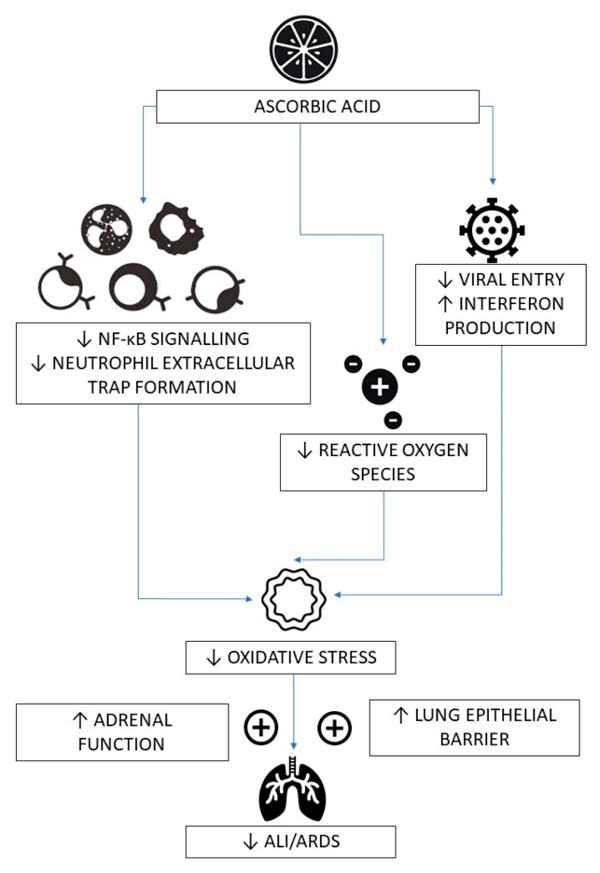
Helps downregulate inflammatory cytokines, thereby reducing the risk of a cytokine storm. It also reduces inflammation through the activation of NF-κB and by increasing superoxide dismutase, catalase and glutathione. Epigenetically, vitamin C regulates genes involved in the upregulation of antioxidant proteins and downregulation of proinflammatory cytokines
Protects your endothelium from oxidant injury
Helps repair damaged tissues
Upregulates expression of Type-1 interferons, your primary antiviral defense mechanism, which SARS-CoV-2 downregulates
Eliminates ACE2 upregulation induced by IL-7. This is particularly noteworthy, as the ACE2 receptor is the entry point for SARS-CoV-2 (the virus’ spike protein binds to ACE2)
Appears to be a powerful inhibitor of Mpro, a key protease (enzyme) in SARS-CoV-2 that activates viral nonstructural proteins
Regulates neutrophil extracellular trap formation (NETosis), a maladaptive response that results in tissue damage and organ failure
Enhances lung epithelial barrier function in an animal model of sepsis by promoting epigenetic and transcriptional expression of protein-channels at the alveolar capillary membrane that regulate alveolar fluid clearance
Mediates the adrenocortical stress response, particularly in sepsis
The graph below, from the Nutrients review, illustrates the key ways in which vitamin C ameliorates the pathology seen in COVID-19.
Nebulized Peroxide May Be Even Better
The beautiful graphic above makes it really clear that one of the primary ways that vitamin C works is through the generation of reactive oxygen species. Guess what the primary one is? If you guessed hydrogen peroxide give yourself a high five!
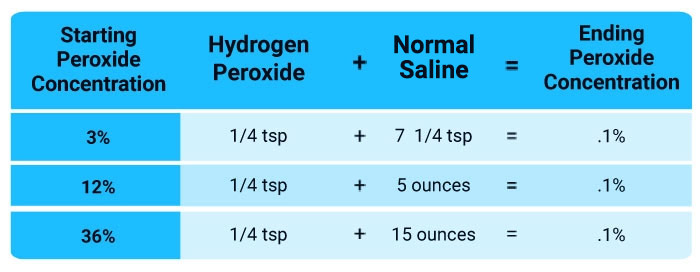
It is highly likely that the peroxide forms a very powerful signaling function that stimulates the immune system to defeat whatever viral threat it is exposed to. This is one of the reasons why nebulized peroxide is my absolute favorite intervention for acute viral illnesses. It is highly effective, inexpensive and has no side effects when used at the very low doses recommended (0.1%, which is 30 times less concentrated than regular drugstore 3% peroxide).
My video below discusses the details of how you can use this therapy. The key is to have your nebulizer already purchased and ready to go so that it is locked and loaded and you don’t have to go out and purchase anything if you or a loved one gets sick. You can still use vitamin C with the peroxide, as they likely have a powerful synergy and use different complimentary mechanisms.
Since you are not using full strength 3% peroxide and diluting it by 30 to 50 times, it is unlikely the stabilizers will present a problem, but to be safe, it is best to use FOOD-GRADE peroxide. Also, do not dilute it with plain water as the lack of electrolytes in the water can damage your lungs if you nebulize it. Instead, use saline or add a small amount of salt to the water to eliminate this risk.
Clinical Evidence
The Nutrients review17 also includes clinical evidence for the role of vitamin C in COVID-19, noting that early oral supplementation might help prevent a mild case from developing into something more serious. In patients with critical symptoms, intravenous administration of vitamin C has been shown to speed up recovery, reducing both ICU stays and mortality.
Interestingly, vitamin C deficiency and COVID-19 share many of the same risk factors, including male gender, darker skin, older age and comorbidities such as diabetes, high blood pressure and COPD. All of these subgroups are at increased risk for severe COVID-19 and, according to the authors, all “have also been shown to have lower serum vitamin C levels.”
Commenting on the clinical evidence supporting the use of vitamin C in the treatment of COVID-19, the authors write:18
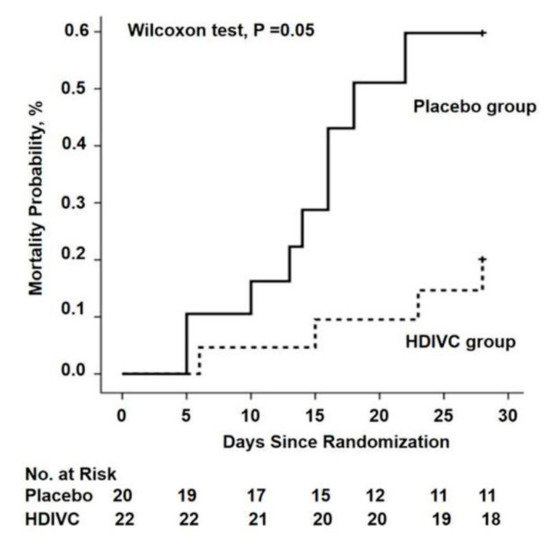
“There are currently 45 trials registered on Clinicaltrials.gov investigating vitamin C with or without other treatments for COVID-19. In the first RCT to test the value of vitamin C in critically ill COVID-19 patients, 54 ventilated patients in Wuhan, China, were treated with a placebo (sterile water) or intravenous vitamin C at a dose of 24 g/day for 7 days …
The more severely ill patients with SOFA [sequential organ failure assessment] scores ≥ 3 in the vitamin C group exhibited a reduction in 28-day mortality: 18% versus 50% in univariate survival analysis (Figure 2). No study-related adverse events were reported.”
Figure 2 below, from version 1 of the study,19 “High-Dose Vitamin C Infusion for the Treatment of Critically Ill COVID-19,” posted on the preprint server Research Square August 10, 2020 (updated September 23, at which point it was renamed20), shows the 28-day mortality rates between critically ill COVID-19 patients given high-dose IV vitamin C (HDIVC) compared to those given a placebo.
The Nutrient review also summarizes findings from other COVID-19 trials using vitamin C, as well as a few case reports:21
“In the UK, the Chelsea and Westminster hospital ICU, where adult ICU patients were administered 1 g of intravenous vitamin C every 12 h together with anticoagulants, has reported 29% mortality, compared to the average 41% reported by the Intensive Care National Audit and Research Centre (ICNARC) for all UK ICUs …
The Frontline COVID-19 Critical Care Expert Group (FLCCC), a group of emergency medicine experts, have reported that, with the combined use of 6 g/day intravenous vitamin C (1.5 g every 6 h), plus steroids and anticoagulants, mortality was 5% in two ICUs in the US (United Memorial Hospital in Houston, Texas, and Norfolk General Hospital in Norfolk, Virginia), the lowest mortality rates in their respective counties.
A case report of 17 COVID-19 patients who were given 1 g of intravenous vitamin C every 8 h for 3 days reported a mortality rate of 12% with 18% rates of intubation and mechanical ventilation and a significant decrease in inflammatory markers, including ferritin and D-dimer, and a trend towards decreasing FiO2 requirements.
Another case of unexpected recovery following high-dose intravenous vitamin C has also been reported. While these case reports are subject to confounding and are not prima facie evidence of effects, they do illustrate the feasibility of using vitamin C for COVID-19 with no adverse effects reported.”
How Much Vitamin C Do You Need?
As detailed in the introduction of the Nutrients review,22 primates and humans are dependent on an adequate supply of vitamin C from fruits and vegetables. Gorillas need 4.5 grams a day, while smaller primates weighing around 7.5 kilos need about 600 mg per day. This gives us a clue as to what the human requirement might be, and it’s quite a bit higher than the daily recommended intake. According to the authors:23
“The EU Average Requirement of 90 mg/day for men and 80 mg/day for women is to maintain a normal plasma level of 50 µmol/L, which is the mean plasma level in UK adults. This is sufficient to prevent scurvy but may be inadequate when a person is under viral exposure and physiological stress.
An expert panel in cooperation with the Swiss Society of Nutrition recommended that everyone supplement with 200 mg ‘to fill the nutrient gap for the general population and especially for the adults age 65 and older. This supplement is targeted to strengthen the immune system.’ The Linus Pauling Institute recommends 400 mg for older adults (>50 years old).
Pharmacokinetic studies in healthy volunteers support a 200-mg daily dose to produce a plasma level of circa 70 to 90 µmol/L. Complete plasma saturation occurs between 1 g daily and 3 g every four hours, being the highest tolerated oral dose, giving a predicted peak plasma concentration of circa 220 µmol/L.
The same dose given intravenously raises plasma vitamin C levels approximately tenfold. Higher intakes of vitamin C are likely to be needed during viral infections with 2–3 g/day required to maintain normal plasma levels between 60 and 80 µmol/L. Whether higher plasma levels have additional benefit is yet to be determined, but would be consistent with the results of the clinical trials discussed in this review.”
While high-dose vitamin C regimens typically call for intravenous administration, if treating a viral infection at home (be it COVID-19 or something else), you could use oral liposomal vitamin C, as this allows you to take far higher doses without causing loose stools.
You can take up to 100 grams of liposomal vitamin C without problems and get really high blood levels, equivalent to or higher than intravenous vitamin C. I view that as an acute treatment, however. I discourage people from taking mega doses of vitamin C on a regular basis if they’re not actually sick, because it is essentially a drug — or at least it works like one.
Saul, who has worked with and recommended vitamin C for most of his professional life suggests taking “enough vitamin C to be symptom-free,” whatever dosage that might be. When you’re well, you typically don’t need more than the 200 mg to 400 mg recommended in the quote above.
This science won’t matter to our public health ‘authorities’ any more than the Danish Mask study showing masks don’t work. Both defy their narrative so they are shouted down or flatly ignored. So much for “following the science.” The Lyme/MSIDS world has lived in this “twilight zone” for over 40 years.

 By B.N. Frank