https://www.lymedisease.org/alpha-gal-syndrome/

There is growing evidence that certain types of tick bites can trigger alpha-gal syndrome (AGS) a life-threatening allergy to red meat and meat-related products.

In some individuals, it appears tick bites can result in the sensitization to a carbohydrate known as galactose-alpha-1,3-galactose, or “alpha-gal” for short. This sugar molecule is found in most mammals you might be likely to eat, but not in fish or fowl.

Most recognized food allergies, such as to peanuts or shellfish, will prompt an immediate reaction after being consumed. That’s not the case with AGS, however, which can take up to eight hours (or even more) after exposure to produce a reaction.

Note: exposure to alpha-gal via inhalation, injected drugs or vaccines can cause an immediate reaction.

Alpha-gal syndrome - meats that contain alpha-gal

Examples of commonly consumed mammalian meats that contain alpha-gal include beef, pork, lamb, goat, venison and buffalo. Common foods that are derived from mammals include lard, milk, cream, ice cream, and cheese—although the majority of AGS patients do tolerate dairy products.

Personal products that use ingredients containing “hydrolyzed protein” (gelatin), lanolin, glycerin, collagen, or tallow are particularly problematic.

Additional products that can bring on an alpha-gal reaction are jello, gelatin capsules, certain medications, pig or cow heart valves, surgical mesh, certain vaccines and unlabeled “natural flavorings” in foods.

Some people with AGS also react to carrageenan, a common food additive made from red algae, which also contains alpha-gal. (So even being strictly vegan won’t necessarily protect you from AGS reactions.)

How are ticks involved in alpha-gal syndrome?

Alpha-gal meat allergy has been reported all over the world including Asia, Australia, Central America, Europe, Germany, Japan, South Korea, and the United States.
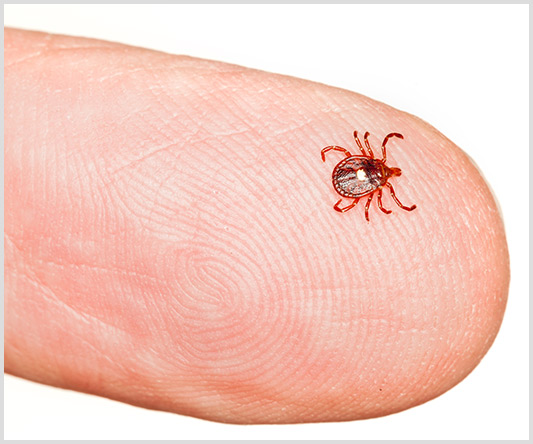
The tick species most often associated with Alpha-gal syndrome is the lone star tick

In the U.S., the tick species most often associated with AGS is the lone star tick (Amblyomma americanum) found throughout the South, East and parts of the Midwest. Recent research suggests that the blacklegged tick (Ixodes scapularis and Ixodes pacificus) may also be implicated in alpha-gal syndrome.

The Asian longhorned tick (Haemaphysalis longicornis), the primary trigger of AGS in Asia, has shown up in the US recently, but has yet to be implicated in AGS here. The Cayenne tick (Amblyomma cajennese) found in southern Texas and Florida has also been linked to AGS in Central America, but not yet in the U.S.

While no known pathogen has been linked to triggering AGS, more research is needed to understand the mechanism and the role that ticks play. Currently the thought is that the tick saliva plays a role in activating the allergy to alpha-gal.

Who’s at risk for AGS?

Alpha-gal syndrome is a much more common allergy in the U.S. today than it was a decade ago, with the number of laboratory-confirmed cases growing from 12 in 2009 to over 34,000 in 2019. Unfortunately, AGS has no insurance billing code (ICD code), nor is it a reportable illness to the CDC.

Experts agree alpha-gal syndrome is under-reported in geographic areas where tick bites are common.

Alpha-gal syndrome Lone Star Tick in the United States

Surveillance for IgE to alpha-gal. Percent positive rates are presented for IgE to alpha-gal within each of six regions in the United States, 2012-2013 (7300 samples). Diagonal white lines on the map represent the known geographic distribution of the lone star tick (Data and map, Viracor-IBT Laboratories; Tick Distribution, CDC).

For now, the biggest risk factor for AGS appears to be repeated bites by ticks that contain alpha-gal in their saliva and salivary glands. It is not understood why, but not everyone who is bitten by a tick containing alpha-gal will develop AGS.

While both children and adults can acquire AGS, most cases have been reported in adults.

Certainly, if a patient with recent tick exposure presents with sudden onset anaphylaxis and recurrent gastrointestinal symptoms, AGS should be considered.

Alpha-gal syndrome is a much more common allergy in the U.S. today than it was a decade ago, with the number of laboratory-confirmed cases growing from 12 in 2009 to over 34,000 in 2019.

What are the symptoms of alpha-gal syndrome?

The symptoms of alpha-gal syndrome are often delayed, making it much harder to pinpoint the trigger. Someone may wake up at 3 o’clock in the morning in the throes of serious allergic reaction, and have no idea it was brought on by a hamburger they ate the night before.

Symptoms can range from itching and stomach upset to breathing difficulty and full anaphylaxis. AGS reactions often start with itching of the palms of hands and soles of feet.

Common symptoms of AGS include:

  • 90% have skin symptoms: itching “pruritus,” flushing “erythema,” hives “urticaria” (swollen, pale red bumps or “wheals” on the skin), angioedema (swelling in deep layers below the skin)
  • 60% develop anaphylaxis (a potentially deadly reaction that can restrict breathing)
  • 60% have gastrointestinal symptoms (abdominal pain, diarrhea, acid reflux, cramping, vomiting)
  • 30-40% experience cardiac symptoms: rapid decrease in blood pressure (hypotension, POTS); palpitations (atypical chest symptoms)
  • 30-40% experience respiratory symptoms (wheezing, coughing, shortness of breath)
  • 20% of patients will have GI symptoms alone (may present like irritable bowel syndrome)
  • 3-5% develop mast cell activation syndrome
  • arthritis (rare)
  • mouth swelling, sores (rare)

How is AGS diagnosed?

If you experience symptoms after eating mammalian meat products, immediately notify your primary care physician or allergist. Unlike most tick-borne pathogens, the onset of AGS usually takes at least 4-6 weeks from the time of the tick bite. Complicating things further, about a third of patients do not recall a tick bite.

Your doctor should be able to determine if you have AGS based upon your clinical symptoms and a positive blood test: immunoglobulin E (IgE) to the oligosaccharide glactose-alpha-1,3 galactose (alpha-gal.)

In the U.S., Viracor is the main laboratory for AGS testing. The Viracor “specific IgE galactose-alpha-1,3-galactose” test can be taken at most commercial laboratories like Labcorp and Quest and shipped to Viracor.

Warning: The test for alpha-gal is often mistaken for “alpha-galactosidase” or “a-galactosidase A deficiency”—note these are the wrong tests! Because the test is so new, it is recommended to take the proper testing codes with you to the doctor and the laboratory. Click here to download and print a PDF on the proper testing codes for alpha-gal syndrome.

How is Alpha-gal syndrome treated?

There are currently no U.S. FDA-approved medications for the treatment of AGS. As with most allergies, the mainstay of management is avoidance of the allergen. Therefore, the best practice is to avoid exposure to:

  1. Mammalian meats
  2. Personal products containing mammalian derivatives
  3. Medical products containing mammalian proteins, derivatives or parts
  4. Medications containing mammalian proteins or derivatives

Knowing you must avoid mammalian products is only half the battle, as these products have worked their way into nearly every level of our modern life.

For instance, gelatin is the main ingredient of jellybeans, candy corn, marshmallows, puddings and the capsules of many medications. Chicken and turkey sausages may be stuffed in pork casings, lard (rendered pork fat) is found in many pre-made gravies, sauces, soups, candies, chips, fries, and more.

As with all serious allergies, it is important to have the proper diagnosis and be prepared with how to respond in the event of an emergency. Most allergists will recommend wearing a medical alert bracelet and carrying an EpiPen and an antihistamine with you at all times.

Avoiding alpha-gal hidden components

Mammalian proteins and parts can be found in many medications and medical products. . Because the source of many ingredients is not listed on product labels, your pharmacist may need to contact the manufacturer. Have your pharmacist ask specifically if it contains galactose-alpha-1,3-galactose, alpha-gal, mammalian meat, or any animal by-products.

Common sources of alpha-gal include:

  1. heart valve replacement derived from pig or cow,
  2. monoclonal antibodies (cetuximab)
  3. vaccines (zostavax, MMR and some flu),
  4. pancreatic enzyme replacement therapy,
  5. thyroid hormone replacement,
  6. fillers in medications (magnesium stearate, stearic acid, lactic acid, glycerin, gelatin, lactose)
  7. antivenom,
  8. protein powders,
  9. vaginal capsules
  10. heparin

Alpha-gal & co-infections

Ticks that carry alpha-gal are known to carry many other pathogens that can be simultaneously transmitted to humans. It is possible to acquire any of these other tick transmitted diseases and also have alpha-gal syndrome. It is also possible to have AGS alone.

Ticks that carry alpha-gal are known to carry many other pathogens

The lone star tick, the primary source of AGS in the U.S., is known to transmit the following diseases:

  • human monocytotropic ehrlichiosis (HME)
  • ehrlichiosis (Ehrlichia chaffeensis, Ehrlichia ewingii, and Panola Mountain ehrlichia)
  • Rocky Mountain spotted fever (RMSF)
  • tularemia (Francisella tularensis)
  • Heartland virus
  • Bourbon virus
  • Q fever
  • tick paralysis
  • STARI, an illness similar to Lyme disease, caused Borrelia lonestari
With alpha-gal recently discovered in blacklegged ticks, we may also begin to see an increase in AGS in patients with Lyme disease, anaplasmosis, babesiosis, ehrlichiosis, relapsing fever borreliosis, Powassan virus disease, and other diseases transmitted by these ticks.

How to prevent alpha-gal syndrome

For now, the best way to avoid getting AGS is to avoid tick bites. This means wearing tick repellent when working, hiking or playing in grassy or wooded areas where ticks are found. Protecting your pets and doing thorough tick checks after being outdoors is helpful.

If you are bitten by a tick, we suggest following these eight steps.

What to do if you have alpha-gal syndrome?

Learning you have an allergy to all mammalian products can be overwhelming. Because this is such a newly discovered condition there are few resources available.

When it comes to making medical decisions, it’s important to have a knowledgeable provider who understands the risks versus benefits of certain medications and procedures. Vaccines that contain gelatin are one of the riskier products, but if you need a rabies shot, for instance, your doctor may determine the benefits outweigh the risks and take the necessary steps to mitigate the adverse effects.

To learn more about the history, symptoms and how to diagnose alpha-gal syndrome listen to this interview with Dr. Scott Commins, of the University of North Carolina.

Additional help can be found at:

References:

  1. CDC | Alpha-gal allergy
  2. HHS | Alpha-Gal Syndrome Subcommittee Report to the Tick-Borne Disease Working Group
  3. Commins SP, Satinover SM, Hosen J, Mozena J, Borish L, Lewis BD, Woodfolk JA, Platts-Mills TA. (2009) Delayed anaphylaxis, angioedema, or urticaria after consumption of red meat in patients with IgE antibodies specific for galactose-alpha-1,3-galactose. J. Allergy and Clin Immunol 123(2):426-33. doi: 10.1016/j.jaci.2008.10.052.
  4. Commins, S. P., James, H. R., Kelly, L. A., Pochan, S. L., Workman, L. J., Perzanowski, M. S., Kocan, K. M., Fahy, J. V., Nganga, L. W., Ronmark, E., Cooper, P. J., & Platts-Mills, T. A. (2011). The relevance of tick bites to the production of IgE antibodies to the mammalian oligosaccharide galactose-α-1,3-galactose. J. Allergy and Clin Immunol, 127(5), 1286–93.e6. DOI: https://doi.org/10.1016/j.jaci.2011.02.019
  5. Commins SP (2020) Diagnosis & management of alpha-gal syndrome: lessons from 2,500 patients, Expert Review of Clinical Immunology, 16:7, 667-677, DOI: 10.1080/1744666X.2020.1782745
  6. Fiocchi A, Restani P, Riva E, Qualizza R, Bruni P, Restelli AR, Galli CL. (1995)  Meat allergy: I–Specific IgE to BSA and OSA in atopic, beef sensitive children. J Am Coll Nutr. 14(3):239-44. doi: 10.1080/07315724.1995.10718502. PMID: 8586772.
  7. Hamsten C, Tran TAT, Starkhammar M, Brauner A, Commins SP, Platts-Mills TAE, van Hage M. (2013) Red meat allergy in Sweden: association with tick sensitization and B-negative blood groups. J. Allergy and Clin Immunol. 132(6):1431-1434. doi: 10.1016/j.jaci.2013.07.050. Epub 2013 Oct 4. PMID: 24094548; PMCID: PMC4036066.
  8. Kuehn BM. (2018) Tick Bite Linked to Red Meat Allergy. JAMA. 23;319(4):332. doi: 10.1001/jama.2017.20802. PMID: 29362779.
  9. Mullins RJ, James H, Platts-Mills TA, Commins S.(2012) Relationship between red meat allergy and sensitization to gelatin and galactose-α-1,3-galactose. J. Allergy and Clin Immunol. 129(5):1334-1342.e1. doi: 10.1016/j.jaci.2012.02.038. Epub 2012 Apr 3. PMID: 22480538; PMCID: PMC3340561.
  10. Platts-Mills, TAE, Schuyler, AJ,Commins,SP, et. al ( 2018) Characterizing the Geographic Distribution of the Alpha-gal Syndrome: Relevance to Lone Star Ticks (Amblyomma americanum) and Rickettsia. J. Allergy and Clinical Immun 141;2. DOI: https://doi.org/10.1016/j.jaci.2017.12.470
  11. Wilson JM, Schuyler AJ, Workman L, Gupta M, James HR, Posthumus J, McGowan EC, Commins SP, Platts-Mills TAE.  (2019) Investigation into the α-Gal Syndrome: Characteristics of 261 Children and Adults Reporting Red Meat Allergy. J. Allergy and Clin Immunol Pract. 7(7):2348-2358.e4. doi: 10.1016/j.jaip.2019.03.031.

________________

**Comment**

I feel compelled to share the experiences of others as often it’s the only way we move forward in ‘Lymeland.’ In this case, many patients have been using ivermectin and fenbendazole with success. Make sure to work with your practitioner who knows everything you are taking as there can be synergystic effects and counter-indications for taking certain things together and/or due to medications/supplements for your pre-existing conditions. As always: this is never intended as medical advice or diagnosis.

In this case, a patient followed the advice of Dr. Makis and did two weeks of ivermectin and fenbendazole and then waited two weeks. She then consumed a 100% beef hamburger with no reactions. Prior to this treatment her life was extremely limited in that she couldn’t go out to eat or even attend family gatherings as she suffered with violent vomiting and anaphylaxis after ingestion, topical application, and even inhalation of any animal product.

While she does not mention specific dosages, the treatment was based upon Dr. Makis’ success treating Lyme disease in a similar fashion but using ivermectin and doxycycline. The protocol for that is

Ivermectin Cream applied topically on the tick bite

Doxycycline (100mg, 7 days a week for 30-60 days)

Ivermectin (1mg per 1kg body weight, 7 days a week for 30-60 days)

The rest of this protocol may also be beneficial, but not crucial for Lyme and Lone Star:

  • Tocotrienol and Tocopherol forms (all 8) of Vitamin E (400-800mg per day, 7 days a week). A product called Gamma E by Life Extension or Perfect E are both great.
  • Bio-Available Curcumin (600mg per day, 2 pills per day 7 days a week). A product called Theracurmin HP by Integrative Therapeutics is bioavailable.
  • Vitamin D (62.5 mcg [2500 IU] seven days a week).
  • CBD oil (1-2 droppers full [equal to 167 to 334 mg per day] under the tongue, 7 days a week) CBD-X: The most potent full spectrum organic CBD oil, with 5,000 milligrams of activated cannabinoids and hemp compounds CBD, CBN & CBG per serving.
  • Fenbendazole (300mg, 7 days a week) or in the case of severe turbo cancers up to 1 gram — for prophylaxis one 150mg tablet once or twice per week
  • Hydroxychloroquine (10mg/kg/day 7 days a week) – for prophylaxis one 200mg tablet once or twice per week
  • ImmunX immune support which also greatly increases the bioavailability of both Fenbendazole and Hydroxychloroquine (2 capsules per day) — for prophylaxis 2 capsules per day
  • Removing sugars and carbohydrates (cancer food) from your diet and replacing table sugar with a zero glycemic index, zero calorie, keto friendly rare sugar like AlluX
https://www.lymedisease.org/why-abandon-neuro-lyme/

LYME SCI: Don’t medically abandon people with neurological Lyme

By Lonnie Marcum

https://healthimpactnews.com/2021/are-the-new-experimental-covid-vaccines-the-largest-propaganda-campaign-ever-launched-on-the-public/

Are the New Experimental COVID Vaccines the Largest Propaganda Campaign Ever Launched on the Public?

Will the Covid Vaccine Meet Its Quixotic Promises?

by Richard Gale and Gary Null
Progressive Radio Network

Jan. 8, 2021

Daily we hear and observe a stream of endless propaganda about the miracles of the new generation of Covid vaccines in order to calm fears and increase public compliance.

In unison, editors at the New York Times, Washington Post and the major multimedia networks encourage everyone to be vaccinated as soon as enough vaccines are available.

Anthony Fauci and the captains in the pandemic efforts claim Moderna’s and Pfizer’s vaccines are about 95 percent effective, and the Department of Health and Human Services is convincing us they are safe and effective. 

Therefore, we should all be willing to stand in the waiting line. There is nothing to be concerned about, we are told, except those anti-vaccine heretics, who the World Health Organization has now dubbed among the ten most dangerous risks to global health.  

What the media blitzkrieg is ignoring are the very legitimate and even worrisome unanswered questions

What the media blitzkrieg is ignoring are the very legitimate and even worrisome unanswered questions on the minds of many citizens.

Aside from concerns over these vaccines’ uncertainties for effectiveness and safety due to quickly being fast-tracked past the usual regulatory analyses and reviews, Moderna’s and Pfizer’s vaccines are largely experimental.

Never before has an mRNA vaccine been distributed en masse to tens of millions of people.

Other suspicions include 1) the length of time neutralizing antibodies are effective before immunity wanes, 2) what kind of protection the vaccines will actually offer, 3) does the data truly support Moderna and Pfizer claims that their vaccines are 95 percent effective, 4) are vaccine recipients protected from contracting the virus, and if not, can they transmit it to others, and 5) the absence of long-term safety profiles following vaccination that are still pending.

The Pfizer Phase 3 trial lasted less than 4 months. Moderna only completed its COVE trial enrollment on October 22; now two months later people are receiving the vaccine.

Therefore, insufficient time has lapsed to make any realistic clinical determination about either vaccine’s safety following months after vaccination.

Yet despite these questions, over half of Americans believe that being vaccinated will provide complete immunity from infection and therefore their lives will return to normal.

New discrimination against unvaccinated?

Now the most recent narrative we are witnessing is stoking public fear that unless we are vaccinated we will be unable to board a plane or train, will be prevented from attending schools or public events, and may even become victims to more austere and harsh quarantine laws.

There is also the lingering myth of the PCR test as a reliable standard for diagnosing Covid infections. Due to the widespread abuse of PCR, which was never designed nor intended to be relied upon as a confirmatory diagnostic tool, a growing number of medical experts argue that the US, the UK, Germany and other EU nations are facing a “casedemic” rather than a pandemic due to a pathogenic virus.

Despite PCR’s high rate of misdiagnoses, positive results are still being reported as Covid cases. 

How much protection will the new mRNA Covid vaccines provide and for how long?

In early December, the New England Journal of Medicine published a National Institute of Allergy and Infectious Disease analysis of the Moderna vaccine’s length of efficacy based upon neutralizing antibody levels.

This was the first data published of its kind for any of the Covid vaccines.

Although the analysis only included 34 individuals who had received both shots, it found that antibody counts were significant over a 3-month period, averaging between 50-75 percent.

The report stated this was “less than we were hoping for.” 

The rate of antibody decline increased among the older trial participants. 

This disappointing result should not be a surprise, although even a sharp drop in antibodies may still provide sufficient immunity, at least for some. 

The most recent issue of the British Medical Journal reports that natural immunity following infection lasts approximately 6 months. Yet this study conducted by Oxford University Hospitals likely has serious flaws since it relied upon PCR for diagnosing the data. 

Furthermore, Moderna has also been using its mRNA technology for vaccines against several influenza strains. A similar pattern of antibody decline was noted in their flu vaccines, showing effectiveness for about 6 months and then an antibody drop by as much 90 percent. 

So how much protection will the new mRNA Covid vaccines provide and for how long? Only time and further monitoring of vaccine recipients will tell. 

Can one still be infected after vaccination and can they transmit the virus to others?

Another important question on people’s minds is whether they can still be infected after vaccination and whether they can transmit the virus to others. In principle, vaccine proponents argue that vaccines prevent both infection and transmission. 

But the data does not support this conclusion.

It is well known that persons vaccinated against the flu will frequently contract the virus, become ill and spread it to others. This is largely because we are dealing with viruses that enter the upper respiratory tract by way of the mucous layer in the nose and throat. 

Mucous itself slows down the spread of the virus to the lungs. However, it is also an obstacle for antibodies and immune cells, such as T-cells, from reaching the multiplying virus. 

For this reason, Anthony Fauci has continued to state that vaccinated persons should continue to wear masks and observe social distancing to avoid transmitting the virus. The World Health Organization has stated that there is no “evidence on any of the vaccines to be confident that it’s going to prevent people from actually getting the infection and therefore being able to pass it on.”

95 percent efficacy?

Back in October, Dr. Peter Doshi, at the time an editor for the British Medical Journal, had already warned that the later vaccine clinical trials were never properly designed to determine whether it would reduce the likelihood of falling ill nor preventing infection.

In a later article Doshi questions the vaccines’ purported 95 percent efficacy based upon how the results are being reported and the ambiguity between “suspected” and “confirmed” Covid cases among the trial participants who received the vaccine. 

If the “suspected” cases are included, there is a 20-fold higher number of vaccinated individuals who later contracted the virus. 

However, Doshi reminds us that neither Pfizer nor Moderna have provided the raw data for public scrutiny.

Moderna says it will make the data available after the trial is completed, which will be in 2022. 

Repeatedly Bill Gates, Fauci and all of the media pundits tell us that unless there is large vaccination compliance, the transmission of Covid will never be interrupted. However, based upon what we are learning, these new Covid vaccines have always been and remain an unsupported illusion to realistically end the pandemic. 

Another important piece of information that is very rarely mentioned is Covid-19’s 4-5 day incubation period. In the event a person is asymptomatically infected with the virus, the CDC states,

“mRNA vaccines are not currently recommended for outbreak management or for post-exposure prophylaxis, which is vaccination to prevent the development of SARS-CoV-2 infection in a person with a specific known exposure. Because the median incubation period of SARS-CoV-2 is 4 to 5 days, it is unlikely that the first dose of COVID-19 vaccine would provide an adequate immune response within the incubation period for effective post-exposure prophylaxis. Thus, vaccination is unlikely to be effective in preventing disease following an exposure.”

Reports are already coming in to confirm this.

Recently, hundreds of Israelis became infected with the virus after receiving Pfizer’s Covid vaccine. There may be several reasons for this. 

First, were the vaccine recipients already carrying the virus at the time of vaccination? Second, it takes 8-10 days for immunity to sufficiently increase after receiving the vaccine, and after the first dose there is only about 50 percent efficacy. This is why the second shot for the mRNA vaccines is so critical in order to reach the magical 95 percent effectiveness. 

Serious adverse effects

Now that the Moderna and Pfizer vaccines are being administered throughout the US – 4.6 million recipients since January 4th – and in other nations, we are beginning to read reports about serious adverse effects.

Recently Covid vaccine injuries have started to be reported in the CDC’s Vaccine Adverse Event Reporting System (VAERS).

During a seven-day period, December 15-22, there were 1,158 cases entered. However, this is but a fraction, albeit significant, of the actual number of adverse events.

On December 19, the CDC’s Advisory Committee on Immunization Practices convened to review the cases of life-threatening anaphylaxis following mRNA vaccination.

In his presentation to the Working Group, Dr. Thomas Clark presented statistics showing that there was a minimum of 3,150 “health impact events” among 112,807 vaccine recipients (2.7 percent) during only a five-day period (December 14-18). 

Moreover, these 3,150 adverse events were tagged as “unable to perform normal daily activities, unable to work, required care from a doctor or health care professional.” 

The presentation did not include the number of minor and moderate adverse events which are likely much higher. 

Reproductive Issues?

In early October we reported on Covid-19 vaccine risks stated by Dr. Sucharit Bhakdi, the former chair of microbiology at the University of Mainz Medical School in Germany.

Among those risks is the possibility of the vaccine’s mRNA contributing to mutogenesis in reproductive cells that may be inherited later by children.

Subsequently, the University of Miami has reported it is following up on its earlier discovery of the virus present in men’s testicles up to six months after infection.

Now the researchers are investigating whether the vaccine’s Covid genetic information may do likewise and interfere with sperm quality and reproduction. 

What about the precautionary principle?

The final question is why are we failing to discuss, let alone adhere, to the precautionary principle before this massive undertaking to produce and distribute potentially billions of vaccines to inoculate the global population?

The precautionary principle quite simply states that any new medical intervention with results that are either disputed or unknown should be avoided.

In fact, the principle has frequently been invoked for products or processes that would introduce genetically modified organisms or foods for consumption.

Now we are injecting questionable genetically engineered substances into human bodies, and worse there are voices that want to mandate this enormously expensive experiment long before any reliable medical consensus can be reached on their long-term safety. 

If the precautionary principle had been respected and honored during the past 100 years, the US would have prevented untold numbers of life-long injuries and deaths due to the public advertising of smoking, asbestos and DDT poisoning, synthetic hormone replacement, toxic pesticides such as Monsanto’s glyphosate, AZT during the early part of the AIDS epidemic, and the swine flu and Gardasil vaccines that were also rushed to market without proper scientific oversight. 

The US government has an atrocious track record for introducing toxic chemicals to the American public then denying all responsibility for their adverse effects

The US government has an atrocious track record for introducing toxic chemicals to the American public then denying all responsibility for their adverse effects and the indescribable suffering that their shortsightedness has caused.

It is only well after the tragedy gains some public attention that a whistleblower or someone “in the know” comes forward to reveal the wrongdoings and corruption behind the companies developing these toxic products.

And how often do we find the government, the regulatory agencies and mainstream media being the primary source to expose these felonies? Rarely ever.

Even when protective laws are enacted, such as the Clean Air, Food, Water and Energy acts, corporate lobbyists and big money apply their trade to buy off legislators and heads of federal agencies to gradually scrub away these laws’ safeguards. This is part of the corporate cancel culture to erase our protections. 

Today’s largest propaganda campaign

These trends that have become ingrained into the government’s politick have led to today’s largest propaganda campaign in the country’s history and is now orchestrated by the CDC and NIH in collusion with the pharmaceutical industrial complex, Bill Gates, many of our leading corporate-funded medical schools and institutions and across the ideological spectrum of the media.

All are heavily invested in the new generations of Covid vaccines and whatever new novel drugs in the pipeline and to invalidate the highly effective and cheap drugs, such as hydroxychloroquine and invermectin, that have been proven to treat Covid infections quickly and safety. 

This is the same artifice of corporate scoundrels and their media escorts that have relied on faulty science, fabricate their own research to serve their financial interests, and hide behind a cloak of non-transparency who Fauci now encourages us to openheartedly trust as Covid vaccines reach your local clinics and downtown pharmacies.  

Sadly their past track records of colluding and showing favoritism to private interests over public health should top the list of our worries. 

Whatever the long term consequences from this massive vaccination campaign, praise, condemnation or even criminal accusations will ultimately rest upon the shoulders of our nation’s Anthony Fauci-s, Bill Gates and Moncef-s.

About the Authors

Richard Gale is the Executive Producer of the Progressive Radio Network and a former Senior Research Analyst in the biotechnology and genomic industries.

Dr. Gary Null is the host of America’s longest running public radio program on alternative and nutritional health and a multi-award-winning documentary film director, including War on Health and more recently Last Call for Tomorrow.

________________________

For more:  https://madisonarealymesupportgroup.com/2020/12/21/warning-3150-injuries-in-1st-week-of-covid-vaccines-among-american-healthcare-workers-pregnant-women-included/  I’ve included an ongoing list of deaths and severe reactions caused by the COVID-19 vaccine.

For an excellent article on the importance of needing raw data:  https://childrenshealthdefense.org/defender/peter-doshi-pfizer-moderna-vaccines-need-more-details-raw-data/

Excerpts:

With 20 times more suspected than confirmed cases, this category of disease cannot be ignored simply because there was no positive PCR test result. Indeed this makes it all the more urgent to understand. A rough estimate of vaccine efficacy against developing COVID-19 symptoms, with or without a positive PCR test result, would be a relative risk reduction of 19% (see footnote)—far below the 50% effectiveness threshold for authorization set byregulators. Even after removing cases occurring within 7 days of vaccination (409 on Pfizer’s vaccine vs. 287 on placebo), which should include the majority of symptoms due to short-term vaccine reactogenicity, vaccine efficacy remains low: 29% (see footnote).

If many or most of these suspected cases were in people who had a false negative PCR test result, this would dramatically decrease vaccine efficacy. But considering that influenza-like illnesses have always had myriad causes—rhinoviruses, influenza viruses, other coronaviruses, adenoviruses, respiratory syncytial virus, etc.—some or many of the suspected COVID-19 cases may be due to a different causative agent.

Addressing the many open questions about these trials requires access to the raw trial data. But no company seems to have shared data with any third party at this point.

  • Pfizer‘s data will not be available until 24 months after study completion.
  • Moderna‘s data won’t come out for two years.
  • Oxford’s/AstraZeneca’s data won’t be available until the trail is complete.
  • Russian Sputnik V vaccine has NO plans to share participant data.
This is probably the largest experiment ever perpetrated on an unsuspecting public.

http://

Dec. 22, 2020

Fatigue

Max Fierek tested positive for Lyme disease when he was nine years old, since then he has fought fatigue, lung capacity, muscle fatigue, short term memory loss and mood swings. For Max, living with Lyme disease for half his life has taught him empathy for others and to cherish his time outside in nature which helps him stay positive and fight for his love of mountain biking.

Lyme disease is a tick-borne illness caused by the bacterium Borrelia Burgdorferi. If Lyme disease isn’t treated promptly or effectively symptoms can last weeks, months or even years after the tick bite.

For more information about how to prevent and treat Lyme disease, please visit http://www.Lymedisease.org — Subscribe to Freehub Magazine: http://bit.ly/FreehubMag

For Max’s story:  https://www.pinkbike.com/news/video-max-fiereks-fight-to-ride-lyme-disease-fatigue

Key quotes:

I hate hiding behind excuses so dealing with Lyme’s is something I have mostly kept to myself except for a few close friends and family, I have been treated on and off but it was always difficult for me because I was a kid and had the personal myth of being unstoppable and when I took the antibiotics they usually made me feel worse which then affected my ability to race.

What’s Next? Well as of writing this post I am for the first time in years actually genuinely starting to feel better, I have been lucky enough to work with a Lyme’s Specialist in Wisconsin who has helped to make sure that I am taking not only the right antibiotics but also supplements and vitamins to keep my body happy.

And these quotes buttress what I recently wrote here about how treating for this makes you feel worse before you feel better as well as the fact it takes the “right” antibiotics (antimicrobials) at the “right” dosage and often other supportive things like supplements and vitamins as this monster can affect every single organ in the human body.  Please see: https://madisonarealymesupportgroup.com/2021/01/11/how-to-overcome-a-lyme-treatment-plateau-4-steps-to-jumpstart-your-recovery/

All I could think when I watched this video is the grace and seeming effortlessness Max has when riding his bike and how I, on the other hand, saw myself face down in the dirt!  

https://rawlsmd.com/health-articles/how-to-overcome-a-lyme-treatment-plateau-4-steps-to-jumpstart-your-recovery

How to Overcome a Lyme Treatment Plateau: 4 Steps to Jumpstart Your Recovery

How to Overcome a Lyme Treatment Plateau: 4 Steps to Jumpstart Your Recovery

by Jenny Lelwica Buttaccio
Posted 1/5/2021

Regardless of whether you’ve been treating chronic Lyme disease for a few months or several years, you’ve probably gone through tough times where you feel like nothing has moved the needle on your symptoms. It can raise all sorts of questions, the big one being, is any of this really helping me, or is it time to give up and move on? Lack of tangible progress is frustrating, but it doesn’t mean all hope for improvement is lost.

Treatment plateaus happen to everyone, and they may look a little bit different from person to person. One person may struggle with pain; for another, it may be lingering neurological symptoms. Whatever the symptoms are that leave you feeling stuck, the question at the forefront of your mind becomes, “Is there any way to move past this?”

By understanding some of the factors that contribute to plateaus, there’s a good chance you can get to the bottom of it, decide on a course of action, and start making progress again. Let’s take a look at four key ways to overcome a frustrating treatment plateau.

#1 Reassess the Five System Disruptors.

Revisiting your current protocol can clue you into areas that might be hindering progress. But if you’ve been treating for months or years, how do you even know where to begin?

First, take a look at the five system disruptors, says Bill Rawls, MD, Medical Director of RawlsMD and Vital Plan. “When you’ve lost momentum, that’s the time to systemically go through the five biggest variables that wreak havoc on the immune system and could affect recovery.”

The chief offenders most likely to impact progress include:

system disruptor-chronic stress

1. Chronic Stress

Constant stress is a biggie when it comes to roadblocks that hinder progress. Unmitigated stress takes its toll on the immune system’s ability to ward off infections. Although you can’t outrun stress, if you’ve recently been experiencing an uptick of it, that’s an area where you can begin to take steps to address it. Activities like vagus nerve stimulation, acupuncture, and deep breathing exercises can help bring on the calm, recalibrate an overworked nervous system, and get some balance back in your life.

system disruptor-poor diet

2. Poor Diet and Food Sensitivities

If you notice gastrointestinal (GI) symptoms like bloating, gas, or inflammation, your diet is the first place to look. The typical modern American diet is full of processed foods, refined carbohydrates, and artificial ingredients that our gastrointestinal systems aren’t built to process, which can cause all sorts of digestive distress. Not to mention, this way of eating is often deficient in the vitamins, minerals, and nutrients your body needs to promote healing.

Food sensitivities linked to the things we eat day in and day out are another factor that may be playing a role in stopping your progress, notes Dr. Rawls. Foods that tend to be the most problematic for people include:

  • Gluten: Found in wheat, rye, barley, and many pre-packaged foods, gluten is a plant protein with the ability to irritate the lining of the gut and cause inflammation.
  • Soy: Soy is a common allergen, and it shows up in a wide range of foods. Edamame, soybean oil, soy lecithin, and soy protein are a few of the soy variations to watch out for.
  • Lectin: Lectins are another type of plant protein found in grains, beans, legumes, tree nuts, and nightshade vegetables like peppers, tomatoes, and eggplant. Lectins may act as an irritant to the gut when they bind to molecules in the cell membranes, leading to irritation, inflammation, and leaky gut syndrome.
  • Mycotoxins: Mycotoxins are mold toxins that, in addition to being found in the environment, are also often found in foods like peanuts, processed meats, mushrooms, and most dairy products. Mycotoxins can induce a host of allergy symptoms and systemic symptoms like fatigue, brain fog, digestive issues, and pain.

Many people experience delayed reactions to the foods they’re sensitive to, so it’s not always easy to pinpoint the cause. If you think your health plateau may be due to food sensitivities, your best bet is to leave those foods out of your diet for a while and see if it yields improvements.

system disruptor-toxins

3. Your Environment

There are all sorts of toxins in the environment that can impair the function of the immune system and all systems of the body, one of the most common ones being mold. For people who have developed sensitivity to mold, mold mycotoxins can cause a barrage of multi-systemic symptoms.

Your body absorbs mycotoxins through the airways as well as the intestinal lining, says Dr. Rawls. “Once mycotoxins are inside of the body, they trigger inflammation and oxidative stress, which further leads to a disruption in immune system functions.”

Like food sensitivities, the effects of mold exposure might not appear for several days. Think back to when your treatment plateau began. Is it possible you’ve come in contact with mold or are dealing with hidden sources of it? If so, take action to try to lower the toxic load as best as you can.

In addition to mold, consider whether there are significant concentrations of other unnatural toxins in your environment and aim to minimize your exposure to those as well. Urban dwellers often have to deal with polluted air, but people living in rural areas can be exposed to high levels of toxic pesticides and herbicides from agriculture.

system disruptor-sedentary

4. Too Little Movement

When you’re feeling ill, exercise is probably the last thing on your mind. However, movement is critical to improve circulation, enhance detoxification, and boost endorphins — all much-needed functions to help you feel better. But don’t feel disheartened if you’re not up to aggressive exercise. Restorative activities like qigong, Pilates, or walking can get the blood flowing while minimizing the risks of a setback or flare-up.

When regular physical activity isn’t practical because of inflamed tissues, infrared sauna can be an adequate substitute. Infrared sauna (or any sauna, for that matter) stimulates blood flow, dilates blood vessels, and flushes debris from tissues. This enhances detoxification and reduces inflammation.

system disruptor-microbes

5. New Microbes

With chronic Lyme disease, there’s always the possibility that coinfections like bartonella, babesia, or mycoplasma may be factoring into the equation and causing symptoms. There’s also the potential for exposure to a new microbe like a virus, or perhaps you’ve had another tick bite. The presence of other stealth pathogens can further hinder the immune system’s ability to ward off infections and might be the hurdle that caused you to stall out on your recovery.

#2 See a Doctor If New Symptoms Pop Up.

medicine, technology and healthcare concept - african american young woman or patient having video chat with doctor on tablet pc computer at home

It’s not uncommon for people with Lyme disease to tough out the day-to-day symptoms. Patients become accustomed to the inability to predict how they’ll feel from one day to the next. But there are times, especially if you’ve undertaken self-treatment, where seeing a doctor is an appropriate step.

“Anytime you have unusual symptoms that are out of the ordinary — you haven’t had them before — you should see a doctor,” says Dr. Rawls. “If you’re having symptoms that are getting worse, you should see a doctor. It could be something other than Lyme, and sometimes, you need to be evaluated.”

Symptoms that should not be ignored include:

  • Chest pain
  • Heart palpitations
  • Shortness of breath
  • Severe or recurring pain somewhere in your body (for example, headaches, abdominal pain, pain with urination)
  • Sudden weight changes
  • Fainting
  • Persistent fevers or one that reaches 103℉ or higher
  • Confusion

These symptoms serve as a guideline; other concerns might arise that aren’t on the list. The bottom line? If something doesn’t feel right, it’s better to have it checked out and get some peace of mind rather than to brush it off.

#3 Change Up Your Herbal Protocol.

three wooden spoons with different colored herb capsules on each

Have you been using herbal therapy for a while and feel like your progress has halted? If so, it might be time to switch things up a little.

“When you’ve used something for a long time, even herbs, I do feel some people build up a tolerance to them,” says Dr. Rawls. “It might not happen to everyone, but it does happen to some people, and we’re not exactly sure why.”

To combat a potential tolerance to herbs, try the following steps to get back on the path to feeling better.

1. Increase Your Current Herbs.

Most herbs have a wide dosing range associated with taking them, meaning some people may need higher doses than others to be effective. If you’re stuck in a rut, but you’ve noticed some gains with your current herbal protocol, try bumping up the dosages — one herb or blend at a time — to see if you experience improvements. Since herbs have a low potential for toxicity, raising the dose is generally considered safe, with the most common side effect being mild GI discomfort.

Additionally, many herbs are warming herbs, which can generate heat in the body and may leave you feeling stimulated. When raising your dosages, Dr. Rawls advises making sure you’re supplementing with immune-modulating herbs like reishi mushroom, sarsaparilla, and ashwagandha as well. These herbs balance the immune system and keep it from kicking into overdrive.

2. Add Different Herbs to The Rotation.

Another question to consider: Could there be other microbes at play contributing to my symptoms? Though the foundational herbs in many protocols have some coverage against coinfections like bartonella, babesia, and mycoplasma, sometimes you need a more targeted approach to suppressing those microbes. To strengthen your defenses against stealth pathogens, Dr. Rawls recommends slowly adding in one new herb at a time. His herbs of choice include:

group of white bidens flowers growing on stems

Bidens

Bidens, specifically Bidens pilosa, is the species that has the most powerful action against malaria and malaria-like microorganisms like babesia. In addition to its antimalarial properties, Bidens pilosa is antibacterial, anti-inflammatory, and neuroprotective.

Suggested dosage: Bidens pilosa is most potent when prepared as an alcohol tincture. The dose may vary depending on the company you buy it from, but tinctures are an excellent way to begin at a low dose of the herb and increase drops as tolerated.

Side effects: There are no known side effects associated with Bidens pilosa, however, some plants can become contaminated with heavy metals. Make sure you purchase the product from a reputable company that takes steps to minimize exposure to heavy metals. Additionally, you should not take this plant if you have diabetes, as it can cause fluctuations in blood glucose or insulin levels.

white Houttuynia flower on green leaves

Houttuynia

Native to India and Nepal, houttuynia is a potent antiviral with activity also against mycoplasma.

Suggested dosage: The dose may vary depending on a company’s preparation.

Side effects: The herb can have a fishy smell but is otherwise well tolerated.

green Crytopleptis leaves and flower

Crytopleptis

Traditionally used to treat malaria in Africa, cryptolepis demonstrates systemic antibacterial properties and antiprotozoal properties. The herb is anti-inflammatory and provides antimicrobial activity against babesia.

Suggested dosage: Cryptolepis is available as a powder, tea, capsule, or tincture, so the dose varies depending on the preparation.

Side effects: It tends to be well-tolerated in most people.

green neem leaves on stem

Neem

Neem is native to India and offers potent antibacterial, antiviral, antifungal, anti-inflammatory, and antioxidant properties. It may contain antimalarial properties against babesia. Also, it has a protective effect on the liver and kidneys.

Suggested dosage: Dosing varies by preparation, so follow the recommendations provided by whatever product use.

Side effects: Most people tolerate the leaf and bark extracts well.

black cumin seeds in wooden spoon

Black Cumin Seed Oil

Native to the Middle East, Europe, and parts of Asia, black cumin seed oil contains antimicrobial, immune-balancing, and anti-inflammatory properties. The herb may be particularly potent against bartonella.

Suggested dosage: The dosing will vary depending on the preparation, so follow the recommendations on the product you choose.

Side effects: The herb is generally well-tolerated, but some mild GI upset has been reported in some people.

Oregano Essential Oil in bliss bottle and dropper

Oregano Essential Oil

As a potent antimicrobial, oregano essential oil has been shown to defend against persistent borrelia infections in patients with chronic Lyme disease symptoms. Oregano oil contains anti-inflammatory and antioxidant qualities as well.

Suggested dosage: Oregano is available as a capsule, liquid, and in liposomal form, and the dose varies depending on the preparation.

Side effects: Oregano oil can cause some GI discomfort, so it’s best to take the herb with food.

3. Know When to Scale Back.

Sometimes, hitting treatment hard for a while can lead to an intensification of symptoms, in which case it might be time to hit the pause button for a bit. Treatment with herbal therapy or other protocols is about finding the “sweet spot,” says Dr. Rawls. It’s a point at which the herbs are potent enough to be effective but not so strong that they cause a harsh Herxheimer reaction and make you miserable.

inside of heat sauna with a bucket of brushed and towels

Detox strategies like infrared sauna, yoga, and rebounding can support your body’s efforts to eliminate debris and toxic substances, so your cells can get the water, nutrients, and oxygen they need for optimal functioning. Plus, there’s no shame in backing off of treatment for a few days or even a couple of weeks until you begin to feel better. Once the intense symptoms subside, slowly ease back into your treatment protocol at lower doses.

#4 Consider Additional Testing.

If you’ve followed the above steps and find you’re still at a standstill, you might benefit from further testing for chronic infections or other lab tests your doctor may deem beneficial. “The more we test, the more we know, so there’s value in it,” says Dr. Rawls. “Testing may help use tailor herbs or other treatments a bit better.”

But testing for chronic infections has its drawbacks due to a lack of sensitivity and reliability. “If you do additional testing and find something, great! We can treat it,” explains Dr. Rawls. “But if you do testing, and it’s negative, you can’t assume other chronic infections aren’t there. So remember, testing is fair at best.”

Ultimately, the choice to test is a decision best made in partnership with you and your healthcare provider. If more information alters the course of treatment and helps you get over this bump in the road, it might be a good idea to pursue it.

The Bottom Line

When it comes to Lyme disease, a plateau can certainly be discouraging. But as you work through the different variables that might be interrupting your healing, you’ll likely discover an area or two in need of attention. As you address those concerns, you’ll begin to experience progress again. Soon, your recovery plateau will become a thing of the past.

Dr. Rawls is a physician who overcame Lyme disease through natural herbal therapy. You can learn more about Lyme disease in Dr. Rawls’ new best selling book, Unlocking Lyme.  You can also learn about Dr. Rawls’ personal journey in overcoming Lyme disease and fibromyalgia in his popular blog post, My Chronic Lyme Journey.

REFERENCES
1. Clancy JA, Deuchars SA, Deuchars J. The wonders of the Wanderer. Exp Physiol. 2013;98(1):38-45. doi: 10.1113/expphysiol.2012.064543
2. Feng J, Shi W, Miklossy J, Tauxe GM, McMeniman CJ, Zhang Y. Identification of Essential Oils with Strong Activity against Stationary Phase Borrelia burgdorferi. Antibiotics (Basel). 2018 Oct 16;7(4):89. doi: 10.3390/antibiotics7040089
3. Prevalence of Building Dampness. Indoor Air Quality Scientific Findings Resource Bank website. https://iaqscience.lbl.gov/dampness-prevalence
 
_________________________
 
**Comment**
 
Hopefully you are under the supervision of a Lyme literate doctor.  Two heads are better than one and the first place to start is to discuss this plateau with your practitioner.  LLMD’s treat many people and have experience and often know just what to use or try to take you to the next step.  For more on LLMDs:  https://madisonarealymesupportgroup.com/2020/11/25/what-makes-a-doctor-lyme-literate/
Another recommendation is to keep a monthly calendar with plenty of space to write down daily symptoms in the box.  Then, from this make a monthly  “executive summary” for your practitioner.  That way you can focus on exact symptoms (and the evolution of them) at your appointment.
 
I also realize many patients live in places where there aren’t any LLMDs.  This often necessitates a self-directed approach with herbs as the only option available.  There are also others where LLMD’s just aren’t affordable and cases where patients haven’t seen improvement on antibiotics – however, there can be many reasons for this:
 
  • wrong antibiotics are being used
  • wrong dosage is being used
  • patient is blaming the antibiotics when it’s often herxheimer reactions causing the horrible symptoms and they just need to push through or take steps to manage these
  • pathogens are causing the symptoms (Bartonella is known to cause GI symptoms)

Since this is unlike anything you’ve ever treated for in the past, it’s hard to understand that you typically feel a whole lot worse before you start feeling better.  It’s also imperative you go on a low or no sugar diet, take plenty of good quality refrigerators pre and probiotics.  

Then there’s the issue of all the other issues that can crop up that have nothing to do with antimicrobial treatment at all such as MCAS, mold, food sensitivities, etc.  These other issues are becoming more common now due to our toxic environment – including electromagnetic radiation.  Some patients have to avoid WiFi altogether.
 
Another point not mentioned in the article is that this really is best described as peeling an onion layer by layer.  You start out with a certain set of symptoms that changes over time.  For instance, when both my husband and I began treatment for Lyme disease, we didn’t notice any Babesia symptoms, but as time wore on and we knocked back a portion of the germ load, all of a sudden we were having air-hunger and chest pressure – common symptoms of Babesia.
 
In my experience few patients have just Lyme disease anymore – particularly if they are chronically/persistently infected.  These complex cases require time and many different antimicrobials in a layered fashion, and most of all – an open mind.