A UK epidemiologist and Cochrane Collaboration researcher is suing the drug company Roche in the US, claiming that it defrauded federal and state governments by falsely claiming that its antiviral drug oseltamivir (Tamiflu) could be a powerful tool in mitigating a flu pandemic.
Tom Jefferson, a frequent contributor to The BMJ, is suing as a private whistleblower for $1.5bn (£1.1bn; €1.4bn), roughly the amount that US public health authorities spent building up their pandemic stockpile of oseltamivir. The stockpile is still maintained today, though recent purchases have involved generic versions, as Tamiflu’s main patent expired in 2016.
Should Jefferson win, he would be awarded up to 30% of any monies recovered, while the rest would be returned to public coffers. (See link for article)
_____________________
**Comment**
Important quote:
“Tamiflu can cause significant adverse effects in patients. I brought this suit because I felt so many, including the US government, have been misled by what I allege in the complaint are false statements about Tamiflu’s efficacy for pandemic use.”
Many falsely believe anti-virals are without side-effects. This is a great example that this is a false notion. Please keep this in mind with Remdesivir. “Authorities” are trying so hard to make you believe HCQ is killing people but Remdesivir isn’t and is completely safe. All drugs have side-effects. It’s up to you and your practitioner to weigh the benefits vs the risks but for politicians to ban certain drugs over other drugs reeks of conflicts of interest – which in fact it is: https://madisonarealymesupportgroup.com/2020/04/26/cdc-playbook-learning-from-lyme/
This lengthy (nearly 2 hours) documentary exposes a racketeering scheme and the fact a group selling stem cell treatments were selling a dead product. It was found through testing that stem cells do not survive the sterilization process. In this film they discuss treatments derived from the birthing process (amniotic fluid, tissue, cells, cord blood – retrieved after delivery and packaged as ‘regenerative medicine.’)
The natural medicine industry is seduced by ex-cons, adulterated by fake docuseries, and physicians exaggerate their credentials and hurt their patients all in an effort to make money before the FDA can catch up with them. This film is rated PG-13 by the MPA.
Please share. Lyme/MSIDS patients are particularly vulnerable we are so desperate. Make sure you find physicians with an honorable history. Talk to other patients and do your homework. Don’t make hasty decisions and always remember – not everyone is honest.
Also, regarding supplements and adjunctive therapies – make sure your doctor or professional you trust backs them up. My doctor sells supplements (nearly at cost) that he has personally visited the labs and checked efficacy.
This documentary is only free for a few days but then the word is it will be on Netflix.
What Is PANS/PANDAS? And Why Are Cases on the Rise?
Jill C. Carnahan, MD
Founder, Medical Director, Flatiron Functional Medicine
Imagine a loving child who’s been hitting all of their developmentary milestones. Then, seemingly overnight, she becomes so aggressive and full of rage that she’s kicked out of her preschool.
Or, a high-achieving, straight-A middle school student that suddenly begins having difficulty concentrating or even remembering what he learned the day before.
Or, how about a bubbly and social teenager that has a complete personality change and can no longer leave the house due to severe anxiety.
Unfortunately, for a growing number of parents, these frightening and heartbreaking scenarios have become their reality. More and more children are being diagnosed with autoinflammatory neurological disorders known as PANS and/or PANDAS. Today, we’re going to dive into exactly what PANS/PANDAS is, why cases are on the rise, and what you can do to minimize your own child’s risk of developing these disorders.
What is PANS?
PANS and PANDAS are both related autoimmune conditions that disrupt children’s neurological function. PANS is an acronym for Pediatric Acute-onset Neuropsychiatric Syndrome. PANS is a broad classification and can be caused by nearly any infection. Some more common infectious agents that have been linked to PANS includes:1
Mycoplasma pneumonia
Influenza (the flu)
Epstein Barr (Mono)
Borrelia Burgdorferi (Lyme disease)
Varicella (Chickenpox)
Herpes simplex
But any infection that triggers an immune response can potentially cause PANS.
What is PANDAS?
PANS also encompasses the more well-known subset of this disorder known as PANDAS. PANDAS is an acronym for Pediatric Autoimmune Neuropsychiatric Disorder Associated with Streptococcal infection.2 As the name implies, PANDAS is triggered by a streptococcal (strep) infection.
PAN and PANDAS are grouped together because PANDAS is considered a subset of PANS – with both conditions causing severe neurological symptoms. Let’s take a look at exactly what these oftentimes alarming and scary symptoms can look like.
What Are the Symptoms of PANS/PANDAS?
PANS and PANDAS cause a sudden, and rapid-onset onset of neurological symptoms – meaning symptoms involving the brain, spinal cord, and all nerves throughout the body. PANS and PANDAS affect children, typically anywhere from age three through puberty. Seemingly overnight, children can present with symptoms including:3
Obsessive-compulsive thoughts: the inability to put thoughts out of their mind or a strong urge to perform repetitive actions.
Tics or purposeless motor movements: this may be uncontrolled repetitive symptoms such as jerky movements, sounds (like grunts), or repeating words over and over.
Mood changes and mood swings: this can include irritability and moodiness as well as inappropriate emotional responses such as laughing or crying unexpectedly.
ADHD type symptoms: such as difficulty concentrating, fidgeting, inability to sit still, and hyperactivity.
Separation anxiety: severe “clinginess” or difficulty being separated from parents or caregivers.
Changes in motor skills: often this is seen as a sudden acute difficulty with handwriting and other fine motor skills.
Sleep problems: children may have difficulty falling or staying asleep.
Increased urination: this can manifest as night-time bedwetting, an increase in urination frequency during the day, or both.
These symptoms are almost always abrupt and dramatic – causing children to change almost overnight and out of the blue. But how exactly does PANS/PANDAS cause these sudden and frightening changes in children?
What Causes PANS/PANDAS?
PANS/PANDAS is directly caused by an infection, either streptococcal or otherwise. Regardless of the infectious agent, the process goes something like this:3,4
Step 1: Your child comes into contact with an infectious agent and an infection is contracted. Streptococcal bacteria and other infectious microorganisms have evolved to survive in the human body by evading our immune systems for as long as possible. These microbes essentially “hideout” in your child’s body – putting specific molecules on their cell walls that are nearly identical to the molecules found on your child’s own tissues. This is called “molecular mimicry” and helps these foreign invaders evade detection so they can begin replicating.
Step 2: Eventually the immune system is alerted to these foreign invaders and an attack is launched in an attempt to neutralize the threat. But because these foreign microbes closely resemble the host cells, the immune system begins mistakenly attacking the invading microorganisms and the healthy cells that were mimicked.
Step 3: In PANS/PANDAS, the immune system begins targeting a part of the brain known as the basal ganglia. The basal ganglia is responsible for motor functions and learning as well as behaviors and emotions.5 So, as the immune system launches its misguided attack on the basal ganglia, inflammation levels skyrocket – causing a rapid and severe onset of neurological symptoms.
So what are the next steps if your child presents with the intense and debilitating symptoms seen in PANS/PANDAS?
Is There Treatment for PANS/PANDAS?
Unfortunately, because PANS/PANDAS manifests as neuropsychiatric issues, cases are often misdiagnosed as behavioral disorders or mental illness – oftentimes resulting in children being placed on psychiatric meds. But when properly diagnosed, treatment of PANS/PANDAS requires addressing the root cause of the symptoms – the underlying infection and subsequent inflammation and autoimmune response.
Typically PANS/PANDAS is treated with anti-infective and/or immunological treatments. Anti-infectives target the underlying infection, and immunological treatments target the immune system. Treatment may resolve symptoms, but in some cases, symptoms may only be diminished – leaving children with ongoing neuropsychiatric issues. This often requires cognitive-behavioral therapies to manage lingering symptoms.
Undoubtedly, as a parent, the thought of your child potentially contracting PANS/PANDAS and dealing with the life-altering effects of these disorders is extremely concerning. And what’s more concerning, is that cases of PANS/PANDAS are on the rise.
Why Are PAN/PANDAS Cases Are on the Rise?
Exposure to germs and the contraction of infections are inevitable in children. In fact, this activation of the immune system is a crucial part of development and building acquired immunity. But the problem arises when exposure to these infectious agents causes the immune system to go awry.
You see, modern life has a major impact on both children’s and adult’s immune systems. Certain factors can increase the likelihood of a child’s immune system misfiring and causing autoinflammatory conditions such as PANS/PANDAS. Factors that negatively impact the immune system and increase the risk of autoimmunity include:
Increased exposure to toxins and inability to properly detox
Gut dysbiosis and nutritional deficiencies
Increased stress levels and inadequate sleep
Let’s take a deeper look at how addressing these factors and prioritizing immune health can decrease your child’s risk of developing autoinflammatory disorders like PANS/PANDAS.
Ways to Support Your Child’s Immune System
While there are certainly no guarantees when it comes to your child’s health, the most powerful weapon we have against autoinflammatory disorders is keeping the immune system in tip-top shape. Some of the best ways you can keep your child’s immune system firing on all cylinders include:
Reducing Toxic Burden
We’re all exposed to countless potentially harmful toxins on a daily basis. Our bodies are designed to process out these toxins and maintain homeostasis. But when exposure to toxins overwhelms the body’s ability to properly detox and they begin to accumulate, it can spell trouble.
You see, a build-up of toxins activates your child’s immune system, causing low-level inflammation. Over time, this constant activation overworks the immune system. This not only depletes your child’s immune system’s resources – leaving it with less energy to direct at potential threats – but can also increase the chances of their immune system misfiring and the development of autoinflammatory conditions.
While it’s impossible to entirely avoid exposure to toxins, there are some simple steps you can take to make your child’s environment less toxic and reduce their overall toxic burden. Head over to my article How to Boost Your Immune System by Reducing Your Toxic Burden to learn exactly how you can start addressing the toxin levels in your home today.
Focusing on Gut Health
The immune system and the gut are intricately linked. In fact, the gut houses approximately 70% of your immune cells and plays an integral role in coordinating and regulating immune responses. So it’s no surprise that if gut health is out of whack, then the immune system can’t function properly.
There are two primary components to keeping your gut – and subsequently your immune system – happy and healthy:
The integrity of the lining of your gut: Your child’s digestive tract is frequently exposed to foreign pathogens through the food and drinks they ingest. The lining of the gut is designed to keep these potentially dangerous microorganisms sealed up tight so they can be safely eliminated.
The microbiome: Millions of different beneficial microorganisms reside in your child’s gut. This delicate ecosystem plays a crucial role in communicating with the immune system, keeping “bad” bacteria in check, and producing essential metabolic compounds.
Supporting both of these components of gut health is pivotal when it comes to supporting immune function. Some simple ways to help keep your child’s gut healthy and happy include:
Build meals around real whole foods. Teach your children to fill up on fresh fruits and veggies, high-quality protein, and healthy fats.
Minimize sugary foods and simple carbs. Sugar-laden and processed foods can cause an imbalanced microbiome and increase inflammation.
Introduce beneficial bacteria by incorporating fermented foods like sauerkraut, coconut yogurt, kombucha, and kefir. Or try a kid-friendly probiotic – just make sure to consult with your pediatrician first.
With schoolwork, standardized tests, sports, and extracurricular activities, kids today have a lot of stress and seem to be constantly on the go. And that stress can put a serious damper on their immune systems.
Teaching your kids to balance activities and achievements with rest, fun, and connecting with others is crucial to their overall health. Help them find ways to channel and process the unavoidable stress with things like journaling or meditation. Keeping stress levels in check is one of the most powerful ways to support your child’s immune function.
So, How Worried Should I Be About PANS/PANDAS?
As a parent, you love your children and the thought of them developing PANS/PANDAS feels like a nightmare that you never want them to go through. That’s why staying informed and supporting your children’s immune systems is crucial.
If you’re concerned that your child may be suffering from the effects of either of these debilitating disorders, I strongly encourage you to seek the expertise of an experienced Integrative and Functional Medicine Practitioner. If you’ve never worked with an Integrative and Functional Medicine Practitioner, click here to learn how to pick the right one for your family.
When it comes to the health of your family and bolstering your child’s defenses against autoinflammatory disorders like PANS/PANDAS, you are your child’s best advocate. Staying educated, creating a healthy lifestyle for your family, and teaching your children to prioritize their own health is a powerful way to minimize the risk of developing autoimmunity.
And I’m here to help you. I’m dedicated to bringing my patients and readers the knowledge and resources they need to stay educated and feel empowered. So if you want access to my exclusive and very best tips when it comes to staying healthy, I encourage you to sign up for my newsletter. All you have to do is enter your name and email in the form below and you’ll get all my best content delivered straight to your inbox!
If you’d like to read more on PAN/PANDAS you may also want to read blog articles like these by my friend, Dr. Suzanne Gazda, Integrative Neurologist.
* These statements have not been evaluated by the Food and Drug Administration. The product mentioned in this article are not intended to diagnose, treat, cure, or prevent any disease. The information in this article is not intended to replace any recommendations or relationship with your physician. Please review references sited at end of article for scientific support of any claims made.
The study, which was obviously flawed on its face, turned out to be produced by a shell company, with unverified data gathered by non-scientists.
But when that study flopped, another study was immediately latched onto. It’s called the RECOVERY trials and was done in the UK. Supposedly, this study was the counter to the fake study published by Lancet.
It was the proof that “well yeah, that other study was bad, but this one got the same results.”
Well, not so much.
Edmund Fordham wrote a piece on what is an emerging controversy, in which it appears the lead of the RECOVERY trial took hydroxychloroquine for another drug, resulting in a high death rate.
Internet sleuths also got to work on the very heavy doses of the drug that were given – 2400 mg in the first 24 hours, a ‘dose fit for a gorilla’ as one critic had it. Quizzed about this, Landray defended the dosage, twice, as being usual for other diseases such as amoebic dysentery. Say again? Hydroxychloroquine is used for lupus and arthritis as well as malaria, but dysentery? As a footnote in medical history, the older chloroquine was used half a century ago in attempts to control dysentery, but Professor Christian Perronne, head of infectious diseases at Garches, France, told France Soir that it had been abandoned before 1976. Was Landray confusing hydroxychloroquine with the hydroxyquinolines, which are used for dysentery?
1,132 patients died in the RECOVERY trial, with general death rates nearly 10% higher than other country’s hospitals (the trial was randomized through Britain’s NHS). Whether giving people 3x the usual dosage of most other studies played a part is now a very real question.
Landray defended himself twice, but is now claiming he’s being misquoted. The French newspaper who quoted him denies that.
Landray explained there was no approved dosing for Covid because it was a new disease. Well, yes, but the toxic dose won’t change depending on the illness. Asked whether the UK had a maximum dose for hydroxychloroquine, Landray wasn’t sure, but opined it would be much larger, say six to ten times the trial’s dose. That makes 24 whole grams. NICE says about 490 mg per day for a 75kg adult. In France 1800 mg in a day mandates hospitalization as a poisoning. Twenty-four grams at one go would be almost certainly lethal, possibly even to a gorilla. So Landray has had notice of some hard questions on dose, which will no doubt be explained in the full report, not yet released.
In the end, though, this study is just another in a long list which completely miss the mark and it’s good that it was canceled. The effectiveness of hydroxychloroquine to fight coronavirus has always been in the early stages because of how the virus works. Doing trials on extremely sick, hospitalized patients is scientifically counterproductive because the viral infection itself is no longer the issue at that point.
As the now-debunked Lancet published study counted in their data, giving hydroxychloroquine without adjacent drugs (anti-biotic and zinc) is pointless and using that data in “studies” to claim the drug doesn’t work at all is incredibly misleading. Why is that even being studied and included in any determination of its effectiveness?
Countries and doctors that report success with hydroxychloroquine already know not to give it to late-stage patients and that it’s ineffective when used alone. What they also know is that it does appear to have benefits for early-stage, non-hospitalized subjects when prescribed properly in conjunction with other drugs. Why is it so difficult for some to separate those things and focus on helping people?
“Nothing should happen without ‘big science’. All the little physician/scientist people peddling their wares (HCQ/ vitamins, etc) should pack up and go home.”
But Fauci has a vested interest in all this – despite him not admitting it. His relationship with Gilead Sciences (manufacturer of Remdesivir) goes back decades and of course has patents on numerous things – particularly things revolving around vaccines. It’s also amusing that he states:
“Scientifically robust and ethically sound clinical research remains the quickest and most efficient pathway to effective treatment and prevention strategies….”
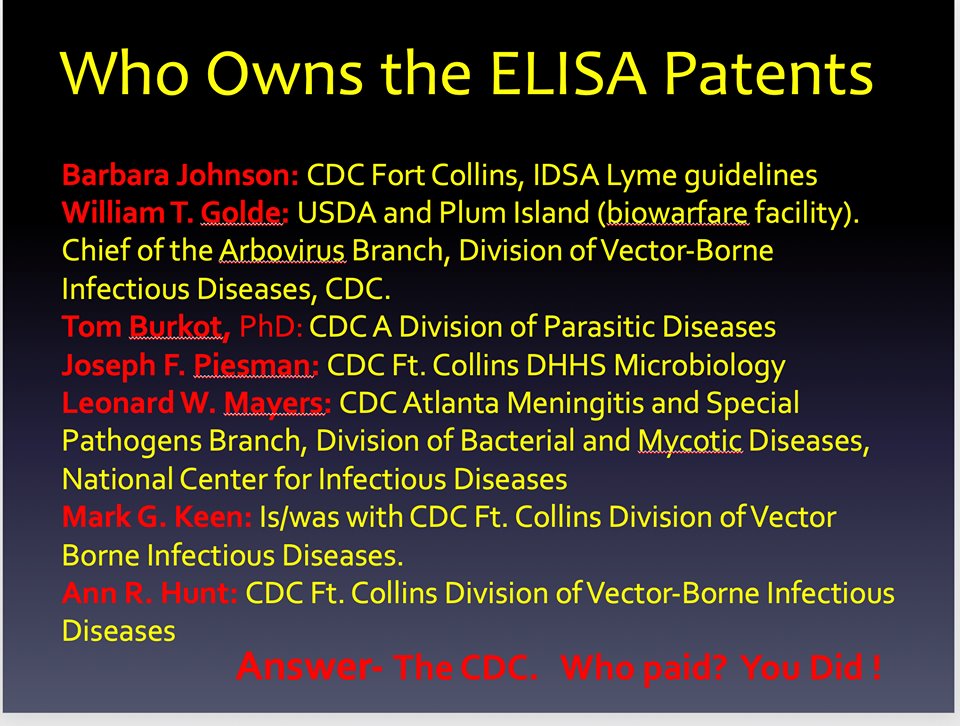
Yet, this man is behind the Lyme fiasco as well. He insists upon using tests made in house so they can then go on to create lucrative treatments and vaccines. How anyone still believes him is truly a head-scratcher.
According to Kory, the FLCCCs MATH+ protocol has been delivered to the White House on four occasions, yet no interest has been shown. Worse, he says they continue to be stonewalled by the U.S. Centers for Disease Control and the National Institute for Health. Why?
Isn’t saving lives, right now, and by any means possible, more important than pushing for a vaccine? If the MATH+ protocol works with near-100% effectiveness, a vaccine may not even be necessary.The MATH+ protocol gets its name from:
The controversy over hydroxychloroquine is perhaps one of the most perplexing and frustrating. Doctors and health experts around the world have spoken out both for and against the use of the drug, some reporting spectacular benefits while others warn of mortal dangers
In an international poll of 6,227 doctors in 30 countries, 37% rated the antimalaria drug hydroxychloroquine as “the most effective therapy” for COVID-19. In Spain, where the drug was used by 72% of doctors, it was rated “the most effective therapy” by 75% of them
French microbiologist and infectious disease expert Didier Raoult reported a combination of hydroxychloroquine and azithromycin administered immediately upon diagnosis led to recovery and “virological cure” — nondetection of SARS-CoV-2 in nasal swabs — in 91.7% of patients
Dr. Vladimir Zelenko has found treating COVID-19 patients who had confirmed positive test results “as early as possible after symptom onset” with zinc, low dose hydroxychloroquine and azithromycin lowered mortality fivefold
Zinc appears to be key. If given early, zinc along with a zinc ionophore such as hydroxychloroquine or quercetin should, at least theoretically, help lower the viral load and prevent the immune system from becoming overloaded
There’s no shortage of controversies surrounding the COVID-19 pandemic, but the controversy over hydroxychloroquine is perhaps one of the most perplexing and frustrating. Doctors and health experts around the world have spoken out both for and against the use of the drug, some reporting spectacular benefits1 while others warn of mortal dangers.2
Game-Changer or Deadly Treatment?
In one international poll3 of 6,227 doctors in 30 countries, 37% rated the antimalaria drug hydroxychloroquine as “the most effective therapy” for COVID-19. The poll was done by Sermo, the world’s largest health care data collection company and social platform for physicians.
In Spain, where the drug was used by 72% of doctors, it was rated “the most effective therapy” by 75% of them. The typical dose used by a majority of doctors was 400 milligrams per day.
French science-prize winning microbiologist and infectious disease expert Didier Raoult, founder and director of the research hospital Institut Hospitalo-Universitaire Méditerranée Infection,4reported5,6 that a combination of hydroxychloroquine and azithromycin, administered immediately upon diagnosis, led to recovery and “virological cure” — nondetection of SARS-CoV-27 in nasal swabs — in 91.7% of patients.
According to Raoult, the drug combination “avoids worsening and clears virus persistence and contagiosness in most cases.” No cardiac toxicity was observed using a dose of 200 mg three times a day for 10 days, along with 500 mg of azithromycin on Day 1 followed by 250 mg daily for the next four days. The risk of cardiac toxicity was ameliorated by carefully screening patients and performing serial EKGs.
As reported by The Highwire (see video above), July 2, 2020, Raoult is quoted as saying failure to prescribe hydroxychloroquine to a COVID-19 patient “should be grounds for malpractice.” Meanwhile, University of Oxford investigators claim the drug is useless and shouldn’t be prescribed at all in hospitalized patients.8
An interesting website tracking hydroxychloroquine trials is c19study.com.9 It lists more than 40 studies and meta-analyses showing positive results of the drug, compared to nine that have reached a negative conclusion.
The Zelenko Regimen
Dr. Vladimir Zelenko, a primary care physician in Monroe, New York, has also reported excellent results using the drug. He told radio host Sean Hannity he’d had a near-100% success rate using hydroxychloroquine, azithromycin and zinc sulfate for five days. “I’ve seen remarkable results; it really prevents progression of disease, and patients get better,” he told Hannity.
In the video above, Del Bigtree interviews Zelenko about the criticism levied against him for promoting use of the drug. According to Zelenko, hydroxychloroquine deniers “are guilty of mass murder.”
He points out hydroxychloroquine has been used for decades and is safe even for pregnant and nursing women, so he felt very comfortable prescribing it off-label. He prescribed 200 mg of hydroxychloroquine twice a day, 500 mg of azithromycin once a day and 220 mg of zinc once a day, for five days.
The treatment was initiated within the first five days of clinical symptoms of COVID-19, based on “clinical suspicion” of SARS-CoV-2 infection (not lab confirmed testing, as test results took three days and viral load typically explodes by Day 6).
June 30, 2020, Zelenko and two co-authors published a study,10 currently in preprint, which found treating COVID-19 patients who had confirmed positive test results “as early as possible after symptom onset” with zinc, low-dose hydroxychloroquine and azithromycin “was associated with significantly less hospitalizations and five times less all-cause deaths.”
As noted by Zelenko in Bigtree’s interview, the real virus killer in this combination is actually the zinc. The hydroxychloroquine merely acts as a zinc transporter, allowing it to get into the cell. The antibiotic, meanwhile, helps prevent secondary infections.
Concerted Coordinated Effort to Inhibit Use of Effective Drug?
According to Dr. Meryl Nass, the wildly divergent views on hydroxychloroquine appear to have little to do with its safety and effectiveness against COVID-19, and more to do with a concerted and coordinated effort to prevent its use. In the video11 above, Chris Martensen Ph.D., also reviews the “profound lack of integrity” we’re currently seeing when it comes to hydroxychloroquine.
Indeed, there are several reasons for why certain individuals and companies might not want an inexpensive generic drug to work against this pandemic illness. (A 14-day supply costs just $2 to manufacture12 and can retail for as little as $20.13)
One of the most obvious reasons is because it might eliminate the need for a vaccine or other antiviral medication currently under development.14 Hundreds of millions of dollars have already been invested, and vaccine makers are hoping for a payday in the billions if not trillions of dollars. In a June 27, 2020, blog post, Nass points out:15
“It is remarkable that a series of events taking place over the past three months produced a unified message about hydroxychloroquine, and produced similar policies about the drug in the U.S., Canada, Australia, NZ and western Europe.16
The message is that generic, inexpensive hydroxychloroquine is dangerous and should not be used to treat a potentially fatal disease, COVID-19, for which there are no (other) reliable treatments.
Hydroxychloroquine has been used safely for 65 years in many millions of patients. And so the message was crafted that the drug is safe for its other uses, but dangerous when used for COVID-19. It doesn’t make sense, but it seems to have worked. Were these acts carefully orchestrated? You decide.
Might these events have been planned to keep the pandemic going? To sell expensive drugs and vaccines to a captive population? Could these acts result in prolonged economic and social hardship, eventually transferring wealth from the middle class to the very rich?”
The fight over hydroxychloroquine may also have political underpinnings. As noted by investigative reporter Sharyl Attkisson in a May 18, 2020, Full Measure report, “never before has a discussion about choices of medicine been so laced with political overtones.”
Trials Undermine Safety and Efficacy by Using Toxic Doses
Nass’ article17 lists what has occurred with regard to hydroxychloroquine so far, the intention being to keep it as a living document that will be added to as time goes on.
Nass says she wrote it in such a way that it might be read as a “to do list … to be carried out by those who pull the strings,” with the intention of suppressing use of the drug. At the time of this writing, Nass’ list18 contains 27 bullet point entries. I highly recommend reading through it, as I will only highlight a select few here.
Several items on Nass’ list detail the various ways in which safe and effective use of the drug were undermined, which allowed for a false narrative of danger to be crafted.
For example, Nass points out that three large, randomized multicenter clinical trials all used excessive dosages known to be toxic.19 These include the following. She also discusses these trials in other in-depth articles:20,21,22
• The U.K. Recovery Trial23,24,25 — Funded in part by the Bill & Melinda Gates Foundation, Wellcome Trust and the U.K. government through Oxford University,26 this study randomly assigned patients to usual care or to one of five primary drug treatments: lopinavir-ritonavir; a corticosteroid (low-dose dexamethasone); hydroxychloroquine; tociizumab; or azithromycin. They also used convalescent plasma.
Patients received 2,400 mg of hydroxychloroquine during the first 24 hours — three to six times higher than the daily dosage recommended27 followed by 400 mg every 12 hours for nine more day for a cumulative dose of 9,200 mg over 10 days. The trial ended its hydroxychloroquine arm on June 4, reporting “no benefit.”
• The Solidarity Trial28 — Launched by the World Health Organization and funded by 43 countries and 203,000 individuals and organizations,29 this trial also compares standard of care against four drug options, including hydroxychloroquine, among patients in 35 countries.
Strangely, the WHO does not specify the daily dosage used in the trial. However, the registration of the Canadian30 and Norwegian31 portions of the trial lists a dosage of 2,000 mg on the first day, and a cumulative dose of 8,800 mg over 10 days. This is only 400 mg less than the U.K.32 Recovery Trial’s toxic dose.
The hydroxychloroquine arm was halted May 25,33 following the publication of the Surgisphere study34 in The Lancet. June 3, after tremendous controversy had been raised over the veracity of the study, and a day before the study was retracted for using fabricated data,35,36 (and this despite having undergone peer-review), the hydroxychloroquine arm was restarted.37
June 17, 2020, the hydroxychloroquine arm was stopped again, this time “based on evidence from the Solidarity trial, U.K.’s Recovery trial and a Cochrane review of other evidence on hydroxychloroquine.”38
• The REMAP-CAP Trial (Randomized, Embedded, Multifactorial Adaptive Platform Trial for Community-Acquired Pneumonia)39 — Here, patients either received nothing, a combination of lopinavir and ritonavir, or hydroxychloroquine alone or in combination with lopinavir and ritonavir.
REMAP used the same toxic dose as the Recovery Trial but for six days instead of 10. What’s more, only critically ill hospitalized patients were included in this trial. Nass addresses other concerns as well in her June 19 blog40 about this study.
Is Lifesaving Medicine Withheld to Ensure Profits?
What possessed the study designers and investigators of these three huge clinical trials to use such exaggerated dosages? Hydroxychloroquine has been on the market for 65 years and both toxic and the effective dosages for a variety of ailments are well documented. Doctors who have reported excellent treatment results in the field stayed within the recommended hydroxychloroquine dosages.
Were they trying to purposely sabotage these trials using dosages known to be toxic? Doctors have also reported that best results are observed when the drug is administered early, while symptoms are still mild or moderate, yet in these trials the drug was not given until it was too late.
A July 1, 2020, retrospective analysis41,42,43 of 2,541 patients in the Henry Ford Hospital System in Detroit, Michigan, found use of hydroxychloroquine alone cut mortality by more than half, from 26.4% to 13.5%. (Hydroxychloroquine in combination with azithromycin had a mortality rate of 20.1%, and azithromycin alone had a mortality rate of 22.4%.)
More than 90% of the patients had received the drug or drugs within 48 hours of admission into the hospital. No adverse heart-related events were observed among those given hydroxychloroquine.
All three trials above that used toxic hydroxychloroquine doses — Recovery, Solidarity and REMAP — also failed to include zinc, which appears to be a key factor. As noted by Zelenko above, the hydroxychloroquine is really only used to drive the zinc in to the cells. Nass observes:44
“The conclusions to be drawn are frightening:
WHO and other national health agencies, universities and charities have conducted large clinical trials that were designed so hydroxychloroquine would fail to show benefit in the treatment of Covid-19, perhaps to advantage much more expensive competitors and vaccines in development.
In so doing, these agencies and charities have de facto conspired to increase the number of deaths in these trials.
In so doing, they have conspired to deprive billions of people from potentially benefiting from a safe and inexpensive drug, when used properly, during a major pandemic. This might contribute to prolongation of the pandemic, massive economic losses and many increased cases and deaths.”
Facets That Need To Be Discussed
Aside from that, there are two additional facets of what’s going on that are not yet being discussed:
1. What we’re seeing happen right now is that patients are being turned into guinea pigs en masse. As of June 16, 2020, the U.S. Food and Drug Administration stated the only way a patient should receive hydroxychloroquine is by enlisting in a clinical trial.45
Similarly, in the U.K., treating physicians have been asked to enroll all hospitalized COVID-19 patients into the Recovery and REMAP trials. As of July 9, 2020, Recovery had enrolled more than 12,000 subjects.46
What this means is that thousands of patients are having their treatment selected via randomization by computer rather than by their own doctors’ choice of treatment. The U.K., by the way, has one of the highest COVID-19 death rates in Europe already.47 By removing physician and patient choice of treatment, the death toll might end up being far worse than it needs to be.
Importantly, will this trend continue post-COVID? Now that doctors are being groomed to accept having their patients treated by randomization rather than with the treatment any given doctor believes to be best, will they sign up their future non-COVID patients as subjects just as easily?
2. Secondly, three recent papers48,49,50 argue that the excessive doses of hydroxychloroquine used in the Recovery Trial were not actually toxic. This creates a serious contradiction that has yet to be addressed. As noted by Nass in an email to me:
“For argument’s sake, say they are right, and even high doses are safe. Well then, why are the FDA, European Medicines Agency, pharmacy boards, governors, etc. restricting this drug that is so safe you can even overdose it and be fine?
Either the drug is so toxic at normal doses that it can’t be used for a life-threatening illness, or it is perfectly safe at extremely high doses. You can’t have it both ways.“
Zinc Is a Crucial Key
In conclusion, let us circle back to where we started — with the reports of treatment success. A study51 posted on the prepublication server medRxiv, May 8, 2020, compared outcomes in hospitalized COVID-19 patients treated with either hydroxychloroquine and azithromycin alone, or Zelenko’s triplet regimen of hydroxychloroquine, azithromycin and zinc.
While the addition of zinc sulfate had no impact on the length of hospitalization, ICU duration or duration of ventilation, univariate analysis showed it was associated with other positive effects:
Increased hospital discharge frequency
Decreased the need for ventilation
Decreased ICU admission rates
Decreased the rate of transfer to hospice for non-ICU patients
Decreased mortality
As noted by the authors:52
“After adjusting for the time at which zinc sulfate was added to our protocol, an increased frequency of being discharged home (OR 1.53 …) reduction in mortality or transfer to hospice remained significant (OR 0.449 …). This study provides the first in vivo evidence that zinc sulfate in combination with hydroxychloroquine may play a role in therapeutic management for COVID-19.”
In short, to maximize effectiveness, you need zinc. As explained in “Is Quercetin a Safer Alternative to Hydroxychloroquine?” hydroxychloroquine acts as a zinc ionophore,53,54 meaning it shuttles zinc into your cells, and zinc appears to be a “magic ingredient” required to prevent viral replication.55
If given early, zinc along with a zinc ionophore should, at least theoretically, help lower the viral load and prevent the immune system from becoming overloaded. As noted in the preprint paper, “Does Zinc Supplementation Enhance the Clinical Efficacy of Chloroquine / Hydroxychloroquine to Win Todays Battle Against COVID-19?” published April 8, 2020:56
“Besides direct antiviral effects, CQ/HCQ [chloroquine and hydroxychloroquine] specifically target extracellular zinc to intracellular lysosomes where it interferes with RNA-dependent RNA polymerase activity and coronavirus replication.
As zinc deficiency frequently occurs in elderly patients and in those with cardiovascular disease, chronic pulmonary disease, or diabetes, we hypothesize that CQ/HCQ plus zinc supplementation may be more effective in reducing COVID-19 morbidity and mortality than CQ or HCQ in monotherapy. Therefore, CQ/HCQ in combination with zinc should be considered as additional study arm for COVID-19 clinical trials.”
So far, no major clinical trial has bothered to follow this rather commonsense advice. Unfortunately, due to the corruption and politicization of science on this matter, it’s hard to offer any clear recommendations. In the end, it probably comes down to who you trust.
Quercetin — An All-Natural Safe Home Alternative
That said, if you suspect you’ve contracted COVID-19, it probably wouldn’t hurt to give a version of Zelenko’s regimen a try, at the first sign of symptoms. As explained in “Is Quercetin a Safer Alternative to Hydroxychloroquine?” quercetin is also an ionophore and has the same mechanism of action as hydroxychloroquine — it improves zinc uptake by your cells.
Personally, I’m taking quercetin and zinc at bedtime as a prophylactic each day. The reason it’s best to take them in the evening, several hours after your last meal, and before the long fast of sleeping, is because quercetin is also a senolytic (i.e., it selectively kills senescent or old, damaged cells) that is activated by fasting. So, why not maximize the timing and use of quercetin?
Zelenko points out that the debate on HCQ is an ideological one on whether you trust real-world clinical data or only data derived from a lab. This is exactly what we face with Lyme/MSIDS. We have doctors who have successfully treated patients yet mainstream medicine sniffs at this because their clinical success hasn’t been replicated in a lab setting.
https://madisonarealymesupportgroup.com/2020/06/06/fraudulent-hcq-covid-19-study-in-lancet-exposed/
https://madisonarealymesupportgroup.com/2020/06/24/influence-of-conflicts-of-interest-on-public-positions-in-the-covid-19-era-the-case-of-gilead-sciences/
https://madisonarealymesupportgroup.com/2020/06/16/aaps-sues-fda-for-irrational-interference-of-access-to-life-saving-hydroxychloroquine/
https://madisonarealymesupportgroup.com/2020/05/11/podcast-evidence-supporting-hcq-azithromycin-for-covid-19/
https://madisonarealymesupportgroup.com/2020/06/09/hcq-breakthrough-icmr-finds-its-effective-in-preventing-coronavirus-expands-its-use/
Remdesivir (BTW: studies have only shown it to reduce days in hospitalization from 15 days to 10 days) https://madisonarealymesupportgroup.com/2020/07/02/remdesivir-for-covid-19-not-backed-by-results/
https://madisonarealymesupportgroup.com/2020/07/15/covid-19-drug-remdesivir-could-cost-up-to-3120-per-patient-maker-says/
Zelenko points out that the debate on HCQ is an ideological one on whether you trust real-world clinical data or only data derived from a lab. This is exactly what we face with Lyme/MSIDS. We have doctors who have successfully treated patients yet mainstream medicine sniffs at this because their clinical success hasn’t been replicated in a lab setting.