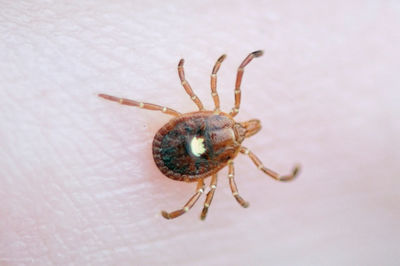
Archive for the ‘Ticks’ Category

Lyme Disease Symptoms Could Be Mistaken For COVID-19, With Serious Consequences

https://theconversation.com/lyme-disease-symptoms-could-be-mistaken-for-covid-19-with-serious-consequences-

Lyme disease symptoms could be mistaken for COVID-19, with serious consequences

May 27, 2020 

That field work means we’re also at risk of getting the very diseases we study. I always remind my crew members to pay close attention to their health. If they get a fever or any other signs of sickness, they should seek medical treatment immediately and tell their doctor that they may have been exposed to ticks.

When summer flu-like illnesses develop in anyone who spends time outdoors in areas where ticks are common, tick-transmitted diseases like Lyme disease should be considered a likely culprit.

This summer, however, the global emergence of the novel coronavirus and COVID-19 is presenting a whole new set of challenges for diagnosing Lyme disease and other tick-borne illnesses.

Lyme disease shares a number of symptoms with COVID-19, including fever, achiness and chills.

Anyone who mistakes Lyme disease for COVID-19 could unknowingly delay necessary medical treatment, and that can lead to severe, potentially debilitating symptoms.

Delaying medical treatment can be dangerous

As we move from spring into summer, and into the peak period of tick activity in much of the Northern Hemisphere, time spent outdoors will increase, as will risk of tick-transmitted disease.

In some cases, there are key symptoms of a tick-transmitted disease that can help with diagnosis. For example, early Lyme disease, which is caused by the bite of an infected black-legged tick, sometimes called the deer tick, is commonly associated with an expanding “bull’s-eye rash.” Seventy percent to 80% of patients have this symptom.

However, other symptoms of Lyme disease – fever, head and body aches and fatigue – are less distinctive and can be easily confused with other illnesses, including COVID-19. This can make it more difficult to diagnose a patient who did not notice a rash or was unaware that they ever had a tick bite. As a result, Lyme disease cases can be misdiagnosed. Nationally, Lyme disease may be undercounted to the point that only one in 10 cases is reported to the CDC.
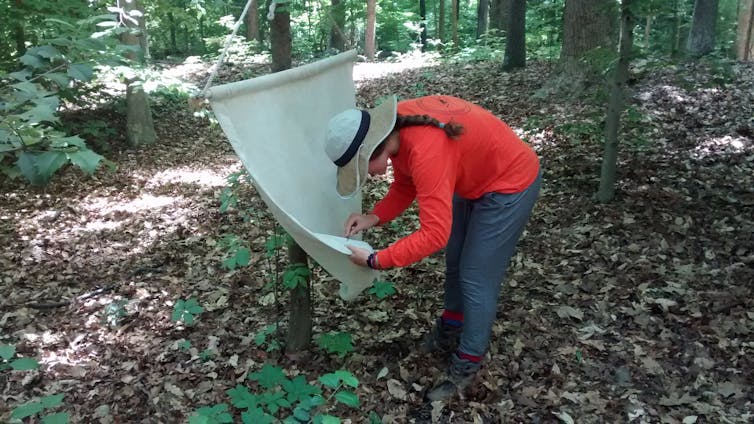
A student plucks samples off a drag cloth used to collect ticks. Jory Brinkerhoff/University of Richmond, CC BY-SA

If Lyme disease is identified and treated quickly, two to four weeks of antibiotics can usually knock out Borrelia burgdorferi, the species of spirochete bacteria that causes it.

But delays in the treatment of Lyme disease can lead to more severe and persistent symptoms. If Lyme disease goes untreated, neurological and cognitive problems and potentially fatal heart problems can develop, and painful arthritis that is much more difficult to treat can set in.

Lyme disease isn’t the only tick problem

Lyme disease is most common in the Northeast and North Central U.S., but that does not mean that people in areas without Lyme disease are free from worry about tick-transmitted disease. Ticks throughout North America can spread a wide range of diseases, many of which also present with flu-like symptoms, leading to the potential for misdiagnosis, especially when these diseases are not especially common in the general population.
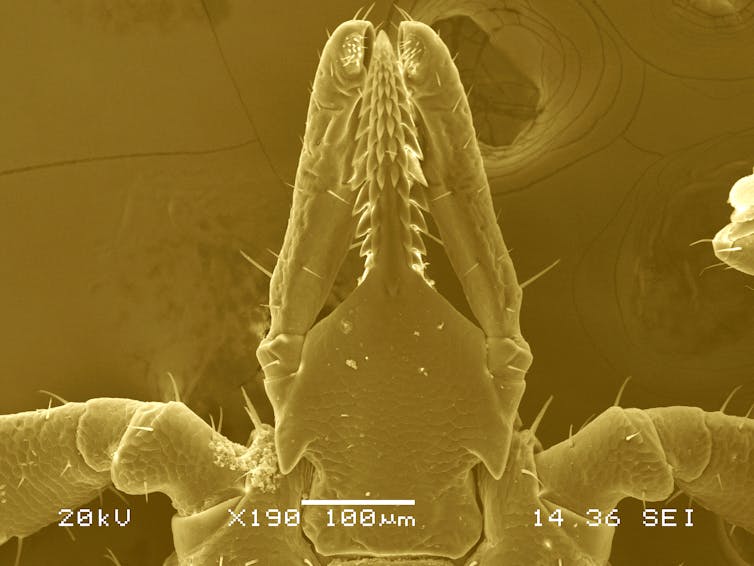
A closeup of a tick’s head under an electron microscope. Fernando Otalora-Luna/University of Richmond, CC BY

Spotted fevers are another group of tick-transmitted diseases. The most severe of these is Rocky Mountain spotted fever, which can be fatal. Spotted fevers, as the name suggests, are typically associated with a rash. But the rash may not show until after fever and other flu-like symptoms, creating the same risk of being mistaken for COVID-19. Like Lyme disease, spotted fevers can be treated with anitibiotics, and early treatment can head off more severe infections, so quick, accurate diagnosis is critical.

Is COVID-19 increasing chances of tick bites?

Recent reports from across the nation and around the globe suggest that wildlife have become more bold this spring, wandering into suburbs and cities where human and vehicle traffic are reduced because of COVID-19.

Whether this phenomenon is being driven by changes in animal behavior or is simply an artifact of humans spending more time in their homes and becoming more aware of their surroundings is not clear, but changes in wildlife behavior and habitat use could affect tick-transmitted disease. For example, white-tailed deer are important hosts to multiple human-biting tick species in eastern North America, including black-legged ticks, and more deer around our homes and in our neighborhoods could lead to more ticks that have a chance to bite humans.
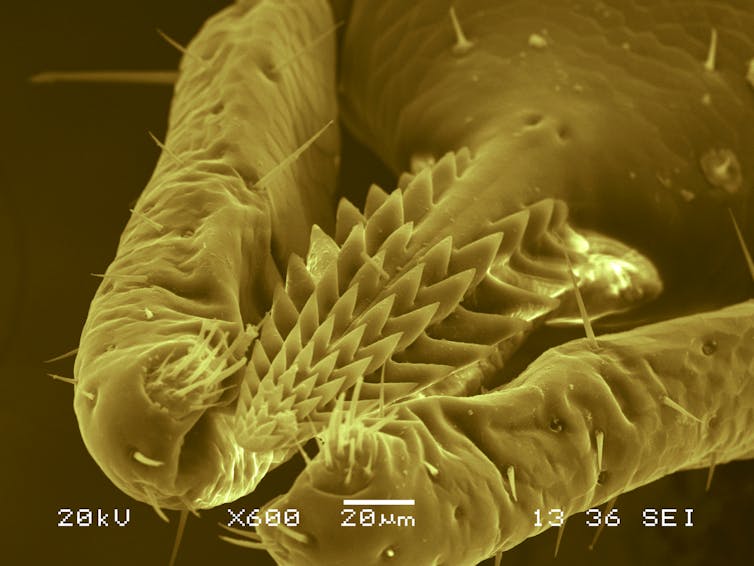
A closeup of a tick’s mouth parts under an electron microscope shows the barbs that allow it to hang on after it penetrates skin. Fernando Otalora-Luna/University of Richmond, CC BY-SA

Ticks do not move very far by themselves – perhaps about a foot per day for some species – but can be dispersed dozens of miles or more while hitching a ride on a highly mobile host like a deer, coyote or bird. Thus, the wildlife we observe exploring our neighborhoods while we are encouraged to stay at home may be leaving behind ticks that are carrying pathogens, or that could acquire infection from the more common wildlife already near our homes.

Staying safe

Awareness is a key component of preventing and treating tick-borne disease. People should be aware of the activities that could expose them to ticks, and physicians should consider the possibility of tick-borne disease, especially given the potential overlap in symptoms with COVID-19.

As with COVID-19, mitigation efforts can substantially reduce the risk of tick-borne diseases. Wear long sleeves and long pants and use an EPA-registered repellent when you are in tick habitat, and check yourself thoroughly for ticks when you get home.

It is important to be aware of ticks when spending time outside, but fear of ticks should not stop people from enjoying nature.

____________________

**Comment**

Overall – good read.  A few points:

  1. Far fewer patients get the EM rash:  https://madisonarealymesupportgroup.com/2019/02/22/why-mainstream-lyme-msids-research-remains-in-the-dark-ages/  In the first ever patient group in Connecticut only 25% had it:  Another source in the article states it’s between  25-80%. https://madisonarealymesupportgroup.com/2020/06/12/formidable-evidence-for-sexual-transmission-of-lyme-disease-first-study-to-document-aca-rashes-in-canadian-patients/ This study states only 9-39% get it. Authorities have put entirely too much emphasis on the rash. While the rash clearly indicates you have Lyme disease, absence of the rash does not mean you don’t have Lyme disease.  
  2. Delays in treatment have been and continue to be a serious problem. 
  3. The author’s point that Lyme could be mistaken for COVID is important.
  4. Lyme/MSIDS has been and continues to be mistaken for just about everything. Testing is abysmal (just like antibody and PCR testing for COVID) and shouldn’t be solely relied upon.

Rocky Mountain Spotted Fever Can Be Deadly: How to Prevent, Diagnose, & Treat it

https://rawlsmd.com/health-articles/rocky-mountain-spotted-fever-can-be-deadly-how-to-prevent-diagnose-and-treat-the-tick-borne-disease?

Rocky Mountain Spotted Fever Can Be Deadly: How to Prevent, Diagnose, and Treat the Tick-Borne Disease

Rocky Mountain Spotted Fever Can Be Deadly: How to Prevent, Diagnose, and Treat the Tick-Borne Disease

by Jenny Lelwica Buttaccio
Posted 6/11/20

When it comes to tick-borne diseases (TBD), there are several other infections with the potential to make you sick beyond the best-known Borrelia burgdorferi, the bacteria that causes Lyme disease.

For starters, there are well-known Lyme disease coinfections like Bartonella and Babesia that may compound Lyme symptoms and add insult to injury for many people. Cases of these are on the rise as environmental and climate patterns continue to shift in such a way that supports tick populations, and as housing developments expand into wooded areas, bringing people, animals, and ticks in increasingly close proximity to one another.

Additionally, there’s an emerging threat of lesser-known pathogens that seem to garner media attention each year. One such infectious agent is Rickettsia rickettsii, a bacteria that causes Rocky Mountain spotted fever (RMSF).

“Rickettsia has a preference for infecting cells lining blood vessels, specifically endothelial cells — this makes for a much more virulent bacteria,” says Dr. Bill Rawls, MD, Medical Director of RawlsMD and Vital Plan.

Dermacentor Reticulatus On Green Leaf. Also Known As The Ornate Cow Tick, Ornate Dog Tick, Meadow Tick, And Marsh Tick. Family Ixodidae. Ticks Are Carriers Of Dangerous Diseases.

RMSF is spread through the bite of an infected tick. Whereas black-legged ticks are the arachnids responsible for Lyme disease, the Rocky Mountain wood tick, the brown dog tick, and the American dog tick are the chief transmitters of RMSF.

Prompt medical intervention is crucial for a successful recovery from RMSF — the consequence of delaying treatment can be life-threatening. Here, we’ll discuss the broad strokes of RMSF, including signs, symptoms, testing, and treatment.

An Overview of Rocky Mountain Spotted Fever

RMSF is a gram-negative obligate intracellular bacteria — in other words, it’s a parasitic-like microorganism that grows and reproduces inside a host’s cells. As a pathogenic disease, it was first reported in the 1920s.

The disease is part of a larger category called Spotted Fever Rickettsiosis (SFR). In 2010, the name was given to signify a group of related conditions caused by the Rickettsia bacteria for which the available serologic testing can’t discriminate between the different species of the disease-causing bacteria.

Each year, there are approximately 2,000 new cases in the United States, as reported by the Centers for Disease Control and Prevention (CDC). However, in 2017 RMSF cases jumped to 6,248, with marginally fewer cases reported in 2018.

To better understand RMSF, it helps to know some facts about testing methods, times of the year when ticks are most active, and the profile of people who are most at risk of contracting the illness.

1. The Annual Incidences of RMSF Aren’t Precise.

Because the testing doesn’t identify which species of Rickettsia is the culprit, there’s no way to tell how many cases are specific to RMSF versus other Rickettsial diseases that may cause less serious types of spotted fevers. However, the mortality rate for RMSF may be between 5% and 10%, according to a review in The New England Journal of Medicine. By comparison, related Rickettsial bacteria like Ehrlichia and Anaplasmosis have fatality rates of 3% and 1%, respectively.

2. The Transmission of RMSF Varies Depending on Geography and Time of Year.

Ticks carrying RMSF tend to be most active in May through August, but there’s some variability due to geographic location in the U.S. and the type of tick that’s carrying the pathogen. Like Lyme disease, ticks carrying RMSF may be active year-round in parts of the country where temperatures stay above freezing.

Although RMSF can be found throughout the United States, the majority of cases come from these five states:

  1. Arkansas
  2. Missouri
  3. North Carolina
  4. Tennessee
  5. Virginia

3. Certain Individuals May Be More At Risk of Acquiring RMSF.

People who live near wooded areas or in an area of the country known to be hospitable to ticks are at risk of acquiring the infection. Additional information from the CDC indicates:

  • Reported cases of RMSF occur more often in men than women.
  • Most cases occur in individuals over the age of 40. However, the mortality rate of RMSF is highest among children in the 10 and under age group.
  • People with glucose-6-phosphate dehydrogenase (G6PD) deficiency, a genetic disorder affecting red blood cells, show a higher propensity for the infection.
  • Immunocompromised individuals are more likely to require hospitalization from RMSF.

Symptoms of Rocky Mountain Spotted Fever

Because RMSF attacks the vascular system, one of the most vulnerable places in your body, severe illness is much more likely than you might encounter with other TBDs. On average, symptoms of RMSF generally start 12 days after a tick bite, but it can range from 5 to 21 days.

black woman with a fever, husband holding hand to her forehead

The telltale signs of infection include high fever, chills, muscle aches, and a rash. “Certainly, a history of a tick bite is a tipoff to infection,” says Dr. Rawls. “But because tick bites are painless and people often are not aware of being bitten, that history is not always helpful.”

Let’s take a closer look at the signs and symptoms of RMSF:

  • Fever
  • Chills
  • Headache
  • Muscle aches
  • Joint pain
  • Rash
  • Confusion
  • Sensitivity to light
  • Feeling unwell (malaise)
  • Thirst
  • Abdominal pain
  • Nausea
  • Vomiting
  • Diarrhea
  • Changes in appetite

An important note about the rash: Typically, the rash associated with RMSF develops two to five days after the onset of fever. However, it can occur later in the course of the illness, even after treatment is started, says Dr. Rawls.

Small, pink, non-itchy spots, with a diameter of 1 to 5 millimeters, first show up on wrists, forearms, and ankles. The spots may spread to the trunk of the body and the soles of the feet as well. As the disease progresses, the spots may become red or purple, which is known as petechiae (puh-TEE-kee-uh).

However, just as some people don’t develop a rash when they contract Lyme disease, not everyone gets a rash with RMSF either.

Diagnosis of Rocky Mountain Spotted Fever

“Diagnosis is a real challenge because Rocky Mountain spotted fever resembles other, more common infectious diseases,” says Dr. Rawls. “But it’s critical to initiate therapy early in the course of the disease, especially if you live in an endemic area.”

Test tube full of blood in lab employees hand

Because time is of the essence, your healthcare provider will likely initiate treatment first, and then test to confirm the diagnosis of RMSF. Testing methods that may be used include:

  1. General labs: Complete blood count (CBC), complete metabolic panel (CMP), liver panel, etc.
  2. Indirect Immunofluorescent Assay (IFA): An antibody test that measures IgG and IgM antibodies for R. rickettsii
  3. Polymerase chain reaction (PCR): This is a DNA test that may be most helpful when used to test a biopsy of the rash or lesion. Concentrations of R. rickettsii in the blood may be low, so a negative PCR doesn’t eliminate the diagnosis of RMSF.
  4. Urinalyses: A test that may be useful to detect blood or protein in the urine

Treatment of Rocky Mountain Spotted Fever

“There are a lot of variables that play into why a person becomes sick with Rocky Mountain spotted fever, but if they become ill, they become very ill,” says Dr. Rawls. “It’s a microbe where, if you develop symptoms, you need antibiotics to try to knock down the infection as quickly as possible.”

Serious complications, like the loss of extremities (fingers, toes, or limbs), can occur due to a decrease in circulation, especially if treatment is delayed. For acute RMSF, the standard of care is doxycycline. “Herbal therapy shouldn’t be used as the primary therapy, but it can be used as a supportive measure,” advises Dr. Rawls.

The following are treatment recommendations, according to the CDC:

  • Doxycycline dose in an adult: 100 mg twice daily
  • Doxycycline dose in children < 45 kg (100 lbs): 2.2 mg / kg twice daily

Antibiotic therapy should be administered for 30 days, suggests Dr. Rawls, or until three days after the fever subsides. At a minimum, treatment with antibiotics should be no shorter than five to seven days as per CDC guidelines. If a patient doesn’t respond to doxycycline, that’s an indication that acute tick-borne infection isn’t present, and other infections such as a virus or Babesia may be causing symptoms.

If an individual doesn’t tolerate doxycycline, a broad-spectrum antibiotic called chloramphenicol may be used. However, this drug carries with it a high potential for side effects. The dosage for chloramphenicol is12.5 mg per kg of body weight orally every 6 hours. In certain cases, IV antibiotics may be required in some people with acute RMSF.

Incorporating Herbal Therapy

Although treatment for RMSF requires antibiotic therapy, herbs can be used to protect vascular cells, promote healing, and act as a complement to drug therapy. However, remember to consult with your doctor before adding natural remedies to your existing treatment protocol.

Essential oil of hawthorn, selective focus

Here are some of Dr. Rawls’ preferred herbs and natural ingredients of choice:

1. To improve circulation and to enhance blood flow:

  • Hawthorne
  • French maritime pine bark
  • Lutein and zeaxanthin (antioxidants called carotenoids found in brightly-colored vegetables like carrots, squash, kale, and spinach)

2. To increase oxygenation of the tissues in the body and bolster the immune system:

3. To help decrease your microbial load and provide antioxidant support:

Final Thoughts

Ultimately, tick prevention is the key to avoiding RMSF. “We all should be vigilant about ticks,” urges Dr. Rawl. “Pay attention. If you get a tick bite, if you end up with symptoms of fever or a rash, you need to see a healthcare provider for that immediately. The quicker you get treatment, the less likely you are to have long-term ramifications.”

Dr. Rawls is a physician who overcame Lyme disease through natural herbal therapy. You can learn more about Lyme disease in Dr. Rawls’ new best selling book, Unlocking Lyme.
You can also learn about Dr. Rawls’ personal journey in overcoming Lyme disease and fibromyalgia in his popular blog post, My Chronic Lyme Journey.

REFERENCES
1. Dumler JS, Walker DH. Rocky Mountain spotted fever–changing ecology and persisting virulence. N Engl J Med. 2005;353(6):551‐553. doi: 10.1056/NEJMp058138
2. Lyme and Other Tickborne Disease Increasing. Centers for Disease Control and Prevention website. https://www.cdc.gov/media/dpk/diseases-and-conditions/lyme-disease/index.html
3. Rocky Mountain Spotted Fever Epidemiology and Statistics. Centers for Disease Control and Prevention website. https://www.cdc.gov/rmsf/stats/index.html
4. Rocky Mountain Spotted Fever Treatment. Centers for Disease Control and Prevention website. https://www.cdc.gov/rmsf/healthcare-providers/treatment.html
5. Rocky Mountain Spotted Fever. MedlinePlus website. https://medlineplus.gov/ency/article/000654.htm
_____________________
RMSF, normally transmitted by the American dog tick and the closely related Rocky Mountain wood tick, has also been spread by the brown dog tick — a completely different species.  And here, we discover it’s been found in the Asian Longhorned tick and is capable of being transmitted within ticks through ova.  https://madisonarealymesupportgroup.com/2020/05/05/asian-longhorned-tick-able-to-transmit-rmsf-in-lab-setting-also-transmitted-within-ticks-through-ova/
This is a great example of how ticks are spreading things they are not known to spread, as well as the fact they are now being found in new places and it has nothing to do with the weather:  https://madisonarealymesupportgroup.com/2018/11/07/ticks-on-the-move-due-to-migrating-birds-and-photoperiod-not-climate-change/

Avoiding Ticks & Lyme Disease: UPMC Susquehanna Medical Director of Infectious Diseases Provides Safety Tips

https://www.weny.com/story/42243624/avoiding-ticks-and-lyme-disease-upmc-susquehanna-medical-director-of-infectious-diseases-provides-safety-tips

Avoiding Ticks and Lyme Disease: UPMC Susquehanna Medical Director of Infectious Diseases Provides Safety Tips

Saturday, June 13th 2020, 12:28 AM EDT by Ryan Campbell
WILLIAMSPORT, P.A. (WENY) – As COVID-19 restrictions across the Twin Tiers continue to ease, many community members are getting back to enjoying the outdoors. However, the region will need to be aware of ticks and Lyme Disease as we move into prime tick season.
According to most recent statistics released by the CDC in 2018, Pennsylvania significantly led the country in confirmed Lyme Disease cases with 7,920. New York had the third most cases with 2,446. WENY News spoke with the Medical Director of Infectious Diseases at UPMC Susquehanna, Dr. Rutul Dalal, and he says this year, people may need to be extra cautious. (See link for article and video)
___________________
**Comment**
Ticks can absolutely walk around and navigate through wood chips.  In fact, wood chips and leaf litter make wonderful humid areas to protect ticks.  I’m not saying don’t use them, just be aware that they will not keep ticks out, but will rather serve as a barrier between riskier areas and non-risky areas but ALL areas are somewhat risky.

After Son’s Bout With Lyme Disease, Woman Invents New Tick Repellent

https://www.theweathernetwork.com/ca/news/article/after-sons-bout-with-lyme-disease-woman-invents-new-tick-repellent  News Video Here

After son’s bout with Lyme disease, woman invents new tick repellent

Friday, June 12th 2020

The formula, called ‘Atlantick’, has been found to be 97.5 per cent effective.

It’s been four years now since Darian Wallet suddenly became unable to move his legs without severe pain in Mahone Bay, Nova Scotia. It lasted for months, forced him to use a walker, and worst of all, doctors couldn’t determine why. In his words: “It was terrible.”

His mother, Lisa Ali, thought it could be juvenile arthritis, but she pushed to get a test for Lyme disease and her suspicions were right: it was the result of a tick bite. Darian’s brother had it too.

“When you see your child because he’s in that much pain and you don’t know what’s going on, that really kind of wakes your system up and puts you in ‘oh my God, I have to do something about this’ mode,” she says.

(See link for article)

_____________________

For more:  https://madisonarealymesupportgroup.com/2019/04/12/tick-prevention-2019/

https://madisonarealymesupportgroup.com/2019/07/01/what-you-need-to-know-about-bug-sprays/

https://madisonarealymesupportgroup.com/2019/06/16/study-shows-effectiveness-of-factory-treated-permethrin-impregnated-clothing-works/

https://madisonarealymesupportgroup.com/2018/05/27/study-conforms-permethrin-causes-ticks-to-drop-off-clothing/

https://madisonarealymesupportgroup.com/2018/04/03/fire-good-news-for-tick-reduction/

https://madisonarealymesupportgroup.com/2018/09/15/talking-tick-prevention-ask-a-uw-veterinarian/

Bourbon Virus? New Tick-borne Disease May Be in North Carolina

https://www.journalnow.com/news/local/bourbon-virus-new-tick-borne-disease-may-be-in-north-carolina/article_

Bourbon virus? New tick-borne disease may be in North Carolina