Archive for the ‘Ticks’ Category

Bartonella: How to Protect Yourself From This Stealthy Intruder

https://www.linkedin.com/pulse/bartonella-how-protect-yourself-from-stealthy-jill-c-carnahan-md/?

Bartonella: How to Protect Yourself From This Stealthy Intruder

Jill C. Carnahan, MD

Founder, Medical Director, Flatiron Functional Medicine
 

A walk through the woods. Playing with your cat. Getting a spider bite. These things might all seem unrelated, but they have one important thing in common – they can all potentially expose you to a sneaky and possibly dangerous bacteria known as Bartonella. 

This stealthy intruder can be dangerous and is notoriously hard to treat. Today we’re going to dive into exactly what Bartonella is. And most importantly we’re going to cover practical and simple ways you can protect yourself from this foreign invader. 

What Is Bartonella?

Bartonella is a type of bacteria that infects your cells – causing a condition known as bartonellosis. It’s estimated that there are over 20 different strains of Bartonella, and that at least 14 of them have the ability to be transmitted to humans.1 Once contracted, Bartonella makes itself at home, particularly in the cells that line your blood vessels and within your red blood cells.

What makes Bartonella unique is its ability to evade your immune system’s defenses. You see, Bartonella has a stealthy infection strategy that goes something like this:2

  1. Adhesion: Once contracted, Bartonella adheres to your red blood cells.
  2. Deformation: After attaching to your red blood cells, Bartonella gets to work on deforming the surface of your cells by creating progressive indentations and invaginations.
  3. Invasion: As the integrity of the surface of your red blood weakens, Bartonella begins its invasion – essentially hijacking your red blood cells.
  4. Persistence: Once your red blood cells are hijacked, Bartonella is able to evade your body’s defenses – allowing this bacteria to thrive and replicate undetected by your immune system.
  5. Suppression: Protected by the camouflage of your red blood cells, Bartonella is able to manipulate your immune system – triggering the secretion of certain chemical messengers that suppress and dampen your immune response.

Bartonella’s deceptive and stealthy infection strategy makes this pathogen particularly skilled at not only persisting and hiding within its host’s body – but it also creates ideal conditions for transmission. Let’s dive into exactly how this deceptive microorganism is transmitted and contracted.

How Do You Contract Bartonella?

Bartonella can be carried by most mammals, including domestic animals like cats, dogs, horses, and cattle. Typically, if you’re exposed to Bartonella, it’s through transmission from an animal. This can occur if you’re scratched by a cat or bitten by a dog. But it’s most often spread through a number of insect vectors such as:3

  • Ticks
  • Fleas
  • Lice
  • Sandflies
  • Red ants
  • Spiders
  • Bed bugs

These blood-sucking insects are the perfect vehicle for Bartonella to spread from host to host. 

What Are the Symptoms of Bartonella?

Bartonella can cause several identifiable conditions such as:4

  • Cat scratch disease
  • Carrion’s disease
  • Trench fever
  • Encephalopathy
  • Pericarditis
  • Chronic bacteremia

But Bartonella can also cause a handful of vague symptoms that are much more difficult to pinpoint, such as:5

Exactly how a Bartonella infection manifests varies substantially depending on the status of your immune system. And what makes this pathogen even trickier, is the fact that it’s often seen as a co-infection with other vector-borne pathogens.

Bartonella as a Co-infection: Its Link to Lyme Disease

The problem with ticks and other insect vectors is that they often harbor multiple infectious organisms. Meaning if you get bitten by a tick or other insect vector, you’re likely to be exposed and potentially infected with more than one organism – such as Bartonella. When multiple pathogens are contracted simultaneously, they’re called co-infections.

In particular, Bartonella has been identified as a co-infection to Lyme disease, the most common tick-borne disease. A co-infection with Bartonella has been found to significantly exacerbate symptoms associated with Lyme disease and can make diagnosis and treatment challenging. 

So let’s take a look at exactly how Bartonella can be addressed and if treatment can eliminate this persistent pathogen.

Is Bartonella Curable?

Because Bartonella is so good at being deceptive and camouflaging itself among your own cells, curing Bartonella requires a multi-faceted approach. So far, our best efforts at eradicating a Bartonella infection involves:6

  • A combination of prescription and herbal antimicrobials that kill off not only actively replicating forms of Bartonella, but also target “persisters” that have set up camp within your cells. These persisters aren’t actively replicating, but are hiding out in your cells and have the potential to replicate later on. 
  • Herbal and/or prescription medications that can break down the protective barrier some bacteria and viruses create, known as a biofilm
  • Supplements to decrease inflammation and support a healthy balance of cytokines and other chemical messengers that modulate your immune response.
  • Steps to boost and support your entire immune system.

Oftentimes treatment can take anywhere from 4-6 months or longer to improve the symptoms of Bartonella. Because Bartonella and other tick-borne illnesses can be difficult and time-consuming to treat, it’s imperative to take steps to protect yourself and your loved ones. 

So, How Can I Protect Myself Against Bartonella and Other Tick-Borne Diseases?

The best way to protect yourself against Bartonella and other tick-borne diseases is to take a two-pronged approach. Firstly, you’ll want to take precautions to prevent and avoid tick and insect bites. And secondly, you’ll want to bolster your natural defenses by ensuring your immune system is firing on all cylinders. Here are the steps I recommend taking: 

Protect Yourself From Tick and Insect Bites

If you’re going somewhere that may put you at risk of insect bites, take steps to protect yourself in the following ways:7

  • Stay on trails and avoid walking in tall grass or through the woods where you’re likely to come into contact with ticks and insects
  • Wear long pants and closed shoes
  • Use insect repellent
  • Wear lightly-colored clothes so you can more easily spot ticks or other insects on you
  • Inspect your clothes and hair and immediately remove any ticks or other insects

But the truth is it’s impossible to entirely avoid the possibility of being bitten by an insect vector that could potentially be carrying Bartonella or other infectious microorganisms. So it’s important to take these precautions in conjunction with the next step – boosting your immune system.

Give Your Immune System a Boost

Your immune system is your most powerful weapon against any and all potentially harmful microorganisms. And the good news is, you have a lot of control over how well your immune system functions. Some of the easiest and most effective ways to support your immune system are:

  • Eat an anti-inflammatory diet: The food you eat either promotes inflammation or fights inflammation. Basing your diet around anti-inflammatory foods minimizes inflammation – that way your immune system can direct all of its energy and resources at any potential threats. The basis of an anti-inflammatory diet is simply building most of your meals around real, whole foods and limiting processed foods. 
  • Take immune-boosting supplements: Supplements are a potent way to get a concentrated dose of immune-boosting nutrients and to fill in any nutritional gaps in your diet. Supplements like Gut Immune, Immune Booster, and Vitamin C help supercharge your immune system. If you want to learn more about how certain supplements boost your immunity, head over, and read my article covering the best immune-boosting supplements.   
  • Decrease your toxic burden: Our never-ending and ever-increasing exposure to environmental toxins can put a serious damper on your immune system. If toxins begin to accumulate in your body, it can overload your body’s detoxification mechanisms and essentially burn out your immune system. To learn exactly how you can begin decreasing your toxic burden and boost your immune system, check out my article How to Boost Your Immune System by Reducing Your Toxic Burden
  • Show your gut some love: The health of your gut and the status of your immune system are directly and intricately linked. If your gut is unhealthy, you’re guaranteed to have a weakened immune system. So taking steps to keep your gut healthy and happy is another surefire way to improve your immune system. To learn more about how your gut health impacts your immune system, you can read my article How to Heal Your Gut for a Stronger Immune System.

Your immune system truly is your best defense against any and all potentially harmful pathogens. Prioritizing the health of your immune system is hands-down one of the best things you can do for your overall health.

You Are Your Own Best Advocate

Bartonella is stealthy and deceptive – making it a particularly persistent and challenging infection to address. And the complications from this bacteria can be damaging and life-altering. So protecting yourself from this tricky microbe is crucial. 

And when it comes to protecting yourself from Bartonella, and other pathogens, you are your own best advocate. Following the steps outlined in this article is the best way to keep yourself safe and bolster your defenses. I always say that when it comes to your health, you are in the driver’s seat – and knowledge is your most powerful tool.

That’s why I’m dedicated to delivering the best and most up-to-date research to my patients and readers. If you want to access more empowering information about your health, my blogis chock-full of articles and resources. And if you want to take it even deeper, I encourage you to sign up for my newsletter. You’ll get all my best advice and resources delivered directly to your inbox. All you have to do is enter your name and email in the form below.

References

  1. https://rarediseases.org/rare-diseases/bartonellosis/
  2. https://www.ncbi.nlm.nih.gov/pmc/articles/PMC3255967/
  3. https://www.ncbi.nlm.nih.gov/pmc/articles/PMC6630881/
  4. https://www.ncbi.nlm.nih.gov/pmc/articles/PMC415619/
  5. https://www.ncbi.nlm.nih.gov/pmc/articles/PMC6630881/
  6. https://www.treatlyme.net/guide/kills-bartonella-a-brief-guide
  7. https://kidshealth.org/en/teens/lyme-risk-teen.html


While mainstream entomologists often deny or downplay tick and insect/arachnid transmission of Bartonella:  


Considering the severity of Bartonella, I’ve never understood why ‘authorities’ do not err on the side of caution regarding transmission of Bartonella by all insects and arachnids that feed on blood.  In my opinion, anything that feeds on blood should be suspect until proven otherwise.
 
Regarding persistence, Dr. Ericson has shown Bartonella to survive in tissues where a PIC line was removed:  https://madisonarealymesupportgroup.com/2019/02/27/advanced-imaging-found-bartonella-around-pic-line/
 
And mainstream medicine completely ignores the severe psychiatric manifestations that Bartonella can cause:  https://madisonarealymesupportgroup.com/2020/08/30/new-case-report-neuropsychiatric-symptoms-and-bartonella-associated-skin-lesions/
 

Lone Star Ticks Have Swarmed Aquinnah, Biologist Says

https://vineyardgazette.com/news/2020/10/07/lone-star-ticks-swarm-aquinnah

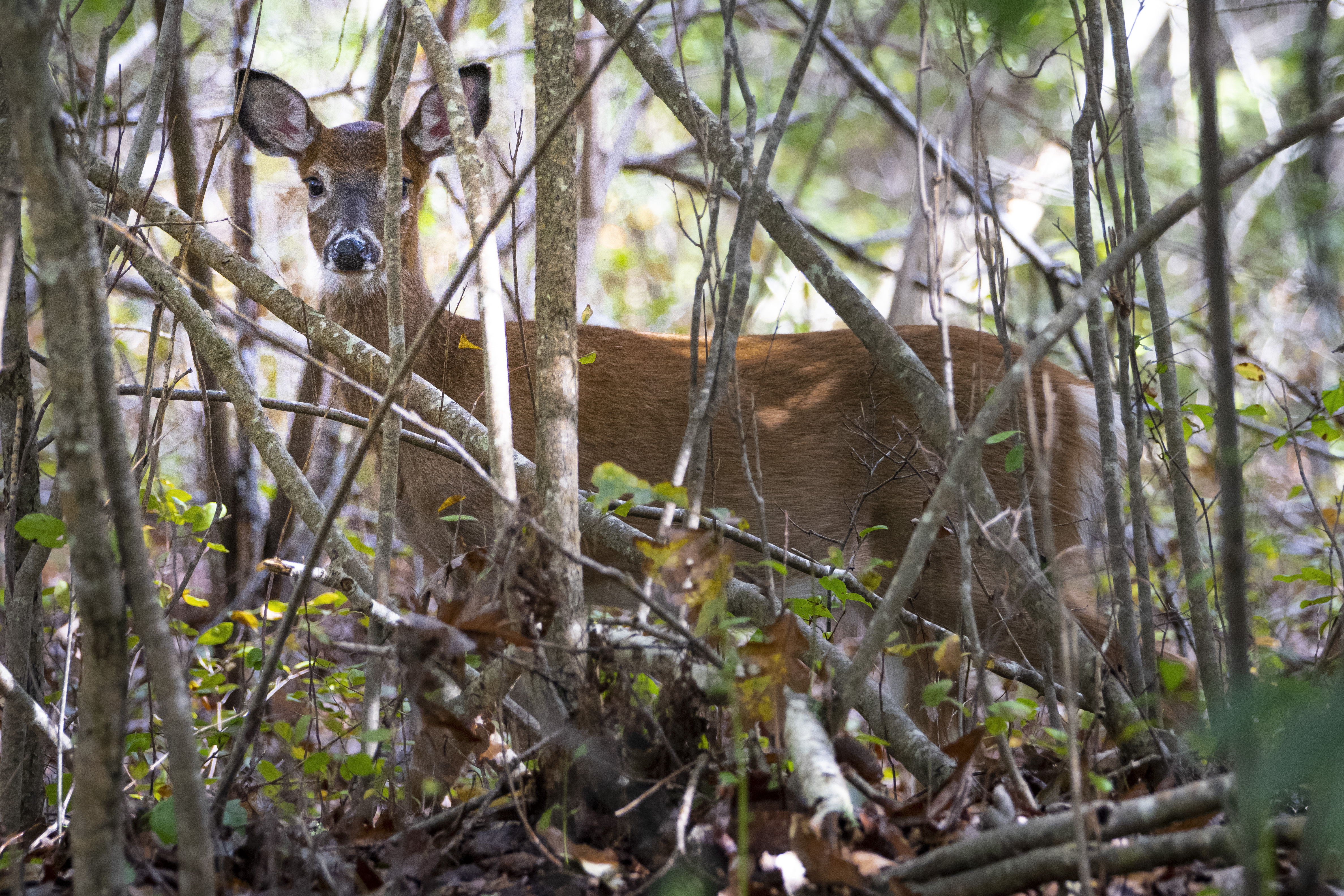
Tick biologist Richard Johnson said the best way to reduce the tick population is to reduce the deer population.  Credit: Tim Johnson

Lone Star Ticks Have Swarmed Aquinnah, Biologist Says

Aaron Wilson

Lone star ticks – and thousands of their larvae — have overrun the town of Aquinnah, biologist and tick expert Richard Johnson told Aquinnah selectmen at their meeting Wednesday, following reports that showed a high incidence of tick-borne disease in the town this year.

In a letter that went out last week, the town board of health reported 13 new cases of tick-borne illnesses since April of this year, including cases of Lyme disease, ehrlichiosis, babeosis and Rocky Mountain spotted fever. At the meeting, Mr. Johnson said he was in Aquinnah on Tuesday surveying yards for ticks and found lone star larvae in every location he visited.

(See link for article)

________________________

**Comment**

OK – this here should alarm us – an entomologist getting a daily call from folks discovering clusters of lone star ticks.

Although not known to carry Lyme, they can cause ehrlichiosis, Rocky Mountain spotted fever, as well as a red meat and or dairy allergy.

“I hope this isn’t the new normal but I fear that they’re exploding in numbers.”  Richard Johnson

Johnson also points out that unlike deer ticks, lone star larvae stay in groups of 2,000-8,000 until they are nymphs which means those who brush up  against a cluster could have hundreds to thousands attaching simultaneously.

The article mentions controlled burns for changing the habitat which could eradicate the ticks.  Please see:  https://madisonarealymesupportgroup.com/2019/07/18/frequent-prescribed-fires-can-reduce-risk-of-tick-borne-diseases  Burning works but it must be done repeatedly.

The article mentions using various birds to eat them, but the ticks also travel and feed on birds.

Johnson stated that the number one thing they can do is reduce the deer population.

Taking on Ticks: Some Lyme Disease Symptoms Can Be Mistaken for COVID-19

https://www.news4jax.com/health/2020/10/01/taking-on-ticks-some-lyme-disease-symptoms-can-be-mistaken-for-covid-19/  News Video Here

Taking on Ticks: Some Lyme disease symptoms can be mistaken for COVID-19

Fever, chills, shortness of breath, fatigue, muscle aches, body aches, headaches, nausea, vomiting — sounds like the symptoms of COVID. But actually, it’s Lyme disease.

And this year is expected to be an exceptionally bad year for ticks. In fact, because more people are spending time outdoors and in the wilderness, due to the pandemic, experts fear more people will come down with Lyme disease. (See link for article)

________________________

**Comment**

The article discusses Olivia Goodreau’s story. Barely able to walk, she saw 51 doctors before she was diagnosed.  She also never saw the tick or the rash, and ONE tick bite caused  5 other diseases.

Mainstream medicine STILL hasn’t embraced these facts that are more common than not.

Key quote:  

“You have migratory muscle pain or migratory nerve pain, tingling, numbness, burning, stabbing. That is the hallmark of Lyme,” said Dr. Richard Horowitz, a board-certified internist at Hudson Valley Healing Arts Center.

Despite increasing stories like this one and worse, hit pieces continue to pour forth denying the severity of the disease and maligning doctors who take a different approach:  https://www.businessinsider.in/science/health/news/reckless-lyme-disease-treatments-are-injuring-and-killing-patients-as-alternative-doctors-get-certified-to-treat-the-illness-report-finds

Do not kid yourself.  There is a political war that’s been going on for over 40 years regarding Lyme/MSIDS.  These public health ‘authorities’ are increasingly coming underwire for conflicts of interest and actual scientific fraud.  They are squirming in their seats.  I was not surprised to see the recent article that again regurgitated the 5 cases of IV antibiotic treatment for Lyme, published in the MMWR, that had poor outcomes. The CDC has a long and sordid history of maligning anything that competes with their lucrative interests:  .https://madisonarealymesupportgroup.com/2020/04/26/cdc-playbook-learning-from-lyme/

Regarding the 5 cases which were cherry-picked, it was discovered that one of the authors, a CDC epidemiologist, allegedly solicited IDSA doctors for evidence of harm from IV antibiotic treatments, essentially bribing them by offering co-authorship of the report if anecdotes were used. No such solicitation was made for IV treatment success stories – showing complete bias.  There has been hot debate on Lyme treatments for decades. The MMWR paper is only one example of bias which is embedded within the CDC. There are many success stories using IV therapy by a Wisconsin Doctor and IDSA founder who disagreed with his colleagues on how to treat Lyme disease.

The article then drags Dr. Sponaugle through the mud, insinuating that he caused a recent death of a patient because he was “previously flagged for Lyme disease-related malpractice in 2014.”

Again, I write about this common crucifixion of Lyme literate doctors here:  https://madisonarealymesupportgroup.com/2020/04/26/cdc-playbook-learning-from-lyme/

What you must understand is the CDC is a bully and can not and will not have opposition, so they do all in their power to dictate clearly to other doctors the accepted narrative by their draconian “guidelines” and making examples out of those who dare to draw outside the lines (investigations, hefty fines, medical license expulsion and loss of revenue and reputation).  These are not idle threats and have been used over and over worldwide.

Center for Courageous Kids Partners With Avril Lavigne Foundation

https://www.wnky.com/center-for-courageous-kids-partners-with-avril-lavigne-foundation/

Center for Courageous Kids partners with Avril Lavigne Foundation

SCOTTSVILLE, Ky. – The Center for Courageous Kids, the 168-acre not-for-profit medical camp facility located in Scottsville, which enhances the lives of seriously ill children at no cost, is partnering with The Avril Lavigne Foundation to continue their joint effort to help protect campers from Lyme disease. A 30-second promotional commercial spot featuring The Center for Courageous Kids will premiere during pop-rock icon Avril Lavigne’s one-of-a-kind livestream benefit concert on Oct. 24, 2020 at 7 p.m.  (See link for article)

____________________

**Comment**

In 2019 the camp received a grant from The Avril Lavigne Foundation for tick prevention.  This was the first season without any tick bites!

Now that is something to celebrate

For more:  https://madisonarealymesupportgroup.com/2019/04/12/tick-prevention-2019/

https://madisonarealymesupportgroup.com/2020/07/20/ticks-lyme-disease-information-for-families/

Tick-Borne Disease Warning Signs in State Parks – Wisconsin Mentioned

https://astho.org/StatePublicHealth/Tick-Borne-Disease-Warning-Signs-in-State-Parks/10-01-20/

Tick-Borne Disease Warning Signs in State Parks

iu-11

https://www.campgroundsigns.com/tick-warning-signs

October 01, 2020|3:57 p.m.| ASTHO Staff

Incidences of tick-borne disease are on the rise, according to the CDC. In 2018, state and local health departments reported about 47,000 cases of tick-borne disease to CDC, 33,000 of which were Lyme disease. According to CDC, state health departments report 30,000 Lyme disease cases each year. However, tick-borne diseases are considered very underreported as recent estimates suggest that approximately 300,000 people contract Lyme disease annually.

Though late spring and summer is considered “tick season,” ticks are still a threat in the fall as many areas of the country continue to see temperatures that ticks can thrive later and later in the year, and as people continue to get outdoors and enjoy their state parks.

Unlike in the case of mosquito-borne disease, where chemical control methods such as adulticiding and larviciding are often used, public health relies on outreach and education for reducing an individual’s exposure to ticks and tick bites. To combat this, some state legislatures are directing state agencies to develop public outreach for preventing tick-borne disease, including signage and communication materials for the public. Below is a look at existing state laws and proposed bills that were introduced or enacted in the past year and a half to determine the legislative landscape around tick-borne disease signage requirements or printed materials in state parks.

Since 2019, three states have introduced legislation requiring state parks to feature warning signage or printed materials on tick-borne diseases at their parks, campgrounds, or other recreation areas. Two states (New York and Wisconsin) have enacted laws surrounding tick-borne disease information signs at state parks since 2019. Wisconsin considered a second bill addressing the state’s Department of Natural Resources’s efforts to raise awareness about Lyme disease. Michigan also introduced a bill in 2019 requiring the installation of signage at state park entrances warning of ticks and tick-borne illnesses.

New York state enacted companion bills in August 2019 requiring its office of Parks, Recreation, and Historic Preservation to install Lyme and tick-borne disease warning signs at all state-managed parks, including trail entryways and campgrounds. Assembly Bill A 6752 and Senate Bill S4355 directs the Preservation to conduct an assessment of state parks to determine the best spots to install signage warning the public about Lyme and other tick-borne infections.

Wisconsin enacted a bill in January directing the Department of Natural Resources—along with the Department of Health Services—to design signs in each state park, trail, and recreation area that will raise awareness on Lyme disease, how to avoid tick bites, and encouraging the public to check for bites after each visit. Wisconsin also considered a bill directing each state park that produces its own brochure to also include information on Lyme disease, how to prevent tick bites, and encouraging visitor to check for ticks after visiting. The bill also calls on the Department of Natural Resources to conduct a Lyme disease awareness campaign during the month of May, in connection with Lyme Disease Awareness Month. If enacted, the campaign would have used a combination of digital platforms, including the department’s website, social media, digital newsletters, and print platforms, including the Wisconsin Natural Resources Magazine.

Michigan is considering a bill that would amend the Natural Resources and Environmental Protection Act. House Bill 4659 would add a section requiring the Department of Natural Resources to install and maintain signs warning the public about the presence of ticks and the threats of tick-borne diseases at each state park entrances, state park and state forest campgrounds, and access points to state trails. The bill defines “state trail” as a right-of-way owned or operated by the department and adapted to hiking, horseback riding, cross country skiing, bicycling, or snowmobile or off-road vehicle use.

Developing and posting signage and communication materials is a low-cost approach to inform the public about potential risks of tick bites, as well as strategies to prevent exposure to ticks. While park services may be hesitant to develop these materials due to a potential reduction in the number of visitors, equipping the public with information about timely prevention strategies and empowering the public to make informed decisions about risks may increase comfort and trust in the park service overall. This is especially important, since public warning and education is the strongest defense against tick-borne diseases.

ASTHO will continue to monitor legislative and executive activity to protect and educate the public on tick-borne diseases.


Courtney Youngbar is a senior analyst of environmental health at ASTHO
Kathy Dolan is the director of environmental health at ASTHO

____________________

For more:  https://madisonarealymesupportgroup.com/2020/01/31/tony-evers-signs-two-lyme-bills/

https://madisonarealymesupportgroup.com/2019/06/01/news-story-update-lawmakers-introduce-package-of-bills-aimed-at-lyme-awareness-in-wisconsin/

https://madisonarealymesupportgroup.com/2019/05/30/tick-prevention-lyme-disease-awareness-are-goals-of-new-bills-wisconsin-has-fallen-behind/

https://madisonarealymesupportgroup.com/2019/05/30/newscasts-on-proposed-lyme-bills-tonight-at-6-9-pm-wisconsin/

https://madisonarealymesupportgroup.com/2020/02/27/wisconsin-assembly-passes-lyme-disease-brochure-bill/

https://madisonarealymesupportgroup.com/2019/11/01/update-on-wisconsin-lyme-bills-please-contact-your-representative-on-ab-313/