Archive for the ‘Testing’ Category

Stealth Infections & Their Detection

Dr.-Schwarzbach-Stealth-Infections-and-their-Detection (1)  pdf here

iu-105

Armin Schwarzbach PhD

Medical doctor and Specialist for Laboratory Medicine

Augsburg, Germany

AONM Annual Conference London, November 19th 2017

______________________

**Comment**

Excellent presentation on the following stealth pathogens:

  • Mycoplasma
  • Bartonella
  • Babesia
  • Ehrlichia/Anaplasma
  • Chlamydia pneumoniae
  • Yersinia
  • Coxsackie viruses (B1, A7, A16) and many others 
  • Borrelia burgdorferi , in all its forms

While Dr. Schwarzbach wants to blame “ecosystem disruption” for the mess we are in, I think it more likely to be due to laboratory experimentation/manipulation (bioweaponization), dropping ticks from airplanes, and migratory birds and animals transporting ticks far and wide:

https://madisonarealymesupportgroup.com/2020/09/25/why-should-we-care-about-lyme-disease-a-colorful-tale-of-government-conflicts-of-interest-probable-bioweaponization-and-pathogen-complexity/

Alpha-gal Syndrome – Symptoms, Diagnosis, & Treatment

https://www.lymedisease.org/alpha-gal-syndrome/

There is growing evidence that certain types of tick bites can trigger alpha-gal syndrome (AGS) a life-threatening allergy to red meat and meat-related products.

In some individuals, it appears tick bites can result in the sensitization to a carbohydrate known as galactose-alpha-1,3-galactose, or “alpha-gal” for short. This sugar molecule is found in most mammals you might be likely to eat, but not in fish or fowl.

Most recognized food allergies, such as to peanuts or shellfish, will prompt an immediate reaction after being consumed. That’s not the case with AGS, however, which can take up to eight hours (or even more) after exposure to produce a reaction.

Note: exposure to alpha-gal via inhalation, injected drugs or vaccines can cause an immediate reaction.

Alpha-gal syndrome - meats that contain alpha-gal

Examples of commonly consumed mammalian meats that contain alpha-gal include beef, pork, lamb, goat, venison and buffalo. Common foods that are derived from mammals include lard, milk, cream, ice cream, and cheese—although the majority of AGS patients do tolerate dairy products.

Personal products that use ingredients containing “hydrolyzed protein” (gelatin), lanolin, glycerin, collagen, or tallow are particularly problematic.

Additional products that can bring on an alpha-gal reaction are jello, gelatin capsules, certain medications, pig or cow heart valves, surgical mesh, certain vaccines and unlabeled “natural flavorings” in foods.

Some people with AGS also react to carrageenan, a common food additive made from red algae, which also contains alpha-gal. (So even being strictly vegan won’t necessarily protect you from AGS reactions.)

How are ticks involved in alpha-gal syndrome?

Alpha-gal meat allergy has been reported all over the world including Asia, Australia, Central America, Europe, Germany, Japan, South Korea, and the United States.

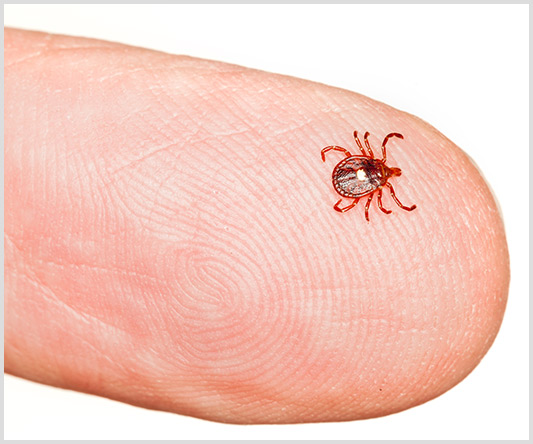
The tick species most often associated with Alpha-gal syndrome is the lone star tick

In the U.S., the tick species most often associated with AGS is the lone star tick (Amblyomma americanum) found throughout the South, East and parts of the Midwest. Recent research suggests that the blacklegged tick (Ixodes scapularis and Ixodes pacificus) may also be implicated in alpha-gal syndrome.

The Asian longhorned tick (Haemaphysalis longicornis), the primary trigger of AGS in Asia, has shown up in the US recently, but has yet to be implicated in AGS here. The Cayenne tick (Amblyomma cajennese) found in southern Texas and Florida has also been linked to AGS in Central America, but not yet in the U.S.

While no known pathogen has been linked to triggering AGS, more research is needed to understand the mechanism and the role that ticks play. Currently the thought is that the tick saliva plays a role in activating the allergy to alpha-gal.

Who’s at risk for AGS?

Alpha-gal syndrome is a much more common allergy in the U.S. today than it was a decade ago, with the number of laboratory-confirmed cases growing from 12 in 2009 to over 34,000 in 2019. Unfortunately, AGS has no insurance billing code (ICD code), nor is it a reportable illness to the CDC.

Experts agree alpha-gal syndrome is under-reported in geographic areas where tick bites are common.

Alpha-gal syndrome Lone Star Tick in the United States

Surveillance for IgE to alpha-gal. Percent positive rates are presented for IgE to alpha-gal within each of six regions in the United States, 2012-2013 (7300 samples). Diagonal white lines on the map represent the known geographic distribution of the lone star tick (Data and map, Viracor-IBT Laboratories; Tick Distribution, CDC).

For now, the biggest risk factor for AGS appears to be repeated bites by ticks that contain alpha-gal in their saliva and salivary glands. It is not understood why, but not everyone who is bitten by a tick containing alpha-gal will develop AGS.

While both children and adults can acquire AGS, most cases have been reported in adults.

Certainly, if a patient with recent tick exposure presents with sudden onset anaphylaxis and recurrent gastrointestinal symptoms, AGS should be considered.

Alpha-gal syndrome is a much more common allergy in the U.S. today than it was a decade ago, with the number of laboratory-confirmed cases growing from 12 in 2009 to over 34,000 in 2019.

What are the symptoms of alpha-gal syndrome?

The symptoms of alpha-gal syndrome are often delayed, making it much harder to pinpoint the trigger. Someone may wake up at 3 o’clock in the morning in the throes of serious allergic reaction, and have no idea it was brought on by a hamburger they ate the night before.

Symptoms can range from itching and stomach upset to breathing difficulty and full anaphylaxis. AGS reactions often start with itching of the palms of hands and soles of feet.

Common symptoms of AGS include:

  • 90% have skin symptoms: itching “pruritus,” flushing “erythema,” hives “urticaria” (swollen, pale red bumps or “wheals” on the skin), angioedema (swelling in deep layers below the skin)
  • 60% develop anaphylaxis (a potentially deadly reaction that can restrict breathing)
  • 60% have gastrointestinal symptoms (abdominal pain, diarrhea, acid reflux, cramping, vomiting)
  • 30-40% experience cardiac symptoms: rapid decrease in blood pressure (hypotension, POTS); palpitations (atypical chest symptoms)
  • 30-40% experience respiratory symptoms (wheezing, coughing, shortness of breath)
  • 20% of patients will have GI symptoms alone (may present like irritable bowel syndrome)
  • 3-5% develop mast cell activation syndrome
  • arthritis (rare)
  • mouth swelling, sores (rare)

How is AGS diagnosed?

If you experience symptoms after eating mammalian meat products, immediately notify your primary care physician or allergist. Unlike most tick-borne pathogens, the onset of AGS usually takes at least 4-6 weeks from the time of the tick bite. Complicating things further, about a third of patients do not recall a tick bite.

Your doctor should be able to determine if you have AGS based upon your clinical symptoms and a positive blood test: immunoglobulin E (IgE) to the oligosaccharide glactose-alpha-1,3 galactose (alpha-gal.)

In the U.S., Viracor is the main laboratory for AGS testing. The Viracor “specific IgE galactose-alpha-1,3-galactose” test can be taken at most commercial laboratories like Labcorp and Quest and shipped to Viracor.

Warning: The test for alpha-gal is often mistaken for “alpha-galactosidase” or “a-galactosidase A deficiency”—note these are the wrong tests! Because the test is so new, it is recommended to take the proper testing codes with you to the doctor and the laboratory. Click here to download and print a PDF on the proper testing codes for alpha-gal syndrome.

How is Alpha-gal syndrome treated?

There are currently no U.S. FDA-approved medications for the treatment of AGS. As with most allergies, the mainstay of management is avoidance of the allergen. Therefore, the best practice is to avoid exposure to:

  1. Mammalian meats
  2. Personal products containing mammalian derivatives
  3. Medical products containing mammalian proteins, derivatives or parts
  4. Medications containing mammalian proteins or derivatives

Knowing you must avoid mammalian products is only half the battle, as these products have worked their way into nearly every level of our modern life.

For instance, gelatin is the main ingredient of jellybeans, candy corn, marshmallows, puddings and the capsules of many medications. Chicken and turkey sausages may be stuffed in pork casings, lard (rendered pork fat) is found in many pre-made gravies, sauces, soups, candies, chips, fries, and more.

As with all serious allergies, it is important to have the proper diagnosis and be prepared with how to respond in the event of an emergency. Most allergists will recommend wearing a medical alert bracelet and carrying an EpiPen and an antihistamine with you at all times.

Avoiding alpha-gal hidden components

Mammalian proteins and parts can be found in many medications and medical products. . Because the source of many ingredients is not listed on product labels, your pharmacist may need to contact the manufacturer. Have your pharmacist ask specifically if it contains galactose-alpha-1,3-galactose, alpha-gal, mammalian meat, or any animal by-products.

Common sources of alpha-gal include:

  1. heart valve replacement derived from pig or cow,
  2. monoclonal antibodies (cetuximab)
  3. vaccines (zostavax, MMR and some flu),
  4. pancreatic enzyme replacement therapy,
  5. thyroid hormone replacement,
  6. fillers in medications (magnesium stearate, stearic acid, lactic acid, glycerin, gelatin, lactose)
  7. antivenom,
  8. protein powders,
  9. vaginal capsules
  10. heparin

Alpha-gal & co-infections

Ticks that carry alpha-gal are known to carry many other pathogens that can be simultaneously transmitted to humans. It is possible to acquire any of these other tick transmitted diseases and also have alpha-gal syndrome. It is also possible to have AGS alone.

Ticks that carry alpha-gal are known to carry many other pathogens

The lone star tick, the primary source of AGS in the U.S., is known to transmit the following diseases:

  • human monocytotropic ehrlichiosis (HME)
  • ehrlichiosis (Ehrlichia chaffeensis, Ehrlichia ewingii, and Panola Mountain ehrlichia)
  • Rocky Mountain spotted fever (RMSF)
  • tularemia (Francisella tularensis)
  • Heartland virus
  • Bourbon virus
  • Q fever
  • tick paralysis
  • STARI, an illness similar to Lyme disease, caused Borrelia lonestari
With alpha-gal recently discovered in blacklegged ticks, we may also begin to see an increase in AGS in patients with Lyme disease, anaplasmosis, babesiosis, ehrlichiosis, relapsing fever borreliosis, Powassan virus disease, and other diseases transmitted by these ticks.

How to prevent alpha-gal syndrome

For now, the best way to avoid getting AGS is to avoid tick bites. This means wearing tick repellent when working, hiking or playing in grassy or wooded areas where ticks are found. Protecting your pets and doing thorough tick checks after being outdoors is helpful.

If you are bitten by a tick, we suggest following these eight steps.

What to do if you have alpha-gal syndrome?

Learning you have an allergy to all mammalian products can be overwhelming. Because this is such a newly discovered condition there are few resources available.

When it comes to making medical decisions, it’s important to have a knowledgeable provider who understands the risks versus benefits of certain medications and procedures. Vaccines that contain gelatin are one of the riskier products, but if you need a rabies shot, for instance, your doctor may determine the benefits outweigh the risks and take the necessary steps to mitigate the adverse effects.

To learn more about the history, symptoms and how to diagnose alpha-gal syndrome listen to this interview with Dr. Scott Commins, of the University of North Carolina.

Additional help can be found at:

References:

  1. CDC | Alpha-gal allergy
  2. HHS | Alpha-Gal Syndrome Subcommittee Report to the Tick-Borne Disease Working Group
  3. Commins SP, Satinover SM, Hosen J, Mozena J, Borish L, Lewis BD, Woodfolk JA, Platts-Mills TA. (2009) Delayed anaphylaxis, angioedema, or urticaria after consumption of red meat in patients with IgE antibodies specific for galactose-alpha-1,3-galactose. J. Allergy and Clin Immunol 123(2):426-33. doi: 10.1016/j.jaci.2008.10.052.
  4. Commins, S. P., James, H. R., Kelly, L. A., Pochan, S. L., Workman, L. J., Perzanowski, M. S., Kocan, K. M., Fahy, J. V., Nganga, L. W., Ronmark, E., Cooper, P. J., & Platts-Mills, T. A. (2011). The relevance of tick bites to the production of IgE antibodies to the mammalian oligosaccharide galactose-α-1,3-galactose. J. Allergy and Clin Immunol, 127(5), 1286–93.e6. DOI: https://doi.org/10.1016/j.jaci.2011.02.019
  5. Commins SP (2020) Diagnosis & management of alpha-gal syndrome: lessons from 2,500 patients, Expert Review of Clinical Immunology, 16:7, 667-677, DOI: 10.1080/1744666X.2020.1782745
  6. Fiocchi A, Restani P, Riva E, Qualizza R, Bruni P, Restelli AR, Galli CL. (1995)  Meat allergy: I–Specific IgE to BSA and OSA in atopic, beef sensitive children. J Am Coll Nutr. 14(3):239-44. doi: 10.1080/07315724.1995.10718502. PMID: 8586772.
  7. Hamsten C, Tran TAT, Starkhammar M, Brauner A, Commins SP, Platts-Mills TAE, van Hage M. (2013) Red meat allergy in Sweden: association with tick sensitization and B-negative blood groups. J. Allergy and Clin Immunol. 132(6):1431-1434. doi: 10.1016/j.jaci.2013.07.050. Epub 2013 Oct 4. PMID: 24094548; PMCID: PMC4036066.
  8. Kuehn BM. (2018) Tick Bite Linked to Red Meat Allergy. JAMA. 23;319(4):332. doi: 10.1001/jama.2017.20802. PMID: 29362779.
  9. Mullins RJ, James H, Platts-Mills TA, Commins S.(2012) Relationship between red meat allergy and sensitization to gelatin and galactose-α-1,3-galactose. J. Allergy and Clin Immunol. 129(5):1334-1342.e1. doi: 10.1016/j.jaci.2012.02.038. Epub 2012 Apr 3. PMID: 22480538; PMCID: PMC3340561.
  10. Platts-Mills, TAE, Schuyler, AJ,Commins,SP, et. al ( 2018) Characterizing the Geographic Distribution of the Alpha-gal Syndrome: Relevance to Lone Star Ticks (Amblyomma americanum) and Rickettsia. J. Allergy and Clinical Immun 141;2. DOI: https://doi.org/10.1016/j.jaci.2017.12.470
  11. Wilson JM, Schuyler AJ, Workman L, Gupta M, James HR, Posthumus J, McGowan EC, Commins SP, Platts-Mills TAE.  (2019) Investigation into the α-Gal Syndrome: Characteristics of 261 Children and Adults Reporting Red Meat Allergy. J. Allergy and Clin Immunol Pract. 7(7):2348-2358.e4. doi: 10.1016/j.jaip.2019.03.031.

Differentiating RA from Lyme, Sleep Meds, & CD-57 Test

https://globallymealliance.org/dear-lyme-warrior-help-6/

lyme warrior
 

by Jennifer Crystal

Every few months, Jennifer Crystal devotes a column to answering your questions. Do you have a question for Jennifer? If so, email her at lymewarriorjennifercrystal@gmail.com.

How do you differentiate rheumatoid arthritis (RA) from Lyme disease?

These two diagnoses are often mixed up, since symptoms are similar. A good Lyme Literate Medical Doctor (LLMD) should be able to distinguish Lyme from rheumatoid arthritis (RA) and other conditions that Lyme can mimic, such as Chronic Fatigue Syndrome, Multiple Sclerosis (MS), and lupus. They will run specialized tests for Lyme and other tick-borne diseases, and will be able to make a clinical diagnosis.

Though both Lyme and RA can cause joint inflammation and pain, the way this pain presents can help doctors distinguish between the two. Pain from RA tends to be symmetrical; a patient might experience it in both hands, both wrists, or both knees. Conversely, Lyme pain tends to be localized and/or migratory; a patient might only have pain in one wrist, or might have an aching left elbow one day and an inflamed right knee the next.

In his book Why Can’t I Get Better? Solving the Mystery of Lyme & Chronic Disease, Richard I. Horowitz, MD notes, “Rheumatoid arthritis can look a lot like Lyme disease. Like lupus, it is a chronic systemic inflammatory disease that primarily affects the joints, but it also may involve inflammation in tendons, ligaments, muscle, bone, and many organs in the body. To establish a diagnosis of rheumatoid arthritis, the joint score (counting and mapping the joints involved at each visit), the presence of synovitis (inflammation in the synovial membrane surrounding the joints), and the physical exam (range of motion, presence of increased fluid in the joints, nodules, and deviations in the joints) are the focus of the criteria. We can get signs of inflammation in both diseases (including positive ANAs and rheumatoid factors), but the presence of positive anti-CCP antibodies differentiates it from Lyme disease and is a more specific marker for true rheumatoid arthritis.”

In one of your articles, you mentioned that you take medication to help you sleep. I am worried about being on an addictive sleep medication. I am happy to be able to sleep through the night now, but I struggle with the knowledge that I’m on this drug. Any advice?

I had these exact same concerns when I first started taking sleep medication more than ten years ago. I didn’t want to be on an addictive medication; I worried about long-term effects; and I wanted to be able to sleep naturally. Luckily, my doctors gave me some good advice. My LLMD reminded me that without sleep, my body could not heal from Lyme disease, babesiosis, ehrlichiosis, and chronic Epstein-Barr virus. My sleep doctor told me that Western medicine is good for a crisis situation, while Eastern medicine is good for getting at the root cause of a medical issue; both are necessary for optimal health. At my worst points of illness, I had literally been awake for weeks. That was a crisis situation that required narcotic sleep medication.

After a short period, that medication helped restore my system to a point where I could sleep with a non-addictive sleep aid. If I hadn’t taken the narcotic—which I did not become addicted to, despite my worries—I might never have gotten to that point.

The sleep medication I still take is considered non-addictive, though I’m sure I wouldn’t sleep without it. I have been on it under close supervision from my doctor for over a decade, and we have not seen any issues. I have never increased my dose. Would it be nice to be able to sleep naturally? Sure. But I’d prefer to be able to sleep at all, and if that means taking a controlled medication, then that’s what my body needs to function. My doctor calls this effective use of medication, versus abuse.

In addition to medication, I also do neurofeedback, and practice good sleep hygiene: I keep the same sleep and wake times, I shut down screens and do quieter activities before sleep, I don’t read or watch TV in bed, I keep my room quiet and dark, and I nap in the early afternoon. If you’re following good sleep hygiene and following your doctor’s recommendations for safely using medication, I think you can rest easy.

Is the CD-57 test accurate?

The CD-57 test is a marker of natural killer cells and T lymphocytes. In layman’s terms, it is a way of measuring immune function against persistent conditions such as Lyme disease. The IGeneX lab website states, “In cases of chronic diseases, including Lyme disease, the number of CD57 NK cells has been shown to be below normal.” They also recognize, though, that “the utility of this test is controversial…This test measures only the CD57 NK cells and may be useful for patients with known Lyme disease who present with chronic symptoms. If the count is low, the cause of symptoms may be from Borrelia burgdorferi. If the count is normal, the cause may still be from Lyme disease, but it could also be due to some other agent.”

I’m not a medical practitioner and I can’t give medical advice, but I can tell you about my own experience with this test. When I was first sick, my doctor ran this test often, but he was afraid I was getting too connected to the results when the real marker of whether I was getting better was how I was feeling. Since then, we haven’t tested it that often, but we have used it at critical junctures as a way to corroborate clinical evidence of relapse. The first time I thought I was in remission, my CD57 was very low (16; below 60 is considered active infection), but I felt great. Just a few months later, I completely relapsed, after a perfect storm of stress factors and no antibiotic defense enabled spirochetes to flare. The low CD57 marker, then, should have forewarned me that my body was in danger of relapse.

A decade later, I experienced another flare up of symptoms that felt closer to relapse than I’d been in a long time. Again, my CD57 was low. After some tweaks to treatment and additional rest, I started to feel better, and the number came up. So in my experience, the CD57 test has been helpful, but it isn’t a tell-all; I would not recommend using it strictly as a diagnostic tool.

For more blogs, click here


jennifer crystal_2

Opinions expressed by contributors are their own.

Jennifer Crystal is a writer and educator in Boston. Her memoir about her medical journey is forthcoming. Contact her at lymewarriorjennifercrystal@gmail.com.

_____________________

For more on sleep:  

More on the CD-57 test:

Understanding Mycoplasma: Symptoms, Testing, & Treatment

https://rawlsmd.com/health-articles/mycoplasma-the-most-common-lyme-coinfection

Understanding Mycoplasma: Symptoms, Testing, and Treatment | RawlsMD

Mycoplasma: The #1 Lyme Coinfection + How to Outsmart It

by Dr. Bill Rawls
Updated 12/9/20

Mycoplasma is the stealthiest of all stealth microbes. It may be a major player in many chronic diseases associated with aging, but remarkably, most people — including most doctors — have limited awareness of it.

If you have Lyme disease, fibromyalgia, chronic fatigue syndrome, autoimmune disease, or possibly any other chronic illness, however, mycoplasma is a microbe you should know about.

Mycoplasma: The Master Manipulator

Mycoplasma is a parasite, meaning it can’t live without a host. And it’s the smallest of all bacteria: 4,000 of them can fit inside a single red blood cell in your body. By comparison, only 10-15 average-sized bacteria would fit in the same cell.

Unlike other bacteria, mycoplasmas don’t have a protective cell wall, creating an interesting survival strategy: They can shape-shift and fit into areas where other bacteria can’t go. For example, it also allows them to slip inside cells of the host. The lack of a cell wall makes mycoplasma resistant to some commonly prescribed classes of antibiotics like penicillins, which normally work by interrupting a bacteria’s cell wall so that when the bacteria divides, it falls apart.

More than 200 known types of mycoplasma (and probably many yet to be discovered) can infect animals and plants. There are at least 23 different varieties of mycoplasma that can infect humans. A few of them are considered harmless normal flora, but most have the potential to cause disease.

image split in three: tick, flea, and mosquito

Mycoplasma is spread by biting insects (ticks, mosquitoes, fleas, biting flies), sexual contact, contaminated food, and airborne droplets. Most everyone has been exposed to some form of mycoplasma. Several mycoplasma species have been closely associated with many chronic degenerative diseases like multiple sclerosis and Alzheimer’s disease, according to publications like the International Reviews of Immunology and the British Journal of Medical Practitioners, respectively.

Even beyond its tiny size, shape-shifting qualities, and proliferous nature, mycoplasma is a master at manipulating and outmaneuvering the host’s immune system. Half of its genetic makeup is devoted to that exclusive purpose.

While it has little ability to cause direct harm, it can use the host’s immune function to its advantage: Mycoplasma generates chronic low-grade inflammation and steals vital nutrients from the body.

In fact, everything that this stealthy microbe needs for survival — vitamins, minerals, fats, carbohydrates, and amino acids — must be scavenged from the host; it makes nothing itself. Mitochondria, which are the energy powerhouses of cells, are prime targets to sustain the microorganism, which helps explain why fatigue is always a factor in mycoplasma infections.

Mycoplasma favors infecting the cells of tissues that line different areas of the body. Common sites of infection include:

  • Nasal passages
  • Sinuses
  • Lungs
  • Lining of the intestinal tract
  • Genital tract
  • Vesicles inside the brain
  • Synovial lining of joints

They also commonly infect white blood cells, red blood cells, and brain tissue. Different mycoplasma has a preference for certain tissues, but all mycoplasma species possess the ability to infect any type of tissue and all organ systems.

The most common mycoplasma, Mycoplasma pneumoniae, has a preference for lung tissue. Initial infection with M. pneumoniae typically causes pharyngitis (sore throat), cough, fever, headache, malaise, runny nose — all the common symptoms of a basic upper respiratory infection.

man wrapped in blanket, coughing

If the person’s immune system is not full strength, the infection can progress to bronchitis and even pneumonia (about 20% of pneumonias). The type of pneumonia caused by mycoplasma, often called “walking pneumonia,” is rarely severe enough to result in hospitalization, though it can drag on for weeks or even months.

But even when those respiratory symptoms are cleared, it may not be the end of the story. That’s because after mycoplasma enters the body, it also infects white blood cells. And once inside a white blood cell, it can be carried to all parts of the body, infecting tissues and organs.

The potential for widespread infection is very much influenced by the status of the host’s immune function. If immune function is optimal, the microbe is contained after the initial infection, and no long-term harm occurs. Approximately 30-70% of people carry at least one species of mycoplasma without having symptoms. It essentially becomes like normal flora of the microbiome, which are the non-threatening microbes found on the skin, in the gut, and body cavities.

But most mycoplasma species aren’t normal flora, and they are just waiting for an opportunity to gain a foothold. If immune function slips for whatever reason, chronic, systemic infection becomes possible. Mycoplasma begins stealing vital nutrients and causing a wide range of symptoms that are unrelated to the initial infection. The general breakdown of tissues by stealth microbes like mycoplasma accelerates the aging process and is likely a primary factor in many, if not most, chronic degenerative diseases.

Stealth Characteristics of Mycoplasma

Stealth microbes are a stronger force together than when alone. In other words, mycoplasma may not be a problem unless another stealth microbe (or microbes) is present. Lyme disease may be a good example of this phenomenon.

image split in half: borrelia and mycoplasma

Mycoplasma is a common Lyme coinfection: It’s present in 75% or more of Lyme disease cases. Mycoplasma is known to be carried and spread by ticks, but it is also possible that mycoplasma is already present in the body when a bite from a tickcarrying borrelia — the primary bacteria associated with Lyme — occurs.

Immune dysfunction caused by the new tick-borne infection or possible other coinfection allows mycoplasma to proliferate and cause multi-systemic symptoms throughout the body. Many symptoms that occur in Lyme disease can be caused by mycoplasma, too.

Body Systems Affected by Chronic Mycoplasma

woman in bed, face in hand, tired

Mycoplasma infection may be localized to certain areas of the body (such as the lungs), or it can be more widespread and systemic. Parts of the body where symptoms can manifest include:

  • Joints: Mycoplasma commonly infects the synovial lining of joints, the lining protecting the joints. Ninety percent of people with rheumatoid arthritis test positive for mycoplasma in the synovial fluid.
  • Muscles: Muscle pain from breakdown of muscle fibers is common with systemic mycoplasma infection.
  • Heart: Mycoplasma can lead to inflammation of the heart, such as endocarditis, myocarditis, pericarditis.
  • Nerves: Mycoplasma scavenges fats from the myelin sheath covering nerve tissue. Not surprisingly, mycoplasma (and other microbes, including chlamydiaand borrelia) has been linked to multiple sclerosis and other neurodegenerative diseases, including ALS (Mycoplasma fermentans is most common) and Parkinson’s disease.

    Nerve involvement can be associated with neuropathic pain like burning and tingling in the hands and feet. Brain inflammation, contributing to insomnia, brain fog, depression, and anxiety, is common with systemic mycoplasma infection.

  • Immune system: Mycoplasma is a top candidate for explaining autoimmunity; it stimulates host self-damage, and it can live inside cells while simultaneously turning off the ability of the immune system to recognize the cell as abnormal.
  • Lungs: Mycoplasma in the lungs contributes to respiratory symptoms like sore throat, cough, fever, headache, malaise, runny nose, bronchitis, and pneumonia.
  • Digestive tract: Intestinal mycoplasma infection destroys villi — fingerlike projections in the small intestine that aid food absorption — and compromises the intestinal barrier. This allows accelerated damage by lectins in grains (especially wheat), beans, soy, nightshade vegetables, and dairy.

    Mycoplasma may contribute to leaky gut, or increased intestinal permeability. Severe mycoplasma intestinal infection can lead to nutritional deficiencies and weight loss. Infection of the gastric mucosa (stomach lining) can cause chronic gastritis with nausea and stomach discomfort.

  • Ears: Mycoplasma infection has been associated with hearing loss and ringing in the ears.
  • Eyes: The eyes may be impacted by mycoplasma with such issues as conjunctivitis, eye swelling, and vision loss.
  • Reproductive system: Research suggests mycoplasma has been found in ovarian cancer tissue. It may also contribute to interstitial cystitis, a bladder condition marked by severe pain and urinary frequency.
  • Blood: Mycoplasma has been found in the bone marrow of children with leukemia.

Diagnosing Mycoplasma and the Limitations of Testing

When it comes to testing, PCR (polymerase chain reaction) is the most accurate method for testing mycoplasma. It’s cost-effective and evaluates for the presence of mycoplasma’s genetic material, a test that’s easy, sensitive, and quick test to obtain at most laboratories.

However, PCR testing has limits because it only tests for a handful of mycoplasma species and primarily focuses on diagnosing acute respiratory or genital mycoplasma infections — not chronic, low-grade infections.

Female forensic technician collecting biological specimen in DNA

Another problem with diagnosing mycoplasma is that conventional science does not recognize chronic mycoplasma infections as being significant. Even though mycoplasma is commonly found in association with chronic degenerative diseases, it’s also found in one-third to two-thirds of any population without causing symptoms. In other words, it is assumed that mycoplasma just happens to be there but isn’t really a contributing factor in disease.

This type of thinking is simply a reflection of not understanding how stealth microbes operate. Mycoplasma does not cause disease unless it has an opportunity to do so. Individuals with a healthy immune system can harbor mycoplasma and suffer few ill effects. If immune function is disrupted by environmental factors or a coinfection with other stealth microbes, however, mycoplasma can definitely contribute to chronic disease.

When testing for mycoplasma, it is best to order a complete PCR mycoplasma panel, which will include:

  • M. fermentans
  • M. genitalium
  • M. hominis
  • M. penetrans
  • M. pneumoniae
  • M. synoviae
  • Ureaplasma urealyticum

But these are only the commonly-known species of mycoplasma; other lesser-known species could also be present.

Another problem with testing is that other stealth microbes can be associated with chronic infections with similar symptoms of mycoplasma infection, adding confusion to the clinical picture of what’s making a person ill. The list of knowns includes:

  • Yersinia enterocolitica
  • Chlamydophila pneumoniae
  • Chlamydia trachomatis
  • Campylobacter jejuni
  • Babesia
  • Bartonella
  • Ehrlichia
  • Anaplasma

Laboratories that test for mycoplasma include Medical Diagnostic Laboratories (MDL)and Armin Labs. Your healthcare provider may have additional recommendations for you.

But complete testing for the full range of all stealth microbes can cost hundreds or even thousands of dollars. Possibly the best course of action is assuming mycoplasma and other stealth microbes are there.

Stealth microbes only cause problems when immune function is suppressed. Addressing the causes of the underlying chronic immune dysfunction that allowed mycoplasma to flourish in the first place is the most effective solution for overcoming chronic infections.

Conventional Medical Solutions

The nature of mycoplasma makes it very resistant to conventional therapies. Many antibiotics target cell walls; since mycoplasma doesn’t have one, several classes of antibiotics are ineffective against the microbe. Some other antibiotics (doxycycline, erythromycin, clarithromycin, or azithromycin), block internal functions of bacteria and have some activity against mycoplasma, but activity is limited by the fact that mycoplasma bacteria only live inside cells where antibiotics have minimal penetration.

When it comes to chronic mycoplasma infections, the best approach is supporting the body’s natural healing potential.

Natural Solutions for Mycoplasma

Natural herbal therapy is the best therapeutic alternative for chronic mycoplasma. Herbs (especially medicinal mushrooms) work by:

  • Suppressing cytokine cascades
  • Reducing inflammation
  • Restoring normal immune function
  • Suppressing a wide range of covert pathogens

Consider the following herbs to get you started:

Cordyceps mushroom

Cordyceps (Cordyceps sinensis)

Native to Tibet, cordyceps is a medicinal mushroom that reduces cytokines and normalizes immune system functions. It is highly protective of cells, which reduces invasion by microbes.

Suggested dosage: 1-3 grams (1,000-3,000 mg) of whole mushroom cordyceps powder or 400-800 mg extract (standardized to >7% cordyceptic acid is preferred) two to three times daily.

Side effects: Mild nausea can occur, but in general, side effects are rare, even with higher doses. Allergic reactions are rare.

Chinese Skullcap purple flowers

Chinese Skullcap (Scutellaria baicalensis)

When combined with other herbs, Chinese skullcap has potent synergist properties. Additionally, it has strong antimicrobial and immunomodulating properties that are beneficial for suppressing mycoplasma and protecting tissues and organs infected with the microbe.

Suggested dosage: 400-1,000 mg two to three times daily. Root extract standardized to >30% baicalin is preferred. Note: American skullcap does not offer the same antimicrobial properties and should not be substituted.

Side effects: Gastrointestinal upset can occur, but side effects tend to be rare, even at high doses.

white Bidens flowers

Bidens (Bidens pilosa)

The herb offers potent antimicrobial and anti-inflammatory properties against mycoplasma, affecting mucous membranes of the body.

Suggested dosage: Bidens is most potent when prepared as an alcohol tincture. The dose may vary depending on the company, but tinctures are an excellent way to begin at a low dose and increase drops as tolerated.

Side effects: Some plants can be contaminated with heavy metals, so make sure you purchase the product from a reputable company that takes steps to minimize exposure. You should not take this plant if you are diabetic, as it can cause fluctuations in blood glucose or insulin levels.

Houttuynia white flower

Houttuynia (Houttuynia cordata)

Native to India and Nepal, houttuynia is a potent antiviral with activity also against mycoplasma.

Suggested dosage: The dose may vary depending on a company’s preparations.

Side effects: The herb can have a fishy smell but is otherwise well tolerated.

budding Anamu stem

Anamu (Petiveria alliacea)

Found in tropical, Amazonian regions of Central and South America, anamu offers excellent antimicrobial coverage for mycoplasma.

Suggested dosage: The daily dose of powdered herb is 1,000-2,000 mg twice daily.

Side effects: Note that anamu will give urine and feces a strong garlic-like odor. Generally, the herb is safe and well-tolerated, but it should be avoided in pregnancy.

Mullaca leaf berry

Mullaca (Physalis angulata)

Mullaca is another Amazonian herb with antimicrobial qualities to fight mycoplasma, and it works well as a complement to anamu. It can be found online as a loose powder (add it to smoothies or make your own capsules) or a tincture.

Suggested dosage: The daily dose for powdered herb is 1,000-2,000 mg twice daily.

Side effects: The herb is generally regarded as safe, however, it should be avoided during pregnancy or breastfeeding.

The Bottom Line

In addition to herbal therapy, the optimal path to recovery from chronic mycoplasma involves eliminating artificially-processed foods in favor of whole, nutrient-dense meals, reducing exposure to toxins, and managing chronic stress — all of which disrupt immune function and pave the way for stealth microbes to flourish. By minimizing these factors and implementing a comprehensive herbal therapy protocol, you can begin to curb chronic mycoplasma infections and support your body in the healing process.

Dr. Rawls is a physician who overcame Lyme disease through natural herbal therapy. You can learn more about Lyme disease in Dr. Rawls’ new best selling book, Unlocking Lyme.
You can also learn about Dr. Rawls’ personal journey in overcoming Lyme disease and fibromyalgia in his popular blog post, My Chronic Lyme Journey.

REFERENCES
1. K Waites and D Talkington, Mycoplasma pneumoniae and its Role as a Human Pathogen, Oct 2004, Clinical Microbiology Reviews
2. Hakkarainen, Turrunen, Miettinen, Kaitik, and Jannson, Mycoplasmas and Arthritis, Ann Rheu Dis, 1992, Oct 5 (11): p. 1170-1172
3. Baseman, Joel, et.al., Mycoplasmas: Sophisticated, Reemerging, and Burdened by Their Notoriety, CDC, Journal of Infectious Diseases, Vol 3, No.1, Feb 1997
4. Leslie Taylor, ND, Mycoplasmas – Stealth Pathogens (Review article), Jan 2001
5. Razin, Yogev, Naot, Molecular Biology and Pathogenicity of Mycoplasmas, Microbiol Mol Biol Rev, 1998, Dec; 62(4): p. 1094-1156
6. J Rivera-Tapia, N Rodriguez-Preval, Possible role of mycoplasmas in pathogenesis of gastrointestinal diseases, Rev Biomed 2006 17: 132-139
7. Berghoff, W, Chronic Lyme Disease and Co-infections: Differential Diagnosis, Open Neurol J., 2012, 6, p. 158-178
8. Gilroy, Keat, Taylor-Robinson, The Prevalence of Mycoplasma fermentans in patients with arthritides, Rheumatology, Vol 40 (12), p. 1355-1358
9. Zhang et al, Mycoplasma fermentans infection promotes immortalization of human peripheral blood mononuclear cells in culture, Blood 104 (13), p. 4252-4259
10. Walter Berghoff, Chronic Lyme Disease and Co-infections: Differential Diagnosis, Open Neurol J, 2012, 6: p. 158-178
11. Buhner S H, Healing Lyme Disease Coinfections, Healing Arts Press, Copyright 2013 http://www.cdc.gov/pneumonia/atypical/mycoplasma/index.html
12. Libbey JE, Cusick MF, Fujinami RS. Role of pathogens in multiple sclerosis. Int Rev Immunol. 2014;33(4):266-283. doi: 10.3109/08830185.2013.823422
13. BJMP 2009:2(4) 20-28
14. Huang S, Li JY, Wu J, Meng L, Shou CC. Mycoplasma infections and different human carcinomas. World J Gastroenterol. 2001;7(2):266-269. doi: 10.3748/wjg.v7.i2.266
_______________________
 
For more:  


Lyme Disease: Are We Looking For the Wrong Culprit?

http://  Approx. 18 Min

Oct. 1, 2020

Lyme Disease: Are We Looking For the Wrong Culprit?

Tatjana Mijatovic, PhD

The video describes the overall high expansion of undiagnosed Lyme disease cases worldwide and the possible link to screening only for B. burgdorferi and rarely testing for B. miyamotoi. Identify the utilization of phage-based testing and bacterial presence as related to testing choices and late/chronic stage patients Discuss how the overall high failure rate of tick-borne infection (TBI)-related testing underscores the necessity for novel approaches.

Background: Borrelia-related diseases (Lyme disease and relapsing fevers) are increasingly prevalent, severe, difficult to diagnose and treat. The high failure rate of tick-borne infection testing undermine treatments‘ strategy and monitoring.
Aims: The goal of this contribution is to bring the focus on the importance to enlarge borreliosis-related testing targets and shed some light on high prevalence of B. miyamotoi presence both in ticks and late stage undiagnosed patients.

Methods: Bacteriophages could become a diagnostic tool based on the principle that if there are phages it is because there are living bacteria. Phelix Charity together with Leicester University microbiology department have recently developed a Borrelia Phage-based PCR test searching for 3 major Borrelia groups (Borrelia burgdorferi sl (including B. burgdorferi ss, B. afzelii, B. garinii, B. spielmanii, etc), Borrelia miyamotoi and Relapsing fever group (B. recurrentis, B. hermsii, etc). This method is efficiently used to assess both human samples and ticks.

Results: Since July 2019, over 2100 results from patients originating various countries have been obtained. Testing included mainly late stage / chronic patients and the aggregated data are showing 30 % negative results and 70% positive among which over 60 % indicated the presence of specific Borrelia miyamotoi phages. Furthermore, ticks from 2019 and 2020 have been analyzed by the same method. The obtained results on ticks showed that over 60% were found positive for Borrelia miyamotoi and only 15% for B. burgdorferi sl.

Conclusion: This is the first large scale report on prevalence of B. miyamotoi in the ticks, as well as in late stages of borreliosis. Seen a high prevalence of B. miyamotoi in tested ticks, further supported by similar percentages found in tested patients, one can hypothesize that the high failure rate of current two-tier screening testing, searching for B. burgdorferi sl only, might be due to the wrong testing target. In other words, the overall high expansion of undiagnosed Lyme disease cases worldwide might be linked to the screening choice focusing only on B. burgdorferi sl and only rarely testing for B. miyamotoi while the later one seems to be much more prevalent. Further accumulation of data both from the patients and ticks should bring the answer to the question are we searching for a wrong culprit. Searching for actual bacterial presence using phage-based testing might pacify the debate and controversies on testing choices and late/chronic stage patients.

______________________

**Comment**

Since Borrelia miyamotoi is not a reportable illness to the CDC, no one has any clue about prevalence but reports are coming in continually that it’s highly likely to be a much bigger problem than ‘authorities’ believe.

For more:  https://madisonarealymesupportgroup.com/2020/12/14/how-many-negative-lyme-tests-are-due-to-b-miyamotoi/

https://madisonarealymesupportgroup.com/2020/11/18/what-you-need-to-know-about-borrelia-miyamotoi/

https://madisonarealymesupportgroup.com/2020/12/23/could-borrelia-miyamotoi-infections-explain-persistent-lyme-symptoms/

https://madisonarealymesupportgroup.com/2018/02/15/b-miyamotoi-in-ca-ticks-for-a-long-time/