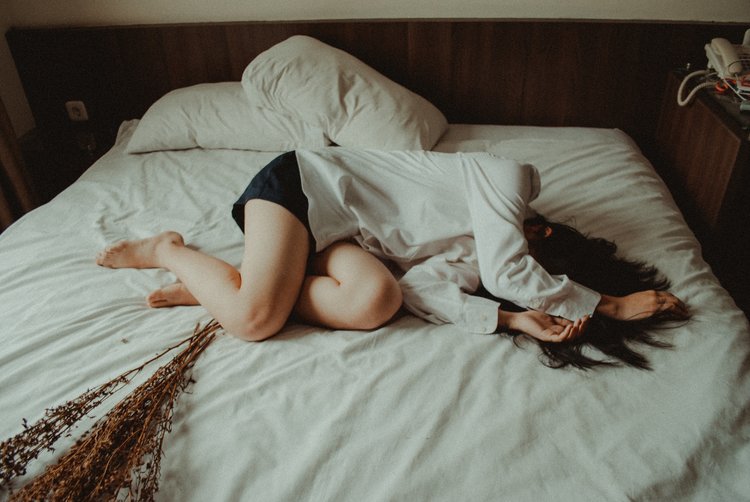
9. Part of the pattern of this illness is that symptoms may come and go, or become more or less severe, from day to day, both due to the illness itself, (and to the response to treatment.) Because of this, Lyme disease patients often are met with doubt from those around them who have difficulty accepting that they are suffering from a serious, debilitating illness. Lyme disease is often an invisible disease because the patient may not always appear to be ill.
10. Students who are ill with Lyme disease may respond in different ways, partially due to their gender. Female students may be more likely to display emotion, some having tearful “meltdowns” when they feel overwhelmed. Male students are more likely to withdraw—exhibiting the bravado common to adolescent males, perhaps denying the illness—and appear angry and belligerent. Adolescence, a time of change and pressure on several fronts, is far more difficult for students struggling with Lyme disease.
11. Some students with Lyme disease are truly isolated, missing school for long periods of time, not being able to predict when they will be well enough to return to school and remain there.
12. Non-acceptance by peers and the isolation that comes from long periods of time out of school can lead to feelings of alienation and loneliness. This can result in a tendency to further withdraw and isolate. Some feel embarrassed about an illness they cannot control.
13. Returning to school after absences may be a problem, as the student struggles to catch up, and returning to the social arena can be particularly difficult.
EDUCATIONAL SIGNS
1. Loss of school time:
-
Too sick to attend school at all
-
Too sick to attend full day
-
Frequent absences
-
Late mornings/start of school
2. Interrupted school day:
-
Falling asleep in class
-
Frequent visits to nurse
3. Cognitive impairments (often dramatic):
-
Word-finding deficits
-
Impaired memory, short- and long-term
-
Forgetfulness
-
Reduced processing speed
-
Impaired auditory and visual processing
-
Impaired visuospatial ability
-
Inability to multi-task
-
Impaired attention and concentration (ADD-like symptoms)
-
Difficulty planning and organizing school work
-
Reduction in IQ, sometimes dramatic
-
Inconsistent performance across all aptitude, achievement and functional tests
-
Poor concentration
-
Very Distracted
-
Difficulty organizing schoolwork
4. Other impairments that impact learning:
-
“Brain fog,” described as the inability to think, remember or articulate clearly
-
Profound fatigue, as well as other physical symptoms (see symptoms)
-
Vision problems (floaters, blurred vision, etc.)
-
Sensitivity to light and sound
5. Despite the student’s best efforts, the effects of Lyme disease can impact academic performance in all areas, resulting in:
-
Low or inconsistent test scores
-
Poor or inconsistent class participation
-
Poor or incomplete homework assignments
6. Standardized tests:
For more information & resources for Teachers, Educators & Schools to teach students of all ages, visit the GLA here.
SYMPTOMS LIST
This is a not a full list, there are many possible symptoms and many illnesses that mirror Lyme: Fibromyalgia, Parkinson’s, MS, Dementia, Alzheimer’s Disease, ALS, ADHD, Allergies, Autism, Rheumatoid Arthritis, Mold Toxicity & Autoimmune Disorders.
General Well-being: Chronic Infections, Chronic Flu Symptoms, Sleep disorders, Insomnia, Never get enough sleep, Extreme Fatigue, Extreme “Mono-Like”Exhaustion, Hair Loss, Swollen Glands, Sore throat, Weight Gain, Weight Loss, Irritable Bladder Dysfunction, Change in bowels, Upset Stomach, Constipation, Tingling, numbness, burning, or stabbing sensations, Light-headedness, poor balance, difficulty walking
Cognitive Symptoms: Difficulty with concentration, reading, spelling, Difficulty in multitasking, Math problems, Difficulty making decisions, Memory Loss, Disorientation: getting lost; going to wrong places, Stuttering, Speech Problems, Poor school or work performance, Attention deficit problems, Distractibility
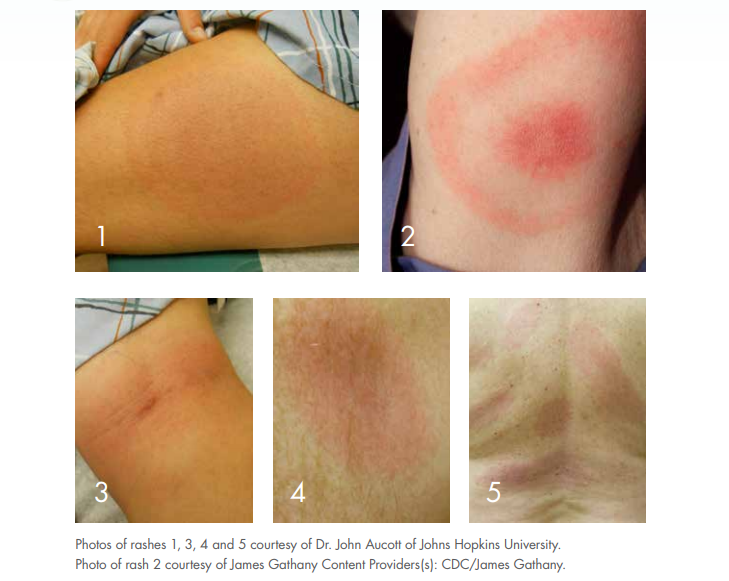
Skin Problems: Erythema migrans (rash), Acne, Strange Rashs, Eczema
Ocular: Floaters, Double or Blurry vision, Vision changes, Excessive Sensitivity to Light
Auditory: Ears Ringing, Vertigo, Hearing Loss, Excessive sensitivity to sound
Musculoskeletal System: Joint pain, swelling, or stiffness, Migratory joint pains, Muscle pain or cramps, Body stiffness when awaking
Neurological System: Burning/stabbing sensations in the body, Burning in feet, Spinal Pain, Neuropathic Pain, Numbness in body, Tingling, Pinpricks, Numbness in face,
Nervous System: Tremors, Dysautonomia,
Head, Face and Neck: Headache, Neck Stiffness, Facial paralysis (Bell’s palsy), Tingling of nose, cheek, or face, Twitching of facial/other muscles
Respiratory/Circulatory Systems: Heart palpitations, Heart block, murmur, Chest Pain, Irregular Heart Beat, Shortness of Breath
Psychiatric Symptoms: Mood swings, Anxiety, Personality changes, Feeling as though you are losing your mind, Depression, Hallucinations, Suicidal Thoughts-Ideations, OCD, Panic Attacks, Delirium, Autism-Like Syndrome, Mania, Delusions, Rage, Irritability, Agitation.
TREATMENT
Chronic Lyme is difficult to treat. This is not only due to its stealthy constitution, but because Lyme is not the only thing 99.9% of people are dealing with. While Lyme Disease itself can cause debilitating symptoms and wreaks havoc drilling within the body, it needs to be understood why your body is reacting the way it is. Many people have Lyme and don’t know it, similarly it doesn’t cause any discomfort or reasons for them to be concerned.
I carried Lyme practically my entire life, but it wasn’t until I had my first flu shot & got exposed to mold that my body shut down and the Lyme took over. Meaning, it waits until the opportune time – when your total body burden is peaked and overflowing.
Much of what we have been taught & experienced with medicine and health is so departmentalized that we have to go back and relearn that the systems all synergistically work together, each part affecting the other, sometimes to our detriment.
When I spoke about bio-individuality earlier in this article, that plays heavily into understanding how Lyme & co-infections will act within your body. Your immune systems strength, the amount of inflammation you have, your mitochondrial & cellular health, the autonomic nervous system, your detoxification pathways, gut microbiome, epigenetics, your environment, nutrient levels, etc. All of these things need to be evaluated before you can have success with treatment.
While western medicine has it’s place, and I appreciate the people who work hard within it’s practices, it’s concepts don’t apply when it comes to Lyme Disease, it’s co-infections and the new chronic illnesses of this decade. This is one reason why people do not have any progression treating the disease. We have been indoctrinated to believe that taking a pill to kill is the answer for mostly all of our illnesses & symptoms. While antibiotics, antifungals, & other pharmaceuticals have a role and are necessary for some people, the percentages of people that are in remission solely by taking them is very low to none.
Working with a experienced practitioner to peel back the layers of the onion, so to speak, is where I like to point people. The disease is complex, and if you are just stepping into this, there is no simple answer unless you are dealing with acute Lyme, which above I listed the most common protocols.
Treatment for chronic Lyme varies, and many would argue that their way, is the way. Its a personal decision, and one that as a health coach I try to help empower my clients with enough information that they can make the best decision for their path to wellness. Their is no cure for Lyme, only balancing the body back to its stasis of harmony.
BUILDING YOUR WELLNESS TEAM
Finding someone to help you do this will be a challenge, however it is possible. Due to the recency of Chronic Lyme & it’s environmental factors which have only surfaced in the past decade, and from the divide in medicine & beliefs as well as the lack of experience in this field, there is not going to be an overflowing selection in your home town. Chances are you will have to travel, or may even decide that treating remotely via skype is a better option for you.
The options that fit the best description for this will be a functional medicine practitioner, a naturopath or functional/environmental health coach. The doctors that treat Lyme are called LLMD’s or Lyme literate medical doctors. They do not take insurance as there are no ICD-10 health codes for chronic Lyme so treatment will be an out of pocket expense as I explained above.
UNDERSTANDING THE TOTAL BODY BURDEN
As I spoke of earlier, most people have multiple sub-root issues which affect the total body burden and need to be carefully evaluated and treated as well, so choosing someone who understands that, and bridges that knowledge into protocols is important.
Healing is a lifestyle that took me a period of time to understand and accept. In our new toxic age, preventative measures, a comprehensive plan and modification of habits will be crucial for progress.
People who have Lyme often have the been affected by the following issues:
-
Mold toxicity, CIRS and many other toxins present in buildings that have sick building syndrome (have been damaged by water through flooding, roof leaks, plumbing leaks, etc.)
-
Infections or viruses such as Epstein-Barr virus, Cytomegliovirus, HHV6, Retroviruses, Chlamydia Pneumonae, parasites, small intestinal bacterial overgrowth (SIBO), Candida
-
Asbestos, lead, fiberglass, and other toxic substances found in many buildings
-
Formaldehyde, flame retardants, and toxic chemicals often present in drywall, carpeting, flooring products, OSB board (used in construction), insulation, glues, sealants and other products used to build homes and offices. Many toxic chemicals also are found in mattresses, upholstered furniture, clothing and other products.
-
Glyphosate, pesticides, herbicides & chemicals used in fertilizers that also contain high amounts of heavy metals
-
Pesticides, hormones, mycotoxins, arsenic, and other irritants found in produce, grain, meat, fish and other foods
-
Phthalates and parabens found in cosmetics and personal care products
-
RF, EMF, and microwave radiation
-
Cyanobacteria and other biotoxins present in many lakes, rivers, ponds, and in soil
-
Amalgam dental fillings
-
Pharmaceutical drugs, vaccines, antacids & other prescriptions that contain: Aluminum, mercury, & other heavy metals
-
Industrial air pollution & vehicle exhaust
-
Cosmetics & beauty products that contain numerous heavy metals & toxic chemicals
-
Public water that contains lead, fluoride & other sediments, heavy metals & toxicity
Everything is connected. For example, a person like me who has CIRS and Lyme, I am now more sensitive to chemicals and EMF’s. I now have MCS (multiple chemical sensitivities) and EMF sensitivity. We have to use toxin-free everything because my body reacts to soaps, products, makeup, etc. I also can’t talk on my phone too long, my hands start to burn, and ache. Similarly a person with Lyme may not realize they react to mold and have become more sensitive to water damaged buildings and the toxins within them.
It is thought that many illnesses may be caused or exacerbated by a person’s exposure to Lyme & environmental toxins. These include:
-
Alzheimer’s disease and dementia
-
Epilepsy and other seizure disorders
-
Dysautonomia such as postural orthostatic tachycardia syndrome (POTS)
-
Parkinson’s disease
-
Autism & Autistic spectrum disorders
-
Depression, anxiety and other mental illnesses
-
Autoimmune diseases
-
Cancer
-
Diabetes (Type 2) and metabolic syndrome
-
Obesity
-
Cardiovascular disease
-
Celiac disease, and other food sensitivities
-
Leaky gut syndrome (LGS) and dysbiosis
-
Asthma and allergies
-
PANS (Pediatric Acute-onset Neuropsychiatric Syndrome)
-
Pneumonia and COPD (chronic obstructive pulmonary disease)
-
Psoriasis and eczema
-
Rheumatoid Arthritis
If you would like to learn more about mold toxicity, CIRS and environmental illness, we have a wealth of information here.
HEALTH COACHING
I am currently finishing school for my certification in functional health coaching, and found my passion in helping others with these illnesses. I have spots open for a select few clients so if you are interested, contact me for a free 15 minute consultation and we can see if I fit your needs.