Archive for the ‘Testing’ Category

FDA Clears New Lyme Test – Which Still Sucks

https://www.prnewswire.com/news-releases/fda-clears-new-indications-for-existing-lyme-disease-tests-that-may-help-streamline-diagnoses-300892611.html

FDA clears new indications for existing Lyme disease tests that may help streamline diagnoses


NEWS PROVIDED BY

U.S. Food and Drug Administration

Jul 29, 2019


SILVER SPRING, Md., July 29, 2019 /PRNewswire/ — Today, the U.S. Food and Drug Administration cleared for marketing four previously cleared tests with new indications to aid in the diagnosis of Lyme disease. The tests cleared today are the first time that a test has been indicated to follow a new testing paradigm in which two tests called enzyme immunoassays (EIA) are run concurrently or sequentially, rather than the current two-step process in which a separate protein test called a Western Blot must be run after the initial EIA test.

“Lyme disease can have a devastating impact on patients. With today’s action, clinicians have a new option to test for Lyme that is easier to interpret by a clinical laboratory due to the streamlined method of conducting the test. These tests may improve confidence in diagnosing a patient for a condition that requires the earliest possible treatment to ensure the best outcome for patients,” said Tim Stenzel, M.D., Ph.D., director of the Office of In Vitro Diagnostics and Radiological Health in the FDA’s Center for Devices and Radiological Health.

Lyme disease is caused by the bacteria Borrelia burgdorferi and is transmitted to humans through the bite of infected ticks. Typical symptoms include fever, headache, fatigue and skin rash called erythema migrans. If left untreated, infection can spread to joints, the heart and the nervous system. In 2017, the last year for which the Centers for Disease Control and Prevention (CDC) has published data, a total of 42,743 confirmed and probable cases of Lyme disease were reported to CDC, an increase of 17% from 2016.

Laboratory diagnosis of Lyme disease has traditionally used a two-tier process for detecting the presence of antibodies against Borrelia burgdorferi in a patient’s blood. Antibodies are proteins present in the blood when the body is responding to a specific infection. In the previous two-tier approach, different types of tests were used (EIA and Western blots) to confirm a clinical diagnosis. The tests cleared today involve a modified approach that uses only EIA technology-based tests.

The FDA reviewed data from clinical studies of the ZEUS ELISA Borrelia VlsE1/pepC10 IgG/IgM Test System, ZEUS ELISA Borrelia burgdorferi IgG/IgM Test System, ZEUS ELISA Borrelia burgdorferi IgM Test System, and the ZEUS ELISA Borrelia burgdorferi IgG Test System that showed this alternative approach, referred to as a modified two-tier test, is as accurate as current methods for detecting antibodies for assessing exposure to Borrelia burgdorferi, the causative agent of Lyme disease, over current methods.

CDC recommendations should be followed for the diagnosis of Lyme disease and for determining when laboratory tests are appropriate.

The enzyme immunoassay tests were reviewed through the premarket notification (510(k)) pathway. A 510(k) is a premarket submission made to the FDA to demonstrate that the device to be marketed is at least as safe and effective, that is, substantially equivalent, to a legally marketed device.

The FDA granted clearance of the ZEUS ELISA enzyme immunoassay tests to ZEUS Scientific.

More information:
FDA: Ticks and Lyme Disease: Symptoms, Treatment, and Prevention 
FDA: Premarket Clearances 
CDC: Lyme disease

The FDA, an agency within the U.S. Department of Health and Human Services, protects the public health by assuring the safety, effectiveness, and security of human and veterinary drugs, vaccines and other biological products for human use, and medical devices. The agency also is responsible for the safety and security of our nation’s food supply, cosmetics, dietary supplements, products that give off electronic radiation, and for regulating tobacco products.

Media Inquiries: Stephanie Caccomo, 301-348-1956, stephanie.caccomo@fda.hhs.gov 
Consumer Inquiries:
 888-INFO-FDA

SOURCE U.S. Food and Drug Administration

https://lymediseaseassociation.org/government/federal-government/govt-departments-a-policies/hhsfood-a-drug-administration-fda/fda-clears-new-lyme-test/

According to LDA President Pat Smith,

“It appears the new two-tier system is being offered as an alternative to the existing two-tier. Whether it will prove out to be as accurate as the current system remains to be seen. Since the current two tier system is considered to be about 50% accurate by many, and many treating physicians feel the Western Blot is perhaps the most significant portion of that system, it is hard to say what impact this new system without the WB will have on diagnosis. The fact that the tests can be run concurrently could mean less delay in testing to diagnosis/treatment time for some individuals. However, at this point, we do not know enough about the tests to make any further assessments, although it is not the new technology many have hoped for in a new testing paradigm.”

_________________

**Comment**

Question: why replace an old worthless 2-tiered test with a new one?

Please note: “modified two-tier test, is AS ACCURATE as current methods for detecting antibodies for assessing exposure to Borrelia burgdorferi…”

The current methods aren’t accurate.
This is a complete joke.

Abysmal blood serology which tests for antibodies still stinks since many will never mount an immune response. Again, some of the sickest patients will NEVER test positive on this type of testing. While Western Blots appear to be better, setting arbitrary levels set by people with conflicts of interests is still a problem.

Lyme/MSIDS is STILL a clinical diagnosis. There is nothing easy about this and it takes education, experience, and savvy. Until practitioners man-up and become educated on symptomology, patients are doomed.

The only possible positive is that this horrific, inaccurate process is faster. In other words, you will find out you don’t have Lyme quicker than before – when in fact you very well could be infected.

https://www.ncbi.nlm.nih.gov/pubmed/21040573

Two-tiered testing missed 85.7% of the walk-in patients in the Emergency Room of Milford Hospital.

This test will also NEVER show coinfections. It’s a singular test for a polymicrobial disease: 

https://madisonarealymesupportgroup.com/2018/10/30/study-shows-lyme-msids-patients-infected-with-many-pathogens-and-explains-why-we-are-so-sick/

Coinfection of Many Types of Borrelia, Rickettsia, Babesia, Bartonella, & Anaplasma in French Castor Bean Ticks

https://www.ncbi.nlm.nih.gov/pubmed/31279737/

2019 Jun 8. pii: S1877-959X(18)30483-7. doi: 10.1016/j.ttbdis.2019.06.001. [Epub ahead of print]

Co-infection of bacteria and protozoan parasites in Ixodes ricinus nymphs collected in the Alsace region, France.

Abstract

Fifty nymphal Ixodes ricinus ticks collected in Alsace, France, identified by morphological criteria and using MALDI-TOF MS, were tested by PCR to detect tick-associated bacteria and protozoan parasites. Seventy percent (35/50) of ticks contained at least one microorganism; 26% (9/35) contained two or more species. Several human pathogens were identified including Borrelia burgdorferi s.s. (4%), Borrelia afzelii (2%), Borrelia garinii (2%), Borrelia valaisiana (4%), Borrelia miyamotoi (2%), Rickettsia helvetica (6%) and “Babesia venatorum” (2%). Bartonella spp. (10%) and a Wolbachia spp. (8%) were also detected. The most common co-infections involved Anaplasmataceae with Borrelia spp. (4%), Anaplasmataceae with Bartonella spp. (6%) and Anaplasmataceae with Rickettsia spp. (6%). Co-infection involving three different groups of bacteria was seen between bacteria of the family Anaplasmataceae, Borrelia spp. and Bartonella spp. (2%). Results highlight the panel of infectious agents carried by Ixodes ricinus. Co-infection suggests the possibility of transmission of more than one pathogen to human and animals during tick blood feeding.

_________________

**Comment**

Ixodes ricinus, commonly known as the castor bean tick, sheep tick, or deer tick, transmits numerous pathogens of medical and veterinary importance including Borrelia burgdorferi s.l. causing Lyme borreliosis, tick-borne encephalitis virus, Anaplasma phagocytophilum causing human granulocytic ehrlichiosis, Francisella tularensis causing Tularaemia, Rickettsia helvetica and Rickettsia monacensis, Babesia divergens and Babesia microti responsible for Babesiosis, Louping ill virus and Tribec virus.  https://ecdc.europa.eu/en/disease-vectors/facts/tick-factsheets/ixodes-ricinus

https://madisonarealymesupportgroup.com/2019/04/26/three-strains-of-borrelia-other-pathogens-found-in-salivary-glands-of-ixodes-ticks-suggesting-quicker-transmission-time/ Numerous pathogens identified plus the fact many were located IN the tick’s salivary glands indicating faster transmission time for infection.

For decades we’ve been told by the CDC that it takes a minimum of 36-48-hours for a tick to transmit Lyme to a human. Then, in 2013 we were told they needed to be embedded for 24 hours or more:  https://www.nhregister.com/columns/article/DR-KATZ-Of-Lyme-disease-and-lemonade-11412658.php

Then, microbiologist Holly Ahern came out with a fantastic video revealing that research on minimum attachment times have NEVER been done:  https://madisonarealymesupportgroup.com/2017/04/14/transmission-time-for-lymemsids-infection/

Transmission Time:  Only one study done on Mice. At 24 hours every tick had transmitted borrelia to the mice; however, animal studies have proven that transmission can occur in under 16 hours and it occurs frequently in under 24 hours.  No human studies have been done and https://www.dovepress.com/lyme-borreliosis-a-review-of-data-on-transmission-time-after-tick-atta-peer-reviewed-article-IJGM  no studies have determined the minimum time it takes for transmission.

YET, “AUTHORITIES” CONTINUE TO PROPAGATE THIS LONGER WINDOW, DESPITE LYME/MSIDS BEING A TRUE 21ST CENTURY PANDEMIC & PLAGUE.

This study once again supports the fact that patients are often coinfected with many pathogens transmitted from the same tick and that the CDC/IDSA myopic viewpoint of a singular disease is a joke that the mono-therapy of doxycycline won’t touch in a million years:  https://madisonarealymesupportgroup.com/2018/10/30/study-shows-lyme-msids-patients-infected-with-many-pathogens-and-explains-why-we-are-so-sick/

Avoiding Direct Detection Methods For the Purpose of Concealing Chronic Lyme Disease Is A Crime

https://www.change.org/p/the-us-senate-calling-for-a-congressional-investigation-of-the-cdc-idsa-and-aldf/u/24842662?

Avoiding direct detection methods for the purpose of concealing chronic Lyme disease is a crime

JUL 19, 2019 — 

The letter below from Dr. Paul Auwaerter (Past president of the IDSA) is third in a series of correspondence over my request for proficiency testing for Nested PCR And DNA Sequencing For The Detection Of Lyme Disease And Related Borreliosis; the direct detection of the spirochete causing Lyme disease. Previous communication can be reviewed in recent Petition Updates.

The real reason the CDC stopped communication with Drs Lee and Shearer is because they published a case of chronic Lyme where a so-called Lyme disease specialist condemned a sixteen year old to a psychiatric ward because his Western blot only had 4 out of the 5 IgG bands required for positive test result. It is no secret that the US Centers for Disease Control is in bed with the IDSA.

Lyme Bumper Stickers (Public Service Announcement)
https://www.ebay.com/itm/123659578861

WAKE UP AMERICA!
Today’s letter to the Tick-borne Disease Working Group……

——— Original Message ———-
From: CARL TUTTLE <runagain@comcast.net>
To: tickbornedisease@hhs.gov, chris.smith@mail.house.gov
Cc:(98 Undisclosed recipients)
Date: July 19, 2019 at 9:16 AM
Subject: Re: Lyme disease often misdiagnosed, resulting in unnecessary antibiotics

To the Tick-Borne Disease Working Group,

Please see the final response from Dr. Paul Auwaerter who is not interested in proficiency testing for direct detection of Lyme disease. My reply to Dr. Auwaerter immediately follows his note below:

Response from Dr. Paul Auwaerter:

——— Original Message ———-
From: Paul Auwaerter <pauwaert@jhmi.edu>
To: CARL TUTTLE <runagain@comcast.net>
Cc: psax@bwh.harvard.edu, jli@bwh.harvard.edu, cbusky@idsociety.org, Takaaki Kobayashi <tkobayashi@jhmi.edu>, jmstiglich@healio.com, infectiousdisease@healio.com
Date: July 18, 2019 at 9:23 PM
Subject: RE: Lyme disease often misdiagnosed, resulting in unnecessary antibiotics

Dear Mr. Tuttle,

I’d like to close our correspondence to make clear the Foundation doesn’t have funds currently to entertain your specific area of research.  You may get a sense of the funding priorities of the IDSA Foundation from our website; however, if philanthropic funds are made available with disease-specific areas, the IDSAF would entertain such research funding.

I have read your other concerns with our paper and approach, and I do hear your disagreement.

Sincerely,

Paul Auwaerter MD

Vice-Chair, IDSA Foundation

__________________________________

Carl Tuttle’s reply to Dr. Auwaerter:

———- Original Message ———-
From: CARL TUTTLE <runagain@comcast.net>
To: Paul Auwaerter <pauwaert@jhmi.edu>
Cc: psax@bwh.harvard.edu, jli@bwh.harvard.edu, cbusky@idsociety.org, Takaaki Kobayashi <tkobayashi@jhmi.edu>, jmstiglich@healio.com, infectiousdisease@healio.com
Date: July 19, 2019 at 8:58 AM
Subject: RE: Lyme disease often misdiagnosed, resulting in unnecessary antibiotics

Dear Dr. Auwaerter,

In conclusion of our correspondence I would like to offer the following publication:

DNA sequencing diagnosis of off-season spirochetemia with low bacterial density in Borrelia burgdorferi and Borrelia miyamotoi infections.

https://www.ncbi.nlm.nih.gov/pmc/articles/PMC4139787/

Faulty/misleading antibody tests landed a sixteen year old male in a psychiatric ward when his lab results did not meet the CDC’s strict criteria for positive results. His Western blot had only four of the required five IgG bands. Subsequent DNA sequencing identified a spirochetemia in this patient’s blood so his psychiatric issues were a result of neurologic Lyme disease misdiagnosed by antiquated/misleading serology. This patient was previously treated with antibiotics.

Current antibody tests for Lyme disease cannot be used to gauge treatment failure or success which makes them the ideal tool for concealing persistent infection.

I want to make this perfectly clear Dr. Auwaerter; avoiding direct detection methods for the purpose of concealing chronic Lyme disease is a crime.

Sincerely,

Carl Tuttle

Lyme Endemic Hudson, NH

__________________

**Comment**

This unfortunate story of someone being admitted to the psych ward due to not testing “positive enough” is only one of thousands…

This has been going on for over 40 years all over the world.

I’ve posted this before, but it bears repeating:  https://madisonarealymesupportgroup.com/2017/07/09/idsa-founder-used-potent-iv-antibiotics-for-chronic-lyme/

“Setting arbitrary level of antibodies to diagnose a disease that has not been amenable to Koch’s postulates seems open to question.  By the same token, ignoring antibody results unless they meet arbitrary levels seems suspect.  The vast majority of patients in this series showed some WB antibody exposure, but many did not meet the arbitrary limits set….in our present state of knowledge, the diagnosis of chronic Lyme disease is a clinical one.  Many of the patients in this series have suffered serious ‘hurts’ when they have been told that they could not have LD because their WB did not meet arbitrary limits.”  Dr. Waisbren

Horrific antibody testing has been dooming patients for literally 4 decades. Time for change.

https://madisonarealymesupportgroup.com/2018/09/12/lyme-testing-problems-solutions/

https://madisonarealymesupportgroup.com/2018/01/16/2-tier-lyme-testing-missed-85-7-of-patients-milford-hospital/


Human Seroprevalence of Tick-Borne Anaplasma, Lyme, and Rickettsia Species in Northern California

https://www.ncbi.nlm.nih.gov/pubmed/31295054/

2019 Jul 11. doi: 10.1089/vbz.2019.2489. [Epub ahead of print]

Human Seroprevalence of Tick-Borne Anaplasma phagocytophilum, Borrelia burgdorferi, and Rickettsia Species in Northern California.

Abstract

There is a paucity of data on human exposure to tick-borne pathogens in the western United States. This study reports prevalence of antibodies against three clinically important tick-borne pathogens (Borrelia burgdorferi, Anaplasma phagocytophilum, and Rickettsia spp.) among 249 people in five counties in northern California. Individuals from Humboldt County were recruited and answered a questionnaire to assess risk of exposure to tick-borne pathogens. Samples from other counties were obtained from a blood bank and were anonymized. Seventeen (6.8%) samples were seropositive for antibodies against at least one pathogen: five for A. phagocytophilum, eight for B. burgdorferi, and four for Rickettsia spp. Women and people aged 26-35 had higher seroprevalence compared to other demographic groups. Santa Cruz County had no seropositive individuals, northern Central Valley counties had three seropositive individuals (all against A. phagocytophilum), and Humboldt County had 14 (all three pathogens), a significant, four-fold elevated risk of exposure. The Humboldt County questionnaire revealed that a bird feeder in the yard was statistically associated with exposure to ticks, and lifetime number of tick bites was associated with increasing age, time watching wildlife, and time hiking. Three-quarters of respondents were concerned about tick-associated disease, 81.0% reported experiencing tick bites, and 39.0% of those bitten reported a tick-borne disease symptom, including skin lesions (76.4%), muscle aches (49.1%), joint pain (25.5%), or fever (23.6%).

Despite high levels of concern, many individuals who had been bitten by a tick were not tested for a tick-borne pathogen, including those with consistent symptoms.

We highlight the need for further research and dissemination of information to residents and physicians in Northern California regarding tick-associated disease, so that appropriate medical attention can be rapidly sought and administered.

________________

**Comment**

Again, the numbers are going to be much higher as they used the abysmal serology testing which tests for antibodies – not the organisms.

More on California:  https://madisonarealymesupportgroup.com/2018/05/24/lyme-in-california-what-you-need-to-know/

https://madisonarealymesupportgroup.com/2018/05/19/infected-ticks-in-california-its-complicated/

https://madisonarealymesupportgroup.com/2017/08/07/california-lyme-cases-get-no-respect/

https://madisonarealymesupportgroup.com/2018/06/23/say-what-california-fifth-in-nation-for-lyme-insurance-claims/

https://madisonarealymesupportgroup.com/2018/02/02/miyamotoi-in-ixodes-pacificus-in-california/

https://madisonarealymesupportgroup.com/2018/02/15/b-miyamotoi-in-ca-ticks-for-a-long-time/

https://madisonarealymesupportgroup.com/2018/02/14/borrelia-miyamotoi-in-ca-serodiagnosis-is-complicated-by-multiple-endemic-borrelia-species/

https://madisonarealymesupportgroup.com/2017/10/09/bb-in-california-chipmunk-and-squirrels/

https://madisonarealymesupportgroup.com/2019/05/26/educating-california-about-lyme-disease/

Tick Bites, Lyme & the Disease Divided

https://pjharlowwellness.com/blog/2019/6/4/tick-bites-what-to-do-amp-what-to-know

Tick bites, Lyme & the Disease divided.

June 26, 2019

By PJ Harlow

TICK BITES, LYME AND THE DISEASE DIVIDED:

A RESOURCE FOR LYME DISEASE

Lyme Disease is everywhere, and growing fast. The notion that this debilitating disease only dwells in the northeastern region of the United States, a place that I call home, is, frankly, preposterous. Likewise, the concept that only ticks carry Lyme is equally frustrating. According to well respected, veteran Lyme Literate M.D., Dr. Dietrich Klinghardt and many more practitioners who treat Lyme patients primarily, it’s agreed that Lyme is carried not only by ticks but additionally fleas, mosquitoes, some spiders, mites, lice & biting flies. While this is not to scare anyone, it’s meant to be used as a cautionary yet educational tool. Not all insects carry Lyme, but many do, to be armed with knowledge is the best thing we can do.

It’s a daily event that I see women, parents, young adults and even grandparents across the world, posting frantically within my numerous Lyme forums. They remind me of myself in our previous life, before we were thrown into the rabbit hole of Lyme & environmental illnesses.

Their questions about tick-bites, rashes and all things à la novice Lyme, inspired me to write this. For anyone new to this, take a deep breath. I see your confusion and I will try my best to help you understand the disease, and the divide.

While I strive for objectivity, surely my emotions will come to light. This story is my experience, knowledge & studies of Lyme. Stacks and stacks of books, years of research, and a mother determined to save herself, her family and help those who may resonate with what I have to say.

PREPARE LIKE THEY ARE EVERYWHERE

With Lyme Disease rising and expected to reach high numbers this summer, it’s best you prepare before you get a bitten. It’s also important to understand, if you are outdoors, spring, summer, autumn, winter, you should take preventative measures. To be outside means you take a risk. It takes temperatures below 10 degrees to kill ticks, and our winters are milder now.

It’s a different world than I knew as a child, and that realization alone, I can’t express enough.

Ticks are everywhere.

Last spring after being bedridden from mold toxicity, Lyme and a number of other environmental issues making me Tox-sick, I had spent a majority of the year in our bedroom, unable to leave the house. When the first 80 degree day came, I decided to venture out to our front steps and enjoy the floral air.

It wasn’t 15 minutes before I looked down, feeling a tickle on my arm. There it was! A tiny, creepy crawling tick, my mortal enemy. I couldn’t believe it, I was legit sitting on concrete! I scare-screamed like a baby just because of the circumstances. The sheer thought of contracting more pathogens, more co-infections, more sickness is pure terror for a Lyme sufferer. When I looked around I saw a potted flower next to me and realized he hid in there, just waiting to hop on whoever came out the door.

None the less, my points made, I hope.

There are some places & activities that you should be extra cautious of:

  • Hiking, Camping, Walking on trails

  • Beach Grass, Sand Dunes, Walking the beach

  • Off-road biking

  • Concerts, Festivals, Picnics, Firework displays

  • State Parks, Any park, Any high grass

  • Hunting, Fishing

  • Golf, Baseball, Lacrosse, Field Hockey, Outdoor Sports

  • Gardening, Grass Cutting

  • Playing in the leaves

  • Horseback riding

Someone might think, beaches? Weird right?

Here in my home state of Delaware, we have high tick populations at our beaches. Ticks love to populate the dunes and seem to favor nesting there.

My daughter Zoe once stepped into a tick nest and had hundreds of baby nymphs all over her ankles. It was a moment cemented into her memory. Needless to say, her fear of ticks is warranted. Eeeeek.

Ticks will latch on while your moving, so be aware: you don’t have to be standing still or sitting, for them to catch a ride.

Some say that ticks don’t go up into trees, but in my husband Peter’s experience, his yard was once infested, and ticks were jumping out of the tree branches, attracted to the CO2 of human breathing.

Almost all bugs including ticks and fleas search for potential hosts by sniffing out carbon dioxide. Human and animals all give out carbon dioxide while exhaling and especially while sleeping. Ticks reach out to potential hosts by tracking the carbon dioxide levels and heat radiated by them.

Teach your kids about ticks, talk to friends, teachers, doctors, your community. Talk about places they might like to hide and that it’s essential for everyone to check daily if they are outdoors a lot. Talk about Lyme Disease and that its spreading, fast.

As much as I don’t believe in fear campaigns, I do respect the truth, and Lyme Disease should be a huge concern, especially for kids.

When’s the last time you heard about Lyme Disease?

TIPS FOR PREVENTION

PREPARE now, so you aren’t in a panic when you encounter a tick bite. There are tools to use for tick removal, and treatment options, like essential oils, herbs or homeopathy. These can be used at home, are easily attainable and can help lessen the chances of contracting chronic Lyme. We recommend building your emergency tick kit asap.

UNDERSTAND how a tick bites and its anatomy. This will give you the insight that relays the importance of the tick removal tool. You won’t feel it as they pump saliva into the skin which has special properties to numb the bite area, so the host doesn’t feel the tick feeding. It keeps the blood from clotting so the tick can continue to feed for a number of days until its full.

anatomy of tick.gif

A TICKS MOUTH

When seen with a microscope, a tick’s mouth has what look like twin saws (chelicerae) with an appendage (a hypostome) in between those. The hypostome looks like a long, jagged or barbed sword.

As it cuts, it looks as if it is doing the breast stroke with its pair of minuscule mouth saws. That movement cuts and pulls back the skin, plunging the hypostome deeper with each stroke, barb by barb, which, of course, makes them difficult to extract.

PROTECT your bare skin by wearing compression shorts, long pants, sleeves, high socks, and/or tucking pants into socks. I know, it’s a pretty hot look.

Wearing white makes the ticks more visible, but is more visibly attractive to ticks. Dark clothing is less attractive but not visible for anyone to see the ticks. Catch 22. Wear closed toed shoes, which if you know me I have never been a fan of flip flops anyway.

There is gear available if you must work outside in an endemic area. Keep in mind, we do not promote Pemethrin treated clothing, especially for children and would not wear this ourselves. Permethrin has been shown to be a neurotoxin and is classified by the EPA as a likely carcinogen. However, the gear is shown to work well preventing ticks. We feel risk should be researched individually and is a personal choice. (We are not affiliated)

AVOID areas where ticks & insects thrive. Wooded areas, thick brush, wood piles, leaf piles, long grass, dunes and beach grass. Stone walls are frequented by mice & rodents that can leave ticks behind, so it’s important to be particularly careful in these areas. Bird feeders are helpful since birds feed on ticks.

PURCHASE a tick removal tool. Tweezers, while usually the easiest thing to find in your home, are not ideal, and no matter how careful you are, you still run the risk of passing bacteria if you do not have a tick removal tool on hand. Its best to be prepared considering it’s highly likely you will have a run in. The tick removal tool is very inexpensive.

APPLY Tick & Insect repellent. Treat your yard. Treat your pets. We are a non-toxic family, and use essential oils for skin protection. We can no longer handle toxic ingredients of any kind. Some of my favorites oils to use are oregano, thyme & bergamot since they contain carvacrol & thymol. Badger Organic & Wondercide™ also make non toxic bug sprays, if you are not into making your own. We have been successful with oils, particularly the ones I mention.

You can also take herbs which are known to prevent insect bites and support your immune system. Cistus incanus, also known as Mediterranean rockrose, is an herb recommended by Dr. Dietrich Klinghardt to prevent tick and other insect bites. General dosing are as follows: BioPure Cystus Tincture: 2 droppers 3 times per day or for BioPure Cystus Tea start with 2 cups per day & you can increase to 8.

Stephen Buhner, renowned master herbalist specializing in Lyme Herbs, recommends Astragalus to optimize immune function taking 1,000 mg per day. 10 drops of the tincture to the diet of the one year old 3x daily.

I have a good friend who uses the herb, Andrographis. It has immune strengthening and preventative effects as well. 1 dropper 2-3 times per day.

For a homeopathic remedy, there is Ledum Palustre . Its botanical name is Rhododendron Tomentosum and is used for insect bites, bee stings, arthritis, eczema and paresthesia.

If you’re unable to find 200c, 30c will work fine as well, with the same instructions. -Every 3 hours for the first day -Twice a day for the next week -Twice a week for the next month -Once per week for another month according to Dr. Jay Davidson

For an overview of tick repellents click here.

christin-hume-505815-unsplash.jpg

TICK REPELLENT

10 drops clove oil

10 drops vetiver oil

10 drops citronella or bergamot oil

6 drops oregano oil

4 tbsp fractionated coconut oil (or fill up a glass spray bottle with water + the essential oils for a diluted spray version)

4 oz glass dropper bottle

Combine all oils in a glass dropper bottle. Apply about 7 – 10 drops on exposed skin just like a lotion before heading out. (Keep in a dark place.)

PROTECT your lawn/yard & Pets. While I love trees, it’s safest to have a yard with high sunlight, (less mold too) short grass, and no piles of wood, rocks, or grass clippings.

With our cat, we have struggled with fleas previously. Its a rule in our home that shoes be kept at the door, and I recommend Diatomaceous earth to sprinkle around the yard. It is not harmful and it can be used to treat fleas indoors, which you can learn more about here. It kills by physical action, not chemical and is something I wish I had known sooner. This is a brand we recommend, or you can find it easily yourself, just make sure you are getting a good quality.

EXAMINE yourself, your kids and your pets for ticks, bites & rashes daily. Check everywhere — ticks love to hide!

Children are at the most risk of becoming infected so it’s something parents should be prepared for. We should all be checking young children consistently.

Our kids are teens and older, but it doesn’t stop me from literally waiting outside the bathroom as they check themselves. I still will do a body scan of their back and head, behind the ears and armpits, considering we all have Lyme already, we are extra careful.

Ticks hide in warm, moist places, such as the groin, back of the knees, armpits, the back of the neck, navel, and ears, but ticks will feed anywhere on the body, so look carefully.

A primary spot for boys is under the testicles, so do not skip this area -If your kids are big guys be sure to tell them to check themselves. It’s not even summer yet and we already had a traveler on my son just from going to school.

The nymph is only the size of a pinhead and may be missed during your daily examination. Be sure to feel skin for any tiny bumps that might indicate a tick, especially on the scalp. If a bump is found, do not squeeze or press the bump.

WHEN YOU FIND A TICK

Grab+here+%281%29.jpg

REMOVING A TICK

If a tick is attached to your skin, it needs to be removed properly and promptly.

Use the tick removal device (link above) to spin and remove the tick. This is the best way, so preventative measures are necessary to purchase ahead of time.

If you must, you can use tweezers, but it’s not recommended. (Ticks have jagged mouths that are or special tick removal tweezers as close to the skin as possible, apply steady & even pressure, & gently pull the tick upward from the opposite direction from which it is embedded.

DO NOT squeeze, twist or jerk the belly of a tick. This will increase the risk of infection and you may also tear apart the tick leaving part of it embedded in the skin.

DO NOT try to burn the tick with a match or douse it with alcohol, creams or nail polish remover. This will only irritate the tick and make it dig in harder, passing more pathogens.

  • The longer the tick is attached, the greater likelihood of transmission of disease.

  • There is no real proof that a tick must be attached for a certain number of hours to transmit. Use caution no matter what.

For more information and items to add to your Prevention Kit, such as Tick ID cards and magnifiers, the GLA (Global Lyme Alliance) has more items here.

TESTING FOR TICKS

  • Place tick in a zippered plastic bag or sealed container with a damp cotton ball or blade of grass to bring to your local health department or private lab for testing, if they provide this service. The blade of grass or dampened cotton ball provides moisture to keep the tick alive. Both dead and live ticks may be tested, but live ticks yield quicker test results.

  • You can also simply flush down the toilet. A tick should never be crushed with your fingers.

  • Check out the Global Lyme Alliance website here or Tick Encounters here for detailed information & instructions with regards to having ticks tested. Tick Encounters gives the option to mail in a Deer Tick, American Dog Tick, or Lonestar Tick. For $50, they will test for various strains of Borrelia and other co-infections, such as Babesia microti, Rocky Mountain Spotted Fever, and Ehrlichia chaffeenis. By testing the tick, you will for sure know if you or your child has been exposed. Some states also offer free testing

TREATMENT OPTIONS FOR TICK BITES

  1. If you are in a metropolitan area that offers it, you can inject the bite with ozone. This is recommended within 72 hours of getting a bite.

  2. Doxycycline 200 mg twice daily for 3 weeks or doxycycline 100mg twice daily + minocycline 100mg twice daily for 3 weeks. (Children under 8 cannot take Doxy and would be on Amoxicillin 50-100 mg/kg per day orally, divided into 3 doses for 21 days)

  3. Probiotics should always be a part of the treatment plan when using antibiotics. A spore based probiotic should always be used rather than conventional probiotics for optimal health. We like Just Thrive’s brand.

  4. BioPure Cocktail Tincture, Hyaluronic Acid Tincture and Cistus Tea and/or Tincture

  5. Astragalus 3,000mg daily for 30 days & decreasing to 1000mg per day indefinitely.

  6. Andrographis tincture and green clay. Mix the two ingredients together to make a past and apply to the tick bite area, as a way to prevent active infection.

SO, NOW WHAT?

lyme disease.png

Most people will tell you to run and get tested for “Lymes”. Ok, just so you know, there is no such thing as “LymeS”.

Lyme Disease is pronounced & written as LYME, always, both singular & plural.

I don’t know where the “S” got added, but I decided to make note so we can recognize the error.

While this may seem nominal to some, it is important in the bigger scope.

We have enough issues w/ Lyme Disease already. Admittedly, I am a grammar, spelling, pronunciation & diction aficionado, so those kind of things have meaning to me. There is absolutely no judgement here, just spreading formal awareness.

TESTING

Before we go any further, I want to express our opinions on testing. We don’t put everything into it.

Why?

It’s stressful, costly and often not conducive to getting you better. Lyme is also a clinical diagnosis. Meaning you don’t have to have a positive Lyme test to have Lyme Disease.

The level of technology we have with Lyme tests is poor, and in our own personal story, I knew we all had Lyme due to our symptoms, my intuition and what our Lyme Literate doctor stated later on. I found myself wanting tests to prove to other people and even myself, because I was gaslit and doubted so much. In the end, they still didn’t believe me or anything I expressed and testing didn’t make a difference in beginning my treatment of Borrelia.

METHODS OF TESTING

The standard method of testing in the United States is with a two tier test method called the ELISA and the Western Blot. Both are inaccurate, and both are testing you for antibodies. Although of the two, the western blot is better.

ANTIBODY: a protective protein produced by the immune system in response to the presence of a foreign substance, called an antigen. Antibodies recognize and latch onto antigens in order to remove them from the body.

There is other testing called PCR that looks for Lyme DNA in the blood, however, the blood is not a place stealth microbes like Borrelia like to hang out. Borrelia likes to drill deep in your tissues, and can even hide in what’s called biofilm, it can enter your cells, and can evade the immune system by changing forms. It takes a little as a few minutes for it to change from it’s natural spirochete form to cystic form, which is 1000x’s more protective then the spirochete. It does this when feeling threatened or it doesn’t like the conditions of your body at a certain time. These cysts are so stealthy, they can survive 600 degrees centigrade as well as hydrochloric acid.

In my State of Delaware, we just passed a law that patients who get tested for Lyme MUST be told the testing is inaccurate. This means if you come up negative, it does not mean you don’t have Lyme Disease.

ANOTHER MYTH, “LYME FREQUENTLY COMES UP FALSE POSITIVE”.

This is incorrect. It’s highly unlikely and rare.

The CDC requires you to have positive antibody markers on the ELISA test first, and then only after it’s positive, they will require multiple antibody markers or bands on the Western Blot. This doesn’t happen in most people. Lyme is not only known to cause a wealth of symptoms but it suppresses the immune system.

Having tests based solely on measuring those immune markers of activity, its pretty much a no brainer. If you’re sick, and not producing antibodies, why would you be able to produce them for a test, let alone, multiple ones.

So when you hear people saying I have Lyme but I am not “CDC positive” it means they didn’t meet the CDC high expectations of testing requirements, which for Lyme warriors, really means nothing. It’s honestly just another low blow aimed at our integrity.

ACCURACY

Now that we understand the methods are not sufficient, the next issue is the testing sensitivity and accuracy.

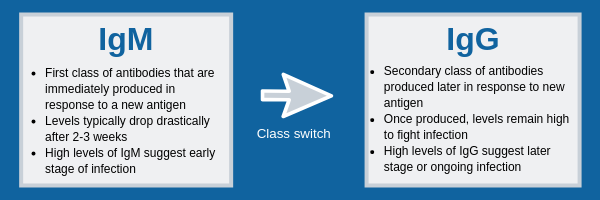
To simplify, The ELISA is like a general antibody test, and the Western Blot looks at multiple antigens found on the Lyme bacteria and measures the antibodies or “bands”. The tests will look for two types of antibodies.

  • Acute (early) infection are evaluated with IgM antibodies

  • Late acute or chronic infection with IgG antibodies.

The IgM antibodies show acute Lyme disease. Testing can be positive as early as one week after infection, and remains positive for six to eight weeks after initial exposure. CDC guidelines require two positive bands out of three (23-25, 39, 41). IGeneX labs add three extra bands (31, 38, 83-93), the first two of which were removed from the CDC criteria during the development of an unsuccessful vaccine and was never replaced in the original testing.

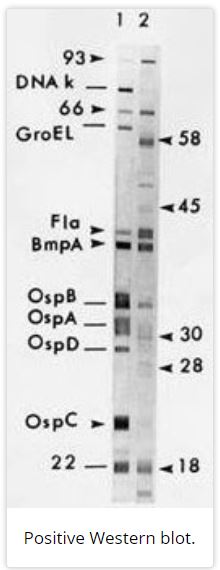
The IgG antibody is typically present a few months following initial infection. IgG antibodies are indicative of chronic Lyme disease. CDC guidelines require five positive bands out of 10 (18, 23-25, 28, 30, 39, 41, 45, 58, 66, 83-93). The IGeneX criteria is two bands out of six (18, 23-25, 28, 30, 39, 41, 45, 58, 66, 83-93). Band 41 is specific for the flagella (tail) of spirochetes (corkscrew bacteria), but is said to not be absolutely specific for Borrelia. It’s been stated that this particular spirochete may also be related to syphilis spirochetes or whats called dental spirochetes. Many people with Lyme that I have interviewed have all had band 41, sometimes in testing it was the first and only band. So the theory that it’s more common to have “dental spirochetes or syphillys spirochetes” more so than having Borrelia spirochetes seems to mystify me. I had band 41 and so did everyone in my family. None of us have syphilis or dental spirochetes.

westernblotbands.png

WESTERN BLOT BANDS

Some Lyme specialists and scientists believe that there are five very specific bands on the Western blot test that are highly indicative of Lyme disease, band numbers 23-25, 31, 34, 39 83 and 93.

If any of these bands are positive and the patient is experiencing symptoms of Lyme disease, they may feel treatment is warranted.

This test is generally considered the most reliable test currently available although it is estimated to be only 57% accurate according to IGeneX labs. Other Lyme literate physicians such as functional M.D., Dr. Todd Watts has stated it to be 70% inaccurate in his practice.

Many allopathic doctors will not consider using the western blot unless the ELISA is positive, thus missing an important diagnostic tool.

The western blot is only focused toward the diagnosis of Borrelia burgdorferi, the primary bacteria associated w/ Lyme, & not other species of Borrelia that may cause Lyme disease or other problematic co-infections like Bartonella, Babesia, Mycoplasma, & more.

STIGMA

Its almost like a rite of passage at this point. We all end up having a run in with doctors and/or pediatricians, people you know, family, or friends at one point. With Lyme Disease it’s not long before you’ll see exactly why people with this illness are so passionate and determined. We have had to fight for everything, especially our dignity, honor & integrity. Through the process have become so self sustaining, many of us know more than our primary care physicians and the established healthcare system. Lyme is heavily ignored, mocked and stigmatized. It’s truly a crime of humanity.

After our mold toxicity diagnosis, we soon found that a big portion of people who have mold toxicity/CIRS are also usually Lyme positive. We lost our house & everything we owned from the mold, and like most families who would experience such a tragedy, couldn’t afford the out of pocket testing for each of our 2 younger kids, my husband and myself. (IGeneX, Armin Labs & DNA Connextions run in the hundreds to thousands for testing, so when you have multiple people- it can get astronomical)

I made a list of labs I wanted (to interpret myself) and had Peter (my husband) ask our primary care provider (family doc) to have them done through Lab Corp. Instantly our doctor became offended & just “knew” Peter didn’t have Lyme. He started a barrage of accusational questions, as he hemmed & hawed over Peters determination.

Shocked at his obvious depth of knowledge in the subject, that trumped his own, he refused. Peter is not one to back down and tried to negotiate. While looking at my list of lab codes, the doctor finally said he would do a western blot based on his symptoms but reiterated that, “he knew it would be negative.”

It was somewhat of a glorious moment when the testing came back CDC positive. His doctor was shocked, mystified and still treated the situation like we somehow cheated the system. He was angry after learning Peter went to a LLMD (Lyme literate medical doctor) and had such a temper tantrum over it he stormed out of the treatment room when Peter went for a follow up. He treated my husband with such condescension that would later result in us leaving the practice all together. We have yet to find a replacement PCP that doesn’t mirror the same disdain for Chronic Lyme Disease, the sufferers of Lyme & a righteous amount of cognitive dissonance.

While most practitioners may have had 8 hours or less- total, of training for Lyme Disease- 1520+ years ago, we have been studying the latest methods, procedures, protocols, discoveries and treatments, for sometimes 8 or more hours per day.

And no, we don’t get all our information from Facebook posts and mommy blogs while we roll around on the floor in essential oils. LOL. (I get a bit sassy when I am forced to defend my own illnesses, my intellect, education & character that is constantly challenged & judged by the general public, the media, and the medical establishment. (But seriously where do people come up with this stuff?)

Anyone with Lyme knows exactly what I am talking about, and lives with it. That however, seems to be questionable too, as we supposedly aren’t aware or capable of our own bodies either, according to most. Insert sarcasm here.

DIVIDED

As you have read, and maybe experienced yourself, there is a huge divide among our medical system. Many practitioners are either uneducated or biased and egotistical. There are two opposite sides to Chronic Lyme. The sooner you realize this, the less pain and suffering you will experience.

  1. The truth seekers, believers, the sufferers, victims, warriors and people who know without a doubt that Chronic Lyme exists. These people have spent years researching, learning, advocating; and treat Lyme Disease as a worldwide, debilitating & serious chronic illness with numerous symptoms, mirroring numerous illnesses.

    • Does not require a positive blood test for diagnosis, nor requires rash as a symptom.

    • Lyme is worldwide

    • Lyme is an epidemic

    • Cannot accept insurance since there is no ICD-10 Coding for Chronic Lyme Disease (Must pay OOP-out of pocket)

    • Agrees Lyme is congenital, and passed via breast milk.

    • Some agree it is additionally an STD, but not all.

    • 50/50 believe it’s passed additionally by mosquitoes, fleas, spiders, and biting flies.

    • Agrees that Mold is a trigger for Lyme, but not all know how to treat.

    • Differing in treatment, some do antibiotics, some do herbal & homeopathic, some do both.

    • (Does not agree with the CDC) A group of patients, children, parents & caregivers, LLMD’s-(Lyme Literate Medical Doctor), Functional medicine practitioners, Integrative practitioners, naturopaths, environmental health coaches, functional nutritionists, herbalists.

    • GLA-(Global Lyme Alliance), ILADS-(International Lyme and Associated Disease Society)

  2. The people that think Lyme doesn’t exist as a chronic illness, is nothing to be concerned about, & has a variety of symptoms like fever, rash, facial paralysis, and arthritis.

    • They believe it is an acute illness, “easy to diagnose and treat”.

    • Most doctors believe you must have a bulls-eye rash present to be positive.

    • Must have positive ELISA & Required Bands on Western Blot.

    • It only exists in the northeastern states from Virginia to Maine, in California, Minnesota and Wisconsin ONLY.

    • Believes Lyme is only passed through ticks, not congenital or an STD.

    • Does not recommend skipping the first test (ELISA) and just doing the Western blot. Doing so will increase the frequency of false positive results and may lead to misdiagnosis and improper treatment.

    • Believes testing is highly accurate and is so sensitive it often comes back “false positive”

    • Believes “Chronic Lyme” is when people have another illness not related to Lyme, usually mental health issues.’

    • States only 30,000 people per year get Lyme.

    • Believes Lonestar tick, American dog tick, Brown dog tick and Rocky Mountain Wood tick cannot be carriers of Lyme Disease.

    • States it’s there is no proof of Lyme being transmitted via blood transfusion, and if you were infected, once you are done a course of 2 weeks of antibiotics, its ok to donate.

    • States prolonged antibiotics are no different than treating with a placebo.

    • Refers to Chronic Lyme in their own terms called: (PTLDS) or post Lyme disease syndrome (PLDS).

    • They will presume you’re psychosomatic, have mental health issues, making it up, diagnose you with Fibromyalgia or some other collective symptom diagnosis.

    • Believes patients are incapable of understanding their own bodies or symptoms and unable to do research, that you have no intelligence, will gaslight you and refuse to listen or think otherwise.

    • Lyme is curable

    • (Agrees with the CDC) Your family doctor, pediatrician, rheumatologists, ER docs & nurses, infectious disease doctors, big hospitals, & large groups, health insurance companies, med school students, interns, allopathic practitioners.

    • CDC, IDSA (Infectious Disease Society of America, ALDF-(American Lyme Disease Foundation)

Every doctor we went to, stated it was easy to diagnose, testing was accurate, treatment was simple and that not me, nor my husband or children had Lyme.

I was told that my own symptoms were “all in my head” and that I needed to see a psychologist. My testing was negative because I only had one band, 41. I was “making this up for attention”, my labs were “normal” and yet another told me I was trying to get narcotics, when I didn’t even ask or mention it!

At one major children’s hospital, the infectious disease doctor refused to look at my kids prior diagnosis’ of mold toxicity from another M.D. in Washington, DC and proceeded to mock us by saying mold was a quack illness. His nurse held our positive labs (which were so many, each child had a 3 ring binder) the entire time while he didn’t bother to even look. They included pages & pages of inflammatory markers, low CD57, EBV, High C4A, susceptible biomarker HLA-DR genetic tests, positive Rocky Mountain Spotted Fever and multiple positive western blot IgG & IgM bands.

He did a scoliosis back exam, looked in their ears and eyes, had them push up with their hands & legs with his hands pushed them down and remarked they were both “psychosomatic”. I hopped up instantly and said, “C’mon kids” and calmly grabbed our lab binders from the startled nurse and immediately said, “Thank you for your time, but I don’t agree with your assumption, and I know exactly what you support here, which it hurts to know, is not children with Lyme Disease. I may not know much according to you, but I do know your absolutely wrong”, and walked out.

I often think about how many kids are misdiagnosed with ADHD, Allergies, OCD, Gut issues, Eczema, Obesity, Depression, Mental health issues, etc. Those are all just names that match a grouping of symptoms. None of them are the root cause of the illness. Many people and children are being put on medications that only suppress their symptoms, and conclusively we are stuck using a system of medicine that no longer serves chronic illnesses of today. The pill for every ill is not healing anyone.

These symptoms that clearly are Lyme Disease or related to the environment continue to be denied in ignorance, which creates this huge divisional problem we have. I get teary-eyed thinking to myself that there is a child out there, who is alone right now, his/her parents perhaps don’t believe them, not on purpose, they think they are doing the right thing since doctors say they are “psychosomatic”- when that is so far from the truth.

I am fighting for you sweet child, and you too Mom and Dad, you are not alone.

We are growing, and uniting for all of us.

WE ARE IN THE MIDST OF GREAT CHANGE WITHIN THE FIELD OF HEALTH CARE.

sai-de-silva-41029-unsplash (1).jpg

“THESE SYSTEMS ARE NOT EQUIPPED TO ADDRESS ROOT CAUSES, HANDLE CHRONIC ILLNESS, NOR SEE PEOPLE THROUGH TO DISEASE RESOLUTION & LONGEVITY. IN FACT, THEY WERE NEVER DESIGNED TO DO SO.”

-Carla Atherton, MA, Director, Family Health Coach, Healthy Family Formula

SYMPTOMS

There are many symptoms of Lyme, hence the “great imitator” tag line. Some are ones that you may not even notice or take serious. This is another belief that has slowly rooted throughout society. We have come to accept certain symptoms as “normal” and lost the ability to recognize when some things are wrong.

Lyme is rumored most notorious for it’s “bulls-eye rash”, which even a majority of physicians unknowingly hold regarded as the “one and only sign” of true Lyme transmission. I want to be clear, this is false.

Less than 50% of people get the classic EM (erythema migrans) rash.

In my personal experience, myself, my husband and 3 of my children all have Lyme, and none of us had a rash. I have hundreds of Lyme Disease warriors and friends through the power of technology and 98% didn’t see a rash either, so, take that for what it’s worth, when you need to make a judgment call.

Early signs of Lyme are like flu symptoms, you feel tired, better yet, fatigued. Netflix and PJ’s are your top priorities. You may have a sore or stiff neck, muscle aches, fever, anxiety, irritability or paranoia, sore throat or what feels like a sinus infection that won’t go away. Some people have headaches, numbness, facial palsy (weakness in the face), seizures, or a rash that’s so pale or oddly positioned that it’s barely noticeable. If you get a rash, it’s just as likely to look like a simple rash that is easily mistaken for a skin infection or spider bite.

IT DOESN’T HAVE TO “LOOK” LIKE A BULLS-EYE.

bullseye rash.png

An important factor to understand, with Lyme disease your symptoms aren’t raging 24/7. It fluctuates in time & severity. This is another reason why people imply we don’t look sick.

For me, I fought illness with excuses at first. I spent a long time thinking what I was experiencing was normal aging (I am not that old mind you) or I made excuses like I was working too much, stressed out or my bed was worn out. My hands were the first to hurt, aching at work, I thought it was carpal tunnel honestly. Then came the “fibromyalgia” diagnosis. Was it Lyme or the mold that triggered my down fall in health? We will never know, and I am good with that for now.

Symptoms can also disappear for years and then reappear when it’s optimal for the pathogen to fire up again. I am a prime example having contracted Lyme when I was a child, then it went into hiding until I got exposed to mold, years and years later.

SIGNS IN YOUNG CHILDREN

If your child is ill, see your pediatrician. If they won’t treat or you know there will be push back, move on. Signs of illness or infection in kids include:

  • being tired often or getting tired easily

  • being listless or less active than usual

  • complaining of aches or pains including headaches, stomach aches

  • glassy eyes, circles under the eyes, paleness, loss of appetite, loss of interest in activities

  • dizziness, fever, mood changes, and irritability.

BIOINDIVIDUALITY

Every single person is bio-individually different, meaning we all have differing variable factors. We have different genes & epigenetics, different diet and nutrition, different exposures throughout life (GMO’s, pesticides, heavy metals, viruses, pathogens, chemicals, electro-smog, EMF’s, vaccines, pharmaceuticals, pollution, toxins passed in utero, etc.) and therefore differing levels of toxicity. (Everyone, even infants have some degree of toxicity in the world we live in today). We all have different allergies, as well as our microbiomes contain completely different strains of bacteria-both good and bad.

Our lifestyles are all complexly differing as well. I know for me, I have experienced a lot of deep trauma early in my life, whereas you may have grown up without ever getting exposed to such dark emotions. This equivocally plays a role into our immunity, our body burden and the way our body will heal in the future.

Each of our immune systems react individually different. Because of this concept its been much easier for us to understand why chronic illness presents so diversely, and equally why there is no one cure or answer in treating chronic illness. What may be harmless to me, may take down my husband.

MICROBIOMES

I mentioned our microbiomes earlier, which the body actually has many. Most notable being your gut, but equally we have a skin microbiome, sinus microbiome, vaginal microbiome, eye microbiome, colon microbiome, etc. All of us have tiny microbes working within and on us, since the moment we were born.

The first microbes babies get, if delivered vaginally are a film of microbes as they pass through the birth canal. This is a critical part of our early life to which I was unaware when I had my kids. This would of changed my opinion of the 2 c-sections I had, and I would of fought harder to have a VBAC (vaginal birth after Caesarian), to which I was told was impossible at my hospital.

It’s essential to understand that microbes/bacteria get a bad rap. There are good bacteria and bad bacteria. Much of my own life I spent thinking all bacteria was bad, and that it was healthy to constantly be dousing myself with anti-bacterial soaps, wipes and sprays. To me, bacteria was synonymous with sickness or infection, and I went to great lengths to keep my home and body practically surgically sterile. This has now been to my own detriment.

We are bacteria, more so than we are human in a sense. The body is so sophisticated, and contains thousands of differing ecology with 3.5 million microbial genes inside of us. The human body is coded with 90% of bacterial DNA. This means that only 10% of our own DNA is actually driving the ship. When you break this down, it helps to understand this design of our bodies, and how it all symbiotically plays a part.

CO-INFECTIONS

Without adding more complexity, it’s essential to understand ticks and bugs carry much more than just “Lyme”. What’s referred to as co-infections, are additional pathogens, viruses or bacteria that get passed via bite or that can be passed congenitally from mother to child in utero. Some of us may already have existing co-infections present in our bodies and never knew. This would be a reason why I would encourage & invest in testing. You may hit a plateau in treatment. Some of these include:

  • Bartonella

  • Babesia

  • Mycoplasma

  • Ehrlichia

  • Rickettsia

  • Rocky Mountain Spotted Fever

  • Tulermia

  • Powassan Disease

  • STARI

  • Anaplasmosis

  • Heartland Virus

  • Brucella

Not to mention there are over 20 different known species of Borrelia worldwide and an unaccounted number of different strains of each species.  This is just what we know, I am sure the real numbers are astounding at this point.

The symptoms that present will also take into consideration the amount of time you have been sick (particularly prior to diagnosis), and the immune-response of the individual. It is therefore difficult to look at patterns, particularly in teenagers, when hormonal factors can also influence symptoms.

PRESENTATIONS IN CHILDREN WITH LYME

1. Many with Lyme disease do not look sick, particularly those for whom the neuropsychiatric symptoms are the primary indications.

2. Fluctuations in moods may occur, such as irritability, hostility, extreme sensitivity, anxiety, panic attacks, and even combativeness and opposition. Female adolescents often have extreme PMS symptoms.

3. Fatigue and depression are very common and stem from the illness itself, as well as the situation of the patient.

4. Cognitive problems, such as problems with attention, concentration, executive functioning (planning, organization, prioritizing and multitasking, concentration, and working memory), short-term memory, and word retrieval can occur with people who have been diagnosed with Lyme.

5. Eating disorder symptoms, though not common, can be seen in both male and female adolescents, as well as in adults, with Lyme disease.

6. Sound and light sensitivity can impact a student’s ability to tolerate the noise and fluorescent lighting of most school settings.

7. Abilities to perform well and consistently, in the academic, athletic, and social arenas can be seriously impacted, and the student with Lyme disease often loses confidence in him/herself. Sound and light sensitivity can impede a student’s involvement in social activities (sporting events, school dances, etc.)

8. The effect of Lyme disease on the brain and body can even impact a gifted athlete’s ability to perform:

  1. Spatial perception may suffer; thus an athlete may lose the ability to judge distances.

  2. He/she may lose the ability to recall and execute plays, as well as understand and follow directions.

  3. Reduced speed of processing can inhibit the ability of an athlete to compete at his/her pre-Lyme disease potential.

  4. Extreme sensitivity to light and sound might impact performance (even watching an athletic event can be difficult for a student who has late-stage Lyme disease).

  5. Physical symptoms that impact performance include: intermittent fatigue, muscle and joint pain, dizziness, loss of balance, strength, coordination, and flexibility; even asthmatic symptoms may be worsened by Lyme disease.

yuris-alhumaydy-671913-unsplash.jpg

“LYME DISEASE HAS BECOME, AFTER AIDS, PROBABLY THE FASTEST SPREADING INFECTIOUS DISEASE.”  Dr. Dietrich Klinghardt, PHD., MD

9. Part of the pattern of this illness is that symptoms may come and go, or become more or less severe, from day to day, both due to the illness itself, (and to the response to treatment.) Because of this, Lyme disease patients often are met with doubt from those around them who have difficulty accepting that they are suffering from a serious, debilitating illness. Lyme disease is often an invisible disease because the patient may not always appear to be ill.

10. Students who are ill with Lyme disease may respond in different ways, partially due to their gender. Female students may be more likely to display emotion, some having tearful “meltdowns” when they feel overwhelmed. Male students are more likely to withdraw—exhibiting the bravado common to adolescent males, perhaps denying the illness—and appear angry and belligerent. Adolescence, a time of change and pressure on several fronts, is far more difficult for students struggling with Lyme disease.

11. Some students with Lyme disease are truly isolated, missing school for long periods of time, not being able to predict when they will be well enough to return to school and remain there.

12. Non-acceptance by peers and the isolation that comes from long periods of time out of school can lead to feelings of alienation and loneliness. This can result in a tendency to further withdraw and isolate. Some feel embarrassed about an illness they cannot control.

13. Returning to school after absences may be a problem, as the student struggles to catch up, and returning to the social arena can be particularly difficult.

EDUCATIONAL SIGNS

1. Loss of school time:

  • Too sick to attend school at all

  • Too sick to attend full day

  • Frequent absences

  • Late mornings/start of school

2. Interrupted school day:

  • Falling asleep in class

  • Frequent visits to nurse

3. Cognitive impairments (often dramatic):

  • Word-finding deficits

  • Impaired memory, short- and long-term

  • Forgetfulness

  • Reduced processing speed

  • Impaired auditory and visual processing

  • Impaired visuospatial ability

  • Inability to multi-task

  • Impaired attention and concentration (ADD-like symptoms)

  • Difficulty planning and organizing school work

  • Reduction in IQ, sometimes dramatic

  • Inconsistent performance across all aptitude, achievement and functional tests

  • Poor concentration

  • Very Distracted

  • Difficulty organizing schoolwork

4. Other impairments that impact learning:

  • “Brain fog,” described as the inability to think, remember or articulate clearly

  • Profound fatigue, as well as other physical symptoms (see symptoms)

  • Vision problems (floaters, blurred vision, etc.)

  • Sensitivity to light and sound

5. Despite the student’s best efforts, the effects of Lyme disease can impact academic performance in all areas, resulting in:

  • Low or inconsistent test scores

  • Poor or inconsistent class participation

  • Poor or incomplete homework assignments

6. Standardized tests:

  • A dramatic lowering of IQ can be seen on tests

  • Other standardized tests can give a false (negative) impression of the student’s potential (including college entrance exams)

For more information & resources for Teachers, Educators & Schools to teach students of all ages, visit the GLA here.

SYMPTOMS LIST

This is a not a full list, there are many possible symptoms and many illnesses that mirror Lyme: Fibromyalgia, Parkinson’s, MS, Dementia, Alzheimer’s Disease, ALS, ADHD, Allergies, Autism, Rheumatoid Arthritis, Mold Toxicity & Autoimmune Disorders.

General Well-being: Chronic Infections, Chronic Flu Symptoms, Sleep disorders, Insomnia, Never get enough sleep, Extreme Fatigue, Extreme “Mono-Like”Exhaustion, Hair Loss, Swollen Glands, Sore throat, Weight Gain, Weight Loss, Irritable Bladder Dysfunction, Change in bowels, Upset Stomach, Constipation, Tingling, numbness, burning, or stabbing sensations, Light-headedness, poor balance, difficulty walking

Cognitive Symptoms: Difficulty with concentration, reading, spelling, Difficulty in multitasking, Math problems, Difficulty making decisions, Memory Loss, Disorientation: getting lost; going to wrong places, Stuttering, Speech Problems, Poor school or work performance, Attention deficit problems, Distractibility

Skin Problems: Erythema migrans (rash), Acne, Strange Rashs, Eczema

Ocular: Floaters, Double or Blurry vision, Vision changes, Excessive Sensitivity to Light

Auditory: Ears Ringing, Vertigo, Hearing Loss, Excessive sensitivity to sound

Musculoskeletal System: Joint pain, swelling, or stiffness, Migratory joint pains, Muscle pain or cramps, Body stiffness when awaking

Neurological System: Burning/stabbing sensations in the body, Burning in feet, Spinal Pain, Neuropathic Pain, Numbness in body, Tingling, Pinpricks, Numbness in face,

Nervous System: Tremors, Dysautonomia,

Head, Face and Neck: Headache, Neck Stiffness, Facial paralysis (Bell’s palsy), Tingling of nose, cheek, or face, Twitching of facial/other muscles

Respiratory/Circulatory Systems: Heart palpitations, Heart block, murmur, Chest Pain, Irregular Heart Beat, Shortness of Breath

Psychiatric Symptoms: Mood swings, Anxiety, Personality changes, Feeling as though you are losing your mind, Depression, Hallucinations, Suicidal Thoughts-Ideations, OCD, Panic Attacks, Delirium, Autism-Like Syndrome, Mania, Delusions, Rage, Irritability, Agitation.

TREATMENT

Chronic Lyme is difficult to treat. This is not only due to its stealthy constitution, but because Lyme is not the only thing 99.9% of people are dealing with. While Lyme Disease itself can cause debilitating symptoms and wreaks havoc drilling within the body, it needs to be understood why your body is reacting the way it is. Many people have Lyme and don’t know it, similarly it doesn’t cause any discomfort or reasons for them to be concerned.

I carried Lyme practically my entire life, but it wasn’t until I had my first flu shot & got exposed to mold that my body shut down and the Lyme took over. Meaning, it waits until the opportune time – when your total body burden is peaked and overflowing.

Much of what we have been taught & experienced with medicine and health is so departmentalized that we have to go back and relearn that the systems all synergistically work together, each part affecting the other, sometimes to our detriment.

When I spoke about bio-individuality earlier in this article, that plays heavily into understanding how Lyme & co-infections will act within your body. Your immune systems strength, the amount of inflammation you have, your mitochondrial & cellular health, the autonomic nervous system, your detoxification pathways, gut microbiome, epigenetics, your environment, nutrient levels, etc. All of these things need to be evaluated before you can have success with treatment.

While western medicine has it’s place, and I appreciate the people who work hard within it’s practices, it’s concepts don’t apply when it comes to Lyme Disease, it’s co-infections and the new chronic illnesses of this decade. This is one reason why people do not have any progression treating the disease. We have been indoctrinated to believe that taking a pill to kill is the answer for mostly all of our illnesses & symptoms. While antibiotics, antifungals, & other pharmaceuticals have a role and are necessary for some people, the percentages of people that are in remission solely by taking them is very low to none.

Working with a experienced practitioner to peel back the layers of the onion, so to speak, is where I like to point people. The disease is complex, and if you are just stepping into this, there is no simple answer unless you are dealing with acute Lyme, which above I listed the most common protocols.

Treatment for chronic Lyme varies, and many would argue that their way, is the way. Its a personal decision, and one that as a health coach I try to help empower my clients with enough information that they can make the best decision for their path to wellness. Their is no cure for Lyme, only balancing the body back to its stasis of harmony.

BUILDING YOUR WELLNESS TEAM

Finding someone to help you do this will be a challenge, however it is possible. Due to the recency of Chronic Lyme & it’s environmental factors which have only surfaced in the past decade, and from the divide in medicine & beliefs as well as the lack of experience in this field, there is not going to be an overflowing selection in your home town. Chances are you will have to travel, or may even decide that treating remotely via skype is a better option for you.

The options that fit the best description for this will be a functional medicine practitioner, a naturopath or functional/environmental health coach. The doctors that treat Lyme are called LLMD’s or Lyme literate medical doctors. They do not take insurance as there are no ICD-10 health codes for chronic Lyme so treatment will be an out of pocket expense as I explained above.

UNDERSTANDING THE TOTAL BODY BURDEN

As I spoke of earlier, most people have multiple sub-root issues which affect the total body burden and need to be carefully evaluated and treated as well, so choosing someone who understands that, and bridges that knowledge into protocols is important.

Healing is a lifestyle that took me a period of time to understand and accept. In our new toxic age, preventative measures, a comprehensive plan and modification of habits will be crucial for progress.

People who have Lyme often have the been affected by the following issues:

  • Mold toxicity, CIRS and many other toxins present in buildings that have sick building syndrome (have been damaged by water through flooding, roof leaks, plumbing leaks, etc.)

  • Infections or viruses such as Epstein-Barr virus, Cytomegliovirus, HHV6, Retroviruses, Chlamydia Pneumonae, parasites, small intestinal bacterial overgrowth (SIBO), Candida

  • Asbestos, lead, fiberglass, and other toxic substances found in many buildings

  • Formaldehyde, flame retardants, and toxic chemicals often present in drywall, carpeting, flooring products, OSB board (used in construction), insulation, glues, sealants and other products used to build homes and offices. Many toxic chemicals also are found in mattresses, upholstered furniture, clothing and other products.

  • Glyphosate, pesticides, herbicides & chemicals used in fertilizers that also contain high amounts of heavy metals

  • Pesticides, hormones, mycotoxins, arsenic, and other irritants found in produce, grain, meat, fish and other foods

  • Phthalates and parabens found in cosmetics and personal care products

  • RF, EMF, and microwave radiation

  • Cyanobacteria and other biotoxins present in many lakes, rivers, ponds, and in soil

  • Amalgam dental fillings

  • Pharmaceutical drugs, vaccines, antacids & other prescriptions that contain: Aluminum, mercury, & other heavy metals

  • Industrial air pollution & vehicle exhaust

  • Cosmetics & beauty products that contain numerous heavy metals & toxic chemicals

  • Public water that contains lead, fluoride & other sediments, heavy metals & toxicity

Everything is connected. For example, a person like me who has CIRS and Lyme, I am now more sensitive to chemicals and EMF’s. I now have MCS (multiple chemical sensitivities) and EMF sensitivity. We have to use toxin-free everything because my body reacts to soaps, products, makeup, etc. I also can’t talk on my phone too long, my hands start to burn, and ache. Similarly a person with Lyme may not realize they react to mold and have become more sensitive to water damaged buildings and the toxins within them.

It is thought that many illnesses may be caused or exacerbated by a person’s exposure to Lyme & environmental toxins. These include:

  • Alzheimer’s disease and dementia

  • Epilepsy and other seizure disorders

  • Dysautonomia such as postural orthostatic tachycardia syndrome (POTS)

  • Parkinson’s disease

  • Autism & Autistic spectrum disorders

  • Depression, anxiety and other mental illnesses

  • Autoimmune diseases

  • Cancer

  • Diabetes (Type 2) and metabolic syndrome

  • Obesity

  • Cardiovascular disease

  • Celiac disease, and other food sensitivities

  • Leaky gut syndrome (LGS) and dysbiosis

  • Asthma and allergies

  • PANS (Pediatric Acute-onset Neuropsychiatric Syndrome)

  • Pneumonia and COPD (chronic obstructive pulmonary disease)

  • Psoriasis and eczema

  • Rheumatoid Arthritis

If you would like to learn more about mold toxicity, CIRS and environmental illness, we have a wealth of information here.

HEALTH COACHING

I am currently finishing school for my certification in functional health coaching, and found my passion in helping others with these illnesses. I have spots open for a select few clients so if you are interested, contact me for a free 15 minute consultation and we can see if I fit your needs.

References: 2019, Global Lyme Alliance, Dr. Bill Rawls, Dr. Jay Davidson, Dr. Dietrich Klinghardt. Thank you for all you do!

PJ HARLOW

PJ serves as the Founder of PJHW after transitioning a 20 year career as a Executive & Customer Success Manager for one of the largest, Fortune 500, Finance & Insurance company’s in the U.S.

Ms. Harlow has worked intensively with young women who have struggled with trauma, eating disorders, substance abuse & body dysmorphia. Centered on coping mechanisms & self love she was effective providing support & resources to assist these women in both crisis & daily life situations. A big part of her coaching was applying integrated nutrition & fitness to regain focus into a form of moving mindfulness.

Ms. Harlow has multiple certifications & has completed professional coursework in Functional Medicine and Clinical Diagnosis & Treatment of Lyme Disease w/other tick borne Illnesses. She has studied extensively with regard to EAI- Environmentally Acquired Illnesses, CIRS, Mold & Heavy Metal toxicity, Detoxification, & much more.

PJ is the resident Environmental Health Coach for PJHW as well as the primary author of the blog. She is working continuously to further advance her professional education & certifications.

PJ herself is a EAI warrior, wife & mother to 4 children, 3 of which have struggled w/ Lyme & co-infections, CIRS, Asthma, Allergies, & a mixture of MCAS, PANS, Dysautonomia, GAD, & other sensory disorders.

___________________

**Comment**

This is one of the most thorough, honest, accurate, and intimate articles I’ve read. A big thank you to PJ Harlow for writing this and sharing it with others.