This article was originally posted on Dr. Richard Horowitz’s Medical Detective Substack. You can find more helpful content by subscribing to it here.
Now that you know that Lyme disease presents a regular risk for you and your family due to its worldwide spread, rapidly increasing tick populations due to a warming climate (ticks reproduce faster at higher temperatures), and lack of accurate testing, what are the most common Lyme symptoms, aside from the telltale rash, that you should be looking for to suspect an infection?
Signs and Symptoms of Lyme Disease
There are six major signs and symptoms that allow the Medical Detective to suspect an infection with Borrelia burgdorferi, the agent of Lyme disease:
(1) It is a multisystemic illness. Although it is possible to just have one joint that hurts and may be swollen as your primary symptom, this is not the usual manifestation that I have seen among the 13,000 chronically ill individuals I have diagnosed and treated. A broad range of body systems is usually affected, including the heart, musculoskeletal system, along with neurological, psychological, hormonal, and even immunological consequences, including immune deficiency.
So if you have a multisystemic illness, with many of the symptoms listed below, and your doctor has sent you to specialist after specialist looking for answers, that is a telltale sign Lyme disease may be present.
(2) Symptoms of Lyme disease tend to come and go with good and bad days. In many other chronic illnesses, symptoms tend to be daily without huge variations in intensity or frequency.
(3) The hallmark symptom of Lyme disease is migratory pain. Migratory joint pain, migratory muscle pain and/or migratory nerve pain (neuropathy, which is usually experienced as a burning, tingling, numbness or stabbing sensation) lets the Medical Detective know that a diagnosis of Lyme is likely. (There are only seven diseases that cause migratory pain.)
(4) Symptoms of Lyme disease usually get better or worse with antibiotics. This would not be the case with a chronic fatiguing, musculoskeletal, cardiac, neuropsychiatric illness due to a pure viral infection (which can be the case in CFS/ME, FM, and/or long Covid). Symptoms that can get better (lowering the load of the bacteria) or worse (known as a Herxheimer reaction, which is an inflammatory reaction due to killing off of the bacteria) include the following:
*Muscle and joint pain (which can be migratory in nature)
*Severe fatigue
*Tingling and/or numbness/and/or burning and/or stabbing sensations (neuropathy, which can be migratory in nature)
*A stiff neck
*Headaches
*Light and sound sensitivity
*Dizziness
*Memory and concentration problems
*Mood disorders such as depression and/or anxiety
*Difficulty falling asleep and staying asleep
*Fever and/or chills
*Gastrointestinal issues
*Chest pain with palpitations
*Shortness of breath…and more.
*(I’ll have more details about symptoms in my next article.)
(5) Women usually have a worsening of Lyme disease symptoms around their menstrual cycle: before, during or right afterwards. This is because when estrogen levels drop, the bacteria can become more active.
(6) Finally, there are clues on blood tests that you have been exposed to Lyme disease and associated tick-borne infections, but it is important to know that standard two-tiered testing (STTT), using an ELISA followed by a Western blot–one of the primary ways doctors try to diagnose Lyme disease–is highly insensitive, with the accuracy of about a coin flip.
Insensitive testing
For early Lyme disease, doctors may use a version of the STTT, called “Modified two-tiered testing (MTTT),” where two enzyme immunoassays (EIAs) are used instead of the traditional Immunoblot. (Although in one Canadian study it was 25% better at diagnosing some early cases, it is still an imperfect test, and other studies have found the MTTT to be more or less equivalent to the STTT.)
Which means that, ultimately, Lyme disease is a clinical diagnosis. An EM rash, the classic rash of Lyme disease, is proof of exposure and does not require a positive blood test. But if you did not see the rash, you need to know that negative testing with a STTT and/or a MTTT does not rule out exposure.
Clues that you have been exposed are Borrelia specific bands in your blood, such as the 23 kDa (Outer surface protein C, i.e., Osp C), 31 kDa (Osp A), 34 kDa (Osp B), 39 kDa and the 83/93 kDa bands. The exception is the 31 kDa band on a Western blot may cross react with viral proteins or reflect an autoimmune process. The 31 kDa band on an Immunoblot, a test that uses recombinant DNA, is however specific, which is why we prefer using Immunoblots as our first line test.
Standard treatment for Lyme disease
Because testing and treatment can be so complicated, there’s much more info to come….
For now, know that if caught early, the standard treatment for Lyme by some infectious disease doctors is a 14-day course of antibiotics, usually doxycycline or amoxicillin. For an EM rash, some doctors will prescribe antibiotics for up to 30 days.
However, if you have multiple EM rashes, or an EM rash with peripheral nervous system (PNS) involvement (tingling, numbness, burning, and/or stabbing sensations of the arms and legs) and/or central nervous system (CNS) involvement with nerve palsy like Bell’s palsy (where your facial muscles don’t work properly) with associated neuropathy, cognitive difficulties with memory/concentration problems, light or sound sensitivity, dizziness, sleep disorders, new or exacerbated psychological symptoms–short courses of antibiotics will not clear the infection, and you will go on to the chronic form of the disease.
When symptoms persist–Stephen’s story
If symptoms persist, brace yourself! You could find yourself at the mercy of the bacteria that will make your life a misery. Like Stephen.
When Stephen came to see me in March 2020, he told me he’d had to drop out of his first semester at college because he couldn’t function anymore. He’d been suffering for 10 years—no, that is not a typo!–from a strange disease that had brought his life to a halt, going from one doctor to another trying to find a cure.
When I asked him to describe his symptoms, he took a deep breath. The list was long. “Well, I’m tired all the time, no matter what I do,” he told me. “My joints and muscles always ache. I get these sharp stabbing pain in my hands or legs or chest. Sometimes it’s a burning pain.” He shook his head, confused. After all these years, he still couldn’t understand why this was happening. It didn’t make sense.
Working on a theory, I asked if he experienced shortness of breath or night sweats. He did. But then, carefully avoiding my eyes, he confessed to the worst symptom of all. “Sometimes —not always—I see or hear things that aren’t really there.”
My heart went out to him. This bright young man with such a promising future had suddenly developed auditory and visual hallucinations when he was 18 for no apparent reason. A psychiatrist decided he was schizophrenic, and prescribed an antipsychotic that came with serious side effects. Once Stephen had this diagnosis, no doctor had ever listened to him the same way again. Until now.
An important piece of the puzzle
“Have you ever been around cats?” I asked him.
“Not lately,” he said. Then he remembered that, growing up in rural Pennsylvania, he’d had a cat. Inevitably, she had scratched and bitten him more times than he could remember.

“How about tick bites?”
“Sure,” he said. “But that was years ago…”
As I questioned him, the pieces of the medical puzzle started to fall into place. I’d seen the same series of infectious and environmental assaults in patients with this illness for decades. I thought it might also stem from the same infections.
When I asked Stephen to stand up for the physical exam, he felt dizzy. I checked his pulse. It had jumped more than 30 beat per minute and stayed high for several more minutes.
That was a clear sign of POTS (Postural Orthostatic Tachycardia Syndrome), a dysregulation in areas of the nervous system that controls our blood pressure and pulse rate. I see this problem regularly in my chronic Lyme disease patients, those suffering from long Covid, as well as those with problems due to environmental toxins like mold.
When he lifted his shirt so I could listen to his lungs, Stephen muttered, apologetically, “Oh, I have a rash…” That was an understatement. Spreading across his entire middle and upper back was a distinctive purple rash that looked like horizontal stretch marks.
I smiled. “I need to confirm it with blood tests, but I think I know what’s causing your symptoms.”
Stephen was stunned. “What is it?”
“A parasite,” I told him. “It’s called Babesia. It’s a protozoan, like malaria, that can cause sweats, chills, shortness of breath. And I also strongly suspect you have contracted a bacterial infection called Bartonella, often transmitted through cat bites and scratches.”
When we got his laboratory results back, they confirmed my suspicions. “Bartonella could’ve caused all of your neuropsychiatric symptoms—and the rash!” I told him.
Other factors
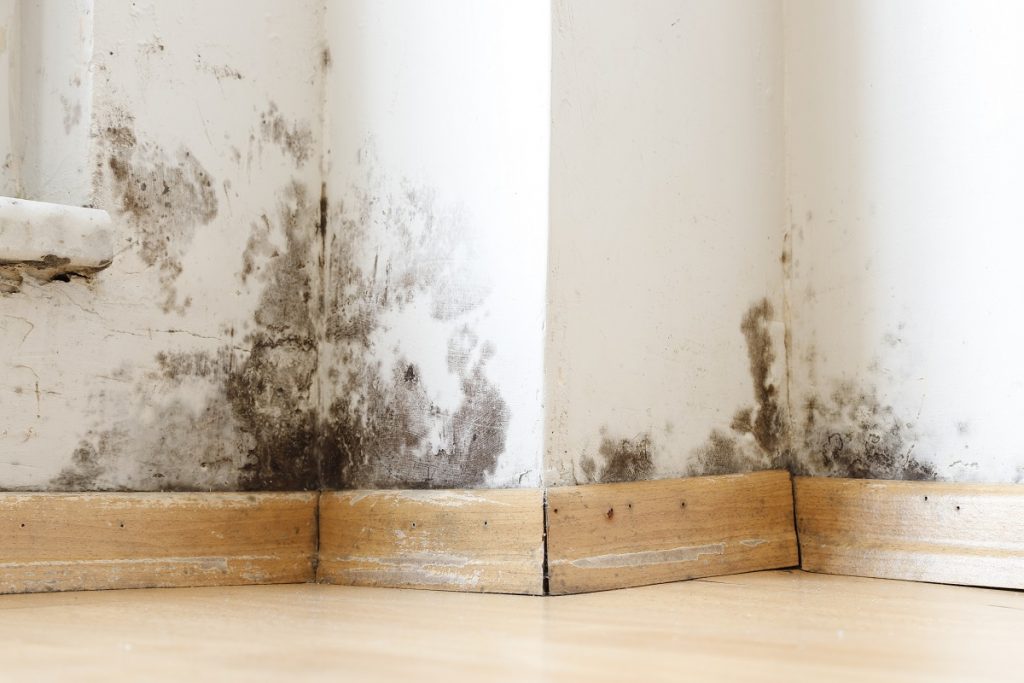
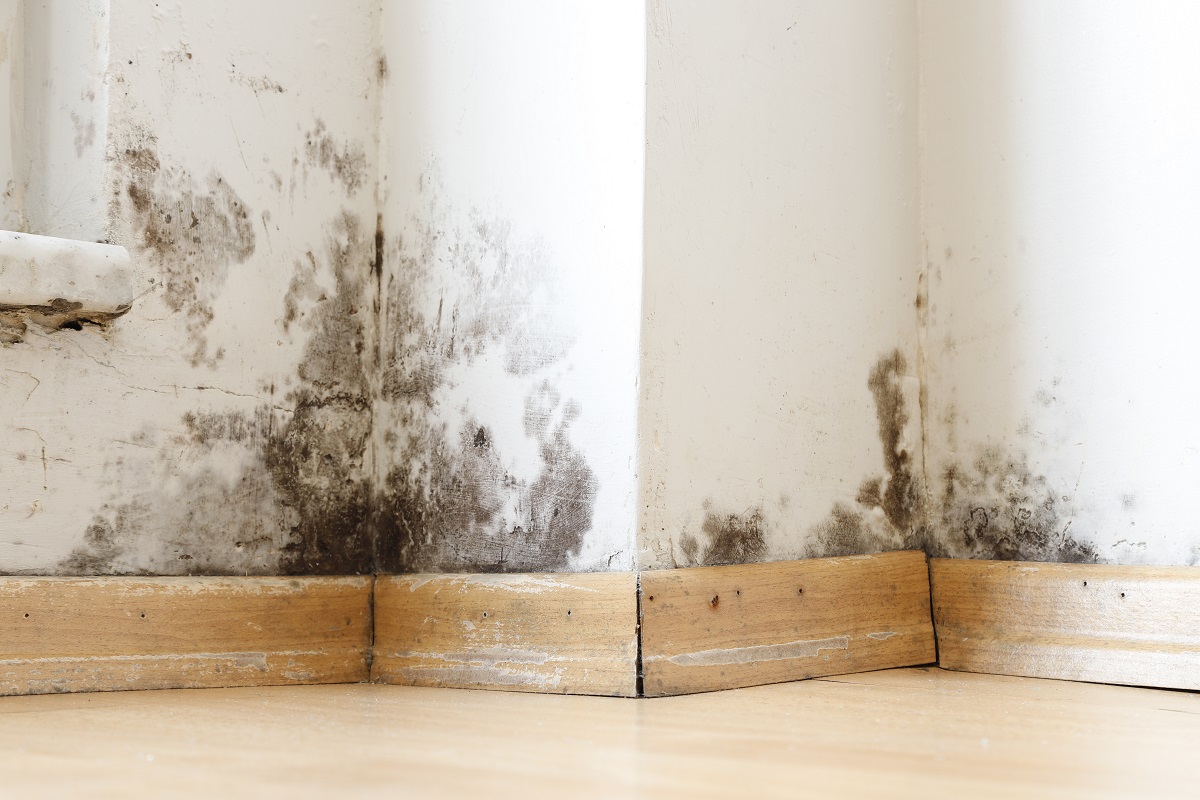
That said, a condition as extreme as Stephen’s is not just about parasites and little-known bacterial infections. There were a lot of contributing factors. He’d been exposed to environmental toxins like mold, along with vitamin and mineral deficiencies, and this had exacerbated and compounded his symptoms, preventing his immune system from clearing away any lingering infections and making it difficult for him to detoxify and improve.
With so many things going on, it was clear that Stephen didn’t just have Lyme disease. He had Multiple Systemic Infectious Disease Syndrome (MSIDS). He had multiple overlapping sources of inflammation with downstream effects making him ill.
When I started Stephen’s treatment, using dapsone combination therapy for chronic Lyme disease and Bartonella, he soon felt like a completely different person. For the first time in over a decade, his pain was gone. His joint and muscles didn’t ache. The stabbing, burning nerve pains had disappeared. No more night sweats (we will devote an entire article to Babesia in the future). No fatigue.
Even the hallucinations were almost gone. After struggling to regain his health for so long that he had nearly given up hope, Stephen was almost completely back to normal — in months — after finally getting the right treatment.
And you can get the right treatment too.
More to come
In upcoming articles, I’m going to talk much, much more about MSIDS, and the 16-point treatment plan that I used my Medical Detective skills to develop. It’s a treatment plan that works for not only chronic Lyme disease, but many other chronic illnesses which share overlapping biological processes with the three I’s: multiple infections, inflammation, and immune dysfunction.
Coming up next, I’m going to share the Lyme questionnaire, taken from my book. How Can I Get Better? and published in the International Journal of General Medicine. We validated this questionnaire in 1,600 individuals, both healthy and sick, with help from researchers at the State University of New Paltz. I know it’s going to help if you worry at all that you or someone you know might have Lyme disease. Then, in future articles, we are going to dive into the broad range of testing available to help diagnose early and late disease.
This article was originally published on Substack by Dr. Richard Horowitz.
Dr. Richard Horowitz has treated 13,000 Lyme and tick-borne disease patients over the last 40 years and is the best-selling author of How Can I Get Better? and Why Can’t I Get Better? You can subscribe to read more of his work on Substack or join his Lyme-based newsletter for regular insights, tips, and advice.
For more:





 Madison Area Lyme Support Group