Archive for the ‘Gut Health’ Category

RMSF Masquerading as Gastroenteritis

https://blog.redlaboratories.be/2022/10/rickettsia-rocky-mountain-spotted-fever

Rickettsia – Rocky Mountain Spotted Fever Masquerading as Gastroenteritis

By R.E.D. Laboratories

The recent article by Braun et al. explains the importance of test for Ricketissa tick-borne infection. This infection can hide numerous symptoms like fever, rash, gastrointestinal symptoms such as anorexia, nausea, vomiting, and abdominal pain.

The article: Rocky Mountain Spotted Fever Masquerading as Gastroenteritis: A Common but Overlooked Clinical Presentation, shows a case of a 20-year-old male presented to the emergency department with many alarming symptoms.

It is important to test for Rickettsia in order to help identifying infection rapidly as well as avoid expensive workups and invasive procedures which may delay the needed treatment.

To ensure the detection of Rickettsia infections, R.E.D. Laboratories propose the new Phage Rickettsia test which can uncover a broad range of Rickettsias: Rickettsia japonica (multiple strains); Rickettsia heilongjiangensis (multiple strains); Rickettsia parkeri (multiple strains); Rickettsia raoultii (multiple strains); Rickettsia rickettsia (multiple strains); Rickettsia slovaca (multiple strains); Rickettsia montanensis; Rickettsia peacocki; Rickettsia africae; Rickettsia conorii.

Request Form EU

Request Form USA

For more:

Why Chronic Lyme Treatment Fails – A Review With Strategies

https://www.treatlyme.net/guide/why-chronic-lyme-treatment-fails

Why Chronic Lyme Treatment Fails – A Review with Strategies

By Dr. Marty Ross

Why Lyme Disease Treatment Fails Image

About Fifteen Percent of People with Chronic Lyme

This article is about the reasons people remain ill with chronic Lyme disease even after taking one to two or even more years of herbal or prescription antibiotics. In my experience, this seems to be about 15 percent of people with chronic Lyme disease. The other 85 percent of people do have various degrees of recovery – most getting very well.

Lyme literate medical doctors (LLMDs) have very limited science to guide us about why treatment works or fails – and what the best treatment options are. The last United States National Institutes of Health funded human trials looking at treating Lyme were nearly 20 years ago. We do know from a study conducted by the MyLymeData project of LymeDisease.org that the best chance of recovery is provided by a year or more of antibiotics and working with an LLMD. You can read more about the MyLymeData studies, including those on alternative medicine outcomes versus antibiotic outcomes in What Works? Navigating Prescription & Alternative Medicine Lyme Treatments.

With the lack of human studies, most of the science I use to guide my treatment decisions comes from laboratory, non-human experiments. Fortunately, these experiments provide insights about herbal and prescription treatment options that can work in many. These experiments also provide a number of theories about what can work for treatment and why people do not recover even with long-term antibiotics.

How to Avoid Chronic Lyme Treatment Failure

Before I review the treatment failure theories, let’s discuss what steps you should take to have a successful Lyme recovery.

Kill Germs AND Correct All Body Wide Imbalances

Treating Lyme is complicated. The infection triggers an immune system cytokine reaction that affects most organs and systems of the body. In my experience, the great majority of people can recover if they address each of the steps in The Ross Lyme Support Protocol. This protocol is designed to kill Lyme and coinfection germs and to correct all of the sleep, immune system, detoxification, inflammation and hormonal imbalances created by Lyme. If your treatment did not work, but you only took herbal or prescription antibiotics alone, look at The Ross Lyme Support Protocol to see all of the areas you should have addressed that provide the best chance of recovery.

Find and Treat Mold Toxicity

Chronic mold toxicity looks just like chronic Lyme disease. Make sure you do not have this problem. And if you do – correct it. See Mold and Lyme Toxin Illness for more information.

Theories & Strategies About Lyme Treatment Failure

There are a number of theories why people remain ill even after getting rid of mold toxins and treating with a comprehensive regimen that kills germs and addresses all imbalances identified in The Ross Lyme Support Protocol. The reasons include:

  • Borrelia (Lyme) persisters
  • autoimmune disease triggered by the Lyme infection
  • disruption of a healthy gut microbiome
  • germ debris
  • limbic system brain holding of the illness
  • tissue damage from the infection
  • chronic inflammation and immune dysfunction
  • learned illness behavior and/or somatic disorder
Persisters

The Borrelia persisters theory is an in-vogue and relatively new idea about why treatments do not work. The idea is: under assault from antibiotics (RX or herbal) some of the Lyme germs go into a persister hibernation state. These persisters do not respond to regular antibiotics. We will have to see in time if addressing persisters does help to prevent or correct treatment failures. In my practice, all of my current treatments include antimicrobial approaches to address persisters.

For more information about persisters and how to address them see How to Treat Persister Lyme & Bartonella.

Autoimmune Disease

Through a process known as molecular mimicry, the immune system may attack tissues with protein and molecular parts that look just like parts of Lyme. At this time there is not a Lyme specific way to address this. But for some – using Low Dose Naltrexone (LDN) can regulate or reverse the autoimmune attack.

For more information about LDN see Low Dose Naltrexone (LDN) & Lyme.

Disruption of Healthy Gut Microbiome

Treating Lyme with herbal or prescription antibiotics disturbs the healthy balance of good germs and microbes in the gut. The germs that live in the intestines are called the gut microbiome. These include healthy bacteria, viruses, parasites, yeasts and fungae. To put the amount of microbes in perspective, over 90 percent of the genetic material in human bodies come from the microbes in the gut!

We allow these germs to live in us because they serve a purpose. Studies show these microbes regulate the immune system, signal healthy brain function, digest food, remove toxins and things we are allergic to and provide many other healthy body regulating functions.

The theory is antibiotics disturb the healthy gut microbiome leading to ongoing body-wide illness. It is not clear yet how best to address this issue or if the gut disruption really does cause ongoing illness.

One treatment option is to create a healthy gut microbiome using probiotics. Another one is to replace the dysfunctional microbiome through a stool transplant – also called fecal microbiota transplant (FMT). However, FMT is regulated by the US Food and Drug Administration (FDA). At present it is only allowed for treatment of C. difficile bacteria overgrowth in the intestines. And there has not been any research done about whether it could change the outcome of those with chronic Lyme disease.

Treating Lyme is about balancing risks and benefits. The benefit of using herbal and prescription antibiotics is decreasing or eliminating the Lyme or coinfection (like Bartonella or Babesia) germs leading to improved health. But the risk of doing so is disturbing the gut microbiome.

See Probiotic Strategies in Lyme Disease Treatment for information about probiotics and C. Difficile Diarrhea: Prevention & Treatment for more information about FMT.

Germ Debris

The immune system is supposed to break down and get rid of dead germs and their parts including DNA, RNA, proteins and fats. One theory why people remain ill is that the immune system does not get rid of all the borrelia germ debris. The debris triggers an ongoing immune inflammatory response. At this time there is not a treatment I am aware of for this possible problem.

Limbic System Brain Holding of The Illness

The limbic system is a part of the brain that regulates our emotional responses and behaviors. This includes fight-or-flight responses, fear, and survival behaviors like feeding the young and reproduction.

For some in Lyme the limbic system becomes overly reactive leading to a brain holding of illness. This causes some of the ongoing symptoms like pain or even fatigue. Much of this is unconscious.

There are a number of programs that can help reprogram the limbic system brain holding of the illness. Two of the more popular programs are the Gupta Program and Annie Hopper Dynamic Neural Retraining System. Many of my patients have found benefit from these practices. Short of doing these programs, developing a meditative mindfulness practice can help too. Counseling may also help to decrease emotional reactivity.

Tissue Damage

Another theory is Lyme and the immune reaction to it lead to ongoing tissue damage and injury even when the infection is gone or under control. This leads to pain, neurologic and brain dysfunction, mitochondria cell energy factory dysfunction and even immune dysfunction.

My current approach to repairing muskuloskeletal tissue injury and peripheral nerve injury is to use the peptide BPC-157. For brain injury I also add the peptide Cerebrolysin. See Repair & Restore with Peptides in Lyme Disease or Mold Toxin Illness for more information about peptides and BPC-157. For people with low energy I work to repair the mitochondria. See How to Fix Mitochondria & Get Energy in Lyme Disease.

Chronic Inflammation and Immune Dysfunction

Under this theory, Lyme infection sets off an ongoing immune inflammation reaction that takes on a life of its own – causing more inflammation and immune dysfunction. One reason this could happen is due to an imbalance between what is known as Th1 and Th2/Th17 parts of the immune system. Th1 is made up of immune cells that attack germs like T white blood cells and macrophages. Th1 is the immune system offense squad. Th2/Th17 is made up of B white blood cells that make antibodies, mast cells involved in allergies and histamine production, and immune barrier cells that line the mucous and skin membranes designed to keep germs out. Think of Th2/Th17 as the immune system defensive squad. If Th2 and Th17 get too active they release inflammatory cytokines that lead to many ongoing Lyme type symptoms and they can suppress Th1 and its germ fighting abilities.

In my practice I work with LDN I mentioned above to increase TReg cells that create balance between Th1 and Th2/Th17. Another option is to use the peptide TB4 Frag. For more information about these treatment options see Repair & Restore with Peptides in Lyme Disease or Mold Toxin Illness and Low Dose Naltrexone (LDN) & Lyme.

Learned Illness Behavior and/or Somatic Illness

These are two psychological conditions. I list them here to be thorough, but I am concerned that many non-LLMDs use these diagnoses to say Lyme disease is in a person’s head instead of acknowledging and treating them for a physical illness. In my experience, it is a rare person with chronic Lyme that has one of these conditions contributing to their illness. Counseling is helpful if one of these occurs.

Disclaimer

The ideas and recommendations on this website and in this article are for informational purposes only. For more information about this, review the sitewide Terms & Conditions.

References

  1. Bobe JR, Jutras BL, Horn EJ, et al. Recent Progress in Lyme Disease and Remaining Challenges. Front Med (Lausanne). 2021;8:666554. Published 2021 Aug 18. doi:10.3389/fmed.2021.666554 (View)
  2. Cabello FC, Embers ME, Newman SA, Godfrey HP. Borreliella burgdorferi Antimicrobial-Tolerant Persistence in Lyme Disease and Posttreatment Lyme Disease Syndromes. mBio. 2022;13(3):e0344021. doi:10.1128/mbio.03440-21 (View)
  3. Fallon BA, Sotsky J. Conquering Lyme Disease: Science Bridges the Great Divide. New York: Columbia University Press; 2018.
  4. Sanabria-Mazo JP, Montero-Marin J, Feliu-Soler A, et al. Mindfulness-Based Program Plus Amygdala and Insula Retraining (MAIR) for the Treatment of Women with Fibromyalgia: A Pilot Randomized Controlled Trial. J Clin Med. 2020;9(10):3246. Published 2020 Oct 11. doi:10.3390/jcm9103246 (View)

About the Author

Marty Ross, MD is a passionate Lyme disease educator and clinical expert. He helps Lyme sufferers and their physicians see what really works based on his review of the science and extensive real-world experience. Dr. Ross is licensed to practice medicine in Washington State (License: MD00033296) where he has treated thousands of Lyme disease patients in his Seattle practice. 

Marty Ross, MD is a graduate of Indiana University School of Medicine and Georgetown University Family Medicine Residency. He is a member of the International Lyme and Associated Disease Society (ILADS) and The Institute for Functional Medicine.

For more:

Cancers Increasing Dramatically & Did the COVID Shot Worsen A Famous Doctor’s Cancer?

**UPDATE Oct. 2022**

An analysis of U.S. Morbidity and Mortality Weekly Report (MMWR) data suggests the CDC has been filtering and re-designating cancer deaths as COVID deaths since April, 2021 to eliminate the cancer signal. The signal is being hidden by swapping the underlying cause of death with the main cause of death.  And before it was manipulated, data from the Defense Medical Epidemiology Database (DMED) showed cancer rates in military personal and in their families TRIPLED after the shot rollout. Cancer patients have also gotten younger with the largest increase among 30-50 year olds, with dramatically larger, and multiple tumors, occurring in multiple organs as well as recurrence and metastasis increasing.

https://www.sciencealert.com/cancers-in-adults-under-50-have-increased-dramatically-around-the-globe

Cancers in Adults Under 50 Have Increased Dramatically Around The Globe

By Fiona MacDonald

Cancer has long been part of the human story. But a new review has shown that, recently, something has shifted.

Since 1990, the number of adults under the age of 50 developing cancer has increased dramatically around the world.

What’s concerning is that the increase in early-onset cancers doesn’t seem to be slowing down – and improvements in screening alone don’t seem to be able to fully explain the trend.

“We found that this risk is increasing with each generation,” says one of the researchers, Shuji Ogino, a pathologist and epidemiologist at Brigham and Women’s Hospital in Boston.

(See link for article)

__________________

SUMMARY:

  • The researchers looked at 14 cancer types:  breast, colorectal (CRC), endometrial, esophageal, extrahepatic bile duct, gallbladder, head and neck, kidney, liver, bone marrow, pancreas, prostate, stomach, and thyroid cancer – all of which are on the rise according to global cancer data.
  • Then they reviewed any available studies that could shed light on possible risk factors for these cancers by looking for clues in the literature describing any unique clinical and biological characteristics of tumors of early-onset cancers.
  • They found that early-onset cancer is an emerging global epidemic.
  • They found the following issues contributed to the uptick:
    • increased screening, however even countries that don’t have screening programs have increased cancer rates.
    • Diet
    • lifestyle
    • weight (obesity)
    • environmental exposures
    • microbiome
    • sedentary lifestyle
    • alcohol consumption
    • type 2 diabetes
  • Among the types of cancers studied 14 are related to the digestive system.
  • Regarding children, they are getting a lot less sleep than in the past.

The research has been published in Nature Reviews Clinical Oncology.

While the article doesn’t mention it specifically, radiation from wireless devices such as cell phones which have become prominent today may be adding to this cancer surge as well.  It is commonly known that EMFs wreak havoc in the body and many Lyme/MSIDS are particularly vulnerable.

Another little discussed topic is glyphosate, the major ingredient in Bayer-Monsanto’s Roundup which is the most widely used pesticide in the U.S. WHO and CA scientists both agree it is linked to cancer, yet the EPA concluded it was “safe” and “not likely” to cause cancer. The EPA has been forced to review this due to a federal judge finding the agency ignored human health studies, expert advice, and the agency’s guidelines for determining cancer risk. Source

And a 2021 study links lung cancer with mask usage.

Similarly to research regarding tick-borne illnesses, Alzheimer’s and cancer research have been controlled by a Cabal and researchers are currently accused of doctoring images, plagiarism, and faking data.

The article also doesn’t mention the link between the COVID mRNA shots and cancer:

  • the lipid nanoparticle mRNA COVID injection goes systemically into the entire body and doesn’t remain in the arm as thought.
  • It continues to produce the spike protein at least 60 days out if not longer and is being found 15 months later.
  • It also interferes with cancer blocking genes and they are seeing an uptick in cancers as well as other viruses now after the shots
  • there’s been a 40% increase in deaths those ages 18-64 years of age and an 84% increase in the 25-44 age group according to insurance companies.

The following story is a perfect example of the very real potential link:

https://thehighwire.com/videos/renowned-physician-documents-aggressive-cancer-post-covid-vaccines/  Video Here (Approx. 14 Min)

RENOWNED PHYSICIAN DOCUMENTS AGGRESSIVE CANCER POST COVID VACCINES

Belgian immunologist and medical research icon, Michel Goldman, had his values challenged when a Covid booster shot appeared to rapidly accelerate his cancer. He decided to go public with his story and tell the world.

https://www.theatlantic.com/science/archive/2022/09/mrna-covid-vaccine-booster-lymphoma-cancer/671308/

Did a Famous Doctor’s COVID Shot Make His Cancer Worse?

A lifelong promoter of vaccines suspects he might be the rare, unfortunate exception.
Sept. 24, 2022
 
Excerpts:
 
On September 22 of last year, Michel Goldman, a Belgian immunologist and one of Europe’s best-known champions of medical research, walked into a clinic near his house, rolled up his sleeve, and had a booster shot delivered to his arm.
 
Just a few weeks earlier, Michel, 67, had been to see his younger brother, Serge, the head of nuclear medicine at the hospital of the Université Libre de Bruxelles, where both men are professors. Michel was having night sweats, and he could feel swollen lymph nodes in his neck, so his brother brought him in for a full-body CT scan. When the images came through to Serge’s computer they revealed a smattering of inky spots, bunched near Michel’s left armpit and running up along his neck. It was cancer of the immune system—lymphoma.
 

Given his own area of expertise, Michel understood this meant he’d soon be immunocompromised by chemotherapy. With another winter on the way—and perhaps another wave of SARS-CoV-2 infections—that meant he had just a narrow window of opportunity in which his body would respond in full to COVID vaccination. Having received two doses of Pfizer the prior spring, Michel quickly went to get his third. If he was about to spend months absorbing poison as he tried to beat a deadly cancer, at least he’d have the most protection possible from the pandemic.

Within a few days, though, Michel was somehow feeling even worse. His night sweats got much more intense, and he found himself—quite out of character—taking afternoon naps. Most worryingly, his lymph nodes were even more swollen than before. He conferred with Serge again, and they set up another body scan for September 30, six days before Michel was scheduled to start his cancer treatment. Once again he sat in the radiology waiting room while his brother waited for the pictures to appear on his computer.

Serge’s bushy eyebrows furrowed when he spoke with Michel after having seen the scans. (“I will always remember his face, it was just incredible,” Michel told me.) The pictures showed a brand-new barrage of cancer lesions—so many spots that it looked like someone had set off fireworks inside Michel’s body. More than that, the lesions were now prominent on both sides of the body, with new clusters blooming in Michel’s right armpit in particular, and along the right side of his neck.  (See link for article)

___________________

SUMMARY:

  • It is unusual to see such a swift progression in just 3 weeks
  • He hand his brother had a gnawing feeling the booster made him sicker
  • The article erroneously states this is a very rare life-threatening side effect.  Doctors have been reporting this finding all over the world but are ignored.
  • An avid proponent of the shots, going to far as to reassure others about their safety, he’s definitely having a red pill experience.
  • Unfortunately he bought and propagated the lie that any chance of serious complications from the shots pale in comparison to the chance of complications from COVID.
  • Michael threw him into researching the mechanisms of action of the COVID shots and did find clues suggesting the the mRNA shots might be risky for a subset of the population as they are effective at generating a message and spurring its passage through helper T cells, which could give such a jolt to helper T cells that they go berserk.  Overstimulation on those prone to forming tumors in those already with cancer, overstimulation could make it worse.
  • He learned that body scans of some of those who get vaccines, including cancer patients, have shown heightened activity in the lymph nodes near the armpit on the side where the shot was received.
  • A mouse study also corroborated his experience.
  • Michael wrote a paper, about his experience titled “Rapid Progression of Angioimmunoblastic T Cell Lymphoma Following BNT162b2 mRNA Vaccine Booster Shot”
  • Worried his study would fuel vaccine skepticism he labored over every word, yet his paper follows earlier reports also suggesting a possible link between the COVID shot and lymphoma
  • Another doctor also worried that writing about five patients who had a relapse of kidney disease and eight patients who were newly diagnosed after getting the shot would also fuel vaccine skepticism.
  • Michael’s immunologist stated that the vaccine appeared to be related to the cancer’s behavior and then reneged by stating it’s just a case report – one patient.

How to Calm the Nervous System During Lyme Treatment

https://rawlsmd.com/health-articles/how-to-calm-the-nervous-system-during-lyme-treatment

View Larger ImHow to Calm the Nervous System During Lyme Treatment

by Stephanie Eckelkamp
Posted 9/15/22

Feeling frazzled, irritable, low in energy, or unable to get a good night’s rest often comes with chronic Lyme disease territory. Lyme is one of those ailments that basically leaves no part of your body unscathed — and your nervous system is no exception.

The microbes that cause Lyme and its common coinfections create a perfect storm of ongoing cellular stress that puts your body on high alert, ramping up the sympathetic nervous system (SNS), which controls your flight-or-fight response, while suppressing the parasympathetic nervous system (PNS), which is in charge of your body’s “rest-and-digest” mode.

This imbalance messes with your body’s ability to heal and interferes with functions essential for maintaining mind-body balance. Not only that, but the intense emotional stress that comes with having a painful chronic disease (and experiencing its many setbacks) also drives your fight-or-flight response, compounding the problem.

The good news: Taking strategic steps to rebalance a dysregulated nervous system will not only support long-term healing but also help you feel more calm and balanced in the short-term. Below, we’ll look at the science behind the Lyme-stress-nervous system connection and then highlight effective steps you can take to calm the chaos.

How Lyme Impacts the Nervous System

“Lyme disease is an assault on the cells of the body,” says Bill Rawls, MD, Medical Director of RawlsMD and Vital Plan. “And stressed cells are constantly sending out distress signals to the brain, which activate our sympathetic nervous systems and that fight-or-flight response.”

The fight-or-flight response isn’t inherently bad — in fact, it’s essential for survival, as it prompts the release of stress hormones like adrenaline and cortisol that prime the body for swift action and your brain for quick thinking when facing a real-life threat (so you can literally fight or flee). However, it becomes problematic when it’s activated all the time and is not followed up with necessary recovery periods, as can be the case with chronic Lyme.

Nervous woman suffering from insomnia and lying in bed late at night, she is awake and restless, top view

“Adrenaline and cortisol counteract everything going on in the parasympathetic system,” says Dr. Rawls. “That keeps your cells activated and robs them of their down time, which interferes with sleep, drives inflammation in the body, and makes you tired and anxious.” Over time, it can even worsen pain symptoms, which contributes to additional stress and feeds a vicious cycle.

Increased SNS and decreased PNS activity can also lead to changes in neural activities in the brain and interfere with creating beneficial neural connections responsible for memory, decision-making, managing emotions, and goal setting, while reinforcing harmful neural connections that further drive the fight-or-flight response.

None of these things are conducive to healing, of course. “So for someone with Lyme disease, calming that sympathetic response as much as possible is important,” says Dr. Rawls.

10 Ways to Calm and Rebalance Your Nervous System

Reducing the microbial assault on your body’s cells that contributes to a revved-up SNS is key to addressing a key driver of nervous system imbalance. Thankfully, you have multiple avenues to lighten the stress burden on your body and start calming that angry nervous system ASAP, which can support physical, emotional, and cognitive health and free up resources your body needs to heal. Here’s how:

woman meditating outside

1. Tap into the Calming Power of Your Vagus Nerve.

Consider exercises that stimulate your vagus nerve for an in-the-moment strategy to soothe your nervous system and bring about a sense of calm when you’re feeling acutely frazzled. The vagus nerve runs from your abdomen to your brain and is a crucial component of your rest-and-digest PNS. By engaging in habits that improve how well the vagus nerve functions, your body is better equipped to tap into that calming and reparative side of your nervous system.

  • Take slow, deep breaths: Slow breathing has been shown to improve vagal tone, increasing PNS functions and lessening SNS activity. Rapid breathing does the opposite. This is one reason yoga, meditation, qigong, and other activities that focus on breath can be so calming.
  • Sing or hum a tune: It’s hard to feel stressed when you’re singing along to your favorite tune. That may be due to the fact that the vagus nerve is connected to your vocal cords, so humming or singing offers a mechanical way to stimulate it. Singing is also shown to slow respiration, lower heart rate, and have a “biologically soothing” effect.
  • End your shower with a blast of cold water: Cold exposure may initially increase activity of your SNS, but once your body acclimates to the lower temperature, PNS activity increases — suggesting that cold adaptation may stimulate the vagus nerve and improve vagal tone. Consider ending your shower with a blast of cold water or alternating with 60-second intervals of hot and cold water.

Keep in mind, says Dr. Rawls, practices that stimulate your vagus nerve aren’t a cure-all, but when combined with an overall healthy diet and lifestyle, they can be a low-cost tool to calm the nervous system and maximize healing.

woman standing in front of sunset

2. Reset Your Circadian Rhythm with Natural Light.

Living out of sync with your natural surroundings is a surefire way to increase stress and mess with your nervous system. Case in point: Not getting enough natural light exposure during the day and then blasting your eyes with artificial light from screens at night can throw off your body’s circadian rhythm, which regulates your sleep-wake cycle and other biological functions. This can interfere with sleep and cellular repair processes, driving further stress and cellular dysfunction.

The solution: If nothing else, get outdoors or to a window and expose yourself to natural sunlight within the first hour of waking and periodically throughout the day to support a healthy circadian rhythm. Research suggests bright light exposure between 7 a.m. and 3 p.m. enhances PNS activity overnight, which may promote restful, reparative sleep.

green tea being poured from pot to cup

3. Swap Your Coffee for Green Tea.

We’re not trying to rob you of life’s simple pleasures, but that coffee could be doing more harm than good for your nervous system — especially if you’re burdened with a chronic disease. Caffeine can mimic excitatory hormones that trigger the body to produce the stress hormones adrenaline and cortisol. While some people with chronic Lyme may need to wean off caffeine altogether, others may be able to tolerate a small amount per day, which is where green tea comes in. Green tea has less caffeine and contains the amino acid L-theanine, which buffers caffeine’s stimulating effects.

herbal capsules on wooden spoon

4. Embrace Adaptogenic Herbs.

Adaptogens such as reishi, cordyceps, rhodiola, and ashwagandha have an overall balancing or normalizing effect on the body, and they help you react to and recover from physical, mental, and environmental factors that might otherwise dial up your SNS.

One way they do this is by influencing the HPA axis (hypothalamic-pituitary-adrenal axis), a series of interactions between the hypothalamus, pituitary gland, and adrenal glands that regulate the body’s response to stressors. “Adaptogenic herbs send a message to the hypothalamus and basically say, ‘Hey, things aren’t as bad as you think. Let’s tone down that stress response a bit,’” says Dr. Rawls.

red marker drawing single check mark

5. Start Single-Tasking.

You know that Lyme’s stress-inducing effects can rob you of your cognitive sharpness, messing with your memory, focus, problem solving skills, and more — and this is only exacerbated by our modern era of multitasking. “If you’ve got brain fog, do yourself a favor and focus on one thing at a time and temporarily put aside worries about everything else,” says Dr. Rawls. There’s actually real science to support single-tasking’s calming effect: In one study, researchers found that SNS activity was significantly higher and PNS activity significantly lower while multitasking (doing 2+ tasks at once) and dual-tasking (switching between two tasks) than during single-tasking.

collection of anti-inflammatory foods

6. Eat an Anti-Inflammatory Diet.

Lyme microbes trigger inflammation in the body, which ramps up SNS activity. Since you don’t want your diet to drive you further into fight-or-flight, eating an anti-inflammatory diet rich in vegetables, fruits, herbs, spices, nuts, seeds, legumes, fermented foods, salmon, and other whole foods is your best bet. Keep processed foods to a minimum, too, particularly ones with refined carbohydrates and sugars — consumption of these has been shown to significantly increase SNS activity, according to one literature review.

An anti-inflammatory diet rich in plant foods (and fermented foods) also helps foster a balanced gut microbiome, which is important for a healthy nervous system. More on that below.

probiotic yogurt in bowl

7. Support Your Gut Microbiome.

The bacteria in your gut are responsible for producing many of the body’s neurotransmitters, so an overgrowth of pathogenic bacteria (i.e., gut dysbiosis) can alter your body’s normal balance of mood-regulating chemical messengers — tipping the scale from favorable, mood-elevating neurotransmitters to ones that activate the fight-or-flight response and cause agitation, says Dr. Rawls.

So what can you do to restore healthy microbial balance and indirectly support your nervous system? Take steps to foster the growth of good bacteria and support intestinal motility (since constipation can promote the growth of bad bacteria). Start by optimizing your diet, getting regular physical activity, drinking enough water, engaging in activities that bring you joy, and taking a quality probiotic supplement if you’re currently on antibiotics.

close up of womans feet in tennis shoes

8. Get a Dose of Doable Exercise.

Any regular physical activity that your body can handle will have a beneficial effect on stress levels and, thus, your nervous system. “The intended follow-up to the fight-or-flight response is to be physically active,” says Dr. Rawls. “When you go for a 15-minute walk, you normalize all your stress hormones and lower cortisol and adrenaline.” And this can help bring you back to a calm, PNS-dominant state.

Don’t overdo it, though. Strenuous exercise can actually ramp up the fight-or-flight response, contributing to excessively high stress hormone levels, according to Dr. Rawls. Consider walking, cycling, swimming, gentle yoga, qigong, or simple bodyweight exercises, such as sit-ups, push-ups, planks, and leg lifts.

dog shaking off water

9. Shake It Out When You’re Stressed.

Not up for any sort of structured physical activity? No worries. Even just shaking out your body is thought to help relieve muscle tension and trauma, burn off excess stress hormones, and help rebalance the nervous system. You’ve probably seen your dog shake off after a stressful or overly stimulating encounter — it’s the same thing! To try it:

  • Stand up and get comfortable
  • Place your feet shoulder-width apart
  • Begin to shake out your body
  • Don’t worry about what you look like

Whether you shake out one arm or leg at a time or move your whole body at once, there’s no wrong way to do it. Shaking helps to recalibrate the nervous system and decrease SNS overactivity.

woman taking hike through forest

10. Spend at Least Two Hours in Nature per Week.

Getting a dose of nature is one of the best ways to nourish your nervous system. Walking on a wooded trail, near a grassy park, or by a body of water has been shown to increase PNS activity and lower heart rate compared to walking in urban settings. Dozens of studies have affirmed the mind-body benefits of forest bathing (i.e., long walks in the woods), which include increased PNS activity, decreased SNS activity, lower blood pressure, and improved markers of immune health.

You don’t have to do it every day either — one study found that both men and women were more likely to report overall good health and greater psychological well-being when they spent at least two hours in nature per week. Even lounging in a lush park counts.

Bottom Line

The physical and mental stress of chronic Lyme disease can wreak havoc on your nervous system. And while there’s no magic reset button to restore balance, the tips above can lighten your stress load, support a healthier stress response, and help your body tap into a calmer PNS-dominant state — all of which can help foster immediate improvements in well-being and support long-term healing.

REFERENCES
1. Becker L, Kaltenegger HC, Nowak D, Rohleder N, Weigl M. Differences in stress system (re-)activity between single and dual- or multitasking in healthy adults: a systematic review and meta-analysis [published online ahead of print, 2022 May 5]. Health Psychol Rev. 2022;1-26. doi:10.1080/17437199.2022.2071323
2. Gladwell VF, Kuoppa P, Tarvainen MP, Rogerson M. A Lunchtime Walk in Nature Enhances Restoration of Autonomic Control during Night-Time Sleep: Results from a Preliminary Study. Int J Environ Res Public Health. 2016;13(3):280. Published 2016 Mar 3. doi:10.3390/ijerph13030280
3. Hannibal KE, Bishop MD. Chronic stress, cortisol dysfunction, and pain: a psychoneuroendocrine rationale for stress management in pain rehabilitation. Phys Ther. 2014;94(12):1816-1825. doi:10.2522/ptj.20130597
4. Kopp W. Chronically increased activity of the sympathetic nervous system: our diet-related “evolutionary” inheritance. J Nutr Health Aging. 2009;13(1):27-29. doi:10.1007/s12603-009-0005-1
5. Lin TW, Tsai SF, Kuo YM. Physical Exercise Enhances Neuroplasticity and Delays Alzheimer’s Disease. Brain Plast. 2018;4(1):95-110. Published 2018 Dec 12. doi:10.3233/BPL-180073
6. Mäkinen TM, Mäntysaari M, Pääkkönen T, et al. Autonomic nervous function during whole-body cold exposure before and after cold acclimation. Aviat Space Environ Med. 2008;79(9):875-882. doi:10.3357/asem.2235.2008
7. Nishimura S, Hyun K, Lee Y, et al. Increase in Parasympathetic Nerve Activity During the Nighttime Following Bright Light Exposure During the Daytime. Biological Rhythm Research. 2003; 34(3): 233-240. doi: 10.1076/brhm.34.3.233.18809
8. Pal GK, Velkumary S, Madanmohan. Effect of short-term practice of breathing exercises on autonomic functions in normal human volunteers. Indian J Med Res. 2004;120(2):115-121. https://www.proquest.com/openview/9b98ccfa3b77e8dc6667b20e1ca0f96c/1
9. Panossian A, Wikman G. Effects of Adaptogens on the Central Nervous System and the Molecular Mechanisms Associated with Their Stress-Protective Activity. Pharmaceuticals (Basel). 2010;3(1):188-224. Published 2010 Jan 19. doi:10.3390/ph3010188
10. Tanaka M, Tajima S, Mizuno K, et al. Frontier studies on fatigue, autonomic nerve dysfunction, and sleep-rhythm disorder. J Physiol Sci. 2015;65(6):483-498. doi:10.1007/s12576-015-0399-y
11. Train Your Brain. Harvard Health Publishing website. https://www.health.harvard.edu/mind-and-mood/train-your-brain
12. Vickhoff B, Malmgren H, Aström R, et al. Music structure determines heart rate variability of singers [published correction appears in Front Psychol. 2013 Sep 05;4:599]. Front Psychol. 2013;4:334. Published 2013 Jul 9. doi:10.3389/fpsyg.2013.00334
13. White MP, Alcock I, Grellier J, et al. Spending at least 120 minutes a week in nature is associated with good health and wellbeing. Sci Rep. 2019; 9:7730. doi:10.1038/s41598-019-44097-3
14. Yu CP, Chen HT, Chao PH, Yin J, Tsai MJ. The Role of Social Context in Physiological and Psychological Restoration in a Forest: Case Study of a Guided Forest Therapy Program in Taiwan. Int J Environ Res Public Health. 2021;18(19):10076. Published 2021 Sep 25. doi:10.3390/ijerph181910076

A Deer, A Cow, And Learning to Heal From Lyme Disease

https://www.lymedisease.org/deer-cow-lyme-disease-bennett/

A deer, a cow, and learning to heal from Lyme disease

Sept. 6, 2022

by Jamie Bennett

What is your health worth to you? If lost, how far would you go to get it back? These are questions I’ve had a lot of time to think about.

I was living the life. Upwardly mobile in my career, a major crimes detective in her prime. Sure, I had the occasional strep throat, flu, or overall yucky day, but nothing that I thought was different from everyone else. Things were under control, predictable, and manageable…until they weren’t.

After moving to a 26-acre farm and getting pregnant with my third child, things started to change. I. Was. Exhausted. I could barely function, and things that we normally don’t even think about became major blocks.

I had to crawl up stairs because my legs burned, I was short of breath, my heart was on its own agenda, and my head wanted to explode. Taking a shower seemed like a marathon, and I would have to rest when I was done.

The doctors assured me that these were just pregnancy side effects. They said these problems would go away when my son, Thomas, was born.

No symptoms resolved

Once I was a stay-at-home mother of three, however, things never got better. In fact, they were worse. None of my symptoms resolved, but I was too focused on my newborn son to make them a priority.

My little man, who never cried when born, began to regress. Each time he was given a vaccination he would “disappear” for a few days. Then, at 19 months, he didn’t bounce back. My son no longer looked at me. He looked through me with glazed-over eyes. He became completely nonverbal and showed no interest in interacting with others. Classic signs of a spectrum disorder.

After my son’s diagnosis of high-functioning autism, I started biomedically treating him. I was living on adrenaline, squeezing every little bit out of my already-depleted reserves to stay up and research. I altered his diet, got him into speech and physical therapy, and eventually put him in the Head Start program in our county.

We traveled for hours, crossed state lines, and stayed overnight in hotels to see specialists. If it was available, we did it. And he improved! Our son went from having a low IQ to one that was above average. We were making progress, but still, it seemed we were missing something.

Meanwhile, my health that had been put on the back burner needed to be addressed. I was getting worse, and I needed to figure out why. I saw primary care physicians, neurologists, endocrinologists, infectious disease specialists, cardiologists, you name it!

They diagnosed me with a million things, from hypoparathyroidism to congenital heart defects, but no one could find the smoking gun—the root cause of all of my health problems.

I had muscle biopsies, EKGs, EMGs, MRIs, SPECT scans, radioactive scans, heart ablations, bones fused, and organs removed. In response, doctors offered narcotics and various speculations about a cause. First, I was being poisoned. Then, it was psychosomatic. From there I had muscle myopathy, rheumatoid arthritis, lupus, early onset Parkinson’s, and ALS. We continued to treat the symptoms without knowing their cause.

The smoking gun–Lyme disease

Eventually, a doctor found my smoking gun—Lyme disease and its many co-infections. Evidently, I had contracted Lyme and other tick-borne diseases before conceiving my son, and then transferred it to him in utero. In addition, my defiant and academically struggling daughter also tested positive for Lyme.

Fast forward through several years of homeschooling, PICC lines, oral antibiotics, herbals, special diets—including the Specific Carbohydrate Diet and the Autoimmune Paleo protocol—and more doctor visits than we could count. Here you will find us chugging along just like everyone else. Unfortunately, we’re not like everyone else.

Every single person in my family has been diagnosed with at least one tick-borne disease, if not several.  Yet, healing is possible. My son is now testing gifted and in a math program two years above his grade. My daughter is climbing the corporate ladder, one of the youngest to have achieved her position at the company where she works.

And me? Well, after researching the effect of nutrition and biomedical intervention on Lyme, autism, inflammation, and autoimmune disease for two decades, I went back to school.

Functional nutrition

I earned a certification as a Functional Nutritional Therapy Practitioner and Autoimmune Paleo coach so I could help others from a nutritional and biomedical standpoint. Emotionally, I’d say we’re not worse for wear, but our health will always keep us on our toes.

Through all of our difficult times, my mother was my rock, biggest cheerleader, and best friend. Three years ago, she encouraged me to share our story, and I took up that challenge.

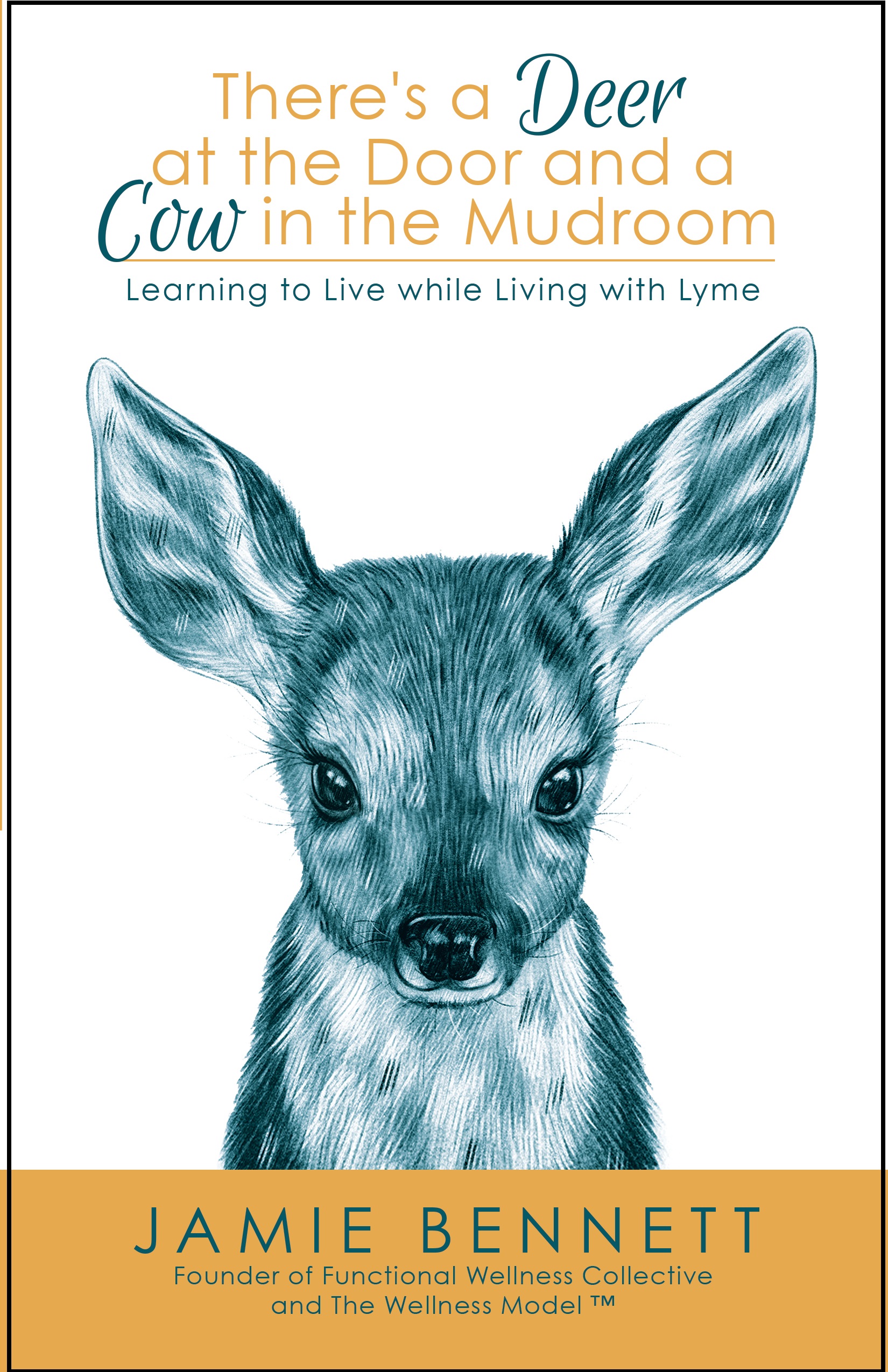
The result is a book called There’s A Deer At The Door And A Cow In The Mudroom: Learning to Live while Living with Lyme. My goal is to help others by sharing what I learned from those dark years. Our family’s transformation through faith, farming, and chronic illness was a roller coaster of emotions and learning lessons but certainly not all bad.

The deer my daughter rehabilitated was as instrumental to her recovery as her medication. Waking to find the deer waiting at the door gave her a reason to get up and continue to fight each day. The calf–it really was in the mudroom. It become one of the many farm lessons that molded my children, teaching them to live each moment as though they were never sick.

My mother didn’t live to see the publication of this book, but she was instrumental in helping to bring it about.

My family healed through our various experiences. I hope that learning about what we did can help you heal, too.

Jamie Bennett maintains a website geared towards helping people obtain optimal health. Click here for more information about her book.

__________________

**Comment**

Great read and the book sounds marvelous.  Notice the little nuggets of truth:

  • A “vaccine” once again seemingly served as a trigger for health problems.  They are not safe and effective for ALL people and the risk/benefit ratio MUST be considered by each person. Medicine is not “one size fits all,” and the COVID debacle set us back to the Dark Ages in this area.  Never allow someone bully you into making a decision that YOU and you alone will have to live with for the rest of your life.
  • Necessity pushed this mother to find answers. There are silver linings in having to deal with poor health if you refuse to quit.  There will be dark days for sure, but keep on chugging.
  • Notice how this woman’s mother was her bulwark.  Be a bulwark for someone.  You will never know how your words could help someone out of a dark pit.  I’ve shared it before but it’s worth repeating: I was told by my children’s martial arts teacher, “Lyme has nothing on you.  You have an indomitable spirit and you will survive this.”  At the time I felt anything but indomitable and was questioning the reason for even trudging on.  But, after those words were uttered, I felt myself revive deep inside.  I will never forget those life-affirming, saving words.
  • Notice all the misdiagnoses.  This is a common theme with Lyme/MSIDS and until the root issue of tick-borne illness is dealt with, you will not fully regain your health; however due to politicization, it is often the last thing dealt with.
  • Notice how ALL the things learned and used had a cumulative effect on health.  While addressing the infection(s) is crucial, there are many other facets that also need addressing such as detoxification, hormones, minerals/vitamins, exercise, sleep, psychological issues including anxiety, PTSD, trauma, and so on – and each patient has different needs requiring different methods and treatments. This illness is highly individualized and takes a savvy approach – again, not a “one size fits all” approach – which allopathic medicine ascribes to.
  • Notice the daughter’s rehabilitation of a deer was as important to her recovery as directed treatment.  This deer helped her get her mind off of herself.  We all need something to help us overcome our own selves!  We can actually stand in our own way in healing.  We need productive, healthy outlets to focus on with what little energy we have.
  • Some of the best ideas come from other patients willing to take the time to share their stories and what helped them.  Even if their ideas don’t work for you, it will nudge you to keep looking.
NEVER EVER QUIT!