http://

A continuation of Parts 1 and 2.

Listen in as Thayer explains how underlying infections are the predominant issue with chronically infected Lyme/MSIDS patients and that the moniker of PTLDS hurts patients as it denies persistent infection, thereby denying patients crucial anti-microbial treatment.  She also delineates why this is happening in the research world (researchers follow the money as they need grants) and how only going down the PTLDS road will affect insurance as well as treatment.

I’m thankful that Thayer clearly states Lyme groups should not be in support of any research using the PTLDS moniker.  I completely agree.  Until patients speak up on this point, damaging research – ignoring the root issue will continue to be done and important monies used up.  The same thing should be said about climate data as well.

https://doi.org/10.3390/pathogens10030327

Detection of Babesia odocoilei in Ixodes scapularis Ticks Collected in Southern Ontario, Canada


Pathogens 2021, 10(3), 327; https://doi.org/10.3390/pathogens10030327
Received: 5 February 2021 / Revised: 2 March 2021 / Accepted: 4 March 2021 / Published: 10 March 2021
Tick-borne zoonotic diseases have an economic and societal impact on the well-being of people worldwide. In the present study, a high frequency of Babesia odocoilei, a red blood cell parasite, was observed in the Huronia area of Ontario, Canada. Notably, 71% (15/21) blacklegged ticks, Ixodes scapularis, collected from canine and feline hosts were infected with B. odocoilei. Consistent with U.S. studies, 12.5% (4/32) of questing I. scapularis adults collected by flagging in various parts of southwestern Ontario were positive for B. odocoilei. Our data show that all B. odocoilei strains in the present study have consistent genetic identity, and match type strains in the GenBank database. The high incidence of B. odocoilei in the Huronia area indicates that this babesial infection is established, and is cycling enzootically in the natural environment. Our data confirm that B. odocoilei has wide distribution in southern Ontario. View Full-Text
______________________
 
**Comment**
 
Just last year, for the first time, Scott et al. confirmed the transstadial passage of B. odocoilei in black legged ticks molting from larvae to nymphs, showing it is present in all mobile lifestages.  These ticks are widely dispersed from common song-birds.  The question begging to be asked of course is whether Babesia odocoilei is a human pathogen.  Once again it would explain why so many aren’t testing positive for Babesia.
These important transmission studies are ignored but piling up by the week with all the newly discovered strains of coinfections that will never in a thousand years be picked up by current testing.
Transmission isn’t a sexy topic; however, and money for research continues to be driven by the climate agenda.  


https://mcusercontent.com/92561d6dedb66a43fe9a6548f/files/ee29efbe-ffaf-42898782d323642a0072/concern_about_using_current_Covid_19_vaccines_for_mass_vaccination_in_the_midst_of_a_pandemic_Geert_Vanden_Bossche.pdf  Keynote Slides Here

Vaccines Summit Ohio 2021 March 1-3, 2021
Ohio, USA
G. Vanden Bossche, DVM, PhD Independent Vaccine Research Consultant (formerly employed at GAVI and The Bill & Melinda Gates Foundaton)

When one follows the science, and nothing but the science, it becomes extremely difficult to not label ongoing mass vaccination campaigns as a crime, not only to public health but also to individual health. 

The more we use these vaccines for immunizing people in the midst of a pandemic, the more infectious the virus will become. With increasing infectiousness comes an increased likelihood of viral resistance to the vaccines. It’s not exactly rocket science, it’s a basic principle taught in a student’s first vaccinology class: One shouldn’t use a prophylactic vaccine in populations exposed to high infectious pressure (which is now certainly the case as multiple highly infectious variants are currently circulating in many parts of the world).

I am beyond worried about the disastrous impact this would have on our human ‘race’. Not only would people lose vaccine-mediated protection but also their precious, variant-nonspecific (!), innate immunity will be gone (this is because vaccinal antibodies outcompete natural antibodies for binding to Covid-19, even when their affinity for the viral variant is relatively low).  Dr. Bossche

In an open letter to the World Health Organization (WHO), Bossche wrote that  “we are currently turning vaccinees into asymptomatic carriers shedding infectious variants.”

For an interview with Bossche and video transcript.

Further, according to this, the government incorrectly assumed asymptomatic spread, and continues to deny science which shows long-lasting immunity from infection – treating one-third of the population as “ticking time bombs.”

A new comprehensive study from Harvard Medical School and Boston University researchers should put this latest myth to rest.

There has been much discussion over whether the vaccine confers immunity against the new variants, but the more important fact is that previous infection confers such immunity, as is the case with nearly every virus. Indeed, cases have plummeted in South Africa and England precisely since the new variants have been discovered, which would be difficult without natural immunity from the prior waves working against the new variants. Source

**UPDATE**

In this rebuttal, Rosemary Frei, MSc, outlines what she says are “a few of the dozens of clues” suggesting that Bossche’s argument “is a continuation of the overall COVID deception,” and unproven hypotheses built upon “high-profile modeling paper authors who use theoretical frameworks to inflame fears about the supposed dangerousness of the new variants.”

Frei also points out Bossche has clear conflicts of interest as a vaccine developer who is focusing on vaccines that “educate the immune system in ways that are to some extent more efficient than we do right now with our conventional vaccines.”  (Read Frei’s rebuttal in full in the link above.)

For more:

Excerpt:

    1. Firstly, it was wrong to claim that this virus was novel.

    2. Secondly, It was even more wrong to claim that the population would not already have some immunity against this virus.

    3. Thirdly, it was the crowning of stupidity to claim that someone could have Covid-19 without any symptoms at all or even to pass the disease along without showing any symptoms whatsoever.

https://www.sph.umn.edu/news/mapping-tick-borne-disease-risk-in-wisconsin/

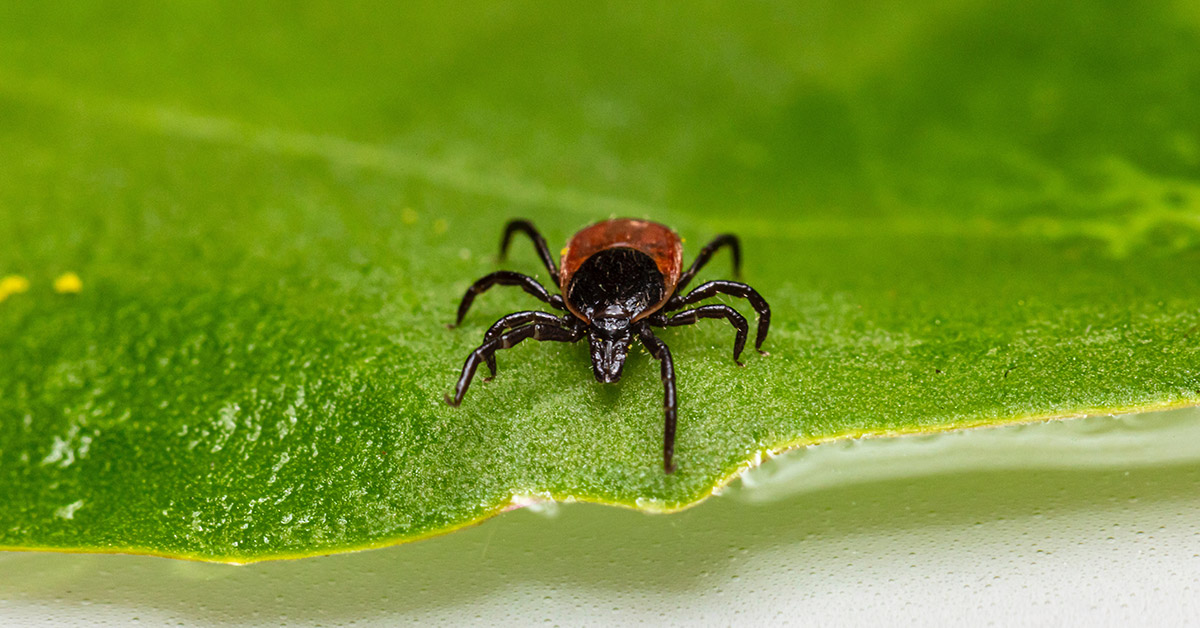
A deer tick on a leaf.

Mapping tick-borne disease risk in Wisconsin

PhD student Austin Rau analyzed the cases of three serious — but lesser-known — tick-borne diseases in Wisconsin and found that they are increasing, moving, and varying over time across the state.

CHARLIE PLAIN | SEPTEMBER 22, 2020

Lyme disease is easily the most well-known type of tick-borne infection, but there are others that make people sick as well. Recently, a new study from the School of Public Health analyzed the cases of three other serious — but lesser-known — tick-borne diseases in Wisconsin and found that they are increasing, moving, and varying over time.

Austin Rau smiling in front of a tree.
Study lead author and PhD student Austin Rau

“Compared to Lyme disease, less research has been completed on non-Lyme tick-borne infections and awareness of these diseases is lower,” says lead author and PhD student Austin Rau. “If you ask most people, they couldn’t name what the second most-common tick-borne disease is.”

The study was published in The International Journal of Environmental Research and Public Health and was co-authored by SPH Assistant Professors Jesse Berman and Jonathan Oliver and Associate Professor Claudia Muñoz-Zanzi.

For the study, Rau and his team examined patient data from the Marshfield Clinic Healthcare System, which serves north and central Wisconsin. They analyzed patient electronic medical records for the period of 2000-2016 for clinic laboratory results confirming or supporting cases of three non-Lyme diseases from ticks: anaplasmosis, babesiosis, and ehrlichiosis. All three diseases are bacterial or parasitic infections from the bite of deer ticks and can be difficult to diagnose. In most cases, the infections produce on-going flu-like symptoms. 

Rau used his specialized training in geographical information systems and spatial analysis to map where the nearly 3,000 patients diagnosed with the diseases lived in order to determine the risk of having a positive laboratory test result in those areas.

Anaplasmosis

  • 2,728 cases of anaplasmosis were identified. 
  • People in northern Wisconsin were at greatest risk for having a positive laboratory test result.
  • The risk area for anaplasmosis shifted from west to east the study years.
  • The years of greatest risk were 2010-2016.
  • June to August were found to be peak months for positive laboratory test results, with a five times greater risk compared to other months.

Babesiosis

  • 213 cases of babesiosis were identified.
  • People in northwest Wisconsin were at greatest risk for having a positive laboratory test result.
  • The area of greatest risk was in the southern part of the clinic’s territory at the start of the study period before shifting north and then west over time.
  • The years of greatest risk were 2011-2013.
  • July to August were peak months for positive laboratory test results, raising the risk for babesiosis by seven times compared to other months.

Ehrlichiosis

  • Only 15 cases of ehrlichiosis were identified.
  • The number of cases were too small to determine any significant trends.

“It’s interesting to see that the two diseases — anaplasmosis and babesiosis — had differentgeographic patterns of risk — why is that,” asks Rau. “It could be due to a difference in infection prevalence among the ticks for these two diseases. It could also be because of the movement of ticks and animals they attach onto, such as white-tailed deer.”

According to the researchers, the behaviors of people likely are an important factor as well, and activities, such as hiking and hunting, could increase their risk of being infected by a tick.

Rau says the study’s methods and findings can help healthcare providers in Wisconsin and other regions where ticks live to determine potential hot spots and better prepare for tick season.

“It’s helpful for physicians and public health workers to know the months and geographic areas that pose the highest risk so that they can expect and be on the lookout for cases,” says Rau. “It’s also good for people to know when and where their risk of possible infection is higher so they can take appropriate measures to prevent tick bites.”

_______________________

**Comment**

Updates:

Warmer temperatures mean that adult deer ticks are now active. Be sure to start tick checks whenever you have been outside.

https://www.wiscontext.org/encountering-backyard-bloodsuckers-tick-app-tracks

**Warning** There are a number of inaccuracies within the article.

Excerpt:

With peak tick season imminent in the upper Midwest, researchers at the University of Wisconsin-Madison are hopeful more people will download and use a free smartphone app that helps track and identify the tiny blood-sucking arachnids.

The Tick App launched in Wisconsin in time for the 2018 tick season, and more than 600 people in the state have downloaded it so far. The app is part of a behavioral study being carried out by researchers at UW-Madison and Columbia University in New York who are seeking to better understand where and how people encounter ticks. They’re particularly interested in finding out what activities people are doing (and where they’re doing them) when they encounter black-legged (or deer) ticks (Ixodes scapularis), which often carry the bacterium that causes Lyme disease.

About 20-30% of deer ticks can be infected with Borrelia burgdorferi, the disease-causing bacterium, explained Lyric Bartholomay, who studies diseases in ticks and other invertebrates in the Department of Pathobiological Sciences at the UW-Madison School of Veterinary Medicine. Bartholomay spoke about the Tick App and tick-borne diseases during a May 29, 2019 interview on Wisconsin Public Radio’s The Morning Show.

For more on Wisconsin ticks.

https://globallymealliance.org/lyme-arthritis-and-inflammation-shut-it-off/

A SUMMARY OF 3 LYME ARTHRITIS STUDIES AND HOW OUR IMMUNE SYSTEM CAN FAIL TO SHUT OFF WHEN THERE’S AN INFECTION.

by Mayla Hsu, Ph.D., Director of Research and Science, GLA

Arthritis is one of the most common symptoms of Lyme disease, commonly presenting as swelling and pain in the joints. Borrelia burgdorferi bacteria, which cause Lyme disease, migrate to the joints and create the arthritic symptoms. However, growing evidence implicates not only the bacteria, but the immune system itself as playing a key role in the disease. It’s an example of how something that should protect us can also be harmful.

Our immune system has evolved to help us get rid of pathogens like B. burgdorferi. But if it’s working like a finely tuned machine, the immune system should turn off when the job is done. Instead, research has shown multiple ways that the immune system may be failing to stop the inflammatory response after infection, thus prolonging symptoms that can be very debilitating. To study this in Lyme arthritis, synovial fluid surrounding the joints can be collected from patients. It is then analyzed for the presence of immune cells and cytokines, the chemical messengers produced by cells to help kill pathogens.

Some Lyme arthritis patients have symptoms that do not improve after antibiotic therapy, known as antibiotic-refractory Lyme arthritis. Synovial fluid from these patients has been previously studied for the presence of regulatory T cells (Tregs). These immune cells, which are a subset of specialized T cells, were counted because they act as an “off switch” for inflammation. It was suspected that one pathway to long-term Lyme arthritis may be through insufficient or malfunctioning Tregs.

In the synovial fluid of antibiotic-refractory arthritis patients, an average of 5% of activated T cells were Tregs, as compared to antibiotic-responsive arthritis patients, who had 12%. Those with fewer Tregs were less responsive to anti-rheumatic medications, their arthritis took longer to resolve, and a number of them required synovectomies, or surgical removal of inflamed joint tissues, to resolve their symptoms.

A limitation of this early study was that the amount of Tregs found in the patients before and during early B. burgdorferi infection could not be analyzed, since the patients were only identified after Lyme arthritis was well underway. Might higher pre-existing Tregs be associated with quicker recovery from arthritis? If so, the number of these cells could be used as a possible prognostic marker to help with treatment decisions.

One way to determine this would be to assess Treg cells before and after experimentally infecting animals with B. burgdorferi, since such an experiment could not be done in humans. A new study in mice used an engineered mouse strain called C57BL/6 DEREG to address this question. In these mice, Treg cells can be depleted when animals are administered minute, nontoxic doses of diphtheria toxin. This was done either before or after infecting mice, and results were compared to nondepleted mice.

The researchers found that depletion of Tregs before infection with B. burgdorferi caused earlier tibiotarsal joint swelling (day 10 after infection) than in non-depleted mice (day 16 after infection). Additionally, the Treg-depleted mice had significantly more joint swelling than control mice, and in fact, had a second wave of swelling that peaked at day 22 after infection.

The contribution of Tregs after B. burgdorferi infection was studied by depleting mice one to three weeks post-infection, and then comparing joint swelling with nondepleted mice. Although these Treg-depleted mice did have increased joint swelling compared to non-depleted animals, the difference in swelling did not achieve statistical significance and was less than in mice depleted before infection.

When the joints were examined for evidence of pathology, all of the mice whose Tregs were depleted prior to infection had lymphocyte infiltration into the joints and surrounding soft tissues, indicating the presence of immune cells homing to a site of inflammation. However, only a single mouse in the nondepleted group had a mild degree of immune cell infiltration on the surface of the joint. For mice whose Tregs were depleted one to three weeks after infection, there were no inflammatory pathological changes observed in the joint tissues.

Together, the mouse studies suggest that joint swelling and pathology were more dependent on the amount of Tregs before, rather than after infection by B. burgdorferi. But Treg function, not just abundance, may also be important. In other words, what do Tregs actually do to reduce arthritis?

Experiments that assess Treg function often focus on their ability to regulate, or suppress the proliferation of other immune cells. Tregs are also studied for their inhibition of inflammatory cytokine production. In one study of a limited number of Lyme patients, T cells, of which Tregs were a subset, were collectively cultured from the synovial fluid of either antibiotic-responsive or antibiotic-refractory arthritis patients. Tregs from the refractory patients were less able to suppress the production of inflammatory cytokines like interferon gamma (IFNγ) and tumor necrosis factor alpha (TNFα) than those from the antibiotic-responsive patients.

These findings suggest that both the lower amount of Tregs, and the loss of their suppressive functions, may be why some patients have antibiotic-refractory arthritis. The study of Treg depletion in mice showed this tendency too. More studies are needed to explain how other cytokines may be involved in promoting an infection environment that ultimately, resolves or continues inflammation.

And, why some people have lower Tregs to begin with is also not yet understood – whether it is genetically determined or occurs in response to infection. But what is obvious is that the interplay between B. burgdorferi and the host immune response is complicated, depending on switches to turn inflammation on and off. More research will help us understand this regulation, and how host protection can possibly turn into harm.

RELATED BLOGS:

Lyme Arthritis: The Antibody Connection
Research POV: Lyme Arthritis and Peptidoglycan
Possible Clue to Lyme Arthritis Found in People’s Inflamed Joints

_______________________

For more: