Get Ready for Tick Bites: An Infographic to Post on Your Wall
Centers for Disease Control and Prevention
May 29, 2019
EDITORIAL COLLABORATION
MEDSCAPE &
Serious disease caused by ticks has tripled over the past 10-15 years, and the affected regions of the nation are ever-expanding. Climate change makes it likely that patterns of vector-borne disease will continue to morph.[1] So if you haven’t yet seen Lyme disease in your community, you probably will.
As part of this effort, CDC has created this infographic to remind healthcare providers of the steps to take if a patient presents with a tick attached to the skin. The cheat sheet covers important points such as safe tick removal and Lyme disease prophylaxis.
Post it on your wall so it’s always handy when you need it.
It was not designed to detect Lyme disease if the rash were absent.
The six-week observation period was not designed to detect chronic or late manifestations of Lyme disease.
It was not designed to assess whether a single dose of doxycycline might be effective for preventing other tick-borne illnesses such as Ehrlichia, Anaplasmosis, or Borrelia miyamotoi.”
3) By this point they shouldn’t care where a person was bit. Speilman’s maps have kept people from proper diagnosis for decades. There’s been enough suffering. Ticks are everywhere.https://www.discovermagazine.com/health/the-confounding-debate-over-lyme-disease-in-the-south (Article discussesSpeilman’s maps which are faulty but have ruled like the Iron Curtain, and have been used to keep folks from being diagnosed and treated)
5) Tick attachment needing to be treater than 36 hours is a bunch of hogwash. https://madisonarealymesupportgroup.com/2017/04/14/transmission-time-for-lymemsids-infection/ Study showed transmission in under 16 hours and many have become infected much sooner. Minimum time required has never been studied. Within the link we learn the case of a little girl that within a 4-6 hour tick attachment time developed facial palsy and couldn’t walk or talk.
6) Prophylaxis can be started within 72 hours of tick removal is questionable at best. In areas with a high percentage of infected ticks – TREAT NOW and don’t look back!
7) “Antibiotic treatment following a tick bite is not recommended as a means to prevent tickborne diseases other than Lyme disease (such as anaplasmosis, babesiosis, ehrlichiosis, Rocky Mountain spotted fever). There is no evidence this practice is effective, and it may simply delay onset of disease.” Yeah, but there’s no evidence to the contrary either. Hardly anyone has looked at concurrent infection, yet we know people are typically coinfected with many things making cases more severe and of longer duration: https://madisonarealymesupportgroup.com/2018/10/30/study-shows-lyme-msids-patients-infected-with-many-pathogens-and-explains-why-we-are-so-sick/
8) There’s a picture of a kid with a thermometer hanging out his mouth that states, “Symptom Watch.” Now that is asinine. For 40 years we’ve followed the “wait and see” approach that’s literally killed people.
“Insanity is doing the same thing over and over and expecting different results.” Albert Einstein.
Everyone agrees that prompt diagnosis and treatment makes all the difference, so why are we still waiting?
This information belongs pretty much in the trash can. So much work to be done yet they blow this out like the 10 commandments. Shame on them.
Please educate doctors who are willing to listen. The same misinformation keeps getting propagated.
Pyogenic sacroiliitis (PSI) is a rare condition that amounts to 1% to 2% of all joint infections in the paediatric age group. Its diagnosis is often difficult and delayed due to its nonspecific signs, symptoms and physical findings. Also, the identification of the causative microorganism is frequently challenging due to a high proportion of negative blood cultures and the risks involved in joint aspiration in this site.
PATIENTS AND METHODS:
We performed a retrospective review of the health records of all patients aged less than 18 years admitted to a tertiary children’s hospital due to PSI between 2008 and 2016.
RESULTS:
We identified 6 cases of paediatric PSI. The blood cultures were negative, and the identification of the causative agent required joint fluid aspiration in one patient with infection by Aggregatibacter aphrophilus, and specific screening tests for less frequent agents in the other patients: Kingella kingae (n=2), Brucella melitensis(n=1) and Bartonella henselae (n=1). The patients were treated with specific antimicrobial regimens, and all had favourable clinical outcomes and were free from sequelae during the follow-up.
CONCLUSIONS:
Despite the small sample size, our study evinced the low effectiveness of blood cultures for diagnosis of paediatric PSI. It also highlights the need for a high level of suspicion for atypical agents and the early use of adequate diagnostic methods, including imaging and serological testing or polymerase chain-reaction (PCR) analysis of blood samples, as well as prescription of effective antimicrobial therapy.
____________________
**Comment**
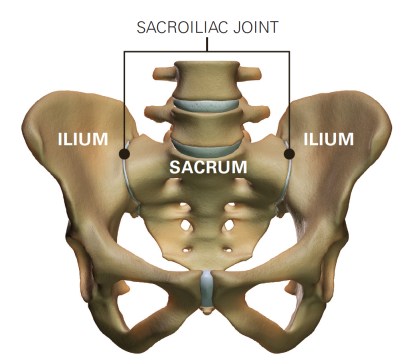
Pyogenic sacroiliitis = puss forming joint infection in the sacroiliac joint.
Brucella melitensis, a gram negative rod-shaped bacteria, is a human pathogen (Malta fever), B.abortus (Bang’s disease), and in rare cases, B. suis and B. canis. Transmission occurs through animal contact (birth) or animal products, inhalation of infected particles, STD, breastfeeding, bone marrow transplants, blood products,and yes, ticks. Pathogens are found in macrophages which are transported to lymph nodes, then spread throughout the body. Treatment consists of doxycycline, rifampicin, & gentamicin. Also, Ciprofloxin 500mg twice a day for 7-14 days. http://brucellamelitensis.com
*Three types of the bacteria that cause brucellosis – Brucella abortus, Brucella melitensis and Brucella suis – are designated as select agents. This means that they have the potential to be developed as bioterrorism agents due to their ability to undergo aerosolization.
Oh goody, another potential bioweaponized agent spread by ticks.
https://www.ncbi.nlm.nih.gov/pmc/articles/PMC3358077/ Bartonella & all sorts of rheumatic symptoms in patients from Lyme endemic regions with histories of cat, dog, mosquitoes, ticks, fleas, and biting fly exposure.
Staph is usually the culprit, but this case report highlights that Lyme, Bartonella, Brucella, and mycoplasma should be tested for as well. Things to watch for in children/babies – pain with diaper changes, limping, fever, irritability, decreased range of motion in the pelvic area. This review stated the highest incidence was in adolescents: https://link.springer.com/article/10.1007/s00431-019-03333-8, but that it’s an under recognized entity in infants with an unidentified bacterial source. Could this be a manifestation of congenital Lyme/MSIDS that’s flying under the radar?
Bartonella spp. can cause a variety of diseases, such as lymphadenopathies, cat scratch disease, and trench fever, but can also give rise to many non-specific symptoms. No data exists regarding the prevalence of Bartonella spp. in patients with musculoskeletal complaints, nor among blood donors in Poland.
METHODS:
The presence of anti-Bartonella IgM and IgG in the serum of blood donors (n = 65) (Lodz, Poland) and in the patients of the Department of Rheumatology Clinic (n = 40) suffering from musculoskeletal symptoms was tested by immunofluorescence. Blood samples were cultured on enriched media. Epidemiological questionnaires were used to identify key potential risk factors, such as sex, age, contact with companion animals, and bites from insects or animals.
RESULTS:
Altogether,
27 of the 105 tested subjects were seropositive for Bartonella henselae IgG (23%)
3 for Bartonella quintana IgG(2.85%)
IgMs against B. henselae were found in 3 individuals (2.85%)
IgMs against B. quintana were found in one (1.54%)
No statistically significant difference was found between the prevalence of B. henselae in the blood of donors or patients and the presence of unexplained musculoskeletal complaints (23% vs 30%). Individuals who had kept or been scratched by cats were not more likely to be B. henselae seropositive (p > 0.01). Tick bites were more commonly reported in patients, but insignificantly (p > 0.01).
CONCLUSION:
This is the first report of a high seroprevalence of anti-Bartonella IgG in patients with musculoskeletal symptoms and in blood donors in Poland. The obtained results indicate that such seroprevalence may have a possible significance in the development of musculoskeletal symptoms, although it should be confirmed on a larger group of patients. Asymptomatic bacteremia might occur and pose a threat to recipients of blood from infected donors. Hence, there is a need for more detailed research, including molecular biology methods, to clarify the potential risk of Bartonella spp. being spread to immunocompromised individuals.
KEY POINTS:
•This is the first study presenting high seroprevalence of Bartonella spp. in Poland. • IgG and IgM antibodies against B. quintana were found in blood samples of blood donors.
Geetha Parthasarathy, PhD (third from left), a research scientist at Tulane National Primate Research Center, received the 2019 Laure Woods Emerging Leader Award from the Bay Area Lyme Foundation. She was awarded a $100,000 grant, designed to be a catalyst for future research, particularly in the areas of Lyme diagnostics and novel therapies. She is pictured with another Emerging Leader Award recipient and Bay Area Lyme Foundation representatives. (Photo provided by Bay Area Lyme Foundation)
Geetha Parthasarathy, PhD, a research scientist at Tulane National Primate Research Center, was one of two researchers awarded a $100,000 grant last weekend at the Bay Area Lyme Foundation’s seventh annual LymeAid event. Parthasarathy received the 2019 Laure Woods Emerging Leader Award, a grant designed by Bay Area Lyme Foundation to be a catalyst for future research, particularly in the areas of Lyme diagnostics and novel therapies.
Lyme disease is a potentially disabling tick-borne infectious disease that is essentially inflammatory in nature, affecting various organs of the body. Parthasarathy’s grant project will investigate the use of novel supplemental therapeutics for the treatment of acute Lyme neuroborreliosis, a nervous system disorder affecting the central and peripheral nervous systems. Parthasarathy discovered that a certain growth factor receptor is activated in brain cells in response to the Lyme disease bacterium Borrelia burgodorferi, and that the activation of this receptor seems to induce inflammation. This grant project aims to determine if growth factor inhibitors, such as those traditionally used in cancer treatment, could reduce that inflammation.
This is of particular importance given that for some individuals certain neurological symptoms can persist even after they are treated for Lyme disease using the typical recommended antibiotic regimen. Currently, there are no additional treatments to offer these patients, who are often in need of additional therapies to combat what is known as post-treatment Lyme disease syndrome. Parthasarathy’s grant project is pre-clinical, meaning that the therapy will be tested on tissue samples as opposed to live subjects. If successful, she hopes that this therapy will move on to animal model pre-clinical trials.
“There is not a lot of funding for new therapies to combat Lyme, so it’s wonderful to get support for this project and to be able to try new approaches that can help people return to health,” Parthasarathy said.
Lyme disease is the fastest-growing infectious disease in the nation, newly infecting approximately 300,000 individuals yearly — more than hepatitis, HIV, tuberculosis, West Nile and Zika virus combined. Lyme is acquired after a bite from an infected tick, and often causes severe and complicated health issues that are difficult to treat. Lyme is also difficult to diagnose, and many people with the infection suffer for years without knowing that Lyme is the cause of the deterioration in the health status. Approximately $1 million was raised at the LymeAid event this year, 100 percent of which will go directly to fund scientific research, education and prevention programs for Lyme disease.
___________________
**Comment**
Great news.
Question: Why is there a lack of funding for Lyme, the fastest growing infectious disease in the nation that affects more people than hepatitis, HIV, tuberculosis, West Nile, and Zika COMBINED? HELLOOOOOO?
Erin was just 9 years old, but she had already been plagued by depression and other issues for years. She had taken antidepressants and other medications, but they hadn’t helped her. In fact, they made her worse. When Erin started talking about suicide, her parents knew they had to do more for their daughter. They took her for a brain imaging test called SPECT that looks at activity and blood flow in the brain.
Erin’s brain scan did not look healthy. It showed notable overactivity, which can be an indicator of inflammation. Blood tests and lab work revealed that the young girl had Lyme disease as well as other issues. Antidepressants would never heal the underlying infection.
Lyme Disease in the Brain
Lyme disease is a bacterial infection that is transmitted through the bite of an infected deer tick. Untreated, Lyme disease and other infections can interfere with the immune system and lead to inflammation. They can also cause changes in the brain that impact moods, learning, and more.
On SPECT brain scans, infectious diseases like Lyme disease can make the brain look like it has been exposed to toxins. A toxic appearance is a sign of a troubled brain.
The Lyme-Mental Health Link
Many people are surprised to learn that infectious diseases, including Lyme disease, are a major contributor to mental illnesses and cognitive issues.Research shows that children who have had an infectious disease are significantly more likely to have mental health problems as they grow up. In a study that followed over 3.5 million people, scientists found a 62% increase in the risk for mood disorders if a person had been hospitalized for any type of infection.
Why Don’t Most Doctors Test for Lyme?
Unfortunately, few healthcare professionals are aware of the connection between infections like Lyme disease and psychiatric problems like depression. If you go to your doctor and tell them you have symptoms of depression, you’re likely to walk out of the appointment with a prescription for antidepressants. But it is unlikely that they will do testing for infectious diseases or brain imaging. Because of this, Lyme disease often goes undiagnosed or misdiagnosed, allowing the immune system disruption, systemic inflammation, and brain changes to worsen.
This needs to change.
Getting a comprehensive evaluation that includes brain imaging and lab screening tests helps provide a more accurate diagnosis, which is key for zeroing in on the proper treatment. As more people in the medical community become aware of the problem, infectious disease psychiatry is likely to emerge within the next 30 years as a major discipline of psychiatry.
Targeting the Infection to Help Treat the Depression
When it is caught early, Lyme disease can usually be treated effectively with antibiotics. When it has been present in your system for months or years and is accompanied by depression or other psychiatric or cognitive problems, additional treatments may be necessary. A comprehensive treatment program worked for 9-year-old Erin, who went from having depression and suicidal thoughts to experiencing a remarkable turnaround.
At Amen Clinics we have treated hundreds of patients with treatment-resistant psychiatric symptoms like depression who tested positive for Lyme disease. When their treatment plan included targeted solutions for the infection, they finally got the help they needed. If you or a loved one has symptoms of depression that aren’t responding to treatment, speak to a specialist about getting a full brain-body evaluation to discover if infection like Lyme disease might be the root cause. For more information, call 888-988-9319 or schedule a visit online.
_____________________
**Comment**
Great article and reminder that mental health issues can be driven or caused by infections. Tons of articles have crossed my desk recently on how this is happening more and more. A few examples: