Archive for the ‘Treatment’ Category

When Lyme Isn’t Caught Early

https://www.lymedisease.org/touchedbylyme-treat-early/

TOUCHED BY LYME: When Lyme disease isn’t caught early
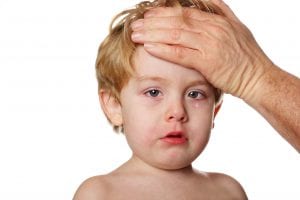
The question was posed on one of LymeDisease.org’s Yahoo discussion groups. A mother had found a bull’s-eye rash on her 5-year-old son. She took him to urgent care and was given two weeks’ worth of antibiotics. Is that enough, she wondered, or should she pursue something more?

The following remarkably detailed response was posted by another mother on the group. I feel there are many lessons to be learned from her hard-earned wisdom. With her permission, I share it with you here. In the interest of protecting her family’s privacy, she prefers to remain anonymous.

These comments represent my point of view as the parent of a daughter who has been fighting Lyme disease and associated infections for over 12 years now. I am just a mom, not a medical expert. My comments are based upon our journey and what I have read and observed and what has happened to us and to others we know. They are not a substitute for knowledgeable medical help and advice.

I do not want to scare you, but it has been my experience that people unfamiliar with Lyme disease tend to under-respect the damage it can do and I don’t want that to happen in your son’s case. I feel with Lyme it is better to be safe than sorry. And time is of the essence.

The damage that can be done by undiagnosed, untreated, or undertreated Lyme can be life-changing. In the early days of Lyme disease, it was discovered that by treating for FOUR weeks initially, the chances of a relapse later were greatly minimized. This is because Lyme has a four-week growth cycle and you do better treating for the entire length of the cycle.

The group that discovered this lost out politically and we are left with the modern conventional medicine treatment of two weeks. This creates the possibility of the disease recurring later in some people. As Lyme can be very difficult to diagnose and symptoms can come on slowly over a long period of time, it is possible to get very sick from a relapse before becoming aware of what exactly is going on. ILADS (International Lyme and Associated Diseases Society) doctors know this and treat for longer periods of time than conventional medical doctors.

I do not know what antibiotic your son is on, but our ILADS doctor says he normally uses doxycycline because it does well against Lyme and also does well against the most common other infections often contracted at the same time as Lyme. Ticks carry multiple infections and many patients have other infections in addition to Lyme, some of which are just as disabling and difficult to treat as Lyme. A bull’s-eye rash of any size is still considered evidence of exposure to Lyme disease. Some people with such a rash will never feel sick; their immune system will handle the infection. Others will get very ill right away. Others will become ill years later. No way to know which. Many people never see a rash and still get Lyme disease.

I suggest finding an ILADS-affiliated doctor who will make sure your son has optimum initial treatment. This offers the best possibility that this rash will not turn into illness later on. This practitioner can also tell you what to watch out for in the future that could indicate emerging Lyme, so that it can be treated early if it shows up. This doctor needs to be seen immediately. Within a week after exposure, Lyme bacteria can move into the central nervous system and become much harder to eradicate with treatment.

My daughter is only one of many examples of undiagnosed/untreated Lyme disease in a child. Her first symptoms were at eight years old; a horrific headache that lasted three months, along with some fatigue and low-level fever and viral symptoms. It looked like a sinus infection and after three rounds of various antibiotics, it slowly limped away and we were so glad that was over, whatever it was. We never saw a tick, never saw a bull’s-eye rash.

At 10, my daughter started having periodic episodes with bad headache, low-level fever, viral symptoms and fatigue.In between these, she was perfectly fine for weeks at a time. Not enough to get her pediatrician interested, but she was missing enough school and sports activities that it was starting to be a life issue. She also seemed to heal very slowly from injuries such as bruises and muscle pulls and strains. And though she hid it well and no one noticed at the time, she was dealing with some emotional and psychiatric issues.

At 12, she was a high-achieving scholar at an aggressive private school and excelling in all sports and thriving. She had an unlimited future. Until January 5, 2005, when she fell very ill with an apparent relapse of a stomach bug and never recovered.Huge headache, extreme fatigue, low-grade fever and lots of vomiting—for weeks and then months—while no one could figure out what was wrong. It took a year for the Lyme diagnosis and another two years after that for her first positive Lyme test – Lyme DNA found in her urine AFTER 1 year of expensive intravenous Lyme meds that we paid for out of pocket. And then another positive DNA test after six months more of intravenous Lyme meds.

She is almost 25 now. Her formal schooling consisted of completing sixth grade and four years of high school English with a home-school co-op. She is intelligent, but has major cognitive processing issues and her brain tires easily. She cannot attend school or work.  Though still fatigued, she can can occasionally bike, get in the pool with her cousins, or go to a restaurant.  These are huge for her; she spent the first few years of her illness on the couch in utter misery barely able to carry a simple conversation. This is much better, though not what any of us hoped for.

Her various infections, including Lyme, have caused an autoimmune disease that causes her brain to attack her dopamine receptors. This has caused horrific OCD symptoms which would have caused her to end her life had we not found great relief with intravenous immunoglobulin (IVIG) treatments ($15K list price for meds for one treatment; she does a treatment each month, thankfully covered by my husband’s insurance). I left my engineering career to care for her in 2006, and I am still a major source of support for her.

We have spent several hundred thousand dollars out of our own pockets to try to get my daughter well. Our insurance company has spent more than that. Things get slowly better, but she is still not self-supporting and we have concern for her future. We are very fortunate – most people cannot afford the amount of treatment we have been able to give our daughter.

My daughter’s story is not the worst-case scenario. She now has a positive quality of life after years of that not being the case. Some people never get that far. This is what CAN happen if Lyme disease is not aggressively treated at the very beginning.

Everyone reacts to Lyme differently. Some people, even though extremely sick, respond well to standard ILADS treatment and soon put the disease behind them forever. Some people, like my daughter, just can’t clear it even after years of treatment. This is why I encourage you not to roll the dice with your son.See an ILADS doctor who will treat more aggressively and for longer than your regular physician. You may have to pay out of your own pocket. I think it is a good investment. I encourage you to educate yourself about this disease and the controversy over treatment guidelines.

Even if you treat aggressively now, you want to be aware of what to look for should Lyme show up later on. Based upon my reading and people I have known, common symptoms of slowly-emerging or re-emerging Lyme are joint pain that may move around and come and go, injuries that don’t heal well or quickly, digestive issues, fatigue, and emerging neurological symptoms that start to get scary.

Lyme tests so far are not reliable. A Johns Hopkins study in 2005 found that only 45% of patients who were later found to have  laboratory evidence of Lyme disease were positively diagnosed by the standard two-tier test done by conventional medical doctors (ELISA followed by a Western Blot if ELISA is positive). Do not trust a Lyme test to rule out Lyme disease.

You may feel foolish going to the trouble of finding an ILADS doctor.  Yet, I believe it is the best thing you can do to protect your son against trouble. Be sure to let the person you speak with at the doctor’s office know you have a child with a bull’s-eye rash from a few days ago. They should see you immediately. If not, get a different doctor. Lyme can move into the central nervous system within the first week after exposure. Then it is much harder to eradicate and chances of relapse increase. Some doctors offer “recent tick bite” appointments for just this sort of thing.

Wishing you and your son all the best,

A mom who has been there

***

TOUCHED BY LYME is written by Dorothy Kupcha Leland, LymeDisease.org’s VP for Education and Outreach. She is co-author of When Your Child Has Lyme Disease: A Parent’s Survival Guide. Contact her at dleland@lymedisease.org .

**Comment**

Amen and Amen!  Do NOT mess around with this.  Hit it hard and hit it early.


For more:  https://madisonarealymesupportgroup.com/2017/08/12/lyme-disease-case-started-with-headaches/

https://madisonarealymesupportgroup.com/2017/08/13/diagnosed-with-hiv-14-year-old-really-had-lyme/

https://madisonarealymesupportgroup.com/2017/08/13/support-group-for-parents-of-children-with-lyme/

Microbiologist Holly Ahern on Lyme Disease: How Did We Get Here?

   Aug. 30, 2017 – Approx. 31 Min

Microbiologist Holly Ahern Speaks at Focus on Lyme 2017

https://www.lymedisease.org/ahern-focus-on-lyme/?utm_source=sept+2&utm_campaign=re-send+aug+26–heart&utm_medium=email

Professor Holly Ahern, of State University of New York Adirondack, has extensive teaching and research experience in bacteriology and molecular biology. She’s the author of nationally published textbooks on microbiology, cell biology, and molecular biology. She’s also an expert on the scientific literature pertaining to Lyme disease and other tick-borne infections.

Professor Ahern came to her Lyme expertise the hard way, as the mother of a daughter with Lyme disease. Her professional knowledge was put to the practical test of having to navigate the complex care of a Lyme patient. She understands the science and has complete empathy for the suffering that tick-borne diseases inflict on patients and families.

Earlier this year, she gave an illuminating presentation at the Focus on Lyme Scientific Conference in Scottsdale, Arizona. Addressing the historical events that have contributed to the Lyme disease epidemic in the US, she reminds the audience of something they know too well— “we are not in a good place when it comes to Lyme disease.” Then, she answers the question: how did we get here?

Ahern clearly lays out the “alternative conclusions” that over past decades have perpetuated the idea that Lyme disease is “hard to catch and easy treat.” That misconception continues to be encouraged by the CDC and IDSA today.

She points out that, in fact:

  1. Lyme is easy to catch: “Lyme disease is the second most common infectious disease in the United States.”

  2. Testing for Lyme is highly inaccurate: “The recommended serological assays for Lyme disease are falsely negative more than half the time.”

  3. Lyme infection can be chronic: “There are hundreds of peer-reviewed studies that show the relationship between bacterial infection and chronic disease, not just Lyme disease.”

  4. Antibiotics do treat infection: “Of the clinical trials done to date, not one of them provides conclusive scientific evidence to prove antibiotics show no benefit to patients with chronic symptoms.”

Ahern reviews the epidemiology used in the discovery of Lyme disease and the science from the original studies of 40 years ago demonstrating the following facts:

  1. Only 1 in 4 patients with Lyme will develop the bull’s-eye rash.
  2. Only 50% of patients with Lyme will develop the antibodies needed for a positive test.
  3. Only 50% of patients with Lyme will test positive using the CDC “gold standard” two-tier test.
  4. Only 50% of patients treated with two weeks of antibiotics will get better.

Ahern uses humor and wit to describe the current scientific data which refutes the notion that patients with persistent symptoms from Lyme disease are not helped with longer term antibiotics.

More on Ahern:  https://madisonarealymesupportgroup.com/2017/07/21/busting-lyme-myths-nyc/

https://madisonarealymesupportgroup.com/2017/06/23/no-bias-in-mmwr-for-any-other-infectious-disease-requiring-iv-antibiotics-except-for-lyme/

https://madisonarealymesupportgroup.com/2017/04/14/transmission-time-for-lymemsids-infection/

https://madisonarealymesupportgroup.com/2017/03/03/microbiologist-on-lyme-ninja-radio/


Lyme Disease and Long-Term Antibiotics – Contagion Live

 Approx. 9.5 min

Lyme Disease and Long-Term Antibiotics: Help or Harm?

Panelists Samuel Shor, MD, FACP; Leonard Sigal, MD; Peter L. Salgo, MD; Patricia V. Smith; and Robert C. Bransfield, MD, DLFAPA, debate the existence of chronic Lyme disease and the use of longer-term antibiotics, and explore the impact a lack of consensus has on patients, providers, and the health care system.

For more on how science is stacked against Lyme/MSIDS patients and the medical practitioners who treat them:

https://madisonarealymesupportgroup.com/2017/08/29/research-challenges-in-lyme-disease-contagion-live/
What is hilarious, if not maddening, is Sigal’s incredulous disbelief in a “conspiracy.” This is the same man that is an active player and appears in journalist, Pam Weintraub’s book, Cure Unknown Inside the Lyme Epidemic. (Excellent book)

  • On page 12, “Skeptical of chronic Lyme disease as an explanation of ongoing symptoms, Sigal often diagnosed such patients as having fibromyalgia, a pain syndrome, instead.”
  • Page 271, “The New York Times quote of the day was from Leonard Sigal” ‘Lyme disease, although a problem, is not nearly as big a problem as most people think. The bigger epidemic is Lyme anxiety.‘”
  • Page 306, “Leonard Sigal, for instance, consulted for Prudential, Aetna, Blue Cross Blue Shield, Anthem, and Metropolitan Life, passing diagnostic and treatment decrees. His fee was $560 an hour in 1996, though he worked for a day rate as well. Sigal was not alone: Other top academics consulted too. The consultancy fees would ‘pay for a lot of college tuition, actually, ‘ Sigal had quipped under oath, when testifying against a patient’s diagnosis of Lyme.”
  • Page 316, “It didn’t take long for two competing pharmaceutical giants – SmithKline Beecham and Pasteur Merieux Connaught – to launch two potential products. The Connaught effort, (creation of the Osp A vaccine) with the clinical trial headed by Leonard Sigal, was killed by the company in the wake of lawsuits over side effects.” https://madisonarealymesupportgroup.com/2017/07/01/pbs-lyme-vaccine/ “LYMERIX vaccine caused 640 emergency room visits, 34 life threatening reactions, 77 hospitalizations, 198 disabilities, and 6 deaths.”
  • Page 366, “Of particular concern are the publications, more prominent in recent months, suggesting that uncured patients are not really sick with Lyme disease, but with a strange psychiatric malaise. ‘Psychiatric comorbidity and other psychological factors distinguishing (chronic Lyme Disease) patients from other patients commonly seen in Lyme disease referral centers, and were related to poor functional outcomes,’ Leonard Sigal wrote in the journal Arthritis and Rheumatism in 2008.”

In sum, Sigal is a doctor who is extremely skeptical of chronic Lyme who obtains hefty fees for consulting against patients, who was actively creating pharmaceutical products relating to Lyme at the same time, and who brazenly states many Lyme patients are not only anxious but psycho to boot.

https://madisonarealymesupportgroup.com/2017/01/13/lyme-science-owned-by-good-ol-boys/  Sin Lee, a pathologist and scientist who directs Milford Molecular Diagnostics, is speaking out about it as he has received numerous publication rejections when he attempted to rebut the oft repeated dogma that has ruled the medical world for decades regarding tick borne illness.

Christian Perronne, physician on the infectious diseases faculty at the University of Versailles-St Quentin, France, states, “If you try to publish a little bit different from the guidelines, it’s anti-science.” And, Lyme literate physician Raphael Stricker goes on record, “The primer propagates one of the biggest myths about Lyme disease diagnosis instead of acknowledging the dreadful state of 30-year-old Lyme serology and the need for better testing.”

Benjamin Luft, one of the physicians who wrote the original Lyme guidelines in 2000 admitted that he now agrees that Lyme disease can persist making it infinitely more difficult to treat as time progresses and that the cabal’s continual emphasis on “false positives” is a red herring – that early treatment has great benefit.
And lastly, Pffeifer spoke with Raymond Dattwyler, a 1994 CDC panelist that helped write the LD guidelines, who stated, “Twenty years ago I would’ve said they’re fine. Now I say, oh shit, we were wrong. It doesn’t look as good as we thought it was.”

https://madisonarealymesupportgroup.com/2017/01/28/sit-down-science/   Industry funded “science” has tainted our world and turned science-based evidence into science-biased propaganda. Universities are laundering money through foundations to intentionally hide relationships, while scientists secretly nurture their relationships with corporate executives.  Negative outcomes go unpublished, the peer review process is so weak only studies that challenge industry interests are heavily scrutinized (usually by scientists hired by corporate public relations firms). Media is paid handsomely to ensure the public that “the science is settled,” especially when corporate liability is a primary concern.

https://madisonarealymesupportgroup.com/2017/01/02/fake-science/  James Lyons Weiler presents how publication bias is impacting patient care in dramatic ways. 

So yes, Mr. Sigal, things are topsy turvy in Lyme Land and you are a part of the problem.


Interstitial Cystitis and Lyme Disease

https://rawlsmd.com/health-articles/link-between-interstitial-cystitis-and-lyme-disease

by Dr. Bill Rawls
Posted 8/25/17

Things often come around.

Early in my career practicing Ob/Gyn, I became aware of a subset of patients who suffered from a condition called interstitial cystitis (IC), sometimes referred to as painful bladder syndrome.

People with interstitial cystitis feel like they have a bladder infection that never goes away. It doesn’t respond to antibiotics, and urine cultures are typically negative. Because these patients are often treated repeatedly with antibiotics, however, they frequently end up having chronic urinary tract infections with antibiotic-resistant bacteria induced by taking antibiotics. The condition occurs more often in women than men at a 5:1 ratio.

Interstitial cystitis is considered idiopathic — cause unknown. It is notoriously difficult to treat. I developed a special compassion for these people because no other physicians wanted to see them. For years, I searched for solutions, but my efforts were focused primarily on relieving symptoms — gains were minimal and short-lasting.

Symptoms of Interstitial Cystitis

  • Urinary frequency & urgency
  • Bladder pain with full bladder
  • Pain in perineum & urethra
  • Chronic pelvic pain
  • Vulvar/vaginal pain (female)
  • Pain in testicles (male)
  • Painful sex

The Lyme Connection

Interestingly, with my professional interests now focused on chronic Lyme disease, I’m starting to hear from chronic Lyme patients who suffer from bladder pain and symptoms consistent with IC. I’m also hearing from men with chronic Lyme who have bladder symptoms and chronic prostatitis (chronic infection of the prostate gland).

And, interestingly, remembering back to patients from the past, sufferers of IC frequently had chronic pain in other areas of the body. Many of them also had fatigue and symptoms common to fibromyalgia and chronic Lyme disease.

This makes me believe there has to be a microbial connection. Borrelia, the microbe commonly associated with Lyme disease, could be a culprit. However, I would lay odds on mycoplasma and a closely related bacterium called ureaplasma. About 75% of chronic Lyme disease sufferers have been found to harbor at least one species of mycoplasma.

It fits. Mycoplasma and ureaplasma are the smallest of all bacteria. They are obligate intracellular microbes — which means they must live inside cells of a host to survive. They typically infect linings of the body — linings of lungs, intestines, joints, and the urinary tract.

Different species of mycoplasma and ureaplasma prefer certain areas of the body, but any species of these microbes can be found in different places the body. The most common species found in the urinary and reproductive tract are Ureaplasma urealyticum and Mycoplasma hominis. These microbes typically spread sexually, but they can be acquired by other routes. Mycoplasma pneumoniae, a frequent cause of respiratory infections, can also be found in the urinary tract.

Mycoplasma and ureaplasma are notoriously difficult to culture. Twenty-five years ago, when I first started practicing medicine, routine testing for mycoplasma and ureaplasma was not available. That’s starting to change — DNA testing has become more reliable, and providers are testing for these microbes more routinely.

And they are finding them — not just in symptomatic patients, but also commonly in people with no symptoms.

That makes things complicated — mycoplasma and ureaplasma are commonly found in the urinary tracts of people who don’t have symptoms. It turns out that it’s actually a very common microbe. Some experts have even defined it as a normal flora. This is why many experts discount the connection between mycoplasma/ureaplasma and bladder problems.

It presents the same kind of conundrum found in chronic Lyme disease — why do some people with these microbes develop symptoms and others do not?

What I didn’t know 25 years ago that I learned from understanding chronic Lyme disease is that the immune system is the key. If people have robust immune function, they can harbor these microbes and not have symptoms. People become chronically ill only when a perfect storm of factors comes together to disrupt immune function, which allows the microbes to flourish.

Therefore the solution must go beyond killing or suppressing microbes — you must restore immune system functions to optimal levels to overcome this illness.

Overcoming Mycoplasma and Ureaplasma

Mycoplasma and ureaplasma respond poorly to synthetic antibiotics for the same reason that other microbes associated with chronic Lyme disease respond poorly to antibiotics — they live inside cells, grow very slowly, and occur in low concentrations in tissues. In addition, mycoplasma and ureaplasma do not have a typical cell wall and other characteristics common to bacteria.

To control them, you must suppress them for a very long time and boost immune function at the same time. If you try to do it with synthetic antibiotics, normal flora are disrupted long before the targeted microbes are eradicated.

Herbs provide a more practical solution. Herbs suppress these types of microbes, but do not disrupt normal flora, so they can be used for extended periods of time (months to years) without concern. Herbs also reduce inflammation and boost immune functions — especially natural killer cells important for eliminating cells infected with microbes.

My favorite herb for mycoplasma and ureaplasma in the urinary tract is anamu (Physalis angulata) because it is concentrated in the intestines and urinary tract. The dose I recommend is 1200 mg (2 – 600 mg capsules) twice daily. It is well tolerated with only noticeable side effect being a mild odor to urine and stool. The herb comes from South America, but is readily available from many manufacturers online.

Mullaca (Physalis angulata), another South American herb, is also good for mycoplasma species. It can be taken as a complement to amamu. It can be found online as a loose powder (add to smoothies or make your own capsules) or tincture, as well.

Stephen Buhner, in his book defining therapy for mycoplasma, recommends Chinese skullcap, Isatis, Houttuynia, Sida acuta, and Cordyceps for a primary herbal protocol. I consider Cordyceps and Chinese skullcap to be part of a core protocol for chronic Lyme in general.

Individuals are reporting symptomatic relief of IC symptoms with use of essential oils rubbed into the pubic area several times a day. I have been recommending a formula of tea tree oil and frankincense oil mixed 1:4 in a carrier oil, such as jojoba or grapeseed oil. Recently, I’ve also been recommending adding cannabidiol oil (CBD) from hemp (get a product with 1500 mg CBD per fluid oz.). So far, people are reporting positive benefits.

The recovery protocol for overcoming mycoplasma and ureaplasma in the urinary tract mirrors recovery from chronic Lyme disease or any other condition associated with chronic immune dysfunction. Focusing on a specific microbe alone is not enough; immune system function must be restored. Primary antimicrobial herbs and immune modulating herbs, complemented by cultivation of a healing environment within the body, are your best allies in the fight against interstitial cystitis and Lyme disease.

Dr. Rawls is a physician who overcame Lyme disease through natural herbal therapy. You can learn more about Lyme disease and recovery in Dr. Rawls’ new best selling book, Unlocking Lyme. You can also learn about Dr. Rawls’ personal journey in overcoming Lyme disease and fibromyalgia in his popular blog post, My Chronic Lyme Journey.

_______________________

**Comment**

Wonderful article.  Thank you Dr. Rawls for explaining a particularly troubling issue that Lyme/MSIDS patients can suffer from.

More on Mycoplasma:

“….90% of evaluated ALS patients had Mycoplasma. 100% of ALS patients with Gulf War Syndrome had Mycoplasma and nearly all of those were specifically the weaponized M. fermentans incognitus.
*One of the hallmark symptoms of Mycoplasma is fatigue*
And the bad news for us is that Nicholson’s experience has found Mycoplasma to be the number one Lyme coinfection, and similar to other coinfections can be supposedly cleared for years only to reappear when conditions are right.”

For more on IC:  http://ndnr.com/womens-health/interstitial-cystitis-the-role-of-myofascial-therapy/

The evidence from the study reveals that MTP (Myofascial Therapy) is indeed beneficial for improving symptoms of IC, suggesting that physical therapy is an important modality to consider in a treatment plan for a patient suffering from the disease. It adds credibility to the idea that there are specific pelvic somatic abnormalities involved with IC, as the study showed the treatment effect was not merely due to general therapeutic touch.

Euthanasia for Lyme Covered Not Antibiotics

Free euthanasia as Lyme treatment

Published on Mar 19, 2017
Teike is a 29 years young Dutchman. He is well-educated and had a career in the music industry, as a sound engineer, working with saxophonist Candy Dulfer and many international hiphop stars.

Five years ago he became ill after a tick bite, followed by an EM ring. He was tested for Lyme in seven different ways.

Elisa and Western Blot were negative. Different cellular tests were positive on both Lyme and Bartonella.

Based on these tests and a clinical diagnosis, a doctor in a Dutch hospital diagnosed Teike with persistent Lyme. In this short movie he tells you how his health insurance deals with that, with English subtitles.

His case is included into the report sent to the WHO, regarding the needed update of the ICD codes.

Read more about that here, in English: https://huib.me/en/blog/item/78-the-d… of it in the Nederlands: https://huib.me/nl/blog/item/78-het-v…