Archive for the ‘Treatment’ Category

Gold Standard COVID Science in Practice: An Interdisciplinary Symposium

Gold Standard Covid Science in Practice

An Interdisciplinary Symposium

calling for immediate intervention

Presented by Doctors for Covid Ethics

Hosted by UK Column

July 29th and 30th

17.00pm – 22.00pm BST

23 Speakers over Two Days

Day 1

Session I: The False Pandemic

Session II: The Going Direct Reset

Tips From a Personal Trainer

Day 2

Session III: First Do No Harm

Session IV: The Hour of Justice

Closing Panel Session

Including

Prof. Sucharit Bhakdi MD

Dr. Reiner Fuellmich

Dr. Michael Yeadon

Professor Martin Haditsch

Catherine Austin Fitts

Dr. Thomas Binder

Associate Professor Michael Palmer

Professor Dennis Rancourt

Program Day 1

Thursday, 29 July

Session I with Prof. Martin Haditsch: The False Pandemic

17:00

Greetings and introduction

Opening Statement by Sucharit Bhakdi

17:10

“The SARS-CoV-2 Genome The evidence of its artificial origin”                 

Opening Plenary by Michael Palmer

17.30

The Laboratory Pandemic

With Ulrike Kämmerer

17.50

The False Pandemic

With Denis Rancourt

18.10

Planned Lockdown

A dialogue with Stefan Homburg and Sucharit Bhakdi

18.30

The Power of Masks

Conversation with Josef Thoma, Harald Walach and Martin Haditsch

18.50

“The Powerless Doctors”

Debate with Sam White, Thomas Binder, Charles Hoffe and Martin Haditsch

19.20

Panel Discussion

With all Session I participants lead by Martin Haditsch

Session II with Catherine Austin Fitts: The Going Direct Reset

19.50

The Going Direct Reset: The Pandemic is a Monetary Event

With John Titus

20.10

UK Central Bankers & the Economic Drivers

Discussion with Richard Werner, Catherine Austin Fitts and Taylor Hudak

20.30

How to Decentralize Control

Discussion with Richard Werner, Mark Skidmore, Patrick Wood and Catherine Austin Fitts

21.00

Panel Discussion

With all session II participants lead by Taylor Hudak

21.45

First Day Wrap Up and the program for the 2nd day

With Catherine Austin Fitts, Michael Palmer, Taylor Hudak

Program Day 2

Friday July 30

Session III with Michael Palmer: First Do No Harm

17.00

The Propaganda Matrix

The complicit role of the media

With Taylor Hudak, Patrick Henningsen, Michael Meyen and Catherine Austin Fitts

17.30

Vaccines: Emergency Authorization Abused                    

With Mike Yeadon

17.50

Pharmacokinetics and toxicity of mRNA vaccines                 

With Michael Palmer and Sucharit Bhakdi

18.10

The End of the Narrative                 

With Sucharit Bhakdi and Michael Palmer

18.40

Panel Discussion on Vaccinations                 

With Mike Yeadon, Sucharit Bhakdi, Michael Palmer and Taylor Hudak

19.00

Debate on Vaccine Passports

With Patrick Henningsen and Guests

Session IV : The Hour of Justice

19.30

Reviving the Nuremberg Codex                  

Conversation with Vera Sharav, Sucharit Bhakdi and Catherine Austin Fitts

19.50

The Hour of Justice                 

With Reiner Feullmich, Vera Sharav, Mary Holland, Patrick Henningsen and Guest

20.30

Final Panel Discussion

With Sucharit Bhakdi, Thomas Binder, Catherine Austin Fitts and Reiner Fuellmich, led by Michael Palmer

21.45

Closing Remarks by Sucharit Bhakdi


Go here for lifestream.

Stomach Pain Can Be a Symptom of Lyme Disease

https://danielcameronmd.com/neurologic-lyme-disease-presenting-as-abdominal-pain-in-71-year-old-patient/

STOMACH PAIN CAN BE A SYMPTOM OF LYME DISEASE

woman with stomach pain from lyme disease

“Although abdominal pain is generally not considered a sign of LD [Lyme disease], in this case report we describe a patient with unexplained severe abdominal pain that eventually turned out to be LD due to radiculopathy,” explains Stolk from the Haga Teaching Hospital in the Netherlands. [1]

The 71-year-old woman underwent an exhaustive evaluation to determine the cause of her abdominal pain. Tests included: CT scan of the chest and abdomen; whole body emission tomography-CT scan (PET-CT); colonoscopy; gastroscopy, and an MRI of the small intestines. Initially, doctors did not consider testing for Lyme disease as a cause of the patient’s stomach pain.

The woman was admitted to the hospital for pain management and other diagnostic workups.

READ MORE: Lyme disease manifests as abdominal pain in a young child

Approximately 8 weeks prior to her hospitalization, she experienced temporary lower back pain, myalgia, fever, burning sensations and tenderness on her head and upper legs and moderate stomach pain. Several weeks later, her abdominal pain worsened.

“Going over the history again, she emphasized that she had stayed in a high endemic area for ticks and had suffered a possible tick bite without any sign of erythema migrans,” writes Stolk and colleagues.

Lyme disease associated with stomach pain

Serologic testing and a spinal tap were consistent with Neurologic Lyme disease. The spinal tap revealed an elevated IgM antibody to Borrelia burgdorferi (Bb), a lymphocytic pleocytosis, markedly elevated IgM antibody index to Bb, and markedly elevated IgG antibody to Bb.

The authors point out that “Since the incidence of LD is rising it is important to realize that severe abdominal pain could be the first clinical manifestation of early neuroborreliosis.”

After a 2-week course of intravenous ceftriaxone to treat Lyme disease, the woman’s symptoms, including stomach pain, resolved completely.

This case demonstrates the importance of re-examining a patient’s history when symptoms cannot be explained, the authors point out.

“Instead of doing extensive diagnostic tests, it is important to scrutinize the patient’s medical history in the presence of unexplained clinical signs.”

The authors note: Abdominal pain in the presence of facial paralysis has been described in Europe as Bannwarth Syndrome.

Editor’s note: I often see Lyme disease patients in my practice who present with stomach pain severe enough to warrant extensive diagnostic testing before Lyme disease is suspected.

UPDATED: May 28, 2021

Research Consortium Aims to Develop New Drug For Bartonellosis

https://www.lymedisease.org/research-consortium-bartonellosis/

Research consortium aims to develop new drug for bartonellosis

July 15, 2021

Key infectious disease researchers at Tulane University, Duke University and North Carolina State University will collaborate on an initiative to develop a treatment for bartonelloses, a spectrum of vector-borne diseases that can cause debilitating symptoms.

The three-year, $4.8 million initiative funded by The Steven and Alexandra Cohen Foundation, will establish the Bartonella Research Consortium to develop a novel treatment for bartonelloses.

Bartonella are zoonotic, stealth bacterial pathogens that were not known to infect animals or humans prior to the HIV epidemic when immunocompromised patients began showing symptoms of bartonelloses.

Bartonelloses are often self-limiting diseases that can be cleared by the immune systems of healthy individuals. In immunocompromised individuals or as co-infections, they can cause severe neuropsychiatric, cardiovascular, and rheumatological symptoms. Cats and fleas often harbor the pathogen, which increases the likelihood of transmission to humans.

The principal investigators of the consortium support a collaborative approach to the study of complex, poorly understood infectious diseases. By working together to prevent and treat Bartonella infections, they will provide patient-relevant solutions that improve both animal and human health. Targeted antimicrobial strategies to eliminate long-standing Bartonella infections will dramatically improve patient outcomes.

Similarities between Bartonella and Lyme infections

Bartonella symptoms overlap with those of other vector borne organisms such as Borrelia burgdorferi, the bacteria that causes Lyme disease. In some instances, patients have been infected with both Bartonella and Borrelia burgdorferi infections, which can cause an exacerbation of symptoms. 

As often seen in Lyme disease patients, a subset of people with bartonelloses develop chronic symptoms despite prior antibiotic therapy. Treatment failures have been documented with both infections, thus the need for drugs that specifically target and eliminate these bacteria.

Associate Professor Monica Embers, a microbiologist and immunologist at the Tulane National Primate Research Center, focuses on the persistence of tick-borne infectious disease despite antibiotic therapy and will bring her expertise to the consortium.

“There are a lot of similarities between Bartonella and Borrelia infections, both of which are notoriously difficult to detect and treat. Developing targeted treatments has the potential to alleviate a lot of suffering, both in the human and pet populations,” said Embers.

There are over 40 known Bartonella species or subspecies and at least 17 have been associated with a spectrum of disease symptoms. Although Bartonella remain neglected in human and veterinary medicine, more recent evidence supports an important role for these bacteria in a variety of diseases.

Funding for this research initiative combines the strengths of research laboratories located at Duke University, North Carolina State University and Tulane University.

Principal investigators include Drs. Edward B. Breitschwerdt, Monica E. Embers, Timothy A Haystead and Ricardo G. Maggi. During the next three and a half years, these established investigators and their highly skilled research teams will develop a novel drug for the treatment of bartonelloses.

SOURCE OF PRESS RELEASE: Tulane University

__________________

For more:

Pediatric Bipolar Disorders & Tick-borne Illnesses

https://www.lymedisease.org/pediatric-bipolar-disorders/

Pediatric bipolar disorders and tick-borne illnesses

July 23, 2021

By Rosalie Greenberg, MD

Pediatric Bipolar Disorder (PBD) refers to a child or adolescent experiencing a distinct period of time in which he or she has changes in mood, energy, thought and behavior that can have a significant effect on the youngster’s ability to function.

This diagnosis, like most, is on a spectrum. A young person can have manic episodes with or without depressive episodes. This is called Bipolar I. Or, the child can have episodes of depression with only mild hypomanic episodes (not as severe as mania and which don’t require psychiatric hospitalization.) This is called Bipolar II.

Other Specified or Unspecified Bipolar and Related Disorder are two other categories that are used when the full criteria for the diagnosis are not met. In the past, this was called Bipolar Disorder Not Otherwise Specified (NOS).

Making a diagnosis

The symptoms required to make the diagnosis of a manic episode are the following: a clear period of abnormally elevated or irritable mood and heightened energy or activity lasting at least a week (or less if hospitalized) accompanied by three or more of the symptoms below (four if only irritable):

  • Decreased need for sleep
  • increased self-esteem or grandiosity
  • More talkative or pressured speech
  • Flight of ideas (loosely connected thoughts) or feeling like one has racing thoughts
  • Distractability
  • Increase in goal-directed activity or overall heightened psychomotor agitation
  • Increased impulsivity that can cause excessive involvement in activities that have a high potential for painful consequences

In the majority of cases, the cause of bipolar disorder is uncertain. But it is probably a mixture of genetics, the environment (including exposure to certain infections) and immune system dysfunction.

A few infectious agents have been accepted as being directly associated with bipolar disorder symptoms. Two of these are:

  1. the parasite Toxoplasmosis Gondii which causes toxoplasmosis
  2. the spirochetal (corkscrew shaped) bacteria, Treponema Pallidum which causes syphilis

Of note, both syphilis and Lyme disease (caused by Borrelia burgdorferi), are caused by a spirochete-shaped bacteria and they share a variety of other commonalities.

The Borrelia bacteria has more DNA and is much more complex in composition and function. Individuals who experience late stage, or tertiary, syphilis can exhibit manic-like behavior, which also can be seen at times in those with neurologic Lyme disease.

PANDAS/PANS

For a while, I was looking at new patients for any evidence of Pediatric Autoimmune Neuropsychiatric Disorders Associated with Streptococcal infections (PANDAS) or Pediatric Acute-onset Neuropsychiatric Syndrome (PANS).

The former refers to a group of psychiatric symptoms precipitated by a Group A Beta Hemolytic Streptococcal infection. In the latter, the cause remains unspecified and might include factors such as infections, trauma and environmental toxins.

Because of the similarities I observed between PANDAS/PANS  and PBD, I started to check some of my PBD patients for evidence of infection.

One such patient was P, an 11-year-old, who came to see me following four psychiatric hospitalizations over the course of one year, because of difficulty with mood shifts, oppositional behavior and verbal and physical aggressive outbursts.

He was diagnosed as having PBD, attention-deficit hyperactivity disorder (ADHD) – combined type and oppositional defiant disorder. His difficulties had only mildly improved despite multiple psychiatric medication trials.

I first saw him after his last hospitalization.  At that point, he was no longer acutely dangerous to himself or others but had limited self-control and awareness.

I learned that his family history was strongly positive for bipolar disorder in at least three generations. Alcoholism was present in both maternal and paternal relatives. Furthermore, there were a variety of autoimmune disorders in relatives on both sides of the family tree.

After eight months of medication treatment under my care as an outpatient, he suddenly once again became highly agitated, argumentative and threatening. It was clear that he could not continue to live at home unless his behavior drastically changed

High strep titers

Despite the fact he had been healthy, with no known medical history of a Streptococcal infection (the bacteria responsible for causing strep throat), I decided to check him for evidence of infection causing PANDAS or PANS. To my surprise, his strep titers were quite high and he was subsequently diagnosed with PANDAS.

A few months of treatment with antibiotics eventually resulted in a dramatic change. His mood was happier and more even, he was much less oppositional, more affectionate and he even became a more diligent student.

He was on a low dose antibiotic prophylactically to protect against recurrent streptococcal infection. This protective approach is similar to what occurs in those with rheumatic heart disease.

Over time, P’s negative behavior would return and escalate on occasion if he was exposed to someone who was sick. But his symptoms usually responded quickly with anti-inflammatory treatment or, if needed, a change in antibiotic.

Bartonella

When P was in the 8th grade, he had a severe angry depressive episode. By this time, I had become familiar with tick-borne disorders and their potential neuropsychiatric effects. On testing, he was positive for the bacteria Bartonella henselae.

Once again, proper antibiotic treatment resulted in a significant lessening of his psychiatric symptoms. It is important to note that he also needed an antipsychotic and anticonvulsant for mood maintenance whether or not he was taking antibiotics.

Given the observation that P’s mood and behavior dramatically changed once his infections were identified and properly treated, I decided to screen many of my new patients for evidence of infection.

To my surprise, I found evidence of infections in the majority of those newer patients who underwent blood testing during psychiatric evaluation.

I am known as being an expert in pediatric bipolar disorder, having written Bipolar Kids: Helping Your Child Find Calm in the Mood Storm, as well as having lectured to the public and professionals and written a variety of articles for both groups.

It’s important to keep in mind that my practice is somewhat atypical in that it experiences what is called “a referral bias,” with many parents coming to see me to determine whether or not their child really has bipolar disorder.

Once I kept finding evidence of infections, and often positive mood or behavioral changes when the newly discovered illnesses were addressed, I decided that it was important that I go back and check for infections in my bipolar patients with whom I had worked for years.

Again, I was surprised to find that many of these kids also tested positive for evidence of infection, especially tick-borne illnesses (TBIs).

Tick-borne illnesses

Ten years ago, I learned that New Jersey, where my practice is located, is a Lyme-endemic state. But how was it possible that so many of my patients tested positive? Maybe the testing was wrong? I even submitted samples of my own blood to two of the specialty laboratories (Igenex and Galaxy Diagnostics) to check the accuracy of the testing and found the results quite credible for a variety of reasons.

I also noted that as I kept learning more and more about Lyme and the other TBIs at different specialized meetings, I often heard presentations of adult patients who were diagnosed with bipolar disorder and later found to be suffering from some form of tick-borne illness. This sounded just like “my kids.”

With this experience as my background, I decided to do a retrospective chart review to determine the rate of evidence of tick-borne infection exposure in 27 consecutively seen bipolar youth whom I treated between February 2013 and July 2015.

Of the 27, 81% (22/27) were males and 19% (5/27) were females with an average age of 7.3 years. Fifteen of the kids were diagnosed as having Bipolar I (had manic episodes) and 12 had Bipolar II (episodes of depression with periods of hypomania).

Using a variety of different laboratories, blood testing was done to check for evidence of exposure to Group A Beta Hemolytic Streptococcal bacteria, and other infectious agents including Mycoplasma pneumoniae (which can cause walking pneumonia), Borrelia burgdorferi (Lyme disease), Babesia, Bartonella, Anaplasma and Ehrlichia.

24 out of 27 bipolar children had TBIs

In the end, 89% (24/27) showed evidence of exposure to one or more of these pathogens (infectious agents). The frequency of the positive testing results in the 27 bipolar child patients were as follows:

  • Babesia =16
  • Mycoplasma pneumoniae = 11
  • Bartonella = 8
  • Lyme = 6
  • Anaplasma + Ehrlichia = 1

All individuals who had a positive test were recommended to see a doctor familiar with TBIs to determine if the patient should receive the clinical diagnosis and get appropriate treatment.

Twenty-two of the 24 agreed to this assessment. All of those children who followed the recommendation and sought consultation were found by the evaluating physician to meet the clinical criteria for the diagnosis of having TBIs.

In the end, 20/27 or 74% of those with PBD were positive for TBIs by both laboratory testing and clinician assessment. Four of the 27 (23.5%) patients tested were positive for PANDAS. Another important observation is that only three of the 27 with PBD had a known tick bite.

The results are clearly quite provocative. It’s important to keep in mind that the association found between TBIs and PBD does not mean there is a causal relationship. Interestingly, for some children, treatment of their TBIs resulted in variable degrees of improvement of their psychiatric symptoms.

The case of P, presented earlier, is a clear example of how treating the infection improved the child’s mental health. Studies are needed before making a definitive statement regarding the neuropsychological effects of treating underlying infections. It would be wrong to generalize the results from a small, specialized psychiatric practice without more evidential support from other pediatric populations.

“Bipolar-like” symptoms

I also noted that some of the kids in my practice exhibited what I call “bipolar-like” symptoms. They clearly do not fit the full criteria for a bipolar mood disorder. Yet, they exhibit definite elements consistent with a significant amount of mood unsteadiness, especially depression, as well as exhibit similar co-morbidity to youth with PBD.

The potentially accompanying psychiatric illnesses include anxiety disorders (e.g. obsessive-compulsive disorder [OCD] and separation anxiety), ADHD and behavioral disturbances with intense temper outbursts.

I can’t help but wonder how many of these children have been given the diagnosis of Disruptive Mood Dysregulation Disorder (DMDD) by other psychiatrists.

This particular diagnosis was created as a way to help identify children who did not show clear mania or hypomania but who struggle with long standing temper dysregulation, sadness and irritability. Could many of them be in this “bipolar-like “ group? Again, the answer requires more study.

The natural question from these findings for both parents and professionals is: Does treating the TBIs make any difference in how these kids actually end up functioning in real life?

Observations

Without more research, I can only comment about what I have observed in my practice with these children. There appears to be three groups:

  1. Kids who are treated for their bipolar symptoms as well as TBIs who at some point are able to do well once the infections are resolved or at least controlled. Their psychiatric symptoms appear to have been eliminated or significantly lessened enough that over time they can stop all psychiatric medication. This group is fairly small but definitely exists.
  2. Kids who are treated for BPD and TBIs but require less psychiatric medication (yet still need some) when their infections are under better control. One clue that the psychiatric medication can be lowered is the occurrence of side effects from the psychiatric medication (e.g. new onset of lethargy and sleepiness) that were previously not present while the child appeared to benefit from that dose of medication in the past.
  3. Kids who are treated for BPD and TBIs but still require significant doses of psychiatric medications as their infections come under better control.

Therefore treating the underlying psychiatric illness has the potential to change the long-term outcome in some youngsters who manifest bipolar disorder symptoms and were exposed to tick-borne illnesses.

The true prevalence of TBIs in youth who reside in the geographical area where my practice is located is unknown. This data is crucial to be able to interpret properly what I’ve found in my patients.

To what extent do infectious agents and autoimmune processes contribute to the present escalation in child and adolescent mental disorders? The mounting evidence supporting the connections of infections, autoimmune processes and mental disorders appears significant and demand more scientific investigation.

Dr. Rosalie Greenberg is a Board-Certified Adult, Child and Adolescent Psychiatrist, known for her expertise in the diagnosis and management of complex psychiatric problems in children, and pediatric psychopharmacology. For the past few years, she has focused on the psychiatric manifestations of infectious diseases, especially, tick-borne illnesses in children and adolescents. Her website is rosaliegreenbergmd.com.

__________________

For more:

5 Reasons Why You Should Care About Lyme Disease

https://www.globallymealliance.org/blog/5-reasons-you-should-care-about-lyme-disease

“The fact is, everyone should care about Lyme disease. Here are five reasons why.”

May is Lyme Disease Awareness Month. Some people may think, “Oh, I already know about Lyme disease. You only have it if you see a bull’s eye rash.” Or, “I don’t need to worry about Lyme disease, because I don’t live in New England.” These are myths about Lyme disease that are all too commonly heard. The fact is, everyone should care about Lyme disease.

Here are five reasons why:

  1. If you spend time outdoors, you are at risk.

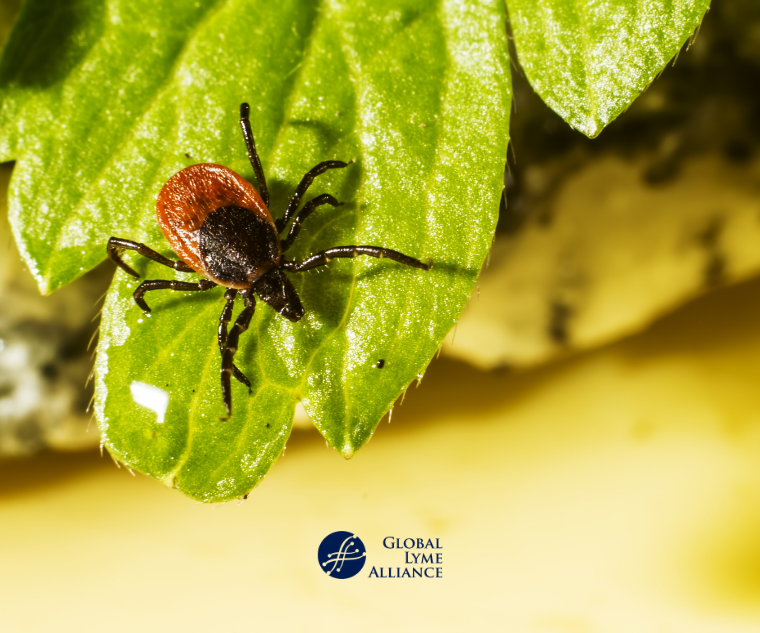
Lyme disease used to be known for its prevalence in New England, as well as the fact that it is carried by deer. Both of those things are still true, but what people don’t always realize is that infected blacklegged ticks that carry Lyme disease are found across the country and world. Some ticks carry other diseases that are endemic to certain areas of the country, such as Heartland virus and Southern Tick-Associated Rash Illness (STARI). Moreover, in addition to deer, ticks also feed on other mammalian hosts such as mice, chipmunks, and birds. They don’t just live in the woods, either. They like to hide in tall grasses, leaf piles and on brush. Anyone who spends time outdoors is at risk for Lyme and other tick-borne diseases, and should take important precautions.

  1. Your children and pets are at high-risk for Lyme disease.

Do you have kids who like to play outside? Do you have pets who run through the woods? They are both at high-risk for contracting Lyme disease—and, your pets can bring ticks into your home, which can then infect you and your family. Children ages 3-14 are at the highest risk for Lyme disease, since they love to roll in the grass, explore in the woods, etc. Complications for both children and pets can be severe if Lyme is not detected and treated immediately. Like adults, children can develop cognitive issues, mood changes, sleep disturbances, and prolonged fatigue that can significantly impact their ability to focus in, or even attend, school. Here are specific prevention measures you can take for your kids and for your pets.

  1. If not treated early, Lyme disease can become seriously debilitating.

Most cases of Lyme disease that are treated immediately can be cleared up with a course of antibiotics, but some 10-20% of patients go on to experience persistent symptoms. And that’s for patients who are lucky enough to see a bull’s eye rash or whose doctor quickly recognizes their clinical symptoms. About 50% of people never see a bull’s eye rash, or any rash at all. Others present nebulous symptoms such as fatigue, or take months to develop other symptoms such as joint and muscle aches, fevers, and neurological impairments, which are often misdiagnosed; Lyme is considered “The Great Imitator” because its symptoms can mirror those of other conditions such as Multiple Sclerosis (MS) and Myalgic Encephalomyelitis/ Chronic Fatigue Syndrome (ME/CFS).

  1. Diagnosis and treatment can be complicated.

Lyme disease testing is notoriously faulty, since it only can detect antibodies against Borrelia burgdorferi (the pathogen that causes Lyme disease), not the bacteria itself. Many patients either get misdiagnosed, as described above, or not diagnosed at all. Their Lyme disease then progresses to later, more complex and systemic stages. It then becomes more difficult to treat. Treatment can also be complicated by co-infections that require different treatment—some doctors don’t know to test for co-infections in addition to Lyme disease—as well as an individual’s immune response. Each person’s case of tick-borne illness is different, and requires an individually tailored protocol.

  1. Ticks DON’T ONLY carry Lyme disease.

As mentioned above, ticks can carry other illnesses, commonly referred to as co-infections. Some of these include babesiosis, anaplasmosis, ehrlichiosis, and possible bartonella. Some require different treatment than Lyme disease (for example, babesiosis is a parasite that is treated with anti-malarial medication). They also can be more difficult to get rid of, even when caught early. If you have Lyme disease and have not been tested for co-infections, you may only be fighting half the battle.

According to the Centers for Disease Control and Prevention (CDC), approximately 476,000 people are diagnosed and treated for Lyme disease every year. That’s more than breast cancer and HIV combined. Lyme and other tick-borne diseases are a serious health threat. The more people are aware of Lyme, the greater chance they’ll have of taking good preventative measures and/or getting accurately and efficiently diagnosed.

Writer

Jennifer Crystal

Opinions expressed by contributors are their own. Jennifer Crystal is a writer and educator in Boston. Her work has appeared in local and national publications including Harvard Health Publishing and The Boston Globe. As a GLA columnist for over six years, her work on GLA.org has received mention in publications such as The New Yorker, weatherchannel.com, CQ Researcher, and ProHealth.com. Jennifer is a patient advocate who has dealt with chronic illness, including Lyme and other tick-borne infections. Her memoir about her medical journey is forthcoming. Contact her via email below.

Email: lymewarriorjennifercrystal@gmail.com

_______________________

**Comment**

Here’s some more reasons why you should care:   https://madisonarealymesupportgroup.com/2020/09/25/why-should-we-care-about-lyme-disease-a-colorful-tale-of-government-conflicts-of-interest-probable-bioweaponization-and-pathogen-complexity/  The information within this article is imperative to understand why patients are not believed, diagnosed, or treated within mainstream medicine unless they are lucky enough to have a bull’s eye rash and a tick dangling off their arm.  (Even then, people are sent home packing and told to “wait and see.”)