Archive for the ‘Ticks’ Category

Gestational Lyme & Other Tick-borne Diseases – Dr. Jones

Dr. Charles Ray Jones – Rock Star

FB_IMG_1541741969447From left, Sherry Sievewright, Wisconsin Lyme Network, Dr. Charles Ray Jones, Alicia Cashman, Madison Lyme Support Group

Dr. Charles Ray Jones specializes in treating Lyme/MSIDS patients.  He has treated over 12,000 children with Lyme/MSIDS, and spoke recently at the Chicago ILADS convention.

Here is the executive summary of his presentation:

  • Borrelia burgdorferi (Bb) can be transmitted via ticks, gestationally, breast milk, and semen (yes, that means sexually).  While there isn’t a large NIH double-blind study, clinically LLMD’s are finding infected couples.  For more data on animals:  https://madisonarealymesupportgroup.com/2017/02/24/pcos-lyme-my-story/  (Scroll down to info on sexual transmission)


  • Gustafason & Burgess demonstrated gestational Bb infection in dogs.  Of the inoculated bitches, 80% became infected who then birthed mostly infected pups.1


  • A retrospective study showed 480 children with gestational Lyme/MSIDS. Diagnosis was based on clinical physical and history. 3


  • About 10% of Dr. Jones’ patients are infected gestationally.


  • Two cases of in vitro fertilization caused embryonic infection.


  • Mothers not treated resulted in 50% gestational transmission compared to mothers treated with 1 antibiotic resulting in a 25% transmission.  70% of infected mothers reported a difficult pregnancy.  ALL children improved with appropriate antibiotic treatment.  


  • Antibiotic treatment for Pregnant mothers:
  1. Amoxil 1000mg every 8 hours
  2. Ceftin 500 mg every 12 hours
  3. Omnicef 300 mg-600mg twice daily
  4. Mepron 750mg twice daily
  5. Zithromax 500mg twice daily
  • Other options for those who can not tolerate oral antibiotics:
  1. Bicillin 1.2 million units IM 1-3 times weekly
  2. Ceftiaxone 2 gms IV daily
  3. Cefotaxime 6 gms daily either continuous infusions or 2gms IV every 8 hours
  • Top 6 gestational Lyme symptoms:
  1. 90% low muscle tone (delays in motor skills, excess flexibility, drooling)
  2. 80% irritability (impulsive, risky behavior, interrupts, anger/mood swings)
  3. 72% fatigue
  4. 69% pain
  5. 60% low grade fevers with pale skin & dark circles under eyes
  6. 50% painful joints with stiffness & decreased range of motion
  • Coinfection rate found in study.3
  1. 30% Bartonella
  2. 20% Babesia
  3. 7% Strep
  4. 6% Ehrlichiosis
  5. 5% Leptospirosis
  • Male Child Case Study Findings.  Daily fevers between 101-102 degrees with severe joint pain, could not process stimuli, and poor muscle control.  Mother was infected with Bb during pregnancy and child had numerous tick bites.  Was initially diagnosed with a virus and was told he’d “grow out of it.”  Grandparents in desperation hired a priest to exorcise him.  Within 3 months of a clinical diagnosis of Bb (Western Blot positive) and multiple TBI’s (Babesia, Bartonella, Mycoplasma) and appropriate antibiotic treatment, he was doing well in school & athletics, and improved on all perimeters.  Treatment is ongoing.


  • Gestational treatment options:
  1. Combination of penicillin, cephalosporins, macrocodes, atovaquone (tetracycline, doxycyline & minocycline not usually used in those under 8) 


  • A 1995 study by Gardner showed 15% abnormal babies in treated mothers vs 67% of abnormal babies in mothers not treated.4


  • A 1989 study by MacDonald showed the following Lyme infection outcomes during pregnancy.5
  1. prematurity
  2. fluid in the brain
  3. blindness
  4. Sudden infant death syndrome
  5. blood infection
  6. Fetal death
  7. cardiovascular system anomalies
  8. growth retardation
  9. respiratory distress
  10. excess of bilirubin in the blood

References:

  1. Gustafson, J.M., E.C Burgess, et al.(1993). “Intrauterine transmission of Borrelia burgdorferi in dogs. “Am J Vet Res 54(6): 882-890
  2.  Xiao, J., et al. 2011. “How Different Strains of Parasite Infection Affect Behavior Differently”. Infection and Immunity. March 2011 . Quoted in science daily, March 22, 2011.
  3.  Jones, Charles Ray, Smith, Harold, Gibb, Edina and Johnson, Lorraine JD, MBA, “Gestational Lyme Disease Case Studies of 102 Live Births, Lyme Times, 2005”. 
  4. Gardner, T. (1995). Lyme disease. Infectious disease of the fetus and newborn infant. J. S Remington and J.O Klein. Philadelphia, Saunders. Chapter 11:447- 528. 
  5. MacDonald, A.B. (1989) “Gestational Lyme Borreliosis. Implications for the fetus. “Rheum Dis Clin North Amer 15(4): 657-677. 
  6. Goldenberg, R.L and C. Thompson (2003) “The infectious origin of stillbirth”. Am J Obstet Gynecol 189(#): 861-873.

____________________

More on Pregnancy with Lyme/MSIDS:

https://madisonarealymesupportgroup.com/2018/06/19/33-years-of-documentation-of-maternal-child-transmission-of-lyme-disease-and-congenital-lyme-borreliosis-a-review/

https://madisonarealymesupportgroup.com/2018/05/24/new-berlin-mom-given-life-altering-lyme-disease-diagnoses-after-pregnancy/

https://madisonarealymesupportgroup.com/2017/10/15/pregnancy-in-lyme-dr-ann-corson/

https://madisonarealymesupportgroup.com/2018/07/24/congenital-transmission-of-lyme-myth-or-reality/

https://madisonarealymesupportgroup.com/2018/02/26/transplacental-transmission-fetal-damage-with-lyme-disease/  (Great videos here)

https://www.lymedisease.org/lyme-basics/lyme-disease/children/  Great read on Lyme/MSIDS in children.

https://www.lymedisease.org/wp-content/uploads/2014/08/Image15-Jones-ABT.pdf  “Rationale for Prolonged Antibiotic Therapy in Treating Lyme Disease.”  By Charles Ray Jones, M.D.
GLA – What the “Man on the Street” Knows About Lyme Disease

Global Lyme Alliance (GLA) and Matthew Morrison (from Glee) take to the streets of NYC to find out what people really know about #Lymedisease.

  1.  While ticks are the accepted transmitters of Lyme/MSIDS, there are other ways to contract it including congenitally & via breast milk.  There is also data suggesting other bodily fluids including semen, vaginal secretions, and urine – not to mention mosquitoes, biting flies, and other biting bugs.

WE NEED GOOD, UNBIASED, RESEARCH IN THIS AREA.

  1. The better question to ask is, “What can you lose with Lyme?” and the answer  – potentially – everything.
  2. Interestingly, Lyme has been around forever:  https://madisonarealymesupportgroup.com/2018/02/12/the-persistent-spiral-the-ancient-history-of-lyme-disease-and-tick-borne-infections/ and was found in Otzi, the oldest European mummy.
  3. Lyme disease is a PANDEMIC.  And it’s not going away.
  4. While dogs are “tick taxi’s,” cats, along with about every single mammal carry Bartonella, a huge player in Lyme/MSIDS.  I predict much more on Bart will be discovered shortly.
  5. Education needs to emphasize that ticks carry numerous pathogens.  The symbiotic relationship between them is one reason many remain ill:  https://madisonarealymesupportgroup.com/2018/10/30/study-shows-lyme-msids-patients-infected-with-many-pathogens-and-explains-why-we-are-so-sick/  The one germ, one drug paradigm does not work here.
  6. While tick testing is an interesting and educational endeavor, you should be seen immediately by a Lyme literate doctor if you ever find an attacked tick. Please do not take the CDC’s “wait and see” approach.  It’s not worth the risk. Few states have free tick testing and it typically costs $50 or more per tick. If it were me, I’d demand prophylactic treatment.  Trust me.  You don’t want this.


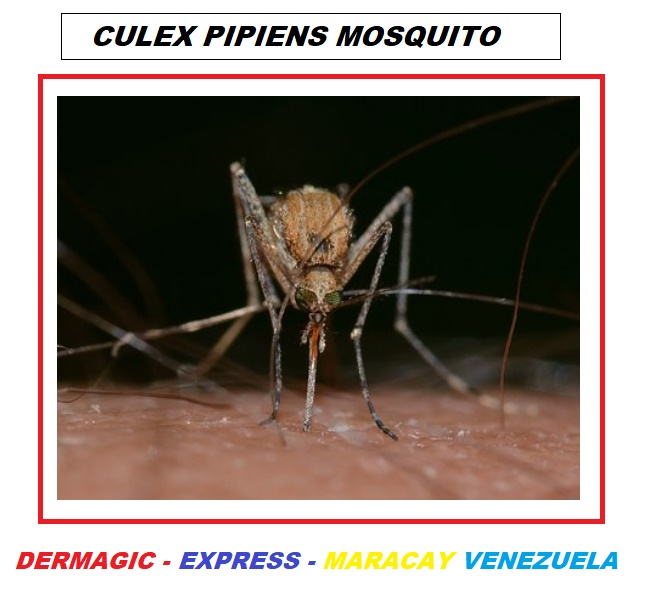
Are Mosquitoes Transmitting Lyme Disease?

https://dermagicexpress.blogspot.com/2018/10/are-mosquitoes-involved-in-transmission.html?m=1

ARE THE MOSQUITOES INVOLVED IN THE TRANSMISSION OF LYME DISEASE?

November, 2018

Dr. José Lapenta Dermatologist
Dr. José M. Lapenta MD
 
EDITORIAL ENGLISH
===================
Hello friends of the network, DERMAGIC EXPRESS with a super hot topic:
ARE THE MOSQUITOES INVOLVED IN THE TRANSMISSION OF LYME  DISEASE?
A few years after the discovery of the Borrelia Burgorferi in 1981 by Willy Burgdorfer, some scientists began to suspect that mosquitoes and other insects could be involved in the spread of Lyme borreliosis; and specifically in 1985-1987 studies began to appear on this subject, some controversial, others more convincing of the fact that mosquitoes that feed on blood from animals contaminated with Borrelia, could be vectors of the disease and contribute to the epidemic that attacks the whole world today by this spirochete.
Ticks are always spoken of as the only and great vector, but today I bring you some references that will make you think that there is something “hidden” and perhaps not revealed about Lyme Borreliosis: mosquitoes as transmitting vectors.
Not to make it long I’m going to name the most outstanding aspects of some studies and I’ll leave the references of the facts:
  • Historically in the year 1961 Robert J.A. I first proved the experimental transmission of Borrelia, in this case Borrelia anserina, (discovered by Saknarof in the year 1891) by the hematophagous insect Aedes aegypti in geese of the Caucasus, since then it has been isolated from the blood of infected geese, turkeys, ducks, fowls, partridges, crows and sparrows from all parts of Africa, Australia, Austria, Bulgaria, Brazil, Egypt, East Indies, Germany, Greece, Hungary, India, the U.S.S.R., Rumania and Turkey.
  • In 1985 Dolby et al. published in France a work of 4 Chronic Erythema Migrans (ECM) cases, where only 1 could be checked the sting by ticks, and raise the possibility that the transmission could have been by mosquitoes and flies (horseflies,  tabanid).
  • In 1987 Magnareli et al.  conducted a study in Connecticut, United States collecting mosquitoes, horse flies and deer flies, in total 18 species, which were tested for Borrelia Burgdorferi finding a percentage of positivity that varied between 2.9 and 14.3% for blood-sucking insects. They also placed in cages insects with hamsters not contaminated with Borrelia; 11 species of females contaminated with Borrelia Burgdorferi fed on the blood of the hamsters. The spirochete was not found in the hamsters, but one of them presented positive titers of anti-Borrelia antibodies.
From these years they continued publishing works in relation to this subject where it is demonstrated that in a low percentage the Borrelia Burgdorferi can be transmitted by mosquitoes, horse flies, deer flies, and others.
It is important to note that most of the studies were conducted in Europe, being perhaps the most relevant those made in the Czech Republic, where among them, in one study 5% of the mosquitoes studied were shown contaminated with spirochetes and one of them corresponded to the strain (BR-84) identified as Borrelia Afzelii.
 
Another detail to highlight is that the CDC does not mention these blood-sucking insects as a possible transmitter of Lyme borreliosis, which, although being low in the percentage shown in the studies, could be a factor in the spread of this disease by the world.
Here I leave the bibliographical references that prove these facts and in the attach one of the species of mosquitoes in which the Borrelia Burgdorferi was found.
“Under the sun there is nothing hidden, and sooner or later the evidence appears that shows that what you tried to hide, became the evidence that became a truth”
================================================================
BIBLIOGRPHICAL REFERENCES / REFERENCIAS BIBLOGRAFICAS
================================================================

1.) Doby JM , Chastel C , Couatarmanac’h A , Cousanca C , Chevrant-Breton J , Martin A , Legay B , Guiguen C .  [Etiologic and epidemiologic questions posed by erythema chronicum migrans and Lyme disease. Apropos of 4 cases at the Regional Hospital Center, Rennes]. Bull Soc Pathol Exot Filiales. 1985;78(4):512-25.b[Article in French]

2.) Magnarelli LA1, Anderson JF. Ticks and biting insects infected with the etiologic agent of Lyme disease, Borrelia burgdorferi. J Clin Microbiol. 1988 Aug;26(8):1482-6.

3.) J.H. (Han) van der Kolk. Borrelia burgdorferi seeks vectors. Page 119 | Taylor and Francsi online. Published online: 15 Dec 2014.
Source:https://www.tandfonline.com/doi/full/10.1080/01652176.2014.972609?scroll=top&needAccess=true

4.) Chang YF, Novosel V, Chang CF, Summers BA, Ma DP, Chiang YW, Acree WM, Chu HJ, Shin S, Lein DH. 2001 Jul. Experimental induction of chronic borreliosis in adult dogs exposed to Borrelia burgdorferi-infected ticks and treated with dexamethasone. Am J Vet Res. 62:1104–1112.[Crossref], [PubMed], [Web of Science ®], [Google Scholar]

5.) Chang YF, Novosol V, McDonough SP, Chang CF, Jacobson RH, Divers T, Quimby FW, Shin S, Lein DH. 2000. Experimental infection of ponies with Borrelia burgdorferi by exposure to Ixodid ticks. Vet Pathol. 37:68–76.[Crossref], [PubMed], [Web of Science ®], [Google Scholar]

6.) Fernando SS. 1983. The giant kidney worm (Dioctophyma renale) infection in man in Australia. Am J Surg Pathol. 7:281–284.[Crossref], [PubMed], [Web of Science ®], [Google Scholar]

7.) Halouzka J, Postic D, Hubálek Z. 1998. Isolation of the spirochaete Borrelia afzelii from the mosquito Aedes vexans in the Czech Republic. Med Vet Entomol. 12:103–105.[Crossref], [PubMed], [Web of Science ®], [Google Scholar]

8.) Halouzka J, Wilske B, Stünzner D, Sanogo YO, Hubálek Z. 1999. Isolation of Borrelia afzelii from overwintering Culex pipiens biotype molestus mosquitoes. Infection. 27(4-5):275–277.[Crossref], [PubMed], [Web of Science ®], [Google Scholar]

9.) Liu D. 2012. Dioctophyme. In: Liu D, editor. Molecular detection of human parasitic pathogens. Boca Raton (FL): Taylor & Francis; p. 535–538.[Crossref], [Google Scholar]

10.) Qiu WG, Schutzer SE, Bruno JF, Attie O, Xu Y, Dunn JJ, Fraser CM, Casjens SR, Luft BJ. 2004. Genetic exchange and plasmid transfers in Borrelia burgdorferi sensu stricto revealed by three-way genome comparisons and multilocus sequence typing. Proc Natl Acad Sci USA. 101:14150–14155.[Crossref], [PubMed], [Web of Science ®], [Google Scholar]

11.) Stricker RB, Lautin A, Burrascano JJ. 2005. Lyme disease: point/counterpoint. Expert Rev Anti Infect Ther. 3:155–165.[Crossref], [PubMed], [Google Scholar]

12.) Wagner B, Erb HN. Dogs and horses with antibodies to outer-surface protein C as on-time sentinels for ticks infected with Borrelia burgdorferi in New York State in 2011. 2012. Prev Vet Med. 107:275–279.[Crossref], [PubMed], [Web of Science ®], [Google Scholar]

13.) Zákovská A, Nejedla P, Holíková A, Dendis M. 2002. Positive findings of Borrelia burgdorferi in Culex (Culex) pipiens pipiens larvae in the surrounding of Brno city determined by the PCR method. Ann Agric Environ Med. 9:257–259.[PubMed], [Web of Science ®], [Google Scholar]

14.) J. A. ROBERTS. Experimental Transmission of Borrelia anserine (Sakharoff 1891) by Aedes aegypti. Letter | Published: 16 September 1961. Nature volume 191, page 1225 (16 September 1961)

15.) Hubálek Z1, Halouzka J, Juricová Z. Investigation of haematophagous arthropods for borreliae–summarized data, 1988-1996. Folia Parasitol (Praha). 1998;45(1):67-72.

16.) Petr Zeman. Borrelia-infection rates in tick and insect vectors accompanying human risk of acquiring Lyme borreliosis in a highly endemic region in Central Europe. Folia Parasitologica 45[4] 319-325 (1998). Regional Center of Hygiene, Dittrichova 17, 120 07 Prague 2, Czech Republic

17.) Zákovská A1, Nejedla P, Holíková A, Dendis M. Positive findings of Borrelia burgdorferi in Culex (Culex) pipiens pipiens larvae in the surrounding of Brno city determined by the PCR method. Ann Agric Environ Med. 2002;9(2):257-9.

18.) Kosik-Bogacka D1, Bukowska K, Kuźna-Grygiel W. Detection of Borrelia burgdorferi sensu lato in mosquitoes (Culicidae) in recreational areas of the city of Szczecin. Ann Agric Environ Med. 2002;9(1):55-7.

19.) Kosik-Bogacka D1, Kuźna-Grygiel W, Bukowska K. The prevalence of spirochete Borrelia burgdorferi sensu lato in ticks Ixodes ricinus and mosquitoes Aedes spp. within a selected recreational area in the city of Szczecin. Ann Agric Environ Med. 2004;11(1):105-8.

20.) Zákovská A1, Capková L, Serý O, Halouzka J, Dendis M. Isolation of Borrelia afzelii from overwintering Culex pipiens biotype molestus mosquitoes. Ann Agric Environ Med. 2006;13(2):345-8.

21.) Kosik-Bogacka DI1, Kuźna-Grygiel W, Górnik K. Borrelia burgdorferi sensu lato infection in mosquitoes from Szczecin area. Folia Biol (Krakow). 2006;54(1-2):55-9.

22.) Alexandre C.Atalibaa. José S.Resendeb. NatalinoYoshinaric. Marcelo B.Labrunaa. Isolation and molecular characterization of a Brazilian strain of Borrelia anserina, the agent of fowl spirochaetosis.Research in Veterinary Science. Volume 83, Issue 2, October 2007, Pages 145-149https://doi.org/10.1016/j.rvsc.2006.11.014

23.) Nejedla P1, Norek A, Vostal K, Zakovska A. What is the percentage of pathogenic borreliae in spirochaetal findings of mosquito larvae? Ann Agric Environ Med. 2009;16(2):273-6.

24.) Petra Nejedla 1,   Adam Norek 1,   Karel Vostal 1,   Alena Žákovská 1. What is the percentage of pathogenic borreliae in spirochaetal findings of mosquito larvae?. Ann Agric Environ Med. 2009;16(2):273–276

25.) Sikutová S1, Halouzka J, Mendel J, Knoz J, Rudolf I. Novel spirochetes isolated from mosquitoes and black flies in the Czech Republic. J Vector Ecol. 2010 Jun;35(1):50-5. doi: 10.1111/j.1948-7134.2010.00027.x.

26.) Melaun C1, Zotzmann S1, Santaella VG1, Werblow A1, Zumkowski-Xylander H2, Kraiczy P3, Klimpel S4. Occurrence of Borrelia burgdorferi s.l. in different genera of mosquitoes (Culicidae) in Central Europe. Ticks Tick Borne Dis. 2016 Mar;7(2):256-63. doi: 10.1016/j.ttbdis.2015.10.018. Epub 2015 Nov 12.

__________________

For more:  

https://madisonarealymesupportgroup.com/2016/07/23/german-study-finds-borrelia-in-mosquitos/

https://madisonarealymesupportgroup.com/2018/10/04/deer-fly-lyme-carrying-ectoparasite-on-the-move/

Zoonotic Implications of Changing Tick Populations

https://www.americanveterinarian.com/news/zoonotic-implications-of-changing-tick-populations

October 25, 2018

Zoonotic Implications of Changing Tick Populations

As environmental changes allow tick populations to spread, the zoonotic risk of tickborne diseases increases.

By Kate Boatright, VMD

Between 1940 and 2004, the majority of emerging human infectious diseases worldwide were zoonotic. Of these, nearly one-quarter were arthropod vector-borne diseases, with ticks being the most common vector. In the United States, tickborne diseases account for about 95% of vector-borne diseases.

A recent review article in Veterinary Sciences examined many factors of tick biology, including the changing geographic distribution of tick populations and the impact of this change on associated tickborne diseases.

Ixodes Ticks and Associated Pathogens

Ixodid ticks exist worldwide. Warmer temperatures and changing humidity have allowed for northern expansion in North America, Europe, and Russia. Many significant zoonotic pathogens are carried by these ticks:

  • Borrelia burgdorferi, the causative agent of Lyme disease, is now seen throughout the United States, Canada, and Europe.
  • New Borrelia species identified worldwide have been implicated as additional causative agents of Lyme disease (Borrelia mayonii) and a relapsing fever (Borrelia miyamotoi).
  • Babesiosis, caused by over 100 different Babesia species, is especially significant for cattle and humans. Human babesiosis cases are expected to be seen in Canada due to the increased number of Ixodes scapularis ticks, and new Babesia species are now seen in regions not previously known to have babesiosis.
  • Anaplasma phagocytophilum is the causative agent of human granulocytic anaplasmosis (HGA), equine anaplasmosis, and febrile diseases in ruminants, cats, and dogs. Reports of HGA in the United States increased by a factor of 12 between 2001 and 2011.
  • Co-infections are common in individuals exhibiting disease from an Ixodes tick vector. Ten percent of individuals infected with Anaplasma also had antibodies to B burgdorferi or Babesia microti.
Ambylomma Ticks and Ehrlichia

In the United States, Amblyomma americanum ticks have expanded both north and west as white-tailed deer populations have increased in these regions. All life stages of this tick species can feed on humans and deer, increasing the potential for transmission of Ehrlichia chaffeensis and Ehrlichia ewingii, the most common causes of human monocytic ehrlichiosis.

In the rest of the world, other Amblyomma ticks serve as vectors for multiple species of Ehrlichia, including new genetic variants classified as Candidatus Neoehrlichia species in Europe and Asia. For veterinarians, heartwater disease, caused by Ehrlichia ruminantium, is an increasingly important reportable disease of ruminants in Africa and the Caribbean.

Viral Vector-Borne Diseases

Vector-borne viruses are another emerging global zoonotic threat. Many tick species carry viruses of increasing public health importance:

  • Rhipicephalus microplus and Haemaphysalis longicornis ticks in China and Amblyomma americanum in the United States are known vectors of closely related viruses causing severe fever and thrombocytopenia. In the United States, this virus is known as heartland virus.
  • Bourbon virus was recently discovered in the United States.
  • Powassan virus is reemerging in North America.
  • Tickborne encephalitis viruses are broadening in range throughout Europe as reforestation and movement of dogs allows the range of their vector, Dermacentor reticulatus, to expand into Germany, the Netherlands, and Poland.
  • Crimean-Congo hemorrhagic fever virus is spreading to multiple countries in the Mediterranean, likely due to the transportation of its tick vector, Hyalomma marginatum, by birds from Africa, Asia, and Eastern Europe to Central Europe.
Take-Home Message

Practitioners in both veterinary and human medicine must remain aware of the changing geography of ticks and associated vector-borne diseases. The discovery of the Asian tick H longicornis in New Jersey and Virginia should be an important reminder of the fact that

“ticks and tickborne pathogens do not recognize international boundaries.”

Thus, “a robust international disease monitoring network” is needed to protect both human and animal health from both known and emerging tick-borne diseases.
Dr. Boatright, a 2013 graduate of the University of Pennsylvania, is an associate veterinarian in western Pennsylvania. She is actively involved in her state and local veterinary medical associations and is a former national officer of the Veterinary Business Management Association.

________________

**Comment**

Independent Canadian tick researcher states it’s migrating birds and photoperiod allowing tick populations to spread, not climate issues:  https://madisonarealymesupportgroup.com/2018/08/13/study-shows-lyme-not-propelled-by-climate-change/

This groundbreaking study:  https://madisonarealymesupportgroup.com/2018/10/30/study-shows-lyme-msids-patients-infected-with-many-pathogens-and-explains-why-we-are-so-sick/ shows a 85% probability for multiple infections in patients suffering from tick borne disease, including not only tick-borne pathogens but also opportunistic microbes such as EBV and other viruses.

Key Quote:

“Our findings recognize that microbial infections in patients suffering from TBDs do not follow the one microbe, one disease Germ Theory as 65% of the TBD patients produce immune responses to various microbes.”

Eighty three percent of all commercial tests focus only on Lyme (borrelia), despite the fact we are infected with more than one microbe. It takes 11 different visits to 11 different doctors, utilizing 11 different tests to be properly diagnosed. https://www.news-medical.net/news/20181101/Tick-borne-disease-is-multiple-microbial-in-nature.aspx?

Time for things to change.


Ticks on the Move Due to Migrating Birds and Photoperiod – Not Climate Change

IMG_1143

Here is Aparna Taylor, ND, MSc from Calgary, Alberta on the right with a poster presentation at the recent ILADS conference in Chicago of John and Catherine Scott’s work on the spread of ticks.  Study found in the Journal of Veterinary  Science and Medicine:  https://madisonarealymesupportgroup.com/wp-content/uploads/2018/08/scott-scott-2018-ticks-and-climate-change-jvsm.pdf

I break it down here:  https://madisonarealymesupportgroup.com/2018/08/13/study-shows-lyme-not-propelled-by-climate-change/, and explain that according to the Scotts, there are numerous problems with the climate change model regarding tick proliferation and therefore, the spread of tick borne illnesses.

  1. Climate-change researchers overlooked and did not take into account established populations of I. scapularis found in the late 1960’s in the upper Midwest, as well as at Manitoba in 1991, in their climate change model maps. Even game hunters remember ticks on the heads and necks of deer in the 1950’s and 1960’s in northwestern Ontario and southern Manitoba. The faulty climate change maps are devoid of any ticks in those areas – yet experience shows otherwise. This has been the experience of patients across the globe as well.
  2. If there was any substance to climate warming in propagating ticks the Amblyomma americium (lone star tick) would have become established in the southernmost part of Ontario, but they haven’t.
  3. The progression of studies used by climate change researchers follows the order in which they were conducted not the result and progression of climate change.  Just because U.S. studies start in the early 80’s does not mean that was when ticks were established. As noted before, ticks and spirochetes have both been found in fossils, obviously long before the 80’s. This demonstrates climate adaptability.
  4. Climate change models overlook the fact that deer ticks were established in northwestern Ontario, southern Manitoba and were already in central Canada prior to 1970. What they predict to happen in the future has already happened in Canada. Their oversight caused a skewed rate of tick expansion and a miscalculation of northward projected movement.
  5. Ticks are marvelous ecoadaptors and find snow and leaf litter when conditions become harsh.  Warmer winters are in fact lethal to I. scapularis (black-legged) ticks. In fact, overwinter survival dropped to 33% when the snow melted. This has been substantiated by other researchers as well.
  6. Yearly bidirectional, songbird migration in spring and fall is behind tick expansion and the climate change model actually reflects migratory flight not warmer futuristic temperatures.
  7. Scott’s in-house tick studies have shown that black-legged ticks require 14 hours of daylight to molt. If ticks can’t molt, they can’t move on to their next life-cycle. Photoperiod is innate and can not be altered by the climate.

He states:

“The hypothesis that I. scapularis ticks will expand further north in the Prairie Provinces because of climate change is not only unscientific, but deceiving.”

I’ve been following the Scotts’ work for years as they are also patients who have been infected for decades with tick borne illness and who have done their own independent work.  I am thankful for them and the honest, transparent work they do.  As often happens in TBI research, the honest researchers are ignored while those pushing an agenda move forward.  Do not be fooled.

“For blacklegged ticks, climate change is an apocryphal issue.” -John Scott

Please spread the word that climate data will not help patients one iota.

For an excellent interview with John Scott:  https://madisonarealymesupportgroup.com/2017/08/14/canadian-tick-expert-climate-change-is-not-behind-lyme-disease/ (He also explains the bogus Lyme vaccine as well)

**UPDATE July 2022**

Spain just admitted it has recently been spraying deadly chemtrails as part of a secret UN program to fight COVID, and previously four state meteorological agency whistleblowers announced in 2015 that planes were regularly spraying lead dioxide, silver iodide, and diatomite throughout Spain to ward off rain and to allow temperatures to rise to create a summery climate for tourism as well as the agricultural sector – producing cold drops of great intensity.

Climate engineering is very real and is causing very real damage.

I assure you, Spain is not alone.

Kristen Meghan, a military chemtrails whistleblower has witnessed canisters of fine, powdered aluminum and barium being shipped to U.S. Air Force bases and being loaded onto jets.

Aluminum and barium are the metals that have been found (and continue to be found) in great excess in soil, rainwater, dust, and blood samples. These are the same metals associated with numerous patents which describe the mechanisms and processes of injecting aluminum and barium into jet engines for the purpose of spraying them into the atmosphere; a process called “geoengineering” by scientists. This also explains why the public witnessed the sudden appearance of trails coming from jet engines which never produced them previously.

Several whistleblowers have come forward exposing ongoing atmospheric spray operations, but Kristen has provided the link between the military and the massive amounts of toxic metals we are all experiencing on the ground.  Go here to watch an informative speech by Meghan.

A formerly classified US military document titled “Forest Fire As A Military Weapon” is a truly shocking exposé of planned scorched Earth destruction. The US Forest Service actually participated in the research and planning that went into this military instruction manual for carrying out orchestrated forest fire catastrophes. What part have climate intervention operations played in the preparation of forests for extreme and unprecedented incineration all over the world? A short video report reveals the shocking degree of research that the US military and the US Forest Service has put into preparing forests for extreme incineration.  Go here if Youtube censors the video.

Climate change alarmists are barking up the wrong tree.  Climate engineering by our own government is causing weather changes and untold environmental damage.