Archive for the ‘Ticks’ Category

Review of PSI Joint Infections in Pediatrics – All With Negative Blood Cultures: Bartonella & Brucella, Among Others

https://www.ncbi.nlm.nih.gov/pubmed/31130517

2019 May 23. pii: S1695-4033(18)30548-4. doi: 10.1016/j.anpedi.2018.07.017. [Epub ahead of print]

[Pyogenic sacroiliitis: Lessons learned from an atypical case series].

[Article in Spanish]

Abstract

INTRODUCTION:

Pyogenic sacroiliitis (PSI) is a rare condition that amounts to 1% to 2% of all joint infections in the paediatric age group. Its diagnosis is often difficult and delayed due to its nonspecific signs, symptoms and physical findings. Also, the identification of the causative microorganism is frequently challenging due to a high proportion of negative blood cultures and the risks involved in joint aspiration in this site.

PATIENTS AND METHODS:

We performed a retrospective review of the health records of all patients aged less than 18 years admitted to a tertiary children’s hospital due to PSI between 2008 and 2016.

RESULTS:

We identified 6 cases of paediatric PSI. The blood cultures were negative, and the identification of the causative agent required joint fluid aspiration in one patient with infection by Aggregatibacter aphrophilus, and specific screening tests for less frequent agents in the other patients: Kingella kingae (n=2), Brucella melitensis (n=1) and Bartonella henselae (n=1). The patients were treated with specific antimicrobial regimens, and all had favourable clinical outcomes and were free from sequelae during the follow-up.

CONCLUSIONS:

Despite the small sample size, our study evinced the low effectiveness of blood cultures for diagnosis of paediatric PSI. It also highlights the need for a high level of suspicion for atypical agents and the early use of adequate diagnostic methods, including imaging and serological testing or polymerase chain-reaction (PCR) analysis of blood samples, as well as prescription of effective antimicrobial therapy.

____________________

**Comment**

Pyogenic sacroiliitis = puss forming joint infection in the sacroiliac joint.

iu-16

Brucella melitensis, a gram negative rod-shaped bacteria, is a human pathogen (Malta fever), B.abortus (Bang’s disease), and in rare cases, B. suis and B. canis. Transmission occurs through animal contact (birth) or animal products, inhalation of infected particles, STD, breastfeeding, bone marrow transplants, blood products, and yes, ticks.  Pathogens are found in macrophages which are transported to lymph nodes, then spread throughout the body.  Treatment consists of doxycycline, rifampicin, & gentamicin.  Also, Ciprofloxin 500mg twice a day for 7-14 days.  http://brucellamelitensis.com

http://drsusanmarra.com/patient-resources/lyme-disease/brucella/ It has been found in eggs, larvae and engorged females of Dermacentor marginatus ticks (that bite humans)  https://www.sciencedirect.com/science/article/pii/S1877959X17303990

Hosts are most mammals including humans.  http://www.bristoluniversitytickid.uk/page/Dermacentor+marginatus/13/#.XPgbgS2ZPSc

Symptoms are very non-specific:  https://www.cdc.gov/brucellosis/symptoms/index.html

http://www.cfsph.iastate.edu/Factsheets/pdfs/brucellosis_melitensis.pdf  Actually the best information is found here.

And…according to the CDC:  https://www.cdc.gov/brucellosis/clinicians/brucella-species.html

*Three types of the bacteria that cause brucellosis – Brucella abortus, Brucella melitensis and Brucella suis – are designated as select agents. This means that they have the potential to be developed as bioterrorism agents due to their ability to undergo aerosolization.

Oh goody, another potential bioweaponized agent spread by ticks.

For more on the history of brucella as a bioweapon:  https://www.globalsecurity.org/wmd/intro/bio_brucellosis.htm

https://www.ncbi.nlm.nih.gov/pubmed/8425348?dopt=Abstract  Acute Lyme arthritis in the hip mimicking acute pyogenic arthritis in 5-year old girl.

https://www.ncbi.nlm.nih.gov/pmc/articles/PMC3358077/  Bartonella & all sorts of rheumatic symptoms in patients from Lyme endemic regions with histories of cat, dog, mosquitoes, ticks, fleas, and biting fly exposure.

Staph is usually the culprit, but this case report highlights that Lyme, Bartonella, Brucella, and mycoplasma should be tested for as well.  Things to watch for in children/babies – pain with diaper changes, limping, fever, irritability, decreased range of motion in the pelvic area.  This review stated the highest incidence was in adolescents:  https://link.springer.com/article/10.1007/s00431-019-03333-8, but that it’s an under recognized entity in infants with an unidentified bacterial source.  Could this be a manifestation of congenital Lyme/MSIDS that’s flying under the radar?


High Titers of Bartonella Found in Patients With Musculoskeletal Complaints

https://www.ncbi.nlm.nih.gov/pubmed/31115789

2019 May 22. doi: 10.1007/s10067-019-04591-5. [Epub ahead of print]

The seroprevalence of Bartonella spp. in the blood of patients with musculoskeletal complaints and blood donors, Poland: a pilot study.

Abstract

BACKGROUND:

Bartonella spp. can cause a variety of diseases, such as lymphadenopathies, cat scratch disease, and trench fever, but can also give rise to many non-specific symptoms. No data exists regarding the prevalence of Bartonella spp. in patients with musculoskeletal complaints, nor among blood donors in Poland.

METHODS:

The presence of anti-Bartonella IgM and IgG in the serum of blood donors (n = 65) (Lodz, Poland) and in the patients of the Department of Rheumatology Clinic (n = 40) suffering from musculoskeletal symptoms was tested by immunofluorescence. Blood samples were cultured on enriched media. Epidemiological questionnaires were used to identify key potential risk factors, such as sex, age, contact with companion animals, and bites from insects or animals.

RESULTS:

Altogether,

  • 27 of the 105 tested subjects were seropositive for Bartonella henselae IgG (23%)
  • 3 for Bartonella quintana IgG (2.85%)
  • IgMs against B. henselae were found in 3 individuals (2.85%)
  • IgMs against B. quintana were found in one (1.54%)

No statistically significant difference was found between the prevalence of B. henselae in the blood of donors or patients and the presence of unexplained musculoskeletal complaints (23% vs 30%). Individuals who had kept or been scratched by cats were not more likely to be B. henselae seropositive (p > 0.01). Tick bites were more commonly reported in patients, but insignificantly (p > 0.01).

CONCLUSION:

This is the first report of a high seroprevalence of anti-Bartonella IgG in patients with musculoskeletal symptoms and in blood donors in Poland. The obtained results indicate that such seroprevalence may have a possible significance in the development of musculoskeletal symptoms, although it should be confirmed on a larger group of patients. Asymptomatic bacteremia might occur and pose a threat to recipients of blood from infected donors. Hence, there is a need for more detailed research, including molecular biology methods, to clarify the potential risk of Bartonella spp. being spread to immunocompromised individuals.

KEY POINTS:

•This is the first study presenting high seroprevalence of Bartonella spp. in Poland. • IgG and IgM antibodies against B. quintana were found in blood samples of blood donors.


Another Tick-Borne Disease To Worry About – Alongshan virus (ALSV)

https://www.npr.org/sections/goatsandsoda/2019/06/01/728375159/another-tick-borne-disease-to-worry-about

Another Tick-Borne Disease To Worry About

June 1, 20197:00 AM ET

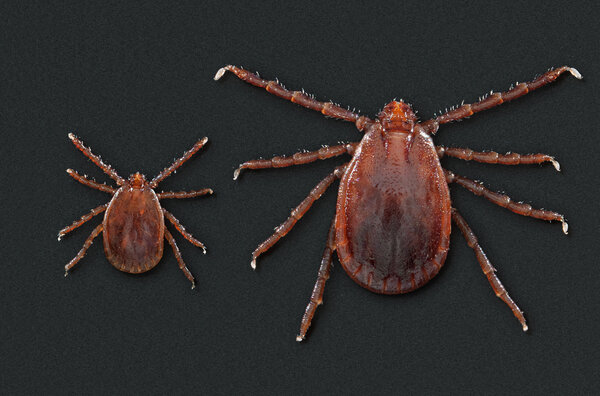
This photo depicts two Haemaphysalis longicornis ticks, commonly known as the longhorned tick. It has been linked to the spread of a hemorrhagic fever in China. The smaller of the two ticks on the left is a nymph. The larger tick is an adult female.

Science Source

When a tick bores into your skin, anchoring itself for what can be a leisurely meal while often spreading germs, it isn’t just Lyme disease that you have to worry about.

Various kinds of ticks have been shown to carry at least 16 diseases in the U.S alone that can infect humans, according to the Centers for Disease Control and Prevention. Now add one more to the global list of ills that a tick bite can bring about, according to a study in the May 30 New England Journal of Medicine.

The study, identifying a new tick-borne disease, shows that we still don’t know how many more diseases ticks can carry. “We continue to discover new viruses,” says Dr. Bobbi Pritt, director of the Clinical Parasitology Laboratory and co-director of the Vector-Borne Disease Lab Services at Mayo Clinic. She was not involved in the study.

The newly discovered disease was found in Inner Mongolia, an autonomous region of China. In April 2017, a 42-year-old female farmer from the Mongolian town Alongshan went to a county hospital complaining of fever and headache. She had a history of tick bites. In searching for the cause of the patient’s fever, researchers ruled out the usual tick-borne diseases found in the area. Using genome sequencing, a process of determining the makeup of an organism’s DNA, they isolated a new disease-causing agent, which they called Alongshan virus, or ALSV, after the patient’s hometown.

Further testing found 86 additional patients in the same Inner Mongolia region who were infected with ALSV. “Neither permanent clinical complications nor death occurred among patients with confirmed infection,” wrote the authors, from various universities and laboratories in China, in the journal article.

The patients in the study had symptoms of headache and fever coming an average of three to seven days after a tick bite, according to an email response to questions from Quan Liu, an author of the study from the School of Life Sciences and Engineering at Foshan University in Foshan, China. They were treated with ribavirin, an antiviral, and benzylpenicillin sodium, an antibiotic, for three to five days, he wrote.

“The symptoms usually resolved after six to eight days of treatment, and all patients had complete recovery.”

Diseases from a variety of ticks are seen around the world, but there are regional differences depending on the virus or bacteria carried by the ticks in the area. So far, ASLV has been found only in Inner Mongolia, in Ixodes persulcatus ticks, according to the study. It has also been found in mosquitoes in the same area, so researchers can’t be certain whether the patients got sick from a tick bite or a mosquito bite.

Like the victims of ASLV, most patients recover from the diseases caused by tick bites — although some tick-borne diseases can result in enduring joint pain, impaired muscle movements and fatigue.

Finding a new disease can only reinforce the need for people to take precautions to avoid tick bites.

In the U.S., where more than 59,000 cases of tick-borne diseases were reported in 2017, tick season is just beginning.

“Once the snow melts, the ticks come out. Stay away from tall grasses and forested areas,” says Pritt. “If you go into those areas, wear protective clothing and use an insect repellent with DEET.”

The CDC also suggests treating clothing and camping gear with the repellent permethrin, walking in the center of paths to avoid brushing against plants and leaves, and bathing and checking your body for ticks after an outdoor excursion.

And if you do come down with a fever that isn’t easily explained or diagnosed, make sure you tell your physician about any travel or recent outdoor experiences, says Pritt.

“The overarching theme is the more we look at ticks, the more we find,” says Wendy Adams, research grant director, Bay Area Lyme Foundation, who was not involved in the study. “We find parasites, viruses, bacteria. We just found worms in ticks in New York.”

It means that when humans are bitten by ticks, there are many diseases and infections they can contract — even a disease carried by a parasite within a tick.

Susan Brink is a freelance writer who covers health and medicine. She is the author of The Fourth Trimester: Understanding, Protecting, and Nurturing an Infant through the First Three Months, and co-author of A Change of Heart.

CorrectionJune 1, 2019

A previous version of this story incorrectly referred to the Centers for Disease Control and Prevention as the Centers for Disease Control and Infection.

__________________

**Comment**

OK, another virus discovered in ticks…..and in none other than the Asian Longhorned tick that’s galavanting it’s way across the U.S.:  https://madisonarealymesupportgroup.com/2019/05/30/invasive-longhorned-tick-found-in-east-tennessee/  According to this recent article, it’s in 11 states so far and shows no signs of slowing down.

To date this tick which causes significant havoc in Asia, has not transmitted any diseases in the U.S. yet, but the concern is palpable due to its ability to clone itself and replicate quickly.  It also lines up on a stalk of grass like a cluster bomb waiting to be touched by something to detonate.  When you study this tick for 5 min. it becomes clear why this particular tick infestation can drain cattle of their blood.  https://madisonarealymesupportgroup.com/2018/09/12/three-surprising-things-i-learned-about-asian-longhorned-ticks-the-tick-guy-tom-mather/

three_surprising_4.png

Notice the article states that ticks are full of all manner of things: bacteria, viruses, parasites, and yes, even worms – which is not a new thing, BTW.  Willy Burgdorfer found worms in ticks decades ago. Here we see filarial nematodes (worms) in N.Y. ticks:  https://madisonarealymesupportgroup.com/2019/05/10/study-shows-many-different-pathogens-in-deer-ticks-from-ny-ct/

Worms have been found to harbor spirochetes. This is a big deal because it will take anthelmintics to kill the worms to be able to get to the spirochetes (Lyme). Some patients only get better after anti-worm treatment:  https://madisonarealymesupportgroup.com/2017/10/03/removing-parasites-to-fix-lyme-chronic-illnesses-dr-jay-davidson/  If you’ve reached a plateau, discuss this with your practitioner as a consideration.

According to microbiologist Tom Grier, great care needs to be taken with anti-wormers because the die off can create severe, perhaps deadly herxes:  https://madisonarealymesupportgroup.com/2016/08/09/dr-paul-duray-research-fellowship-foundation-some-great-research-being-done-on-lyme-disease/

With the high rates of dementia, Alzheimer’s, ALS, etc., we should be considering tick borne illness with these patients as we’ve learned that many can regain their mental faculties with appropriate treatment:  https://madisonarealymesupportgroup.com/2019/04/09/the-diagnosis-is-alzheimers-but-thats-probably-not-the-only-problem/  See comment section.

Dogs Help Spread a Dangerous Tick-Borne Disease (RMSF)

https://www.futurity.org/rocky-mountain-spotted-fever-mexicali-2074692-2/

DOGS HELP SPREAD A DANGEROUS TICK-BORNE DISEASE

May 30, 2019
By Amy Quinton-UC Davis
(Credit: Erik B/Flickr)

New research examines risk factors for Rocky Mountain spotted fever, one of the deadliest tick-borne diseases in the Americas, in Mexicali, Mexico.

In Mexicali, an uncontrolled epidemic of Rocky Mountain spotted fever has affected more than 1,000 people since 2008.

Researchers examined dogs, ticks, and surveyed households in 200 neighborhoods. Half of the neighborhoods in the study had diagnosed human cases of the disease. The team discovered that even though citywide only one in 1,000 ticks were infected, there were neighborhoods at very high risk where almost one in 10 ticks were infected.

“If you live in one of these high-risk neighborhoods and you get five brown dog tick bites, that means you have a pretty good chance of being exposed to Rocky Mountain spotted fever,” says lead author Janet Foley, with the department of medicine and epidemiology at the University of California, Davis, School of Veterinary Medicine.

The brown dog tick, which feeds on dogs and people, spreads Rocky Mountain spotted fever. The insect thrives in hot, arid climates. Previous studies have shown that poverty, numerous stray dogs, and brown dog ticks increased the risk of getting Rocky Mountain spotted fever. In Mexicali, risks were higher along the edges of poorer neighborhoods or outside of the city in rural areas.

Half of the 284 dogs the researchers examined were infested with ticks. Some dogs carried thousands of ticks.

“Almost three-quarters of the dogs we tested had been infected with the agent of Rocky Mountain spotted fever at some point in their life,” says Foley. “That’s astronomical.”

People with Rocky Mountain spotted fever typically develop symptoms one to two weeks after an infected tick bites them. They can develop fever, nausea, headache, and muscle pain. As the bacteria infect blood vessel linings, blood begins to pool under the skin, resulting in a rash that can look like red splotches or spots. The longer people wait before seeing a doctor and starting treatment with antibiotics, the greater the chance of death.

The study, which appears in the American Journal of Tropical Medicine and Hygiene, also gauged people’s knowledge about Rocky Mountain spotted fever. It found 80 percent of residents had heard of the disease, but fewer than half used pesticides to prevent bites.

Foley says a Rocky Mountain spotted fever epidemic on the scale of that in Mexicali is not as likely in the United States as long as dog ticks are well managed. But as temperatures warm with climate change, there are concerns that the particular human-feeding brown dog tick strain will continue to move north, resulting in more human cases. Some studies have suggested the hotter it gets, the more active and aggressive the ticks become.

The binational research team included academic researchers, health workers, epidemiologists, veterinarians, agency officials, medical doctors and students, who aided in the need to communicate in Spanish and English, address canine and human disease, understand fundamental epidemiological patterns, and protect public health. The US Centers for Disease Control and Prevention, the UC Davis School of Veterinary Medicine, and the Autonomous University of Baja California funded the work.

Source: UC Davis

**Comment**

Ticks are marvelous ecoadaptors and can survive anything. Climate change has been disproven regarding tick proliferation and the spread of Lyme/MSIDS:  https://madisonarealymesupportgroup.com/2018/11/07/ticks-on-the-move-due-to-migrating-birds-and-photoperiod-not-climate-change/

“For blacklegged ticks, climate change is an apocryphal issue.” – John Scott M.Sc. Research Scientist
“The comments that an increase in tick numbers is ‘spurred on by climate change’ is strictly bias; this point is clearly unfounded.” John Scott

Why are we STILL talking about climate change?

PLEASE SPREAD THE WORD THAT CLIMATE DATA WILL NOT HELP PATIENTS ONE IOTA.

For an excellent interview with John Scott:   https://madisonarealymesupportgroup.com/2017/08/14/canadian-tick-expert-climate-change-is-not-behind-lyme-disease/ (He also explains the bogus Lyme vaccine as well)


How to Remove a Tick

https://articles.mercola.com/how-to-remove-tick.aspx?

How to Remove a Tick

removing a tick from skin

STORY AT-A-GLANCE

  • A tick may take anywhere from a few minutes to 36 hours to transmit diseases to humans, so it’s important that you remove it as soon as you find out you’ve been bitten by one
  • There are several tick-removal tools available in the market, such as tick tweezers, tick-removal cards and hook-like instruments. But if you don’t have any of these tools on hand, normal fine-tipped tweezers will work just fine
  • You can lower your risk for tick bites by repelling these parasites using essential oils, diatomaceous earth and garlic

Often mistaken for insects, ticks are small, eight-legged parasites that belong to the arachnid family, along with spiders, scorpions and mites.1 They survive solely by feeding on the blood of their host. They’re known to be resilient, with records suggesting that they existed 65 to 146 million years ago.2

Ticks are more active during warmer months, usually between March and November, living in warm and moist places like bushes, grasses and shrubs. Animals and humans can acquire ticks while walking through these areas.3 There are around 850 tick species in the world, which come in a variety of colors and sizes, but only a select few are known to bite humans.4

When a tick gets on your body, it’s not likely to bite right away. Rather, it will crawl around your body to look for a suitable place to feed, often choosing the soft and moist spots of skin such as on your ears, hairline, waistline, armpits and groin.

A tick will latch onto your body by piercing your skin with its mouth, inserting a feeding tube into the wound and feeding on your blood until it’s full. If not removed, the tick will eventually fall off on its own after it’s engorged — this could take anywhere from a few days to two weeks.5,6

Since tick bites are often painless, it can be hard to tell if you’ve been bitten or not. Some of the minor symptoms that tick bites cause include redness, swelling, itchiness and soreness on the bitten area.7While tick bites are often harmless, some can transmit serious diseases such as:8

  • Lyme disease
  • Rocky Mountain spotted fever
  • Colorado tick fever
  • Tularemia
  • Ehrlichiosis
A tick may take anywhere from a few minutes to 36 hours to transmit diseases to humans, so it’s important that you remove it as soon as you find out that you’ve been bitten by one.9

How to Remove a Tick Safely

How to Remove a Tick Safely

A tick that has burrowed its way into your skin can be difficult to remove because of its barbed feeding tube,10 which also acts as its anchor to your body.11 There are several tick-removal tools available in the market, such as tick tweezers, tick-removal cards and hook-like instruments. But if you don’t have any of these tools on hand, normal fine-tipped tweezers will work just fine. If you’ve been bitten by a tick, follow this step-by-step guide to remove it safely:12,13,14

  1. Grasp the tick with clean tweezers as close to your skin’s surface as possible — this helps you grab the tick as close as possible to its head.
  2. Pull the tick out gently and with steady pressure. Avoid twisting or jerking it, as this can cause its head to break off and stay embedded in your skin. You should also avoid squeezing the tick, since this could squeeze the infectious fluid out of it.
  3. After the tick has been removed, thoroughly clean the bitten area with soap and water. Temporarily put the tick in a sealed container, so you can show it to your physician in case you develop other symptoms after a few days.

How to Remove a Tick Head

It’s not uncommon for a tick head to remain stuck in the skin despite careful removal. Here’s how to tell if a mouthpart of a tick is still stuck in your skin and what you should do to properly remove it:15,16

  1. After pulling out a tick, inspect the bitten area for a small black dot. This is an indicator that the tick head is left behind.
  2. Using pointed tweezers, try to remove the remaining part.
  3. After removing the tick head, clean up the bite area with soap and water.

If you can’t get rid of a lodged tick head, contact your physician to have it removed. Although the tick head will eventually be expelled from your body as the wound heals, it’s still best to have it removed to reduce your risk for infections.17

3 Natural Tick Repellents

To avoid being bitten by ticks, use these natural repellents to keep them at bay, especially during the summer months:

  1. Essential oils — Some of the essential oils that have been found to be effective at repelling ticks include citronella, lemongrass, rose geranium, peppermint and citrus oil.18 These oils can be applied on clothing, lawns and gardens.19 You can also use them on your skin, provided that you dilute them with a carrier oil like coconut oil.20
  2. Food-grade diatomaceous earth (DE) — DE absorbs the oils and fats from the exoskeleton of ticks, causing them to die of dehydration.21 If you want to get rid of ticks around your home, sprinkle this white powder in places where ticks may nest, such as in moist and shaded areas. Be sure to limit its use to places where ticks may hide, as DE can also kill beneficial insects.22
  3. Garlic — According to a study published in the Journal of Medical Entomology, multiple applications of garlic juice-based products on a residential landscape may help suppress tick activity.23

Aside from using the natural tick-repellents mentioned above, you can also reduce your risk for tick bites by simply avoiding areas where ticks are likely to be found, such as tall grasses, shrubs and leaf litter. Wearing protective clothing such as long sleeves, closed shoes and pants tucked into your socks also helps keep ticks from making their way to your body. You should also check your body for ticks every time you come in from the outdoors and while you’re showering.24

What Not to Do When You’re Bitten by a Tick

There are many misconceptions regarding the proper removal of ticks. Some recommended methods are ineffective and will only increase your risk for an infection or injury, so they’re best avoided. These include applying petroleum jelly, nail polish, toothpaste or glue to the tick in an attempt to suffocate it, as well as using sharp forceps, squeezing the tick’s body, or poking it with a hot match or nail.25

Frequently Asked Questions (FAQs)

Q: What do you do if you pull a tick out and its head stays in?

A: You can either remove the stuck tick head on your own or you can have it removed by a doctor.26


Q: What happens if the tick’s head stays in?

A: Stuck mouthparts are often harmless, but they can sometimes cause inflammation or increase the risk for infections, so they’re best removed as soon as possible.27,28


Q: How do you tell if a tick’s head is still embedded in your skin?

A: If a tick head is left behind in your skin, you will see a small black dot on the bite site.29


Q: How do I remove an embedded tick head?

A: You can try to pull out a stuck tick head using a pair of pointed tweezers.30 However, if you can’t remove it easily, do not try to dig it out. Instead, contact a medical professional so they can safely remove it for you.31


Q: Can a tick head regrow its body?

A: No, a detached tick head won’t be able to regrow its entire body. Ticks can only regenerate lost body parts like their legs.32


Q: Do ticks fall off on their own?

A: Yes. If not discovered and removed manually, ticks will continue to feed on their host until they’re full, after which they fall off on their own.33


Q: When should you consult your doctor about a tick bite?

A: Contact your doctor if you develop a rash on the site of the tick bite and if you experience flu-like symptoms. You should also seek immediate medical attention if you experience severe headache, difficulty breathing, paralysis or heart palpitations after being bitten by a tick.34

__________________

**Comment**

Fairly accurate article.  A few considerations:

  1. Keep the tick not only to show your doctor but also if you are considering having the tick tested. Many states have free tick testing (WI doesn’t). If you develop symptoms it may be well worth your while to find out what the tick could have transmitted to you.  Wisconsin IS a part of the Tickapp program and you can register here:  https://madisonarealymesupportgroup.com/2018/05/31/tick-app-wi-tick-chats-testing/  They aren’t testing ticks for pathogens but they are tracking them.  From the website: “You can send the image of your tick or tick to us, but we are not testing them. Even if a tick is tested for pathogens and none were detected, that does not mean that there is zero chance of you developing a disease.”  Important disclaimer.
  2. For identification and testing:
  3. The article recommends the “wait and see” approach which hasn’t worked for over 40 years. Everyone agrees that prompt diagnosis and treatment is essential yet they continue to promote a lazy approach. In my opinion, particularly if you live in an endemic area, start prophylactic treatment for Lyme disease if you’ve been bitten by a black-legged tick. A month’s worth of doxycycline is far cheaper and less risky than the potential for needing antibiotic treatment for years and years. Don’t even waste your time and money on testing if you were recently bitten.  CDC-2 tiered serology testing has missed up to 86% of all cases in one study.
  4. To date, the following are 19 diseases (they keep adding to) are transmitted by ticks:
  • Babesiosis
  • Bartonellosis
  • Borrelia burgdorferi (Lyme)
  • Borrelia miyamotoi
  • Bourbon Virus
  • Colorado Tick Fever
  • Crimean-Congo hemorrhagic Fever
  • Ehrlichiosis/Anaplasmosis
  • Heartland Virus
  • Meat Allergy/Alpha Gal
  • Pacific Coast Tick Fever: Richettsia philipii
  • Powassan Encephalitis
  • Q Fever
  • Rickettsia parkeri Richettsiosis
  • Rocky Mountain Spotted Fever
  • STARI: Southern Tick-Associated Rash Illness
  • Tickborne meningoencephalitis
  • Tick Paralysis
  • Tularemia

4.  Only natural tick repellants are listed here, which unfortunately haven’t been tested by the EPA for effectiveness.  Here’s more natural options, which I have no idea about effectiveness:  https://madisonarealymesupportgroup.com/2015/05/28/meetings-and-repellents/.  Here’s a more thorough approach to tick prevention as it encompasses far more than sprays:  https://madisonarealymesupportgroup.com/2019/04/12/tick-prevention-2019/ If you have pets, they contribute greatly to your tick of exposure. Please discuss options with your veterinarian as they are up on the latest products. My only warning is that the Lyme vaccine has caused the same adverse reactions in dogs as in people: https://madisonarealymesupportgroup.com/2018/08/30/how-to-spot-the-symptoms-of-lyme-disease-in-dogs/  there is evidence for glomerulonephritis (a kidney condition) as well as developing Lyme disease itself (similar to the human vaccine).

5. Recently I gave a presentation to the local high school health occupations class on all things Lyme/MSIDS.  I was amazed at how little they knew.  People STILL aren’t educated on a disease(s) that can kill them or make them want to die. Spread the word.  Educate others as this isn’t going away.

6.  https://madisonarealymesupportgroup.com/2019/05/25/help-ive-been-bitten-by-a-tick-now-what/  A great list of what to do if you’ve been bitten.  Copy this and stick it on your frig. so if it happens you don’t freak out.  Steady and calm wins the day.