Archive for the ‘Testing’ Category

Why the Medical Community’s Perspective on Lyme Disease is Different From a Pathologist’s Perspective

Just a year ago I posted a short letter by microbiologist Tom Grier to governors and congressmen in Lyme endemic regions.  You can read it here:  https://madisonarealymesupportgroup.com/2019/08/25/open-letter-to-governors-congressmen-in-lyme-endemic-areas/  Today I post his lengthier letter explaining the state of affairs in simple lay-man’s terms that can be understood by all.  This is a wonderful resource for you to save and refer to when explaining the science behind this horribly mishandled 21st century plague.

LTR to Congress (Letter here)

Executive summary:

  1. Lyme disease is a collection of many species of bacteria, not just borrelia burgdorferi (Bb).
  2. Current testing uses only this one strain (B-31) therefore missing many cases. B-31 is not found in nature and is a created lab strain designed for cost, convenience, & consistency.
  3. Researchers are discovering approximately one new species a year to the existing 17 pathogenic borrelia species.
  4. There are numerous reasons patients are not testing positive on antibody testing such as: low infection load, different borrelia species, immune system ineffectiveness, borrelia quickly moves out of the blood stream and into  human cells.
  5. It can take less than a day for Lyme to get into the brain.
  6. Mouse models show spirochetes entering tissues within minutes.
  7. Some species of Borrelia settle in the brain where it is safe behind the blood brain barrier which prevents drugs from entering.
  8. Borrelia forms protective biofilms also impeding antimicrobials from working.
  9. Brain-autopsies on dementia patients almost always show Borrelia in amyloid plagues.  
  10. Borrelia infections can survive in a dormant state for decades.
  11. Regarding testing, each lab has a different cut off point for dilution.
  12. Independent researchers have found there are more false negatives than false positives.
  13. There are rife conflicts of interests within the CDC regarding Lyme testing as they own the patents.
  14. Borrelia Miyamotoi (Bm) can be transmitted in 20 minutes and autopies show it loves the human brain, and is associated with Alzheimer’s Dementia.
  15. Although Bm is similar to Bb, testing won’t pick it up.
  16. The CDC ignores the shortcomings of testing, the newer species of Borrelia, as well as Lyme-like diseases typically found in the South, and continues to use a one-size-fits-all approach.

I will add to this list the fact that the CDC besides only looking at one strain of borrelia, refuses to acknowledge coinfection involvement of other pathogens which research has shown to complicate cases making them more severe and of longer duration:  https://madisonarealymesupportgroup.com/2019/09/05/babesia-subverts-adaptive-immunity-and-enhances-lyme-disease-severity/

Nearly every patient I work with is coinfected with numerous pathogens yet the CDC/NIH/IDSA refuse to acknowledge this.  Researchers also are finding that ticks are also coinfected:  https://madisonarealymesupportgroup.com/2017/05/18/powassan-and-bb-infection-in-wisconsin-and-u-s-tick-populations/

https://madisonarealymesupportgroup.com/2019/07/28/coinfection-of-many-types-of-borrelia-rickettsia-babesia-bartonella-anaplasma-in-french-castor-bean-ticks/

https://madisonarealymesupportgroup.com/2019/04/26/three-strains-of-borrelia-other-pathogens-found-in-salivary-glands-of-ixodes-ticks-suggesting-quicker-transmission-time/ Another false notion is that ticks have a “grace period” in which they don’t seemingly transmit infections to humans.  This is asinine.  Ticks often feed partially and then drop off.  The pathogens are right in the salivary glands ready to be transmitted to the next unlucky host.

We’ve been sold a bill of lies and the mythology continues unabated.

Molecular Prevalence of Bartonella, Babesia, and Hemotropic Mycoplasma Species in Dogs With Hemangiosarcoma from Across the United States

https://www.ncbi.nlm.nih.gov/pubmed/31923195/

2020 Jan 10;15(1):e0227234. doi: 10.1371/journal.pone.0227234. eCollection 2020.

Molecular prevalence of Bartonella, Babesia, and hemotropic Mycoplasma species in dogs with hemangiosarcoma from across the United States.

Abstract

Hemangiosarcoma (HSA), a locally invasive and highly metastatic endothelial cell neoplasm, accounts for two-thirds of all cardiac and splenic neoplasms in dogs. Bartonella spp. infection has been reported in association with neoplastic and non-neoplastic vasoproliferative lesions in animals and humans. The objective of this study was to determine the prevalence of Bartonella spp. in conjunction with two other hemotropic pathogens, Babesia spp. and hemotropic Mycoplasma spp., in tissues and blood samples from 110 dogs with histopathologically diagnosed HSA from throughout the United States. This was a retrospective, observational study using clinical specimens from 110 dogs with HSA banked by the biospecimen repository of the Canine Comparative Oncology and Genomics Consortium. Samples provided for this study from each dog included: fresh frozen HSA tumor tissue (available from n = 100 of the 110 dogs), fresh frozen non-tumor tissue (n = 104), and whole blood and serum samples (n = 108 and 107 respectively). Blood and tissues were tested by qPCR for Bartonella, hemotropic Mycoplasma, and Babesia spp. DNA; serum was tested for Bartonella spp. antibodies.

  • Bartonella spp. DNA was amplified and sequenced from 73% of dogs with HSA (80/110)
  • hemotropic Mycoplasma spp. DNA was amplified from a significantly smaller proportion (5%, p<0.0001)
  • Babesia spp. DNA was not amplified from any dog

Of the 100 HSA tumor samples submitted,

  • 34% were Bartonella PCR positive (32% of splenic tumors, 57% of cardiac tumors, and 17% of other tumor locations)
  • Of 104 non-tumor tissues, 63% were Bartonella PCR positive (56% of spleen samples, 93% of cardiac samples, and 63% of skin/subcutaneous samples).
  • Of dogs with Bartonella positive HSA tumor, 76% were also positive in non-tumor tissue.
  • Bartonella spp. DNA was not PCR amplified from whole blood.

This study documented a high prevalence of Bartonella spp. DNA in dogs with HSA from geographically diverse regions of the United States. While 73% of all tissue samples from these dogs were PCR positive for Bartonella DNA, none of the blood samples were, indicating that

whole blood samples do not reflect tissue presence of this pathogen.

Future studies are needed to further investigate the role of Bartonella spp. in the development of HSA.

_________________

**Comment**

And here, we see exactly what patience experience in reality: negative blood tests but positive tissue samples.  Dr. Ericson has found Bartonella in tissues directly by where a PICC line was removed:  https://madisonarealymesupportgroup.com/2019/02/27/advanced-imaging-found-bartonella-around-pic-line/

This is true not only for Bartonella but for Lyme as well as all of the coinfections.  Doctors that rely only on testing are missing patients right and left.

Please spread the word.


NH House Bill 490 & Serology for Lyme Disease

https://www.change.org/p/the-us-senate-calling-for-a-congressional-investigation-of-the-cdc-idsa-and-aldf/

NH House Bill 490 and Serology for Lyme Disease

JAN 11, 2020 — 

Most of us involved in this scandal are familiar with the faulty/misleading testing algorithm for Lyme disease as it is the root cause of unimaginable pain and suffering. Delayed diagnosis and treatment leads to serious health consequences.

Feel free to share the letter below and attachments to the uneducated public who are in denial that this couldn’t possible happen to them.

——— Original Message ———-
From: CARL TUTTLE <runagain@comcast.net>
To: tickbornedisease@hhs.gov
Cc: (82 Undisclosed recipients)
Date: January 11, 2020 at 11:54 AM
Subject: NH House Bill 490 and Serology for Lyme Disease

To: The Tick-Borne Disease Working Group,

Please see the letter below addressed to the New Hampshire Medical Society regarding House Bill 490.

In order to cut down on email size I have provided Dropbox storage links for the attachments listed in this message.

Carl Tuttle

Lyme Endemic Hudson, NH


Letter to the New Hampshire Medical Society:

———- Original Message ———-
From: CARL TUTTLE <runagain@comcast.net>
To: james.potter@nhms.org
Cc: (28 Undisclosed recipients)
Date: January 10, 2020 at 11:19 AM
Subject: NH House Bill 490 and Serology for Lyme Disease

Jan 10, 2019

New Hampshire Medical Society
7 North State Street
Concord, NH 03301-4018
ATTN: James G. Potter, CAE, Executive Vice President

Dear Mr. Potter,

I have reviewed the amended version of HB490 calling for a commission to study the role of clinical diagnosis and the limitations of serological diagnostic tests and I have to tell you that all Tuttle family members did not meet the CDC’s criteria for positive test results on the only FDA approved testing algorithm for Lyme disease (2 out of 3 IgM bands and 5 out of 10 IgGbands) and yet all of us were horribly ill.

It is not necessary to meet these strict criteria as it was originally developed for surveillance/reporting purposes only but there is no disclaimer on the test to inform the physician that a negative test result does not necessarily mean that the patient does not have Lyme disease.

The confusion over this has caused untold pain and suffering as delayed diagnosis will lead to dire health consequences. The uneducated PCP will see “Negative” on the lab report and inform the patient that he or she does not have Lyme disease.

Had we not met Dr. Sam Donta of BU School of Medicine (Currently a member of the Tick-Borne Disease Working group) who spent a career studying Lyme disease, none of us would have been treated.

This is a serious problem!

For your review, I have attached a copy of my 2009 letter addressed to Salim E. Kabawat, M.D. Medical Director of Quest Diagnostics outlining the problems with current serology. Nothing has changed.

In addition, I am attaching a copy of my wife’s Western blot showing only one single positive test band and no disclaimer.

I mean no disrespect Mr. Potter but what we have here in New Hampshire (and across the country) is a plague of ignorance and House Bill 490 is looking to address this.

Included with this correspondence is a copy of a 2009 tick study here in New Hampshire conducted by UMass Amherst and you will see in the town of Litchfield, 77% of the ticks tested are carrying tick borne disease. You or a loved one is a single tick bite away from experiencing this travesty.

Respectfully submitted,

Carl Tuttle
Lyme Endemic Hudson, NH

Attachments:

1. 2009 letter addressed to Salim E. Kabawat, M.D. Medical Director of Quest Diagnostics

https://www.dropbox.com/s/rot8mvqxd1ol9e2/June%2017%20Quest%20Diagnostics%20Letter.doc?dl=0

2. Sample Western blot

https://www.dropbox.com/s/ppus0unm0j2oiff/Western%20Blot.pdf?dl=0

3. UMass Amherst Tick Study

https://www.dropbox.com/s/kvxnp7tffoy4yas/NH%20Tick%20StudyText%20added.doc?dl=0

Cc: Tick-Borne Disease Working Group, Washington DC

___________________
**Comment**
This letter points out an important issue that demands attention: current testing misses over half of all cases, yet doctors blithely and blindly continue to tell patients they don’t have Lyme disease when they test negative:  https://madisonarealymesupportgroup.com/2018/10/12/direct-diagnostic-tests-for-lyme-the-closest-thing-to-an-apology-you-are-ever-going-to-get/
Key quote:  “These serologic tests cannot distinguish active infection, past infection, or reinfection.”
The truth is, YOU CAN BE INFECTED and still test negatively.
In fact, one of the most experienced Lyme doctors in Wisconsin told me some of the sickest patients NEVER test positive.
Lyme/MSIDS is and always has been a clinical diagnoses.  This is why Dr. Horowitz’s MSIDS questionnaire is a far better indicator of infection than current serology:  https://madisonarealymesupportgroup.com/wp-content/uploads/2016/01/symptomlist.pdf
If you suspect infection, print and fill this out.  It is also scientifically validated:  https://madisonarealymesupportgroup.com/2017/09/05/empirical-validation-of-the-horowitz-questionnaire-for-suspected-lyme-disease/
Understanding symptomology is a must with tick-borne illness and the quicker medical professionals wake up to this fact, the better.

Molecular Testing of Serial Blood Specimens From Patients With Early Lyme Disease During Antibiotic Treatment Reveals Changing Borrelia Burgdorferi Genotypes

https://clinicalconnection.hopkinsmedicine.org/news/molecular-testing-of-serial-blood-specimens-from-patients-with-early-lyme-disease-during-antibiotic-treatment-reveals-changing-em-borrelia-burgdorferi/em-genotypes?

Molecular Testing of Serial Blood Specimens from Patients with Early Lyme Disease During Antibiotic Treatment Reveals Changing Borrelia Burgdorferi Genotypes

rheumatology

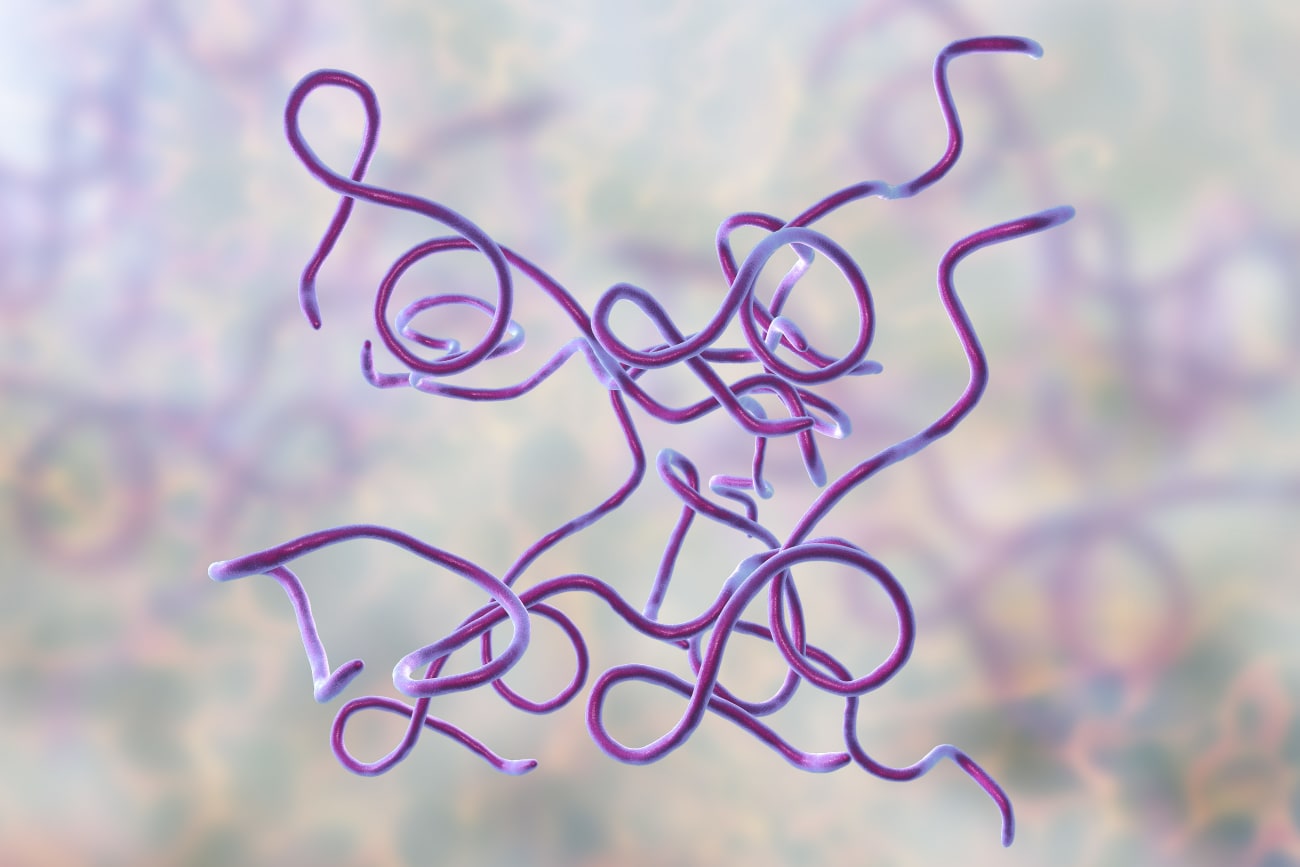
Computer illustration of Borrelia burgdorferi bacteria, the cause of Lyme disease in humans. These spiral-shaped spirochaete bacteria are passed on to humans by tick bites, commonly Ixodes ricinus in Europe and Ixodes pacificus in North America. Getty Images

By Johns Hopkins Lyme Disease Research Center

Summary

This pilot study showed a direct molecular Lyme disease diagnostic test could be used to identify and genotype Borrelia burgdorferi during antibiotic treatment in early Lyme disease patients. Patients studied were shown to be simultaneously infected with different B. burgdorferi genotypes and the ratios of genotypes shifted during antibiotic treatment. Findings suggest that the host immune system or differential antibiotic susceptibility might have played a role in the observed genotypic shift.

Why was this study done?

The aim of this first of its kind study was to use a direct molecular assay to identify and genotype Borrelia burgdorferi during antibiotic treatment. The study determined how long after initiating antibiotic therapy B. burgdorferi could be detected in blood from patients with early Lyme disease. The study also observed if ratios of simultaneously infecting Bb genotypes changed significantly over time.

How was this study done?

Direct detection PCR and electrospray ionization mass spectrometry were used to identify and genotype B. burgdorferi from collected whole blood specimens collected over time from clinically diagnosed early Lyme disease patients before and during 21 days of antibiotic therapy.

What were the major findings?

This study demonstrates the utility of a direct molecular test that can both detect and genotype Borrelia burgdorferi from serially collected specimens. Direct molecular diagnostic tests have the advantage of being able to measure response to treatment by demonstrating clearance of the pathogen(s), whereas current antibody-based tests cannot distinguish active infection from prior exposure, or measure response to treatment.

Our findings suggest the host immune system or differential antibiotic susceptibility might have played a role in the observed genotypic shift. Findings suggest some B. burgdorferi genotypes may reside in parts of the body that are not readily cleared and bacterial remnants may continue to leak into the circulatory system following antibiotic treatment.

A direct test could enable improved diagnosis of early Lyme disease patients, provide a tool for testing new antibiotics and monitoring treatment success, and further our understanding of infection by B. burgdorferi genotypes and their impact on the human immune system and illness severity.

This research supported by:

This research was supported by Bay Area Lyme Foundation and the Steven and Alexandra Cohen Foundation.

Publication Information

Molecular Testing of Serial Blood Specimens from Patients with Early Lyme Disease during Treatment Reveals Changing Coinfection with Mixtures of Borrelia burgdorferi Genotypes
Michael R. Mosel, Heather E. Carolan, Alison W. Rebman, Steven Castro, Christian Massire, David J. Ecker, Mark J. Soloski, John N. Aucott, Mark W. Eshoo
Antimicrobial Agents and Chemotherapy Jun 2019, 63 (7) e00237-19; DOI: 10.1128/AAC.00237-19

__________________

For more:  https://madisonarealymesupportgroup.com/2019/07/25/avoiding-direct-detection-methods-for-the-purpose-of-concealing-chronic-lyme-disease-is-a-crime/

https://madisonarealymesupportgroup.com/2018/04/03/cdc-deliberately-avoids-direct-detection-testing-methods-for-ld/

https://madisonarealymesupportgroup.com/2019/11/09/antibiotic-resistance-researchers-have-directly-proven-that-bacteria-can-change-shape-inside-humans-to-avoid-antibiotics/

https://madisonarealymesupportgroup.com/2018/10/13/direct-test-for-ld-carl-tuttle-chews-up-cdc-spits-them-out/

Direct detection is nothing new. Dr. Sin Hang Lee sued the CDC over their suppression of HIS direct detection test.https://madisonarealymesupportgroup.com/2018/08/15/milford-pathologist-fires-broadside-at-cdc-motion-to-discuss/
The CDC takes aim at any competing laboratory:

https://www.cdc.gov/mmwr/preview/mmwrhtml/mm6315a4.htm
“Often these are laboratory-developed tests (also known as “home brew” tests) that are manufactured and used within a single laboratory and have not been cleared or approved by FDA. 

PATIENTS, THE DOCTORS WHO DARE TREAT THEM, AND THESE SMALLER LABS SPECIALIZING IN BACTERIOLOGY AND VIROLOGY HAVE BEEN QUAKING IN THEIR BOOTS FOR DECADES DUE TO THE ANTICS OF THE CDC.
The CDC, a captured agency, is a bully, plain & simple.


Doctors Attacked For Belittling Tick-borne Illness

https://www.scotsman.com/health/doctors-attacked-for-belittling-tick-borne-illness-

Doctors attacked for belittling tick-borne illness

A tick biting through human skin, red blotches indicate an infection. Photograph: Getty Images

A man who tested positive for a potentially deadly tick-borne parasite has criticised infectious disease specialists who, he says, belittle and dismiss private test results.

David Francey has endured four years of hell which he says has left him feeling like he’s been poisoned since first collapsing on a trip to China where he taught local children English.

Francey was eventually diagnosed with Lyme Disease, active Babesia microti and several other tick-borne diseases, having paid to be privately tested through Armin Labs in Germany who specialise in diagnosing rare types of infection.

This followed numerous visits to his GP, hospitals and him testing negative for Lyme Disease after taking the standard NHS test.

The former teacher, who is in his late 30s and lives in Glasgow, has not been able to work in the last four years and has suffered from an array of debilitating symptoms including chronic migraine, joint pain, visual disturbances and fibromyalgia.

He told Scotland on Sunday that people with his illnesses are “trapped in limbo, we are the undead”, and said that an alarming number are having their private test results rejected by Scottish doctors.

Francey added: “My issue here is that I’ve tested positive – fair enough, not through NHS tests, but test results coming from accredited laboratories that should be merit further testing in my opinion, especially when a patient is suffering severely and symptomatic.

“There is an alarming number of patients experiencing a similar situation – private test results rejected without NHS tests being offered. Some patients are so desperate that they’re self-treating with antibiotics.

Last month it was reported a malaria-like infection called Babesia venatorum which can be passed to humans has been found in Scotland for the first time.

The University of Glasgow’s School of Veterinary Medicine published a paper saying the parasite had been recorded extensively in the Far East including China.

Several co-infections, including Babesia, have been documented in Scotland while European, French and Turkish studies found many other pathogens in ticks.

Francey said: “Lyme Disease is known as ‘the great imitator’ due to the diverse nature of symptomatology. “Testing is needed – vets know more about these infections than doctors.

“The infections exist but doctors are not looking for them.

Infectious disease doctors belittle these private tests whilst offering no tests of their own. Important research is being overlooked. The field is labyrinthine. Research is needed, urgently.”

Misdiagnosis of Lyme Disease is common because its symptoms are so varied – even from patient to patient – -and can be similar to other illnesses such as fibromyalgia, chronic fatigue syndrome, multiple sclerosis and also things like depression and flu.

Professor John Lambert, of the Lyme Resource Centre and UCD School of Medicine in Dublin, said that “various species” of Babesia have been found in abundance in deer and sheep in Scotland.

He added:

“Patients in Scotland are having great difficulty getting tested for tick-borne infections other than Lyme Disease. Tests from private laboratories are often not accepted. Because of chronic underfunding, the Scottish Lyme Disease and Tick-borne Infections Reference Laboratory has no accredited tests for tick-borne infections other than Lyme Disease.”

___________________
**Comment**
Criticizing is a far cry different than “attacking” in my book.  In fact, I feel Lyme/MSIDS patients are extremely forgiving and tolerant considering so many have lost their lives and livelihoods to a disease that mainstream medicine still is in denial over.
The belittling of CLIA-certified labs is an age-old tactic by the CDC:
“Often these are laboratory-developed tests (also known as “home brew” tests) that are manufactured and used within a single laboratory and have not been cleared or approved by FDA. 
I actually heard a Madison pediatrician use this very label when he spoke at the state Capital.  He was just about booed out of the room by patients.
For anyone who cares, CLIA certification is the toughest certification for a lab to undergo.  These smaller labs like IgeneX, among others, specialize in bacteriology and virology.  It’s solely what they do, unlike the larger labs like Quest and Lab Corps.
Within this link, Coppe Labs of Wisconsin points out a number of differences between smaller CLIA-certified labs & larger “approved” labs by the CDC:  http://www.coppelabs.com/for-patients-families/frequently-asked-questions-tick-borne-illness-testing/
  • Larger labs ONLY look for B31 strain of borrelia, whereas CLIA-certified labs look for numerous strains and genospecies of Borrelia, lowering the risk of false negatives
  • Larger labs read the results by visual inspection, which can be affected by technical operator variability, whereas CLIA-certified labs utilize densitometry software which allows for higher precision and better reproducibility.