Archive for the ‘Testing’ Category

What We Know & Don’t Know About Lyme Disease

https://www.frontiersin.org/articles/10.3389/fpubh.2021.819541

MINI REVIEW article

Front. Public Health, 21 January 2022 | https://doi.org/10.3389/fpubh.2021.819541

What We Know and Don’t Know About Lyme Disease

Consultant, Infectious Diseases, Falmouth Hospital, Falmouth, MA, United States

We know the cause of Lyme disease. We know that the bacteria can be found in the initial rash, and occasionally in the blood in the subsequent 2–3 months, but after then, its subsequent location is unknown. Whereas diagnosis and treatment of early Lyme disease is generally straightforward, the etiology of relapsing or persisting symptoms is yet to be defined, and presents clinical challenges. There are no current tests to determine if the infection is still present or absent, thus complicating diagnosis and treatment. Presented here are approaches to the diagnosis and treatment of persisting Lyme disease, based on available published information, and the experience of the author.

Introduction

It has been more than 40 years since the discovery of the causative agent of Lyme disease. Much has been learned, but several key questions remain:

  1. how do we know if the infection has been eradicated
  2. can it become dormant
  3. can it reactivate in patients with persistent symptoms, are these due to continuing infection or to non-infectious sequelae, and 4-are there treatments that can resolve the infection

Pathogenesis

We know that Lyme disease is caused by the bacterium Borrelia burgdorferi, transmitted by the bite of an Ixodes tick. We know that the bacteria may be isolated from the typical erythema migrans rash, and can be occasionally recovered from the circulating blood in the subsequent 2–3 months (1). After that time, it has not been possible to consistently isolate the bacteria from any body fluids or tissues.

So, where are they? Under the skin, as demonstrated in studies with macaque primates (2), and similarly in preliminary studies in humans (3)? Intracellularly, as is the case of most, if not all pathogens that can become latent, then recur? Or both? Hence, the central question at the heart of the controversy surrounding the diagnosis and treatment of Lyme disease; i.e., whether persisting or relapsing symptoms are due to continuing infection or due to post-infectious phenomena.

Accumulating evidence regarding the persistence of biologically active, albeit non-replicating bacteria derives from several studies in various animal models. Hodzic et al. demonstrated that B. burgdorferi can persist in mice following antibiotic treatment but were non-cultivatable (4). Casselli et al. demonstrated that B. burgdorferi can colonize the dura mater in mice, are biologically active, and induce host gene inflammatory responses (5). Embers et al. demonstrated post-antibiotic treatment persistence in a non-human primate naturally tick infected model (6) and recovery of the spirochete by xenodiagnosis (2). Similarly, there was recovery of non-cultivatable B. burgdorferi by xenodiagnosis in a few human patients who had had an erythema migrans rash and had had prior antibiotic treatment (3). These results, plus observations by us and others that retreatment of patients with recurring or persisting symptoms following initial antibiotic treatment using specific antibiotic regimens (7), lend strong support to the hypothesis that it is persistent infection by B. burgdorferi that is the likely cause of persisting symptomatology. In contrast, attribution of post-infectious symptoms to some post-infectious phenomena has only been speculative without any supporting evidence.

Diagnostic Issues

Currently, in the absence of any currently available means to directly detect the bacteria or its products, the diagnosis is dependent on the clinical history and any associated manifestations, along with the results of serologic studies. A major clinical problem is, that with the exception of patients with Lyme arthritis, most patients with continuing symptoms have no objective signs for Lyme disease, making the diagnosis dependent on the clinical picture that overlaps with that of chronic fatigue syndrome and fibromyalgia. Making it more difficult is the fact that many such patients do not have robust serologic responses to the causative organisms (8). And, despite claims that once one is treated with 4 weeks of antibiotics, one no longer has Lyme disease, or, if Lyme test results revert to negative, it means one no longer has Lyme disease, these claims being unsupportable in the absence of any means to prove the bacteria’s absence (9).

It also appears illogical, when patients have persisting or relapsing symptoms identical to those at the initial presentation, to opine that the infection is no longer present and that the remaining symptoms are post-Lyme disease of yet to be defined cause. It would seem more logical to assume that the infection has not been eradicated. It may be that ongoing symptoms are due to post-infectious factors, e.g., autoimmunity without provocation from persistent infection, but that has yet to be demonstrated as an obvious cause of the ongoing clinical picture. It seems much more likely that the cause of symptoms are due to some bacterial product, be it an exotoxin or endotoxin, similar to that that is at the root of most, if not all other bacterial infections, accompanied with host-responses to that virulence product or products, including inflammatory and autoimmune responses (10).

Serologic Issues

A similar lack of logic is present in analyzing the results of Lyme Western blot reactions, specifically IgM responses. How logical is it to use positive IgM responses to support the diagnosis of early Lyme disease, but deem that those same responses in patients with ongoing or relapsing symptoms are false-positive responses? Is it not more logical to assume that continued IgM reactivity, in the presence of ongoing symptoms, might be an indicator of unresolved infection in the absence of any available test to determine the continuing presence or absence of the causative organisms? In support of that conjecture, the results of several studies in various animal models, indicate that the causative borrelia are able to modulate humoral antibody responses such that the normal conversion of IgM to IgG antibody responses is abrogated (11).

Treatment Issues

As if confirming the diagnosis isn’t sufficiently difficult, the treatment of relapsing or persisting symptoms has presented its own challenges. There are many antibiotics that are active in vitro against the Lyme bacteria, but have not been clinically very effective. In early Lyme disease, treatment with doxycycline, amoxicillin, or cefuroxime over a period of a few weeks is generally effective. It is in patients with relapsing or persisting symptoms, including those previously treated, inadequately treated, or untreated, that the question arises as to whether any further antibiotic treatment is effective. The answer appears to be yes, if one looks at the pharmacology of specific antibiotics.

Doxycycline appears to have limited efficacy in patients with persisting or relapsing symptoms, especially in patients with symptoms present for greater than a few months. Doxycycline is highly protein-bound in the circulation, and it is unlikely that sufficient antibiotic can diffuse into tissues and cells to affect the borrelia. In contrast, tetracycline, which is not highly protein bound, appears to be clinically effective (10). Our observational results in several thousands of patients since our initial publication attests to both the greater efficacy of tetracycline vs. doxycycline in terms of both dosing and duration of treatment (12).

Beta-lactam antibiotics, including intravenous ceftriaxone, appear to be of limited clinical efficacy, perhaps because (a) that class of antibiotic has its effects on multiplying organisms, and there is no evidence that the Lyme borrelia are multiplying in persistent or relapsing disease, and (b) they are incapable of intracellular penetration. These antibiotics may offer temporary symptom relief, which might be due to their effects on glutamate accumulation during neurotransmission (13), without resolving the underlying infection.

Of particular interest are the effects of macrolide antibiotics (e.g., erythromycin, clarithromycin, azithromycin) on Lyme disease. They are highly active in vitro, and are capable of intracellular penetration, but appear to be of limited clinical value in patients with persistent symptoms. In analyzing the possible reasons, if the borrelia reside intracellularly in an acidic endosome, as is the case for numerous other microbes capable of intracellular persistence, macrolide antibiotics are not very active at an acidic pH. The use of a lysosomotropic agent (e.g., hydroxychloroquine, amantadine) to alkalinize the acidic endosome appears to result in clinical efficacy (14).

There have been two clinical trials using differing antibiotic regimens over a 3 month period of time in patients with persisting symptoms of Lyme disease. In the first trial, patients were given a month of ceftriaxone followed by 2 months of doxycycline vs. placebo treatment, and positive PCR reactivity to Borrelia burgdorferi was an exclusionary criterim for this study (15). In the other trial, patients with persisting symptoms were given an initial week of IV ceftriaxone, then randomized to being given the combination of clarithromycin and hydroxychloroquine vs. placebo for 3 months (16). In neither trial was there any reported greater improvement between the antibiotic treatment arms and placebo arms. The results of these studies have been reviewed with several reservations being expressed about study design, the instruments used to measure changes in symptoms, and interpretation of the results (17). In the former trial, neither ceftriaxone nor doxycycline were given for 3 months, and the assumption that both antibiotics are of equal efficacy is not supportable according to differing mechanisms of action. In the case of ceftriaxone, its antibiotic activity is based on its interference with replicating organisms, and given that there is no evidence to indicate that, once B. burgdorferi has established itself, there is any multiplication of note, it would not be expected to be effective in patients with persistent symptoms. And in the author’s observational experience, even the use of ceftriaxone over periods of time up to 6 months or more was without much if any benefit, with any possible benefit in a few patients due to ceftriaxone’s interference with the glutamate receptor system. In the case of doxycycline, whether a longer duration of treatment or increased dosing would have been effective remains unanswered. Observations by numerous clinicians suggest that higher doses of doxycycline, i.e., 300–400 mg/day might be more effective than the commonly used dosing of 200 mg/day.

In the trial utilizing the combination of clarithromycin and hydroxychloroquine, based on our initial published report, the trial was contaminated by the use of ceftriaxone in all patients prior to randomization to the active or placebo groups. Of greater importance is the failure to consider both the duration of prior symptomatology and the duration of treatment itself. As indicated in our published observations (12, 14), patients with persistent or relapsing symptoms for less than a year appeared to be cured, ie no recurring symptoms for greater than a year, by a treatment course of 3–6 months. In patients with persisting symptoms for >2 or more years, however, treatment success required a treatment duration of 6 or more months, and up to 18 months in patients with persisting symptoms for >5 or more years. Another likely flaw in that trial was not controlling for the use of adjunctive vitamin C. Supplemental vitamin C can be a strong acidifying agent, counteracting the effects of hydroxychloroquine (7, 14), and thus possibly accounting for some of the trial’s failure to show any benefit of this treatment.

Future Directions

The key remaining questions are whether there can be found a better, more direct detection test to indicate the presence or absence of active B. burgdorferi, and whether additional controlled treatment trials using longer durations of treatment with the tetracycline or clarithromycin/hydroxychloroquine regimen, or regimens utilizing different antibiotics or combination of certain antibiotics that might prove effective. The results of recent in vitro and early animal model experiments by Zhang (18) and by Lewis (19) might hold promise of other potentially effective approaches to the management of patients with persistent symptoms of Lyme disease.

Of additional likely importance is the potential role of antibiotic tolerance as a mechanism of persistence and “resistance” of B.burgdoferi to treatment in patients with persisting symptoms. Recent results of experiments with other bacterial organisms that can persist demonstrate the likely role of antibiotic-tolerance as the mechanism by which they persist (20). This mechanism apparently relies on a ribonuclease produced by the organisms. If our preliminary results with BB0755, an annotated ribonuclease, that demonstrated cytotoxic activity with tissue-cultured cells of neural origin (21), is due to its ribonuclease activity, then this possibility might offer an explanation to B.burgdorferi’s antibiotic tolerance.

There are additional questions that a better understanding of the pathophysiology of Lyme disease might lead to better approaches to the diagnosis and treatment of Lyme disease, especially in its persistent form. These include the possible role of antibiotic-tolerant persisters.

Author Contributions

The author confirms being the sole contributor of this work and has approved it for publication.

Conflict of Interest

The author declares that the research was conducted in the absence of any commercial or financial relationships that could be construed as a potential conflict of interest.

Publisher’s Note

All claims expressed in this article are solely those of the authors and do not necessarily represent those of their affiliated organizations, or those of the publisher, the editors and the reviewers. Any product that may be evaluated in this article, or claim that may be made by its manufacturer, is not guaranteed or endorsed by the publisher.

References

1. Nowakowski J, McKenna D, Nadelman RB, Bittker S, Cooper D, Pavia C, et al. Blood cultures for patients with extracutaneous manifestations of Lyme disease in the United States. Clin Infect Dis. (2009) 49:1733–5. doi: 10.1086/648076

PubMed Abstract | CrossRef Full Text | Google Scholar

2. Embers ME, Hasenkampf NR, Jacobs MB, Tardo AC, Doyle-Meyers LA, Philipp MT, et al. Variable manifestations, diverse seroreactivity and post-treatment persistence in non-human primates exposed to Borrelia burgdorferi by tick feeding. PLoS ONE. (2017) 12:e0189071. doi: 10.1371/journal.pone.0189071

PubMed Abstract | CrossRef Full Text | Google Scholar

3. Marques A, Telford SR III, Turk SP, Chung E, Williams C, Dardick K, et al. Xenodiagnosis to detect Borrelia burgdorferi infection; a first-in-human study. Clin Infect Dis. (2014) 58:937–45. doi: 10.1093/cid/cit939

PubMed Abstract | CrossRef Full Text | Google Scholar

4. Hodzic E, Imai D, Feng S, Barthold SW. Resurgence of persisting noncultivable Borrelia burgdorferi following antibiotic treatment in mice. PLoS ONE. (2014) 9:e86907. doi: 10.1371/journal.pone.0086907

PubMed Abstract | CrossRef Full Text | Google Scholar

5. Casselli T, Divan A, Vomhof-DeKrey EE, Tourand Y, Pecoraro HL, Brissette CA. A murine model of Lyme disease demonstrates that Borrelia burgdorferi colonizes the dura mater and induces inflammation in the central nervous system. PLoS Pathog. (2021) 17:e1009256. doi: 10.1371/journal.ppat.1009256

PubMed Abstract | CrossRef Full Text | Google Scholar

6. Embers ME, Barthold SW, Borda JT, Bowers L, Doyle L, Hodzic E, et al. Persistence of Borrelia burgdorferi in rhesus macaques following antibiotic treatment of disseminated infection. PLoS ONE. (2012) 7:e29914. doi: 10.1371/annotation/4cafed66-fb84-4589-a001-131d9c50aea6

PubMed Abstract | CrossRef Full Text | Google Scholar

7. Donta ST. Issues in the diagnosis and treatment of Lyme disease. Open Neurol J. (2012) 6:140–5. doi: 10.2174/1874205X01206010140

PubMed Abstract | CrossRef Full Text | Google Scholar

8. Donta ST. Chronic late lyme disease. Med Clin N Am. (2002) 86:341–9. doi: 10.1016/S0025-7125(03)00090-7

PubMed Abstract | CrossRef Full Text | Google Scholar

9. Lantos PM. Chronic lyme disease. Infect Dis Clin North Am. (2015) 29:325–40. doi: 10.1016/j.idc.2015.02.006

PubMed Abstract | CrossRef Full Text | Google Scholar

10. Lebrun I, Marques-Porto A, Pereira AS, Pereira A, Perpetuo EA. Bacterial toxins: an overview on bacterial proteases and their action as virulence factors. Mini Rev Med Chem. (2009) 7:820–8. doi: 10.2174/138955709788452603

PubMed Abstract | CrossRef Full Text | Google Scholar

11. Elsner RA, Hastey CJ, Baumgarth N. CD4 cells promote antibody production but not sustained affinity maturation during Borrelia burgdorferi Infection. Infect Immun. (2015) 83:48–56.

PubMed Abstract | Google Scholar

12. Donta ST. Tetracycline therapy of chronic Lyme disease. Clin Infect Dis. (1997) 25:S52–6. doi: 10.1086/516171

PubMed Abstract | CrossRef Full Text | Google Scholar

13. Rothstein JD, Patel S, Regan MR, Haenggeli C, Huang YH, Bergles DE, et al. Beta-lactam antibiotics offer neuroprotection by increasing glutamate transporter expression. Nature. (2005) 433:73–7. doi: 10.1038/nature03180

PubMed Abstract | CrossRef Full Text | Google Scholar

14. Donta ST. Macrolide therapy of chronic Lyme disease. Med Sci Monit. (2003) 9:136–42.

PubMed Abstract | Google Scholar

15. Klempner MS, Hu LT, Evans J, Schmid CH, Johnson GM, Trevino RP, et al. Two controlled trials of antibiotic treatment in patients with persistent symptoms and a history of Lyme disease. disease. N Engl J Med. (2001) 345:85–92. doi: 10.1056/NEJM200107123450202

PubMed Abstract | CrossRef Full Text | Google Scholar

16. Berende A, ter Hofstede HJ, Vos FJ, van Middendorp H, Vogelaar ML, Tromp M, et al. Randomized trial of longer-term therapy for symptoms attributed to Lyme disease. N Engl J Med. (2016) 374:1209–20. doi: 10.1056/NEJMoa1505425

PubMed Abstract | CrossRef Full Text | Google Scholar

17. Delong AK, Blossom B, Maloney EL, Phillips SE. Antibiotic retreatment of Lyme disease in patients with persistent symptoms: a biostatistical review of randomized, placebo-controlled, clinical trials. Contemp Clin Trials. (2012) 33:1132–42. doi: 10.1016/j.cct.2012.08.009

PubMed Abstract | CrossRef Full Text | Google Scholar

18. Feng J, Auwaerter PG, Zhang Y. Drug combinations against Borrelia burgdorferi persisters in vitro: eradication achieved by using daptomycin, cefoperazone and doxycycline. PLoS ONE. (2015) 10:e0117207. doi: 10.1371/journal.pone.0117207

PubMed Abstract | CrossRef Full Text | Google Scholar

19. Sharma B, Brown AV, Matluck NE, Hu LT, Lewis K. Borrelia burgdorferi, the causative agent of lyme disease, forms drug-tolerant persister cells. Antimicrob Agents Chemother. (2015) 59:4616–24. doi: 10.1128/AAC.00864-15

PubMed Abstract | CrossRef Full Text | Google Scholar

20. Holden DW. Persisters unmasked. Science. (2015) 347:30–2. doi: 10.1126/science.1262033

PubMed Abstract | CrossRef Full Text | Google Scholar

21. Donta ST, Martin SE, Cartwright MJ. A novel ADP-ribosylating toxin of Borrelia Burgdorferi.In: Abstracts of the IDSA 36th Annual meeting. Denver, CO (1998). 922 p.

Keywords: Lyme disease, Lyme diagnosis, Lyme pathogenesis, Lyme treatment, Lyme serology

Citation: Donta ST (2022) What We Know and Don’t Know About Lyme Disease. Front. Public Health 9:819541. doi: 10.3389/fpubh.2021.819541

Received: 21 November 2021; Accepted: 20 December 2021;
Published: 21 January 2022.

Edited by:  Christian Perronne, Assistance Publique Hopitaux De Paris, France

Reviewed by:  Robert Carroll Bransfield, Rutgers, The State University of New Jersey, United States

Copyright © 2022 Donta. This is an open-access article distributed under the terms of the Creative Commons Attribution License (CC BY). The use, distribution or reproduction in other forums is permitted, provided the original author(s) and the copyright owner(s) are credited and that the original publication in this journal is cited, in accordance with accepted academic practice. No use, distribution or reproduction is permitted which does not comply with these terms.

Bannwarth Syndrome in Early Disseminated Lyme Disease

https://danielcameronmd.com/bannwarth-syndrome-lyme-disease/  Video Here

Bannwarth syndrome in early disseminated Lyme disease

Man with Bannwarth syndrome and lyme disease huntched over and holding his lower back.

Welcome to another Inside Lyme Podcast with your host Dr. Daniel Cameron. In this episode, Dr. Cameron will be discussing the case of a 66-year-old man with Bannwarth syndrome with urinary retention in early Lyme disease.

Omotosho and colleagues described this case in an article entitled “A Unique Case of Bannwarth Syndrome in Early Disseminated Lyme Disease.”¹

The man presented to the emergency room with generalized myalgia, fatigue, and severe neck pain. The symptoms had been occurring for two weeks and began shortly after he was bitten by two ticks while performing yard work.

The patient reported having dull mid-back pain, intermittent headaches, and neck stiffness. His doctor initially suspected he had pneumonia and prescribed an antibiotic. But his symptoms worsened.

“His pain then radiated down his entire spine into his upper and lower extremities, leading to right arm weakness and new urine retention onset,” the authors wrote.

“His paraspinal tenderness and diminished deep tendon reflexes bilaterally.” His pain score was 8 out of 10. The ESR rate was 100 and C-reactive protein of 8.8 mg/L.

“Physicians need to be aware of the rare neurological manifestations of [Lyme neuroborreliosis] … Prompt diagnosis and treatment with antibiotics can reduce unnecessary imaging, patient anxiety, and, most importantly, avert debilitating complications.”

Test results indicated a white blood cell count of 12 k/uL, C-reactive protein of 8.8 mg/L, sedimentation rate of 100 mm/h, and creatinine kinase of 27 units/L.

Western blot and ELISA Lyme disease tests were positive and confirmed an early stage infection with Borrelia burgdorferi. In addition, a spinal tap showed lymphocytic pleocytosis and a positive Lyme disease titer.

The man was diagnosed with Bannwarth syndrome (BWS) based on his severe radiculopathy, upper extremity weakness, and urinary dysfunction. “All of these findings are pathognomonic for [Bannwarth syndrome],” wrote the authors.

Typically, Bannwarth syndrome affects a person’s limbs. In this case, Lyme disease induced sacral radiculitis leading to neurogenic urinary dysfunction.

The authors were not sure why the patient’s urinary tract was affected. They suggested, “the influence of the radiculitis on innervating fibers” and “direct invasion of the spirochetes into the bladder wall” might have played a role.

“Early recognition of this rare presentation associated with Lyme disease and treatment with antibiotics can prevent disease progression and detrimental neurological sequelae.”

The man was treated with a 21-day course of IV ceftriaxone and “his symptoms improved with complete resolution of his urinary retention,” the authors wrote.

About Bannwarth syndrome

Bannwarth syndrome has been reported most often in Europe. And despite disputes over its incidence in the United States, “the condition does occur but is often misdiagnosed.”

BWS is characterized by a wide range of symptoms including:

  • radicular pain (100%)
  • sleep disturbances (75.3%)
  • headache (46.8%)
  • fatigue (44.2%)
  • malaise (39%)
  • paresthesia (32.5%)
  • peripheral nerve palsy (36.4%)
  • meningeal signs (19.5%)
  • paresis (7.8%)

The syndrome can cause severe pain. “BWS typically manifests itself with severe zoster-like segmental pain that is worse at night,” the authors wrote. “The pain has a burning, stabbing, biting, or tearing character and usually responds poorly to all common analgesics.”

Author’s Conclusion:

“The constellation of neurological symptoms, particularly when associated with a recent or suspected tick bite in an endemic region, should prompt thorough evaluation for [Lyme neuroborreliosis] and assessment for BWS,” the authors wrote.

The following questions are addressed in this Podcast episode:

  1. What is Bannwarth syndrome?
  2. How is BWS diagnosed and treated?
  3. What is radicular pain?
  4. What is the significance of the spinal tap findings?
  5. What is the significance of an elevated sedimentation rate and c-reactive protein?
  6. Why is BWS rarely diagnosed in the USA?
  7. What can we learn from this case?

Thanks for listening to another Inside Lyme Podcast. Please remember that the advice given is general and not intended as specific advice to any particular patient. If you require specific advice, please seek that advice from an experienced professional.

Inside Lyme Podcast Series

This Inside Lyme case series will be discussed on my Facebook page and made available on podcast and YouTube.  As always, it is your likes, comments, and shares that help spread the word about this series and our work. If you can, please leave a review on iTunes or wherever else you get your podcasts.

Science (Again) Says Natural Immunity is Best, Majority of COVID Deaths have Comorbidities, & Testing Will Not Save Us

**UPDATE**

https://kdvr.com/news/coronavirus/covid-19-vaccine/cdc-report-natural-immunity-stronger-than-vaccines-alone-during-delta-wave/

CDC: Natural immunity stronger than vaccines alone during delta wave

DENVER (KDVR) — Natural immunity was six times stronger during the delta wave than vaccination, according to a new report from the U.S. Centers for Disease Control and Prevention.

The report, published Jan. 19, analyzed COVID outcome data from New York and California, which make up about one in six of the nation’s total COVID deaths. (See link for article)

What the article doesn’t mention are the overwhelming amount of adverse reactions and deaths recorded in VAERS after the COVID shots.

https://popularrationalism.substack.com/p/science-says-natural-immunity-following

Science Says… Natural Immunity Following Severe COVID-19 is Superior

Survivors of Severe COVID-19 Take Heart. More data needed on Mild Cases Due to Likelihood of PCR False Positives.
“We found that NAb against the WT virus persisted in 89% and S-IgG in 97% of subjects for at least 13 months after infection.”
As measured by neutralizing antibody assays, immunity to SARS-CoV-2 from vaccination wanes after 3-4 months.

This study in the European Journal of Immunology has some good news: Survivors of severe COVID-19 from had very high immunity against Delta 13 months after their initial infection with earlier variants.

The study was conducted on 2586 subjects ≥18 years of age whose native language was Finnish or Swedish who lived within five selected hospital districts in Finland and with a “PCR-confirmed COVID-19 diagnosis”.

The authors examined neutralizing antibody levels (Nab) against Wild-Type (Wuhan), Alpha, Beta and Delta proteins, studying both the Spike glycoprotein (S-protein)) and the viral nucleoprotein (N-protein)) at 8 and 13 months following infection.

The Spike protein Nab measured as antibodies against two epitopes) was higher at 13 months than against the nucleoprotein (N-protein), as would be expected given the easier access of the spike protein to our immune system. That said, N-protein NAb production was still very high.

The greatest result, which is very, very welcome, came when the authors examined the Nab in subgroups. They looked at NAbs in people who had mild infections and those who had severe COVID-19.

Those who had severe COVID-19 have the highest Nabs against both proteins. And that’s excellent news for people who had to suffer severe COVID-19.  (See link for full article)

__________________

**Comment**

Despite the well known scientific fact that natural immunity is always far-superior to vaccines, which Fauci even admitted pre-2019, our corrupt government and any organization that follows in lock-step has misrepresented and denied this plain, simple fact.  People have lost their jobs.  Soldiers have been kicked out of the military. Children have lost out on educations due to this injustice.

But Fauci states his pre-2019 comment about natural immunity was taken out of context, and then erroneously stated:

“The issue of vaccines actually, at least with regard to SARS-CoV-2, can do better than nature,” Fauci said at the time.

This, has been proven to be completely untrue.  We now have a pandemic of the “vaccinated.”

The collateral damage due to ignoring natural immunity can not be overstated.

All of a sudden mainstream is talking about natural immunity and an opinion piece in the WSJ, Dr. Makary states that Omicon provides “superimmunity” which will be stronger against new variants & future coronaviruses, making “normal” life possible even as the virus continues to spread and mutate just like the flu bug does every single year.  Ironically, experts have been saying this the whole time but it’s finally making mainstream news. They remain mum on the fact these injections, which aren’t vaccines, actually reprogram innate immune responses, as well as on results of autopsies on the “vaccinated“, which show horrific findings, revealing they will only go so far with transparency, and pointing to a predetermined, agreed upon outcome.

Facts and data are getting harder and harder to deny.

https://thehighwire.com/videos/who-is-dying-from-covid/ Video Here (Approx. 11 Min)

75% of COVID Deaths Had Four Comorbidities

Hear what CDC Director, Rochelle Walensky had to say.

Del BigTree was “fact-checked” by Snopes stating he took this out of context and that the deaths were among the fully “vaccinated” patients, and that somehow this supports the idea that the “vaccines” are effective.

BigTree than went back and showed the Aug. 2020 report, before the mass “vaccination” campaign, that showed that 94% of COVID deaths had over two comorbidities.

The clear point is the majority of COVID deaths are among the already ill, whether you are “vaccinated” or not.  This is important to understand for public policy.  As BigTree points out, we should not be masking healthy people, stopping children’s education, firing people, stopping the world, blaming the unvaccinated, and mandating a shot that is non-sterilizing, ineffective, and dangerous.

_________________

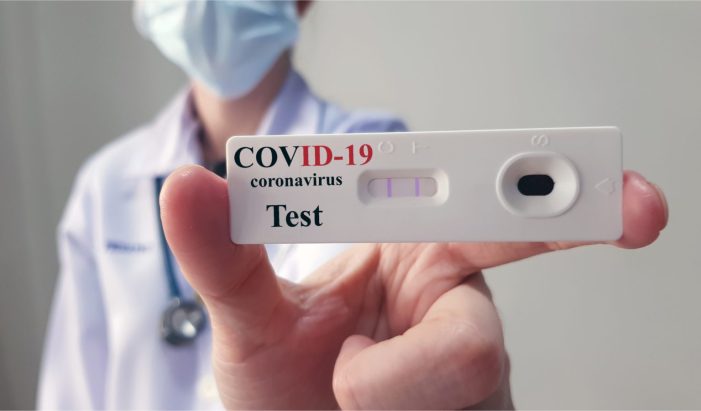
https://thevaccinereaction.org/2022/01/testing-will-not-save-us/

Testing Will Not Save Us

Testing Will Not Save Us

I have heard many people say that at this moment—January 2022—testing will save us. They cite success stories like the National Basketball Association’s bubble (of 2020) to show what testing can accomplish.  Unfortunately, here are nine considerations that they are missing when it comes to mass testing.

1. No one has any tests.

2. Many tests have limited sensitivity.

3. Low pre-test probability.

4. The distribution of testing.

5. Testing is only helpful if you have the resources to make salutatory choices as a result of the information.

6. Risk reduction vs delaying infection.

7. Harms of testing.

8. Contact tracing is impossible in most circumstances.

9. Testing creates anxiety and anchors our mind.

(See link for full article)

_________________

https://thevaccinereaction.org/2022/01/treatment-protocols-for-covid-19-an-overview/

Overview of COVID Treatment Protocols

Excerpts:
Two years into the global pandemic of the novel coronavirus SARS-CoV-2, there is scant guidance from government agencies, universities, or professional medical organizations to help individuals recover from the SARS-CoV-2 infection that causes COVID-19 without the need for hospitalization.
Although the recovery rate for SARS-COV-2 infections is between 97 and 99.5 percent,4 and most people recover without hospitalization, there are currently 125,922 people hospitalized with COVID in the U.S., and numbers are on an upward trend.5 Recent estimates of costs associated with inpatient treatment for COVID average from $31,339 to $472,213 per person, depending upon the severity of the case.6

The article then highlights the following treatments:

Monoclonal antibodies

While a number of doctors have successfully treated COVID with monoclonal antibodies, there have been reported infusion-related reactions to activation of the immune system by the monoclonal antibodies, such as flushing, itching, shortness of breath and low blood pressure,14 and there is a possibility of immediate or delayed serious adverse events, including cytokine release syndrome, acute anaphylaxis, serum sickness, infections, cancer, autoimmune disease and cardiotoxicity.15 16 There is uncertainty about whether the currently available monoclonal antibodies are effective in treating the Omicron variant of SARS-CoV-2.17

Further, Dr. Ruby states the experimental monoclonal antibodies are like renting an army for a day, vs your own immune system which sticks around in case they are needed.

FLCCC Critical Care Alliance Protocols

https://covid19criticalcare.com/covid-19-protocols/  protocols and the science behind them for every stage of illness in twelve languages

Truth for Health Protocol

https://www.truthforhealth.org/patientguide/patient-treatment-guide/

Protocol of World Council for Health

https://worldcouncilforhealth.org/resources/early-covid-19-treatment-guidelines-a-practical-approach-to-home-based-care-for-healthy-families/

The Role of Zinc Ionophores

Controversy has surrounded the use of the drug ivermectin29 and other zinc ionophores.  A meta-analysis published in August 202133 concluded that there was moderate-certainty evidence for large reductions in COVID deaths using ivermectin. A June 2020 systematic review published in the medical journal Antibiotics34 identified ivermectin as having “antimicrobial, antiviral and anti-cancer properties.” The authors stated that the drug “is highly effective against many microorganisms including some viruses.”

Metabolic Syndrome Ignored As Risk Factor In COVID-19 Response

Despite the contribution of obesity and metabolic disorders to the disease burden of COVID, weight loss and prevention of metabolic disorders are not currently part of any published COVID public health policy.

Vaccination Under Emergency Use Authorization Not Allowed If Adequate Treatments Are Available

(See link for article)

STARI & Lyme Disease

https://danielcameronmd.com/southern-tick-associated-rash-illness-stari-and-lyme-disease/

Southern Tick-Associated Rash Illness (STARI) and Lyme disease

Welcome to another Inside Lyme Podcast with your host Dr. Daniel Cameron. In this episode, Dr. Cameron will be discussing the case of a 63-year-old woman who was diagnosed with Southern Tick-Associated Rash Illness (STARI).

In their article “Southern Tick-Associated Rash Illness: Florida’s Lyme Disease” Abdelmaseih and colleagues describe the woman’s case, highlighting the differences between STARI and Lyme disease.¹

WATCH PODCAST BELOW

http://

The patient was bitten by a lone-star tick on her right leg while camping in Gainesville, Florida. She noticed a pruritic target erythematous lesion after removing the tick.

Two weeks later she was evaluated and reported having a persistent fever, headache, and diffuse myalgias for 4 days following the tick bite. On presentation, she had a fever of 100.5 F and a tachycardia of 127 BPM, low white count, anemia, low platelet count and elevated liver function tests.

Fortunately, the patient’s symptoms resolved with a 14-day course of doxycycline.

The authors discuss the differences and similarities of STARI and Lyme disease:

  • “The associated rash is similar if not indistinguishable from Lyme disease erythema migrans, with lymphocytic dermal infiltrate.”
  • Both the diagnosis of STARI and Lyme disease are based on clinical evidence. “At the present time, there is no approved diagnostic modality to identify STARI; thus, the diagnosis must be made on clinical evidence including erythema migrans and tick exposure.”
  • The diagnosis of STARI and Lyme disease often rely on geography. “Diagnosis usually relies on geographic association (STARI from central Texas and Oklahoma eastward across the southern states and along the Atlantic coast as far north as Maine, versus Lyme disease in northeast, mid-Atlantic, and upper mid-west).”

However, the authors did not address reports documenting the presence of lone-star ticks in the Northeast, mid-Atlantic, and upper Midwest and of deer ticks in the South.

It has been assumed that STARI does not have any long-term sequelae.

“A recent study has suggested that STARI is transmitted by the lone-star tick Amblyoma americanum; however, it may take some time before all the necessary data can be collected, since much is still unknown about STARI.”

The treatment of STARI is also uncertain. “STARI is often treated as Lyme disease with doxycycline twice daily for 14 days; however, there is no approved treatment yet.”

The authors conclude, “STARI is an emerging Lyme-like illness that causes the characteristic rash, erythema migrans. The current incidence of STARI remains unknown as it is not nationally reportable.”

The following questions are addressed in this Podcast episode:

  1. What is STARI?
  2. Are there differences between STARI and Lyme disease rashes?
  3. Are there differences in the ticks?
  4. How is STARI diagnosed, compared to Lyme disease?
  5. What clinical evidence does one need to diagnose STARI?
  6. What are the consequences if Lyme disease or co-infections is overlooked?
  7. What do we know about ticks in the South?

Thanks for listening to another Inside Lyme Podcast. Please remember that the advice given is general and not intended as specific advice to any particular patient. If you require specific advice, please seek that advice from an experienced professional.

Inside Lyme Podcast Series

This Inside Lyme case series will be discussed on my Facebook page and made available on podcast and YouTube.  As always, it is your likes, comments, and shares that help spread the word about this series and our work. If you can, please leave a review on iTunes or wherever else you get your podcasts.

References:
  1. Abdelmaseih R, Ashraf B, Abdelmasih R, Dunn S, Nasser H. Southern Tick-Associated Rash Illness: Florida’s Lyme Disease Variant. Cureus. May 28 2021;13(5):e15306. doi:10.7759/cureus.15306

___________________

**Comment**

When I speak with experts they state STARI IS LYME.  Southerners have fought to be heard.  Patients have been turned away undiagnosed and untreated and are told, “You can’t have Lyme because Lyme doesn’t exist here,” which of course is asinine.  Until the birds quit flying, rodents quit crawling, lizards and humans quit moving, and transporting ticks everywhere they go, ticks will continue to travel.

Clinical Spectrum of Persistent Bartonella Infection and Considerations in Diagnosis & Treatment

http://  Approx. 53 Min

Dr B Robert Mozayeni,
2nd European Crypto-Infections Conference
26th-27th September 2020,
via Zoom

For more: