Archive for the ‘Supplements’ Category

Clinical Considerations of Clostridia Bacterial Concerns

https://biocidin.wistia.com/medias/wxusy0cfns Go here for presentation (Approx 22 Min)

Part 1: Clinical Considerations of Clostridia Bacterial Concerns – Pathogenicity Mechanisms

Biocidin Education Series

For more:  

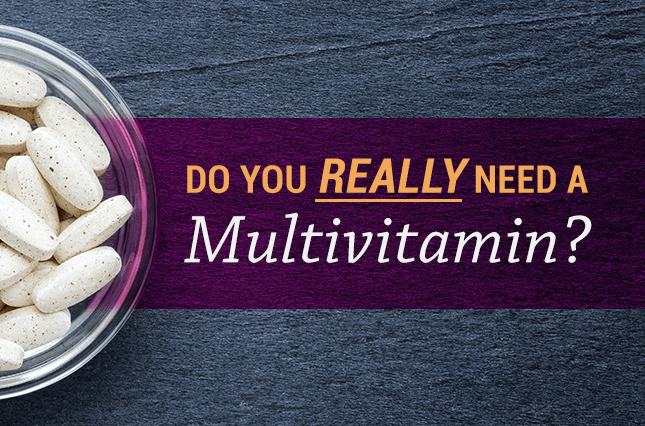
Do You Really Need a Multivitamin?

https://vitalplan.com/blog/do-you-really-need-a-multivitamin?Do You REALLY Need a Multivitamin?

Do You REALLY Need a Multivitamin?

By Dr. Bill Rawls Posted 05-07-2021

I’ve been on the fence as to whether or not to take multivitamins for my whole life. Growing up in the 60s and 70s, there was always a bottle of multivitamins on the breakfast table. Every morning, each person at the table would take their turn. The basic “One A Day” was popular at the time, but chewable products were also making their debut. Flintstones were my favorite — they tasted like candy.

The idea of taking a multivitamin came with America’s shift toward processed food products in the mid-20 century. Fast food was a radical change from freshly prepared meals that had been the norm, but ready-made foods seemed to be a better fit for the fast pace of American life. Not only that, processed foods were specifically designed to appeal to our preferential tastes for carbohydrates and fats. I don’t think anyone thought that these new foods were nearly as nutritious as the freshly prepared foods people had been eating before, but that was okay; multivitamins were there to fill the void.

Both fast foods and multivitamins became the standard that is still with us today. Currently, half of all Americans and 70% of those over 65 take a multivitamin product.

The big question is: does taking a multivitamin really do anything?

white plastic bottle, tablets arranged into a question mark, blue background

Most average “once-daily” multivitamin products contain synthetic forms of vitamins and minerals. These aren’t the same as the forms of vitamins and minerals found in natural whole foods. When someone takes a standard multivitamin, the body has to expend energy to convert these synthetic substances into a form the body can actually use, which seems to defeat the whole purpose.

On top of that, numerous clinical studies failed to show a clear benefit of taking multivitamins for improving health or reducing the incidence of chronic illness and cancer. As recent as 2018, research published in the Journal of the American College of Cardiology reviewed data from 179 individual trials and concluded that multivitamin supplements did not help prevent or improve cardiovascular disease. Another study examined data from more than 30,000 people over six years. It likewise found that people who took multis and other nutrient supplements had about the same risk of dying as those who didn’t take a multivitamin.

That being said, some people still feel more comfortable taking multivitamins just for peace of mind. They believe by taking extra vitamins and minerals, their bases are covered if they don’t always eat healthily or are stressed.

And who isn’t stressed sometimes? Maybe when people are under stress or even as we age, we do need a little extra support.

At different points in my life, I’ve gone back and forth between taking and not taking multivitamins regularly. Growing up, I took them every day. After becoming an adult and shifting to a healthier diet, I felt that multivitamins weren’t as necessary, and I gave them up. Later in middle age, a health crisis precipitated by Lyme disease caused me to rethink a lot of things, including whether to take multivitamins.

two types of Homeopathic supplements on wooden spoon

I read opinions from experts who felt that the reason why studies consistently failed to show benefit was that they were all using unnatural synthetic forms of vitamins and minerals. They reasoned that if the natural forms of the vitamins, termed bioavailable, were used, the outcomes could have been different.

There’s no doubt that our body burns up a lot more vitamins and minerals when we’re stressed, and I was definitely stressed. Though I was particular about following a healthy diet, I wanted to give my body any advantage it could get. I again decided to take a multivitamin, but this time, not just any multivitamin off the grocery store shelf.

I found a top-quality product that exclusively provided bioavailable forms of essential vitamins and minerals and started taking it regularly. Did I notice any difference? Maybe a little. I certainly couldn’t say it was more than embracing a healthy diet, but it did give me peace of mind. Though I was confident that it wasn’t doing any harm with the doses I was using, it certainly wasn’t a total solution to my ongoing health issues either. Perhaps I needed more than just a multivitamin.

Nourishment vs. Protection

Multivitamin products and herbal products often get lumped together under the category of natural supplements, but they couldn’t be more different. They both have value, but that value is as different as apples and oranges.

To understand the difference, you have to think about the body as a complex collection of living cells. The body contains several trillion cells of about 200 different types. A person’s health is a reflection of the health of the cells that make up that person’s body. If a person’s cells are all healthy and all the cells in the body are functioning in harmony, then that person is the definition of good health.

To function properly, a cell must receive a steady supply of pure water, oxygen, and nutrients. Nutrients, including carbohydrates and fats to generate energy, amino acids to synthesize new proteins, and vitamins and minerals for enzymatic functions, must all be absorbed through the intestinal tract.

Everything that happens inside a cell is a function of enzymes. We need vitamins and minerals because they are key components of enzymes. To function properly, cells need an adequate supply of vitamins and minerals, but having more than the cell can use at one time doesn’t add any benefit. In fact, saturating a cell with excessive vitamins and minerals could even be harmful.

Healthy green salad with avocado, mangold leaves, red beans and cherry tomatoes. Vegan snack, vitamins, vegetarian food and diet concept

No doubt, the best source of vitamins and minerals is a healthy diet. Still, if a healthy diet isn’t consistent, logic would suggest that supplementing with essential vitamins and minerals could be beneficial. That being said, supplemental vitamins and minerals must be supplied in the form that the body can easily use — dumping unnatural synthetic forms of vitamins in the body is like putting cheap gas into your car; it works, but it’s not the best thing for the engine.

The key takeaway is that bioavailable vitamins and minerals are necessary for normal cellular functions and that greater quantities of vitamins and minerals are required when cells are stressed, but that vitamins and minerals alone do nothing to protect cells from being stressed.

This is where a group of plant chemicals, called phytochemicals, goes above and beyond the benefits offered by multivitamins. Plants produce a spectrum of different types of phytochemicals to protect cells against a wide range of physical, chemical, and biological (insects and microbes) stress factors. When we consume phytochemicals, either from foods or supplements, all those benefits are transferred. When our cells are protected from stress, they function better, burn out slower, and require less in the way of vitamins and minerals.

A few protective phytochemicals have become household words. Resveratrol, a phytochemical found in grapes and wine, is a potent antioxidant known for slowing aging. Resveratrol has also been found to protect mitochondria, the source of energy for cells. Less well known, pterostilbene is a phytochemical with similar properties found in blueberries. Phytochemicals called catechins, found in green tea, slow aging and prevent chronic illness by protecting cells from damaging antioxidants.

Though fruits and vegetables are an important source of protective phytochemicals, our food plants have been cultivated primarily to provide high yields of nutrients, especially carbohydrates. That has come at the expense of protective phytochemicals. This where the plants we define as herbs have a clear advantage.

Mushrooms growing on tree trunk, surrounded by greenery

Herbs are wild plants. Their value isn’t supplying nutrients. If you had to depend on eating herbs as a sole food source, you’d go hungry. Herbs, however, are an excellent source of protective phytochemicals — their true value is protecting cells. The wild plants defined as herbs are plants that humans have selectively been using for thousands of years for both culinary and medicinal purposes.

Adding Herbs for Organ and Cellular Protection

Adding herbs into your life provides a level of protection to your cells unmatched by any food source or multivitamin product. A good place to start is taking a few herbal ingredients along with your multivitamin. Some possible choices that provide exceptional protection for cells of the body against every type of possible stress include:

green leaves with white flowers

Trans-resveratrol from Japanese knotweed

Trans-resveratrol, the most bioavailable form of resveratrol, is well-known for offering cardiovascular support and antioxidant properties.

brown pine bark pieces

Pine Bark Extract

Potent antioxidants and other chemical compounds in Pine Bark Extract help the body maintain vascular tissue and support the integrity of blood vessels. PBE is also supportive to the immune system.

purple milk thistle flower

Milk Thistle Extract

Silymarin, the primary chemical component of milk thistle, offers potent support for the liver; it increases natural antioxidants found in liver cells. It is the most widely researched of all liver-related herbs and is well known for low toxicity and safety.

red hawthorn berries

Hawthorn Leaf Extract

Supports the cardiovascular system, blood flow to the heart, oxygen delivery to tissues, and healthy blood vessels.

purple powder

Maqui Berry

Maqui Berry is a Patagonian berry that is wild-harvested by the Mapuche people of Chile and Argentina. Their traditional Maqui Berry beverage is credited for contributing to their extraordinary strength and stamina.

orange flowers

Lutein & Zeaxanthin

These twin carotenoid compounds account for the yellow color in vegetables. They build up in the retina of the eye and maintain a healthy retina during normal exposure to sunlight. They also accumulate in the skin to support its health. Prevention Plus contains the same amount of these substances as compared to ocular supplements recommended by ophthalmologists.

Adding Herbs for Stress and Optimal Health

If you’re under stress or want to gain even more protection for your cells, consider adding on some herbs with adaptogenic properties. All herbal traditions recognize herbs with nonspecific properties that can be used daily to invigorate the body and promote longevity. In Traditional Chinese Medicine, they’re called tonics. In Ayurvedic medicine, the traditional medicine of India, they’re referred to as rasayanas. In the second half of the twentieth century, Western science began categorizing these and other herbs as adaptogens.

Herbs that fit the definition of adaptogen have been defined by science to:

  • Assist the body in resisting a wide range of physical, chemical, and biological stress factors.
  • Have nonspecific actions in the body that do not cause drug-like effects.
  • Are non-toxic and do not harm or disrupt normal functions in the body

collage of nine herb photos, mixture of leaves, mushrooms, powders, and bark

There are many herbs defined as adaptogens or herbs that complement adaptogens that can be taken daily to protect cells from stress and support optimal health. A few to consider are:

  • Rhodiola
  • Reishi
  • Cordyceps
  • Ashwagandha
  • Gotu kola
  • Turmeric
  • Japanese knotweed
  • Chinese skullcap
  • Shilajit

The Bottom Line

Your cells must have vitamins and minerals to function. A healthy diet is the best source, but admittedly, eating healthy all the time can be challenging. A multivitamin can help fill the void, but bioavailable forms are always the best choice. The limitation of multivitamins must be respected, however; multivitamins have little capacity to protect cells from stress and therefore shouldn’t be expected to reduce risks of chronic illness and cancer.

Herbs have a clear advantage for protecting cells against stress — the spectrum of phytochemicals in herbs protect cells against all types of stress. When cells aren’t stressed, they don’t have to work as hard, use fewer nutrients, and burn out slower.

Why not take both? Why not ensure your cells have a ready supply of bioavailable vitamins and minerals and protect your cells with herbal phytochemicals at the same time? Combining a daily herbal product with bioavailable vitamins and minerals may be the best of all possibilities!

Looking for More Wellness Tips?

Join our newsletter for bi-weekly tools, education, and savings to boost your health.

References
1. Jenkins, DJA et al. “Supplemental Vitamins and Minerals for CVD Prevention and Treatment.” J Am Coll Cardiol. 2018 Jun 5;71(22):2570-2584.
2. Chen, Fan et al. “Association Between Dietary Supplement Use, Nutrient Intake, and Mortality Among US Adults: A Cohort Study.” Ann Intern Med. 2019 May 7; 170(9): 604–613.
3. Harvard Health Publishing, Harvard Medical School. “Vitamins and your heart.” Healthbeat. Retrieved from https://www.health.harvard.edu/heart-health/vitamins-and-your-heart
4. Tapsell, Linda C. et al. “Foods, Nutrients, and Dietary Patterns: Interconnections and Implications for Dietary Guidelines.” Adv Nutr. 2016 May; 7(3): 445–454.
5. Diabetes Prevention Program Research Group. “Reduction in the Incidence of Type 2 Diabetes with Lifestyle Intervention or Metformin.” New England Journal of Medicine. 2002 Feb 7; 346(6): 393–403.
6. Dehghan, Mahshid et al. “Associations of fats and carbohydrate intake with cardiovascular disease and mortality in 18 countries from five continents (PURE): a prospective cohort study.” Lancet. 2017 Nov 4; 390(10107): 2050-2062
7. National Center of Complementary and Integrative Health. “Rhodiola.” Retrieved from https://nccih.nih.gov/health/rhodiola
8. Hewlings, Susan J. and Kalman, Douglas S. “Curcumin: A Review of Its’ Effects on Human Health.” Foods. 2017 Oct; 6(10): 92.
9. Ratan ZA, Youn SH, Kwak YS, et al. Adaptogenic effects of Panax ginseng on modulation of immune functions. J Ginseng Res. 2021;45(1):32-40. doi:10.1016/j.jgr.2020.09.004
10. Liao LY, He YF, Li L, et al. A preliminary review of studies on adaptogens: comparison of their bioactivity in TCM with that of ginseng-like herbs used worldwide. Chin Med. 2018;13:57. Published 2018 Nov 16. doi:10.1186/s13020-018-0214-9
11. Panossian AG, Efferth T, Shikov AN, et al. Evolution of the adaptogenic concept from traditional use to medical systems: Pharmacology of stress- and aging-related diseases. Med Res Rev. 2021;41(1):630-703. doi:10.1002/med.21743

Lyme & Memory Loss

https://www.globallymealliance.org/blog/lyme-and-memory-loss

What causes memory loss specifically? And what does it feel like to experience it?

My long-term memory has always been sharp as a tack. I can repeat verbatim a conversation that happened two decades ago; I can tell you what a friend was wearing on the first day of third grade; I know what I ate at the restaurant my family went to on the last night of a vacation we took when I was in high school. People say, “It’s incredible that you can remember so much,” to which I often respond, “Just don’t ask me what I had for breakfast.”

The joke gets a good laugh, but it’s actually a serious matter: despite my unusually strong long-term memory, my short-term memory has been affected by the tick-borne illnesses Lyme disease, babesiosis, and ehrlichiosis. Some evenings I truly couldn’t tell you what I had for breakfast, and other times I need to look at my calendar to remember what I did that day. Once jogged, the memory comes back to me like a slow Google search, but the hang time between someone asking me about my day and my response can be embarrassingly long.

What causes memory loss specifically? And what does it feel like to experience it?

Though our central nervous systems are generally protected by the blood brain barrier, Lyme bacteria (spirochetes) are sneaky and smart, and can spiral their way across the border. Once that security breach occurs, a patient may experience “Lyme brain”, which can manifest as brain fog, word or song iteration, depression and anxiety, tremors, mini-seizures, headaches, burning extremities and memory loss.

As described in the book Conquering Lyme Disease: Science Bridges the Great Divide by Brian A. Fallon, MD and Jennifer Sotsky, MD, “Lyme disease can directly affect brain and sensorium in multiple ways: via direct infection, immune system effects, changes in neurotransmitter balance, and altered neural pathways.” Inflammation in the brain, as well as impaired oxygen flow to the brain as is often seen with babesiosis, can impact cognitive function. Drs. Fallon and Sotsky write that short-term memory problems are one of the most common cognitive effects of neurological Lyme disease. The book includes images of low blood flow in the brain of patients with memory impairment after Lyme disease (referred to as post-treatment Lyme encephalopathy).

In her book Lyme Brain, Nicola McFadzean Ducharme, ND, references studies in which Borrelia burgdorferi spirochetes were found in the brains of Alzheimer’s patients. While many Alzheimer’s patients don’t have Lyme, and many Lyme patients won’t develop Alzheimer’s, the studies show both how easily Lyme bacteria can cross the blood brain barrier, and how easily their presence can be misdiagnosed as dementia or Alzheimer’s when a chief symptom is memory loss.

The extent to which a patient’s memory is affected depends largely on their response to treatment.

When I started antibiotic therapy, some of my neurological systems worsened at first, as I experienced Herxheimer reactions, and the antibiotics chased those clever spirochetes deeper into my brain. After a couple months, my brain fog decreased, I had better concentration, and my memory improved. Sticking to an anti-inflammatory diet and taking supplements to help rid my brain of neurotoxins also helped. I learned to pace myself and to stay away from overstimulating activities (like big movie theaters or fireworks shows) that rile up my neurological symptoms, including memory loss.

Luckily, my long-term memory was never affected, which is a blessing as a writer. But while my short-term memory problems have improved, they are not fully gone. I especially notice them now when I am over tired or over worked. During those periods, I might leave someone a voicemail in the morning and then leave a similar message later in the day, forgetting about the first. I find myself asking friends, “Did I already tell you this story?” I’m hyper-aware of the deficit, but friends and family assure me that my lapses are relatively infrequent. Rest, quiet time away from screens, and relaxation usually have me back in “working order” in just a couple days.

If you are in an acute stage of neurological tick-borne illness, it’s possible that you’ve read this post and forgotten what it said; that you lost track of where you were whiling reading; or that you’ll tell someone about what you read more than once. Know that you’re not alone, and that with proper treatment through a Lyme Literate Medical Doctor (LLMD) and good self-care, a time will come when everything will seem much clearer.

[1] Fallon, Brian A., MD and Sotsky, Jennifer, MD. Conquering Lyme Disease: Science Bridges the Great Divide. New York: Columbia University Press (2018), 314.

[1] McFadzean Ducharme, Nicola, ND. Lyme Brain. California: BioMed Publishing Group, LLC (2016), 15-16.

For more blog posts, click here.


jennifer crystal_2

Opinions expressed by contributors are their own.

Jennifer Crystal is a writer and educator in Boston. Her memoir about her medical journey is forthcoming. Contact her at lymewarriorjennifercrystal@gmail.com.

Candida & Lyme

https://www.globallymealliance.org/blog/candida-and-lyme

Strategies and treatments for Lyme patients to avoid Candida overgrowth

When I was a teenager, I used to get yeast infections during the summers because I was always in a wet bathing suit. At least, that was the rationale I was given by doctors and other females, and it made sense. What I didn’t know then was that recurring yeast infections can also be a sign of a weakened immune system, something that would come back to haunt me in college when I started wrestling mysterious flu-like symptoms. The yeast infections persisted then, too.

People generally don’t talk about yeast infections because they seem like a private topic. But we should, because candidiasis—a fungal infection caused by yeast (Candida) overgrowth—is not exclusive to females or the vagina. In fact, many men and women alike suffer from Candida overgrowth and may not even know it. Candidiasis often occurs in the gut, causing symptoms typically associated with the gastrointestinal tract such as bloating, constipation, diarrhea, gas, blood sugar swings, and cravings for sweets; and those that aren’t, such as fatigue, depression, dizziness, itching, and hives. Candida can also manifest in the mouth as thrush, causing bad breath, a funny taste, soreness, white lesions, or a pasty white tongue.

I was first diagnosed with intestinal yeast overgrowth when I was wrestling a bad case of mononucleosis that slipped into chronic active Epstein-Barr virus. The naturopathic physician I was seeing told me excessive Candida could cause fatigue, inflammation, and headaches. In more serious cases, systemic candidiasis can, according to the Centers for Disease Control and Prevention (CDC) affect the blood, brain, heart, eyes, bones, and other parts of the body.

So, what does this have to do with Lyme disease? Many Lyme patients may already be dealing with candidiasis infections that are exacerbating or causing some of their symptoms. Coupled with Lyme disease, these symptoms become overwhelming. Moreover, antibiotics, a standard and critical treatment for Lyme, cause Candida overgrowth because they kill off the good bacteria in the gut. As Richard Horowitz, M.D. explains in Why Can’t I Get Better? Solving the Mystery of Lyme & Chronic Disease, “Although we all normally have Candida organisms present in our gastrointestinal tract in limited amounts, taking antibiotics for bacterial infections will encourage an overgrowth of Candida…Furthermore, many Americans have diets high in sugar and refined carbohydrates, which help promote yeast overgrowth.” Immune suppression due to stress—common for Lyme patients—and other factors such as medications that decrease the acidity of the gastrointestinal tract can also lead to Candida issues.

What can Lyme patients do to avoid and/or treat Candida overgrowth?

Diet: We often hear of the “Lyme diet” to treat inflammation, which it does. It also combats Candida overgrowth. I have had success by eliminating simple sugars, gluten and wheat, and alcohol. In his book, Dr. Horowitz also recommends eliminating malt, vinegar, carbohydrates (including fruit early in treatment), all yeast-containing foods (most bread and cheeses, mushrooms), and fermented foods. How extreme you need to be with this diet depends on how acute your infection is. Because I am still on low-dose antibiotics, I have stuck to a gluten-free, low-sugar, alcohol-free diet while in remission. I avoid mushrooms and most yeasty foods but do eat dark chocolate, cheese, and whole grains. Talk to your Lyme Literate Medical Doctor (LLMD) about the best dietary changes for you.

Probiotics: When you’re on antibiotics, you must take probiotics to replenish your system with good yeast. However, you must take the probiotics at least two hours before or after the antibiotics, or the antibiotics will kill the probiotics.

Anti-fungal medication: For persistent candidiasis, some LLMDs prescribe anti-fungal medication, some of which have also been known to be effective against Lyme bacteria. They are not without side effects (some can cause liver or heart damage), so doctors use these sparingly and in low and/or pulsed doses, and you should have regular bloodwork to test your liver and other functions while you’re on these medications.

Monitor symptoms and adjust accordingly: I can tell when yeast levels are getting high because I get a pasty tongue, have vaginal symptoms, or feel some gastrointestinal discomfort. This usually happens after I’ve cheated by eating several gluten-free brownies (naturally sweetened, but the sugars still add up). I will then be extra-careful with my diet in the following days, and it sometimes helps to eat something that tastes acidic, like grapefruit or tomato but is alkaline once digested (you’re trying to keep a healthy pH balance).

Don’t cheat: With some diets, especially those that are just about losing or maintain weight, having a “cheat” day once in a while won’t have too many adverse effects. That’s not true with Lyme disease, especially if you are dealing with an acute infection. Eating a regular pizza or a chocolate chip cookie will probably make you feel horrible for a few days, and that’s not worth it. There are plenty of great alternative foods available.

If you find yourself craving sweets or experiencing unexplained fatigue or digestive symptoms, talk to your doctor about Candida, especially if you are being treated for Lyme disease.

For more blog posts, click here.


jennifer crystal_2

Opinions expressed by contributors are their own.

Jennifer Crystal is a writer and educator in Boston. Her memoir about her medical journey is forthcoming. Contact her at lymewarriorjennifercrystal@gmail.com.


Opinions expressed by contributors are their own. Jennifer Crystal is a writer and educator in Boston. Her memoir about her medical journey is forthcoming. Contact her using her email.

Email: lymewarriorjennifercrystal@gmail.com

______________________

For more:

Both my husband and I took diflucan, an anti-fungal medication twice a week throughout our entire treatment journey (over 5 years).  I believe this saved us from many problems antibiotics can cause.  We also tried to limit sugar.  We also took a strong, refrigerated probiotic daily as well as a prebiotic (feeds the good guy bacteria), specially formulated for Lyme/MSIDS patients with many and varied strains of bacteria.  

Mushroom Power: Five Therapeutic Properties of Medicinal Mushrooms

https://www.greenmedinfo.com/blog/mushroom-power-five-therapeutic-properties-medicinal-mushrooms1?

Mushroom Power: Five Therapeutic Properties of Medicinal Mushrooms

© 4/22/21] GreenMedInfo LLC. This work is reproduced and distributed with the permission of GreenMedInfo LLC. Want to learn more from GreenMedInfo? Sign up for the newsletter here:  //www.greenmedinfo.com/greenmed/newsletter.

Mushrooms have recently gained popularity in culinary circles, but their far-reaching therapeutic properties should get your attention for a longer and healthier life

Although mushrooms have been part of the healer’s toolbox since ancient times, the medicinal power of mushrooms is gaining momentum in evidence-based journals.

Medicinal mushrooms come in a wide variety and shapes such as white button, reishi, maitake, shiitake, oyster, cordyceps, cauliflower, tiger tail and lion’s mane, and most have health benefits that range from fighting cancer and boosting your immunity and memory to preventing diseases like diabetes and arthritis.

Five Therapeutic Properties of Mushrooms

1. Anticancer

Reishi (in Japanese) or lingzhi (in Chinese) mushrooms are well known in Asia for their anticancer properties. In a meta-analysis by scientists of 23 trials involving 4,246 cancer patients, reishi mushrooms enhanced longevity and quality of life in cancer patients.[i]

Therapy with white button mushrooms impacted prostate-specific antigen (PSA) levels and inhibited prostate cancer by decreasing immunosuppressive factors.[ii]

Polysaccharides from Cordyceps cicadae mushrooms inhibited the growth of cancer cells and induced cancer cell deaths showing its effectiveness as a low cost and safe treatment for cervical cancer.[iii]

A peptide from the shiitake mushroom showed promising results in growth arrest, cell death and cleaning out damaged cells in a breast cancer in vitro study.[iv] In both in vitro and in vivo studies, results showed that mice with induced testicular cancer treated with the Cordyceps sinensis mushroom had significantly smaller and fewer tumors than the control group.[v]

Cordyceps cicadae mushroom treatment prevented testicular damage and tumors caused by the chemotherapy drug cisplatin via inhibition of oxidative stress and inflammation in rats.[vi]

In a lung cancer-induced study of mice, treatment with reishi mushrooms inhibited cell viability and mobility of lung cancer cells in vitro.[vii] In a cell study of reishi mushroom extract, the treatment offered high antitumor and liver protection with low toxicity on human liver cancer cells.[viii]

2. Immunomodulatory

In a meta-analysis of 20 animal disease studies, grifola frondosa, or maitake mushroom, polysaccharide showed strong immune function by enhancing T cells, natural killer cells and macrophages in mice and increasing the secretion of two important immune factors, TNF-α and INF-γ.[ix]

In a clinical study of 105 cancer patients undergoing chemotherapy or radiation treatments, a combination of reishi mushroom extract and geraniums improved immunity and fought the cancer and secondary infections that could have compromised treatment and health.[x]

In a study of 18 patients diagnosed with low and intermediate myelodysplastic syndrome, which can lead to leukemia if not managed well, maitake mushroom extract treatment of three milligrams (mg) twice a day for 12 weeks increased immunity, positively affecting neutrophil, monocyte and free radical production.[xi]

In a clinical study of asymptomatic children from 3 to 5 years old, treatment with beta glucans from reishi mushrooms showed increased immune system cells in the peripheral blood — signaling a strong defense against childhood infections.[xii]

Reviewing in vivo and in vitro studies on mice and human cell lines using lion’s mane (Hericium erinaceus) and tiger tail (Trametes versicolor) mushrooms, treatments showed immunomodulatory, anticancer, anti-inflammatory and neuroregenerative effects.[xiii]

3. Antioxidant

Polysaccharide beta glucan extracted from reishi mushroom was shown to be a powerful antioxidant in 37 high risk and 34 stable angina patients; those who were treated with 750 mg per day for three months had significantly decreased oxidative radicals and improved progression of atherosclerosis.[xiv]

In a study of 42 healthy subjects, another intervention with beta glucan from reishi mushrooms of 225 mg per day for three months demonstrated its antioxidative effects — enhanced total antioxidant capacity and enzyme activities as well as reduced mild fatty liver condition to normal by suppressing oxidative stress were observed.[xv]

4. Anti-inflammatory 

Crohn’s disease is a chronic inflammatory disease of the gastrointestinal tract. Treatment with a triterpene compound from reishi mushrooms showed that the inflammatory cytokines were significantly inhibited in a study of children with Crohn’s disease.[xvi]

Sixty patients with moderate persistent asthma were studied and those who took the cordyceps sinensis mushroom capsule for two months had reduced airway inflammation caused by their chronic asthma.[xvii]Cordycepin from medicinal mushrooms showed strong effects on many anti-inflammatory diseases.[xviii]

In a study of 32 patients with active rheumatoid arthritis, supplementation of medicinal mushroom and Chinese herbs — reishi (4 grams) and San Miao San (2.4 grams) daily — lowered arthritic pain for patients.[xix] The data in a mice study support a model where white button mushrooms regulate immunity in vitro and protect the colon from inflammation-induced injuries in vivo.[xx]

The brain is susceptible to inflammation as well. In an Alzheimer’s disease model of rats, treatment with medicinal mushroom extracts delayed disease progression, improved learning and memory functions and stopped neural cell deaths and brain atrophy.[xxi]

Chaga mushrooms administered to mice successfully protected against Alzheimer’s disease by modulating oxidative stress, Nrf2 signaling and mitochondrial cell deaths while improving memory and cognition.[xxii]Cordycepin from the Cordyceps sinensis mushroom alleviated Parkinson’s disease motor disorder symptoms by lowering oxidative stress and inflammation in vivo and in vitro.[xxiii]

Lion’s mane mushrooms were supplemented for 12 weeks and were effective in preventing dementia and cognitive decline.[xxiv] Lion’s mane supplementation for four weeks in a study of 30 females also reduced depression and anxiety.[xxv]

5. Antidiabetic

Dyslipidemia, high blood cholesterol and triglycerides is often a harbinger of future diabetes. In a rat model, white button mushrooms and a probiotic were found to lower dyslipidemia and decrease oxidative stress.[xxvi] In a study of 89 diabetic patients, oyster mushroom consumption significantly reduced blood glucose, blood pressure, triglycerides and cholesterol without ill effects on the liver or kidneys.[xxvii]

Polyphenols from Phellinus igniarius, or willow bracket, mushroom extract were used in vitro and in vivo studies of induced Type 2 diabetes mice and showed improved glucose tolerance, reduced hyperglycemia and normalized insulin levels.[xxviii]

Diabetic nephropathy, kidney disease caused by Type 2 diabetes, was studied in vitro with disease-induced rats and treatment with Cordyceps cicadae resulted in improved insulin resistance and glucose tolerance, suppressed inflammation and balanced gut microbiome thus stopping the diabetes-related progression of renal disease and tumors.[xxix]

In an animal study, maitake mushroom prevented the progression of kidney fibrosis in diabetic nephropathy rats, significantly decreased fasting blood glucose levels, reduced inflammatory cytokines and lowered renal fibrosis indexes indicating its effectiveness in the treatment or prevention of nephropathy.[xxx]

In their meta-analysis of 623 articles and 33 randomized controlled experiments using cauliflower mushroom extract (S. Crispa), researchers found statistically significant differences in diabetic symptoms including decreased serum insulin levels and wound rates and an increase in nutrient intake content.[xxxi]

Mushrooms and Their Medicinal Powers

Medicinal mushrooms are widely researched and used as treatment in the prevention and progression of many diseases from cancer and asthma to diabetes and dementia. Mushrooms protect you due to their anti-inflammatory, antitumor, antidiabetic, immune boosting and antioxidant activities. To learn more, see GreenMedInfo.com’s database on mushrooms.


References

[i] Zhong L, Yan P, Lam WC, Yao L, Bian Z. Coriolus Versicolor and Ganoderma Lucidum Related Natural Products as an Adjunct Therapy for Cancers: A Systematic Review and Meta-Analysis of Randomized Controlled TrialsFront Pharmacol. 2019 Jul 3;10:703. doi: 10.3389/fphar.2019.00703. PMID: 31333449; PMCID: PMC6616310.

[ii] Przemyslaw Twardowski, Noriko Kanaya, Paul Frankel, Timothy Synold, Christopher Ruel, Sumanta K Pal, Maribel Junqueira, Manisha Prajapati, Tina Moore, Pamela Tryon, Shiuan Chen. A phase I trial of mushroom powder in patients with biochemically recurrent prostate cancer: Roles of cytokines and myeloid-derived suppressor cells for Agaricus bisporus-induced prostate-specific antigen responsesCancer. 2015 Sep 1 ;121(17):2942-50. Epub 2015 May 18. PMID: 25989179

[iii] Jiao Xu, Zhi-Cheng Tan, Zhong-Yuan Shen, Xing-Jia Shen, Shun-Ming Tang. Cordyceps cicadae polysaccharides inhibit Human cervical cancer Hela cells proliferation via Apoptosis and Cell Cycle ArrestFood Chem Toxicol. 2021 Jan 6:111971. Epub 2021 Jan 6. PMID: 33421460

[iv] Syed Riaz Ud Din, Mintao Zhong, Muhammad Azhar Nisar, Muhammad Zubair Saleem, Akbar Hussain, Kavish H Khinsar, Shahid Alam, Gohar Ayub, Sadia Kanwal, Xingyun Li, Wei Zhang, Xiaoli Wang, Anhong Ning, Jing Cao, Min Huang. Latcripin-7A, derivative of Lentinula edodes C, reduces migration and induces apoptosis, autophagy, and cell cycle arrest at Gphase in breast cancer cellsAppl Microbiol Biotechnol. 2020 Dec ;104(23):10165-10179. Epub 2020 Oct 12. PMID: 33044599

[v] Ming-Min Chang, Siou-Ying Hong, Shang-Hsun Yang, Chia-Ching Wu, Chia-Yih Wang, Bu-Miin Huang. Anti-Cancer Effect of Cordycepin on FGF9-Induced Testicular TumorigenesisInt J Mol Sci. 2020 Nov 6 ;21(21). Epub 2020 Nov 6. PMID: 33172093

[vi] Ling Wang, Yigang He, Yudi Li, Chengbin Pei, Opeyemi Joshua Olatunji, Jian Tang, Ademola C Famurewa, Hongyan Wang, Bei Yan. Protective Effects of Nucleosides-Rich Extract from Cordyceps cicadae against Cisplatin Induced Testicular DamageChem Biodivers. 2020 Nov ;17(11):e2000671. Epub 2020 Nov 3. PMID: 33007148

[vii] Wei-Hung Hsu, Wei-Lun Qiu, Shu-Ming Tsao, Ai-Jung Tseng, Mei-Kuang Lu, Wei-Jyun Hua, Hsin-Chung Cheng, Hsien-Yeh Hsu, Tung-Yi Lin. Effects of WSG, a polysaccharide from Ganoderma lucidum, on suppressing cell growth and mobility of lung cancerInt J Biol Macromol. 2020 Oct 1. Epub 2020 Oct 1. PMID: 33011264

[viii] Liping Zhu, Min Wu, Peng Li, Yanfei Zhou, Jinyi Zhong, Zhiqiang Zhang, Ye Li, Weixi Yao, Jianhua Xu. High-Pressure Supercritical COExtracts ofFruiting Body and Their Anti-hepatoma Effect Associated With the Ras/Raf/MEK/ERK Signaling PathwayFront Pharmacol. 2020 ;11:602702. Epub 2020 Dec 14. PMID: 33381043

[ix] Zhang T, Zhao F, Wu KN, Jia Y, Liao XL, Yang FW, Zhang JH, Ma B. Meta-analysis on effect of Grifola frondosa polysaccharide in regulating in vivo immunoregulatory function on animal disease models. Zhongguo Zhong Yao Za Zhi. 2019 Dec;44(23):5174-5183. Chinese. doi: 10.19540/j.cnki.cjcmm.20190823.401. PMID: 32237355.

[x] Zhuang SR, Chen SL, Tsai JH, Huang CC, Wu TC, Liu WS, Tseng HC, Lee HS, Huang MC, Shane GT, Yang CH, Shen YC, Yan YY, Wang CK. Effect of citronellol and the Chinese medical herb complex on cellular immunity of cancer patients receiving chemotherapy/radiotherapyPhytother Res. 2009 Jun;23(6):785-90. doi: 10.1002/ptr.2623. PMID: 19145638.

[xi] Wesa KM, Cunningham-Rundles S, Klimek VM, Vertosick E, Coleton MI, Yeung KS, Lin H, Nimer S, Cassileth BR. Maitake mushroom extract in myelodysplastic syndromes (MDS): a phase II studyCancer Immunol Immunother. 2015 Feb;64(2):237-47. doi: 10.1007/s00262-014-1628-6. Epub 2014 Oct 29. PMID: 25351719; PMCID: PMC4317517

[xii] Sandra Lorena Duque Henao, Sergio A Urrego, Andrea M Cano, Edwin A Higuita. Randomized Clinical Trial for the Evaluation of Immune Modulation by Yogurt Enriched withβ-Glucans from Lingzhi or Reishi Medicinal Mushroom, Ganoderma lucidum (Agaricomycetes), in Children from Medellin, ColombiaInt J Med Mushrooms. 2018 ;20(8):705-716. PMID: 30317947

[xiii] Mateusz Winder, Weronika Bulska-Będkowska, Jerzy Chudek. The use of Hericium erinaceus and Trametes versicolor extracts in supportive treatment in oncologyActa Pharm. 2021 Mar 1 ;71(1):1-16. PMID: 32697746

[xiv] Djanggan Sargowo, Nadia Ovianti, Eliana Susilowati, Nizamuddin Ubaidillah, Adriyawan Widya Nugraha, Vitriyaturrida, Kartika Siwi Proboretno, Mirza Failasufi, Fadhli Ramadhan, Hesti Wulandari, Yoga Waranugraha, Dinarsari Hayuning Putri. The role of polysaccharide peptide of Ganoderma lucidum as a potent antioxidant against atherosclerosis in high risk and stable angina patients. Indian Heart J. 2018 Sep – Oct;70(5):608-614. Epub 2017 Dec 14. PMID: 30392496

[xv] Hui-Fang Chiu, Hui-Yu Fu, Yan-Ying Lu, Yi-Chun Han, You-Cheng Shen, Kamesh Venkatakrishnan, Oksana Golovinskaia, Chin-Kun Wang. Triterpenoids and polysaccharide peptides-enriched Ganoderma lucidum: a randomized, double-blind placebo-controlled crossover study of its antioxidation and hepatoprotective efficacy in healthy volunteersPharm Biol. 2017 Dec ;55(1):1041-1046. PMID: 28183232

[xvi] Changda Liu, David Dunkin, Joanne Lai, Ying Song, Clare Ceballos, Keith Benkov, Xiu-Min Li. Anti-inflammatory Effects of Ganoderma lucidum Triterpenoid in Human Crohn’s Disease Associated with Downregulation of NF-κB SignalingInflamm Bowel Dis. 2015 May 19. Epub 2015 May 19. PMID: 25993687

[xvii] Ning-qun Wang, Liang-duo Jiang, Xiao-mei Zhang, Zong-xin Li. Effect of dongchong xiacao capsule on airway inflammation of asthmatic patientsJ Hypertens. 2005 Sep;23(9):1699-706. PMID: 17972591

[xviii] Tan L, Song X, Ren Y, Wang M, Guo C, Guo D, Gu Y, Li Y, Cao Z, Deng Y. Anti-inflammatory effects of cordycepin: A review. Phytother Res. 2020 Oct 8. doi: 10.1002/ptr.6890. Epub ahead of print. PMID: 33090621.

[xix] Edmund K Li, Lai-Shan Tam, Chun Kwok Wong, Wai Ching Li, Christopher W K Lam, Sissi Wachtel-Galor, Iris F Benzie, Yi Xi Bao, Ping Chung Leung, Brian Tomlinson. Safety and efficacy of Ganoderma lucidum (lingzhi) and San Miao San supplementation in patients with rheumatoid arthritis: a double-blind, randomized, placebo-controlled pilot trial. J Pediatr Gastroenterol Nutr. 2010 Feb;50(2):208-11. PMID: 17907228

[xx] Sanhong Yu, Veronika Weaver, Keith Martin, Margherita T Cantorna. The effects of whole mushrooms during inflammation. BMC Immunol. 2009;10:12. Epub 2009 Feb 20. PMID: 19232107

[xxi] Guoxiao Lai, Yinrui Guo, Diling Chen, Xiaocui Tang, Ou Shuai, Tianqiao Yong, Dongdong Wang, Chun Xiao, Gailian Zhou, Yizhen Xie, Burton B Yang, Qingping Wu. Alcohol Extracts FromDelay the Progress of Alzheimer’s Disease by Regulating DNA Methylation in Rodents. Front Pharmacol. 2019 ;10:272. Epub 2019 Mar 26. PMID: 30971923

[xxii] Yanqiu Han, Shanji Nan, Jia Fan, Qiuhui Chen, Yizhi Zhang. Inonotus obliquus polysaccharides protect against Alzheimer’s disease by regulating Nrf2 signaling and exerting antioxidative and antiapoptotic effects. Int J Biol Macromol. 2019 Mar 13 ;131:769-778. Epub 2019 Mar 13. PMID: 30878614

[xxiii] Chunyan Cheng, Xiaoying Zhu. Cordycepin mitigates MPTP-induced Parkinson’s disease through inhibiting TLR/NF-κB signaling pathwayLife Sci. 2019 Feb 18. Epub 2019 Feb 18. PMID: 30790609

[xxiv] Yuusuke Saitsu, Akemi Nishide, Kenji Kikushima, Kuniyoshi Shimizu, Koichiro Ohnuki. Improvement of cognitive functions by oral intake of Hericium erinaceusBiomed Res. 2019 ;40(4):125-131. PMID: 31413233

[xxv] Nagano M, Shimizu K, Kondo R, Hayashi C, Sato D, Kitagawa K, Ohnuki K. Reduction of depression and anxiety by 4 weeks Hericium erinaceus intake. Biomed Res. 2010 Aug;31(4):231-7. doi: 10.2220/biomedres.31.231. PMID: 20834180.

[xxvi] Farhan Asad, Haseeb Anwar, Hadi M Yassine, Muhammad Irfan Ullah, Aziz Rahman, Zahid Kamran, Muhammad Umar Sohail. White Button Mushroom, Agaricus bisporus (Agaricomycetes), and a Probiotics Mixture Supplementation Correct Dyslipidemia without Influencing the Colon Microbiome Profile in Hypercholesterolemic Rats. Int J Med Mushrooms. 2020 ;22(3):235-244. PMID: 32479018

K Khatun, H Mahtab, P A Khanam, M A Sayeed, K A Khan. Oyster mushroom reduced blood glucose and cholesterol in diabetic subjects. Mymensingh Med J. 2007 Jan;16(1):94-9. PMID: 17344789

[xxvii] K Khatun, H Mahtab, P A Khanam, M A Sayeed, K A Khan. Oyster mushroom reduced blood glucose and cholesterol in diabetic subjectsMymensingh Med J. 2007 Jan;16(1):94-9. PMID: 17344789

[xxviii] Sijian Zheng, Shihao Deng, Yun Huang, Mi Huang, Ping Zhao, Xinhua Ma, Yanzhang Wen, Qiang Wang, Xinzhou Yang. Anti-diabetic activity of a polyphenol-rich extract from Phellinus igniarius in KK-Ay mice with spontaneous type 2 diabetes mellitusFood Funct. 2018 Jan 24 ;9(1):614-623. PMID: 29271444

[xxix] Junling Yang, Huibin Dong, Ya Wang, Yun Jiang, Wenna Zhang, Yongming Lu, Yan Chen, Lei Chen. Cordyceps cicadae polysaccharides ameliorated renal interstitial fibrosis in diabetic nephropathy rats by repressing inflammation and modulating gut microbiota dysbiosisInt J Biol Macromol. 2020 Nov 15 ;163:442-456. Epub 2020 Jun 24. PMID: 32592781

[xxx] Tao Jiang, Liang Wang, Angjie Ma, Yi Wu, Qiwen Wu, Qiulin Wu, Jianwei Lu, Tian Zhong. The hypoglycemic and renal protective effects of Grifola frondosa polysaccharides in early diabetic nephropathyJ Food Biochem. 2020 Oct 11:e13515. Epub 2020 Oct 11. PMID: 33043487

[xxxi] Thi Nhu Ngoc L, Oh YK, Lee YJ, Lee YC. Effects of Sparassis crispa in Medical Therapeutics: A Systematic Review and Meta-Analysis of Randomized Controlled Trials. Int J Mol Sci. 2018 May 16;19(5):1487. doi: 10.3390/ijms19051487. PMID: 29772715; PMCID: PMC5983641.