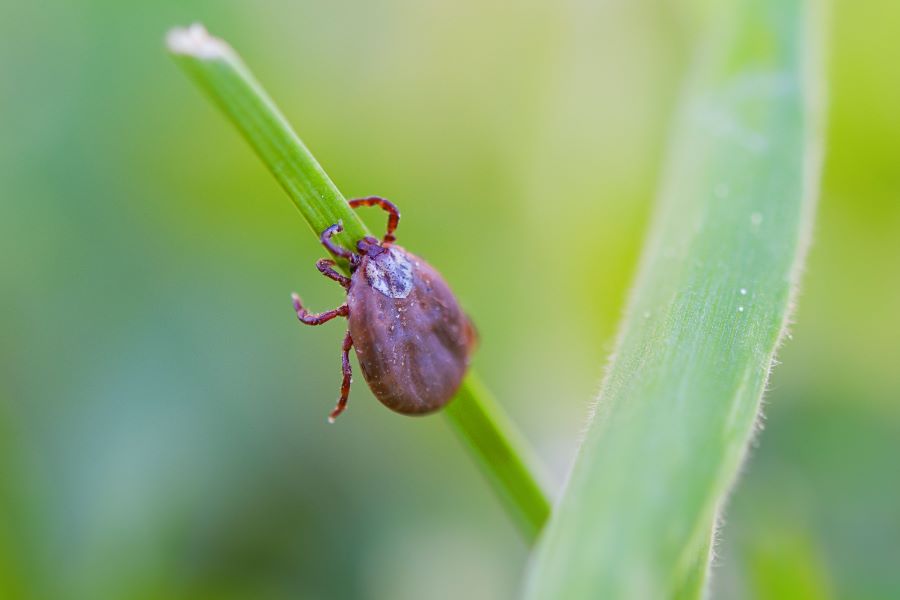
Archive for the ‘research’ Category

The Potential Benefits of Proteolytic Enzymes to Help Manage Rheumatoid Arthritis

https://popularrationalism.substack.com/p/the-potential-benefits-of-proteolytic?

The Potential Benefits of Proteolytic Enzymes to Help Manage Rheumatoid Arthritis

People with RA often have restricted diets. Check this out!

Rheumatoid Arthritis (RA) is a chronic autoimmune disorder that predominantly affects the synovial joints, leading to progressive joint destruction and disability. Traditional treatment modalities have primarily focused on anti-inflammatory medications and immunosuppressants. However, the exploration of complementary therapies, such as proteolytic enzymes, has gained momentum in recent years. This article aims to provide a comprehensive overview of the potential benefits of proteolytic enzymes in managing RA, backed by scientific evidence and clinical trials.

What are Proteolytic Enzymes?

Proteolytic enzymes, also known as proteases or peptidases, are enzymes that catalyze the breakdown of proteins into smaller peptides or amino acids. They are naturally occurring enzymes found in the digestive system, certain foods, and available as supplements. The enzymes work by breaking down protein structures, which can be beneficial in inflammation and tissue damage. They have a wide range of medical applications, from aiding digestion to wound healing1.

Key ReferenceSerratiopeptidase: Insights into the therapeutic applications

(See link for article)

________________

**Comment**

This website has posted on proteolytic enzymes (PE) for years.  They do so many beneficial things, every Lyme/MSIDS patient should learn about them and consider adding them to their regimen.

The article states that proteolytic enzymes have been studied for their anti-inflammatory effects as well as their ability to reduce pain and improve mobility – all of which are often issues with Lyme/MSIDS patients.  It also states that conventional treatments for RA come with a host of side effects while PE are safer and more cost effective.  RCTs are still needed to establish long-term safety and efficacy.

For more:

Lyme Disease & America’s Secret Bioweapons Programs: Kris Newby

https://www.bitchute.com/video/4YlysWNwKcVW/  Video Here.  Approx. 23 Min

KRIS NEWBY: LYME DISEASE AND AMERICA’S SECRET BIOWEAPONS PROGRAMS

Investigative journalist Kris Newby has uncovered compelling evidence suggesting that secret bioweapons programs involving insects, conducted by the military and intelligence communities in the United States, may have led to the outbreak of Lyme disease.

In this interview with The New American, Newby discusses the key findings of her book Bitten: The Secret History of Lyme Disease and Biological Weapons, which reveals shocking details about these covert programs and their potential connection to Lyme disease, which affects over half a million individuals annually. The interview delves into the history of bioweapons research, specifically the bug-borne bioweapons program of the 1950s and 1960s, where insects such as fleas, ticks, and mosquitoes were explored as carriers of deadly pathogens.

Willy Burgdorfer, a central figure in Newby’s research and the discoverer of Lyme disease, played a crucial role in this program. Burgdorfer, brought to Rocky Mountain Labs in 1951, researched turning arthropods into bioweapons that could be deployed covertly, affecting populations without destroying infrastructure. The writer highlights an alarming experiment involving the release of radioactive lone star ticks in coastal Virginia during the late 1960s, likely contributing to the spread of tick-borne diseases like Rocky Mountain Spotted Fever. 

Newby stresses the need for transparency, the declassification of relevant records, and further scientific investigation into the genomes of pathogens carried by ticks.

The interview also raises concerns about the lack of oversight during the Cold War bioweapons programs and questions the current safety of biolabs, especially considering the proliferation of bio-level three and bio-level four labs since 9/11. Newby suggests that CRISPR technology, which allows genome manipulation, poses additional risks, and calls for increased regulation and transparency in the field of biodefense.

______________

For more:

Must See Video: Can Ticks Fly With the Help of Static Electricity? Yes.

https://danielcameronmd.com/can-ticks-fly-with-the-help-of-static-electricity/

CAN TICKS FLY WITH THE HELP OF STATIC ELECTRICITY?

tick-fly
Many have asked – can ticks fly? Apparently they can, using static electricity.

Scientists from the University of Bristol studied the naturally occurring electrostatic charges in animals. They reported their findings in a study entitled “Static electricity passively attracts ticks onto hosts.”¹

“Mammals, birds, and reptiles are known to carry appreciable net electrostatic charges, equivalent to surface potentials on the order of hundreds to tens of thousands of volts,” the authors wrote.

“Therefore, we hypothesize that their parasites, such as ticks, are passively attracted onto their surfaces by electrostatic forces acting across air gaps.” (An electrostatic charge is equivalent to walking on a floor or rubbing one’s head with a balloon.)

“These findings open a new dimension to our understanding of how ticks, and possibly many other terrestrial organisms, find and attach to their hosts or vectors.”

“Using statically charged rabbit fur and other charged materials in the lab, researchers were able to pull castor bean ticks (Ixodes ricinus) across gaps of air three to four times their body length,” writes Christie Wilcox in Science News.

This electrostatic force is so strong it can overcome gravity, enabling lateral or vertical lifting motions.

The investigators found that ticks used static electricity to help them launch and attach onto a passing human or animal.

Watch: A tick flying through the air using static electricity.

(Source: Christie Wilcox at Science News)

Authors conclude:

  • “Our results show that electrostatically charged hosts passing within a few millimeters of a tick, but without making direct contact, can generate electric conditions that enhance the capacity of ticks to successfully bridge the gap and establish contact.”
  • “… strategies and technologies can now be developed to disrupt this electrical interaction. For example, the treatment of livestock, pets, or human clothing with anti-static coatings may well reduce the rates of tick infestation in these contexts.”
References:
  1. England SJ, Lihou K, Robert D. Static electricity passively attracts ticks onto hosts. Curr Biol. Jul 24 2023;33(14):3041-3047 e4. doi:10.1016/j.cub.2023.06.021
  2. C. Wilcox. Watch ticks fly through the air via the power of static electricity. Science News. June 30, 2023. https://www.science.org/content/article/watch-ticks-fly-through-air-power-static-electricity

______________

**Comment**

That video!  Wowza.

I’m skeptical of anti-static coatings as they might be just as toxic as a tick bite. Teflon is a perfect example.

But the topic of “ticks flying” is an important one and one that is flat-out denied by researchers.  Of course, the definition of “flying” is also important.  While ticks do not have wings that allow them to actually fly in the common sense of the word, anyone with a brain that has experience with ticks understands that the wind can blow them from point A to point B, and they have been known to drop down from trees.  

Both of these realities are denied by researchers – despite reality.

Many are also unaware that ticks are in caves, on beaches & picnic benches, the cracks in sidewalks, and on rocks.

Birds, mammals, and reptiles transport ticks everywhere and to say otherwise is foolish.

Borrelia Under the Microscope: Dr. Leona Gilbert

https://www.lookingatlyme.ca/2023/11/episode-58-under-the-microscope-dr-leona-gilbert/

Bonus episode 58. Under the microscope with Dr. Leona Gilbert

Understanding Borrelia at a cellular level.
Dr. Leona Gilbert, Episode 58, on Looking at Lyme Podcast.
In this podcast we catch up with Dr. Leona Gilbert to take an inside look at the Lyme bacteria, Borrelia, and find out how it interacts with our cells and how it can evade our immune system. Dr. Gilbert has a doctorate in biotechnology with an extensive background in bio-innovation and bio-business. We’ll also find out more about her research and the impact it is having on how we understand Lyme disease and associated infections. Dr. Gilbert is originally from Canada and is now based in Finland.

When immune cells meet Borrelia

Dr. Gilbert describes the basic process that occurs when Borrelia is encountered in the body by an immune cell called a macrophage. She explains that during this process, the macrophage displays proteins on the surface of the macrophage in order for the immune system to be able to recognize Borrelia. She highlights some of the unique characteristics of Borrelia which include its long length, very thin “hair like” width and its corkscrew shape. Macrophages in turn are required to use specific mechanisms in order to process this large and irregular pathogen. They have arm-like protrusions that envelop Borellia, which then curl up before being ingested into the cell.

“Borrelia is a corkscrew-like structure, so it’s kind of coiling and it’s really 20 micrometers in length and 200 nanometers width, so it’s very thin, and pleomorphic means it can change its shape based on its environment…when Borrelia is faced with an adverse environment…it recognises the environment is stressful for them, so they tend to protrude its outer membrane and make these little blebs, and the blebs actually ball out…and make these round bodies.”

Dr. Leona Gilbert

Borrelia is a shapeshifter

Borrelia can be described as “pleomorphic”. Because of it’s long, thin, corkscrew structure, it can change its shape depending on its environment. For example, if Borrelia senses an adverse environment such as change in pH or nutrients, it protrudes its outer membrane to create “blebs” which progress into “round bodies”. Round bodies are circular and contain coiled up genetic material of Borrelia. In the past, it was thought that these round bodies were cell wall deficient, but research is showing that they actually do have a cell wall.

“We also have noticed in vitro as well as in vivo studies of ours and others, that Borrelia can form biofilm structures…they like to clump together…it’s been speculated that the biofilm is a really resistant form to protect the bacteria against antibiotics and so forth, but in that biofilm it’s also having different pleomorphic forms…the spirochete (parent) form, the round body form…spirochetes with these blebs, you will see all of that in the biofilm-like structures.”

Dr. Leona Gilbert

Sheltering in biofilms

Dr. Gilbert explains that in human, animal and laboratory studies, Borrelia can be found in biofilm structures in which Borrelia group together. The bacteria will recruit elements in their environment, such as proteins in the blood, to create an extracellular matrix for the biofilm to attach itself to. Tissue testing has shown that these biofilms have been found in joints as well as brain tissue. She notes that the different forms of Borrelia can be found in the biofilm, including the parent form, the blebs and the round bodies. Through something called quorum sensing, the bacteria share genetic material which support persistent forms of Borrelia. Newer research indicates that these biofilms may include other microbes as well.

“(Borrelia) will actually recruit other kinds of proteins there to create this extracellular matrix so that the biofilm can attach itself…and start building up, really a solid structure. We have seen this in the joints of people and in the brains of…autopsy samples.”

Dr. Leona Gilbert

Under the microscope

In order to better understand Borrelia, transmission electron microscopy is used. Electrons go through the cellular structure so that the interior and exterior structures can be visualized. Through a process called immuno-labeling, antibodies for specific structures in Borrelia such as its DNA, outer surface proteins, or p41 of the flagella are employed to be able to “label” each of these structures in order to better understand them. Immunolabeling can also help scientists understand how Borrelia and its components interact with immune cells such as macrophages.

Focus on skin and joint cells

To better understand how Borrelia behaves in humans, Dr. Gilbert’s team used skin and joint cells in their research. They infected these cells at different time intervals to see if Borrelia can survive inside the cell. Their research showed that Borrelia were indeed able to survive inside the skin and joint cells. Unlike some other pathogens that kill host cells, Borrelia appears to “hide out” within the cell in order to protect itself. They also found that Borrelia exists in different forms in each of the cell types. In the joint cells, which are more acidic, Borrelia was more likely to morph into round bodies than in the skin cells.

“These persistent reserves, these are these niches of where Borrelia wants to hide out…lymph nodes…they really can affect the overall antibody production pathway that’s occurring in the host…we also know the niches like the knee, they eyes, the brain…(the vagus nerve) could be a niche as well.”

Dr. Leona Gilbert

Exploring cell death and persistence

Dr. Gilbert explains some of the science behind cell death. Apoptosis is the regular or “programmed” cell death that occurs to enable healthy regeneration of new cells. In contrast, necrosis, or unprogrammed cell death occurs during tissue damage. Different types of cell death result in different markers being detected in the tissue. Through these research techniques, the differences in cell death between various immune cells can be explored. Dr. Gilbert’s team also found that the skin and joint cell lines they were testing were surviving, and explains that this discovery will create new avenues of research.

Mechanisms of persistence

Various places in the body can become reservoirs for Borrelia bacteria, including lymph nodes. Dr. Gilbert notes that their presence there seems to also “downregulate” immune processes in the body. Other “niches” for Borrelia are the knees, the eyes, the brain and possibly the vagus nerve. Borrelia may evade the immune system by hiding out in these areas. Why do some patients have symptoms after treatment for Lyme disease? Dr. Gilbert describes some of the potential reasons that some patients have symptoms after treatment for Lyme disease. These include persistent infection, persistent antigens, autoimmune processes and immune dysfunction.

“What is the mechanism behind post treatment Lyme disease syndrome, or chronic Lyme…is there a persistent infection, or persistent antigens, or is it an autoimmune occurrence, is it immune dysfunction? So there is evidence to suggest that these persistent kind of niches do exist not only in animal studies, non-human primate studies and also in human studies.”

Dr. Leona Gilbert

Extracellular vesicles: creating a diversion

Pathogens such as Borrelia can pump out structures called extracellular vesicles, or EV’s, which contain components of the pathogen inside them. Because the immune system recognizes components inside the EV’s, it may seek out the EV rather than the actual pathogen. Dr. Gilbert explains that while the immune system is distracted by these “decoys”, Borrelia bacteria can invade tissues in the body. She notes that EV’s are also linked to autoimmune diseases and cognitive changes.

A call for more research

Dr. Gilbert explains that she is constantly looking to the patient population to guide her research. As many patients remain symptomatic after treatment with antibiotics, she started to look at the use of phytochemicals or herbal supplements. She found that although there’s good anecdotal evidence to demonstrate the success of these treatments, there is a lack of human research to support their use. She urges clinicians and researchers to fill this gap by developing research studies to better understand the effectiveness of these phytochemicals. Dr. Gilbert shares her own research findings by speaking internationally at Lyme disease and other conferences.

“What is the mechanism behind post treatment Lyme disease syndrome, or chronic Lyme…is there a persistent infection, or persistent antigens, or is it an autoimmune occurrence, is it immune dysfunction? So there is evidence to suggest that these persistent kind of niches do exist not only in animal studies, non-human primate studies and also in human studies.”

Dr. Leona Gilbert

Tezted: testing for Borrelia (and friends)

Tezted is a university spin-off company created to address problems with the two-tier testing system. It also addresses the findings of Dr. Gilbert and other researchers, that patients with Borrelia are often infected with other pathogens such as Bartonella and Babesia. They found that 85% of Lyme patients also have co-infections. Tickplex tests for 15 different microbes, and IgG and IgM with quantification in order to help determine the stage of disease. There is also a test for mycotoxins such as those found in mold. While waiting for approval in Canada, Dr. Gilbert has worked with several labs in Europe, the United States and Mexico.

“We have this saying that Borrelia likes its friends…we demonstrated that 85% of Lyme patients in that study, and even now in other studies, actually have co-infections.”

Dr. Leona Gilbert

The importance of patient collaboration in research

Dr. Gilbert is passionate about global collaboration to find solutions and highlights the importance of working with patient groups. She works with a group called Lyme Global, which is focussed on collaborating and communicating with people around the world to discuss issues, which she notes are common worldwide. She is also collaborating with Dr. Lambert from Ireland to improve the current database of Lyme disease research.

Mining data to gain a better understanding

In closing, Dr. Gilbert points to the emerging field of artificial intelligence and machine learning in research. With the help of technology, the data from multiple sources can be mined and clustered to support hypotheses that are otherwise difficult to examine. Thank you Dr. Gilbert for sharing your research with us and with the world!

______________

For more:

Bartonella Case Reports

https://danielcameronmd.com/bartonella-associated-psychiatric-symptoms/

CASE REPORTS: BARTONELLA ASSOCIATED WITH PSYCHIATRIC SYMPTOMS

bartonella-psychiatric-symptoms

The Bartonella pathogen can be carried and transmitted by various animals and insects including fleas, flea feces, cat licks or scratches, ticks, lice, and biting flies. The infection has been associated with new-onset neurologic and psychiatric symptoms.

In their 2007 article, “Do Bartonella Infections Cause Agitation, Panic Disorder, and Treatment-Resistant Depression?” Schaller and colleagues describe 3 patients with acute psychiatric symptoms associated with Bartonella-like sign and symptoms.¹

Each of the patients was exposed to ticks or fleas and manifest symptoms consistent with Bartonella, i.e., an enlarged lymph node near an Ixodes tick bite and bacillary angiomatosis found only in Bartonella infections, according to the authors.

“… we have presented case studies of patients with new clear psychiatric morbidity, sudden agitation, panic attacks, and treatment-resistant depression, all possibly attributed to Bartonella.”

The patients were treated at an outpatient clinic for acute-onset personality changes including agitation, depression and panic attacks.

Interestingly, treatment with psychotropics was not effective in relieving their symptoms.

However, “After receiving antibiotic treatment for presumed Bartonella, [psychotropic] doses were reduced and all patients improved significantly, returning to their baseline mental health status,” the authors wrote.

In this article, we highlight 2 of those cases.

CASE #1

A 41-year-old man had a complete personality change, according to his family, following a camping trip in North Carolina. The man developed a small, “aching” right-sided axillary lymph node and fever after the trip. He had removed 3 deer ticks from his leg and shoulder.

Five weeks later, he exhibited irritability, severe insomnia, rage and sensitivity to smells and sounds. He also reported having an “enlarged and very annoying” right-sided axillary lymph node which had been present since the trip.

Lyme disease testing was negativeHowever, clinicians suspected Bartonella, given his unilateral lymph node symptom and tick bite.

“A PCR test for 2 Bartonella species was negative, but positive for B henselae when repeated,” the authors wrote.

During the next 2 weeks, the patient developed serious agitation, panic attacks, and major depression.

“He was so agitated that during arguments with his spouse, he threw objects such as kitchen glasses, a baseball, and a chair into his home’s drywall.”

The patient was diagnosed with bipolar disorder, although he had no previous history of depression or mania. However, psychotropic medications did not relieve his symptoms.

“At this point, the patient still had a large tender unilateral lymph node, fatigue, and new papules under his right arm,” the authors wrote. “Various causes of persistent large unilateral lymph nodes with papules were felt to fit a diagnosis of Bartonella.”

An infectious disease clinician prescribed azithromycin and Rifampin for suspected Bartonella infection.

After 8 weeks of treatment, the patient’s lymph node complaints resolved. And, his psychiatric symptoms were reduced substantially.

“His personality is felt to be 90% of baseline, according to his spouse and closest friend.”

“We suggest this man’s psychiatric problems support a Bartonella presentation,” as he had a positive response to antibiotics targeting Bartonella and his psychiatric symptoms resolved almost simultaneously with the resolution of his enlarged lymph node.

CASE #2

A medical student reported having a rash on her thighs consisting of 4 linear lines, which developed after she had adopted 2 young cats from a shelter. She also reported having several flea bites.

“The patient complained of new panic attacks, profound restlessness, and depression that began around the time of her new thigh rashes,” the authors wrote.

Treatment with psychotropic medications was not effective.

The patient’s nurse practitioner suspected Bartonella and prescribed a course of cefuroxime and azithromycin.

During the first week of treatment, the young woman became “increasingly sad, irritable, and hopeless, with increased panic attacks,” the authors wrote. Week 2, the symptoms had subsided slightly. By week 3, the rash had disappeared and by the 8th week, her depression and anxiety had improved substantially.

Six months later, some of the symptoms reappeared with “moderate return of inappropriate anger, excess interpersonal sensitivity, severe premenstrual dysphoric disorder, irritability, and sadness.”

The patient was retreated with rifampicin and cefdinir and improved somewhat.

The author’s point out that all of the patients initially required higher doses of psychotropic medications to function normally. However, following antibiotic treatment, doses were reduced or stopped entirely as Bartonella symptoms appeared to remit.