Archive for the ‘research’ Category

The Need For An Alternative to Current Antibody-Based Lyme Disease Diagnostic Tests

https://globallymealliance.org/the-need-for-an-alternative-to-current-antibody-based-lyme-disease-diagnostic-tests/

by Timothy J. Sellati, Ph.D., Chief Scientific Officer, Global Lyme Alliance

An early and accurate test result is critical to effectively treat most diseases. Especially Lyme disease. The earlier one is diagnosed and treated, the better the odds are for recovery. Unfortunately, current Lyme disease diagnostics are highly inaccurate for early diagnosis, having a direct negative impact on patients’ health.

The most common means of laboratory diagnosis of Lyme disease is an indirect test that detects the immune response (antibodies) triggered by the presence of Borrelia burgdorferi, the causative agent of Lyme disease. The current standard two-tiered test (STTT) relies on a first-tier enzyme immunoassay (EIS), that is relatively sensitive but not extremely specific. If positive or equivocal the EIA is followed by a second-tier Western immunoblot assay, that shows improved specificity. Shortcomings associated with the STTT include missing as much as 60% of early Lyme cases due to no or low antibodies levels during the first few weeks of infection.  Moreover, the second-tier assay is technically difficult and time-consuming to perform and the results are prone to subjective interpretation resulting in both false negative and false positive results.  Beyond the tests’ limitations, detection of antibodies as a basis for diagnosis is confounded by the fact some patients may not produce antibodies against B. burgdorferi, while others will start and then stop producing them, and still others will continue to produce antibodies long after treatment and treatment/cure and resolution of symptoms.

As part of our mission to conquer Lyme disease, in 2017 Global Lyme Alliance was responsible for a report that publicly addressed the limitations of current two-tiered tests while simultaneously seeing the real potential of newer technologies to overcome many of the limitations. This finding supports GLA’s ongoing work with top researchers to develop a more accurate diagnostic test that will better serve patients and the community.

Also in 2017, GLA partnered with Ionica Sciences, a startup diagnostics company based at Cornell University’s McGovern Center life sciences incubator in Ithaca, New York, to accelerate the development of a highly sensitive direct Lyme disease diagnostic test. Called IonLymeTM, this novel testing strategy recognizes a specific bacterial protein [Outer surface protein A (OspA)] shed in minute quantities by B. burgdorferi into the bloodstream during early infection rather than waiting weeks for antibodies to be produced. OspA is thought to only be in the blood during active infection. So, IonLyme not only detects early Lyme disease much better than current solutions, it also allows testing for reinfection, and can help to determine if a person is cured of active Lyme disease.

While still in the validation phase of development Ionica Sciences has made a significant advance by demonstrating excellent diagnostic accuracy with IonLymeTM using biobanked blood samples. Currently, the assay generates statistically significant results with >90% clinical sensitivity and >95% clinical specificity. Thus, while other companies have made important strides in developing modified two-tiered tests (MTTTs), that rely on two EIAs rather than an EIA and Western immunoblot, which show increased sensitivity in diagnosing early Lyme disease, their approach is still limited by their focus on measuring antibody responses.

GLA is a strong believer that the more minds that work toward a goal, the better. Partnerships like we have with Ionica will speed the delivery of the tools and resources that will help patients, from diagnostics to treatment. If you are interested in supporting Ionica’s current endeavor and want to participate in their current fundraising campaign, click here.

Related posts:
Progress in New Ionica Sciences Lyme Disease Diagnostic Test Funded by Global Lyme Alliance
The Advantage of Public-Private Partnerships to Accelerate Progress for Patients
Global Lyme Alliance Partners with Ionica Sciences to Develop New Lyme Disease Diagnostic Test

________________________

**Comment**

Testing has been problematic from the beginning, leaving thousands upon thousands undiagnosed or misdiagnosed.

Please notice a few things:  they state here that OspA is “thought” to only be in the blood stream during active infection.  So, this is an unknown that I’m sure mainstream medicine will point out.  Secondly, I’m not aware of what stage patients are included in the biobanked blood samples.

In other words, while this is a test for acute infection (early), what stage of patients’ blood are they using for validation?

And lastly, while we desperately need accurate tests so people can get diagnosed promptly and then receive prompt treatment, this will NOT include any coinfections present and of course completely leaves out the huge subset of patients that are chronically experiencing symptoms – which also needs testing to prove their condition so they too can receive appropriate treatment.

I remain hopefully skeptical.

62% Adult Taiga Ticks Found With Borrelia spp. in Finland

https://pubmed.ncbi.nlm.nih.gov/32727555/

. 2020 Jul 29;13(1):384.

doi: 10.1186/s13071-020-04259-z.

Questing abundance of adult taiga ticks Ixodes persulcatus and their Borrelia prevalence at the north-western part of their distribution

Abstract

Background: Because ixodid ticks are vectors of zoonotic pathogens, including Borrelia, information of their abundance, seasonal variation in questing behaviour and pathogen prevalence is important for human health. As ticks are invading new areas northwards, information from these new areas are needed. Taiga tick (Ixodes persulcatus) populations have been recently found at Bothnian Bay, Finland. We assessed seasonal variation in questing abundance of ticks and their pathogen prevalence in coastal deciduous forests near the city of Oulu (latitudes 64-65°) in 2019.

Methods: We sampled ticks from May until September by cloth dragging 100 meters once a month at eight study sites. We calculated a density index (individuals/100 m2) to assess seasonal variation. Samples were screened for Borrelia burgdorferi (sensu lato) (including B. afzelii, B. garinii, B. burgdorferi (sensu stricto) and B. valaisana), Borrelia miyamotoi, Anaplasma phagocytophilum, Rickettsia spp., Neoehrlichia mikurensis, Francisella tularensis and Bartonella spp., Babesia spp. and for the tick-borne encephalitis virus.

Results: All except one nymph were identified as I. persulcatus. The number of questing adults showed a strong peak in May (median: 6.5 adults/100 m2), which is among the highest values reported in northern Europe, and potentially indicates a large population size. After May, the number of questing adults declined steadily with few adults still sampled in August. Nymphs were present from May until September.

  • We found a striking prevalence of Borrelia spp. in adults (62%) and nymphs (40%)
  • B. garinii (51%) and B. afzelii (63%) being the most common species
  • 26% of infected adults were coinfected with at least two Borrelia genospecies, mainly B. garinii and B. afzelii, which are associated with different host species

Conclusions: The coastal forest environments at Bothnian Bay seem to provide favourable environments for I. persulcatus and the spread of Borrelia. High tick abundance, a low diversity of the host community and similar host use among larvae and nymphs likely explain the high Borrelia prevalence and coinfection rate. Research on the infestation of the hosts that quantifies the temporal dynamics of immature life stages would reveal important aspects of pathogen circulation in these tick populations.

__________________

**Comment**

Yes, humans are hosts for Taiga ticks.

There is a misnomer in this article:  “As ticks are invading new areas northwards....”  This false narrative tries to make tick movement and disease proliferation a climate issue, when it’s not.

This makes it sound as if ticks are ONLY invading new areas to the North.  They are also invading new areas in the South (and everywhere else for that matter) and all of this despite the weather.  

For More:  https://madisonarealymesupportgroup.com/2019/06/17/ontario-public-health-officials-called-out-on-shoddy-biased-research-utilizing-an-erroneous-climate-change-model-to-program-a-futuristic-tick-problem/

https://madisonarealymesupportgroup.com/2018/11/07/ticks-on-the-move-due-to-migrating-birds-and-photoperiod-not-climate-change/

Where on Your Body Are You Most Likely to Find a Tick? Upstate Study Has the Answer

https://www.syracuse.com/news/2020/08/what-part-of-your-body-is-a-tick-mostly-likely-to-bite-upstate-study-has-the-answer

Where on your body are you most likely to find a tick? Upstate study has the answer

Ticks collected in Central New York

Two black-legged ticks — an adult female, rear, and a nymph — crawl on a sheet of paper. They were collected by Upstate Medical University researchers at Green Lakes State Park as part of a research study to see what diseases ticks carry and what synergistic effects those diseases might produce in the bodies of animals, including humans, bitten by ticks.N. Scott Trimble | strimble@syracuse.com

Syracuse, N.Y. – When you check your body for ticks after being outdoors, start with your thighs.

That’s the most likely spot to find ticks, according to a survey by Upstate Medical University’s tick-borne disease lab.

Of the 748 black-legged ticks sent over this spring and summer that had been attached to humans, nearly 16% of them were pulled off the thigh. Another 7% were pulled from the groin.

“Ticks like to go and feed on the human body in places where it’s moist and warm,” said Saravanan Thangamani, professor of microbiology and immunology at Upstate and director of the SUNY Center for Environmental Health and Medicine. “The tick has evolved to go into places where humans can’t check themselves very easily.”

_________________________

**Comment**

Important graph:

Where deer ticks attach on the body

While interesting, don’t take this as gospel.  You can and will find ticks anywhere and everywhere.  Also, they obtained their data from a self-reported questionnaire – meaning there very well may have been ticks they didn’t find.

For tick prevention:  https://madisonarealymesupportgroup.com/2019/04/12/tick-prevention-2019/

Researchers Find Method to Regrow Cartilage in the Joints

https://medicalxpress.com/news/2020-08-method-regrow-cartilage-joints.html

Researchers find method to regrow cartilage in the joints

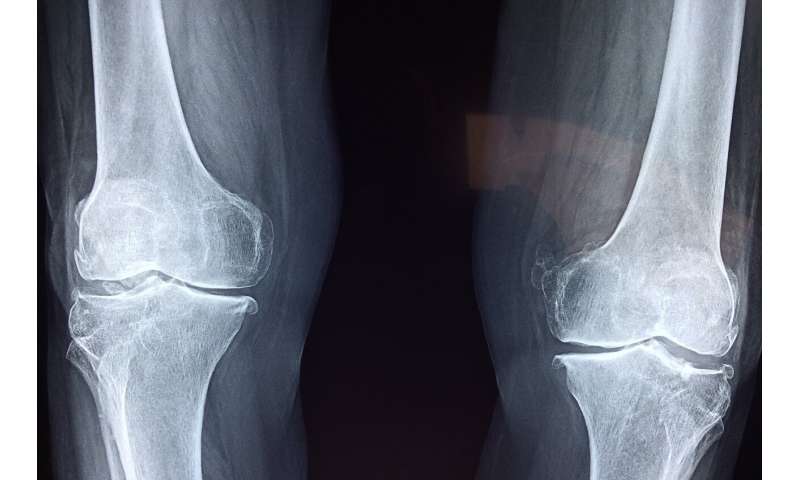
knee cartilage

Researchers at the Stanford University School of Medicine have discovered a way to regenerate, in mice and human tissue, the cushion of cartilage found in joints.

Loss of this slippery and shock-absorbing layer, called , is responsible for many cases of and arthritis, which afflicts more than 55 million Americans. Nearly one in four adult Americans suffer from arthritis, and far more are burdened by joint pain and inflammation generally.

The Stanford researchers figured out how to regrow articular cartilage by first causing slight injury to the joint tissue, then using chemical signals to steer the growth of skeletal stem cells as the injuries heal. The work was published Aug. 17 in the journal Nature Medicine.

“Cartilage has practically zero regenerative potential in adulthood, so once it’s injured or gone, what we can do for patients has been very limited,” said assistant professor of surgery Charles K.F. Chan, Ph.D. “It’s extremely gratifying to find a way to help the body regrow this important tissue.”

The work builds on previous research at Stanford that resulted in isolation of the skeletal stem cell, a self-renewing cell that is also responsible for the production of , cartilage and a special type of cell that helps blood cells develop in . The new research, like previous discoveries of mouse and human skeletal stem cells, were mostly carried out in the laboratories of Chan and professor of surgery Michael Longaker, MD.

Articular cartilage is a complex and specialized tissue that provides a slick and bouncy cushion between bones at the joints. When this cartilage is damaged by trauma, disease or simply thins with age, bones can rub directly against each other, causing pain and inflammation, which can eventually result in arthritis.

Damaged cartilage can be treated through a technique called microfracture, in which tiny holes are drilled in the surface of a joint. The microfracture technique prompts the body to create new tissue in the joint, but the new tissue is not much like cartilage.

“Microfracture results in what is called fibrocartilage, which is really more like scar tissue than natural cartilage,” said Chan. “It covers the bone and is better than nothing, but it doesn’t have the bounce and elasticity of natural cartilage, and it tends to degrade relatively quickly.”

The most recent research arose, in part, through the work of surgeon Matthew Murphy, Ph.D., a visiting researcher at Stanford who is now at the University of Manchester. “I never felt anyone really understood how microfracture really worked,” Murphy said. “I realized the only way to understand the process was to look at what stem cells are doing after microfracture.” Murphy is the lead author on the paper. Chan and Longaker are co-senior authors.

For a long time, Chan said, people assumed that adult cartilage did not regenerate after injury because the tissue did not have many skeletal stem cells that could be activated. Working in a mouse model, the team documented that microfracture did activate skeletal stem cells. Left to their own devices, however, those activated skeletal stem cells regenerated fibrocartilage in the joint.

But what if the healing process after microfracture could be steered toward development of cartilage and away from fibrocartilage? The researchers knew that as bone develops, cells must first go through a cartilage stage before turning into bone. They had the idea that they might encourage the skeletal stem cells in the joint to start along a path toward becoming bone, but stop the process at the cartilage stage.

The researchers used a powerful molecule called bone morphogenetic protein 2 (BMP2) to initiate bone formation after microfracture, but then stopped the process midway with a molecule that blocked another signaling molecule important in bone formation, called vascular endothelial growth factor (VEGF).

“What we ended up with was cartilage that is made of the same sort of cells as natural cartilage with comparable mechanical properties, unlike the fibrocartilage that we usually get,” Chan said. “It also restored mobility to osteoarthritic mice and significantly reduced their pain.”

As a proof of principle that this might also work in humans, the researchers transferred into mice that were bred to not reject the tissue, and were able to show that human skeletal stem could be steered toward bone development but stopped at the cartilage stage.

The next stage of research is to conduct similar experiments in larger animals before starting human clinical trials. Murphy points out that because of the difficulty in working with very small mouse joints, there might be some improvements to the system they could make as they move into relatively larger joints.

The first human clinical trials might be for people who have arthritis in their fingers and toes. “We might start with small joints, and if that works we would move up to larger joints like knees,” Murphy says. “Right now, one of the most common surgeries for arthritis in the fingers is to have the bone at the base of the thumb taken out. In such cases we might try this to save the joint, and if it doesn’t work we just take out the bone as we would have anyway. There’s a big potential for improvement, and the downside is that we would be back to where we were before.”

Longaker points out that one advantage of their discovery is that the main components of a potential therapy are approved as safe and effective by the FDA.

“BMP2 has already been approved for helping bone heal, and VEGF inhibitors are already used as anti-cancer therapies,” Longaker said. “This would help speed the approval of any therapy we develop.”

Joint replacement surgery has revolutionized how doctors treat arthritis and is very common: By age 80, one in 10 people will have a hip replacement and one in 20 will have a knee replaced. But such joint replacement is extremely invasive, has a limited lifespan and is performed only after arthritis hits and patients endure lasting pain. The researchers say they can envision a time when people are able to avoid getting arthritis in the first place by rejuvenating their cartilage in their joints before it is badly degraded.

“One idea is to follow a ‘Jiffy Lube’ model of cartilage replenishment,” Longaker said. “You don’t wait for damage to accumulate—you go in periodically and use this technique to boost your articular before you have a problem.”


Explore further

Little skates could hold the key to cartilage therapy in humans


More information: Matthew P. Murphy et al. Articular cartilage regeneration by activated skeletal stem cells, Nature Medicine (2020). DOI: 10.1038/s41591-020-1013-2Deshka S. Foster et al. Elucidating the fundamental fibrotic processes driving abdominal adhesion formation, Nature Communications (2020). DOI: 10.1038/s41467-020-17883-1

Journal information: Nature Medicine , Nature Communications

Atypical Symptoms of Lyme Disease: Numbness, Paresthesia and Abdominal Wall Weakness

https://danielcameronmd.com/atypical-symptoms-of-lyme-disease-numbness-paresthesias-and-abdominal-wall-weakness/

ATYPICAL SYMPTOMS OF LYME DISEASE: NUMBNESS, PARESTHESIA AND ABDOMINAL WALL WEAKNESS

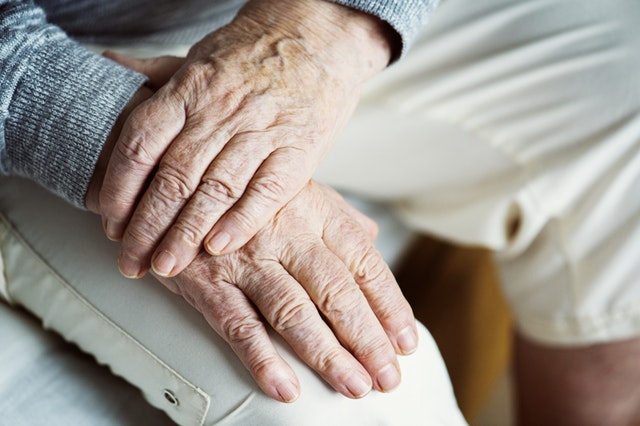
hands, elderly

Doctors are beginning to consider Lyme disease as a possible diagnosis in patients who present with unusual symptoms. This case study, published in the New England Journal of Medicine, features a patient with unique manifestations of Lyme disease. Physicians presented the case at neurology grand rounds at Massachusetts General Hospital. [1]

“A 58-year-old woman was seen in the outpatient neurology clinic of this hospital in early autumn because of hypoesthesia [numbness], paresthesia, and weakness,” writes Reda and colleagues.

Her initial symptoms began 10 weeks prior with back pain occurring between her shoulders. But the pain resolved without intervention.

Several weeks later, numbness developed in a bandlike distribution around her trunk, writes Reda from Massachusetts General Hospital and Harvard Medical School. The following week, the numbness spread, extending to her upper abdomen.

“The patient was unable to sit up from the supine position without using her arms, and she had abdominal distention,” explains Reda.

Her symptoms progressed. Paresthesia (tingling or burning sensation) developed in the third, fourth, and fifth fingers of her left hand and the fourth and fifth fingers of her right hand.

The numbness that she was experiencing extended to the genital area, causing urinary incontinence.

The woman, who lived in a wooded area of Connecticut, reported having a “small, uniformly erythematous, painless, nonpruritic rash that was consistent with the hallmark skin lesion of early Lyme disease, erythema migrans,” the authors explain.

She believed the rash, which occurred three months prior to her admittance to the hospital, was caused by an insect bite. It resolved without treatment.

Her medical history also showed hypertension, hypothyroidism, and left tibial and fibular fractures resulting from a fall, along with L4 – L5 decompression and bilateral medial facetectomy.

She also presented with diabetes with a blood glucose level of 291 mg per deciliter and a glycated hemoglobin level of 11.8% (normal less than 5.7).

There were no other identifiable causes for her symptoms, despite having an extensive evaluation.

“Her recent rash and associated risk factors for Lyme disease made Lyme radiculopathy our leading diagnosis,” the authors write.

A Lyme disease Western blot test revealed 9 out of 10 IgG bands were positive.

The woman did not need a spinal tap to confirm her Lyme disease diagnosis because, as Reda explains, “When a patient is seropositive and has a characteristic clinical syndrome for Lyme neuroborreliosis, as in this case, CSF tests for Lyme disease are unnecessary to establish a diagnosis.”

Nevertheless, a spinal tap was performed. “Direct detection of the infectious agent with CSF PCR assays is usually not possible,” the authors explain.

“CSF PCR assays for Lyme-related Borrelia are not recommended,” they state, “and a negative assay (which was present in this case) does not influence diagnostic considerations, because sensitivity of the assay is poor.”

Final diagnosis

“On the basis of the patient’s clinical features and seroreactivity, the final diagnosis was Lyme meningoradiculitis,” writes Reda.

The patient improved with a 3-week course of intravenous ceftriaxone. Although her pain diminished over the next 4 weeks, she continued to have some residual problems.

Four months after her initial treatment began, “her sensation and strength of the abdominal wall had increased such that she could contract the rectus abdominis muscles while standing,” Reda explains. “But she continued to have difficulty sitting up from the supine position.”

“The weakness of the left foot had diminished, but she still had difficulty walking on the heel,” writes Reda.

Editor’s note: The authors did not discuss the concerns some doctors have raised regarding a persistent infection. (There is no reliable test to rule out a persistent infection.)

Related Articles:

Neurologic Lyme disease presenting as abdominal pain in 71-year-old patient

Atypical findings in Lyme disease make diagnosing difficult

Case demonstrates importance of follow-up with Lyme disease patients

References:

  1. Reda HM, Harvey HB, Venna N, Branda JA. Case 34-2018: A 58-Year-Old Woman with Paresthesia and Weakness of the Left Foot and Abdominal Wall. N Engl J Med. 2018;379(19):1862-1868.

___________________


**Comment**

In my experience, numbness, tingling, and burning are pretty common.

At least this research is honest in reporting that this woman continued to have symptoms.  It doesn’t appear like they did anything about that due to the accepted narrative that Lyme is not a chronic infection.  This is a perfect example of how research studies are not long enough to truly followup with patients over time. There also is very little on the effectiveness of extended therapy – but living examples all around who defy the research bias.