Archive for the ‘Psychological Aspects’ Category

Matcha Tea Decreases Anxiety by Activating Dopamine & Seratonin Receptors

https://todayspractitioner.com/mind-body-medicine/matcha-tea-decreases-anxiety-by-activating-dopamine-and-seratonin-receptors

iu-30

Matcha Tea Decreases Anxiety by Activating Dopamine and Seratonin Receptors

See link to learn how Japanese researchers from Kumamoto University have shown that anxious behavior in mice is reduced after consuming Matcha powder or Matcha extract.

For more:  https://articles.mercola.com/teas/matcha-green-tea.aspx


Mast Cell Activation Syndrome: An Alert To Psychiatrists

https://www.psychologytoday.com/us/blog/holistic-psychiatry/201907/mast-cell-activation-syndrome-alert-psychiatrists

Mast Cell Activation Syndrome: An Alert to Psychiatrists

Mast Cell Activation Syndrome can present as depression, anxiety, or brain fog

Posted Jul 23, 2019

Many patients who call requesting an initial psychiatric consultation are suffering from a common condition known as mast cell activation syndrome (MCAS). MCAS can present with extremely diverse fluctuating symptoms. Brain fog, anxiety, depression, and insomnia are among the most common symptoms. It is truly unfortunate that MCAS is not on the radar of most psychiatrists.

When a patient reports massive bloating accompanied by a 15-pound weight gain in a week, or that they can only eat a very restricted dietbecause they have instant horrible reactions to foods, or are experiencing weird neurological symptoms, or that they have become ultra-sensitive to a wide variety of stimuli, I immediately wonder if MCAS is at play. For some patients, the recognition and treatment of this condition have made a big difference in terms of quick symptom relief.

Neil Nathan, MD has written an excellent chapter in his new book titled Toxic about MCAS. (pages 99-114).

 Neil Nathan MD
“Toxic” Neil Nathan MD
Source: Neil Nathan MD
Symptoms Dr. Nathan lists that can be attributed to MCAS include:
  • Intense anxiety and depression
  • Severe pain that can localize to joints, muscles, tendons and/or bones
  • Unusual neurological symptoms like numbness and tingling in different parts of the body, paralysis, and pseudoseizures
  • Headaches
  • Ringing in the ears
  • Sensitivity to a wide array of stimuli, such as light, touch, sound, smells, foods, chemicals, and electromagnetic frequencies (EMF)
  • Sore throat
  • Swollen lymph glands
  • Indigestion, including diarrhea, constipation, bloating, gas and heartburn
  • Chronic debilitating fatigue
  • Insomnia
  • Cognitive difficulties, including brain fog and decreased focus, memoryand concentration
  • Pelvic pain
  • Interstitial cystitis (painful inflammation of the bladder)
  • Shortness of breath
  • Air hunger ( a feeling of being unable to take a deep breath)
  • Skin rashes
  • Difficulties with equilibrium and balance

When patients consult their primary care doctor with many seemingly random dramatic complaints affecting unrelated organ symptoms, which often feature prominent psychiatric symptoms, they are often thought to be suffering from a psychosomatic condition and told “its all in your head.” They may be sent home with a prescription for an antidepressant or anti-anxiety medication, which not only is experienced as invalidating but does not address the root cause of their symptoms.

Identifying MCAS as the source of symptoms has important treatment implications and can speed recovery.

Mast cells are white blood cells that are part of the immune system and function as a bridge between the immune and the nervous system, acting to coordinate the two. Their primary function is to defend against toxins and infectious agents.

Mast cells can be found in all tissues of the body, but the highest concentrations are located in those parts of the body that interface with the outside world and are thus exposed to infections and toxins. These include the sinuses, throat, gastrointestinal tract, respiratory tract, skin, and genitourinary tract.

Mast cells are filled with vesicles called granules that contain more than 200 different biochemical signalers.  When a toxin or infectious agent is introduced, an individual with a well-functioning immune system will mobilize their mast cells to orchestrate an appropriately measured response. The mast cells release their biochemical mediators, most prominently histamine, serotonin and tryptase, to neutralize the danger.

If a person’s immune system has become dysregulated and hyperaroused, the mast cells can become overreactive. Instead of releasing their biochemical mediators in an appropriately self-limited way, they become disorganized and degranulate chaotically, causing the wide array of symptoms listed above.

Treatment consists of stabilizing the membranes of the mast cells so that they do not degranulate and calming down the nervous system.

For some patients, conventional over-the-counter antihistamines can be useful. Improvement may be immediate or can take up to two months. Another mast cell stabilizer is quercetin, a member of the vitamin C family. Another medication that can be helpful is the histamine-2 blocker, famotidine.

There are natural substances that can be helpful as well as prescription medications.

Some patients with MCAS benefit from a low histamine diet.  It is important to determine whether such a diet does in fact make a difference because it is not healthful to restrict diet unnecessarily.

In terms of addressing the hyperarousal of the nervous system, I often recommend Dynamic Neural Retraining System (DNRS), an intensive experiential program that integrates components of cognitive behavioral therapy, mindfulness-based cognitive restructuring, emotional restructuring therapy, neural linguistic programming, incremental training (a form of neural shaping) and behavior modification therapy to rewire neural circuits in the limbic system, which calms the hyperactive stress response.

Although treating MCAS is helpful for affording symptom relief, there is a need to address the underlying root cause in order for a patient to heal.

An exhaustive resource about MCAS is Lawrence Afrin MD’s 2016 book, Never Bet Against Occam: Mast Cell Activation Disease and the Modern Epidemic of Chronic Illness and Medical Complexity.

References

Nathan, Neil (2018) Toxic Canada Victory Belt Publishing 

Afrin, Lawrence (2015) Never Bet Against Occam: Mast Cell Activation Disease and the Modern Epidemic of Chronic Illness and Medical Complexity Sisters Media LLC

Lysander Jim, Yvonne Berry, Ming Dooley, James Ryan, Scott McMahon (2018) Diagnostic Process for Chronic Inflammatory Response Syndrome (CIRS): A Consensus Statement Internal Medicine Review Volume 4 Issue 5

________________

**Comment**

One of the most prevalent topics at the ILADS convention was MCAS involvement with Lyme/MSIDS. Many LLMD’s are seeing this trend of having both in their patients. Dealing with the MCAS helps the overall symptom picture greatly in these patients.

https://madisonarealymesupportgroup.com/2018/12/29/mcas-lyme-msids-2018-ilads-convention/

https://madisonarealymesupportgroup.com/2018/12/29/mcas-triggers-symptoms-how-to-cope/

https://madisonarealymesupportgroup.com/2019/05/08/9-proven-treatments-for-mast-cell-activation-syndrome-plus-a-surprising-new-comer/

https://madisonarealymesupportgroup.com/2018/03/13/mcas-lyme-msids/

https://madisonarealymesupportgroup.com/2018/03/26/the-agony-of-mcas/


Am I Losing My Mind, Or Is It Lyme Disease?

https://www.amenclinics.com/blog/am-i-losing-my-mind-or-is-it-lyme-disease/

Am I Losing My Mind, Or Is It Lyme Disease?

AM I LOSING MY MIND, OR IS IT LYME DISEASE?

Do you feel like you’ve got brain fog? Are you having trouble with problem-solving and decision-making? Is it getting harder for you to concentrate or pay attention? Are you struggling with memory problems? If so, you could be feeling like you’re losing your mind.

If you’re like most people, you might head to your primary care physician to complain about these issues. In some cases, you might be told it’s just part of the normal aging process, you might leave with a prescription for ADD/ADHD medication, you might get a recommendation to visit a psychiatrist, or you might be told you have Alzheimer’s disease. It’s highly unlikely, however, that you will be tested for Lyme disease.

That’s what happened to actor and singer-songwriter Kris Kristofferson. For years, he was told he was suffering from Alzheimer’s disease or some other form of dementia. His memory continued to deteriorate, and he was taking numerous medications. Eventually, the Hall of Fame singer went to Dr. Mark Filidei, an integrative medicine doctor who diagnosed Kristofferson with Lyme disease and treated him with antibiotics and hyperbaric oxygen therapy. After a few treatments, the singer reportedly told his wife, “I feel like I’m back,” and has done much better.

What is Lyme Disease?

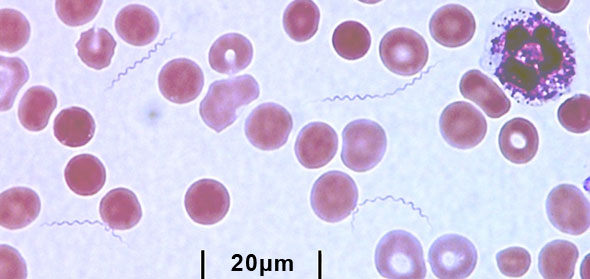
Lyme disease (Borrelia burgdorferi) is a bacterial infection that is caused when a person gets bitten by an infected black-legged tick, or deer tick as it is commonly known. However, many people with Lyme disease don’t recall being bitten by a tick and who did not get the typical “bull’s-eye” rash that is considered a telltale sign of the infection. When left untreated, the infection can cause devastating, life-changing issues.

Psychiatric Symptoms of Lyme Disease

All of the neuropsychiatric issues mentioned above are considered symptoms of Lyme disease. In fact, 70% of people with Lyme disease say they experience negative changes in memory and mental sharpness. In some people, Lyme disease can also cause paranoia, mania, obsessive compulsive tendencies, anxiety, depression, and hallucinations. But many healthcare professionals are unaware of the debilitating psychiatric effects of the disease. For this reason, many people are treated with medications that don’t help, and in many cases, produce harmful side effects that make things worse.

How is Lyme Disease Diagnosed?

Lyme disease is notoriously difficult to diagnose. When laboratory testing for the infectious disease is performed by mainstream labs using the standard “Western blot” test, it can often give a false-negative result. If your results are negative, you could still have Lyme disease. It’s important for testing to be done at specialty labs that are better trained to detect the disease.

Because lab testing is not always definitive, Lyme disease is typically diagnosed by a “Lyme Literate Medical Doctor” (LLMD) who is a member of the International Lyme and Associated Diseases Society (ILADS). These trained healthcare professionals generally take a detailed clinical history, perform a thorough physical exam, and do appropriate laboratory testing.

Brain imaging studies using SPECT can also help. Brain scans of people with infections like Lyme disease tend to show low overall blood flow and have a toxic appearance. When a brain looks toxic, it prompts a psychiatrist or other medical professional to dive deeper into what the root cause may be. It increases the chances of Lyme disease being investigated.

Hope for Lyme Disease

Just as singer Kristofferson saw an improvement in his symptoms when properly diagnosed and treated for Lyme disease, there is hope for other sufferers. With an accurate diagnosis and a personalized treatment plan, people can experience a reduction in symptoms and a greater quality of life.

At Amen Clinics, we have seen hundreds of patients with resistant complex psychiatric symptoms or cognitive problems who tested positive for Lyme disease and got significantly better when it was treated. Dr. Mark Filidei, who diagnosed Kris Kristofferson with Lyme disease, is the director of integrative medicine at Amen Clinics, where we commonly use specialty labs to help diagnose Lyme disease.

_________________

For more: https://madisonarealymesupportgroup.com/2017/01/04/aluminum-alzheimers-ld/ Within this link you can watch a brief video of Kris Kristofferson, initially diagnosed with Alzheimers but was found to be infected with Lyme disease.

https://madisonarealymesupportgroup.com/2019/08/11/the-unfortunate-connections-between-lyme-disease-mental-illness/

https://madisonarealymesupportgroup.com/2019/05/30/why-lyme-disease-is-causing-a-mental-health-crisis/

https://madisonarealymesupportgroup.com/2019/05/27/uk-woman-isolated-pumped-full-of-anti-psychotics-told-its-all-in-her-head-until-finally-diagnosed-with-lyme/

https://madisonarealymesupportgroup.com/2015/10/18/psychiatric-lymemsids/

https://madisonarealymesupportgroup.com/2017/01/17/lymemsids-and-psychiatric-illness/

https://madisonarealymesupportgroup.com/2017/07/26/can-lyme-steal-your-mind/

The Unfortunate Connections Between Lyme Disease & Mental Illness

https://pro.psychcentral.com/exhausted-woman/2019/07/the-unfortunate-connection-between-lyme-disease-and-mental-illness/

The Unfortunate Connection Between Lyme Disease and Mental Illness

Carol has been a patient of mine for over five years. We have walked through some of the most difficult times in her life as she dealt with her failing marriage and then divorce, a move, significant career changes, undiagnosed medical issues, and co-parenting teenagers.

Yet during our discussions, there was an undercurrent of, “I don’t feel right.” Her feelings were understandable given her life circumstances. But when life settled down, her complaints of pain, stress, fogginess, anxiety, and depression intensified. One medical doctor after the other ran tests with no conclusive diagnosis so she was labeled psychosomatic.

But that didn’t make sense given that fact that she was consistent in therapy, did what was asked, and had significant improvements in several areas of her life. Something else seemed to be wrong. Finally, she found a doctor who tested her for Lyme disease, and she was properly diagnosed.

What is Lyme Disease? Lyme disease is an infectious disease caused by a bacteria and spread by ticks resulting in a suppression of the immune system. It can develop into a chronic multisystemic illness affecting the nervous system causing neurologic and psychiatric symptoms. These symptoms can mimic paranoia, dementia, schizophrenia, bipolar, panic attacks, depression, eating disorders, and obsessive-compulsive behaviors.

This explained everything. It was as if all the random pieces of a puzzle were put together for Carol. The problem is that the diagnosis doesn’t solve the problem, it only identifies it. Counselors and therapists need to differentiate between atypical psychiatric disorders and those associated with having Lyme disease in order to properly treat their clients. Here are some other misconceptions about Lyme disease and mental illness.

  1. Often called psychosomatic. When a patient is improperly diagnosed or not diagnosed at all, some physicians deem their condition to be psychosomatic. This is a mischaracterization of psychosomatic disorders. Lyme pain is real, not imagined. Often, patients lose their health, livelihoods, relationship, home, and dignity in the process of getting diagnosed. This is not due to an improper coping mechanism or a cognitive manifestation of emotional stress. Never tell a Lyme patient that what they feel is not real.
  2. Neuropsychiatric symptoms are prominent. Lyme patients tend to have trouble with mood regulation, cognition, energy, sensory processing, and/or sleep. This can manifest into paranoia, hallucinations, mania, and/or obsessive-compulsive behaviors. Memory loss and concentration issues mirror other psychological disorders. This might make a patient look like they are in the early stages of dementia, have attention-deficit, or a traumatic brain injury. Sensory processing issues such as sensitivity to lights and sounds are also typical. This results in avoiding daylight, staying at home, avoiding crowned areas such as stores, parks, or restaurants.
  3. Often misdiagnosed. Lyme disease looks like other neurological conditions and sometimes is misdiagnosed as chronic fatigue or fibromyalgia. Patients experience extreme fatigue despite sleeping for 10-12 hours a night and/or napping. When they push through one day, they may need 2-3 days of taking it easy to fully recover. The misdiagnosis is frustrating for the patients because it slows down proper treatment.
  4. Lyme can resemble Alzheimer’s. Unfortunately, Lyme disease looks like the early phases of Alzheimer’s with rage, short-term memory loss, personality changes, a slower speed of thinking, difficulty remembering words or names, and impaired fine motor control such as buttoning a shirt. This misdiagnosis has devastating consequences as often Alzheimer’s patients are placed in assisted living or locked nursing homes.
  5. Anxiety and panic attacks are side effects. Having been told by doctors that what they are feeling is a figment of their imagination, Lyme patients naturally develop anxious thoughts. In addition, some of the medical treatments for Lyme can have a side effect of increased anxiety. Left unchecked, this manifests into panic attacks. Further left alone, turns into paranoid thoughts, actions, and phobias. Many become fearful of the attacks and therefore isolate from social gatherings.
  6. Brain fog looks like abuse fog. Because Lyme disease can affect the brain, patients often look like they are not thinking clearly. This mimics abuse fog which occurs when a person is being abused. Thoughts tend to be hopeless, distorted, and disorganized. Patients are unable to concentrate, to comprehend during reading, have memory issues, and poor mental clarity. Everyday tasks can become more difficult including participating in therapy.
  7. Depression is common. All chronic illnesses potentially cause major depression due to the recurrent nature of the disease. Depression can range from moderate to severe levels and occurs in approximately 60% of patients. Feelings of being moody and irritable are common. Inflammation, pain, interpersonal stressors, economic loss, and a sense of doom contribute to the severity of the depression. Typical depression remedies do not work on Lyme patients. Therapy is very helpful as are support groups with other Lyme patients.
  8. Psychological ramifications are untreated. Most therapists are not aware of the damaging effects of a long-term chronic illness like Lyme disease and as a result, fail to properly diagnose. As a result, some Lyme patients are unnecessarily hospitalized in mental facilities. This further increases the existing social isolation done by friends, family, and community which contribute to feelings of loss.
  9. Increase in suicidal and suicide. Living with Lyme disease is hard and debilitating. Friends and family rarely comprehend the magnitude of the disease resulting in a feeling of isolation. Discouragement, fear, helplessness, frustration, loss, grief, and loneliness are a result. As the disease progresses and mobility or cognitive functioning decreases, suicidal idealization increases. Some, seeing no way out, do unfortunately take their own lives.

Lyme patients often feel abandoned by the medical community, friends, and family members. It is imperative that therapists be sensitive to this and not contribute these feelings whether by accident in misdiagnosis of other mental illnesses or more intentional by not being empathetic to a person suffering from a chronic illness.

If you or someone you know is struggling, please reach out for assistance. The national suicide prevention lifeline is 800-273-8255 or www.suicidepreventionlifeline.org.

Christine Hammond, MS, LMHC

Christine is a Licensed Mental Health Counselor by the State of Florida with over fifteen years of experience in counseling, teaching and ministry.  She works primarily with exhausted women and their families in conflict situations to ensure peaceful resolutions at home and in the workplace. She has blogs, articles, and newsletters designed to assist in meeting your needs.  As author of the award winning book, The Exhausted Woman’s Handbook, Christine is a guest speaker at churches, women’s organizations, and corporations.  You can connect with her at her website Grow with Christine at www.growwithchristine.com.

_____________________-

For more: https://madisonarealymesupportgroup.com/2015/10/18/psychiatric-lymemsids/

https://madisonarealymesupportgroup.com/2019/04/07/missing-links-connect-the-dots-between-lyme-mental-health/

https://madisonarealymesupportgroup.com/2019/05/09/ilads-announces-1st-ever-conference-for-mental-health-issues-related-to-tick-borne-diseases/

https://madisonarealymesupportgroup.com/2018/08/25/neuropsychiatric-lyme-borreliosis-an-overview-with-a-focus-on-a-specialty-psychiatrists-clinical-practice/

https://madisonarealymesupportgroup.com/2018/06/04/ld-diagnosis-took-forever-because-of-mental-health-stigma/

https://madisonarealymesupportgroup.com/2017/11/01/lyme-mental-illness-dr-jane-marke/

https://madisonarealymesupportgroup.com/2017/06/20/suicide-lyme-and-associated-diseases/

https://madisonarealymesupportgroup.com/2018/12/20/diagnosing-ld-in-children-with-neuropsychiatric-illness/

Please remember, there are other pathogens that can cause neuropsychiatric issues. Recently, this came out about a young boy with schizophrenia-like symptoms who was diagnosed with Bartonella:  https://madisonarealymesupportgroup.com/2019/03/21/bartonella-sudden-onset-adolescent-schizophrenia-a-case-study/

Toxoplasmosis, found in the Ixodes ricinus tick (castor bean tick) causes many mental issues and psychiatrist E. Fuller Torry believes that 75% of schizophrenia is associated with infections, with Toxo a significant portion.  https://madisonarealymesupportgroup.com/2016/05/21/toxoplasmosis/


A Reality of Lyme Disease We Need to Talk About

https://www.yahoo.com/lifestyle/reality-lyme-disease-talk-190046483.html

A Reality of Lyme Disease We Need to Talk About

Amy T.
The Mighty
(See full article in link)
_____________________