Archive for the ‘Lyme’ Category

Lyme Pain

https://danielcameronmd.com/lyme-pain/

LYME PAIN

Lyme pain

Welcome to another selection from my book “An Expert’s Guide on Navigating Lyme disease.” The books highlights the findings of my first 600 Lyme disease Science blogs.  In this episode, I will discuss Lyme pain.

Reported pain associated with Lyme disease includes headaches, eye pain, neck pain, chest pain, abdominal pain, bladder pain, joint pain, and neuropathy. More recently, central sensitization syndrome (CSS) has been described. Pain medication may not be as effective as when used for other illnesses. Thankfully, pain often improves upon successfully treating Lyme disease.

CENTRAL SENSITIZATION SYNDROME AND LYME DISEASE.

Chronic pain, debilitating fatigue, and heightened sensory disturbances are common in Lyme disease patients. In the article “Post-Treatment Lyme Syndrome and Central Sensitization,” it is suggested that in some cases, such symptoms may be due to central sensitization syndrome (CSS) (Batheja et al., 2013). Central sensitization syndrome (CSS) involves changes in the central nervous system, particularly the brain and spinal cord. This syndrome “is thought to involve hyperactivation of central neurons, leading to various synaptic and neurotransmitter/ neuromodulator changes” (Batheja et al., 2013).

“Notably, in relation to Lyme disease, infections, in general, are known to activate central sensitization in some patients, possibly through the release of inflammatory cytokines,” Batheja points out. Read more.

LYME PRESENTING AS ABDOMINAL PAIN IN A BOY.

At age 8, a boy was hospitalized for severe abdominal pain and underwent extensive testing, but the results were negative. His abdominal pain remitted over the next two months (Savasta et al., 2020).

One year later, the boy was admitted with learning difficulties including attention deficit, difficulty speaking, irritability, and difficulty walking due to an ataxic gait.

He was diagnosed with abdominal neuroradiculopathy. Additional laboratory and radiological findings confirmed the diagnosis of late Lyme disease.

He was treated with six weeks of oral and IV antibiotics. Three months after treatment, the boy’s gait and scholastic performance had improved and entirely resolved after one year. Read more.

A WOMAN WITH A HISTORY OF LYME WITH PAIN REFRACTORY TO TREATMENT.

Lyme disease patients often suffer from ongoing illness following treatment. A study found that 31% of patients remained in significant pain for months after a three-week course of doxycycline to treat an erythema migrans rash (Bechtold et al., 2017).

Researchers describe a 31-year-old woman with Post-Treatment Lyme disease Syndrome (PTLDS) “whose pain was refractory to treatment options such as radiofrequency ablation, vitamin infusion therapy, opioid analgesics, and other pharmacotherapies.” Her pain began gradually, three years prior and a short time after being diagnosed and treated for Lyme disease. “The patient complained of diffuse body pain (6–7/10), fatigue, headache, and brain fog (7–8/10)” (Hanna et al. 2017).

The patient was prescribed off-label Ketamine for pain, reducing her pain by 71%. Read more.

BREAST CANCER PATIENT DEVELOPS LYME DISEASE.

A 61-year-old woman was diagnosed with stage II breast cancer with lymph node metastasis. She underwent a lumpectomy, followed by chemotherapy, radiation, and anti-estrogen treatment, letrozole.

One year later, the woman complained of radicular leg and back pain followed by a foot drop on one foot and right-sided facial palsy in two weeks. Moreover, she was in severe pain despite narcotics.

A spinal tap was performed due to unexplained neurologic findings. Lyme disease tests by blood and spinal fluid were positive.

She was diagnosed with Lyme disease and treated with intravenous ceftriaxone for 14 days. As a result, she became pain-free despite her history of severe pain despite narcotics. Read more.

LYME PRESENTING WITH SEVERE NEUROPATHIC PAIN.

A 36-year-old man suffered from a chronic pain syndrome associated with Post-Treatment Lyme Disease Syndrome (PTLDS) (Karri and Bruel, 2020). The doctors did not offer antibiotic treatment.

The patient described severe neuropathic pain in both feet and categorized the pain at a level 10 out of 10 despite treatment with methadone 5 mg every 4 hours as needed. The doctors assumed that the tick-borne infection had resolved, and elected not to treat it with antibiotics.

Instead, they treated the patient’s symptoms. The pain remained severe despite trials of gabapentin, duloxetine, bupropion, and narcotics. Two surgical procedures were performed, which improved the patient’s pain.

Author’s note: I might have retreated with an antibiotic. Read more.

LYME DISEASE CASE WITH SEVERE PAIN FOR 9 YEARS.

In an article published in Saudi Journal of Anaesthesia, doctors describe the case of a 23-year-old woman who suffered from severe chronic pain for 9 years due to post-treatment Lyme disease syndrome (PTLDS). Her pain intensified and became more difficult to manage after she underwent dental extractions and required hospitalization.

Out of 19 symptoms associated with Post-Treatment Lyme Disease Syndrome (PTLDS), 9 were especially significant and included fatigue, joint pain,  focusing/concentration, muscle pain, memory, finding words, sleep, neck pain, and irritability. The remaining symptoms were paresthesias (tingling sensations), low back pain, headache, photophobia, dizziness, visual clarity, chills, coordination, sweats, fasciculations (muscle twitches), breathing difficulties, urination changes, and nausea (Rebman et al., 2017).

Two participants met the criteria for postural orthostatic tachycardia syndrome (POTS). Results from the physical exam and laboratory testing of our sample of patients with PTLDS did not show a pattern of significant objective abnormalities.” However, “the most notable exception was the higher rate of diminished vibratory sensation on physical exam among participants with PTLDS. Read more.

LYME DISEASE PAIN AFTER DENTAL SURGERY.

Despite an uneventful extraction of four molars, a woman complained of severe widespread pain. Her pain medication list was extensive. The woman’s oral pain was minor, while her main issue was overall body pain (Lim and Kinjo Lim 2018).

Although the physicians used a multimodal pain regimen during surgery, they could not prevent her Lyme disease symptoms from recurring after surgery. Finally, the patient’s pain became so severe that she was transferred to the Intensive Care Unit (ICU). “A multimodal pain regimen was used for two days that include ketamine infusion, acetaminophen, ketorolac, oxycodone, and hydromorphone” (Lim and Kinjo Lim 2018).

Author’s note: It would be reasonable to revisit the woman’s PTLDS clinical history to determine whether she was adequately treated for her infection. Read more.

COMPLEX REGIONAL PAIN SYNDROME (CPRS) FROM LYME.

A review from Raigmore Hospital in the UK discussed autonomic dysfunction due to infectious diseases. “Complex regional pain syndromes [CRPS] and reflex sympathetic dystrophy (RSD) with regional sympathetic hyperactivity have also been reported in some patients with Lyme disease” (Artal 2017). CRPS is characterized by considerable pain (allodynia, hyperalgesia), edema, trophic changes of the skin and muscles, and sudomotor disorders.

Artal discussed a case first described by Sibanc et al. (2002). A 46-year-old man reported increasing pain and swelling in his left foot. The pain eventually caused his leg to become dysfunctional. “Even the slightest contact with the skin of the affected area caused the patient unbearable pain” (Sibanc and Lesnicar, 2002). The man improved after four weeks of intravenous ceftriaxone. Read more.

FATIGUE AND COGNITION FROM CENTRAL SENSITIZATION SYNDROME?

Fatigue and cognitive impairments are prominent features of central sensitization syndrome. Patients with Post-treatment Lyme disease Syndrome or chronic Lyme disease often have persistent insomnia and fatigue. While fatigue can have a central or peripheral origin, “central fatigue often has the significant correlate of cognitive impairment” (Batheja et al., 2013).

Studies of patients with Post-treatment Lyme disease Syndrome “have shown that problems with memory, working memory, processing speed, and verbal fluency are common” (Batheja et al., 2013).

Central sensitization syndrome has been described in several illnesses characterized by fatigue with similar presentations to Lyme disease, including fibromyalgia and chronic fatigue syndrome (Batheja et al., 2013). Read more.

For more:

Borrelia Antibodies Found in Patients With Coronary Heart Disease & Case Report on Lyme Presenting as Complete Heart Block

https://danielcameronmd.com/borrelia-antibodies-found-in-patients-with-coronary-heart-disease/

BORRELIA ANTIBODIES FOUND IN PATIENTS WITH CORONARY HEART DISEASE

borrelia-antibodies-coronary-heart-disease

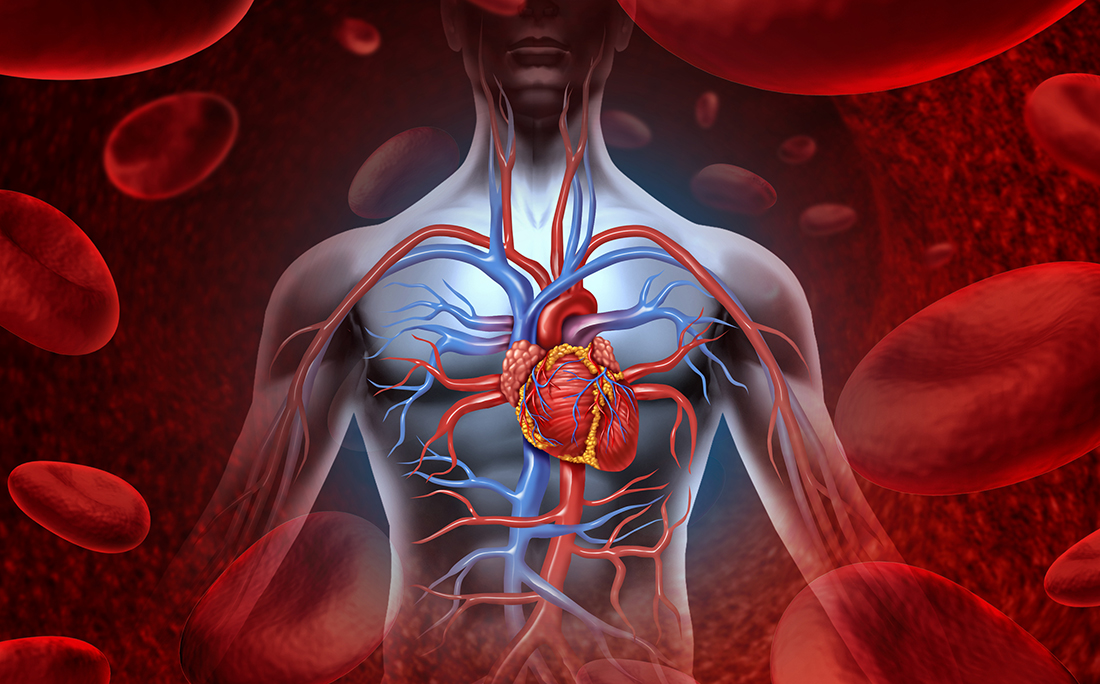
Borrelia burgdorferi, the causative agent of Lyme disease, can be associated with cardiovascular complications. This is known as Lyme carditis, and occurs when the spirochete bacteria penetrate the heart tissue. The infection can lead to heart block and other complications, as it disrupts the heart’s electrical signals.

How many patients who underwent surgery for coronary heart disease (CHD) had evidence of a prior infection with Borrelia burgdorferi (the bacterium which causes Lyme disease)?

A study by Pietruszka and colleagues, “Serologic Status of Borrelia burgdorferi sensu lato in Patients with Cardiovascular Changes,” sought to answer that question.¹ The authors examined the level of anti-Borrelia burgdorferi IgG antibodies in the blood serum of patients with advanced coronary heart disease.

The study participants included 70 patients – 22 women and 48 men – between the ages 50-82, who required surgery for coronary artery disease. An ELISA test for Lyme disease was positive in 34% of these patients and ‘borderline’ in 17% of patients.

The study found, “more than a third of the patients had elevated IgG levels against Borrelia as detected by a screening test, indicating previous contact with spirochetes,” the authors wrote.

These individuals were asked whether they had noticed a tick bite during their lifetime and if they ever exhibited typical Lyme disease symptoms.

Borrelia burgdorferi, the causative agent of Lyme disease, can be associated with cardiovascular complications.

More than half (57%) had recalled a tick bite but had not been diagnosed or treated for Lyme disease. The majority (85%) did not notice an erythema migrans rash.

“We found a link between antibody levels and tick bites but not with other risk factors for the development of CHD,” the authors wrote.

“These findings support the idea that, as one of many factors, the contact with spirochetal antigens may indicate a potential positive correlation with the formation of cardiovascular changes,” they added.

“… infectious agents such as Borrelia burgdorferi sensu lato spirochetes, which cause Lyme disease, may also play a role in the development of cardiovascular disease.”

Cardiac complications due to Lyme disease typically occur a few weeks to a few months after infection, the authors point out. Symptoms include loss of consciousness, dizziness, palpitations, chest pain, and shortness of breath.

“The most common symptoms are conduction disorders (which manifest as various degrees of heart block), atrial fibrillation (AFib), and tachycardia,” the authors wrote.

Additionally, an infection with B. burgdorferi may “lead to changes in arteries, and CAD as a result,” the authors point out. Astherosclerosis, an inflammatory condition, is associated with a build-up of plaque in the arteries.

Plaques have been found to include a variety of bacteria. One study concluded “that exposure to infectious pathogens such as spirochetes increases the risk of atherosclerosis in tick-endemic areas.”

References:
  1. Pietruszka K, Reagan F, Stążka J, Kozioł MM. Serologic Status of Borrelia burgdorferi sensu lato in Patients with Cardiovascular Changes. International Journal of Environmental Research and Public Health. 2023; 20(3):2239. https://doi.org/10.3390/ijerph20032239

__________________

https://www.sciencedirect.com/science/article/pii/S2214250923001233?via%3Dihub

Lyme disease presenting as complete heart block in a young man: Case report and review of pathogenesis

https://doi.org/10.1016/j.idcr.2023.e01799Get rights and content
Under a Creative Commons license
open access

Abstract

Lyme carditis is a serious complication of Lyme disease, the most common vector-borne infection in both the United States and Northern Europe. It is a rare manifestation of Lyme disease that primarily affects young adults with a marked 3:1 male-to-female predominance. The presentation of Lyme carditis is heterogenous and often non-specific, although the most common clinical manifestation is AV block, which can be acute in onset and can rapidly progress to complete heart block. We discuss the case of a young adult male with complete heart block as a complication of Lyme infection, presenting with two episodes of syncope without prodromal symptoms months after tick bites. There are several pathogen, host and environmental factors that can play an important role in the epidemiology and pathogenesis of this serious condition that is reversible if treated in a timely manner. It is important for clinicians to be familiar with the presentation and treatment of this infection that is now being observed in a wider geographic distribution so as to avoid serious long-term complications and unnecessary permanent pacemaking implantation.

________________

**Comment**

The ‘powers that be’ continue to state that these manifestations are ‘rare’ when testing, which has a sordid history, misses over 70% of all cases, leaving a majority of patients undiagnosed and untreated.

For more:

Seroprevalence of Borrelia burgdorferi sensu lato & Anaplasma phagocytophilum Infections in German Horses

https://www.mdpi.com/2076-2615/13/12/1984

Seroprevalence of Borrelia burgdorferi sensu lato and Anaplasma phagocytophilum Infections in German Horses

Received: 15 April 2023 / Revised: 30 May 2023 / Accepted: 10 June 2023 / Published: 14 June 2023

Abstract

There are limited data on Lyme borreliosis (LB), a tick-borne disease caused by the Borrelia burgdorferi sensu lato complex, in horses. Seropositivity is not necessarily associated with clinical disease. Data on seropositivity against Borrelia burgdorferi and Anaplasma phagocytophilum in German horses are sparse. Therefore, serum samples from horses (n = 123) suspected of having Lyme borreliosis and clinically healthy horses (n = 113) from the same stables were tested for specific antibodies against Borrelia burgdorferi sensu lato and Anaplasma phagocytophilum. The samples were screened for antibodies against Borrelia burgdorferi (ELISA and an IgG line immunoblot assay). Furthermore, the samples were examined for antibodies against B. burgdorferi and Anaplasma phagocytophilum with a validated rapid in-house test (SNAP® 4Dx Plus® ELISA).
The clinical signs of suspect horses included lameness (n = 36), poor performance (n = 19), and apathy (n = 12).
Twenty-three percent (n = 26) of suspect horses and 17% (n = 18) of clinically healthy horses were seropositive for having a Borrelia burgdorferi sensu lato infection (p = 0.371), showing that the detection of specific antibodies against B. burgdorferi alone is not sufficient for a diagnosis of equine LB. Anaplasma phagocytophilum seropositivity and seropositivity against both pathogens was 20%/6% in suspect horses and 16%/2% in the clinically healthy population, showing only minor differences (p = 0.108). Unspecific testing for antibodies against B. burgdorferi without clinical suspicion of Lyme borreliosis is not recommended since the clinical relevance of seropositivity against Borrelia burgdorferi sensu lato remains to be elucidated.
________________

Is SOT For Lyme & Tick-borne Infections a Scam?

https://www.treatlyme.net/guide/sot-lyme-treatment

Is SOT for Lyme & Tick-borne Infections a Scam?

SOT for Lyme Image from Marty Ross MD
By Dr. Marty Ross

Updated: 9/19/23

This update includes a review of research published by the manufacturer of Lyme SOT in late 2022. Based on my review of this new science, I have retitled this article: Is SOT for Lyme & Tick-borne Infections a Scam?

Probability of Health Improvement

  • My clinical experience: not enough experience to say
  • MyLymeData: no research conducted
  • RGCC Funded Research: biased study with inadequate data
  • Placebo effect benefit of any prescription medicine: 30-40 percent

For more information about the best research-supported germ killing approaches to recover from Lyme disease see What Works? Navigating Prescription & Alternative Medicine Lyme Treatments.

Supportive Oligonucleotide Therapy Background

Supportive Oligonucleotide Therapy (SOT) is a new treatment for Lyme disease. SOT is also called Antisense Oligonucleotide Therapy (ASOT), which is the term used in medical research papers. SOT uses laboratory-derived nucleic acids (genetic code) that blocks production of disease-causing proteins or even gene expression. These pieces of genetic code are called oligonucleotides. You can think of oligonucleotides as a genetic message.

For example, in Duchenne muscular dystrophy (DMD), SOT provides oligonucleotides to direct the correct production of a protein called dystrophin. People with muscular dystrophy are born with DNA that provides the wrong genetic message for dystrophin. SOT correction to the DNA message leads to production of dystrophin. This prevents the muscle damage seen in DMD.

In Lyme disease, a currently available type of SOT produced by RGCC in Greece uses oligonucleotides to stop germ growth and replication. Unlike the SOT therapy for DMD, the Lyme SOT is not an FDA-approved drug. To be approved by the FDA, a therapy must have scientific evidence of safety and effectiveness.

As I explain below, SOT does not alter DNA. Instead, it provides a short-term change to how the DNA blueprint is expressed.  (See link for article)

For more:

A Personal Journey of Healing Body, Mind, and Spirit

https://www.lymedisease.org/erin-leopold-personal-journey/

A personal journey of healing body, mind, and spirit

By Erin Leopold

Aug. 23, 2023

I am listening, but it’s as if I am under water and everything they are saying is garbled and unclear. All I can think is, how do I have Lyme disease when I am sure I was tested several different times? Is this what I suffered with since I first got sick at age 17?

Despair and hopelessness flood my veins. Anger at how this wasn’t caught storms my mind. I am furious at all these doctors over the years who made me feel like I was crazy and that it’s all in my head! All the looks and comments from them implying I needed to see a shrink. NO! I trusted doctors to know what they were doing and help me but instead I faced continual dismissal like I was some hypochondriac. I am mad, and I’m not alone.

My name is Erin Leopold, and the above is an excerpt from my recently released memoir entitled Finding My Second Wind. My story begins as a 17-year-old high school junior making good grades, enjoying life with family and friends, and playing high-level soccer. I was the picture of health and resembled the All-American girl.

Suddenly, my life changed for the worse when I became extremely ill from an otherwise common childhood virus. It wasn’t long before life as I knew it came to a screeching halt as physical debilitation set in. I was also overcome with fear and anxiety.

Finding the root cause

Lyme disease and co-infections played a significant role in my life for 32 years, proving to be at the root of my 20+ medical diagnoses. I had SO many symptoms throughout these exhausting years: GI issues including numerous food allergies/intolerances; musculoskeletal pain including degenerative discs/stenosis/sciatica (led to two surgeries); severe outdoor allergies leading to chronic sinus infections; dizziness; brain fog; profuse sweating; weakness/neuropathy; anxiety; depression; confusion; burning and numbness in my extremities; migraines; insomnia; adrenal fatigue; and hormonal imbalances.

I used a balanced approach to treatment, leaning more towards functional/integrative medicine because allopathic medicine sought to treat symptoms only, and I desired a more holistic approach addressing root causes. I became my greatest advocate by voraciously studying all things nutrition and lifestyle changes. I did everything from taking an abundance of supplements and herbs to massage therapy, chiropractic care, infrared saunas, acupuncture, dry needling, active release/myofascial release, reiki, electromagnet shields/mattresses/shoe inserts, and detox baths. You name it and I probably did it.

Now, I am 54 and have been married for 30 years. I am a mom to three adult children and two fur babies. I love nature and the outdoors and have spent most of my life leading and teaching people through fitness and health.

Healing, finally

Like many of you reading this, I’ve gone through many ups and downs, victories and defeats. Yet things finally came together for me.

After years of treatments,  I began working to heal my soul and learned a lot about neuroplasticity and how the mind works. Dots started connecting. My faith is the cornerstone to that success as I began studying and meditating on the Word of God along with doing other reading/learning/therapies including transformational prayer, EMDR, DNRS, and works by top doctors in the neuroscience/brain field. It’s like one day I woke up and breakthroughs came!

Finding My Second Wind chronicles my personal journey of healing the spirit, soul, and body. If you find yourself running on a similar, unplanned road, I hope my story will equip you with useful tools and motivate you to never give up.

Erin Leopold lives in South Carolina. Click here for more information about her book.

For more:

I could literally go onto infinity with these stories.  Unfortunately, while they help the public understand things better, they don’t appear to make one iota of difference in the medical field or in research.  Forty years have passed with little to no progress.  Patients are still mis or undiagnosed, untreated, suffer horrifically, and get ZERO help in mainstream medicine or most research.  Again, your best help will come from the maligned Lyme literate doctors who are continually persecuted by state medical boards.