Final meeting of Working Group is Dec. 2; submit comments by Nov. 23
The Eighteenth Meeting of the Tick-Borne Disease Working Group(TBDWG) will be held on December 2, from 9:00 a.m. to 5:00 p.m., ET. This is an online meeting and is open to the public.
During this meeting, the TBDWG will finalize and vote on the 2020 report to the HHS Secretary and Congress. The agenda will be available on the website prior to the meeting.
Providing Verbal or Written Public Comment
Written comments and requests to make verbal comments must be received by midnight, ET Monday, November 23.
For instructions on how to submit a comment, please go to the Tick-Borne Disease Working Group website. Be sure to read all of the instructions that relate to your comment.
Understanding Borrelia: Symptoms, Testing & Treatment for the Primary Lyme Bacteria
by Dr. Bill Rawls Posted 11/25/2020
In 1975, a mysterious illness causing arthritis in children showed up in Lyme, Connecticut and adjacent communities in the United States. It might have flown under the radar if not for one significant detail: A cluster of people (39 children and 12 adults), all bitten by ticks, also suddenly became ill simultaneously. Incidentally, it was at a time when more and more people were moving out of cities and into the suburbs to build homes in the tick-filled wooded countryside.
The illness, characterized by arthritis and an unusual rash around the tick bite, was first thought to originate from a viral agent. The real offender wouldn’t enter the spotlight until 1981, when a researcher named Dr. Willy Burgdorfer noticed that the symptoms of this new illness had striking similarities to a tick-borne condition long recognized in Europe called erythema migrans (EM), named for the associated rash migrating from a tick bite. Dr. Burgdorfer and his colleagues isolated the microbial culprit, a corkscrew-like organism (called a spirochete), from the blood of the victims, and a new pathogen rose to the forefront.
The microbe was named Borrelia burgdorferi (after Dr. Burgdorfer), and the illness was aptly termed Lyme disease after its place of origin. Once people became aware of the new microbe and the illness it caused, cases started popping up all over New England and beyond. Lyme disease seemed to be the newest plague.
In actuality, however, for more than 100 years, physicians in both North America and Europe had long-recorded illness associated with a migrating rash surrounding tick bites. But because they lacked a Lyme disease vaccine and effective treatment options, and because the illness was debilitating but not life-threatening, tick-borne diseases never garnered much attention.
Unfortunately, not much has changed since then in the medical community. Though Lyme is the most common vector-borne disease in the U.S., it’s still difficult to define and difficult to treat. It’s rarely life-threatening, though. Thus, many doctors today turn a blind eye to it. At the heart of this dilemma is a fundamental lack of understanding of the true nature of Borrelia burgdorferi.
What has changed, however, is public awareness. Many people not only know about Lyme disease, but there is more public interest in it than ever before. This is largely due to vigorous advocacy efforts of patients, organizations, and celebrities openly sharing their stories about navigating the illness.
Borrelia burgdorferi is a stealth microbe that insidiously makes people chronically miserable, often for a lifetime. People no longer accept that they have to live with a chronic debilitating illness — rightfully, they want solutions.
Here, we’ll take a closer look at this covert pathogen, the symptoms of Lyme disease, testing and diagnoses, and solutions for overcoming it and restoring your health.
Symptoms Associated with Borrelia
Lyme disease symptoms will differ from one person to another. Some people may hardly experience any symptoms, while others become severely ill or have persistent, debilitating symptoms.
Despite the politicized and controversial nature of Lyme, there is one thing nearly everyone can agree on: The earlier you catch the illness, the better the chances for a successful outcome. If it goes untreated due to such factors as misdiagnosis or delayed diagnosis, you could be in for an uphill battle to regain your health.
Acute (Early-Stage) Lyme Disease
Symptoms of Acute Lyme Disease
One of the most well-known of the early signs and symptoms of Lyme disease is the classic “bull’s-eye” rash (erythema migrans) that appears several days, or sometimes weeks, after getting a tick bite. For the bull’s-eye rash, redness extends outward from the tick bite with an outer, more prominent red ring.
Although the bull’s-eye rash has long been considered definitive proof of Lyme disease and more accurate than laboratory blood tests, even the rash may not be absolute. Only half to a third of people with Lyme disease will get a classic-looking rash, and only 10% of reported bull’s-eye rashes are associated with the presence of borrelia in the blood.
Cardiac symptoms such as chest pain, shortness of breath, and feeling faint, which can be indicative of Lyme carditis, a serious heart manifestation of the disease
Note: A high fever and swollen lymph nodes generally indicate a coinfection with another microbe is present as well.
Having a history of tick bites, along with the bull’s-eye rash and other Lyme disease symptoms, is the most reliable way to diagnose infection with borrelia. If it looks like a duck and walks like a duck, it probably is a duck. However, even this type of diagnosis is far from absolute.
Chronic (Late-Stage) Lyme Disease
Chronic Lyme disease is rarely fatal, but it can make you miserable for a lifetime. Typically, people with chronic Lyme disease look normal on the outside. Routine screening labs at the doctor’s office often come back as normal, which can be extremely frustrating for patients because they are often discounted as not being ill.
Inside, however, deep in tissues, a chronic war is going on between a hidden microbe (or microbes) and the person’s immune system. This results in a broad spectrum of seemingly unrelated symptoms.
Symptoms of Chronic Lyme Disease
When Lyme disease becomes late-stage, persistent, or chronic, a different set of symptoms may emerge from the initial onset of the infection. These symptoms can include:
The severity of a person’s symptoms is highly dependent on the person’s genetic makeup and the strength of their immune system. In symptomatic chronic Lyme disease, the immune system and the microbes reach a standoff. If the balance is tipped more in favor of the immune system, symptoms are less. If the balance is tipped more in favor of the microbe, symptoms will be greater.
Disease progresses, not because the microbe is winning, but because the chronic tug-of-war between the immune system and microbes accelerates the aging process. Tissues break down faster, and the individual becomes more susceptible to other chronic diseases. People who have had chronic Lyme disease for a long time have more difficulty overcoming it because there is more accumulated damage that must be reversed.
Coinfections with other microbes like bartonella, babesia, mycoplasma, and different strains of borrelia can also complicate the picture of chronic Lyme disease.
Diagnosing Borrelia
Developing tests to detect and diagnose Borrelia burgdorferi is a real challenge for a number of reasons that have to do with the qualities of the bacteria itself. Borrelia burgdorferi:
Hides deep in tissues, making the stealth pathogen difficult to diagnose
Can live inside cells (intracellular)
Has elaborate ways of tricking the immune system
Changes its genetic signature readily
Doesn’t require high concentrations of microbes to cause illness
In the United States, mainstream Lyme testing is specific for Borrelia burgdorferi, but there are approximately 21 other species of borrelia that fall within the category of Lyme disease, as reported in the journal Healthcare (Basel). In Europe, two different species of borrelia — Borrelia afzelii and Borrelia garinii — are more common than Borrelia burgdorferi as a cause of Lyme disease.
Because of the mobility of people, different borrelia species are circulating around the world. This contributes another layer of difficulty to accurate diagnosis. It is becoming evident that other species are much more common than once thought.
Signs and Labs
Bull’s-Eye Rash (Erythema Migrans)
The classic bull’s-eye rash is signified by redness extending outward from the tick bite site with an outer, more prominent red ring. Symptoms of Lyme disease associated with a history of tick bite and bull’s-eye rash are the most reliable way to diagnose infection with borrelia, but even that is far from being absolute.
There are likely other types of microbes that can cause a bull’s-eye rash. And remember that more than half of people with Lyme disease won’t have a classic presentation of a bull’s-eye rash, and only one in 10 bull’s-eye rashes are associated with the presence of borrelia in the blood.
Blood/Tissue Culture
The most definitive test for proving the presence of a microbe is growing it in a lab from a tissue or blood sample. Because borrelia exists in such low concentrations in blood and tissues, and because borrelia is so difficult to grow under artificial conditions, cultures are generally not useful for diagnosing Lyme disease.
EIA tests (ELISA and ELFA)
This tests the host’s blood for antibodies produced against borrelia. The Centers for Disease Control (CDC) defines this test as an important screening test for Lyme disease. But in clinical practice, most healthcare providers who treat Lyme disease find that this Lyme disease test has poor predictive value and limited usefulness. It has no value for diagnosing persistent or chronic Lyme.
PCR for B. burgdorferi
Short for polymerase chain reaction, PCR tests directly for borrelia DNA in the host’s blood, tissues, or urine. Historically, PCR has had limited accuracy, but improvements in the technique are positioning PCR for microbial DNA as the future of testing. At some point, it may be possible to define a person’s entire microbiome.
For now, testing is available for the most common species of borrelia and many common species of coinfections with other stealth microbes. Testing is most accurate during acute infection and much less precise during chronic infection.
Many companies are offering microbial DNA testing, but a few are leading the charge. One, DNA Connexions, tests DNA in either blood or urine specimens for Borrelia burgdorferi and 10 of the most common coinfections. Testing kits are available online for $650.
Western Blot
The Western blot for Borrelia burgdorferi relies on the production of antibodies by the host’s immune system for different parts (antigens) of the bacteria. Antibody production may not kick in for several days to weeks after an infection has been acquired, and it’s dependent on the host’s ability to mount an immune response.
The Western blot test may provide a more accurate diagnosis of Lyme disease than most other available tests, but testing is more valuable for the late acute stage than with chronic illness. In addition, the test is oriented toward a diagnosis of Borrelia burgdorferi — not other species of borrelia that may cause Lyme disease.
Because borrelia shares antigens with other bacteria, multiple positive antibodies (called bands) are required for a true positive test. The Western blot is performed for both IgM and IgG antibiotics in an effort to separate acute from chronic illness.
IgM Antibody Response
IgM antibodies show acute Lyme disease. Testing can be positive as early as one week after infection and remains positive for six to eight weeks after initial exposure. CDC guidelines require two positive bands out of three (bands 23-25, 39, 41). But IGeneX labs add three extra bands (31, 38, 83-93), making it a more sensitive test. Note that bands 31 and 38 were removed from the CDC criteria during the development of an unsuccessful vaccine and were never replaced.
IgG Antibody Response
The IgG antibody becomes present a few months after initial infection. IgG antibodies are more indicative of chronic disease. CDC guidelines require five positive bands out of 10 (18, 23-25, 28, 30, 39, 41, 45, 58, 66, 83-93). However, the IGeneX criteria is two bands out of those same six. Note: Band 41 is specific for the flagella (tail) of spirochetes, but it is not absolutely specific for borrelia.
False Test Results
Acute viral infections can cause false-positive results. Recent data reported from IGeneX shows that some Lyme patients may have only restricted IgM response to Borrelia burgdorferi. Because Lyme patients have different immune systems, only approximately 70% of those with Lyme disease will generate a positive Western blot. Patients who test positive for rheumatoid factor or Epstein-Barr virus may have false-negative tests.
IGeneX Western Blot is around $125. IGeneX is now offering PCR testing for Borrelia miyamotoi (associated with relapsing fever) for between $265 and $295, as well as immunofluorescence testing (FISH) for bartonella, babesia, anaplasma, ehrlichia, and rickettsia.
Aperiomics
Aperiomics testing uses metagenomic sequencing with blood samples, tissue swabs (oral and nasal), urine specimens, or fecal samples to identify every known bacteria, virus, fungus, and parasite — their database alone contains more than 37,000 microorganisms.
Aperiomics tests for both Lyme disease and coinfections, but it will likely come with a hefty price tag. Since stealth microbes often hide in various tissues throughout the body, the company recommends testing kits that collect blood, swab, urine, and fecal samples, which can cost upwards of a few thousand dollars.
Remember that no test is entirely definitive, and the results might not change the trajectory of your treatment. Before you splurge on costly testing, talk with your healthcare provider about how new information can be used to advance your recovery.
ArminLabs
Developed by Armin Schwarzbach, MD, PhD, ArminLabs offers Lyme testing for several species of borrelia. The tests measure such markers as T-cell function (Elispot), B-cell function (IgA, IgM, and IgG antibodies), and natural killer cells (CD57 and CD56). Additionally, they offer testing for several coinfections, viruses, parasites, and fungi. A typical panel of tests could cost several hundreds of dollars.
Direct Tick Testing
If you kept the tick that bit you, it is possible to have the tick checked for certain microbes. Though not a medical diagnostic tool, tick testing helps to identify whether or not the tick is infected with Borrelia burgdorferi. Some companies test for other borrelia species and coinfections, but no test covers all possible tick-borne disease.
Testing from TickReport ranges from $50 for a basic panel of borrelia species to $200 for a more comprehensive panel for borrelia species and coinfections.
Also, IGenex and ArminLabs have tick-test kits, which look for pathogens like borrelia, tick-borne relapsing fever (TBRF), babesia, anaplasma, ehrlichia, bartonella, and rickettsia.
Finally, local or state agencies, such as universities, may offer tick testing at little to no cost as part of research and data collection projects. But availability often depends on funding and differs from state to state.
Conventional Medical Solutions
In the acute stage of Lyme disease, antibiotics are the appropriate standard of care. During the first two weeks after a tick bite, there is an opportunity to reduce the concentration of microbes within the host using conventional antibiotics before the microbes disseminate deeper into tissues.
Healthcare professionals routinely recommend 100 mg of doxycycline taken twice daily for 2 to 3 weeks. Metronidazole (500 mg) or tinidazole (500 mg) taken twice daily can be added to cover borrelia in a cyst form (borrelia bacteria that coats itself with a protein as a protective measure against antibiotic therapy) or for a wider range of possible coinfections.
Some providers prescribe clindamycin as an oral antibiotic treatment, which has a high association with overgrowth of Clostridium difficile in the gut (a pathogen that causes bloody diarrhea). Clindamycin should only be used topically or intravenously.
Because 10% to 20% of people treated for acute Lyme disease will continue to have lingering symptoms, some healthcare providers may consider turning to a combination drug regimen like that mentioned in the journal Discovery Medicine. For example, the research indicates an antibiotic cocktail of daptomycin, doxycycline, and ceftriaxone was able to eradicate borrelia in mice. While the study is certainly encouraging for improved treatment outcomes, human clinical trials are still needed to determine the safety and efficacy of the three-drug cocktail.
It’s unlikely antibiotic therapy will ever eliminate all of the microbes; it just helps to give the immune system the upper hand. After the microbes have disseminated into tissues, antibiotic therapy is less likely to eradicate the infection.
Aside from antibiotics, a healthy immune system is essential for preventing chronic disease. If symptoms like fatigue or migrating arthritis persist, repeat antibiotics generally provide a transient benefit or no benefit at all.
Natural Solutions for Borrelia
The best approach to overcoming chronic Lyme disease is one that suppresses harmful microbes, supports immune system functions, enhances the body’s innate healing properties, and has a low potential for toxicity. Enter herbal therapy.
When it comes to chronic Lyme disease, herbs are essential components of getting well. Herbal therapy works for a number of reasons, including:
Herbs enhance immune function and healing, a necessary key to getting well.
Herbs contain antimicrobial, anti-inflammatory, antioxidant, and other health-enhancing properties without causing harm to the body.
The antimicrobial properties of herbs also support the friendly bacteria of your microbiome.
Multiple herbs can be used to gain overlapping benefits because the potential for toxicity is very low.
Many herbs provide activity against bacteria, viruses, protozoa, and yeast — characteristics not found in synthetic antibiotics.
Herbs and other natural therapies can slowly etch away at any biofilms (clusters of bacterial microorganisms that stick to surfaces) that are present; some herbs enhance the ability of the immune system to do the work.
Herbs have the ability to balance hormones and improve energy and stress tolerance.
Which herbs are the best options to support the body’s healing efforts? The following natural remedies will assist you on your road to recovery.
Cat’s Claw
Native to the Amazon, cat’s claw contains immune-modulating properties to calm an overtaxed immune system and decrease inflammation. The herb is a staple among Lyme disease protocols due to its antimicrobial qualities. It has historical use in easing arthritis pain as well.
Suggested dosage: 400-800 mg two to three times daily (inner bark standardized to 3% alkaloids or 10:1 concentrate inner bark is preferred). It is especially important to take this herb with food, as it is activated by stomach acid. If you take acid-blocking drugs, cat’s claw won’t have a significant impact on you.
Side effects: The herb is generally well tolerated, but occasional stomach upset has been reported.
Andrographis
With antibacterial, antiviral, and antiparasitic properties, andrographisdefends against a wide range of microbes. The multi-tasking herb has immune-enhancing, cardioprotective, and liver-protective qualities. Like cat’s claw, andrographis is a mainstay among natural Lyme protocols.
Suggested dosage: 200-800 mg (extract standardized to 10-30% andrographolides) two to three times daily
Side effects: Approximately 1% of people who take andrographis develop an allergic reaction with whole-body hives and itching skin. This is a higher percentage than most other herbs. The reaction will resolve gradually over several weeks once the herb has been discontinued.
Japanese Knotweed
Used for centuries in traditional Asian medicine, Japanese knotweed has powerful antimicrobial activity and may fight against a range of stealth microbes. Additionally, the herb crosses the blood-brain barrier, which can be useful for addressing neurological Lyme disease. It also protects the central nervous system, contains anti-inflammatory properties, and supports immune function.
Suggested dosage: 200-800 mg Japanese knotweed (standardized to 50% trans-resveratrol) two to three times daily
Side effects: Exercise caution when using Japanese knotweed if you’re taking anticoagulants — resveratrol has blood-thinning properties. Avoid the herb if you’re pregnant.
Garlic
Since the beginning of recorded time, garlic has been used for medicinal purposes. The active ingredient in garlic is called allicin, and it contains antiprotozoal, antiviral, and antifungal properties. Additionally, it assists in supporting the immune system and balances the flora of the microbiome.
Suggested dosage: 180-1200 mg of stabilized allicin product two to three times daily (dosage is dependent on the garlic preparation used)
Side effects: Although raw garlic can cause stomach upset, stabilized allicin products are associated with few side effects and are generally well tolerated.
Reishi Mushroom
Considered a medicinal mushroom, reishi is a strong adaptogen known for its antimicrobial and immune-modulating properties. It helps to mitigate inflammatory cytokines and supports the immune system’s ability to deal with pathogenic microbes. Reishi offers protective qualities to the liver and heart as well.
Suggested dosage: 1-2 grams (1000-2000 mg) whole mushroom powder or 150-500 mg standardized extract (minimum 20% beta-glucans preferred) two to three times daily.
Side effects: Typically, reishi is extremely well tolerated with rare side effects and no known toxicity.
Chinese Skullcap
This herb has antimicrobial properties, dulls cytokines, and bolsters immune health. Chinese skullcap works synergistically with other herbal remedies to enhance their effectiveness. It also has naturally-occurring melatonin, which may help to induce sleep.
Suggested dosage: 400-1000 mg two to three times daily. Root extract, preferably 3-year old plant with pronounced yellow color, standardized to >30% baicalin is preferred. (Note that American skullcap does not offer the same antimicrobial properties and should not be substituted.)
Side effects: Even at high doses, side effects are rare and most often limited to gastrointestinal discomfort.
The Bottom Line
Depending on the stage at which you’ve been diagnosed with Lyme disease, you may require a combination of conventional and natural solutions to get a handle on borrelia and potential coinfections and get well. The most important part of recovery is making a long-term commitment to yourself. Although it may take several months to begin experiencing a change in your health, if you stay committed, better health is certainly within reach.
Dr. Rawls is a physician who overcame Lyme disease through natural herbal therapy. You can learn more about Lyme disease in Dr. Rawls’ new best selling book, Unlocking Lyme. You can also learn about Dr. Rawls’ personal journey in overcoming Lyme disease and fibromyalgia in his popular blog post, My Chronic Lyme Journey.
REFERENCES 1. Buhner SH. Healing Lyme: Natural Healing and Prevention of Lyme Borreliosis and Its Coinfections. Raven Press. Silver City, N.M. Copyright 2005. 2. Diagnosis and Testing. Centers for Disease Control and Prevention website. https://www.cdc.gov/lyme/diagnosistesting/index.html 3. Feng J, Li T, Yee R, et al. Stationary phase persister/biofilm microcolony of Borrelia burgdorferi causes more severe disease in a mouse model of Lyme arthritis: implications for understanding persistence, Post-treatment Lyme Disease Syndrome (PTLDS), and treatment failure. Discov Med. 2019 Mar;27(148):125-138. PMID: 30946803 4. Fesler MC, Shah JS, Middelveen MJ, Du Cruz I, Burrascano JJ, Stricker RB. Lyme Disease: Diversity of Borrelia Species in California and Mexico Detected Using a Novel Immunoblot Assay. Healthcare (Basel). 2020;8(2):97. Published 2020 Apr 14. doi: 10.3390/healthcare8020097 5. Lyme disease. Centers for Disease Control and Prevention website. https://www.cdc.gov/lyme/index.html 6. Parola P, Raoult D. Ticks and tickborne bacterial diseases in humans: an emerging infectious threat. Clin Infect Dis. 2001 Mar 15;32(6):897-928. doi: 10.1086/319347 7. Steere AC, Coburn J, Glickstein L. The emergence of Lyme disease. J Clin Invest. 2004;113(8):1093-1101. doi: 10.1172/JCI21681
_______________________
**Comment**
Very good article. Just a few points for consideration:
Regarding the issue of persisting symptoms, that too has been very under-reported for the same reasons. Our public ‘authorities’ won’t even admit persistence exists, and patients are falling through the cracks like cookie crumbs. How can prevalence be estimated when testing misses over 70% of cases? For a great read on the numbers of those that go on to suffer with symptoms: https://madisonarealymesupportgroup.com/2019/02/25/medical-stalemate-what-causes-continuing-symptoms-after-lyme-treatment/
Dr. Rawls states that it is highly unlikely antibiotics will ever eradicate the Lyme organism entirely. I could say the same, exact thing about herbs or ANY other treatment as Lyme/MSIDS is relapsing and persistent in nature and extremely resistant and stealthy. I DO agree it often takes many things to get on top of this illness and that keeping an open mind about treatment is imperative. Like so many other health issues, obtaining balance in the body is also a key with tick-borne illness. Unfortunately, these pathogens overwhelm the body and they need to be seriously dealt with before you can ever hope to regain homeostasis. So while antimicrobial treatment is not the only key to treatment, it’s an important one.
Looking back on her teen years of Lyme-related pain. (Life’s better now!)
By Resiliently Rachel
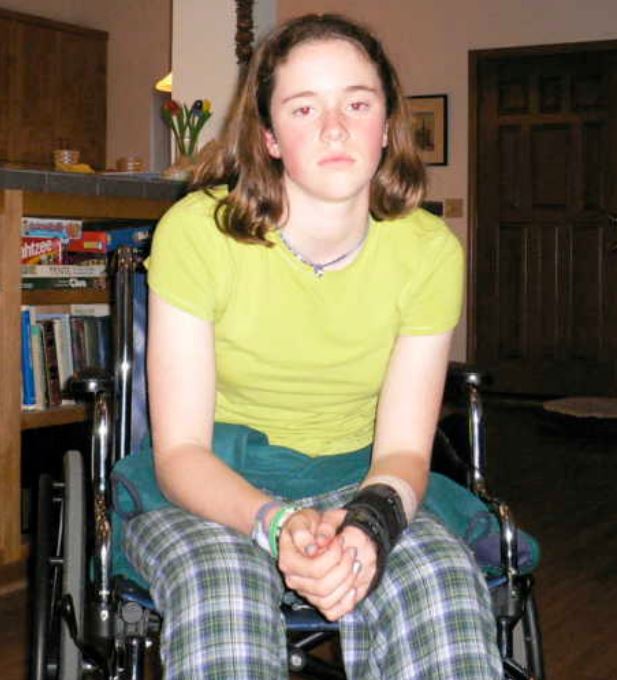
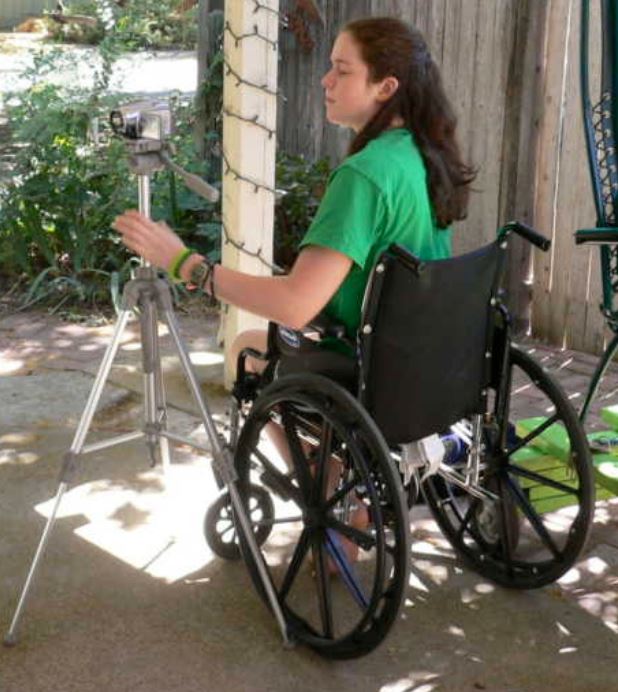
I sit in my wheelchair at the front office of my junior high. Tears sting my eyes as I explain to the school receptionist I need my mom to pick me up. She doesn’t understand. She asks why I need to go home.
Why? My feet and legs are on fire. It feels like pins and needles stabbing me everywhere at every second. I’m hanging on by a thread, using up everything I’ve got just to tell her I need my mom. As I start to panic, my friend steps in and repeats we need the phone so we can call my mom. I’m not well.
We don’t yet have words for what’s wrong with me. That answer won’t come for another six months. I watch as my friend reaches over me to bring the phone closer so I can dial the number. I feel the receptionist judging me, but I avoid eye contact and dial my home phone. My mom picks up on the first ring and before I can get a word out, I burst into tears. My mom says she’s on her way.
No one knew why I was in pain
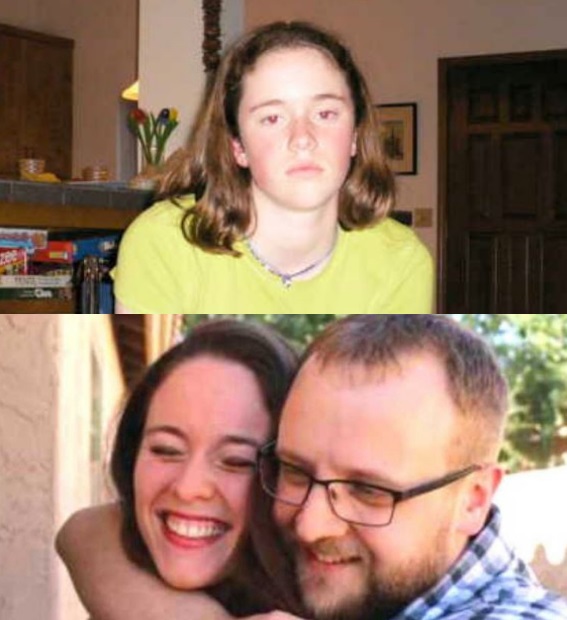
This was my new reality. I went from being a healthy, athletic 13-year-old soccer player, to a girl who could barely sit up in a wheelchair. My knees hurt so bad, and my back felt like I was being stabbed in my spine, over and over again. It was constant.
Rachel age 13
We went to what felt like every doctor in California. Each week, it seemed I saw a new specialist who would take more blood, more x-rays, more scans… only to find out no new information. No one knew why I was in pain. And no one knew why the pain was spreading.
It started with my knees. Then my back, and my neck. Soon my shoulders were so hypersensitive even a feather-light touch could send me screaming in agony.
I described it to my family and friends as ‘being stung by a thousand bees’ but it wasn’t even that. There was no word in our language to describe what it felt like when someone touched the skin on my shoulders or upper back.
I learned to be on the lookout constantly, protecting myself from simple things such as a gentle pat by a well-meaning stranger.
This new and unforgiving symptom was especially hard, because at a time when I could have really used a hug… I could not receive one. It would be more than three years until my parents could hug me again.
Finally, a diagnosis
After six months of doctors’ visits, hospitalization, and no concrete answers, we finally found our first bit of hope. I was diagnosed with Lyme disease. After months of uncertainty, we had found the root cause of my pain. But it was still a long road ahead.
I began the prescribed antibiotic treatment, and within days, I felt worse than I ever had before. The pain was excruciating, the fatigue was overwhelming, and suddenly, I struggled to breathe when I was sitting up straight or lying down flat.
We tried propping me up with pillows and found being at a reclined angle made it easier to breathe, so we rented an adjustable bed from a medical supply company. The bed helped somewhat, but I still got sicker and sicker.
There was no way I could continue the eighth grade, and at this point, the pain wasn’t even the only issue anymore. I could no longer focus. I couldn’t think properly. I struggled to remember simple things that had happened hours earlier. A home health teacher came to my house twice to attempt some sort of education, but that was not in the cards for me.
The longest year ever
The year 2006 was the longest year ever. Although my own life seemed to have stopped, somehow the rest of the world kept going. Each day while my friends were at school, I would count down the hours until someone would be able to sign on to our instant messaging chat room.
I spent my time adding new movies to my Netflix queue, pondering life’s big question of which movie I wanted to arrive in the mail first. My family bumped up our plan to five DVDs at a time, so we had a constant rotation of movies coming to the house via snail mail. There were no video streaming services back then. Kids these days won’t ever understand the satisfaction of seeing those bright red envelopes in the mail.
I spent my days either watching TV, looking at the TV guide to find more shows to watch, or watching DVDs from Netflix. I spent all of my nights awake in bed, listening to infomercials through a 10-foot long headphone cord attached to my TV. I listened to the Home Shopping Network—or that guy selling barbecue grills—while playing solitaire on my mom’s laptop.
For a large portion of 2006, I got only a few hours of sleep at best each night. It was a constant nightmare I couldn’t get away from until we finally found a sleeping pill that worked for me. I didn’t care for infomercials, but I also didn’t want to be alone while the rest of the world was asleep without me. Each night, I listened to the voices of people trying to sell me gadgets I didn’t need, while I passed the hours until dawn.
I longed for connection to someone outside our house. When my friends were busy living their own lives, in their own homes, instant messaging was it for us. This was way back before we had all the social media sites so many of us now find so addicting. I couldn’t mindlessly scroll through Facebook, Instagram, or Pinterest to fill my time. I didn’t even have a cell phone, so texting wasn’t an option.
I was stuck in bed for eight months. My lowest point was when I hadn’t seen my own kitchen or living room for 30 days—since my last medical appointment. A combination of terrible insomnia, constant pain, and gripping depression controlled my mind and thoughts and made my life unbearable. I was exhausted, encompassed with despair, and had no hope for a bright future.
One shining light
But there was one shining light that kept coming back each day. That light was my neighborhood group of friends. I had grown up with these kids. Together we had climbed redwood trees, played tag until it was too dark to see, and spent hours picking cherries from the orchard by my house. My world was very different now. There were no more trees to climb or games of tag.
Instead, my friends came over—sometimes alone, and sometimes in twos or threes—and sat by my bed to keep me company after school or on the weekends. We rarely left my room. My standard wheelchair required me to stay in an excruciatingly painful position, so I used it as little as possible.
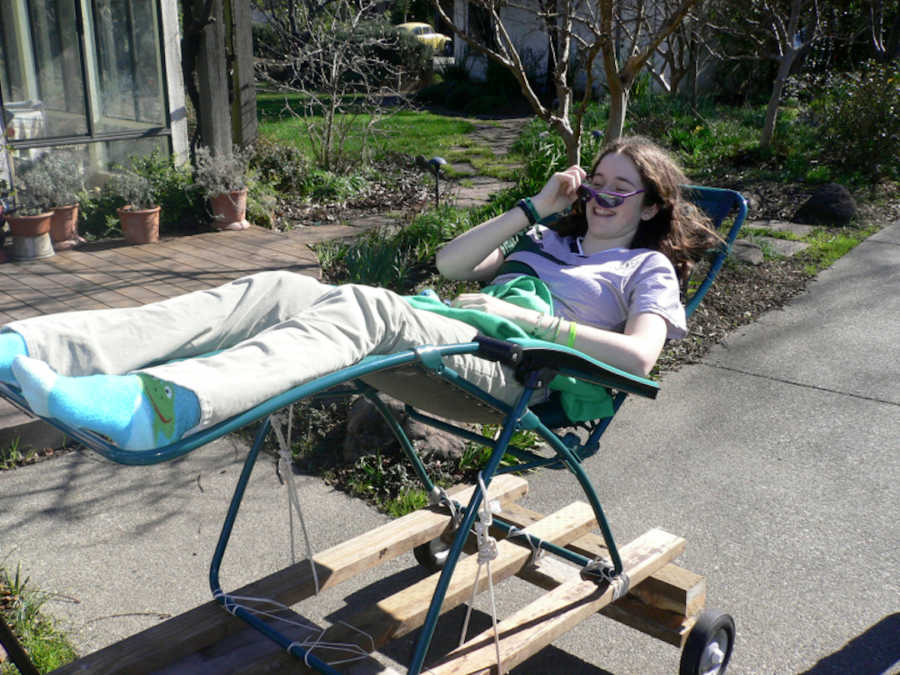
My neighborhood buddies found a partial solution to that problem. One day, my friends Julianne and Tenaya showed up with a reclining patio chair strapped to a wheeled platform. My chariot had arrived!
It was eccentric looking, to say the least, but it was also my passport to the outside world. After months of seeing nothing but the four bright green walls of my bedroom, I was escorted around the neighborhood, feeling the sun on my face and breathing fresh air. I couldn’t stop smiling.
The last time I had seen the trees outside, they had been barren from winter. Now they were budding with bright green leaves, bursting with color in early spring. I enjoyed seeing all the green as I sat with a fuzzy blanket on my lap, being pulled through the streets of my neighborhood by friends who were only slightly grunting at the combined weight of me and this cumbersome contraption. Eventually, my family procured a reclining wheelchair, which made forays into the outside world even more attainable.
A beauty makeover
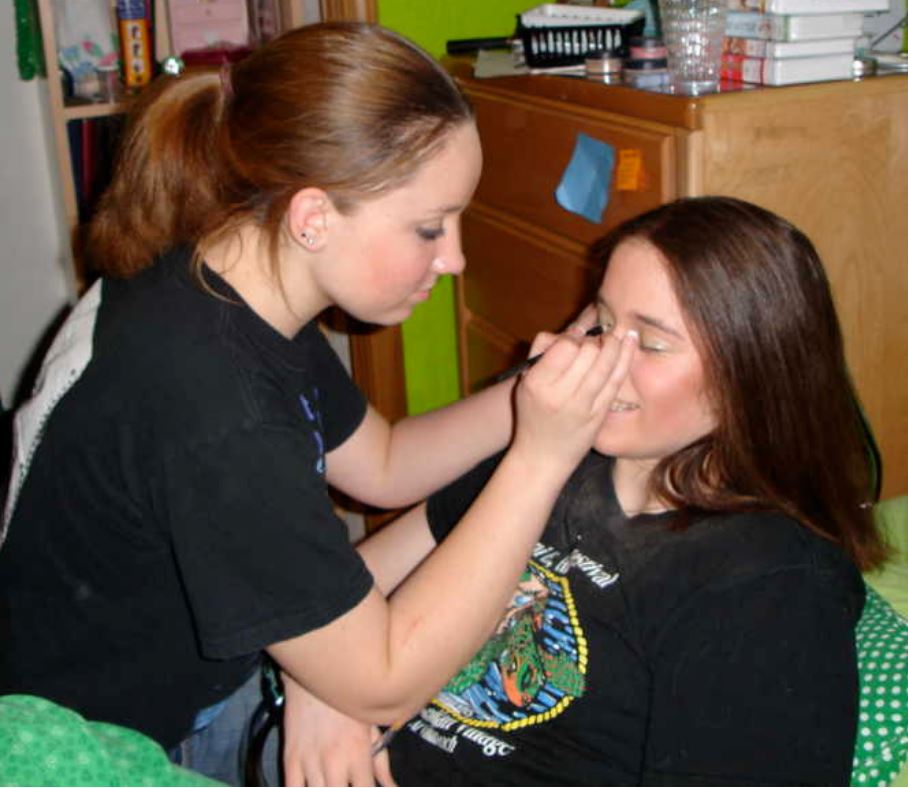
On another day, my friends gave me a makeover, doing my hair and makeup in bed, followed by a photo shoot.
I could only sit up straight in a chair for a minute at a time, so we did the photo shoot in short bursts: one minute of rapid-fire picture taking, followed by a rest back in bed. Then repeat. It was moments like these that brought life back into my room. Back into me.
Alternative reality
Another thing that brought me joy was learning to shoot and edit videos. Working on my videos pulled me into a blessed alternative reality where I could somehow get away from my pain.
We used a hospital bed table—the kind that swings over the bed—to hold my computer and put a wireless mouse and keyboard on my lap.
I spent hours editing. I filmed music videos of me lip-syncing in bed. I filmed myself taking pills. Getting my PICC line dressing changed by a home health nurse. Playing games with my friends on the PlayStation. I filmed everything.
I was always in need of more footage because while everyone else was spending eight hours a day at school, I needed to cling to something that gave me a reason to keep fighting. That something became my passion for film making.
Then things shifted
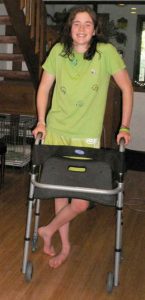
Three years later, my reality changed again when I stood up and walked for the first time.
After recent work with a specialized upper cervical chiropractor, I had noticed a big decrease in pain. Almost like a switch had been turned off after years of malfunctioning.
Just a week prior, we had been able to adjust my wheelchair to sit up straighter. I could once again breathe in different positions. Now here I was, alone in my bedroom, standing up on crutches.
I stood there for a moment, looking at myself in my full-length mirror. I felt the hardwood floor under my bare feet, and I watched my reflection as I called down the hall for my parents to grab the video camera. I knew we would want this on film.
It took me 15 minutes to graduate from walking on crutches to a walker to just holding on to my mother’s arm for support. In 20 minutes, I was walking on my own, unaided, giving myself a tour of the house.
Everything felt different now. I was used to looking at the world from the vantage point of my wheelchair. Now, I stood taller than I ever had before, since I’d grown an inch and a half over the past three years.
To my surprise, I had to bend down to wash my hands in the bathroom sink. To my delight, I could see inside the microwave oven and easily retrieve a water glass from the kitchen cupboard. As I explored my new world that whole magical night, I kept ducking as I passed through doorways, afraid I might hit my head as I went through!
My journey wasn’t over…
Rachel and Bryan
I had a long journey ahead of gaining back strength in my legs and body, but I wasn’t wasting any more time. Three days after I was on my feet, I got my driver’s permit. I was turning 17 and I wanted to finally have a normal life!
I wouldn’t necessarily say it turned out normal—but I graduated from an independent study high school. From there I went to community college while I continued health treatment at home.
Two years later, we packed up the car and drove to Portland State University, in Oregon, where I transferred as a junior. While I was moving into the dorm that day, a guy on my floor remembers looking out his window and seeing me walk into the building. We didn’t know it then, but five years later, that man would be my husband.
My health challenges have no doubt helped shape me into who I am today. For most of my teenage years, I felt I was being dragged through life. I didn’t know how to imagine a future where I could be healthy. I didn’t want to hold hope for anything, in fear it would never be realized, and I’d be stuck where I was forever.
But something changed in me after I began walking again. I had done what I thought would never be possible, and it forever altered my outlook. Even with the wheelchair gone from my life, I would still face struggles with my health, but I now knew about resilience, a gift silently bestowed upon me during those many long years in bed.
Resiliency
Resiliency became my motto. After a difficult battle with toxic mold exposure in college, ‘Resiliently Rachel’ became part of my identity as well, as I launched a blog to create a space for me to share my journey with Lyme and mold.
Over the next few years, I dealt with new and scary health challenges, which brought me into the world of neuroplasticity and learning about the power the brain has over the physical body.After countless hours of brain retraining work, I overcame the last of my symptoms that had been lingering from mold and Lyme treatment, specifically food allergies and chemical sensitivities.
I now live in Arizona with my husband and dog. I work in an elementary school doing speech therapy, and in my free time, I enjoy hiking, as well as filming and editing videos—an activity that still brings me happiness and peace. I wouldn’t change any part of my story growing up with Lyme disease. It made me who I am, and it allows me to give back to others by sharing my story and hopefully inspiring those facing similar challenges to keep holding on a little while longer.
Every August 8, my family celebrates what we call “Walking Day.” Here’s a video I put together about it.
Since Lyme/MSIDS patients can experience pretty much everywhere, chiropractors need to be educated about tick-borne illness as they will often be sought out first by patients.
Hosted by “Icahn School of Medicine at Mount Sinai proudly supported by the Steven & Alexandra Cohen Foundation
5th Annual LymeMIND Virtual Conference 2020 Saturday, October 10th
Novel Treatments Making sense of all the treatment options
John Aucott, MD, Associate Professor, Director, Lyme Disease Research Center Johns Hopkins University School of Medicine
Tania Tyles Dempsey, MD, ABIHM, Founder, AIM Center For Personalized Medicine
Richard Horowitz, MD, Medical Director, Hudson Valley Arts Center
Andrew Petersen, DO, Chief of Staff Officer
Forum Health What are the differences in current treatment options
CDC vs. ILADS?
What are the critical time points from tick bite to chronic symptoms for patients to consider? What is the latest experience and research on treatment options?
______________________
**Comment**
Scroll to 5:40 to hear about Chronic Lyme treatment.
Dr. Petersen makes the simple, straightforward statement that we wouldn’t send someone home from the hospital with pneumonia after a course of treatment. They would be sent home after they are off the ventilator and they can breathe well.
Logical.
I write about this phenomenon here: https://madisonarealymesupportgroup.com/2020/11/06/the-proof-is-in-the-pudding-my-letter-to-the-tbdwg/ Simple and straightforward. I was sick, I got treatment, now I am well and do not suffer with symptoms any longer. Please understand; however, that this treatment used multiple antibiotics and modalities simultaneously for over 5 years, and I relapsed TWICE necessitating 2-3 month treatment each time. Each re-treatment got me better than I was before. Hence: the proof is in the pudding. Cause & effect.
I will say that this improvement isn’t linear and often is baffling in that you typically feel much worse before you feel better and you have to treat long, hard, and smart – taking into account diet, supplements, hormones, and the kitchen sink. Many rabbit holes to go down. Lazy people need not apply. This is going to test you like nothing else – even your sanity at points.
Since this is such an individualized difference we all have different things to go after and attack, which makes it harder for doctors/researchers to standardize. Again, lazy people need not apply.
BUT DON’T EVER, EVER GIVE UP!
Be bull-doggishly tenacious about your health and have hope.
Excerpts from article below. (See link for article)
“I can’t move this side of my face,” she slurred, pointing to her right side…. Half of her flushed face was mysteriously paralysed.
Her experience of Bell’s palsy was just a new bullet point in an elongating list of symptoms of a then-undiagnosed condition that my typically healthy 41-year-old mother endured that year. After months of malaise, shooting pains throughout her body, dizziness, vomiting, leg paralysis, and inaccurate speculations by doctors about whether she had kidney disease, Lou Gehrig’s disease, thyroid disease, or a mental illness, an infectious disease doctor finally diagnosed her with neurological Lyme disease, which is caused by the spiral-shaped bacteria Borrelia burgdorferi and spread by deer ticks.
Almost as soon as my mother recovered, my father also contracted Lyme disease. He woke up one day with numbness in his arms, excruciating nerve pain throughout his body, and puzzling neurological symptoms including confusion, memory issues, and distorted vision.His symptoms did not abate until a decade later.
My three siblings were next.
_______________________
**Comment**
Unfortunately, the author of the article succumbed next with fevers, aches, chronic daily headaches, rashes, and fatigue. She points out one sibling had serious memory issues and joint pain – common symptoms of Lyme/MSIDS.
The author goes onto compare COVID-19 with Lyme and I’d like to make a few points:
While COVID-19 is transmissible from person to person, it has not proven to be highly deadly but has shown a mortality rate nearly identical to seasonal flu.
The study states that about 63% of patients infected with Lyme develop chronic Lyme disease. Lyme may be potentially transmitted via intimate relations as well as gestationally.
Further:
Case 4 provides confirmation for an ACA rash and gestational Lyme disease (club feet at birth).Both parents tested positive for Bbsl.
I agree completely with the author’s statement that the CDC has bungled testing for both diseases, but there’s an explanation for this. They own the patents on the organisms as well as tests & treatments. This way they can control the entire narrative, and monopolize the market: https://madisonarealymesupportgroup.com/2020/04/26/cdc-playbook-learning-from-lyme/
A positive COVID test does not equate to a “case” as many of these people are symptom-free. People without symptoms are NOT SICK: https://madisonarealymesupportgroup.com/2020/07/10/coronavirus-why-everyone-was-wrong/Think about this for just a moment. If there was a patient who tested positive for Lyme but had no symptoms, what would our ‘authorities’ say about that?
Lyme patients testing positive, even three times in a row, are told they are not infected as it’s a “false positive,” and are denied treatment.
Unfortunately, the ‘powers that be’ do not want people to recover from COVID as it would dampen their fear-mongering campaign so that everyone agrees to get their experimental, fast-tracked mRNA vaccine which will monitor you utilizing WiFi(hence the push for 5G),change your DNA, cause sterility (as reported by a GSK whistleblower) and give them a hefty pay-check: https://madisonarealymesupportgroup.com/2020/04/21/inovio-covid-19-vaccine-uses-electricity-to-drive-dna-into-body-cells/

 . Once registered, you will receive an email confirmation with a personalized link to access the webcast.


 prescribed antibiotic treatment, and within days, I felt worse than I ever had before. The pain was excruciating, the fatigue was overwhelming, and suddenly, I struggled to breathe when I was sitting up straight or lying down flat.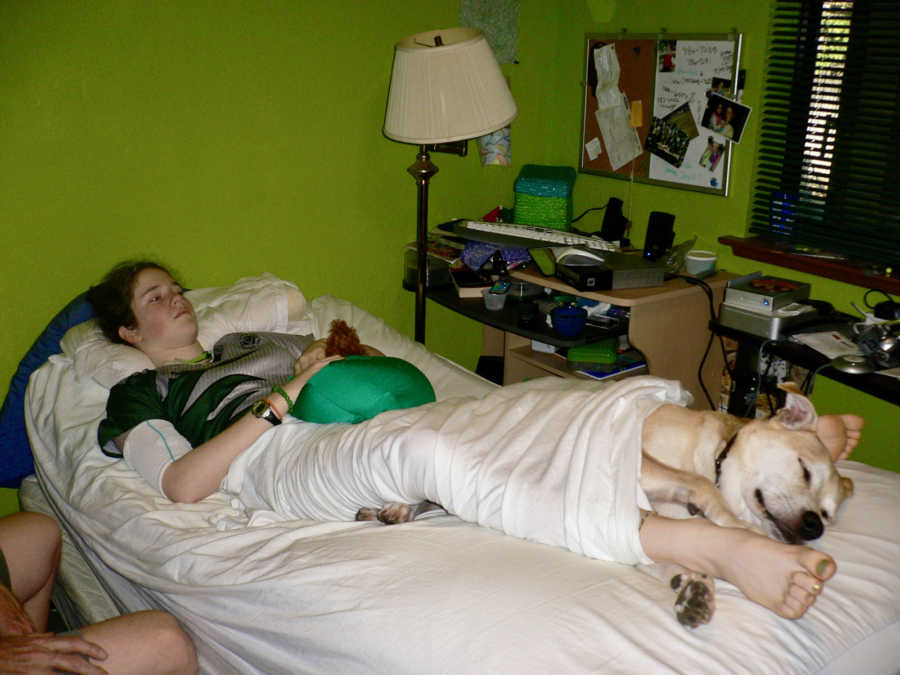
 Three years later, my reality changed again when I stood up and walked for the first time.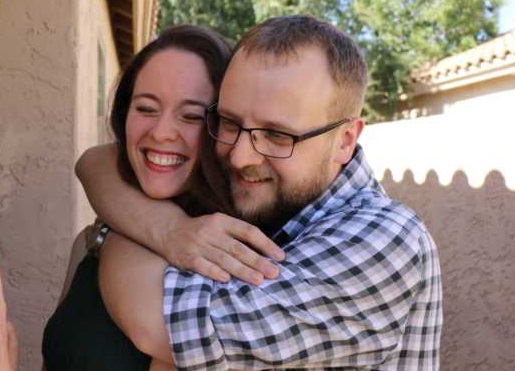

![Lyme disease, caused by the bacteria Borrelia burgdorferi, is spread by infected ticks [Getty Images]](https://www.aljazeera.com/wp-content/uploads/2020/04/aeb7a3fbfbca4d479022adbff11f63e9_18.jpeg?resize=770%2C513)

