4 Steps Every Lyme Patient Should Take to Protect Their Heart
By Dr. Bill Rawls
Feb. 2023
Heart symptoms are a serious concern for people with chronic Lyme disease — and rightfully so. While research suggests up to 10% of Lyme cases result in cardiac involvement, the consequences of which can be life-threatening, that number is likely deceptively low. That’s because the actual number of cases of Lyme are underreported in most areas of the country, and many Lyme specialists believe heart issues such as Lyme carditis or an irregular heartbeat may be more prevalent than statistics currently demonstrate.
The number of missed cases may be due, in part, to the fact that heart symptoms don’t look the same in every Lyme patient. They vary from person to person and exist on a spectrum, so they can be difficult to detect. Some people may experience no symptoms at all, while others might notice mild ones — an occasional skipped beat here or a small flutter there. Still, others may experience more severe cardiac manifestations like shortness of breath, chest tightness, or heart palpitations.
“The threshold for tolerating heart symptoms should be pretty low,” says Dr. Bill Rawls, medical director of RawlsMD and Vital Plan. “Anytime you have something irregular with the heart, you should see a doctor right away.”
Whether or not you have cardiac symptoms, you can still incorporate a few strategies into your protocol to augment heart health while dealing with Lyme disease and coinfections.
Here are four natural ways you can keep your heart functioning optimally:
1. Lower Your Microbial Load
“Herbs are heart-friendly because they help protect the various cells of our body, including heart cells,” says Dr. Rawls. Herbs defend against free radical damage, physical stress, toxic substances, and most importantly, pathogens like borrelia, bartonella, babesia, and mycoplasma, all of which can cause harm to the heart.
Therefore, taking antimicrobial herbs to suppress the microbes that could contribute to cardiac problems is a top priority. Dr. Rawls’ preferred antimicrobial herbs for heart health include:
Cat’s Claw
Cat’s claw is a native herb to the Amazon region. Its antimicrobial properties make it a foundational herb in most Lyme disease protocols. Additionally, it has immune-modulating and anti-inflammatory qualities.
Suggested dosage: 375-750 mg 1 to 2 times daily (inner bark standardized to 3% alkaloids or 7:1 concentrate inner bark is preferred). It is especially important to take this herb with food, as it is activated by stomach acid. If you take acid-blocking drugs, cat’s claw won’t have a significant impact on you.
Side effects: The herb is generally well tolerated, but occasional stomach upset has been reported.
Andrographis
Andrographis has a long history of medicinal use in India. It contains several properties, including antibacterial, antiviral, and antiparasitic, providing defense against a range of microbes. The herb also has immune-enhancing, cardioprotective, and liver-protective qualities. Andrographis is also a staple among natural Lyme protocols.
Suggested dosage: 250 mg (extract standardized to 33% andrographolides) 1 to 2 times daily
Side effects: Approximately 1% of people who take andrographis develop an allergic reaction with whole-body hives and itching skin. This is a higher percentage than most other herbs, but still extremely low. The reaction will resolve gradually over several weeks once the herb has been discontinued.
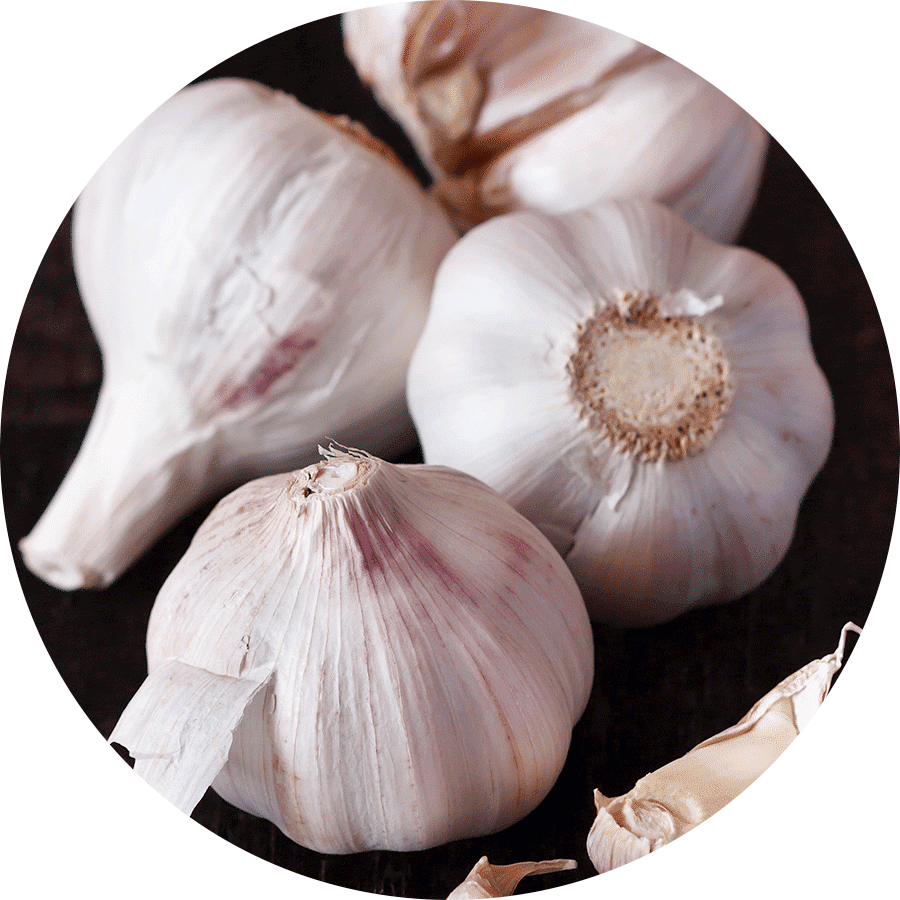
Garlic
Used for medical purposes since as far back as we can trace, garlic contains an active ingredient called allicin, a volatile chemical with antiprotozoal, antiviral, and antifungal properties. It supports the immune system and balances the flora of the microbiome as well.
Suggested dosage: 200 mg of a standardized 1% allicin product 1 to 2 times daily (dosage is dependent on the garlic preparation used)
Side effects: Raw garlic may cause stomach upset, but stabilized allicin products are associated with fewer side effects and are generally well tolerated.
Berberine
Berberine is a bioactive compound that assists in balancing the microbiome. It’s found in the stems, bark, roots, and rhizomes of a variety of herbs, including goldenseal, barberry bark, yellowroot, goldthread, Oregon grape, tree turmeric, coptis, and phellodendron.
Suggested dosage: The dose will vary depending on the preparation used; follow the instructions on the label.
Side effects: In most cases, berberine is generally well tolerated. Side effects may include gastrointestinal discomfort and low blood pressure.
2. Flow Through a Mind-Body Practice
“Exercising within the confines of what your doctor recommends is one of the best ways to keep your heart healthy,” says Dr. Rawls. But when your heart health is compromised, it’s extremely important to not overdo it. To avoid setting yourself back, consider a mind-body practice like yoga to keep your heart healthy.
Why yoga? Research from the Journal of Evidenced-Based Complementary and Alternative Medicine investigated yoga as a therapeutic intervention for individuals at-risk for or suffering from cardiovascular disease. Although the study had some limitations, yoga emerged as a lifestyle activity that fostered improved heart health. The researchers believe it could be due to yoga’s ability to reduce stress and stimulate the parasympathetic nervous system — the part of your nervous system responsible for “resting and digesting.”
Additionally, mind-body activities centered around breathwork and meditation achieved similar results in the reviewed medical studies. Other mind-body exercises that can get you moving and be tailored to your fitness level or symptoms include Pilates, qigong, and tai chi.
3. Curb Inflammation
Lyme disease and other stealth microbes can act as hidden sources of inflammation. Many Lyme symptoms, including heart symptoms, are made worse by the continuous effects of proinflammatory cytokines.
“Cytokines are chemicals that promote inflammation and persistently activate the body’s immune system,” says Dr. Rawls. Over time, chronic low-grade inflammation begins to damage blood vessels that supply your heart muscle and brain, leading to a host of trouble.
To keep your heart as strong as possible, Dr. Rawls recommends the following natural remedies:
Krill Oil
Omega-3 fatty acids like those found in krill oil are vital for many processes of the body and may lessen inflammation. Omega-3s facilitate heart health, cognitive function, and cell membrane function. Krill oil is unique in that it contains a natural antioxidant called astaxanthin. Astaxanthin benefits the cardiovascular system and provides anti-inflammatory benefits.
Suggested dosage: 2,000-3,000 mg of krill oil daily (can be broken down into 4-6 500 mg capsules) daily. The omega-3s in krill oil occur as phospholipids(instead of triglycerides (like the omega-3s in fish oil), which are more easily absorbed through the intestines and more readily utilized by the body, so you may be able to use a lower dose.
Side effects: Omega-3 fatty acids thin blood, so if you’re taking blood thinners or have a bleeding or clotting disorder, discuss taking krill oil supplements with your doctor. Avoid krill oil supplements if you have shellfish or fish allergies.
Hawthorn
Hawthorn supports heart function by increasing blood flow to the organ, strengthening contractions of the heart muscle, and improving circulation by dilating blood vessels. This allows increased oxygen delivery to tissues and assists in normalizing blood pressure.
Suggested dosage: 600-1,000 mg extract (combined leaf, stem, and flower standardized to 10% Vitexin) twice daily
Side effects: Side effects aren’t usually associated with Hawthorn, and it’s very safe for long-term use.
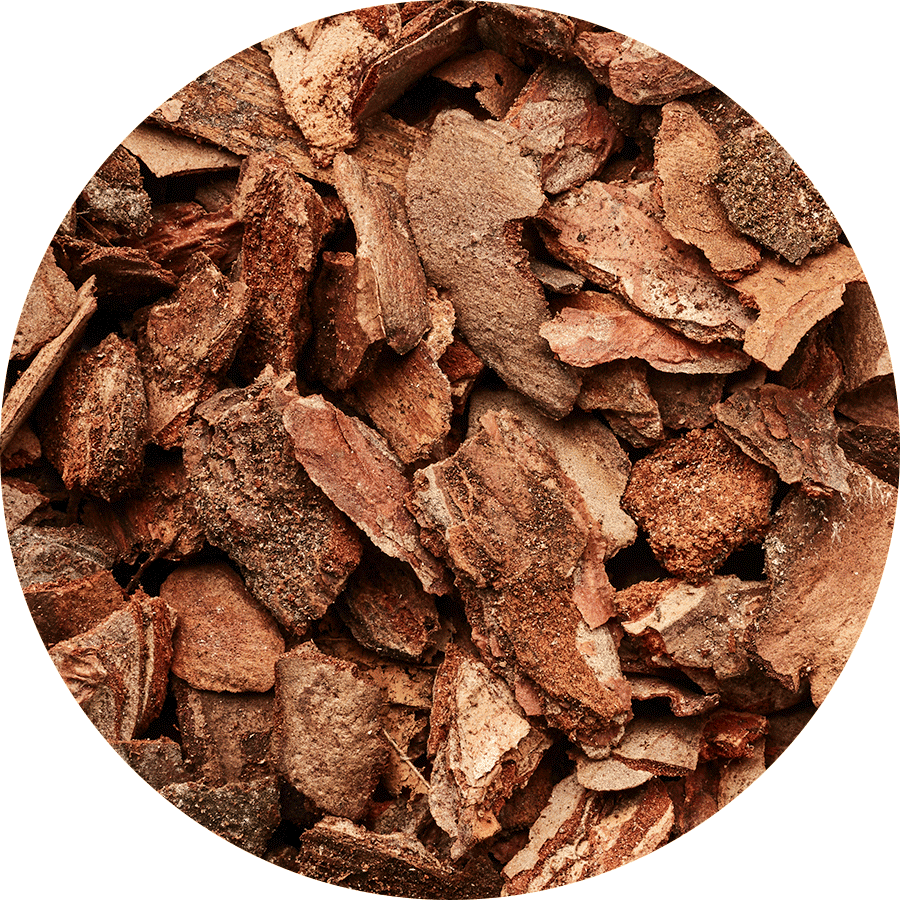
Pine Bark Extract
Antioxidants and other compounds in pine bark extract inhibit platelet aggregation (blood thinner), reduce vascular inflammation, improve the integrity of blood vessels, and enhance blood flow to the tissue.
Suggested dosage: 75 mg daily standardized to 35% OPCs 1 to 2 times daily.
Side effects: Rare — pine bark has a low potential for toxicity.
4. Get Your Stress Levels Under Control
When dealing with Lyme disease, stress is an almost daily occurrence. With pressures like paying for medical treatment, finding a doctor, and managing symptoms, it’s hard to catch a break.
“The problem with chronic stress is that it has the potential to disrupt all normal cellular functions of the body and mind, including the heart,” says Dr. Rawls. For example, when you’re chronically stressed, your sleep patterns change, digestion becomes less efficient, and tissues begin to break down, which may contribute to heart-related conditions like high blood pressure or hardening of the arteries.
There isn’t a large body of research on the effects of stress on the heart, specifically, and there’s even less when Lyme disease is added to the mix. But what we do know is that the body releases adrenaline in response to a distressing event or situation. Adrenaline speeds up your breathing, gets your heart pounding, and raises your blood pressure, facilitating the “fight-or-flight” response. Chronic stress pushes your body to function in overdrive for weeks or months at a time.
“When the body is constantly on alert, it cannot devote resources toward day-to-day repair and maintenance, and systems of the body can begin to go haywire,” explains Dr. Rawls. So while stress isn’t good for your health in general, for those with Lyme disease trying to make heart-conscious choices, stress interrupts the healing mode and may lay the groundwork to weaken crucial cellular functions.
Although you’ll never banish stress from your life entirely, reducing it as best as you can does help to bolster the health of all organs and tissues in your body. There are a variety of cost-effective and easily accessible options to minimize stress, such as:
Taking a leisurely stroll outside
Journaling
Finding support through online groups or mental health professionals
Relaxing in a warm bath
Practicing vagus nerve stimulation or neuroplasticity exercises
Doing deep breathing
To help bring on the heart-healthy calm, find a stress-relieving activity and stick with it as best you can — the more you genuinely enjoy it, the higher the likelihood you’ll do it consistently. With some trial and error, you’ll discover what works for you.
The Bottom Line
Ultimately, heart-supportive strategies can help keep your ticker working more efficiently, but if you have any symptoms or concerns, you should consult with a health care professional. “If someone is having symptoms like chest pains or a frequent, irregular heartbeat, don’t hesitate to see a doctor,” advises Dr. Rawls. “Anytime you’re concerned about your heart, it’s always better to play it safe.”
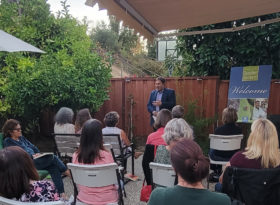
Dr Steven Harris speaking at the Bay Area Lyme Speaker Series in San Jose, September 29, 2022
Dr. Steven Harris, a physician specializing in Lyme at Pacific Frontier Medical, was guest speaker as part of our Distinguished Speaker Series. His presentation on the complexity of tick-borne diseases is transcribed below to share his invaluable insights into novel treatment options for those living with chronic/persistent Lyme and other intractable infections that severely curtail patients’ quality of life, bringing hope and restoring health to many. Note: This transcribed presentation has been edited for clarity.
What is “Precision Medicine”?
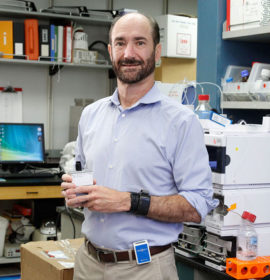
“The concept of precision medicine, which is a growing area, is where we look at an individual and try to create a tailored plan for that person. I think many doctors wish that we could have a ‘cookbook’ approach to medicine that would work for our patients. But unfortunately, that approach doesn’t work. Luckily, here in the San Francisco Bay Area, there are doctors offering precision medicine including Dr. Sunjya Schweig in Berkeley, Dr. Christine Green, with us at Pacific Frontier Medical, and Dr. Eric Gordon, at Gordon Medical Associates in Marin and others. And thankfully, we have Stanford and UCSF (our local medical centers) that we work peripherally with. In addition, the Open Medicine Foundation is making great strides in understanding illness and Dr. Mike Snyder’s group at Stanford who are working on multi omics for chronic fatigue that track an individual patient’s data.
Mike Snyder, PhD, Stanford University
“These doctors are working in their own fields, not necessarily just tick-borne diseases, but our work overlaps. For example, the Snyder Lab multi-omic study involves genomics, epigenomics, metabolomics, where they are looking at tons of data and assimilating a lot of this different data to try to create treatment plans that work for the individual, because of the fact that a ‘cookbook’ approach doesn’t work for this group of chronic complex patients. For example, we look at someone’s multi-ome and the parts that make them up, including their microbiome, epigenome among many others, which is becoming a bigger and more exciting field. One of the practical aspects we try to determine is how to address an individual’s level of inflammation, the diversity of their personal bacterial flora, and how to help compensate for any deficiencies—or over abundances—that help contribute to disease.
“Precision medicine doctors are looking at as much data as we can, but we are also learning to incorporate treatments that illustrate how our bodies interact with an ever more toxic world, such as with glyphosate and organophosphates, toxic metals, among hundreds of others harmful agents. Some may argue that electromagnetic sensitivity or electromagnetic stressors are also affecting people. This needs more research and is still a very young field, but what providers report is that electromagnetic sensitivity does affect many patients. In addition, if we look at some of the old stalwarts, such as mold, actinomyces, and other biotoxins, these can contribute significantly to a patient’s burden of illness. So, taking a very detailed approach to looking at what external stressors someone has is really important.
Human Energy and Mitochondrial Function
“Another nascent area that is probably going to become bigger is mitochondrial work, i.e., mitochondrial function—at least in the ME/CFS world—which translates too many other areas, including the Lyme and co-infection world, because illness and wellness is fundamentally all about energy. The concept is that if we have enough energy to mobilize our immune systems and get ourselves to detoxify, and to absorb nutrients, the body will be able to function effectively on its own. The goal of treatment is to ease the body to do what it needs to do by itself without so much external intervention. That is one of the subtle things that we’re learning as we do this. The approach in the past has been, ‘there’s an infection and we want to knock the infection out,’ but many times we have discovered that healing doesn’t work that way.
Eric Gordon, MD
“Dr. Eric Gordon describes the healing exchange as being like a dance that the provider helps the patient do with various treatments. You try to tease out the way forward to get on the right path, like finding that yellow brick road. And if we are able to do that leg work early on to eliminate the stressors, evaluate and optimize the mitochondrial dysfunction, etc., then we can often take a much more direct path to wellness.
“What is exciting is that there are new tests in the research world that assess mitochondrial function. Seahorse testing, for example, currently in the research phase, looks at ATP production and free phosphate production. We’ve been using mitochondrial muscle biopsies primarily to evaluate mitochondria in the past, but there’s more to investigate regarding the way energy is made at a cellular level. In the near future more research is going to be examining the inner mitochondrial membrane to watch how the very basic pieces of electron chemistry are translating to a cell and then translating to the organism as a whole.
Telomeres and Cellular Aging
“Dr. Horvath and a group at Stanford recently wrote a paper focused on decreasing cellular aging using things like growth hormone and DHEA, and metformin (a diabetes drug), to try to decrease the age of cells. There’s also a lot of talk in medical fields about telomeres and their relationship with cellular senescence. The hard part is, how do we translate this when a patient comes into the office and put burgeoning research into actual practice? Much of this is not going to be FDA approved as treatments for perhaps the next 10 or 15 years. So, part of the approach to addressing some of these very complicated patients is working in a partnership with them, because we don’t have the answers. We can work towards the likely answers, but sometimes we have to do it with very short steps, and with a patient who is deeply engaged in the treatment process.
It’s like a dance that the provider helps the patient do with various treatments. You try to tease out the way forward to get on the right path, like finding that yellow brick road.
“This is a very different model than we’re used to. When I grew up, the doctor told you what treatments to take. You took the treatment. Then, you went back and reported your symptoms. This doesn’t seem to work for this very complicated group of patients. These patients also happen to be some of the most savvy, educated, well-researched, intelligent people, mostly because they’ve been through so much and have seen so many doctors. By the time they come to one of us, they may have seen 20 or 30 doctors. So, we have to offer them something fresh and new that also has a high likelihood of actually working.
“On top of the physical issues, we must also consider the psychological burden that chronic illness has had on people. This may seem simple and obvious, but it is such an important piece: We have to address the trauma. And sometimes we can’t address trauma head on. We have to address it in a very circuitous but meaningful way. There are a lot of non-pharmacological, non-ingestible ways to do this: Through the Dynamic Neural Retraining SystemTM (DNRS), through vagus nerve training, through neurofeedback, neuro stimulation, and through various other methods. There is a new device called the PoNS device, which will hopefully become widely available very soon, which is a tongue neurostimulation device. It is FDA approved for head trauma, but it also works for post-traumatic stress disorder. It’s an amazing way to use electricity with neuro signaling to the amygdala and help to retrain the brain to get out of that stress response. A scientist in Wisconsin, Yuri Danilov, developed it and the company that owns it is called Helius Medical technologies. They’re trying to get FDA approval for it, and they are making it available to physical therapists. It’s mentioned in Dr. Norman Doidge’s book The Brain’s Way of Healing. I’ve seen it used with some patients, and it’s phenomenal.
Regenerative Therapies and Exosomes
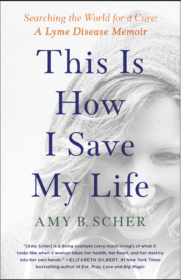
“In addition to the cell aging and telomere lengthening concept, one area that does seem to be slightly farther ahead is the field of regenerative therapies. Regenerative therapies include exosomes, PRP, and alpha 2-macroglobulin, among others. Some of these chemicals are injected. Oftentimes, we use it mostly for tendon issues and for osteoarthritis and for different orthopedic situations. But exosomes, especially, have other uses. There are many doctors who are using exosomes in parallel to stem cell therapies and there are many types of stem cells from autologous cells that come from your own body—to umbilical, to fetal, all the way to human embryonic. There is a book by Amy Scher titled, This is How I Save My Life. She has become a notable author who wrote about her journey through India, where she received human embryonic stem cells, and went from a very severe neurologic case of Lyme to being quite well now.
When I grew up, the doctor told you what treatments to take. You took the treatment. Then, you went back and reported your symptoms. This doesn’t seem to work for this very complicated group of patients.
“These various therapies can be amazing if used properly, but we need more studies. Much of this is outside of the purview of many mainstream practitioners and health plans and the medical establishment at large. But many of these treatment approaches can be done safely and effectively, and definitely have their place for decreasing that overall illness burden. One of the thoughts about stem cells used to be that ‘Oh, the stem cells can change into whatever cell, and then the cells can regenerate this way or that way.’ But what we now think is that it’s probably more to do with the cell signaling chemicals, and the growth factors, that are really at play here. Exosomes don’t have any nucleic acid in them, it’s just those chemicals themselves. Many people are using those very successfully and it’s still early, obviously, but there are some very neat ways to do it, especially with some of the structural conditions such as CCI.
The Body’s Structure and Craniocervical Instability
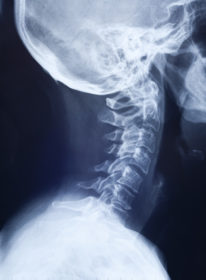
“CCI is Craniocervical Instability, which is a fairly new conceptual understanding, but as a condition it’s been with us for a long time. It is where micro shear forces are happening in the neurovascularly structurally dense area where the skull meets the cervical spine, which can lead to lots of inflammatory responses. Mast cells, which are some of the allergy producing cells, are involved, among many other immune cells. A very big inflammatory response occurs when there is a combination of an infection, such as Borrelia, Babesia or Bartonella, mycoplasma, viruses, et cetera, usually plus head trauma, or a hypermobility syndrome such as Ehlers-Danlos; it’s one of the part of a triad for these people who are a setup for CCI. Dr. David Kaufman is an expert in the area who helped popularize the idea of CCI, and it’s been absolutely amazing for some of these patients who have especially severe chronic fatigue. The ME/CFS world are early adopters in considering it, but for many Lyme patients and practitioners, it is not yet on their radar. It should be because fatigue is one of the very significant presentations of chronic Lyme patients. I’ve seen four or five patients who have had this surgery with pretty astounding results. But what we’re trying to do is get away from a fusion surgery if at all possible. That’s where the exosomes can theoretically come in, especially properly placed injections of exosomes and PRP and these other regenerative therapies to stabilize an area in the cervical spine. The inflammation goes down with many of these injections but getting the benefits to continue when people move their heads frequently is another matter.
Much of this is outside of the purview of many mainstream practitioners and health plans and the medical establishment at large. But many of these treatment approaches can be done safely and effectively, and definitely have their place for decreasing that overall illness burden.
“Obviously, this is a complicated and very new field, and the challenge is that the neurosurgery boards in America don’t allow surgery for fatigue. You need something like a chiari malformation or an instance where a vital system is being compromised before the neurosurgeon can actually do surgery for this. So, sometimes by the time they do surgery, the patient can be significantly decompensated. The results aren’t quite as good as they would have been if we could have done it earlier. But in addition to the environment, genomics, and metabolomics, and microbiome, a way to approach some of these pathogens is by looking at a patient’s body structure—CCI being one of those aspects.
Jaw Misalignment, CCI and Spinal Issues
“Another important structural approach is to investigate jaw misalignment. We can see when people have a bite that’s ‘off.’ There’s been quite a bit of work on this, mostly with the craniosacral folks, but there’s some very good science that shows that every time we speak, and every time we bite that we’re moving our cerebral spinal fluid, and if it moves and flows in an aberrant way, then the whole nervous system becomes ‘off’ as it were. Sometimes just by repositioning the jaw we can make an incredible impact on patients. I’ve seen absolute magic. It’s not usually something we do first, but it is something that we now think about, especially with the chronic complex illness. We look at things like root canals, and of course, that’s old news, but it’s still important looking at some areas of surgery and surgical scars and things like titanium rods, etc.
One insult by itself isn’t probably going to do anything. Throw that insult in with the Lyme, with the environment, with the structural issues, and you start seeing how complicated some of these patients are.
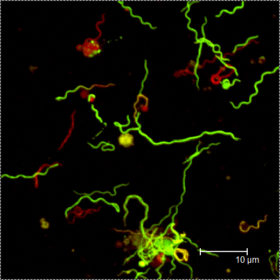
“Therefore, jaw misalignment along with CCI and other spinal issues, such as scoliosis and different ways the spine presents in space can have very profound implications for a chronic illness. Let’s not forget, these patients are coming to me, and they typically also have infections. So, the infections are probably one of those rate-limiting steps. There are a lot of people who have scoliosis and who have jaw misalignment and CCI, who aren’t actually sick. But when you throw in what these infections are doing to people, and you combine that with the structural issues, then you start seeing the picture come together about the infections. And it’s not just about Lyme and babesia species and Bartonella and ehrlichia and anaplasma, relapsing fever, borrelia, etc. There are a lot of other organisms that come into play: there are a lot of GI parasites, brain parasites, worms, and amoebas of all kinds that compromise the human system. Not that they’re necessarily making people sick by themselves, but they change the conditions in the body. One insult by itself isn’t probably going to do anything. Throw that insult in with the Lyme, with the environment, with the structural issues, and you start seeing how complicated some of these patients are. And so, then it becomes a question of, ‘Okay, let’s evaluate all these different things that could be happening.’ I look at it as being like an onion. What’s the top layer of the onion? How do you pull that top layer off and then go to the next one and then finally get to the core? It’s a model that often works. It’s just sometimes slow, but it’s better to be slow and complete than trying to race to the finish and then having to do it over again.
Viruses and Body Decompensation
“And then of course viruses are another piece of the puzzle, that are becoming bigger and bigger. We just happen to be right in the midst of a very large viral thing right now. Viruses have their own problems, and they can cause the body to decompensate on its own. But in the case of things like Epstein Barr and human herpesvirus 6, enteroviruses and varicella, they can be very opportunistic. We know about opportunistic viruses through the HIV world. The immune system is typically able to surveil these opportunistic infections really well. However, if the body becomes weakened, whether through the immune system already being weak or there’re being too many stressors on it, those viruses can take on a life of their own. Dr. Jose Montoya earlier and now the current folks at Stanford in the chronic fatigue center are looking closely at human herpesvirus 6. The late, great Paul Cheney, who was so important in putting chronic fatigue on the map, was looking at human herpesvirus 6 primarily, while John Chia has been very involved with enteroviruses. These different viruses definitely can contribute to fatigue and contribute to various related symptoms. But, in my view, they are often purely opportunistic and come up because the body is decompensated. So just treating those, in my experience, hasn’t been fully effective, but it is very important to look at them in the overall scheme of what we’re doing for patients.
mTOR Agents and Autophagy
Dr Steven Phillips at LymeAid 2019
“At an ILADS conference a few years back, Dr. Steven Phillips did an amazing talk on the use of mTOR agents, (mammalian target of Rapamycin). This process has to do with how our cells can clean the body by degrading older and dead cells. People who can clean their body of debris have a much higher chance to heal and recover. People who have high levels of autophagy can heal, because there’s cellular turnover and new healthy cells taking the place of old or unruly cells. There are many agents that we’re starting to look at for people who have been sluggish, who have been sick for many years, and have been through many different treatments and have been stagnant. Trying to increase one’s autophagy through the use of things like Rapamycin is starting to get attention nationwide. At the 2022 ILADS conference in Orlando, I met with many people who are starting to use this cancer drug in low doses to try to increase the body’s ability to rid itself of debris. Other things include Honokiol, which is a magnolia leaf, and doxycycline, and many other agents increase autophagy including methylene blue. This is one of those areas that we’re exploring as a group, and one of the ways that we approach these complicated patients. Vitamin D is another example of an mTOR agent.
If the body becomes weakened, whether through the immune system already being weak or there’re being too many stressors on it, those viruses can take on a life of their own.
Toxic Load, Nutrient Status and Environmental Stressors
“One way to approach patients is to look at what’s happening with their ability to absorb nutrients and then get rid of waste i.e., absorption and detox. And it always comes back to that for many of us in the day-to-day working with these patients: how do we increase their absorption and nutrients? Their ability to tolerate nutrients? Their ability to get rid of the stuff that they don’t need? One way to do that is through membrane chemistry and using different kinds of fats to flush out some of the debris, on the so-called classic lipid bilayer on the surface of cells. There were common, simple methods used in the past to just detox patients and assist them in draining and elimination that we used to employ, but simple strategies no longer work in the most complex subset of patients. Oftentimes there is too much happening in their metabolism. There’s too much junk that is causing their bodies to react. Sometimes the reactivity is so profound that nothing happens if we can’t fix that reactivity.
Sometimes, this over reactivity is related to infection. Sometimes it’s because there’s too many bad chemicals in the body. With all of these environmental exposures that people have, a way for the body to respond to these stressors is by overreacting. While it could be driven by just the infections, it’s usually a complicated causation as to why people have ‘mast cell activation.’ We learned about it through a tumor of mast cells called mastocytosis. This is a little bit different because people don’t have these tumors, but they elicit an infection-related, allergy-producing response. It’s the body trying to help itself, but it does so ineffectively and in a way that increases a person’s suffering. David Kaufman and some other folks have found a triad of Ehlers-Danlos or hypermobility syndrome with what’s called POTS or orthostatic tachycardia with mast cell activation. We’re finding groups of these people where this hypersensitivity syndrome is actually the first thing that we have to assess. Unless that is successful the rest of the treatment process can’t really ensue. Again, we used to just do some detox, get patients prepared, and then work from the top down, working on the biggest thing like worms, then go to parasites, then go to metals, then go to babesia, then go to Lyme, etc. Now that initial dance to diminish the reactivity can become the bulk of the treatment regime. On the positive side, once we get past that part, the rest of the treatments can often be done faster, with very positive results, where patients develop momentum in approaching wellness.
In conclusion, these are a few different ways to address this most complicated, most difficult group of patients. I truly believe that everybody can get better, and I think that sharing that hope with the patient is a way for them to be able to hold on during what is a marathon for many of them. Not everybody needs to take every step, but the steps are there, and it can be done.
– Dr. Steven Harris
This blog is part of our BAL Happenings series. Bay Area Lyme Foundation provides reliable, fact-based information so that prevention and the importance of early treatment are common knowledge. For more information about Bay Area Lyme, including our research and prevention programs, go to www.bayarealyme.org.
The power of food to prevent and treat disease is vastly underestimated by both patients and physicians. This is no accident. Ever since the passage of the Dietary Supplement Health and Education Act (DSHEA) of 1994, it has been a federal crime for food or supplement producers to make any claims about the health benefits of their products. Under the DSHEA, if a health claim is made for a food, that claim classifies it as a drug that requires FDA approval. Offenders can face prison terms equivalent to a life sentence. The sale of the products can be prohibited, and the products can be seized and destroyed. Few, if any, food or supplement producers can afford the hundreds of millions of dollars it costs to get drug approval. When a producer makes health claims for nutritional products, it’s a crime regardless of whether the information is true or is supported by scientific evidence. At the same time, pharmaceutical companies are free to promote their products, leading consumers to believe that the only treatments that are effective are pharmaceuticals.
The truth is that many foods contain powerful, health-enhancing ingredients that are scientifically validated to prevent and treat many chronic health conditions, including chronic pain. And many of these foods are very delicious. You can enhance your health and reduce your pain while enjoying delectable dishes that include cherries, blueberries, chocolate (my personal favorite), salmon and ginger, just to name a few. Read on to learn more. I’ve even included some recipes. (See link for article)
________________
**Comment**
This article brings up an important point many are unaware of: our federal government is a captured agency that functions as a business that is actively using its vast power (paid for by us) to push anything it deems competition out of the way. They have done this repeatedly with homeopathy, compounded medications, and supplements, and now they are attacking food. The ‘powers that be’ want us eating insects, lab-grown meat, and whatever expensive, unnatural patented products they create that yield them high profits. Then, they plan on “vaccinating” plants for their diseases, animals to “sanitize the food supply,” and then “vaccinating” us through these “vaccinated,” unnatural foods which will also yield them incredible profits while leaving us all sick. This, in turn will cause many to turn to Big Pharma for their magic remedy, which will also be lucrative. It’s a monopoly that that has become a dangerous, tyrannical monolith affecting all of society – which must be broken.
This is the new normal and is a true war on food unless we refuse to go along with the dystopia.
Having struggled with significant pain myself, I’ve come to learn about the importance of food in healing – particularly with regard to inflammation, detoxing, and nutrition. A real, whole food diet is a requirement for health. It should come as no surprise that our corrupt, power-hungry agencies are now attacking this as well.
The Herxheimer reaction, also referred to as a Jarisch-Herxheimer reaction, is “a transient clinical phenomenon that occurs in patients infected by spirochetes who undergo antibiotic treatment.”¹ It was first described in patients with syphilis but has also been associated with other spirochetal infections including leptospirosis, Lyme disease, and relapsing fever. The reaction is associated with the onset of new symptoms or a worsening of existing symptoms in patients receiving antibiotic treatment.
In 2020, investigators published a case involving a 13-year-old boy with Lyme arthritis, a common manifestation of Lyme disease, who developed a Herxheimer reaction when treated with doxycycline. On the 7th day of treatment, the boy developed a low-grade fever and severe arthralgias with intense hip, ankle and cervical spine pain and myalgias.
The parents removed an engorged tick from the infant’s forearm 5 days earlier. An EM rash was present at the site of the tick bite.
“Given the erythema migrans lesion at the site from which the engorged tick was removed, we made a presumptive diagnosis of Lyme disease and administered IV ceftriaxone,” the authors write.
Two hours after treatment began, the infant developed a fever, tachycardia and other symptoms consistent with the Jarisch–Herxheimer reaction.
Testing for Lyme disease was negative.
Clinicians should also “be aware of the possibility of the Jarisch–Herxheimer reaction during the initial phase of treatment.”²
Several studies, they warn, indicate “newborns with findings consistent with early localized disease may also be at higher risk for disseminated disease.”
“Given the limited data for neonates and the possible predisposition of this population to disseminated Lyme disease, clinicians should strongly consider administering IV antibiotics to target Lyme disease,” the authors suggest.
Patients can experience a broad range of symptoms resulting from a herxheimer reaction, explains Nykytyuk and colleagues, including fever, severe polyarthralgias, myalgias, chills, hypotension, nonpruritic, nonpalpable rash, tachycardia, nausea, headache, strengthening of existing or occurrence of new symptoms of the underlying disease.¹
The exact cause of Jarisch-Herxheimer reactions is still unknown. “At first, the role of an endotoxin in the development of JHR was suggested, but later experimental studies showed that spirochetes do not have biologically active endotoxins,” the authors explained.¹
Dhakal A, Sbar E. Jarisch Herxheimer Reaction. [Updated 2022 Apr 28]. In: StatPearls [Internet]. Treasure Island (FL): StatPearls Publishing; 2022 Jan-. Available from: https://www.ncbi.nlm.nih.gov/books/NBK557820/
Prodanuk M, Groves H, Arje D, Bitnun A. Lyme disease in a neonate complicated by the Jarisch-Herxheimer reaction. CMAJ. 2022 Jul 18;194(27):E939-E941. doi: 10.1503/cmaj.220112. PMID: 35851530; PMCID: PMC9299745.
________________
**Comment**
This infant won the lotto by having astute parents, a noticable tick bite, and EM rash. Many are not so fortunate to have these clear signs. Many also test negative. Without the signs and positive test, many are misdiagnosed and miss this opportunity for early treatment which is imperative.
https://madisonarealymesupportgroup.com/2020/12/11/herxheimer-reaction-cause-debunked-as-new-research-reveals-true-cause/ The exact cause of the herxheimer reaction remains unknown. In this article Dr. Jernigan states that while anti-microbials do kill some bacteria, “they often only injure many of the bacteria and/or cause a slow death, which allows your body’s immune cells, called phagocytes, time to come along and gobble up (PNM phagocytosis) these injured and dying bacteria, much like a Pac-Man from the old video game. Once gobbled up, these live bacteria release genetic material inside of the phagocyte, causing it (the Pac-Man) to crank out excessive amounts and various types of cytokines, which are biochemicals that promote inflammation. This does not occur when bacteriophages kill the bacteria, since the phages literally kill the bacteria outright and so rapidly, that when the Pac-men of the immune system come along, they only gobble up the dead pieces, and no cytokines are produced, therefore there is no increased inflammation.” He gives therapeutic measures to apply to avoid herxes as well as discusses therapeutic bacteriophage treatments which evidently do not cause herxheimer reactions.
Could these 35 genes be used as biomarkers for chronic Lyme?
Nov. 15, 2022
Researchers at the Icahn School of Medicine at Mount Sinai in New York have identified 35 genes that are particularly highly expressed in people with long-term Lyme disease.
These genes could potentially be used as biomarkers to diagnose patients with the condition, which is otherwise difficult to diagnose and treat.
The findings, published November 15 in the journal Cell Reports Medicine, may also lead to new therapeutic targets.
The study is the first to use transcriptomics as a blood test to measure RNA levels in patients with long-term Lyme disease.
Lyme disease is a tick-borne illness that is not well understood. Approximately 30,000 diagnosed cases are reported to the CDC each year, but the estimated real number is closer to 476,000 cases, carrying an annual healthcare cost of about $1 billion in the United States. While most patients are diagnosed and treated with antibiotics at the earliest stages of Lyme disease, about 20 percent of the patients develop long-term complications, which could include arthritis, neurologic symptoms, and/or heart problems.
“We wanted to understand whether there is a specific immune response that can be detected in the blood of patients with long-term Lyme disease to develop better diagnostics for this debilitating disease. There still remains a critical unmet need, as this disease so often goes undiagnosed or misdiagnosed,” said Avi Ma’ayan, PhD, Professor, Pharmacological Sciences, and Director of the Mount Sinai Center for Bioinformatics at Icahn Mount Sinai, and senior author of the paper. “Not enough is understood about the molecular mechanisms of long-term Lyme disease.”
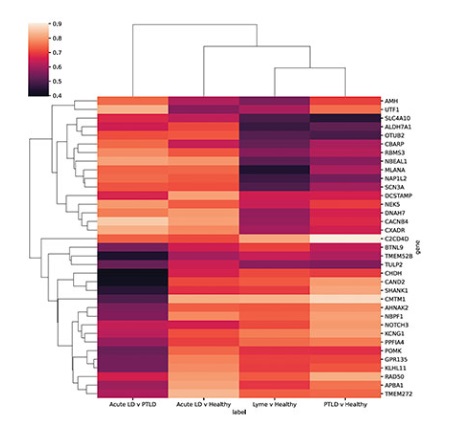
Image above: Researchers at Icahn Mount Sinai in New York identified 35 genes that could be used as biomarkers to potentially diagnose patients with long-term Lyme disease. Image credit: Cell Reports Medicine
As part of the study, RNA sequencing was conducted using blood samples from 152 patients with symptoms of post-treatment Lyme disease to measure their immune response.
Differences in gene expression
Combined with RNA sequencing data from 72 patients with acute Lyme disease and 44 uninfected controls, the investigators observed differences in gene expression. They found that most of the post-treatment Lyme disease patients had a distinctive inflammatory signature compared with the acute Lyme disease group.
In addition, by analyzing the differentially expressed genes in this study along with genes that are differentially expressed due to other infections from other published studies, the researchers identified a subset of genes that were highly expressed, which have not been previously established for this Lyme-associated inflammatory response.
Using a type of artificial intelligence called machine learning, the researchers further reduced the group of genes to establish an mRNA biomarker set capable of distinguishing healthy patients from those with acute or post-treatment Lyme disease. A gene panel that measures the expression of the genes the investigators identified could be developed as a diagnostic to test for Lyme.
A new diagnostic for Lyme?
“We should not underestimate the value of using omics technologies, including transcriptomics, to measure RNA levels to detect the presence of many complex diseases, like Lyme disease. A diagnostic for Lyme disease may not be a panacea but could represent meaningful progress toward a more reliable diagnosis and, as a result, potentially better management of this disease,” said Dr. Ma’ayan.
Next, the investigators plan to repeat the study using data from single-cell transcriptomics and whole blood, apply the machine learning approach to other complex diseases that are difficult to diagnose, and develop the diagnostic gene panel and test it on samples from patients.
The paper is titled “Gene set predictor for post-treatment Lyme Disease.” Additional co-authors are Daniel J.B. Clarke, MS (Icahn Mount Sinai, New York), and Alison W. Rebman, MPH, Jinshui Fan, MD, PhD, Mark J. Soloski, PhD, and John N. Aucott, MD, all from Johns Hopkins University of Medicine in Baltimore.
The project was partially supported by funds from the Cohen Lyme & Tickborne Disease Initiative and the National Institutes of Health.








 “On top of the physical issues, we must also consider the psychological burden that chronic illness has had on people. This may seem simple and obvious, but it is such an important piece: We have to address the trauma. And sometimes we can’t address trauma head on. We have to address it in a very circuitous but meaningful way. There are a lot of non-pharmacological, non-ingestible ways to do this: Through the
  “In addition to the cell aging and telomere lengthening concept, one area that does seem to be slightly farther ahead is the field of regenerative therapies. Regenerative therapies include exosomes, PRP, and alpha 2-macroglobulin, among others. Some of these chemicals are injected. Oftentimes, we use it mostly for tendon issues and for osteoarthritis and for different orthopedic situations. But exosomes, especially, have other uses. There are many doctors who are using exosomes in parallel to stem cell therapies and there are many types of stem cells from autologous cells that come from your own body—to umbilical, to fetal, all the way to human embryonic. There is a book by Amy Scher titled,
  “CCI is Craniocervical Instability, which is a fairly new conceptual understanding, but as a condition it’s been with us for a long time. It is where micro shear forces are happening in the neurovascularly structurally dense area where the skull meets the cervical spine, which can lead to lots of inflammatory responses. Mast cells, which are some of the allergy producing cells, are involved, among many other immune cells. A very big inflammatory response occurs when there is a combination of an infection, such as Borrelia, Babesia or Bartonella, mycoplasma, viruses, et cetera, usually plus head trauma, or a hypermobility syndrome such as Ehlers-Danlos; it’s one of the part of a triad for these people who are a setup for CCI. Dr. David Kaufman is an expert in the area who helped popularize the idea of CCI, and it’s been absolutely amazing for some of these patients who have especially severe chronic fatigue. The ME/CFS world are early adopters in considering it, but for many Lyme patients and practitioners, it is not yet on their radar. It should be because fatigue is one of the very significant presentations of chronic Lyme patients. I’ve seen four or five patients who have had this surgery with pretty astounding results. But what we’re trying to do is get away from a fusion surgery if at all possible. That’s where the exosomes can theoretically come in, especially properly placed injections of exosomes and PRP and these other regenerative therapies to stabilize an area in the cervical spine. The inflammation goes down with many of these injections but getting the benefits to continue when people move their heads frequently is another matter.
 “Therefore, jaw misalignment along with CCI and other spinal issues, such as scoliosis and different ways the spine presents in space can have very profound implications for a chronic illness. Let’s not forget, these patients are coming to me, and they typically also have infections. So, the infections are probably one of those rate-limiting steps. There are a lot of people who have scoliosis and who have jaw misalignment and CCI, who aren’t actually sick. But when you throw in what these infections are doing to people, and you combine that with the structural issues, then you start seeing the picture come together about the infections. And it’s not just about Lyme and babesia species and Bartonella and ehrlichia and anaplasma, relapsing fever, borrelia, etc. There are a lot of other organisms that come into play: there are a lot of GI parasites, brain parasites, worms, and amoebas of all kinds that compromise the human system. Not that they’re necessarily making people sick by themselves, but they change the conditions in the body. One insult by itself isn’t probably going to do anything. Throw that insult in with the Lyme, with the environment, with the structural issues, and you start seeing how complicated some of these patients are. And so, then it becomes a question of, ‘Okay, let’s evaluate all these different things that could be happening.’ I look at it as being like an onion. What’s the top layer of the onion? How do you pull that top layer off and then go to the next one and then finally get to the core? It’s a model that often works. It’s just sometimes slow, but it’s better to be slow and complete than trying to race to the finish and then having to do it over again.


 Madison Area Lyme Support Group