Archive for the ‘Herbs’ Category

Best Supplements For Arthritis

https://www.paintreatmentdirectory.com/posts/the-best-supplements-for-arthritis

The Best Supplements for Arthritis

The Best Supplements for Arthritis

3/26/23

There is no one treatment that will address all the complex factors that affect the onset and progression of osteoarthritis (OA) and rheumatoid arthritis (RA). Certain supplements can be very helpful for reducing arthritis pain and improving function . Some of the most powerful are turmeric, fish oil, ginger, SAM-e, chondroitin sulfate, glucosamine and CBD.These supplements have anti-inflammatory and/or joint rebuilding effects.

The best results will be obtained by combining supplements with an anti-inflammatory diet, exercise and stress management. There are also therapies that can be very effective, for the treatment of arthritis, including acupuncture, massage, physical therapy, low level laser therapy and pulsed electromagnetic therapy (PEMF).

Anti-inflammatory drugs can have serious, even fatal, side effects, including causing potentially fatal GI bleeding and increasing the risk of heart attacks and strokes and reducing immune response. Using safer, natural supplements to reduce inflammation and pain is a better strategy.

Although OA was once considered primarily a degenerative and non-inflammatory condition, it is now recognized as having inflammatory aspects, including elevated cytokine levels, as well as potentially being connected with systemic inflammation.

Turmeric 

Turmeric (active ingredient curcumin) reduces pain, inflammation and stiffness related to rheumatoid arthritis and osteoarthritis (OA).  This herb is traditionally used in Chinese and Indian Ayurvedic medicine to treat arthritis. It also blocks inflammatory cytokines and enzymes, including cyclooxygenase-2 (COX-2), the target of the anti-inflammatory prescription drug celecoxib (Celebrex).

In a small 2012 pilot study, curcumin reduced joint pain and swelling in patients with active RA better than diclofenac (Voltaren), a nonsteroidal anti-inflammatory drug (NSAID). Unlike NSAIDs, curcumin was not found to be associated with any adverse events.[3]

A 2016 systematic review and meta-analysis provided scientific evidence that 8–12 weeks of standardized turmeric extracts (typically 1000 mg/day of curcumin) treatment can reduce arthritis symptoms (mainly pain and inflammation-related symptoms) and result in similar improvements of the symptoms as ibuprofen and diclofenac sodium without the gastrointestinal and cardiac risks of NSAIDs

A 2018 study lasting 12 weeks found that both turmeric and turmeric combined with boswellic acid improved function and reduced joint pain, though the combination worked better to improve performance than curcumin alone.

So turmeric could be part of the answer to the question, “What is the best supplement for arthritis?”

Arthritis Foundation recommended dosage: Capsules, extract (more likely to be free of contaminants) or spice. For OA: Capsule, typically 400 mg to 600 mg, three times per day; or 0.5 g to 1 g of powdered root up to 3 g per day. For RA: 500 mg twice daily. Curcumin is a key chemical in turmeric

Shop for Products with Turmeric 

Fish Oil (Omega-3 fatty acids)

Fish oil reduces inflammation and morning stiffness in rheumatoid arthritis and preliminary studies indicate it may have a similar effect on osteoarthritis. Fish oil is an excellent source of omega-3 fatty acids (including EPA and DHA), which block inflammatory cytokines and prostaglandins. The body converts them into powerful anti-inflammatory chemicals called resolvins. Resolvins are molecules that promote resolution of cellular inflammation, allowing inflamed tissues to return to a healthier state.EPA and DHA have been extensively studied for RA as well as many other inflammatory conditions.

A 2010 meta-analysis found that fish oil significantly decreased joint tenderness and stiffness in RA patients and reduced or eliminated NSAID use.

A 2005 study of people with RA showed enhanced positive effects when fish oil supplements were used in combination with olive oil.

A 2018 review of the evidence of the benefits of fish oil for RA found that consumption of Omega 3 fatty acids significantly improved eight disease-activity-related markers.

Fish oil is also important for brain, eye and heart health. It also helps with anxiety and depression. It is safe, with no significant adverse effects. So it just may be another answer to “What is the best supplement for arthritis?”

Arthritis Foundation recommended dosage: Fish, capsules, softgels, chewable tablets or liquid. For general health, two 3-ounce servings of fish a week are recommended. However, it’s difficult to get a therapeutic dose of fish oil from food alone. To treat arthritis-related conditions, use fish oil capsules with at least 30 percent EPA/ DHA, the active ingredients. For RA and OA, up to 2.6 g, twice a day

Ginger

Ginger decreases joint pain and reduces inflammation both in people with osteoarthritis (OA) and rheumatoid arthritis (RA) Ginger has been shown to have anti-inflammatory properties similar to ibuprofen and COX-2 inhibitors such as celecoxib (Celebrex). Ginger also suppresses inflammatory molecule called leukotrienes and switches off certain inflammatory genes, potentially making it more effective than conventional pain relievers. Side effects are limited to mild gastrointestinal upset in some patients.

A 2010 study of 247 patients with knee OA found that ginger reduced knee pain when standing and walking and improved quality of life.

In a 2012 in vitro study, a ginger extract called Eurovita Extract 77 reduced inflammatory reactions in RA synovial cells as effectively as steroids.

For OA, In one trial of more than 200 patients, Eurovita Extract 77 improved OA pain after standing and walking.

A 2015 study found that using ginger extract nanoparticals in a cream 3x a day for 12 weeks improved knee joint pain, daily activities, sports activities and quality of life. There were no adverse effects.

A 2017 study of twice a week self-knee massage with ginger oil in patients with OA found patients had reduced pain and improved function after one and five weeks.

A 2019 study found that ginger can alter gene expression in people with RA to improve disease manifestation.

Arthritis Foundation recommended dosage: Powder, extract, tincture, capsules and oils, up to 2 g in three divided doses per day or up to 4 cups of tea daily. In studies, 255 mg of Eurovita Extract 77 (equivalent to 3,000 mg dried ginger) twice daily.

SAM-e

S-adenosyl-methionine (SAM-e) is a compound found naturally in the body that has anti-inflammatory, cartilage-protecting and pain-relieving effects. In studies, supplementing with SAM-e was as effective at relieving OA pain as NSAIDs like ibuprofen and celecoxib, without their side effects. A systematic review published in 2011 of complementary and alternative medicines in the management of osteoarthritis found consistent evidence that SAM-e was effective in the management of osteoarthritis. No adverse effects were found in any of the studies.

SAM-e also has a mild to moderate antidepressant effect, and is frequently used as a natural alternative to anti-depressant medication..

The typical SAM-e dose is 1,200 mg daily. It will take a few weeks to see the effects..

Glucosamine

Glucosamine is a major component of joint cartilage and levels drop as people age. It also helps keep the cartilage in joints healthy and may have an anti-inflammatory effect. Glucosamine produced in the body provides natural building blocks for growth, repair and maintenance of cartilage and may lubricate joints, helping cartilage retain water and prevent its breakdown.  It is often combined with chondroitin (see below).

Supplements are derived from the shells of shellfish (such as shrimp, lobster and crab) or from animal bones or fungi.

The largest study to date, the 2006 Glucosamine/chondroitin Arthritis Intervention Trial (GAIT) looked at 1,600 people with knee OA. The first phase found that patients with moderate-to-severe arthritis experienced significant pain relief from combined glucosamine and chondroitin. The 2008 phase found that glucosamine and chondroitin, together or alone, did not slow joint damage. In the two-year-long 2010 phase, glucosamine and chondroitin were found as effective for knee OA as celecoxib (Celebrex).

Other research has suggested that glucosamine does slow joint damage. A 2008 retrospective study of nearly 275 patients found those using glucosamine for at least 12 months underwent half as many joint replacement surgeries as those on placebo.

In a small 2012 study, an improvement in symptoms after 12 weeks was seen with combined glucosamine and NSAIDs, and a smaller but still significant improvement with glucosamine alone. Study authors speculate that long-term treatment with glucosamine may reduce dependence on NSAIDs and delay disease progression.

Glucosamine may cause mild gastrointestinal symptoms, as well as increased blood glucose, cholesterol, triglyceride and blood pressure. This supplement can increase eye pressure in people with glaucoma.

A 2018 review and metanalysis published in JAMAof all of the therapeutic agents used for knee arthritis long term, including analgesics, antioxidants, bone-acting agents, nonsteroidal anti-inflammatory drugs (NSAIDs), intra-articular injection medications such as hyaluronic acid and corticosteroids, symptomatic slow-acting drugs in osteoarthritis and putative disease modifying agents,  found that only glucosamine sulfate was associated with pain improvement. This also may be another answer to “What is the best supplement for arthritis?”

Arthritis Foundation recommended dosage: Capsules, tablets, liquid or powder (to be mixed into a drink); 1,500 mg once daily or in three divided doses to prevent stomach upset. Often combined with chondroitin. May take up to one month to notice effect.

Chondroitin Sulfate

Chondroitin is a component of human connective tissues found in cartilage and bone. In supplements, chondroitin sulfate usually comes from animal cartilage. Reduces pain and inflammation, improves joint function and slows progression of osteoarthritis (OA). Chondroiton is believed to enhance the shock-absorbing properties of collagen and block enzymes that break down cartilage. Helps cartilage retain water and may reverse cartilage loss when used with glucosamine.

The largest study to date, the 2006 Glucosamine/chondroitin Arthritis Intervention Trial (GAIT) looked at 1,600 people with knee OA. (See above under glucosamine for results.)

A separate 2011 study showed a significant improvement in pain and function in patients with hand OA using chondroitin alone.

A 2013 review of the evidence on use of chondroitin for OA concluded that chondroitin has a beneficial effect on different kinds of cells involved in osteoarthritis and that it is an effective and safe treatment option for patients with OA.

Chondroitin and glucosamine supplements appear to be safe and constitute another good answer to the question, “What is the best supplement for arthritis?”

Chondroitin taken with blood-thinning medication like NSAIDs may increase the risk of bleeding. If you are allergic to sulfonamides, start with a low dose of chondroitin sulfate and watch for any side effects. Other side effects include diarrhea, constipation and abdominal pain.

Arthritis Foundation Recommended Dosage: Capsules, tablets and powder; 800 mg to 1,200 mg daily in two to four divided doses. Often combined with glucosamine. Allow up to one month to notice effect.

Shop Anti-Inflammatory Products

CBD (Cannabidiol)

Research has shown that CBD interacts with the body’s endocannabinoid system, which plays a role in regulating pain and inflammation. CBD may also help reduce the production of inflammatory cytokines, which are molecules that contribute to inflammation in the body.

Though research to date has been somewhat limited, both animal and human studies have shown positive effects.

In a 2019 study published in the journal European Journal of Pain, researchers found that CBD gel applied to the skin significantly reduced joint swelling and pain in rats with arthritis. The study suggested that topical CBD may be a safe and effective treatment for arthritis-related pain and inflammation in humans.

In a 2020 study published in the journal Pain Medicine, researchers found that CBD treatment improved pain and sleep in patients with rheumatoid arthritis. The study suggested that CBD may be a promising therapeutic option for management of pain and other symptoms in patients with rheumatoid arthritis.

A 2020 study published in the journal Cell Death and Disease concluded that “CBD possesses anti-arthritic activity and might ameliorate arthritis via targeting synocial fibroblasts under inflammatory conditions.”

A 2022 study published in the Journal of Cannabis Research found that CBD se was associated with improvements in pain, physical function,and sleep quality. The majority of respondentsreported a reduction or cessation of use of other medications after CBD use.

Shop for CBD Products

Other Beneficial Supplements for Arthritis

Other supplements that have evidence of effectiveness for arthritis include: Borage oil, Boswellia, Bromelain, Cat’s Claw, Devil’s claw, DMSO, Ginkgo, GLA, MSM, Pycnogenol, St. John’s Wort and Stinging Nettle.

Find Providers Who Treat Arthritis with Nutrition

Conclusion

There are many supplements that can reduce arthritis pain and functional limitations. All of them are less risky than using pharmaceuticals for pain relief. The supplements not only reduce pain, they appear to have a beneficial overall biological effect on the disease process.

________________

For more:

My last experiment for treating residual Lyme/MSIDS arthritis pain has been an elimination diet to determine what is causing the inflammation/pain.  This is quite a process but certainly an entirely new education on food and the body.  Again, what works for one doesn’t work for another but in my case food is a huge player.

So far I’ve discovered I can not tolerate gluten or nightshades.  I’ve already limited sugar, grains, and alcohol.  Still trying to figure out if there is any dairy I can partake of as well as nuts/seeds and other grains or beans.

One thing is for sure: if you suffer with enough pain you can give up almost anything!

Lyme & Chlamydia Connection

https://rawlsmd.com/health-articles/lyme-chlamydia-connection-know

The Lyme & Chlamydia Connection

The Lyme + Chlamydia Connection: What You Should Know

by Dr. Bill Rawls
Posted 1/18/19

If you’ve ever contended with chlamydia — and many of us have, considering an estimated 2.86 million Americans contract an infection each year — you likely treated it with antibiotics and considered it cured.

But like Lyme disease, chlamydia infections can become chronic, and they’ve have been associated with Lyme and other chronic illnesses, including chronic fatigue syndrome, chronic pelvic pain, arthritis, and possibly even multiple sclerosis. So is chronic chlamydia a Lyme coinfection, and if so, how can it be diagnosed and treated? Read on to learn more.

Is Chlamydia a Lyme Coinfection?

It’s not considered one, because it is not typically carried by ticks. Instead, chlamydia is transmitted from person to person through sexual contact, or from an untreated mother to her newborn baby during childbirth.

But chlamydia are very similar to mycoplasma, the most common Lyme coinfection. Like mycoplasma, chlamydia are small, gram-negative bacteria that live and reproduce inside cells of a host, and they need basic raw materials from the host to survive (known as an obligate intracellular bacteria). And as with both mycoplasma and borrelia (the bacteria associated with Lyme disease), chlamydia definitely fits the definition of a stealth microbe.

The word “stealth” reflects the microbes’ elusive nature: they have sophisticated mechanisms to hide inside cells, where they remain shielded from the body’s defense system. In a healthy host that achieves balance with the microbe, there may be no visible symptoms of their presence; stealth microbes can lie undetected and dormant for years.

For that reason, the actual incidence of chronic chlamydia infections is unknown, but it’s likely high. And if a person’s immune function declines and becomes compromised due to other illness or system disruptors like toxins, chronic stress, or a high-carbohydrate diet, chlamydia can begin to contribute to disease.

Symptoms of chronic illness are very different than the initial acute illness. Defining chronic chlamydia infection can be extremely challenging because when immune system functions become compromised, other stealth microbes such as Epstein-Barr virus, borrelia, and bartonella also reactivate. This can cause the wide range of symptoms typical of chronic illnesses such as fibromyalgia, chronic fatigue syndrome, and chronic Lyme disease.

Let’s take a closer look at the three main forms of chlamydia that can infect humans.

1. Chlamydia pneumoniae

C. pneumoniae is the most common form of chlamydia, affecting 30-60% of the population worldwide. Humans are the natural host and reservoir for this species of the bacteria.

Transmission of C. pneumoniae is by airborne droplets, meaning the pathogenic microbes become suspended in the air on dust particles and water droplets. The droplets can make contact with your mucous membranes when they are inhaled, or when they’ve landed on a surface that you happen to touch.

At first, the infection affects the respiratory tract. C. pneumoniae is associated with pharyngitis (sore throat), sinusitis, middle ear infection, and bronchitis. Most infections are mild or asymptomatic, but if your immune function isn’t up to par, a more severe infection can take hold.

In fact, C. pneumoniae infection can progress to atypical pneumonia, which is similar to infections like mycoplasma. C. pneumoniae is responsible for 20% of community-acquired pneumonia, mostly in people over the age 65.

C. pneumoniae, in particular, has been discovered within artherosclerotic plaques of the arteries (along with other microbes). It’s also has been associated with myocarditis (infection of the heart muscle) and nervous system disorders, including multiple sclerosis.

Diagnosing Chlamydia pneumoniae

Testing includes indirect testing with antibodies, and direct testing for chlamydia DNA with PCR. Also, your healthcare provider may take a sample of your phlegm or a nasal or throat swab. Often, the testing methods for detecting the stealth microbe in a chronic chlamydia infection are poor, but a detailed medical history of your symptoms may lead a doctor to suspect the presence of C. pneumoniae.

2. Chlamydia trachomatis

The only known natural host for C. trachomatis is humans. In the developed world, it is a common sexually transmitted disease. In males, it can cause urethritis (infection of the urethra) and prostatitis (infection of the prostate).

In females, it can cause urethritis, cervicitis (infection of the cervix), and pelvic inflammatory disease. If the symptoms of C. trachomatis are unrecognized and untreated, the infection can cause scarring of the fallopian tubes, with infertility, chronic pelvic pain, and chronic fatigue.

But chlamydia infections regularly go unreported because it’s often a silent infection, meaning individuals who’ve acquired it may be asymptomatic. C. trachomatis has a slow incubation period, so the initial signs of the infection may not pop up for weeks.

Additionally, newborns of mothers who have genital chlamydia can acquire the infection, and it can cause conjunctivitis that may result in blindness. For this reason, all newborns in developed countries are treated after birth with antibiotic drops. In the developing world, where sanitation and hygiene are poor, ocular chlamydia infection (called trachoma) is a common cause of blindness. C. trachomatis can also cause pneumonia in newborns from infected mothers.

Diagnosing Chlamydia trachomatis

Testing involves a vaginal, cervical, urethral smear or urine sample using nucleic acid amplification test (NAAT). The test is reliable for picking up the infection in asymptomatic individuals. PCR testing also has a high sensitivity.

3. Chlamydia psittaci

C. psittaci is a bacterial infection that typically infects birds of many varieties. Although less common, humans who have contact with birds can acquire the infection as well. The microbe exists endemically in birds without causing disease unless the birds become stressed. Humans can become infected from breathing dust from infected feces or coming in close contact with birds that are infected and ill.

People who are most susceptible to a C. psittaci infection include avian breeders, bird owners, veterinarians, and poultry farm workers, according to a review in Vector-Borne and Zoonotic Diseases. Indeed, the incidences of infection are most common in workers in the poultry industry, which is one of the reasons that antibiotic therapy is heavily used in the poultry industry.

Illness from C. psittaci consists of sudden onset of respiratory and flu-like symptoms, such as fever, headaches, muscles aches, and coughing. Initially, the symptoms may be mild, but they can quickly progress to severe pneumonia. Some people may experience complications of the heart, liver, nerves, or brain.

Diagnosing Chlamydia psittaci

Testing should be considered in any person experiencing severe, acute respiratory disease who has had close contact with birds. C. psittaci has not been associated with chronic illness, and typically, people begin to recover soon after taking antibiotics.

Conventional and Natural Remedies for Chlamydia

Both C. trachomatis and C. pneumoniae respond acutely to doxycycline, azithromycin, and other antibiotics, but it’s very unlikely that antibiotics completely eradicate the microbe from the body. Remember, the microbe can stay hidden and dormant in tissues for years where it’s hard to reach. Indeed, a chronic infection with any stealth microbe typically responds poorly to antibiotic therapy.

Therefore, the most functional therapy for chronic chlamydia is long-term suppression of the microbes with antimicrobial herbs, along with restoration of immune system functions. Herbs like berberineandrographiscat’s clawsarsaparilla, and garlic can suppress stealth microbes without disrupting the normal flora of your gut. To enhance the function of the immune system, consider immune-modulating herbs like ashwagandha and Chinese tree bark.

Finally, it’s vital you take steps to sidestep the system disruptors that impair your immune system and leave you vulnerable to an overgrowth of unsavory microbes. That means:

Nourishing your body with a whole-foods diet that’s rich in vegetables and low in processed foods, grain-fed meats, excess carbohydrates, and unhealthy fats.

Purifying your environment by reducing your exposure to environmental toxins. Eat organic when you can, filter your water and air, and choose non-toxic cleaning supplies and beauty products.

Calming your mind on a daily basis with stress reduction and management techniques such as doing yoga, walking, coloring, or even napping.

Activating your body. Doing gentle, restorative exercise every day (yoga, tai chi, qigong) counters the modern-day pitfall of being too sedentary.
No matter which stealth microbes you’re dealing with, healthy lifestyle practices combined with herbal therapies can be beneficial for your healing. But know in advance that you’ll need to exercise patience and persistence with herbs, and you may need to experiment with a few before you find the ones that put you on a path to recovery.

Dr. Rawls is a physician who overcame Lyme disease through natural herbal therapy. You can learn more about Lyme disease in his new best selling book, Unlocking Lyme.  You can also learn about his personal journey in overcoming Lyme disease and fibromyalgia in his popular blog post, My Chronic Lyme Journey.

REFERENCES
1. AIrborne and Direct Contact Diseases. Maine Center for Disease Control and Prevention website. https://www.maine.gov/dhhs/mecdc/infectious-disease/epi/airborne/
2. Chlamydia – CDC Fact Sheet (Detailed). Centers for Disease Control and Prevention website. https://www.cdc.gov/std/chlamydia/stdfact-chlamydia-detailed.htm
3. Elwel C, Mirrashidi K, Engel J. Chlamydia cell biology and pathogenesis. Natural Reviews Microbiology. 2016 Jun; 14(6): 385–400. doi: 10.1038/nrmicro.2016.30
4. Krawiec M, Piasecki T, Wieliczko A. Prevalence of Chlamydia psittaci and Other Chlamydia Species in Wild Birds in Poland. Vector-Borne and Zoonotic Diseases. 2015 Nov 1; 15(11): 652–655. doi: 10.1089/vbz.2015.1814
5. Psittacosis. Centers for Disease Control and Prevention website. https://www.cdc.gov/pneumonia/atypical/psittacosis/about/diagnosis-treatment-complications.html
6. Libbey JE, Cusick MF, Fujinami RS.Role of pathogens in multiple sclerosis. Int Rev Immunol. 2014 Jul-Aug;33(4):266-83.
7. Käding N et al. Growth of Chlamydia pneumoniae Is Enhanced in Cells with Impaired Mitochondrial Function. Front Cell Infect Microbiol. 2017 Dec 5;7:499.
8. Ivanova MV et al. Role of Chlamydia in Multiple Sclerosis. Bull Exp Biol Med. 2015 Sep;159(5):646-8.
9. Sriram S et al. Detection of chlamydial bodies and antigens in the central nervous system of patients with multiple sclerosis. J Infect Dis. 2005 Oct 1;192(7):1219-28. Epub 2005 Sep 2.
10. Bayram A1, Erdoğan MB, Ekşi F, Yamak B.Demonstration of Chlamydophila pneumoniae, Mycoplasma pneumoniae, Cytomegalovirus, and Epstein-Barr virus in atherosclerotic coronary arteries, nonrheumatic calcific aortic and rheumatic stenotic mitral valves by polymerase chain reaction. Anadolu Kardiyol Derg. 2011 May;11(3):237-43.
For more:

Co-infecting agents can be transmitted together with Borrelia burgdorferi by tick bite resulting in multiple infections but a fraction of co-infections occur independently of tick bite. Clinically relevant co-infections are caused by Bartonella species, Yersinia enterocolitica, Chlamydophila pneumoniaeChlamydia trachomatis, and Mycoplasma pneumoniae…..Chlamydia trachomatis primarily causes polyarthritis.  Chlamydophila pneumoniae not only causes arthritis but also affects the nervous system and the heart, which renders the differential diagnosis difficult.

4 Steps Every Lyme Patient Should Take to Protect Their Heart

4 Steps Every Lyme Patient Should Take to Protect Their Heart

By Dr. Bill Rawls

Feb. 2023

Heart symptoms are a serious concern for people with chronic Lyme disease — and rightfully so. While research suggests up to 10% of Lyme cases result in cardiac involvement, the consequences of which can be life-threatening, that number is likely deceptively low. That’s because the actual number of cases of Lyme are underreported in most areas of the country, and many Lyme specialists believe heart issues such as Lyme carditis or an irregular heartbeat may be more prevalent than statistics currently demonstrate.

The number of missed cases may be due, in part, to the fact that heart symptoms don’t look the same in every Lyme patient. They vary from person to person and exist on a spectrum, so they can be difficult to detect. Some people may experience no symptoms at all, while others might notice mild ones — an occasional skipped beat here or a small flutter there. Still, others may experience more severe cardiac manifestations like shortness of breath, chest tightness, or heart palpitations.

“The threshold for tolerating heart symptoms should be pretty low,” says Dr. Bill Rawls, medical director of RawlsMD and Vital Plan. “Anytime you have something irregular with the heart, you should see a doctor right away.”

Whether or not you have cardiac symptoms, you can still incorporate a few strategies into your protocol to augment heart health while dealing with Lyme disease and coinfections.

Here are four natural ways you can keep your heart functioning optimally:

1. Lower Your Microbial Load

“Herbs are heart-friendly because they help protect the various cells of our body, including heart cells,” says Dr. Rawls. Herbs defend against free radical damage, physical stress, toxic substances, and most importantly, pathogens like borrelia, bartonella, babesia, and mycoplasma, all of which can cause harm to the heart.

Therefore, taking antimicrobial herbs to suppress the microbes that could contribute to cardiac problems is a top priority. Dr. Rawls’ preferred antimicrobial herbs for heart health include:

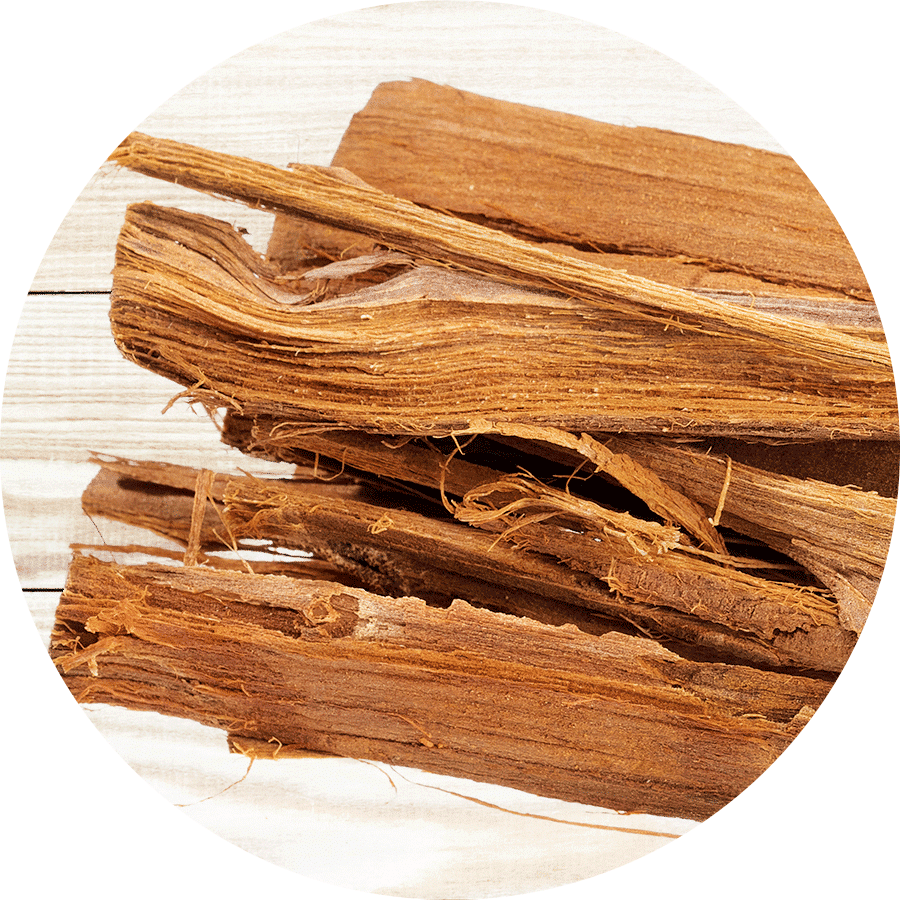
cats claw bark on wooden background

Cat’s Claw

Cat’s claw is a native herb to the Amazon region. Its antimicrobial properties make it a foundational herb in most Lyme disease protocols. Additionally, it has immune-modulating and anti-inflammatory qualities.

Suggested dosage: 375-750 mg 1 to 2 times daily (inner bark standardized to 3% alkaloids or 7:1 concentrate inner bark is preferred). It is especially important to take this herb with food, as it is activated by stomach acid. If you take acid-blocking drugs, cat’s claw won’t have a significant impact on you.

Side effects: The herb is generally well tolerated, but occasional stomach upset has been reported.

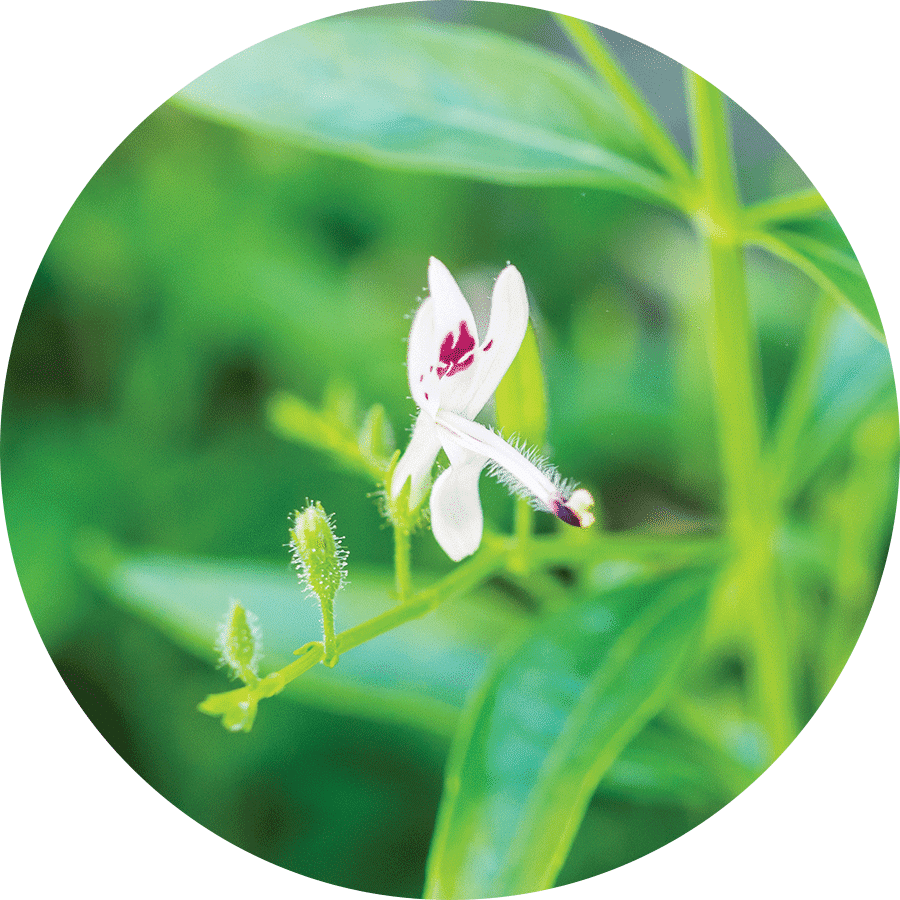
white Andrographis flower on green stem

Andrographis

Andrographis has a long history of medicinal use in India. It contains several properties, including antibacterial, antiviral, and antiparasitic, providing defense against a range of microbes. The herb also has immune-enhancing, cardioprotective, and liver-protective qualities. Andrographis is also a staple among natural Lyme protocols.

Suggested dosage: 250 mg (extract standardized to 33% andrographolides) 1 to 2 times daily

Side effects: Approximately 1% of people who take andrographis develop an allergic reaction with whole-body hives and itching skin. This is a higher percentage than most other herbs, but still extremely low. The reaction will resolve gradually over several weeks once the herb has been discontinued.

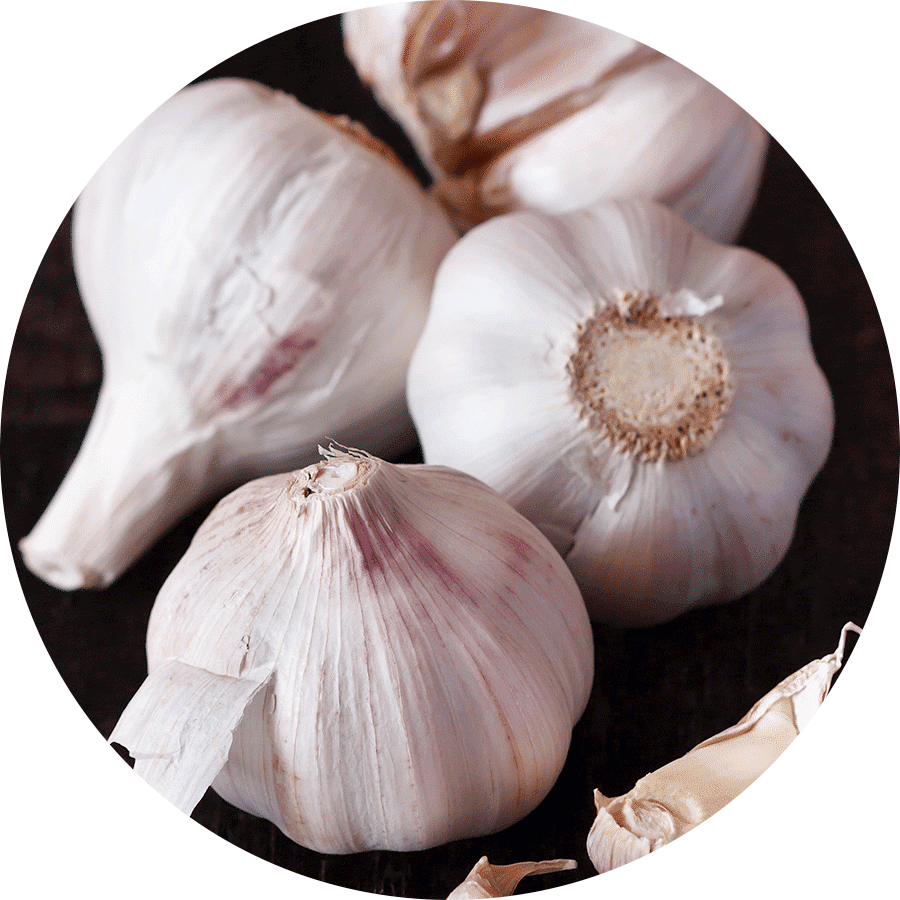
garlic bulbs on black background

Garlic

Used for medical purposes since as far back as we can trace, garlic contains an active ingredient called allicin, a volatile chemical with antiprotozoal, antiviral, and antifungal properties. It supports the immune system and balances the flora of the microbiome as well.

Suggested dosage: 200 mg of a standardized 1% allicin product 1 to 2 times daily (dosage is dependent on the garlic preparation used)

Side effects: Raw garlic may cause stomach upset, but stabilized allicin products are associated with fewer side effects and are generally well tolerated.

red berberine berries hanging on branch

Berberine

Berberine is a bioactive compound that assists in balancing the microbiome. It’s found in the stems, bark, roots, and rhizomes of a variety of herbs, including goldenseal, barberry bark, yellowroot, goldthread, Oregon grape, tree turmeric, coptis, and phellodendron.

Suggested dosage: The dose will vary depending on the preparation used; follow the instructions on the label.

Side effects: In most cases, berberine is generally well tolerated. Side effects may include gastrointestinal discomfort and low blood pressure.

2. Flow Through a Mind-Body Practice

“Exercising within the confines of what your doctor recommends is one of the best ways to keep your heart healthy,” says Dr. Rawls. But when your heart health is compromised, it’s extremely important to not overdo it. To avoid setting yourself back, consider a mind-body practice like yoga to keep your heart healthy.

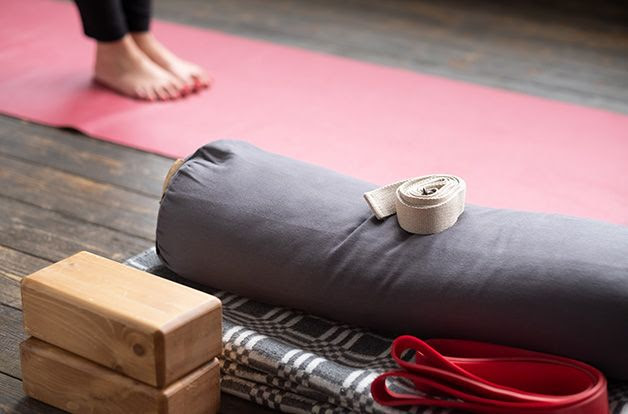
Caucasian females legs on yoga mat. Yoga props for Iyengar lesson.

Why yoga? Research from the Journal of Evidenced-Based Complementary and Alternative Medicine investigated yoga as a therapeutic intervention for individuals at-risk for or suffering from cardiovascular disease. Although the study had some limitations, yoga emerged as a lifestyle activity that fostered improved heart health. The researchers believe it could be due to yoga’s ability to reduce stress and stimulate the parasympathetic nervous system — the part of your nervous system responsible for “resting and digesting.”

Additionally, mind-body activities centered around breathwork and meditation achieved similar results in the reviewed medical studies. Other mind-body exercises that can get you moving and be tailored to your fitness level or symptoms include Pilates, qigong, and tai chi.

3. Curb Inflammation

Lyme disease and other stealth microbes can act as hidden sources of inflammation. Many Lyme symptoms, including heart symptoms, are made worse by the continuous effects of proinflammatory cytokines.

“Cytokines are chemicals that promote inflammation and persistently activate the body’s immune system,” says Dr. Rawls. Over time, chronic low-grade inflammation begins to damage blood vessels that supply your heart muscle and brain, leading to a host of trouble.

To keep your heart as strong as possible, Dr. Rawls recommends the following natural remedies:

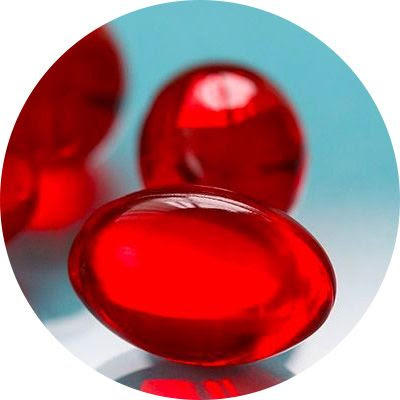
red krill gel capsules on blue background

Krill Oil

Omega-3 fatty acids like those found in krill oil are vital for many processes of the body and may lessen inflammation. Omega-3s facilitate heart health, cognitive function, and cell membrane function. Krill oil is unique in that it contains a natural antioxidant called astaxanthin. Astaxanthin benefits the cardiovascular system and provides anti-inflammatory benefits.

Suggested dosage: 2,000-3,000 mg of krill oil daily (can be broken down into 4-6 500 mg capsules) daily. The omega-3s in krill oil occur as phospholipids(instead of triglycerides (like the omega-3s in fish oil), which are more easily absorbed through the intestines and more readily utilized by the body, so you may be able to use a lower dose.

Side effects: Omega-3 fatty acids thin blood, so if you’re taking blood thinners or have a bleeding or clotting disorder, discuss taking krill oil supplements with your doctor. Avoid krill oil supplements if you have shellfish or fish allergies.

Hawthorn

Hawthorn supports heart function by increasing blood flow to the organ, strengthening contractions of the heart muscle, and improving circulation by dilating blood vessels. This allows increased oxygen delivery to tissues and assists in normalizing blood pressure.

Suggested dosage: 600-1,000 mg extract (combined leaf, stem, and flower standardized to 10% Vitexin) twice daily

Side effects: Side effects aren’t usually associated with Hawthorn, and it’s very safe for long-term use.

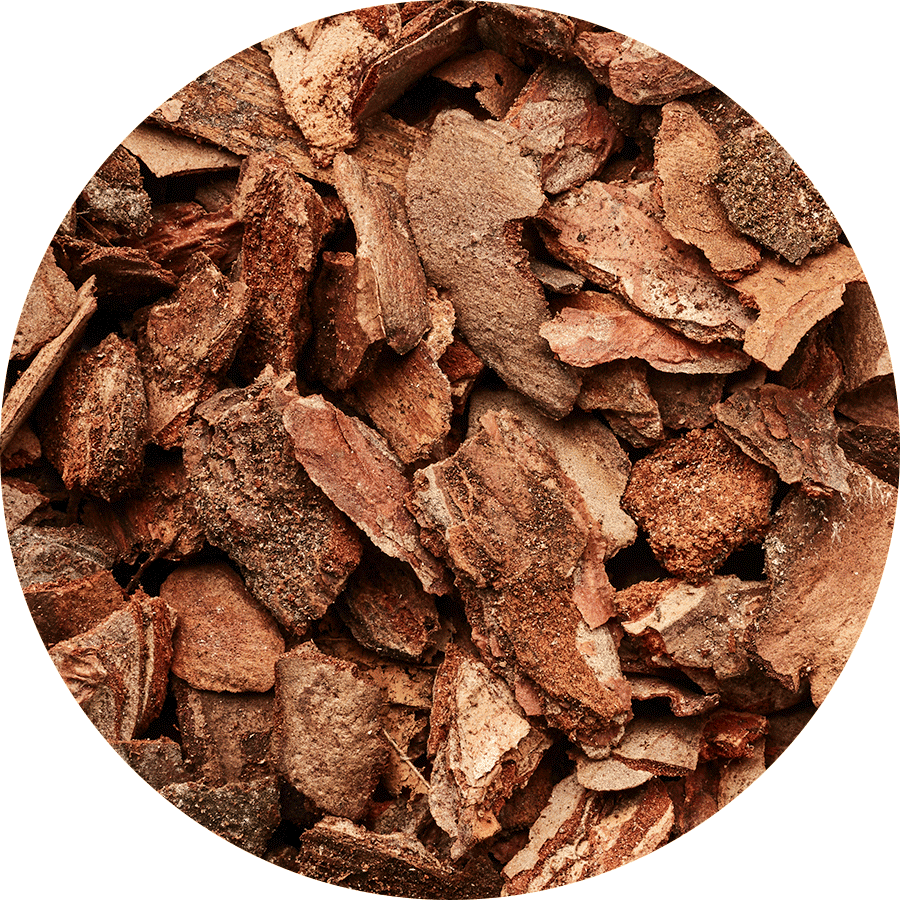
pile of french maritime pine bark pieces

Pine Bark Extract

Antioxidants and other compounds in pine bark extract inhibit platelet aggregation (blood thinner), reduce vascular inflammation, improve the integrity of blood vessels, and enhance blood flow to the tissue.

Suggested dosage: 75 mg daily standardized to 35% OPCs 1 to 2 times daily.

Side effects: Rare — pine bark has a low potential for toxicity.

4. Get Your Stress Levels Under Control

When dealing with Lyme disease, stress is an almost daily occurrence. With pressures like paying for medical treatment, finding a doctor, and managing symptoms, it’s hard to catch a break.

“The problem with chronic stress is that it has the potential to disrupt all normal cellular functions of the body and mind, including the heart,” says Dr. Rawls. For example, when you’re chronically stressed, your sleep patterns change, digestion becomes less efficient, and tissues begin to break down, which may contribute to heart-related conditions like high blood pressure or hardening of the arteries.

There isn’t a large body of research on the effects of stress on the heart, specifically, and there’s even less when Lyme disease is added to the mix. But what we do know is that the body releases adrenaline in response to a distressing event or situation. Adrenaline speeds up your breathing, gets your heart pounding, and raises your blood pressure, facilitating the “fight-or-flight” response. Chronic stress pushes your body to function in overdrive for weeks or months at a time.

A stressful woman sitting on a bed, hands to head

“When the body is constantly on alert, it cannot devote resources toward day-to-day repair and maintenance, and systems of the body can begin to go haywire,” explains Dr. Rawls. So while stress isn’t good for your health in general, for those with Lyme disease trying to make heart-conscious choices, stress interrupts the healing mode and may lay the groundwork to weaken crucial cellular functions.

Although you’ll never banish stress from your life entirely, reducing it as best as you can does help to bolster the health of all organs and tissues in your body. There are a variety of cost-effective and easily accessible options to minimize stress, such as:

  • Taking a leisurely stroll outside
  • Journaling
  • Finding support through online groups or mental health professionals
  • Relaxing in a warm bath
  • Practicing vagus nerve stimulation or neuroplasticity exercises
  • Doing deep breathing

To help bring on the heart-healthy calm, find a stress-relieving activity and stick with it as best you can — the more you genuinely enjoy it, the higher the likelihood you’ll do it consistently. With some trial and error, you’ll discover what works for you.

The Bottom Line

Ultimately, heart-supportive strategies can help keep your ticker working more efficiently, but if you have any symptoms or concerns, you should consult with a health care professional. “If someone is having symptoms like chest pains or a frequent, irregular heartbeat, don’t hesitate to see a doctor,” advises Dr. Rawls. “Anytime you’re concerned about your heart, it’s always better to play it safe.”

Lyme Detox Webinar Tonight

https://rawlsmd.com/webinars/lyme-detox/?utm_source=Klaviyo&utm_medium=email&utm_campaign=webinar

Lyme Detox

How to Use Detox as an Effective Tool for Lyme Recovery

  • Wed. Jan. 18, 2023
  • 8 PM EST

Live Webinar + Q&A: Lyme Detox

Chronic Lyme patients know that following the right detoxification plan is vital to supporting the body’s ability to heal and avoiding or minimizing Herxheimer reactions that commonly occur with microbial die-off. But finding the right plan amidst all the products and programs out there can be downright confusing.

So which detox methods are best for removing toxins like mold, heavy metals, and bacterial die-off from the body, and when is the right time to put a Lyme detox protocol into action? 

Join a live webinar with Dr. Bill Rawls, author of the bestselling book Unlocking Lyme, as he shares a practical and sustainable approach to Lyme detox at a cellular and whole-body level. He’ll discuss his insights on the safest and most effective ways to naturally minimize the inflow of toxins, maximize the outflow, and speed your recovery.

PLUS: Don’t miss an exclusive gift for webinar attendees, and have your questions ready for a LIVE Q&A on Lyme detox with Dr. Rawls.

In This Webinar, Dr. Rawls Will Discuss:

*Environmental toxins that can overtax the body

*How MTHFR mutations and other genetic factors inhibit your ability to flush toxins

*Lifestyle and diet changes that enhance your body’s natural detoxification processes

*The best time to detox in order to optimize your Lyme treatment regimen

*The best herbs and natural supplements to increase toxin outflow

*Numerous insights during the live Q&A with Dr. Rawls

RESERVE MY SEAT »

__________________

For more:

Are Parasites Making You Sick? Here’s Everything You Need to Know If You Have Lyme/MSIDS

https://rawlsmd.com/health-articles/are-parasites-making-you-sick-heres-everything-you-need-to-know-if-you-have-lyme

Are Parasites Making You Sick? Here’s Everything You Need to Know If You Have Lyme

by Stephanie Eckelkamp
Posted 1/5/22

Chances are you’ve heard someone boast the benefits — or even the necessity — of doing a parasite cleanse. They’ve probably listed some talking points about how parasites are more common than you think, that they’re driving your mystery symptoms, or that they tend to crop up in people with chronic ailments like Lyme disease. It’s enough to make anyone feel a little, well, squirmy. But how realistic is it that you’re truly playing unintentional host or that getting rid of these invaders is your secret to wellness?

According to Dr. Bill Rawls, MD, medical director of RawlsMD and Vital Plan, the logic doesn’t totally stack up. While it’s always possible you could have a parasite — depending on your living conditions, travel history, and eating and cooking habits — he is doubtful that they’re wreaking too much havoc on your health if you live in the United States or another high-income country.

Below, we cover the basics of parasites, who could be at greater risk for complications, and some basic preventative measures.

What are Parasites, Anyway?

“All living organisms that depend on a host are parasites. So technically all the microbes (bacteria, viruses, protozoa) in our bodies are parasites — but generally, what people refer to when they say parasites are worms,” says Dr. Rawls. (Think: roundworm, hookworm, flatworm.)

While microbes can replicate by cell division (or, in the case of viruses, by commandeering your own body’s cells), parasitic worms (or “helminths”) are multicellular organisms that reproduce a bit differently. They typically enter the body as eggs or larvae via contaminated water, soil, or food. Then, they make their way to your intestines, where they attach and suck blood and nutrients from your body — which could contribute to issues like anemia, nutrient deficiencies, gastrointestinal distress, fatigue, and weight loss.

Eventually, these parasitic worms reproduce sexually or asexually and shed eggs. Thankfully, the eggs pass through your stool and hatch outside the body — so you won’t continue accumulating more worms in your system.

Even though worms won’t multiply inside of you, some species can survive in the body for a couple of years, so it’s important to get treated if you suspect something is amiss. Still, having worms doesn’t always mean you’ll have negative health consequences: “Unless you’ve got a significant load of parasites, you may not have much in the way of symptoms at all,” says Dr. Rawls. “And the only way you’ll have a high parasitic load is if you continue ingesting new eggs or larvae from a contaminated source, which is unlikely in the U.S. and other developed countries.”

Beyond worms, three notable intestinal parasites in the protozoa category are giardiacryptosporidium (or “crypto”), and toxoplasmosis. Giardia and crypto are more common in the U.S. and are typically contracted from fecal-contaminated lakes or streams. Unlike worms, these do have the ability to multiply in the body. Some individuals may experience no symptoms at all, but for others, the main symptoms include diarrhea, stomach cramps, vomiting, and dehydration. Often, symptoms clear up on their own in a few weeks, but if not, medications are available.

young adult woman at home, holding hands to stomach in discomfort

Toxoplasmosis affects various bodily tissues. It’s estimated to infect 11% of the population over age six, and it’s often contracted by eating undercooked, contaminated meat or shellfish. Toxoplasmosis may cause flu-like symptoms that resolve in weeks to months, or you might have no symptoms. Either way, it remains in the body inactive and could be reactivated (potentially becoming problematic) if a person becomes immunosuppressed.

Who’s Most Likely to Contract Parasites?

You’re far more likely to get parasitic worms if you live in or visit an economically-developing country. Helminths are typically transmitted via fecal contamination of food and drinking water or from walking barefoot on fecal-contaminated soil. This is more common in places without modern toilets or sewage systems.

For example: “If you live in a country where your outhouse is near your drinking supply or where you grow your food, there’s a good chance that some of those eggs or larvae will get into things you’re ingesting,” says Dr. Rawls. “You could also be at risk of reinfecting yourself.”

In the U.S., you could also pick up parasites from eating undercooked meat or fish and handling contaminated cutting boards or utensils without properly washing your hands. You may also be exposed to them from eating contaminated produce like leafy greens (although, these are more likely to be contaminated with a pathogen like E. coli or norovirus). You may also contract giardia or cryptosporidium from ingesting contaminated water from lakes, ponds, or rivers.

Pets could be a sneaky source of parasites, too. Puppies and kittens are more likely to be infected with roundworms, hookworms, or giardia. Cats who spend time outdoors and consume infected rodents or birds can contract toxoplasmosis and pass it in their feces, so changing litter boxes poses a potential risk for exposure. Pregnant individuals need to be particularly cautious about avoiding toxoplasmosis exposure early in pregnancy because it has been linked to miscarriages, stillbirths, and health problems for the baby.

That said, “the research does not show that people in the U.S. have heavy parasite loads,” says Dr. Rawls. “Everyone’s situation is different, and maybe people are picking stuff up here and there, but that’s not average.” Given our good sanitation practices, treated water supplies, and monitoring of food products by governmental agencies, serious parasitic infections are rare.

Are You More Likely to Get a Parasite if You Have Lyme?

The state of your immune health does have an impact on your ability to clear parasites and keep symptoms at bay. “The research in developing countries shows that the biggest parasite loads are found in people with compromised immune health,” says Dr. Rawls.

Additionally, if you have a condition like HIV/AIDS or cancer, or you’re taking certain immunosuppressive drugs, you may be at a greater risk for more severe complications from a parasitic infection, warns the Centers for Disease Control and Prevention (CDC). Pregnancy or those young or old in age can also be states where the body is considered immunosuppressed, and treating parasitic infections with medications is much more likely to be necessary.

What does this mean for people with chronic Lyme disease? It’s unclear. Lyme patients may be less able to tolerate and neutralize parasites than their Lyme-free counterparts, says Dr. Rawls. But the research just isn’t there to show that people with Lyme end up with heavy parasite loads. So it’s difficult to say with certainty if Lyme poses an increased risk of parasites or if parasites are actively inhibiting your ability to heal from Lyme.

What Steps Can You Take to Protect Yourself from Parasites?

If you have a strong immune system, eat clean food, and filter your water, the chances that you’re being exposed to big parasite loads are pretty slim, says Dr. Rawls. Here are some basic practices to keep yourself safe (spoiler: you may not want to jump right to an intense parasite cleanse you find on the internet):

1. Practice Good Hygiene for You and Your Pet.

Wash your hands regularly, especially after touching soil, using the bathroom, touching animals, or disposing of animal feces. Keep your pets current on dewormer treatments, too. They should ideally be on a monthly, year-round preventative product for intestinal parasites and heartworm.

2. Follow Safe Food Prep Practices.

Thoroughly wash fruits and vegetables and cook meat to the safe minimum internal temperature. Avoid consuming undercooked meat and fish, particularly if you’re immunocompromised.

3.Avoid Ingesting Water from Lakes, Ponds, or Streams.

This is a must for curbing your risk of giardia and cryptosporidium. Always bring your own filtered water and be careful not to ingest water while swimming.

4. Protect Yourself in High-Risk Areas.

Contact your local health department before traveling to another country for information on the parasites and diseases you may encounter, and see if prophylactic medication is recommended. If you’re going somewhere without modern sewage systems, only drink bottled water.

5. Take Steps to Support Immune Health.

Any steps you can take to support overall health — getting enough sleep, moving your body regularly, eating a nutrient-dense diet loaded with colorful veggies, minimizing stress — will support your body’s immune system in neutralizing foreign invaders, parasites or otherwise.

6. Regularly Consume Gentle Herbs.

Several herbs with gentle, antiparasitic properties are safe to take on a regular basis, says Dr. Rawls. GarlicandrographisJapanese knotweedcat’s claw — all of these have been traditionally used for their anti-helminth properties,” he says. “They help create an environment that makes it more difficult for parasites to exist or reproduce.” The good news: These are all beneficial herbs for suppressing Lyme-related microbes, too, and they’re commonly found in herbal therapy protocols.

7. Be Cautious with Herbal Parasite Protocols.

Often, the parasite cleanses you read about online involve the classic combo of clove, wormwood, and black walnut, but using these without medical supervision is not advised. “These are strong enough that I don’t use them routinely,” says Dr. Rawls. “Clove can be irritating to the gut, long-term use of wormwood can cause neurological issues, and black walnut can make you feel terrible.”

Other herbal products that have gained popularity for their potential antiparasitic properties include papaya seeds and Mimosa pudica — but their safety and optimal dose is still unclear. Papaya seeds were shown in a small 2007 study to effectively clear intestinal parasites from a group of Nigerian children, but the research pretty much stops there. Studies are also scant on Mimosa pudica. While it’s been traditionally used in Ayurvedic medicine to manage diarrhea and infections, it contains “anti-fertility” properties, so it should be avoided if you’re pregnant or trying to become pregnant.

What Should You Do If You Suspect a Parasite?

Symptoms will vary depending on the parasite and your baseline level of health, but contact your doctor if you experience diarrhea, abdominal pain, bloating, rashes, itching around the rectum, fatigue, weight loss, or if you notice a worm in your stool. Tell them if you’ve consumed undercooked meat or fish, been in contact with potentially contaminated water, or if you’ve taken a trip abroad within the past two years (since parasites may take time to trigger symptoms).

Your doctor will likely order an ova and parasite test (O&P), which looks for parasitic worms and protozoa. For this test, the CDC recommends at least three stool samples, collected on separate days, be examined. Testing for toxoplasmosis, on the other hand, can be a bit trickier and may involve testing blood or cerebrospinal fluid for antibodies or the presence of parasites. If you do have a parasite, there are a variety of medications that should alleviate your infection.

If you’re tempted to try a natural approach with herbs such as clove, wormwood, black walnut, papaya seeds, or Mimosa pudica, be sure to do so in conjunction with a doctor familiar with natural remedies for parasites.

Bottom Line.

Parasitic infections are rare in high-income countries like the U.S. If you do contract something, there’s a good chance your body might clear it on its own; but if you have troubling symptoms, contact your doctor.

While there’s no clear connection between Lyme disease and an increased risk or severity of parasitic infections, there are ways to protect yourself if you’re worried — from healthy food prep to immune-supporting lifestyle habits to gentle, antiparasitic herbs. Just avoid trying popular “quick fixes” on your own, which could wind up doing more harm than good.

Dr. Rawls is a physician who overcame Lyme disease through natural herbal therapy. You can learn more about Lyme disease in Dr. Rawls’ new best selling book, Unlocking Lyme. You can also learn about Dr. Rawls’ personal journey in overcoming Lyme disease and fibromyalgia in his popular blog post, My Chronic Lyme Journey.

REFERENCES
1. Ahmad H, Sehgal S, Mishra A, Gupta R. Mimosa pudica L. (Laajvanti): An overview. Pharmacogn Rev. 2012;6(12):115-124. doi:10.4103/0973-7847.99945
2. Ascariasis. Cleveland Clinic website. ​​https://my.clevelandclinic.org/health/diseases/14071-ascariasis
3. Cryptosporidium: General Information for People With Weakened Immune Systems. Centers for Disease Control and Prevention website. 
https://www.cdc.gov/parasites/crypto/gen_info/infect_ic.html
4. Cryptosporidium. Centers for Disease Control and Prevention website. https://www.cdc.gov/parasites/crypto/index.html
5. Do Papaya Seeds Get Rid of Intestinal Parasites? Cleveland Clinic website. https://health.clevelandclinic.org/papaya-seeds-parasite-cleanse/
6. Giardia. Centers for Disease Control and Prevention website. https://www.cdc.gov/parasites/giardia/index.html
7. Lettuce, Other Leafy Greens, and Food Safety. Centers for Disease Control and Prevention website. https://www.cdc.gov/foodsafety/communication/leafy-greens.html
8. Okeniyi JA, Ogunlesi TA, Oyelami OA, Adeyemi LA. Effectiveness of dried Carica papaya seeds against human intestinal parasitosis: a pilot study. J Med Food. 2007;10(1):194-196. doi:10.1089/jmf.2005.065
9. Parasites: Diagnosis of Parasitic Diseases. Centers for Disease Control and Prevention website. https://www.cdc.gov/parasites/references_resources/diagnosis.html
10. Parasites: Travelers. Centers for Disease Control and Prevention website. https://www.cdc.gov/parasites/travelers.html
11. Safe Minimum Internal Temperature Chart. USDA Food Safety and Inspection Service website. https://www.fsis.usda.gov/food-safety/safe-food-handling-and-preparation/food-safety-basics/safe-temperature-chart
12. Toxoplasmosis. Centers for Disease Control and Prevention website. https://www.cdc.gov/parasites/toxoplasmosis/
13. Transmission of Parasitic Diseases. Centers for Disease Control and Prevention website.
https://www.cdc.gov/parasites/transmission/index.html
14. Worms in humans. The National Health Service website. https://www.nhs.uk/conditions/worms-in-humans/
15. Ova and Parasite Test. MedlinePlus website. https://medlineplus.gov/lab-tests/ova-and-parasite-test/
_________________
**Comment**
I must disagree with this article.  I believe parasites are much more common than believed.  The fact is, they are rarely reported.  Big difference.
Lyme discoverer, Willy Burgdorfer, wrote of finding nematodes in tick guts way back in 1984, and in 2014 University of New Haven researcher, Eva Sapi, found 22% of nymphs and 30% of adult Ixodesticks carried nematodes.
So, technically you can be infected with worms and other parasites directly from a tick bite – and perhaps from other bugs as well.
But, I do agree that third world countries have far more experience with parasites than the U.S.  Ideally, we could all work with a physician from one of these countries as they are walking encyclopedias about parasites.
So, what to do?
Like nearly everything else with Lyme/MSIDS we are Guinea Pigs and we simply need to experiment.  The results will speak for themselves.  I highly recommend you talk about this issue with your LLMD who undoubtedly will have experience and/or opinions about this.  I do caution patients because herxing from parasite die-off can be brutal – even life-threatening so you don’t want to be doing this on your own.
For more:

Pathologist Alan MacDonald has done it again.

He found three strains of borrelia living in parasitic nematode worms, worm eggs, or larvae in the brain tissue of 19 autopsies.  

MacDonald states that both worms and borrelia can cause devastating brain damage and that

“while patients are wrongly declared free of Lyme and other tick-borne infections, in reality, too often they contract serious neurodegenerative diseases which can kill them.”