https://ehjournal.biomedcentral.com/articles/10.1186/s12940-019-0551-x

Developmental fluoride neurotoxicity: an updated review

Philippe Grandjean

Abstract

Background

After the discovery of fluoride as a caries-preventing agent in the mid-twentieth century, fluoridation of community water has become a widespread intervention, sometimes hailed as a mainstay of modern public health. However, this practice results in elevated fluoride intake and has become controversial for two reasons. First, topical fluoride application in the oral cavity appears to be a more direct and appropriate means of preventing caries. Second, systemic fluoride uptake is suspected of causing adverse effects, in particular neurotoxicity during early development.

The latter is supported by experimental neurotoxicity findings and toxicokinetic evidence of fluoride passing into the brain.

Method

An integrated literature review was conducted on fluoride exposure and intellectual disability, with a main focus on studies on children published subsequent to a meta-analysis from 2012.

Results

Fourteen recent cross-sectional studies from endemic areas with naturally high fluoride concentrations in groundwater supported the previous findings of cognitive deficits in children with elevated fluoride exposures. Three recent prospective studies from Mexico and Canada with individual exposure data showed that early-life exposures were negatively associated with children’s performance on cognitive tests. Neurotoxicity appeared to be dose-dependent, and tentative benchmark dose calculations suggest that safe exposures are likely to be below currently accepted or recommended fluoride concentrations in drinking water.

Conclusion

The recent epidemiological results support the notion that elevated fluoride intake during early development can result in IQ deficits that may be considerable. Recognition of neurotoxic risks is necessary when determining the safety of fluoride-contaminated drinking water and fluoride uses for preventive dentistry purposes.

__________________

For more:  https://madisonarealymesupportgroup.com/2019/01/22/biological-dentistry-lyme-msids-talk/

https://madisonarealymesupportgroup.com/2019/08/26/mercury-free-dentistry-movement-update/

https://madisonarealymesupportgroup.com/2019/01/29/mercury-amalgams-lyme/

https://madisonarealymesupportgroup.com/2019/02/17/wisconsin-mercury-free-dentistry/

https://madisonarealymesupportgroup.com/2019/01/21/exposure-to-heavy-metals-linked-to-autism-in-children-and-vaccines-still-contain-mercury/

https://madisonarealymesupportgroup.com/2019/01/07/the-vaccine-debate-top-government-expert-states-vaccines-can-cause-autism-in-some-children/

https://madisonarealymesupportgroup.com/2016/12/08/mercury-and-autism/

https://madisonarealymesupportgroup.com/2018/09/28/toxic-metal-pollution-linked-with-development-of-autism-spectrum-disorder/

https://madisonarealymesupportgroup.com/2016/12/08/mercury-and-autism/

https://madisonarealymesupportgroup.com/2015/08/22/view-mercury-undercover-for-free-until-82815/  You can watch the trailer to “Mercury Undercover” here.


The following article by parentalrights.org demonstrates what parents of children with Lyme/MSIDS have known for a long time: authorities harass parental efforts to get their children diagnosed and treated.  Due to the polarity in the medical community about this complex illness, medical authorities have been abusing Lyme/MSIDS patients for decades.

Parents are often told by the mainstream medical community that they have Munchausen by proxy, a psychological disorder marked by attention-seeking behavior by a caregiver through those who are in their care.  Children having a difficult time in school are told they are “lazy,” or “bored”and they just need to buckle down and work harder.

In other words – parents and children with TBI’s are frequently told they are just making up symptoms to get attention.  

Here’s a great example:  https://madisonarealymesupportgroup.com/2017/06/30/child-with-lymemsidspans-told-by-doctors-she-made-it-all-up/

And here we see how Dutch parents with infected children are being accused of child abuse:  https://madisonarealymesupportgroup.com/2017/08/24/dutch-lyme-patients-accused-of-child-abuse/

Misdiagnosis is common:  https://madisonarealymesupportgroup.com/2019/09/05/school-nurse-documents-nineteen-lyme-disease-case-studies-misdiagnosis-is-rampant/

Children are being denied diagnosis and treatment:  https://madisonarealymesupportgroup.com/2016/09/24/arkansas-kids-denied-lyme-treatment/ Excerpt:  

Local Arkansas woman, Alarie Bowerman, recently pulled more than 20 ticks off her three children after a girl scout trip.

“They had the classic symptoms, they had the bulls eye rash, they had the joint pain, they had fevers and had flu like symptoms, yet we were denied treatment for at least two of them and I don’t understand how this is legal,” said Bowerman.

Two of the girls have a positive test result for Lyme Disease taken at Northwest Arkansas Pediatric Clinic, but the clinic told Bowerman it was likely a false positive and referred her to the Arkansas Department of Health.

According to Dr. Naveen Patil, Director of the Infectious Disease Program, ADH,  “We don’t have Lyme Disease in Arkansas, we have the ticks that transmit Lyme Disease but we don’t have any recorded cases of Lyme Disease.” 

_____________________

https://parentalrights.org/shine-light/

Shining the Light on Child Services

The Pardo family in Texas was finally reunited after several months, all accusations against the parents dropped. (They had been accused of seeking medical care their 4-year-old didn’t need, though the court would later find that every treatment he ever received had been prescribed by his attending physicians.)

A group in Minnesota is currently working out a settlement in a class action lawsuit against Hennepin County to correct unjust practices in the county’s Child Protection System.

And in Illinois another group of parents are advancing a lawsuit of their own against a hospital where babies were taken away and given the vitamin K shot without the parents’ approval, even though state law guarantees to parents the right to make that decision.

Such is the trend in America today: more and more eyes are being opened to the improper handling of children through the violation of parental rights. More and more people are taking a stand to demand the changes that need to be made.

The system has been broken for decades, but its dysfunction has been hidden in shadows. Things begin to change when more and more light reaches those recesses.

This year was ParentalRights.org’s twelfth year in being a huge part of shining that light.

In the first half of the year we coordinated with a bipartisan coalition and proposed real changes to Congress that could be employed through the reauthorization of the Child Abuse Prevention and Treatment Act, or CAPTA.

Congress has so far failed to pass any meaningful change, but in the process we fine-tuned what it is we’re looking for, and discovered additional ways to go after it.

So over the summer we started drafting model state statutes that could have the same effect, a state at a time.

In the last quarter, we finalized that language in preparation for the 2020 legislative sessions.

In the last month, we spoke with lawmakers interested in prefiling these parental rights bills.

In the last two weeks, our president attended the policy summit of the American Legislative Exchange Council (ALEC) to present our concerns and encourage state lawmakers to take a stance protecting families. His presentation has resulted in new contacts—new state lawmakers looking to take up our ideas.

Now, even as things wind down for the holidays, we are gearing up for the legislative session coming in January. States like Colorado, South Dakota, Kentucky, and Florida will be taking up bills to protect parental rights and save children from unnecessary intrusion and trauma.

Thank you for standing with us throughout 2019, and for continuing the journey together in 2020.

Together we are shining a light and making a difference!

Sincerely,

Michael Ramey

Executive Director

________________

For more on the abuse of parental rights:  https://madisonarealymesupportgroup.com/2018/08/21/mayo-clinic-holds-teenager-hostage-why-we-need-the-parental-rights-amendment/

https://madisonarealymesupportgroup.com/2017/02/21/parental-rights-in-medical-settings/

Excerpt:

Right here in the U.S., the family of Justina Pelletier found that out the hard way in 2014 when the state of Massachusetts took Justina from them and placed her in the custody of Boston Children’s Hospital. Doctors there were free to enroll her in clinical trials (without parental consent) for the somatoform disorder diagnosis they had given her, rather than continuing the treatment for Mitochondrial disease that her parents and doctors at Tufts Medical Center had been following. After public outrage following her parents going public, Justina was finally returned to her parents 16 months later, in much worse condition than when she was taken away. Her story reemerged in 2016 as the family filed suit in federal court against the state and the hospital who so severely injured their daughter.

Isaiah Rider of Missouri was also taken by the state over a disagreement regarding his treatment. He was finally released by the state of Illinois who had been granted custody (though he was never a resident of the state until he went into foster care) when Lurie Children’s Hospital (Chicago) doctors decided they knew better than his mom. While in foster care, Rider suffered sexual assault. He was finally returned to the custody of his grandparents in his home state, but wasn’t fully released from Illinois care until June of 2016, months after his 18th birthday!

As sad as it sounds, though, the Riders and the Pelletiers are the lucky ones.

A family in New York found themselves facing allegations of child abuse after their infant died at the hands of New York doctors, according to a lawsuit filed last year. The suit alleges that the Long Island infant was pumped full of a “cornucopia of drugs,” including Propofol, “the powerful sedative linked to Michael Jackson’s death” according to a NY Post article. As the baby lay dying, Suffolk County social workers and a “pediatric child abuse specialist” were accusing the parents of shaking her to death, a charge the parents contend was fabricated to cover up the hospital’s own serious errors in the child’s treatment. The couple’s two older children were taken from their care, but returned after two autopsies of the baby showed no signs of criminality. The child protection agency kept its case open for 11 long months, and is now a codefendant in the suit.

In the medical sub-category of psychotropic drugs, parental rights have seen a slight improvement. Though most psychotropic drugs are not approved by the FDA for use by adolescents, many localities have nevertheless required their prescription to students who misbehave in school. Maryanne Godboldo of Detroit made national headlines 3 years ago when she barricaded herself and her daughter in her apartment and refused to let the city force her 13-year-old to receive Risperdol. The ensuing standoff brought out the SWAT team, a tank, and the national news.  Maryanne’s own case was finally resolved this year when charges – which had been filed or appealed 5 separate times – were finally dropped. Sadly, they were dropped only because Godboldo suffered a massive aneurysm and is not expected to recover from her current comatose state.

If you think these are isolated accounts – think again.  This is happening in every state in the U.S. as well as abroad.

https://madisonarealymesupportgroup.com/2017/04/20/why-we-need-the-parental-rights-amendment/A proposed Parental Rights Amendment to the U.S. Constitution (PRA) would provide that “the liberty of parents to direct the upbringing, education, and care of their children is a fundamental right.” By setting a firm constitutional standard to protect these rights, the amendment would provide clear direction for courts, doctors, child welfare workers, and other government officials. Racial bias would diminish as fewer cases are left to the discretion of a judge or other state agent.  Another provision of the proposed Amendment would protect the rights of persons with disabilities.  The proposal states, “The parental rights guaranteed by this article shall not be denied or abridged on account of disability.”


https://globallymealliance.org/the-avril-lavigne-foundation-and-gla-discuss-tick-borne-disease-at-global-health-forum/

the avril lavigne foundation_GLA_abu dhabi

Real change happens when we work together. This is especially true when it comes to advancing the Lyme disease and tick-borne illness agenda, be it through research, awareness, funding, or patient support.

At Global Lyme Alliance (GLA) we are eternally grateful for the tireless work of our board member Avril Lavigne and our amazing partners in The Avril Lavigne Foundation. The Avril Lavigne Foundation recently invited GLA’s CEO Scott Santarella and Chief Scientific Officer Tim Sellati to join them at the Reaching the Last Mile (RLM) Forum in Abu Dhabi, to discuss and collaborate on the world stage about the risks of tick-borne illness and how we can come together to help patients.

The Avril Lavigne Foundation post from December 10, 2019 …

The biennial Reaching the Last Mile (RLM) Forum, held in Abu Dhabi, convenes global health leaders to share insights and best practices on how to map out, eliminate & eradicate infectious diseases. Held under the patronage of His Highness Sheikh Mohamed bin Zayed, Crown Prince of Abu Dhabi, in partnership with the Bill & Melinda Gates Foundation, this year’s RLM Forum  brought together more than 300 preeminent individuals from government, private sector, philanthropy & academia, to discuss reaching the last mile of disease elimination faster – including The Avril Lavigne Foundation!

We were honored to be invited by The Avril Lavigne Foundation to participate alongside incredible organizations like The Clinton Foundation, The Gates Foundation, Project Hope, The Carter Center, The World Health Organizationand to join them in educating global health community about Lyme and other tick-borne/vector-borne diseases. During the Forum, we had the opportunity to hear from a number of prominent global health leaders, exhibit Louvre Abu Dhabi, and participate in a Round Table focused on Climate Change & Global Health (chaired by the esteemed Dr. Anthony Costello). Participants included the UAE’s Ministers of Climate Change and Health, Rt Hon Helen Clark (former Prime Minister of New Zealand), @MalariaNoMore @ChildrensPhila and others. During the Forum Bill Gates  and other philanthropic leaders from around the world pledged over $2.6 BILLION to eradicate Polio. The Forum was collaborative, educational and beyond inspiring.

We are grateful to have been included in this prestigious event.

Here are some highlights …

Reaching the Last Mile Forum 2019 in Abu Dhabi
(Please go to link to see highlights)
___________________
**Comment**
I must point out that one of the slides is about “climate change” and vector borne diseases.  Research has proven that the climate doesn’t effect the proliferation of ticks, and therefore disease, what so ever and is a moot point taking valuable research dollars away from important issues: https://madisonarealymesupportgroup.com/2018/08/13/study-shows-lyme-not-propelled-by-climate-change/

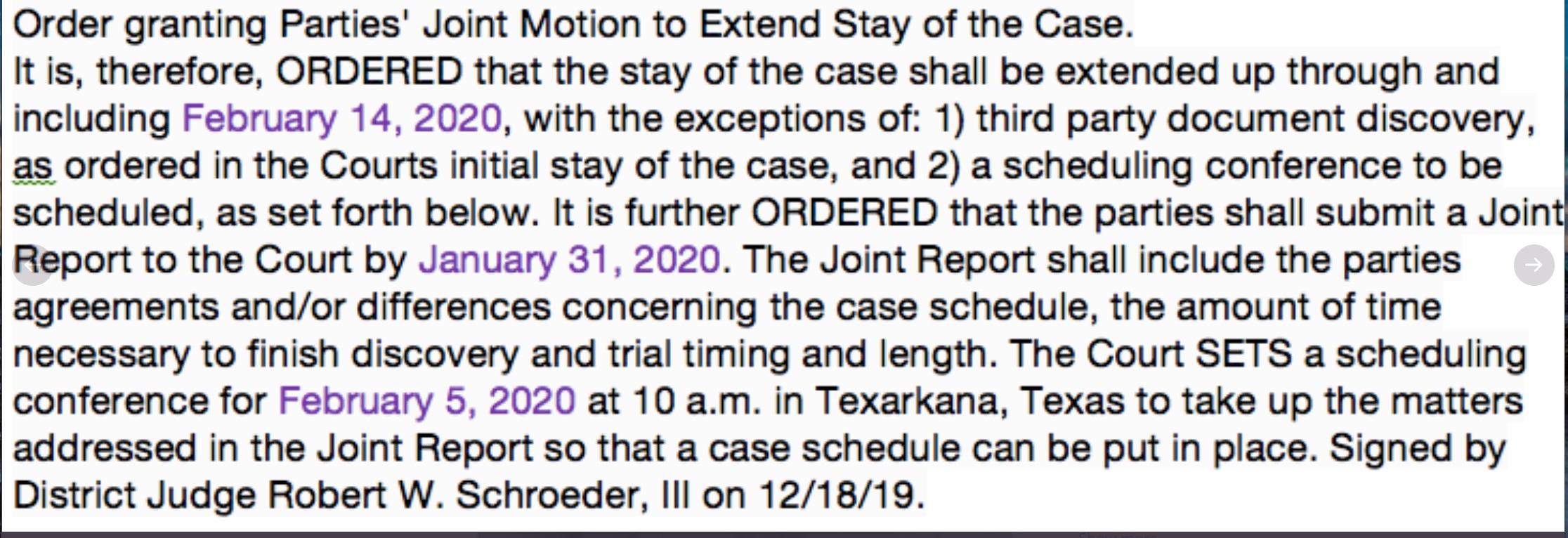
https://www.lymedisease.org/torrey-stay-extended/

Judge in Lyme lawsuit extends stay in case through February 14

https://vitalplan.com/blog/is-it-safe-to-take-herbs-with-medications?

Is It Safe to Take Herbs with Medications?

By Dr. Bill Rawls Posted 12-17-2019

The question about herb-drug interactions comes up a lot — and for good reason. All prescription drugs carry risks, and even though most tend to work predictably on their own, various outside factors can interfere in adverse ways, whether in how the medication is absorbed, metabolized, or utilized.

What’s more, drug interactions can be quite serious, even deadly. But it’s important to understand that most herbs function very differently than drugs. And because of that, the majority are safe to take with common medications. In some cases, herbs can even help reduce drug side effects or help you reduce dosage of drugs.

But, like anything, there are exceptions and caveats. Here’s what you need to know to stay healthy and safe if you’re considering combining herbal supplements and prescription medications.

The Difference Between Drugs and Herbs

Most symptoms or illnesses are the result of a dysfunctional process in the body, and prescription medications are largely designed to target those processes and interfere, disrupt, or block them. But that means drugs don’t typically address the causes of the dysfunction, rather only the process that triggers the symptom or manifestation of the problem.

Take heartburn medications, for example. Rather than addressing why too much stomach acid regurgitates up into the esophagus, the drugs block the natural process in the GI system that produces stomach acid in the first place. In that respect, many drugs, especially those used for chronic illnesses, are a little like low-dose poisons.

Restorative or adaptogenic herbs, on the other hand, don’t block those processes. Instead, the herbs help regulate or balance the systems that cause those processes, essentially helping to address the underlying causes of the dysfunction.

For example, restorative herbs help improve cell communication, stimulate healthier digestion, and balance the gut’s microbiome. Many also have anti-inflammatory and antioxidant properties that improve the way cells in the immune system communicate.

orange turmeric roots and powder in wooden bowl

So, rather than, say, putting out the flame of overactive inflammation (like an anti-inflammatory drug would,) herbs help you avoid faulty inflammation-triggering signals and reduce the free radicals that can lead to overactive inflammation in the first place. While this process delivers longer-lasting benefits, it also takes longer to go into effect, so herbs don’t usually provide the quick fix that some drugs can.

Another distinguishing characteristic of herbs is that they generally have a high safety profile: Few herbal substances can actually kill you, even if taken in large quantities. They have evolved for the specific purpose of supporting cellular life and natural functioning. That’s in contrast to many prescription medications, which if you take too much can quickly turn lethal.

Effector Herbs Versus Restorative Herbs

As with all rules, there are some exceptions to the herb-drug differences outlined above. For instance, some herbs actually do work more like drugs. Called effector herbs, they produce an acute effect on natural processes.

The results of effector herbs are powerful, but also usually short-lived and with no long-term healing properties. That’s different than restorative or adaptogenic herbs, which tend to more generally balance cellular functioning and communication and support healthy processes in the long term.

Macro photography of a lily of the valley. Nature background.

Effector herbs also tend to have one specific ability or target, while adaptogens generally support and balance all your systems and are more gentle in their effects. Here’s a simple example to understand the difference:

Say you’re carrying a heavy bag and are in pain. Like a drug, an effector herb could knock out or reduce pain signals temporarily. Adaptogenic herbs, on the other hand, would work to support your muscles and joints to correct your posture, and support your heart and immune health so you could better carry the load without injury and fatigue in the future.

Many herbalists tend to steer clear of effector herbs for the mere fact that they are so powerful and can be potentially dangerous when combined with certain drugs or taken in high doses.

Be Careful with Certain Medications

Although most herbs are safe to take with medications, there are some drugs that require special consideration. Take note if you are prescribed any of the drugs below — it’s not an exhaustive list, but it’s a good overview of Rx categories that can interact with herbs. And as always, talk to your healthcare provider before starting any new herbal regimen.

Prescription medicine green capsules with orange pharmacy bottles in the background

SSRI Antidepressants

Restorative herbs typically don’t interfere with medications — they can even be beneficial — but steer clear of the effector herb St. John’s wort. It blocks serotonin enzymes and so may interfere with serotonin reuptake, which is what selective serotonin reuptake inhibitors (SSRIs) do. If taken together, too much serotonin could build up in your body and trigger serotonin syndrome, which can cause sweating, agitation, confusion, headache, and other effects.

Prescription Sedatives, Sleep Aids, and Anti-Anxiety Medicines

Many herbs have calming and sedative properties, including strong effector herbs like kava, valerian, and belladonna, as well as milder adaptogens such as bacopa, passionflower, and motherwort. While the vast majority of calming herbs work like a feather compared to their hammer-like drug counterparts, it’s still best to avoid mixing the two, especially in the case of effector herbs, which are especially potent.

Blood Thinners

Many herbs as well as omega-3 fatty acids found in krill oil and fish oil supplements have mild platelet-inhibition properties, meaning they can keep platelets from sticking together and slow down the mechanism that forms clots. In most people, that can be a good thing, because it helps prevent plaque formation in arteries and decreases the risk of blockages. However, if you’re on blood thinners, even the mild effect from herbs could thin the blood too much, causing blood vessels to become leaky and increasing your risk of hemorrhagic stroke or other complications.

Thyroid Hormone

Ashwagandha is known to support and stimulate thyroid function, so if you’re also taking a thyroid hormone, the herb could potentially bump you up to a higher-than-normal hormone level. If you take both ashwagandha and thyroid hormone, have your levels tested as you may be able to lower your dosage of the synthetic drug.

Diabetes Medications or Drugs that Lower Blood Sugar

Most adaptogen herbs, including reishi, rhodiola, and andrographis, naturally help balance blood sugar. If you take these herbs along with glucose-lowering meds, it may cause levels to dip below normal. As with thyroid drugs, rather than avoiding herbs, consider working with your doctor to see if they might enable you to lower your dosage of drugs.

Smart Reasons to Take Herbs with Medications

If your healthcare professional isn’t knowledgeable about herbs, they may be inclined to simply tell you to stop taking herbs or avoid them altogether. But in many cases, there’s no reason you can’t take most adaptogen or restorative herbs — the best of which include rhodiola, reishi, cordyceps, ashwagandha, and andrographis – with your prescription.

pink and yellow rhodiola flowers growing off tall stems

Even herbs that have mild effects similar to that of a drug you’ve been prescribed — like those that lower blood sugar or thin the blood — can be okay. After all, herbs naturally support your body’s systems, improve functioning, and help address the causes of illness.

Adaptogenic herbs can also moderate the side effects of many drugs and work in tandem in other ways. For instance, one of the main benefits of these herbs is their ability to help balance the gut’s microbiome and support a healthy immune system, making them a nice complement to antibiotics for an infection, which can throw the microbiome out of whack.

So why not take the herb and lower the dose of the drug, then monitor your response to find the right balance? In the long term, that’s preferable to relying on drugs that only target a symptom and must be taken long-term.

What’s more, when paired with certain lifestyle and dietary changes, you may even be able to get off the drug completely. Just note that this approach can require finding an open-minded doctor and/or a knowledgeable herbalist who can work together to guide you through the proper steps.

ABOUT THE MEDICAL DIRECTOR
Dr. Bill Rawls
Dr. Rawls is a licensed medical doctor in North Carolina and a leading expert in integrative health. He has extensive training in alternative therapies, and is the Medical Director of Vital Plan, a holistic health and herbal supplement company in Raleigh, NC.