https://www.statnews.com/2019/06/25/alzheimers-cabal-thwarted-progress-toward-cure/

The maddening saga of how an Alzheimer’s ‘cabal’ thwarted progress toward a cure for decades

By Sharon Begley

June, 25, 2019

In the 30 years that biomedical researchers have worked determinedly to find a cure for Alzheimer’s disease, their counterparts have developed drugs that helped cut deaths from cardiovascular disease by more than half, and cancer drugs able to eliminate tumors that had been insurable.  But for Alzheimer’s, not only is their no cure, there is not even a disease-slowing treatment.  (See link for article)

____________________
I posted on this a year ago when Leslie Norins, Ph.D. wrote this fantastic paper:  https://madisonarealymesupportgroup.com/2018/09/11/its-time-to-find-the-alzheimers-germ/

Alzheimer’s has had a Cabal similarly to Lyme in that research has been hijacked by a group of individuals with blinders on.  According to Norins, the 2017 Alzheimer’s Association had a conference in London where researchers from 70 countries could share progress.  A keyword index of the presentations showed the largest entries, 110, were for amyloid/APP.The next most common item was tau, the tangled protein, with 85 entries. Inflammation—the body’s reaction to something—had 45 mentions.  Presentations of germ importance had only single digit presence: prion proteins (8 entries), infectious disease (4 entries), bacteria (1 entry). Virus was not even listed as a keyword.

Yet numerous researchers have doggedly fought against the myopic focus and have found spirochetes in the brains of Alzheimer’s patients:   https://madisonarealymesupportgroup.com/2016/06/09/alzheimers-byproduct-of-infection/, and Kris Kristofferson was diagnosed with Alzheimer’s but actually had Lyme disease:  https://madisonarealymesupportgroup.com/2017/01/04/aluminum-alzheimers-ld/

https://madisonarealymesupportgroup.com/2017/01/18/a-bug-for-alzheimers/

https://madisonarealymesupportgroup.com/2016/06/09/alzheimers-byproduct-of-infection/

https://madisonarealymesupportgroup.com/2016/11/17/antibiotics-and-alzheimers/

https://madisonarealymesupportgroup.com/2016/06/03/borrelia-hiding-in-worms-causing-chronic-brain-diseases/

https://madisonarealymesupportgroup.com/2018/03/25/a-brief-history-of-neuroborreliosis-research-dementia-an-inside-look-at-two-researchers/  Fantastic read by microbiologist Tom Grier.

https://madisonarealymesupportgroup.com/2017/06/10/the-coming-pandemic-of-lyme-dementia/

https://madisonarealymesupportgroup.com/2016/11/17/alzheimers-lyme/

https://madisonarealymesupportgroup.com/2018/07/28/herpes-viruses-implicated-in-alzheimers-disease/
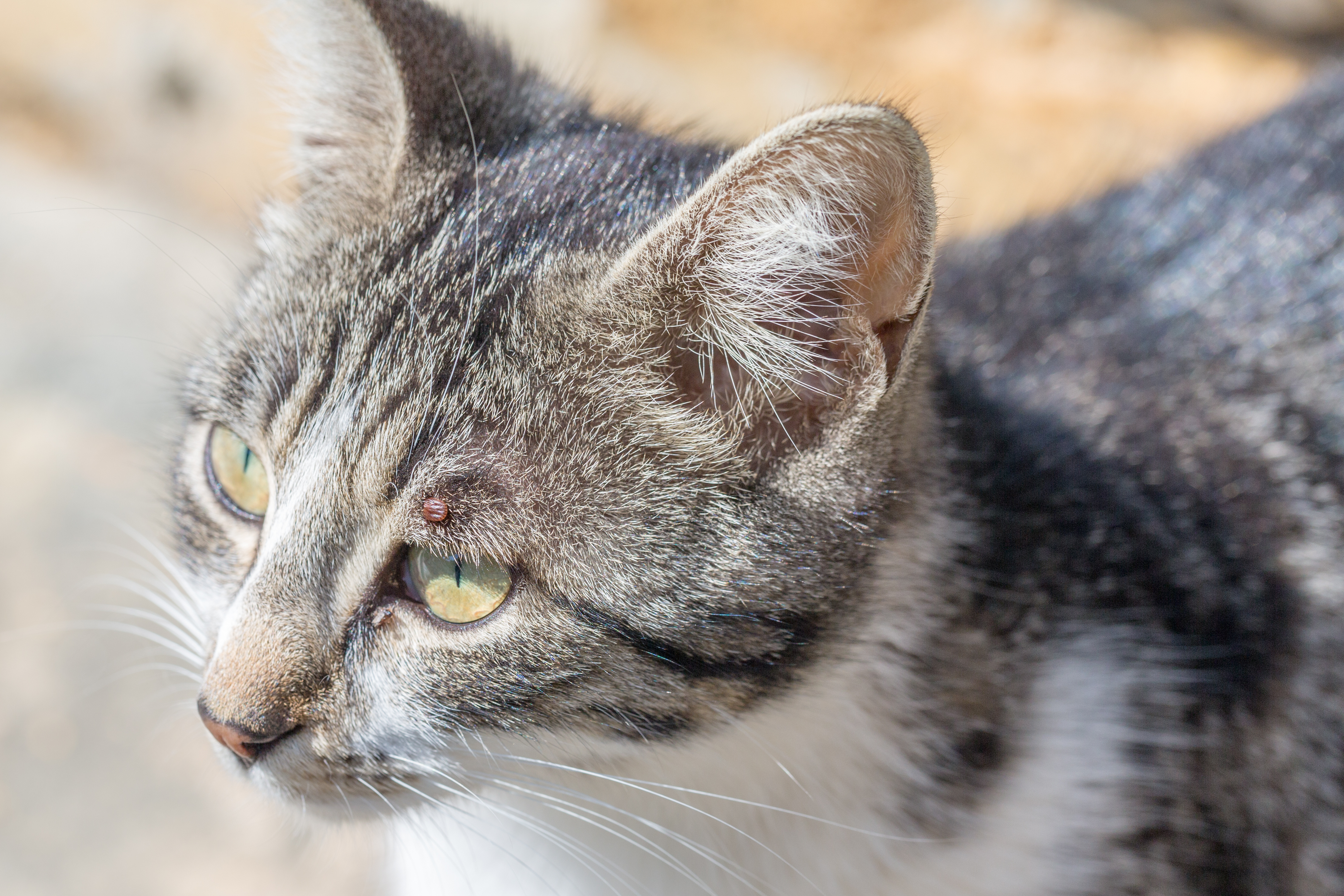

https://danielcameronmd.com/cats-carry-types-ticks-tick-borne-diseases/

CATS CARRY ALL TYPES OF TICKS AND TICK-BORNE DISEASES

Did you know the cat you may be cuddling with on your couch every evening could be infected with a host of tick-borne diseases? Unlike our canine friends, cats are typically not symptomatic when it comes to such diseases. But as researchers have found, that doesn’t mean they are free from disease.

Updated: April 22, 2019

In a study by Shannon and colleagues, 160 ticks and blood samples were collected from 70 healthy cats brought to the Mid Atlantic Cat Hospital in Queenstown, Maryland. [1]

The authors found that the cats were carrying 3 species of ticks including 83 Lone Star ticks (Amblyomma americanum), 7 American dog ticks (Dermacentor variabilis) and 70 black-legged ticks (Ixodes scapularis.)

Out of the 160 ticks, 22 (13.8%) tested positive by PCR for Bartonella spp., Borrelia burgdorferi, or Borrelia miyamotoi. However, only 25 of the 70 cats were able to be fully tested.

Nine of those cats (36%) were positive for exposure to at least one of the following tick-borne pathogens: Borrelia burgdorferi, Ehrlichia ewingii, Anaplasma phagocytophilum, Borrelia miyamotoi, Bartonella clarridgeiae and Bartonella henselae.

“We also found at least one cat blood sample to test positive for antibodies to each of the four tick-borne agents we screened for,” the authors state.

According to the authors’ review of the literature, the risk to pet owners is unclear. “Pet ownership has been implicated in vector-borne pathogen transmission and has been identified as a potential risk factor for such diseases in some studies, but not others.”

Nevertheless, screening for ticks may prove helpful, providing advanced warning of disease risk to humans “upon recognition of an uncommon or unexpected pathogen in a pet or pet-derived parasite,” Shannon concludes.

Author’s note: Keeping your cat indoors can prevent it from picking up ticks that could be passed onto you or other family members. 

References:
  1. Shannon AB, Rucinsky R, Gaff HD, Brinkerhoff RJ. Borrelia miyamotoi, Other Vector-Borne Agents in Cat Blood and Ticks in Eastern Maryland. EcoHealth. 2017.

___________________

**Comment**

For some reason many people believe cats are immune to tick bites.  This article clearly shows this to be a fallacy.  Besides being bitten by ticks and infected with the pathogens within them, cats are known for carrying and transmitting Bartonella:

https://madisonarealymesupportgroup.com/2019/05/28/woman-wakes-up-with-black-eye-swollen-face-after-cat-scratch-that-left-her-on-iv-drip-for-four-days/

https://madisonarealymesupportgroup.com/2019/06/28/cat-scratch-disease-vet-suffers-extreme-fatigue-for-a-decade-after-catching-rare-severe-case-of-bartonella-infection-that-isnt-rare/

https://madisonarealymesupportgroup.com/2019/03/24/cat-scratch-disease-caused-teens-schizophrenia-like-symptoms-report-says/

As you can see from these links, Bartonella is far more than swollen lymph nodes, and many do not even present with that symptom at all.  If you suspect Bartonella, please print and fill out this questionnaire:  https://madisonarealymesupportgroup.com/2011/09/25/the-bartonella-checklist-copyrighted-2011-james-schaller-md-version-11/  If you have a preponderance of symptoms, take this to your doctor and discuss it.  For Bartonella treatments see:  https://madisonarealymesupportgroup.com/category/bartonella-treatment/

In my experience, not only do many Lyme patients also have Bartonella, it is often harder to resolve than Lyme.  Testing for these coinfections is just as abysmal as Lyme testing is so knowing symptoms is a must for a clinical diagnosis as many will never test positive.  This website is full of patients who had Bartonella who were negative on testing.

https://www.greenmedinfo.health/blog/fda-approves-mercks-new-live-ebola-vaccine-which-it-says-can-shed-and-cause-immun?

FDA Approves Merck’s New Live Ebola Vaccine Which It Says Can Shed and Cause Immunosuppression “©

[12/24/19] GreenMedInfo LLC. This work is reproduced and distributed with the permission of GreenMedInfo LLC. Want to learn more from GreenMedInfo? Sign up for the newsletter here //www.greenmedinfo.com/greenmed/newsletter.”

Merck has received the FDA’s fast-tracked approval of a live, genetically modified Ebola vaccine which, according to its vaccine insert, can cause a novel new form of Ebola-type infection, resulting in immunosuppression and possible shedding of live virus to others.

On Dec. 20th, 2019, Merck announced it received FDA approval for an Ebola vaccine which contains the virus known as recombinant vesicular stomatitis virus–Zaire Ebola virus (rVSV-ZEBOV), and will be marketed under the name ERVEBO.

The rVSV-ZEBOV is a live, replication-competent virus, produced with the same African green monkey derived Vero cell line Merck used to create the Rotateq vaccine targeting rotavirus infections. The Vero cell line has been previously identified to carry at least two surreptitious simian endogenous retroviruses whose significant risks to human health have not yet been formally evaluated.

VSV-ZEBOV is produced through genetic modification, combining the vesicular stomatitis virus (which on its own can cause flu-like illness in humans) in which the gene for native envelope glycoprotein (P03522) is replaced with that from the Ebola virus (P87666), Kikwit 1995 Zaire strain.

In its recent press release, Merck acknowledged that the vaccine may result in the shedding of RNAs from the live virus in the blood, saliva, urine, and fluid from the skin of the vaccinated, and could result in the theoretical transmission of the vaccine virus to others (based on previous RT-PCR testing). The vaccine insert also states:

“ Transmission of vaccine virus is a theoretical possibility. Vaccine virus RNA has been detected in blood, saliva, or urine for up to 14 days after vaccination. The duration of shedding is not known; however, samples taken 28 days after vaccination tested negative. Vaccine virus RNA has been detected in fluid from skin vesicles that appeared after vaccination.”

The clinical studies conducted on the vaccine included safety assessments, noting serious adverse effects which included life-threatening anaphylaxis. Another particularly concerning adverse effect of the ERVEBO vaccine was identified after white blood cell counts were assessed in 697 subjects:

“Decreases in lymphocytes were reported in up to 85% of subjects and decreases in neutrophils were reported in up to 43% of subjects. No associated infections were reported.”

Considering the fact that Ebola virus infection causes the death of lymphocytes1 and neutrophils,2the vaccine appears to induce the very same type of immunosuppressive effects that are associated with morbidity and mortality from the disease it is attempting to prevent.

Moreover, according to Merck, the vaccine may interfere with laboratory tests intended to identify Ebola infection:

“Interference with Laboratory Tests

Following vaccination with ERVEBO, individuals may test positive for anti-Ebola glycoprotein (GP) antibody and/or Ebola GP nucleic acid or antigens.”

In summary, the vaccine may:

1) produce widespread RNA virus infection within the tissues of those vaccinated

2) may shed and infect others 

3) produce immunosuppressive effects consistent with Ebola infection

4) produce immune effects that may prevent laboratory tests from discerning wild-type Ebola infection from vaccine-strain Ebola infection


Additional references

1 https://www.ncbi.nlm.nih.gov/pmc/articles/PMC5897007/

2 https://www.sciencedaily.com/releases/2017/05/170524101419.htm

Disclaimer: This article is not intended to provide medical advice, diagnosis or treatment. Views expressed here do not necessarily reflect those of GreenMedInfo or its staff.

Letter-to-NIAID-on-Lyme-Disease-12.19.19

This letter, written by U.S. Senators to Anthony S. Fauci, M.D., the director of the National Institute of Allergy and Infectious Disease (NIAID), demands answers to a number of questions regarding Lyme disease including:

  • What research is NIAID doing to better understand the diagnosis, treatment, and transmission  of Lyme disease?


  • What is NIAID’s understanding of patient experiences with post-treatment Lyme disease syndrome or chronic Lyme and what research are they conducting to better understand the progression of these symptoms and how to treat them?


  • What specific actions, if any, is NIAID taking to expand the pool of researchers interested in studying Lyme disease?


  • Does NIAID support the creation of clinical research “Centers of Excellence” as exist for other disease types?
Other questions are listed as well and the letter is signed by 7 senators.

https://danielcameronmd.com/lyme-pseudothrombophlebitis-in-a-young-child/

LYME PSEUDOTHROMBOPHLEBITIS IN A YOUNG CHILD

boy, child, sitting, alone

This case report, featuring an 8-year-old boy, illustrates, once again, the unusual presentation that can occur with Lyme disease. [1] The child was admitted to the emergency department at Jefferson University Hospital in Philadelphia with swelling and pain in his knee and calf.

The pain had been ongoing for one week. “He described the pain as throbbing, worse with movement, and improved with rest,” writes Sandelich and colleagues.  Three days earlier, the boy had visited a different emergency department and was diagnosed with a muscle sprain following results from an X-ray.

The boy’s pain, however, continued, and an ultrasound of the lower extremity was obtained. It revealed “a 13 x 6 x 2.7-cm heterogeneous mass with solid and cystic components in the left calf,” writes Sandelich.

An MRI revealed several findings that were consistent with a large collection in the left gastrocnemius muscle with surrounding myositis involving the gastrocnemius muscle.

A Lyme Western blot test was positive, and the child was diagnosed with Lyme pseudothrombophlebitis. He was treated successfully with intravenous cefazolin, followed by 4 weeks of amoxicillin.

“A known complication of a ruptured popliteal cyst (fluid collection behind the knee) is a pseudothrombophlebitis,” explains Sandelich. A popliteal cyst, also known as a Baker’s cyst, has been reported in Lyme disease.

The authors caution, “The clinical presentation in this case is similar to that of a DVT [deep venous thrombosis), and obtaining an ultrasound of the deep leg veins is imperative.”

References:
  1. Sandelich S, DePiero A. An Interesting Presentation of Lyme Pseudothrombophlebitis. Pediatr Emerg Care. 2019.

__________________

**Comment**

I find it interesting that when I search popliteal cyst, Lyme disease is not mentioned. Most doctors are not going to even think about it, yet swollen knees are a hallmark symptom with Lyme and in fact was one of my first symptoms along with a fever.  I take issue with the statement that it is an “unusual” presentation.  In my experience it is very common – particularly in children.

I often wonder what would have happened if my case was caught at this stage.  I imagine I would have fared much better.  Unfortunately, like so many, I was left to languish for months (some languish for years) before the infection became widely systemic and much harder to treat. Telling patients to “wait and see” is dooming them to often life-long suffering when early treatment could have set them right.

My doctor told me I had “washer woman’s knee” from scrubbing the floor, despite standing and using a mop!
You can’t make this stuff up.