https://rawlsmd.com/health-articles/the-future-of-lyme-treatment-inside-the-lymemind-conference?

The Future of Lyme Treatment: Inside the LymeMIND Conference

by Jenny Lelwica Buttaccio
Posted 10/1/20

Keeping tabs on people with Lyme disease has always been tricky. The reasons are many: Cases of the illness often go unreported or misdiagnosed; the infection presents differently for each person; and some patients go on to develop long-term symptoms despite receiving the 10- to 21-day course of antibiotics recommended by the Centers for Disease Control and Prevention (CDC).

It’s these variables that make tracking and analyzing statistics for Lyme research complicated for any one person or a single group to tackle on their own. Wouldn’t it be helpful, then, if there was a mechanism — a “bigger brain” of sorts — that had the capacity to collect data on chronic Lyme while simultaneously researching it? The answers to creating innovative treatment options and improving patient outcomes just might be found in the field of data science.

Data science is where statistics and computer science meet. Data scientists use many skills such as statistics, programming, and algorithms to mine large sets of data (also called “big data”) in search of patterns.

Although it’s not a new methodology, data mining is relatively new to the Lyme community. It’s an approach being embraced by LymeMIND, an organization with a consortium of members and researchers that share a common goal of furthering the medical and scientific communities’ knowledge of Lyme disease, therapeutic interventions, and diagnostics.

For patients with the tick-borne illness, knowing that cutting-edge science is being applied to something that has inflicted months and years of suffering upon them presents new hope that change is coming to a disease so often fraught with controversy. To learn more about what kind of progress is being made at LymeMIND, we reached out to Savi Glowe, BA, Senior Director of Strategy and Operations in the Hasso Plattner Institute for Digital Health at the Icahn School of Medicine at Mount Sinai.

Savi Glowe speaking on stage at LymeMIND conference

Glowe has been a part of LymeMIND since it was established five years ago, and she’s the chair of the annual LymeMIND conference. With the fifth conference quickly approaching on October 10th, we asked Glowe for an insider’s look at the work LymeMIND is doing, updates from previous years’ speakers, emerging developments that could impact Lyme patients, and the goal of the 2020 presentations. Here is what she had to say:

RawlsMD (RMD): Many people who get involved in Lyme research have a personal connection to the disease. Is this the case for you?

Savi Glowe (SG): Prior to joining the LymeMIND team, I had no personal tie-in to Lyme. I was a member of a team of data scientists looking to solve cool problems using data. The Lyme community was still new to the data science field, and it was exciting to have a novel challenge to tackle.

Since then, I’ve built a personal connection to the work and the patients I’ve encountered. I’ve also been building the LymeMIND conference since its inception. The event began with a desire to get all of our consortia members into the same room for a crash course on Lyme research to better understand the state of the field.

We were surprised when the event sold out and was well-attended by not just researchers and medical students but also patients, caregivers, and advocates. With every LymeMIND event I have managed, I’ve made it a point to create a more open, connected community.

RMD: The idea of “big data” and technology involved in healthcare could seem impersonal or overwhelming to some people. What gap in healthcare for Lyme does LymeMIND fill?

SG: To put it briefly, computers and big data give us a bigger playground. Lyme is a very complex, systemwide disorder. This has become clear to all researchers and doctors studying it. The goal of big data and the work of the LymeMIND is to elucidate a novel understanding of how the disease interacts with other pathogens, host systems, and vectors.

RMD: The 5th annual LymeMIND conference is taking place online due to the pandemic. How did you decide what topics to include this year?

SG: We wanted to keep as many of our topics as possible when we made the switch to a virtual event. The underlying focus of this year’s conference is patients and treatments. This is a change-up from previous years, where we also included panels and presentations on things like ecology and the global impact of the disease.

This year, we’re focused on the day-to-day impacts of the disease on patients and the community. We also made an effort to highlight patient advocacy opportunities and ways to get involved.

RMD: Can you give us any details on updates or breakthroughs that have occured since last year’s presentations?

SG: During the 2020 Conference, Dr. Richard Horowitz will be presenting updated information on his dapsone study, which he spoke on last year. [Dr. Horowitz is medical director of the Hudson Valley Healing Arts Center and founding member of the International Lyme and Associated Diseases Society. Dapsone is a drug historically used to treat leprosy and skin infections.] He’s conducted additional research on a few longitudinal patients and will share more details on those findings.

This year, our Mothers and Children panelists, Holly Ahern, MT(ASCP), Ms. Sue Faber, RN, Dr. Charlotte Mao, and moderator Ms. Phyllis Bedford, will be talking about new CDC recommendations around altered care regimens for pregnant women and young children.

Additionally, many of the researchers and clinicians featured during this year’s event have been working very deeply in COVID-19 over the past months. The broad COVID-19 response and research efforts have been a strong unifying factoramong everyone in the consortium and those participating in this year’s event.

RMD: Regarding COVID-19, do you expect that the same systems you have in place for Lyme, like aggregating data and conducting research, to be applicable to the virus as well? Have you begun to get involved with the COVID-19 patient population yet, particularly those who are long-term ill?

SG: COVID-19 has absolutely impacted the way Lyme researchers and patients look at both diseases. During the conference, Jason Bobe from the LymeMIND team will sit down with Dr. Horowitz and Dr. David Putrino, PhD to discuss commonalities and differences in persistent illnesses and identify opportunities to apply similar strategies in how we research these two diseases. [Dr. Putrino is a physical therapist and Assistant Professor of Rehabilitation Medicine at the Icahn School of Medicine.]

Other members of the LymeMIND consortium have been working on COVID-19 research on multiple fronts this year. For instance, Dr. Avi Ma’ayan, [professor of pharmacological sciences and director of the Mount Sinai Center for Bioinformatics], and the Ma’ayan Lab analyzed tens of thousands of pieces of published research on COVID-19, its life cycle, molecular mechanisms, and potential therapeutic drug compounds to create the COVID-19 Drug & Gene Set Library.

The database contains drug and gene sets related to the virus that users can view, download, analyze, and contribute to. The overall goal of the project is to identify community consensus, make researchers and clinicians aware of the development of new potential therapies as they become available, and allow the research community to work together towards a solution for COVID-19.

RMD: Is there anything you’re really excited about for this year’s event? Anything you can give us the scoop on?

SG: I’m particularly excited to hear our keynote speakers Dana Parish and Dr. Steven Phillips discuss their book Chronic: The Hidden Cause of Autoimmune Pandemic and How to Get Healthy Again. This book has been in development for a couple of years, and I believe it’s a fantastic representation of the bridge between clinicians and patients we hope to encapsulate with LymeMIND and our event.

As one of many team members who has been spending a lot of time diving into COVID-19 work for the past six months, I’m also excited for our COVID-19 in The Context of Lyme Disease panel.

RMD: Is there anything you can add about how LymeMIND is helping to shape the future understanding of Lyme disease?

SG: Our final panel this year, Looking Toward the Future, led by Ben Nemser of The Steven & Alexandra Cohen Foundation, will provide a fantastic look ahead at how the scientific breakthroughs of the consortium will be translated to improved patient care in the coming years. Translational research (research aimed at improving health outcomes) is something I’ve always been excited about, and I hope that our attendees will share in my excitement about what’s to come in this field.

RMD: In previous conferences, you’ve really encouraged participation from the Lyme community by showcasing Lyme artists and musicians and allowing people to share their stories on video. Why has that been important to you and the mission of LymeMIND? With a virtual conference, were able to find ways to include Lyme patients this year as well?

SG: Connecting patients with leaders in research and clinical work has always been at the core of our mission. This disease affects patients in dramatically different ways, and we believe it’s important for them to have a platform for sharing their experiences, questions, and frustrations. When this conversation includes professionals working on the frontlines of this disease, we aren’t just exchanging ideas and stories — we’re building a collaborative communitywhere patients are encouraged to share their experiences and stay informed, and researchers can see the impact of the disease firsthand and work to advance treatments.

This year, LymeMIND 2020 will feature a virtual art exhibit, both on our website and during the event. This year’s event also features two very special call-to-action-presentations that we hope will inspire patients to get involved in new ways:

  • Bonnie Crater, Co-Founder and Board Member at the Center for Lyme Action, a new 501(c)(4) focused on lobbying efforts in Congress, will elaborate on what the Center does and how to get involved.
  • Liz Horn, Principal Investigator at the Lyme Disease Biobank, will talk of the Biobank’s initiative and elaborate on how to donate to the repository.

Also, many of our panels and presentations are followed by a live Q&A session where patient attendees and others will be encouraged to submit questions and participate in the conversation.

RMD: What do you hope conference attendees take away from the conference this year?

SG: As this is our fifth annual conference, a big focus is looking back on how far we’ve come, and looking ahead to where we still have to go. We want our attendees to recognize and reflect on the substantial progress that has been made in understanding this disease, and how expanded collaboration between researchers, patients, and clinicians has played a role in this.

We also want attendees to be aware of challenges we must still overcome as a community. Our hope is that each attendee walks away with a greater understanding of the broader role they can play in the fight to understand the complexity of Lyme disease.

EVENT DETAILS:

 WHEN  Saturday, October 10th, 2020
 WHERE  A virtual event
 FEE  The event is free and open to the public. LymeMIND welcomes patients, advocates, researchers, clinicians, students, and anyone wishing to learn more and discuss the latest concerns and advancements in Lyme disease research.
 REGISTRATION  Interested attendees can register here, and more details on how to join our virtual event will follow.

LYME MIND logo

SCHEDULE OF EVENTS

9:00 am EDT
Opening remarks
by Savi Glowe

9:10 am EDT
Keynote address, “Chronic: The Hidden Cause of Autoimmune Pandemic and How to Get Healthy Again,”
by Steven Phillips, MD, and Dana Parish

10:10 am EDT
“COVID-19- in the context of Lyme disease”
with Jason Bobe, MSc, Richard Horowitz, MD, and David Putrino, PT, PhD

10:25 am EDT
“Insights from Data Mining of Lyme Disease Patients
by LymeMIND” with Avi Ma’ayan, PhD

10:40 am EDT
“Novel Treatments: Making sense of all the treatment options”
with John Aucott, MD, Tania Tyles Dempsey, MD, ABIHM, Andrew Petterson, DO, and Richard Horowitz, MD

11:20 am EDT
“Bartonella and Co-infections”
with Marna Ericson, PhD, Monica E. Embers, PhD, Edward Breitschwerdt, DVM, and Robert Mozayeni, MD

11:50 am EDT
“Lyme Disease – 5 years of progress”
with Jason Bobe, MSc

12:00 pm EDT
“Call to Action: Center for Lyme Action”
with Bonnie L. Crater

12:08 pm EDT
“Lyme Biobank’s tissue repository”
with Liz Horn, PhD, MBIP

12:10 pm EDT
“Looking towards the future”
with Bennett Nemser MPH, MBA, John Aucott, MD, and Brian A. Fallon, MD, MPH

12:25 pm EDT
“LymeX Innovation Accelerator”
with Bennett Nemser MPH, MBA, Eric D. Hargan, JD, BA, ADM Brett P. Giroir, MD, and Kristen Honey, PhD, PMP

12:40 pm EDT
Closing remarks
with Savi Glow

REFERENCES
1. Treatment. Centers for Disease Control and Prevention website. https://www.cdc.gov/lyme/treatment/index.html

https://www.news4jax.com/health/2020/10/01/taking-on-ticks-some-lyme-disease-symptoms-can-be-mistaken-for-covid-19/  News Video Here

Taking on Ticks: Some Lyme disease symptoms can be mistaken for COVID-19

Fever, chills, shortness of breath, fatigue, muscle aches, body aches, headaches, nausea, vomiting — sounds like the symptoms of COVID. But actually, it’s Lyme disease.

And this year is expected to be an exceptionally bad year for ticks. In fact, because more people are spending time outdoors and in the wilderness, due to the pandemic, experts fear more people will come down with Lyme disease. (See link for article)

________________________

**Comment**

The article discusses Olivia Goodreau’s story. Barely able to walk, she saw 51 doctors before she was diagnosed.  She also never saw the tick or the rash, and ONE tick bite caused  5 other diseases.

Mainstream medicine STILL hasn’t embraced these facts that are more common than not.

Key quote:  

“You have migratory muscle pain or migratory nerve pain, tingling, numbness, burning, stabbing. That is the hallmark of Lyme,” said Dr. Richard Horowitz, a board-certified internist at Hudson Valley Healing Arts Center.

Despite increasing stories like this one and worse, hit pieces continue to pour forth denying the severity of the disease and maligning doctors who take a different approach:  https://www.businessinsider.in/science/health/news/reckless-lyme-disease-treatments-are-injuring-and-killing-patients-as-alternative-doctors-get-certified-to-treat-the-illness-report-finds

Do not kid yourself.  There is a political war that’s been going on for over 40 years regarding Lyme/MSIDS.  These public health ‘authorities’ are increasingly coming underwire for conflicts of interest and actual scientific fraud.  They are squirming in their seats.  I was not surprised to see the recent article that again regurgitated the 5 cases of IV antibiotic treatment for Lyme, published in the MMWR, that had poor outcomes. The CDC has a long and sordid history of maligning anything that competes with their lucrative interests:  .https://madisonarealymesupportgroup.com/2020/04/26/cdc-playbook-learning-from-lyme/

Regarding the 5 cases which were cherry-picked, it was discovered that one of the authors, a CDC epidemiologist, allegedly solicited IDSA doctors for evidence of harm from IV antibiotic treatments, essentially bribing them by offering co-authorship of the report if anecdotes were used. No such solicitation was made for IV treatment success stories – showing complete bias.  There has been hot debate on Lyme treatments for decades. The MMWR paper is only one example of bias which is embedded within the CDC. There are many success stories using IV therapy by a Wisconsin Doctor and IDSA founder who disagreed with his colleagues on how to treat Lyme disease.

The article then drags Dr. Sponaugle through the mud, insinuating that he caused a recent death of a patient because he was “previously flagged for Lyme disease-related malpractice in 2014.”

Again, I write about this common crucifixion of Lyme literate doctors here:  https://madisonarealymesupportgroup.com/2020/04/26/cdc-playbook-learning-from-lyme/

What you must understand is the CDC is a bully and can not and will not have opposition, so they do all in their power to dictate clearly to other doctors the accepted narrative by their draconian “guidelines” and making examples out of those who dare to draw outside the lines (investigations, hefty fines, medical license expulsion and loss of revenue and reputation).  These are not idle threats and have been used over and over worldwide.

https://www.sciencetimes.com/articles/27547/20201001/t-gondii-parasite-neuropsychiatric-behavioral-conditions

New Study Associates Parasite With Various Neuropsychiatric and Behavioral Conditions

Oct 01, 2020

At the beginning of summer, health authorities in several states announced warnings against amoeba in freshwater lakes that cause a severe brain infection. A recent study highlights a parasite called Toxoplasma gondii, or T. gondii, and its association with neuropsychiatric and behavioral conditions.

Scientists from Imperial College London’s London Centre for Neglected Tropical Disease Research published their study in the cell journal Trends in Parasitology. Evidence suggests that T. gondii may be an underestimated threat to the world.  (See link for article)

__________________

**Comment**

Cats have been simplistically blamed for the infection as the parasite is found in cat feces. Pregnant women have been warned to either wear gloves when changing cat litter or get someone else to do it:  https://madisonarealymesupportgroup.com/2018/06/20/brazil-569-confirmed-cases-of-toxoplasmosis-of-which-50-are-pregnant-women/

You can also get it from undercooked meat:  https://madisonarealymesupportgroup.com/2019/04/06/toxoplasmosis-outbreak-due-to-undercooked-deer-meat-from-illinois/

It was also found in 2009 in Ixodes ricinus ticks (endemic in Europe, also called the castor bean tick)  Fact sheet:  https://ecdc.europa.eu/en/disease-vectors/facts/tick-factsheets/ixodes-ricinus

Migratory birds are transporting ticks worldwide.

More on Toxoplasmosis:  https://madisonarealymesupportgroup.com/2016/05/21/toxoplasmosis/

T. gondii has been connected to:


Regarding treatment the article states parasites notoriously evolve and resist drugs over time.

Researchers state that treatment and prevention need to expand beyond acute diseases and congenital transmission.

They also report that early trials of JAG21, a tetrahydroquinolone (a semi-hydrogenated derivative of quinoline), removed 100% of active T. gondii and that they hope to develop it into a nasal spray.

Excerpt from study:

Further, JAG21 is efficacious against drug-resistant Plasmodium falciparum in vitro (Malaria). Causal prophylaxis and radical cure are achieved after P. berghei sporozoite infection with oral administration of a single dose (2.5 mg/kg) or 3 days treatment at reduced dose (0.625 mg/kg/day), eliminating parasitemia, and leading to 100% survival. Enzymatic, binding, and co-crystallography/pharmacophore studies demonstrate selectivity for apicomplexan relative to mammalian enzymes. JAG21 has significant promise as a pre-clinical candidate for prevention, treatment, and cure of toxoplasmosis and malaria.  https://www.frontiersin.org/articles/10.3389/fcimb.2020.00203/full

https://globallymealliance.org/breaking-down-lyme-disease-and-the-blood-brain-barrier/

by Jennifer Crystal

In previous posts, I’ve mentioned the blood-brain barrier and the fact that tick-borne illnesses can cross it and infect the central nervous system. Daniel Cameron, M.D. and I also talked about the blood-brain barrier as part of our webinar on Lyme and COVID-19. Several patients have asked me to explain what exactly the blood-brain barrier is, how/why tick-borne infections cross it, and what it means when they do. Rather than give a short answer in one of my Dear Lyme Warrior…Help! FAQ posts, I thought I’d dedicate a blog to breaking down the science of the blood-brain barrier into layman’s terms.

The central nervous system consists of the brain and spinal cord. Since it plays a key role in most bodily functions, the body wants to protect the CNS from anything that could harm it, like pathogens. Therefore, the CNS has security: a protective border of cells that form the walls of blood vessels that regulate what moves between the blood and the brain. According to the Journal of Neuroinflammation, this protective border, known as the blood-brain barrier,

“separates the central nervous system (CNS) from the peripheral tissues. In order to maintain homeostasis in the CNS, the blood-brain barrier controls material, nutrients and cell transfer from the blood to the brain and from the brain to the blood.”[i]

To put it in simpler terms, think of a swim cap. Cloth swim caps are comfortable. They’re soft, and don’t hurt your scalp when you put them on. Unfortunately, though, the loose, thin material makes them more permeable than their rubber counterparts. Cloth swim caps don’t do their job of protecting your hair very well. You might have a nice swim, but you’ll probably get out of the water with wet or at least damp hair.

Rubber swim caps are tighter and thicker. They squeak as you stretch them over your skull, pulling on your skin. Once they’re on, though, you’re assured a fairly dry swim. When a rubber swim cap is worn properly, it protects your hair well; you can spend hours in the water and emerge with completely dry hair.

The blood-brain barrier is like a rubber swim cap. The body puts in place its best protective shields against its most vulnerable areas: a pregnant woman’s belly grows hard to protect her baby; scabs form to protect open wounds; the blood-brain barrier acts as a swim cap to protect your brain.

Unfortunately, even the best protection isn’t foolproof. Rubber swim caps don’t always work perfectly. A little hair can still creep out and get wet. A foreign object could perforate the material, allowing water to seep in. In the case of the central nervous system, that foreign object could be a pathogen—say, a sneaky spirochete (the bacteria that causes Lyme disease) that can spiral its way across the blood-brain barrier, causing a security breach that jeopardizes the integrity of the central nervous system.

In his book Lyme Disease: Medical Myopia and the Hidden Global Pandemic, Bernard Raxlen, M.D. writes,

“In some of the earliest Lyme research, Dr. Burgdorfer, the researcher after whom the Lyme Borrelia organism is named, showed that the bacterium had the capability to penetrate cell walls.” He gives an overview of the way spirochetes can penetrate the blood-brain barrier: “Borrelia can traverse this barrier by the addition of plasminogen, which is localized to the site of the spirochete-endothelial cell interaction, leading to a transient breakdown of the blood-brain barrier and facilitating the invasion of B. burgdorferi in the central nervous system.”[ii]

In other words, Lyme bacteria turns a rubber swim cap into a cloth swim cap, easily breaking through to the central nervous system. Once that security has been compromised, spirochetes (as well as other tick-borne pathogens, like the parasite Babesia can burrow deep into the brain and spinal cord. The infections then wreak havoc on the central nervous system, causing symptoms such as brain fog, sleep disturbances, word loss, or repetition. tremors, headaches, and even paralysis.

At this stage, the infection becomes much more difficult to treat. But while the road to recovery will likely be long, hope is not lost. Lyme Literate Medical Doctors (LLMDs) know which antibiotics can also penetrate the blood-brain barrier to chase and kill tick-borne infections. Sometimes this means intravenous antibiotics. Sometimes it means adding an anti-inflammatory medication that works in conjunction with the antibiotic to get across the barrier. While it will not help to share my ever-changing protocol, I can tell you that after prolonged treatment, my neurological symptoms are much, much better. Now I feel like I have a good strong swim cap again, and while that can sometimes be a little uncomfortable—i.e., I sometimes still have flare-ups—overall I am enjoying a great swim.

[i] Małkiewicz, M.A., Szarmach, A., Sabisz, A. et al. Blood-brain barrier permeability and physical exercise. J Neuroinflammation 16, 15 (2019). https://doi.org/10.1186/s12974-019-1403-x

[ii] Raxlen, Bernard, M.D. with Cashel, Allie. Lyme Disease: Medical Myopia and the Hidden Global Pandemic. Hammersmith Health Books: London, 2019 (100).

Related Posts:
Dealing With Brain Fog
Living with Lyme Brain
Stop the Music! How to X Out the Songs and Words That Keep Playing in Your Head


jennifer crystal_2

Opinions expressed by contributors are their own.

Jennifer Crystal is a writer and educator in Boston. Her memoir about her medical journey is forthcoming. Contact her at lymewarriorjennifercrystal@gmail.com.

__________________________

**Comment**

Great, easy to understand article.

For far too long our public ‘authorities’ have minimized the damage caused by this complex illness. The discoverer of the organism, Willy Burgdorfer; however, did not. For a short informative interview toward the end of his life:

http://

Footage from UNDER OUR SKIN. Though he is credited as the discoverer of the Lyme disease spirochete, Dr. Burgdorfer’s death on November 17, 2014 leaves behind many unanswered questions.

https://madisonarealymesupportgroup.com/2016/10/12/willy-speaks-from-the-grave-rickettsia-helvetica/

https://madisonarealymesupportgroup.com/2020/09/16/48473/  Interview with Kris Newby on the Secret History of Lyme Disease and Biological Weapons

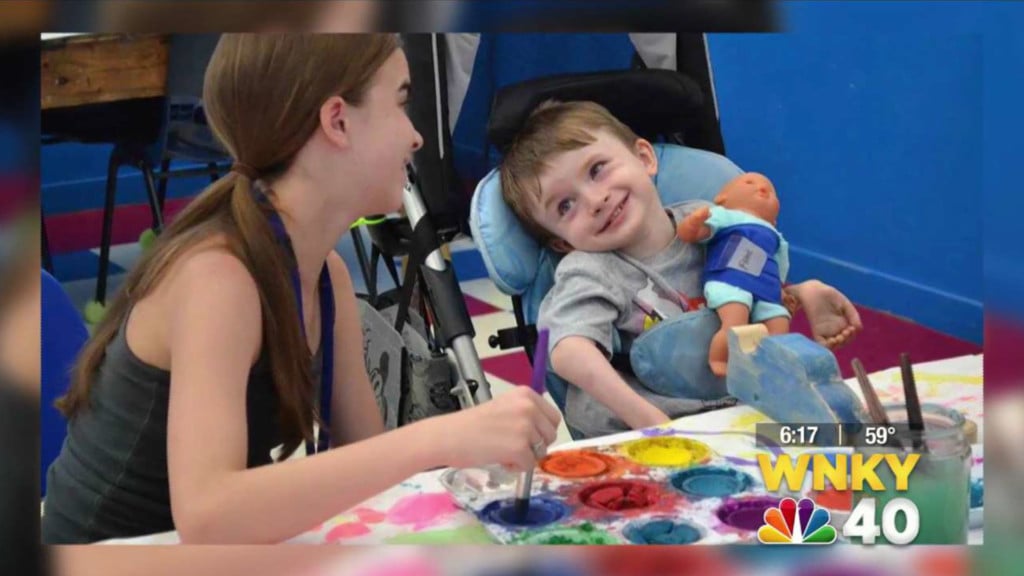
https://www.wnky.com/center-for-courageous-kids-partners-with-avril-lavigne-foundation/

Center for Courageous Kids partners with Avril Lavigne Foundation

SCOTTSVILLE, Ky. – The Center for Courageous Kids, the 168-acre not-for-profit medical camp facility located in Scottsville, which enhances the lives of seriously ill children at no cost, is partnering with The Avril Lavigne Foundation to continue their joint effort to help protect campers from Lyme disease. A 30-second promotional commercial spot featuring The Center for Courageous Kids will premiere during pop-rock icon Avril Lavigne’s one-of-a-kind livestream benefit concert on Oct. 24, 2020 at 7 p.m.  (See link for article)

____________________

**Comment**

In 2019 the camp received a grant from The Avril Lavigne Foundation for tick prevention.  This was the first season without any tick bites!

Now that is something to celebrate

For more:  https://madisonarealymesupportgroup.com/2019/04/12/tick-prevention-2019/

https://madisonarealymesupportgroup.com/2020/07/20/ticks-lyme-disease-information-for-families/