https://articles.mercola.com/sites/articles/archive/2021/01/29/pfizer-admits-vaccine-does-not-prevent-covid.  News video here

Pfizer Admits Vaccine Does Not Prevent COVID

Analysis by Dr. Meryl Nass
Jan. 29, 2021
STORY AT-A-GLANCE
  • Public health officials have said over and over that they do not know if COVID-19 vaccines prevent spread
  • Pfizer did not test human subjects to see if those vaccinated could get and spread the infection, but when they tested primates, vaccinated animals still got COVID-19 despite being vaccinated
  • Both the Moderna and Pfizer vaccines are made from messenger RNA and lipid nanoparticles containing polyethylene glycol (PEG); no vaccines made from messenger RNA nor this type of lipid nanoparticles have ever been used in humans; we have no idea about their long-term side effects
  • No one knows how long “immunity” lasts from COVID-19 vaccines, if in fact the vaccines do provide some degree of immunity — should it be called immunity if you can still catch and spread the virus?
  • This is a document designed to force EMTs to take the vaccine by using false information and veiled threats; when a product is good for you, there is no need to scare or threaten people into taking it

Important excerpt:

70% of Americans have pre-existing antibodies to PEG. FDA suspects that these PEG antibodies may be the cause of anaphylaxis post vaccination. The U.K. recommends against people with severe allergic conditions receiving the mRNA vaccines.

The CDC, however, recommends people receive it regardless of their allergy history, only asking that those with severe allergies wait an additional 15 minutes (total of 30 minutes) in the clinic in case they need to be resuscitated.

FDA made the incomprehensible decision to NOT perform inspections of the manufacturing facilities of the Covid vaccine manufacturers.16 What did FDA not want to find? FDA misled its advisory committee by claiming to have reviewed all the manufacturing paperwork supplied to it. That is a far cry from inspecting the facility.

https://childrenshealthdefense.org/defender/surgeon-warns-fda-pfizer-immunological-danger-covid-vaccines-convalescent-asymptomatic-carriers/

Cardiothoracic Surgeon Warns FDA, Pfizer on Immunological Danger of COVID Vaccines in Recently Convalescent and Asymptomatic Carriers

Dr. Hooman Noorchashm says FDA, Pfizer and Moderna must consider the danger COVID vaccines pose to the recently convalescent or asymptomatic carriers of SARS-CoV-2 — especially the elderly, frail or anyone with significant cardiovascular risk factors.

In a letter to the U.S. Food and Drug Administration (FDA), Pfizer and the press, Dr. Hooman Noorchashm warns of an “almost certain immunological prognotication that if viral antigens are present in the tissues of subjects who undergo vaccination, the antigen specific immune response triggered by the vaccine will target those tissues and cause tissue inflammation and damage.”

Noorchashm, M.D., Ph.D., is a physician-scientist and advocate for ethics, patient safety and women’s health. He specializes in cardiothoracic surgery and has taught and practiced medicine for nearly two decades.

“Dr. Noorchashm’s prognostications of harm in elderly individuals with cardiovascular disease coincides with the numerous reports of unexplained  cardiovascular deaths following COVID-19 vaccination in Norway, Germany, the UK, Gibraltar and the U.S.,” said Lyn Redwood, RN, MSN, director and president emerita of Children’s Health Defense.

Redwood noted that J. Patrick Whelan, M.D., Ph.D., sent similar concerns to the FDA on Dec. 8, 2020. 

Whelan raised even more worrisome questions, Redwood said, in that he cited research showing that in addition to the heart, ACE-2 receptors are also present in microvasculature of the brain, liver and kidney.  (See link for article)

Also see:  https://noorchashm.medium.com/a-letter-of-warning-to-fda-and-pfizer-on-the-immunological-danger-of-covid-19-vaccination-in-the-7d17d037982d

_________________________

**Comment**

Lyme/MSIDS patients are frail.  They are fighting systemic infection(s) that have an affinity for the brain.  Due to the body fighting at maximum capacity to rid the body of these infections the liver and kidneys (the body’s detoxing organs) are working at full-tilt and are compromised.  Among the many challenges with tick-borne illness is the body’s ability or inability to detox.  In my experience, the sickest patients can’t detox properly.

Hopefully it’s becoming clearer why patients should think hard before submitting to this experimental, fast-tracked injection.

For more:  


https://globallymealliance.org/dreaming-of-the-past-and-the-future/

By Jennifer Crystal

People who haven’t had late-stage Lyme disease sometimes ask what the worst symptom I experienced was.

Without hesitation, it was insomnia. The Lyme bacteria had burrowed so deeply into my nervous system that my brain was on overdrive; despite bone-crushing fatigue, I could not shut my brain off to sleep. At one point, I was awake for three weeks straight. Worse, when I did sleep, I had hallucinogenic nightmares that were more exhausting than my waking hours.

Most of my dreams were non-sensical, and I had so many of them in a night, in such vivid detail, that it was hard to recall them all. But certain ones stick with me to this day. There are the good ones, the ones with meaning, like the recurring dream I described in “Missing the Summer of Life”.

And then there are the awful ones. I’m not talking about the worst of the nightmares, in which I was shot, burned, or raped. Those were traumatic in their own right. But more awful to me were the realistic dreams, those that played out the fatigue I felt in real life, in the context of things I could no longer do. Sometimes I would dream about lying in the middle of my former college campus, too tired to talk to friends walking by. Sometimes I’d be at the bottom of a ski hill, too tired to open my eyes or sit up, as healthy skiers whooshed past. I felt fatigue in my sleep as deeply as I felt it when I was awake. Not only were nights not restorative, but I woke feeling sad and anxious, longing for my old abilities and wondering if life would just pass me.

But as treatment for Lyme disease and the co-infections babesiosis and ehrlichiosis began to work, inflammation in my brain decreased. My waking energy improved, and my dreams shifted. Many nights I still had the awful nightmares, but peppered among them were better dreams about feelings I’d once experienced, but had long forgotten in my years of convalescence. Instead of lying at the bottom of a ski hill, I zoomed down it, without air hunger or a headache. My legs, which had felt so achy and weighted for so long, were light and strong in these dreams. I skied for hours, never tiring. The rush I used to feel from skiing in real life came back to me in these dreams, and I woke smiling.

Other nights my dreams reminded me of the euphoria of being in love, or of the giddiness of being tipsy. I didn’t only feel healthy in these dreams; I also got to experience the emotions that come with joy and fun. I wasn’t yet able to ski, or date, or go to a party in real life, but my dreams made those activities feel within reach. Instead of longing for what I’d lost, I started feeling hopeful about what I might someday be able to do.

I was once again dreaming of living, and those dreams worked as a nice metaphor for the possibilities that opened up to me as I got healthier and healthier. Eventually, I was able to ski, albeit slowly. I started socializing more. I laughed.

My journey to wellness wasn’t linear, and neither was the trajectory of my dreams. When I had physical setbacks, my dreams often mirrored them. Or, sometimes they’d forewarn them. For example, I might dream about driving a car too fast and not being able to hit the brakes. These dreams told me that I was pushing my body a little too hard; if I didn’t slow down, I might crash. As I wrote in this post, sometimes rest was the most important message of my dreams.

Dreaming of the past can be difficult, but it’s a way for us to mourn what we’ve lost. Dreaming of the future gives us hope, and lets us grasp feelings we can’t yet access in real life. Joy, fun, happiness, silliness—they’re hard to come by when you’re sick, but with proper treatment, rest, and time, they can shift from dream to reality.


jennifer crystal_2

Opinions expressed by contributors are their own.

Jennifer Crystal is a writer and educator in Boston. Her memoir about her medical journey is on submission. Contact her at lymewarriorjennifercrystal@gmail.com.


https://parasitesandvectors.biomedcentral.com/articles/10.1186/s13071-020-04569-2

Spatial and temporal patterns of the emerging tick-borne pathogen Borrelia miyamotoi in blacklegged ticks (Ixodes scapularis) in New York

Abstract

Borrelia miyamotoi, a bacterium that causes relapsing fever, is found in ixodid ticks throughout the northern hemisphere. The first cases of human infection with B. miyamotoi were identified in 2011. In the eastern USA, blacklegged ticks (Ixodes scapularis) become infected by feeding on an infected vertebrate host, or through transovarial transmission. We surveyed B. miyamotoi prevalence in ticks within forested habitats in Dutchess County, New York, and identified possible reservoir hosts. To assess spatial variation in infection, we collected questing nymphal ticks at > 150 sites. To assess temporal variation in infection, we collected questing nymphs for 8 years at a single study site. We collected questing larval ticks from nine plots to estimate the amount of transovarial transmission. To evaluate potential reservoir hosts, we captured 14 species of mammal and bird hosts naturally infested with larval blacklegged ticks and held these hosts in the laboratory until ticks fed to repletion and molted to nymphs. We determined infection for all ticks using quantitative polymerase chain reaction.

  • The overall infection prevalence of questing nymphal ticks across all sites was ~ 1%, but prevalence at individual sites was as high as 9.1%.
  • We detected no significant increase in infection through time.
  • Only 0.4% of questing larval ticks were infected.
  • Ticks having fed as larvae from short-tailed shrews, red squirrels, and opossums tended to have higher infection prevalence than did ticks having fed on other hosts.

Further studies of the role of hosts in transmission are warranted. The locally high prevalence of B. miyamotoi in the New York/New England landscape suggests the importance of vigilance by health practitioners and the public.

______________________

**Comment**

A perfect example of how there can be high infection rates in humans but low infection rates in ticks.

https://danielcameronmd.com/herxheimer-reaction-lyme-disease/

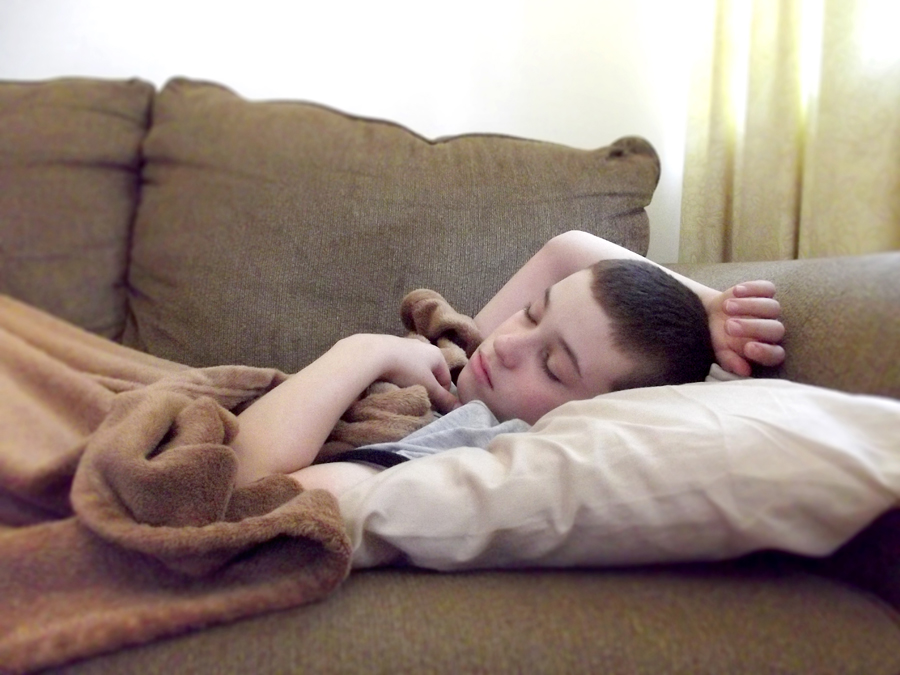
HERXHEIMER REACTION IN A 13-YEAR-OLD BOY WITH LYME DISEASE

herxheimer reaction in boy with lyme disease

A Jarisch-Herxheimer reaction (JHR), also referred to as a Herxheimer reaction, was first described after initiating treatment for syphilis. This reaction is associated with the onset of new symptoms or a worsening of existing symptoms in patients receiving antibiotic treatment. The Herxheimer reaction has also been described in patients treated for leptospirosis, relapsing fever, and Lyme disease.

In a recently published paper, Nykytyuk and colleagues describe the case of a 13-year-old boy with Lyme arthritis, a common manifestation of Lyme disease, who developed a Herxheimer reaction when treated with doxycycline. [1]

“A 13-year-old boy was admitted to the regional hospital with complaints of left knee swelling, hip, ankle and cervical spine pain,” the authors write. The first signs of left knee arthritis began 6 months prior to his hospitalization.

The doctors assumed the boy suffered from post-traumatic arthritis and prescribed non-steroidal anti-inflammatory drugs (NSAIDs) which were only minimally effective.

Six months later, a rheumatologist diagnosed Lyme disease, in part, due to a reported tick bite which occurred 3 months before the onset of the left knee arthritis. The patient did not have a erythema migrans (EM) rash.

Laboratory tests were consistent with the diagnosis of Lyme arthritis and doctors prescribed doxycycline.

On day 7 of antibiotic treatment, the boy developed a Herxheimer reaction. “On the 7th day of doxycycline treatment the patient’s condition deteriorated: a low-grade fever occurred, and severe arthralgias with intense hip, ankle and cervical spine pain and myalgias developed,” the authors explain.

The boy also had elevated CRP (C-reactive protein) and ESR (erythrocyte sedimentation rate). Steroids were prescribed.

There was no evidence of neurologic involvement and a spinal tap was normal. Nevertheless, doctors prescribed 4 weeks of intravenous ceftriaxone which led to a resolution of the joint swelling and less arthralgias.

Herxheimer reactions in Lyme disease patients

Jarisch-Herxheimer reactions have been described in the literature with a combination of symptoms occurring including fever, severe polyarthralgias, and myalgias, according to the authors.

Other Jarisch-Herxheimer reactions have also been described. The list includes “chills, high temperature, hypotension, nonpruritic, nonpalpable rash, tachycardia, nausea, headache, strengthening of existing or occurrence of new symptoms of the underlying disease,” the authors write.

Some studies have found that Herxheimer reactions were milder in patients with Lyme disease when compared to other diseases, without organ dysfunction or need for hospitalization, Nykytyuk  writes.

However, another case report by Haney et al., describes a more severe Herxheimer reaction in response to doxycycline in a patient with chronic Lyme disease. The patient developed “a low-grade fever, sore throat, sinus congestion, watery diarrhea, headache, stabbing pain in the upper back muscles, increased fasciculations and fatigue.” [2]

Physician education needed

The exact cause of Jarisch-Herxheimer reactions is still unknown.

“At first, the role of an endotoxin in the development of JHR was suggested, but later experimental studies showed that spirochetes do not have biologically active endotoxins,” the authors explain.

Nykytyuk and colleagues emphasize the importance in educating physicians about the Herxheimer reaction, as there appears to be a “low awareness.” For example, “JHR is often mistaken for an allergic reaction.”

Editor’s note: It is not uncommon for Lyme disease patients to have flare-ups with or without antibiotics. Some patients refer to these reactions as “Herxing,” in the absence of a more descriptive word. The mechanisms of these reactions are uncertain.  I typically avoid prescribing steroids to manage these reactions, as I do not want to suppress a patient’s immune system.

References:
  1. Nykytyuk S, Boyarchuk O, Klymnyuk S, Levenets S. The Jarisch-Herxheimer reaction associated with doxycycline in a patient with Lyme arthritis. Reumatologia. 2020;58(5):335-338. doi:10.5114/reum.2020.99143
  2. Haney C, Nahata MC. Unique expression of chronic Lyme disease and Jarisch-Herxheimer reaction to doxycycline therapy in a young adult. BMJ Case Rep 2016; 2016: bcr2013009433,
    DOI: 10.1136/bcr-2013-009433.

_______________________

For more:  

https://www.minds.com/newsfeed/1200901313511268352  Video Here

CNA Nursing Home Whistleblower: Seniors Are Dropping Like Flies After COVID Injections 

by Brian Shilhavy
Editor, Health Impact News

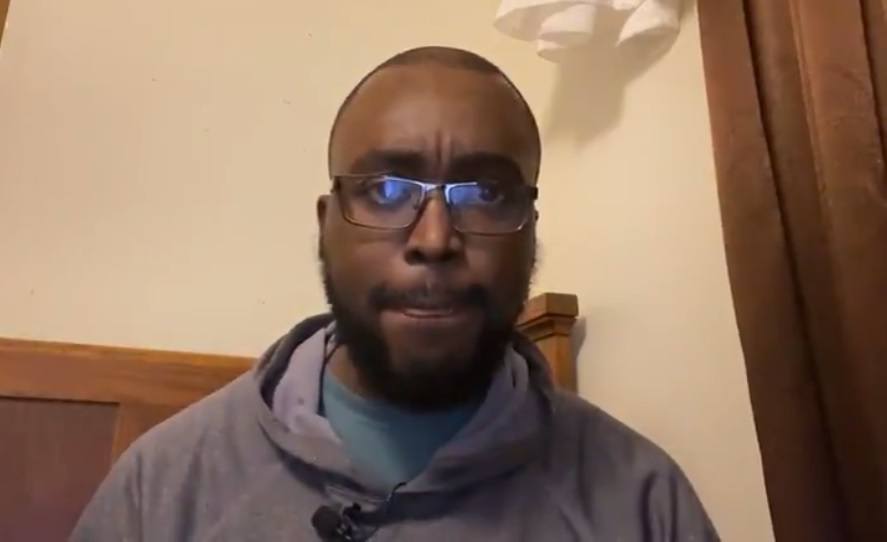
James (he gives his last name in the video) is a CNA (Certified Nursing Assistant), and he recorded this video as a whistleblower because he could not keep silent any longer.

James reports that in 2020 very few residents in the nursing home where he works got sick with COVID, and none of them died during the entire year of 2020.

However, shortly after administering the Pfizer experimental mRNA injections, 14 died within two weeks, and he reports that many others are near death.

The video is long (47 minutes), and it is clear that James is suffering from emotional stress, and he admits that he has nothing to gain from going public, and that he will probably lose his job for doing so.

But he makes it very clear that these were patients he knew and cared for (he is also a “lay pastor”), and that after being injected with the mRNA shot, residents who used to walk on their own can no longer walk. Residents who used to carry on an intelligent conversation with him could no longer talk.

And now they are dying.

“They’re dropping like flies.”

His superiors are explaining the deaths as being caused by a COVID19 “super-spreader.”

However, the residents who refused to take the injections, are not sick, according to James.

(See link for article)

_______________________

**Comment**

It’s become clear that the severe censorship going on is prohibiting this information from reaching the public which is why I feel it important to share.  Similarly to the fragile elderly, Lyme/MSIDS patients also have fragile health and need to carefully weigh any health decision.

Please remember raw data on these COVID shots, which are not vaccines, is unavailable.  Those getting the shots are effectively subjects in a drug trial.  They are not FDA approved, risks are unknown, as well as if they even prevent disease and transmission.  On top of all of this, serious adverse reactions – including deaths are rolling in:  https://madisonarealymesupportgroup.com/2020/12/21/warning-3150-injuries-in-1st-week-of-covid-vaccines-among-american-healthcare-workers-pregnant-women-included/  The list continues to grow.