https://lymediseaseassociation.org/blogs/lda-guest-blogs/adrian-baranchuk-md-guest-blog/

Adrian Baranchuk, MD, Guest Blog – Lyme Carditis 2021 Update

LDA Guest Blogger

Adrian_Baranchuk_Photo_2020

Adrian Baranchuk MD, FACC, FRCPC, FCCS, FSIAC is Professor of Medicine at Queen’s University, Kingston, Ontario, Canada. He is Editor-in-chief, Journal of Electrocardiology; Vice President, International Society of Holter and Non-Invasive Electrocardiology (ISHNE); Secretary, Interamerican Society of Cardiology (SIAC); Co-Director, ECG University; Past President, International Society of Electrocardiology (ISE); and Director, NET-Heart Project (Neglected Tropical Diseases and other Infectious Diseases affecting the Heart).

Lyme Carditis: Update 2021. An Evasive Diagnosis in the Time of COVID-19

Adrian Baranchuk MD, FACC, FRCPC, FCCS, FSIAC; Chang (Nancy) Wang MSc (c), MD
Department of Medicine, Kingston Health Science Center, Kingston, Ontario, Canada

Lyme disease (LD) is a tick-borne bacterial infection caused by Borrelia burgdorferi. Lyme carditis (LC) is an early-disseminated manifestation of LD, most commonly manifesting as a complete “shut-down” of the electrical system (high-degree atrioventricular block (AVB)) that can evolve rapidly over minutes, hours, or days producing severe symptoms like fainting, palpitations, shortness of breath, extreme dizziness, or sudden death (1-2).

Other cardiovascular manifestations include alterations of the “motor” of the heart (sinus node disease) (3), a disorganization of the cardiac rhythm that increases the risk of stroke (atrial fibrillation) (2), lesion in the distal cables of the heart (bundle branch blocks) (4), and different degrees of inflammation of the layers of the cardiac walls (myocarditis, pericarditis, and endocarditis) (2). Some of these manifestations could be so severe that a total dysfunction of the cardiac function occurs in a matter of hours, and the patient may die even if admitted to the best ICU in the world.

The initial symptoms of LD can be mistaken by other common infections or allergic reactions. Delayed diagnosis is one of the most important risk factors to serious LD presentations including LC in all its forms. The good news is that prompt diagnosis and appropriate antibiotic therapy links to a much better prognosis. In addition, we now know that when appropriately treated with antibiotics according to guidelines (2); there is no evidence of residual disease in the heart (5).

Most conduction abnormalities caused by LC resolve with appropriate antibiotic therapy (2).

The current COVID-19 pandemic is posing a new challenge in the diagnosis of LD. There are lots of overlapping symptoms such as: fever, malaise, generalized pain, lack of energy, etc. During these times, one would advise on ruling out COVID-19 first before embarking on any other test. However, what could we recommend in terms of confirming or ruling out LD, specifically during these challenging times?

Learning how to recognize the many presentations of LD from a clinical point of view has been published several times. It is especially important to ask about outdoor activities, history of tick bites, tick removal and dermatological rashes (remember that the classic “bull eye” is only present in about 40% of cases). Extensive dermatologic examination may be necessary. Residence in an endemic region for LD is essential for risk stratification, as these recommendations should be encouraged in all ED and family doctor offices in areas of high prevalence.

Once the diagnosis is suspected, specific interrogation should be directed to cardiovascular symptoms such as: dizziness, palpitations, fainting or near fainting, chest pain and shortness of breath. If the patient recognizes any of these symptoms, along with any other factors suggesting LD, a 12-lead ECG (the simple and unexpensive electrocardiogram) should be performed (2). Any evidence of electrical disturbance should prompt admission in hospital for a course of IV antibiotics while waiting the results of serological tests.

On the other hand, in patients presenting with unexpected high-degree AV block, clinical suspicion for LC can be assessed using the validated risk score called SILC (Suspicious Index in Lyme carditis) (6) where the acronym COSTAR(Constitutional symptoms, Outdoor activities/endemic region, Sex male, Tick bite, Age > 50, Rash) may help in determining the risk of presenting early disseminated LC.

In summary, use your clinical tools to suspect LD in the context of COVID-19 pandemic, order serological tests when appropriate, and remember to check for cardiovascular complications with a history, physical, and ECG. If evidence of LC, admit the patient to hospital with continuous cardiac monitoring and appropriate IV antibiotics. Decision for permanent pacemaker implantation should wait until completion of antibiotics as heart block in LC is often reversible. Most patients maintain normal rhythm on long-term follow-up. Avoiding unnecessary implants is crucial as most of these patients are young and active individuals.

References
1. Wan D, Blakely C, Branscombe P, Suarez-Fuster L, Glover B, Baranchuk A. Lyme Carditis and High-degree Atrioventricular Block. Am J Cardiol 2018; 26(5): 233-239
2. Yeung C, Baranchuk A. Diagnosis and Treatment of Lyme Carditis. J Am Coll Cardiol 2019; 73(6): 717-726
3. Gazendam N, Yeung C, Baranchuk A. Lyme carditis presenting as sick sinus syndrome. J Electrocardiol 2020; 59: 65-67
4. Maxwell N, Dryer M, Baranchuk A, Vinocur M. Phase 4 Block of the Right Bundle Branch Suggesting His-Purkinje System Involvement in Lyme Carditis. HeartRhythm Case Reports. 2020; 7(2): 112-116
5. Wang C, Baranchuk A. Long-term evolution of patients treated for early disseminated Lyme carditis. Third prize at the ICE 2021 (International Congress on Electrocardiology)
6. Besant G, Wan D, Yeung C, Blakely C, Branscombe P, Suarez-Fuster L, Redfearn D, Simpson C, Abdollah H, Glover B, Baranchuk A. Suspicious Index in Lyme Carditis (SILC): Systematic Review and Proposed New Risk Score. Clin Cardiol 2018; 41(12):1611-1616

______________________

For more:

https://www.change.org/p/the-us-senate-calling-for-a-congressional-investigation-of-the-cdc-idsa-and-aldf/u/29105701?

The US Centers for Disease Control is lying to the public about Lyme disease!

MAY 24, 2021 — 

As promised from the previous petition update, the following is a critique of Dr. Grace Marx’s, PowerPoint presentation which clearly shows that our public health officials are lying to us. You can voice your opinion and send her an email:  lwx1@cdc.gov

Dr. Marx contact info: (photo is from this link)

https://www.eventscribe.com/2019/IDWeek/ajaxcalls/AccountInfo.asp?efp=Q0NRVktHSkw2ODg2&userShareID=36678593&rnd=0.8305856

———- Original Message ———-

From: CARL TUTTLE <runagain@comcast.net>
To: “lwx1@cdc.gov” <lwx1@cdc.gov>, “coca@cdc.gov” <coca@cdc.gov>
Cc: All members of the NH Lyme Disease Study Commission,”governorsununu@nh.gov” governorsununu@nh.gov
Date: 05/22/2021 2:16 PM
Subject: Re: Lyme Disease Updates and New Educational Tools for Clinicians

Dr. Marx,

As anticipated, the Clinician Outreach and Communication Activity (COCA) Webinar failed to mention the ten important facts I pointed out in my email dated May 15th five days prior to your presentation.

After reviewing the slides of your presentation at the following link, I found additional areas of concern:

Lyme Disease Updates and New Educational Tools for Clinicians
https://emergency.cdc.gov/coca/ppt/2021/052021_Lyme_Disease_Slides.pdf?fbclid=IwAR05dtD4eswvd_8WLpBQkp_1j-A2iME1WRdWJmcGTaxehWdIZN5FC2KcpAA

_____________________________________________________________________________________________________________________
Page# 11

Transmission occurs:

  • After an infected tick has been attached for at least 24hrs
  • Most transmission occurs after 36 hours
Carl Tuttle’s comments:  Rapid transmission has been reported in under 4hrs  [1, 2, 3, 4]

Page# 15

95% of reported Lyme disease cases are from 15 states and D.C.

Carl Tuttle’s comments:  Quest diagnostics is reporting positive Lyme tests in all fifty states. [5]

Page# 21

  • A single dose of doxycycline can lower the risk of Lyme disease
Carl Tuttle’s comments:  Single dose Doxycycline after tick bite as prophylaxis against Lyme disease failed 80% of the time in the mouse model so why would this be recommended in humans? [6]

Page# 25

  • Most tick bites do NOT transmit disease, so antimicrobial PEP is not routinely recommended.
Carl Tuttle’s comments:   77% of the ticks tested in the town of Litchfield, NH were carrying tick-borne disease as reported by a 2009 UMass Tick Study [7] so assuming that disease will not be transmitted is like playing Russian roulette with the public’s health. Front line clinicians in this Lyme endemic region who are witnessing the devastation first hand will offer the patient thirty days of minocycline after a tick bite.

Page# 32

  • The LYMERix vaccine was available between 1998 and 2002
  • Safe and effective
  • Pulled from the market in 2002
Carl Tuttle’s comments:  The LYMErix vaccine was pulled due to adverse reactions [8]and class action lawsuit:

VACCINES AN-D RELATED BIOLOGICAL PRODUSTS ADVISORY COMMITTEE
Advisory Committee Meeting: l/31/01
https://www.dropbox.com/s/sodqs3pdeeesktf/Sheller%20Lymerix.pdf?dl=0

Below is communication with the attorney who handled the LYMErix lawsuit.

“The people who have contacted us were, prior to vaccination with LYMErix, healthy, active and energetic. Indeed, the very reason they sought the LYMErix vaccine was their desire to preserve their healthy, active lifestyle. However, what they experienced was a dramatic degradation of their health and quality of life. As will be described below, these previously healthy individuals are now afflicted with painful, at times debilitating arthritic symptoms, including joint pain and swelling, as well as extremely severe Lyme-disease-like symptoms which have persisted to this day.”  -Stephen A. Sheller, Esq

Page# 37

Typical Lyme Disease Manifestations

  • Three months or more; Arthritis [Late stage]
Carl Tuttle’s comments:  What stage of Lyme disease results in disability; patients in wheelchairs?  You can become horribly disabled or die [9] from Lyme disease and routinely denied Social Security Disability Compensation and yet the public knows nothing about this stage of disease.

Page# 38

  • Erythema migrans (bulls-eye rash) 70%
Carl Tuttle’s comments:  The State of Maine DOH reported incidence of rash less than 50% as mentioned in my previous email.

Page# 45

  • Blacklegged ticks may also transmit pathogens that cause:
    Anaplasmosis
    Babesiosis
    Ehrlichiosis
    Borrelia miyamotoi disease
    Borrelia mayonii (Lyme disease)
    Powassan virus disease
Carl Tuttle’s comments:  Why isn’t the CDC recommending a “tick panel” to check for all of these pathogens?

Page# 48

  • CDC recommends diagnostic tests for Lyme disease that have been evaluated and cleared by the FDA. Two-step serologic tests are the only FDA-cleared test for Lyme disease.
Carl Tuttle’s comments:  Why after nearly forty years since the discovery of Lyme do we not have an accurate test to detect Lyme in all stages of disease???

Page# 49

  • Two-Step Lyme Disease Serologic Testing
  • A NEGATIVE Elisa means NEGATIVE
Carl Tuttle’s comments:  The more sensitive Western blot is only ordered after a positive Elisa lab result and it is used to rule out a FALSE POSITIVE Elisa.

When a NEGATIVE Elisa is found the Western blot is never ordered to rule out a FALSE NEGATIVE. So basically a NEGATIVE Elisa is 100% reliable whereas a POSITIVE Elisa is never reliable. How can this test be reliable in one instance and not another? Physicians are not allowed to order the Western Blot after a NEGATIVE Elisa and this practice is criminal. The system of using the Elisa as first line testing is completely flawed.

“If false results are to be feared, it is the false negative result which holds the greatest peril for the patient.” – Dr. Allan MacDonald

Page# 51

Western blot for Lyme Disease

  • Positive test requires at least 2 out of 3 [IgM] bands
  • Positive test requires at least 5 out of 10 [IgG] bands
Carl Tuttle’s comments:  Interpretation of the Western immunoblot is an area of significant confusion. Strict criteria were created in 1994 for surveillance of Lyme disease and only those patients who met this strict case definition were reported to the CDC. So if you did not meet those criteria your Western blot stated NEGATIVE.

Under the Infectious Conditions for Public Health Surveillance page, the Centers for Disease Control updated its Lyme Case Definition  in 2011 stating the following:

“This surveillance case definition was developed for national reporting of Lyme disease; it is not intended to be used in clinical diagnosis”

Physicians who treat Lyme disease exclusively recognize that it is not necessary to have five positive Western blot IgG bands or two IgM bands in order to diagnose Lyme disease. Those guidelines were strictly developed for surveillance purposes only.

Page# 59

Test Sensitivity by Manifestation of Lyme Disease

  • Early Localized (bulls-eye rash) -POOR
  • Early Disseminated -VERY GOOD
  • Late Disseminated -EXCELLENT
Carl Tuttle’s comments: Serology for Lyme disease is no better than a coin toss [10, 11] and is responsible for unimaginable pain and suffering.

2010 Complaint Letter to Jose T. Montero, MD, Director NH DHHS
https://www.dropbox.com/s/3pfjav6mtj50hkd/2010%20Letter%20Jose%20T.%20Montero%2C%20MD%2C%20Director.pdf?dl=0

Page# 63

Each stage of disease can be treated effectively with antibiotics.

Carl Tuttle’s comments:  There are hundreds of references to failed treatment of the one-size-fits-all IDSA Lyme treatment guideline [12,13] so why does the CDC continue to refuse to recognize this problem leaving hundreds of thousands (if not millions worldwide) in a debilitated state?

Treatment Delays Increase Risk of Persistent Illness in Lyme Disease (Johns Hopkins)
https://www.hopkinslyme.org/news/treatment-delays-increase-risk-of-persistent-illness-in-lyme-disease/

Page# 66

Treatment for Neurologic Lyme Disease

  • 2-3 weeks duration in all cases
Carl Tuttle’s comments:  I have never met any Lyme patient horribly disabled from neurologic Lyme disease who returned to baseline health with 2-3 weeks of antibiotics.

One high profile case comes to mind:

NEWS: Former patient who testified as a child about Lyme disease recalls encounter with Sen. Ted Kennedy
https://www.lymedisease.org/186/

Evan White testified from his wheelchair in 1993 at Senator Ted Kennedy’s Hearing, Washington DC

Excerpt:

“No one could hear or feel the moment of that child and not be moved,” Kennedy explained to the [Boston] Globe at the time. Anyone who wasn’t moved, he said, “hasn’t got a heart.”

Based on the summary below it appears that it took years of antibiotics, not weeks to treat Evan’s disability. Had he not met Dr. Joseph Burrascano, Evan would have been a burden on the Social Security program today through “therapeutic nihilism.”
 
Late Neurologic Lyme Is Reversible: Evan White

Post by CaliforniaLyme » Wed 31 Oct 2007 16:46

https://www.lymeneteurope.org/forum/viewtopic.php?t=147

Page# 72

Lyme Disease Treatment Considerations

  • Pregnant or breastfeeding patients:
    • doxycycline in pregnant or breastfeeding woman has not been thoroughly studied
Carl Tuttle’s comments:  Where is the section on congenital transmission of Lyme disease which has been identified dating back to 1985? [14]

Page# 74

Post Treatment Consideration

  • Most patients with Lyme disease recover completely within WEEKS to MONTHS after a course of antibiotic treatment.
Carl Tuttle’s comments: This statement has been propagated by the CDC for over thirty years while the horribly disabled continue to go unrecognized .

Page# 74

Post Treatment Considerations

  • About 1 in 20 treated patients may experience symptoms more than six months after treatment.
Carl Tuttle’s comments:  Once again that number was pulled out of a hat and propagated by the CDC for over thirty years while researchers at Johns Hopkins found 35% of acute Lyme disease patients who were treated with the IDSA’s short course of antibiotics were found to meet the case definition of “Post Lyme Disease Syndrome” at six months:
 

Post-treatment Lyme disease syndrome symptomatology and the impact on life functioning: is there something here?
http://www.lymemd.org/pdf/aucott_et_al_qol_research.pdf

Page# 75

Post Treatment Considerations

  • Additional prolonged antibiotics have not been shown to improve long-term outcomes
  • long-term antibiotic therapy has the potential to cause serious side-effects…
  • More than two courses of antibiotics have NOT been recommended for the treatment of Lyme disease.
Carl Tuttle’s comments:  The Klempner NIH antibiotic trials were cut short at three months. Evan White would still be in a wheelchair today or deceased if his treatment ended after only three months.

Two Controlled Trials of Antibiotic Treatment in Patients with Persistent Symptoms and a History of Lyme Disease
http://www.nejm.org/doi/full/10.1056/NEJM200107123450202#article_references#t=references

Second comment: Doxycycline for Acne has been prescribed long term for decades but when Lyme is involved, suddenly we have a double standard.

____________________________

Dr. Marx,

It would appear that you are not a front-line treating physician for Lyme disease. The majority of our public health officials have never treated the late-stage Lyme patient and therefor have no practical experience whatsoever while propagating the disinformation as I have pointed out.

It is blatantly obvious that the CDC is now grooming its younger generation of Medical Epidemiologists in the practice of suppressing the truth, facts and scientific references in order to maintain the illusion that our public health officials have everything under control.

Carl Tuttle
Hudson, NH

Cc: All members of the NH Lyme Study Commission
Governor Chris Sununu

REFERENCES (Please read them!)

1. Clinical evidence for rapid transmission of Lyme disease following a tick bite

https://www.sciencedirect.com/science/article/abs/pii/S0732889311004159?via%3Dihub

2. B. Patmas, MA, Remora, C. Disseminated Lyme Disease After Short-Duration Tick Bite. JSTD 1994; 1:77-78

https://www.lymedisease.org/hard-science-on-lyme-ticks-can-transmit-infection-the-first-day/

3. Lyme borreliosis: a review of data on transmission time after tick attachment

Michael J Cook
https://www.ncbi.nlm.nih.gov/pmc/articles/PMC4278789/

The claims that removal of ticks within 24 hours or 48 hours of attachment will effectively prevent LB are not supported by the published data, and the minimum tick attachment time for transmission of LB in humans has never been established.

4. Regarding Tick Attachment Times –

https://history.nih.gov/display/history/Burgdorfer%2C+Willy+1986

there are about 5 to 10 percent of infected ticks that have a generalized infection, including salivary glands and saliva at the time of attachment. In such cases, transmission of spirochetes would and does occur immediately at time of attachment.” —Willy Burgdorfer

5. LYME SCI: Lyme has been found in all 50 states and is on the rise

https://www.lymedisease.org/lymesci-lyme-all-states/#:~:text=Quest%20Diagnostics%20has%20released%20its,cases%20continues%20to%20rise%20nationwide

6. A sustained-release formulation of doxycycline hyclate (Atridox) prevents simultaneous infection of Anaplasma phagocytophilum and Borrelia burgdorferi transmitted by tick bite
 
https://www.dropbox.com/s/jc0h9g9arjhc8l1/Zeidner%202008.pdf?dl=0

7. Correlation between Tick Density and Pathogen Endemicity, New Hampshire
https://wwwnc.cdc.gov/eid/article/15/4/08-0940_article

8. LymeRix Vaccine Victim’s Stories
https://www.dropbox.com/s/5ikfgocui4hk7h9/LymeRix%20Victims.pdf?dl=0

9.  Deaths From Lyme Disease Compiled by: John D. Scott, Research Scientist 17 April 2018
 
https://www.dropbox.com/s/eo794dx7zspc1ln/Ld%20deaths.doc?dl=0

10. Two-Year Evaluation of Borrelia burgdorferi Culture and Supplemental Tests for Definitive Diagnosis of Lyme Disease
 
Peggy Coulter , 1   Clara Lema , 1   Diane Flayhart , 1   Amy S. Linhardt , 1   John N. Aucott , 2   Paul G. Auwaerter , 2 and   J. Stephen Dumler  1, *

Published 2005

Comparisons with qualitative clinical assessments

“Overall, initial serologic tests agreed with possible or probable clinical Lyme disease diagnosis in only 50% (40/80) of cases.” [COIN TOSS]

11. Commercial test kits for detection of Lyme borreliosis: a meta-analysis of test accuracy
 
Michael J Cook   1 ,   Basant K Puri   2

Sensitivity for each test technology varied from 62.4% for Western blot kits, and 62.3% for enzyme-linked immunosorbent assay tests, to 53.9% for synthetic C6 peptide ELISA tests and 53.7% when the two-tier methodology was used.  [COIN TOSS]

12. 700 articles LYME EvidenceofPersistence-V2
 
https://www.dropbox.com/s/n09sk90eo6xz7ua/700%20articles%20LYME%20EvidenceofPersistence-V2.pdf?dl=0

13. Lyme borreliosis: diagnosis and management

https://www.bmj.com/content/369/bmj.m1041/rr-1

14. Congenital Transmission of Lyme
 
https://www.dropbox.com/s/xlju8w25phkypy0/Congenital%20Transmission%20of%20Lyme.pdf?dl=0

_______________________

**Comment**

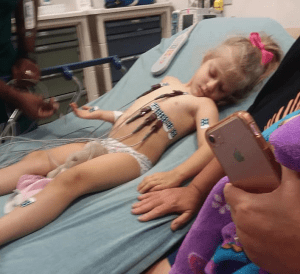
A picture is worth 1,000 words:
child-300x274

This is what an “insignificant” tick bite looks like and why all of this matters.

https://articles.mercola.com/sites/articles/archive/2021/05/25/spike-protein-coronavirus.aspx?

Spike Protein Damages Vascular Cells

http://  Clip with Bret Weinstein and Heather Heying.

Analysis by Dr. Joseph MercolaFact Checked

STORY AT-A-GLANCE

  • Researchers used a pseudo virus made of a cell surrounded by spike proteins but without a viral component to demonstrate the spike proteins can damage human cells and alter mitochondrial function
  • Many of the long-haul symptoms attributed to COVID-19 may be the result of endothelial damage that triggers poor flow through the capillaries, inflammation and tissue hypoxia
  • Data show up to 10% of all people who contracted COVID experienced long-haul symptoms, but none of Dr. Vladimir Zelenko’s patients who were treated within the first five days of infection developed persistent symptoms
  • As researchers are seeking another target for future vaccine development, French authorities announced five people developed myocarditis after receiving the Pfizer vaccine. Twelve VAERS reports in the U.S. listed myocarditis

During 2020, many people learned more about coronaviruses, and specifically the SARS-CoV-2 virus that causes COVID-19. Pictures of the spiked virus have been plastered across the news media.

The image is reminiscent of a chain mace, or flail. This was a medieval weapon with a spiked steel ball at the end of a chain or leather strap. The image may be frightening. It turns out researchers believe the spikes are responsible for significant vascular damage leading to severe disease.1

Most people will be infected at least one time in their lives by some type of coronavirus. If the COVID-19 pandemic is the first time you’ve heard about coronaviruses, you should know the first one was discovered in chickens in 1930.2 A few decades later the first human coronavirus was identified.3

Currently, scientists have identified four types of coronaviruses that are endemic and can cause up to 15% of common colds.4 Interestingly, if all coronaviruses have originated in the wild, the rate at which the virus is mutating has accelerated dramatically in 20 years.

In the last two decades, three new coronaviruses have emerged: SARS in November 2002;5 MERS in September 2012;6 and SARS-CoV-2 in December 2019.7 The symptoms of COVID-19 from an infection with SARS-CoV-2 can vary to a great extent.

Some people carrying the virus have had no symptoms. Others report fever, headache, body aches, dry cough, loss of appetite and loss of smell.8 In others, more severe symptoms can develop that affect the respiratory tract and lead to pneumonia.

Approximately 36% of individuals have experienced gastrointestinal symptoms or neurological symptoms, either with or without respiratory symptoms.9 A recent paper published in Circulation Research10 revealed it is the spiked proteins on the virus that play a key role in your symptoms.

Spiked SARS-CoV-2 Damages More Than Your Lungs

A team of researchers including scientists from the University of California San Diego evaluated the effects of the SARS-CoV-2 virus in animals. The researchers were not surprised by the clinical findings, but the data revealed a detailed explanation of how the spike (S) protein triggers damage to the vascular system.11

The researchers created a pseudo virus, or cell surrounded by the spike proteins that did not contain a virus.12 Using an animal model, the researchers administered the pseudo virus into the lungs and found the virus was not necessary to create damage. Instead, the spike protein was enough to cause inflammation.

The experiment was then replicated in the lab using cell cultures. The team exposed healthy endothelial cells that line your arteries to the spiked pseudo virus. Past studies had demonstrated that exposure to the SARS-CoV-2 virus elicited damage to the cells by binding to angiotensin converting enzyme 2 (ACE2).

However, the team found the cells responded in a similar way when exposed to the pseudo virus. When the S protein attached to the ACE2 receptor, it disrupted signaling to the mitochondria and caused damage and fragmentation. The alterations in mitochondrial function were confirmed as part of the inhibition of ACE2 signaling in the lab.

The results also revealed that the virus could induce endothelial cell inflammation and endotheliitis. The protein reportedly decreased ACE2 levels and impaired nitric oxide bioavailability.13 Co-senior author of the study, Uri Manor, explained in a press release from Salk Institute:14

“If you remove the replicating capabilities of the virus, it still has a major damaging effect on the vascular cells, simply by virtue of its ability to bind to this ACE2 receptor, the S protein receptor, now famous thanks to COVID. Further studies with mutant spike proteins will also provide new insight towards the infectivity and severity of mutant SARS-CoV-2 viruses.”

Long Haul Symptoms May Be Related to Vascular Damage

Some of the symptoms from COVID-19 that last weeks or months for some people may be the result of vascular damage. People who have had these symptoms have been given the name “long haulers.”15

In theory, they have recovered from the worst symptoms of the illness and test negative. Yet, they continue to have symptoms without an active infection. According to a paper in JAMA,16approximately 10% of people who have had COVID-19 may experience long haul symptoms.

The Centers for Disease Control and Prevention17 report that a combination of the following symptoms without an active COVID infection can appear weeks after the infection and last for months. Symptoms may worsen after physical or mental activity.

Brain fog described as difficulty thinking or concentrating Chest pain
Cough and difficulty breathing Depression or anxiety
Dizziness when first standing Fast beating heart or pounding heart
Fatigue Fever
Headache Joint or muscle pain
Loss of smell or taste Shortness of breath

The predominant pathophysiology of COVID-19 includes endothelial damage and microvascular injury, stimulation of hyperinflammation and hypercoagulability.18 A recent review in Physiological Reports19 examined how the capillary damage and inflammation from endotheliitis triggered by COVID-19 could contribute to the persistent symptoms by interfering with tissue oxygenation.

The combined effects of capillary damage in multiple key organs may accelerate hypoxia related inflammation and lead to long haul symptoms. Although exercise temporarily worsens long haul symptoms and some have rejected high-intensity interval training (HIIT) as an option, one paper published in Frontiers in Cardiovascular Medicine from Denmark suggests the opposite.20

The authors of this study argue that the pathophysiology of COVID-19 may be overcome by the physiological effects of HIIT and it should be considered as one of the rehabilitation choices to potentially reverse these symptoms. They propose that exercise could increase viral clearance and modulate TNF-alpha and interleukin-1 beta signaling.

This may in turn reduce vascular inflammation. They acknowledge that HIIT is the most controversial type of exercise intervention to be prescribed after COVID-19, due to the risk of sudden cardiac arrest secondary to cardiovascular damage.

Several experts21,22 recommend even those accustomed to high intensity exercise should first complete a cardiovascular exam and approach their return to physical activity gradually. They cite a small retrospective study of 28 people with a history of COVID-19 in which the researchers concluded that “comprehensive cardiopulmonary rehabilitation after COVID-19 is safe, feasible, and effective.”23

Early Treatment May Reduce the Number of Long Haulers

In my interview with Dr. Vladimir Zelenko in March 2021, we discussed the treatment of COVID-19 with hydroxychloroquine. At that point, Zelenko had treated 3,000 patients with symptoms of COVID-19 and only three of his high-risk patients had subsequently succumbed to the disease.

While the focus of the interview was on treatment protocols and the use of the antimalarial drug hydroxychloroquine, Zelenko shared an interesting statistic about his protocol. In the early months of COVID-19, Zelenko decided to treat his high-risk patients as early as possible, without waiting for severe symptoms. This turned out to be one key to his significant success.

Without waiting for test results that often took five days, by which time high-risk patients were exhibiting more severe symptoms, he started treatment immediately. His understanding of the mechanism behind hydroxychloroquine and zinc led to using the combination alongside azithromycin, to prevent bacterial pneumonia and other bacterial infections common with COVID.

What is interesting are the statistics for Zelenko’s patients with long haul symptoms. As I’ve discussed, approximately 10% of the population that is infected with COVID-19 will go on to experience persistent symptoms.24 However, Zelenko has treated 3,000 patients and none who received treatment within the first five days went on to develop long-haul symptoms.

While he has had patients with persistent symptoms from COVID-19, they sought medical care after the first five days of symptoms, which meant the inflammatory process had advanced. From his experience, and the experience of the patients he treated, early intervention with the protocol nearly eliminated the risk of persistent symptoms.

Researchers Find Another Vaccine Target

During vaccine development, researchers and pharmaceutical companies have focused on the spike protein that surrounds the virus. It appears that this is how the virus enters the cells and it seemed reasonable if the virus could not replicate inside the cells, the infection could be stopped.

However, as has been discovered, the virus has more than just a single spike protein.25 There are four proteins that form the structure surrounding the RNA. There is an envelope (E), a membrane (M) and a nucleocapsid (N), in addition to the spike (S). Your immune system recognizes all four of these proteins. Researchers have discovered humans make more antibodies to the N protein than the S protein.26

However, it seemed counterintuitive to address the N protein since this is found inside the structure with the viral RNA. Therefore, any antibodies your body makes against the N protein will not block the virus from entering the cells.27 New information has revealed that once the N protein antibodies get inside the cell they are recognized by an antibiotic receptor, TRIM21.

This antibody receptor shreds the N protein, which then reaches the surface of an infected cell. Your body’s T cells recognize the fragments and kill the cell along with any virus. This has suggested to researchers that inducing N protein antibodies may be another way of stimulating the immune response against SARS-CoV-2.

Another benefit of focusing on the N protein is that it has a lower mutation rate.28 In other words, as the virus mutates in the wild the current vaccine may no longer have any effectiveness against it, in much the same way that the flu vaccine must be altered each year to address influenza variants. The sequence in the N protein is more stable, so researchers postulate that a vaccine may be effective for a longer period.

List of Current Vaccine Side Effects Is Growing

Early in May 2021, reports from France indicated five cases of myocarditis were found in those who had taken the Pfizer BioNTech vaccine. Myocarditis is an inflammation of the heart muscle that can have lifelong effects as it weakens the muscle and creates scar tissue.29

The national medicines safety agency (ANSM) released their weekly vaccine update, saying “five cases have been declared in France.”30 The agency didn’t feel there was enough information to conclude the vaccine had played a role but would continue to monitor reports.

Over 13.5 million doses of COVID vaccines have been administered in France since April 22, 2021. The ANSM reports 16,030 adverse events from those who had been vaccinated. Israel has also reported several cases of myocarditis after people receive their second dose.

A review of the U.S. Vaccine Adverse Event Reporting System (VAERS) shows 12 reports of myocarditis were recorded in the U.S. by April 30, 2021. According to Our World in Data,31 by April 30, 2021, 30.32% of the population in the U.S. had been fully vaccinated. VAERS also showed there were 157,277 adverse events reported by April 30, 2021.32

These numbers are likely far lower than the actual number of people who have experienced adverse events from the vaccines. Research data33 show health care providers identify and report vaccine adverse events in woefully low numbers. In fact, the Johnson & Johnson COVID-19 vaccine was recently paused to teach doctors how to report vaccine injuries.34 The pause has since been lifted in the U.S.

It is crucial to report a vaccine injury or side effect to VAERS, as the data are essential in helping individuals, doctors and researchers make informed decisions. You can make your own report online or using a PDF by going to the Vaccine Adverse Event Reporting System.35 You’ll find more information about adverse events and how vaccines affect your health at the National Vaccine Information Center.36

______________________

For more:

https://agnr.umd.edu/news/umd-researcher-awarded-new-funds-steven-alexandra-cohen-foundation-head-tick-borne-infection

UMD Researcher Awarded New Funds from the Steven & Alexandra Cohen Foundation to Head Off Tick-borne Infection Before it Begins

May 13, 2021 SAMANTHA WATTERS

The University of Maryland (UMD) received new funding from the Steven & Alexandra Cohen Foundation to develop novel therapeutic strategies that have the potential to stop infection from Lyme disease pathogens before it begins. Unlike traditional antibiotic treatments for Lyme disease that attack the pathogen directly and put it on the defensive, Utpal Pal and his team in the UMD Department of Veterinary Medicine are working in close collaboration with the National Institutes of Health’s National Center for Advancing Translational Sciences (NIH-NCATS) to explore antimicrobials that would interfere with the pathogen on a biomolecular level to inhibit it from causing an infection in the first place. This work has the potential to greatly reduce the burden of Lyme disease, and particularly Post-Treatment Lyme Disease Syndrome (PTLDS) that does not respond to traditional antibiotic treatments. This grant is one of several new and ongoing projects led by Pal that seek to translate basic research into treatments and vaccines to fight and prevent tick-borne diseases. 

“This technology we are exploring with the support of the [Steven & Alexandra Cohen] Foundation is very exciting,” says Pal. “Instead of how antibiotics attack the basic housekeeping and maintenance functions of Borrelia [Borrelia burgdorferi, the pathogen that causes Lyme disease], these new antimicrobials would attack essential protein-to-protein interactions. We identified two proteins in our previous research whose interaction is important for infection. In collaboration with NIH-NCATS, we then came up with a select set of compounds that inhibit the protein interaction. The grant will allow us to conduct preclinical testing to see whether treatment with that compound can actually prevent infection.”

As Pal describes it, the infection process of Borrelia and the emergence of more cases of PTLDS could possibly require a solution beyond current antibiotic treatments. Lyme disease has now been reported in more than 80 countries, with an estimated 476,000 annual recent cases in the U.S. alone. While early treatment with antibiotics can be quite effective, the later the illness is discovered, the more difficult it becomes to treat. Borrelia is a notoriously tricky bacteria that has evolved to persist in mammals on a long-term basis, and some of Pal’s previous work has shown how the pathogen has the ability to  outsmart the immune system and persist in the body for long periods of time. While the causes are currently unknown, many think this process may have something to do with PTLDS, a chronic and variable resurgence of Lyme disease symptoms months or years after treatment that comes with a series of cognitive, neurological, and inflammation issues. In this case, antibiotics do nothing, and there is no known cause or current cure. 

“Lyme disease-causing Borrelia can hide and survive in an antibiotic treated animal, but we don’t know if that is the case in humans,” says Pal. “People have a lot of theories about PTLDS, but right now, we don’t have a complete answer or a cure. The best way to reduce the occurrence of PTLDS and Lyme disease in general is to prevent the bacterial transmission, such as via vaccines, or to use new antimicrobials that stop the infection more completely.”

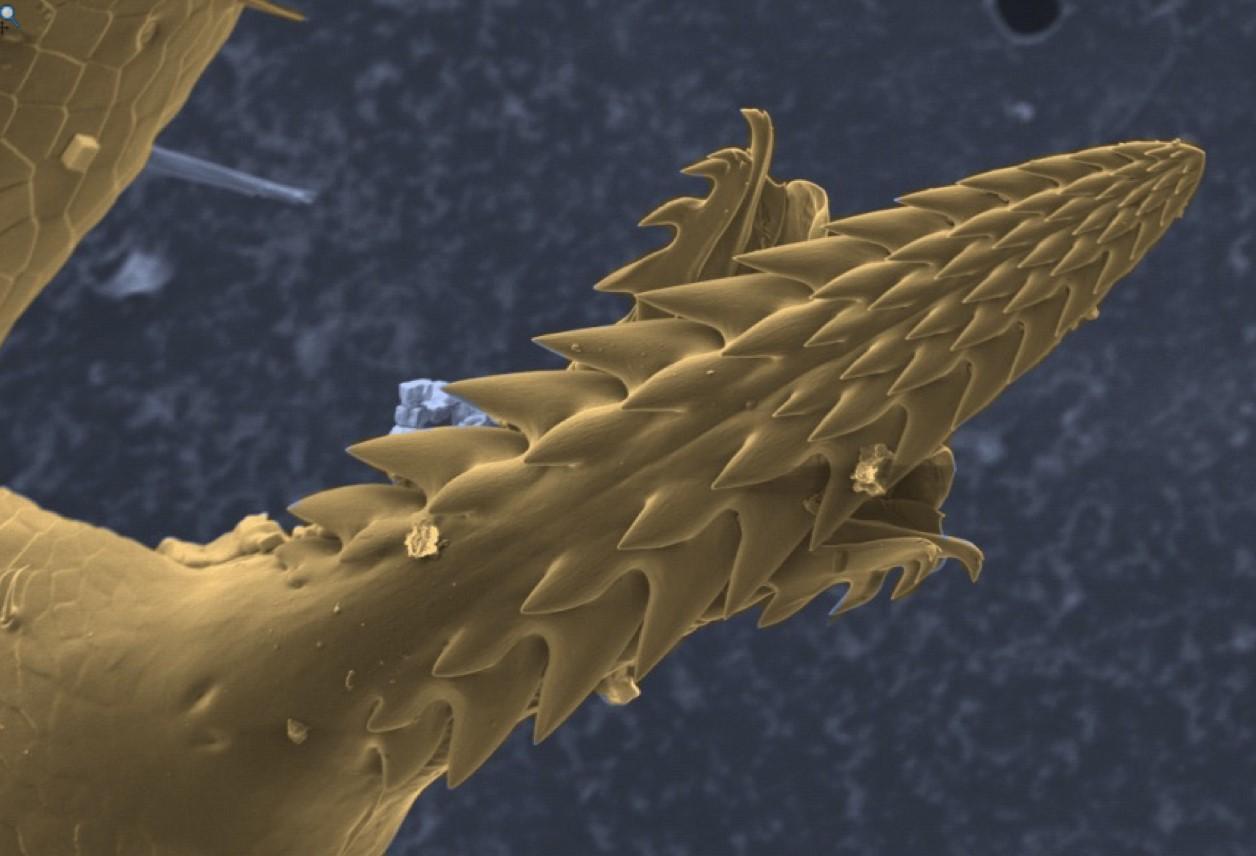
Tick mouth parts


Scanning electron micrograph of tick mouth parts, Pal lab

This grant is one example of recent and ongoing sources of research funding to reduce the burden of tick-borne disease as a whole through the development of novel therapeutic and vaccine strategies. Utpal Pal leads theTick Immunity project, uncovering the secrets of tick immune responses that could help to develop treatments and vaccines, as well as a recent grant to develop anovel Lyme disease vaccine. But ticks transmit many human and animal illnesses each year in addition to causing Lyme disease. Despite substantial efforts, vaccines against most tick-borne diseases are still unavailable. Since ticks transmit most pathogens into their host’s skin while they are feeding, a new invention disclosure that was nominated for UMD Life Sciences Invention of the Year identifies a set of novel tick antigens or vaccine targets which could potentially be developed as anti-tick bite vaccines. The successful development of vaccines against tick bites would thwart the transmission of pathogens, thereby reducing the incidence of tick-borne infections as a whole. 

“This is an exciting innovation disclosure that has the potential to translate some basic scientific discoveries into public health improvement,” says Pal. “These studies address unique aspects of tick biology and pathogen transmission, and our laboratory continues to explore ways that diseases like Lyme disease can be avoided altogether.”

About the Steven & Alexandra Cohen Foundation

The Steven & Alexandra Cohen Foundation is committed to inspiring philanthropy and community service by creating awareness, offering guidance, and leading by example to show the world what giving can do. The Foundation’s grants support nonprofit organizations based in the United States that either help people in need or solve complex problems. The Foundation also spearheads grassroots campaigns to encourage others to give. For more information, visitwww.steveandalex.org.

_______________________

**Comment**

A few points:

  • Lyme advocate emphatically states there should be no Lyme vaccine until persistent infection is acknowledged and fully addressed.  I couldn’t agree more.
  • This resource gives updates & updates, including a link to 700 scientific articles on borrelia persistence as well as the fact Lyme is transmitted congenitally, a detail our corrupt public health ‘authorities’ continue to state is rare, even though nobody’s counting?
  • Working with the NIH is a big mistake.  Insanity is doing the same thing over and over and expecting different results.  Lyme science is owned by The Cabal and hasn’t budged in over 40 years. Entrance criteria into studies requires a positive 2-tiered CDC test and the EM rash. There is a large subset of patients, usually the sickest, who will never be studied due to this.
  • While Pal admits the organism can persist in the human body for a long time, he continues to abide by the faulty PTLDS moniker that essentially blames remaining symptoms on anything but persistent infection. They continue to say they don’t know what causes PTLDS despite science and decades of clinical experience showing long term antimicrobials help patients. Researchers who straddle the fence on this issue are playing a game and are not to be trusted.  The reason for it is simple: they want government money and those accepting this money must tout an accepted narrative.
  • The “novel vaccine” they are developing is using the rabies virus as a delivery platform to send in some vaccine candidates for Borrelia.” The researchers state that by using the virus platform, they won’t need adjuvants because the virus itself acts as an adjuvant which often produces a strong immune response.
  • Herein lies the problem.  Lyme/MSIDS patients already have dysfunctional immune systems.  Some are so sensitive they have to quit eating dairy, gluten, sugar, avoid EMF, fragrances, and much more.  They are extremely sensitive to any changes with supplements and medications. Do you really thing it’s wise to directly pump something into the body that produces a strong immune response?  
  • Researchers are often very myopic in their focus.  They have to be.  Their line of work requires it.  But this myopic thinking does not help extremely ill patients who all look differently, respond differently, and have complex cases that take time to unravel and treat.  Even the best doctors struggle with these patients.
  • Please note again the thrust on vaccines.  They briefly mention “therapeutic” strategies almost as a requirement but then go on to the topic of vaccines.  If we need anything – it’s effective treatment!
  • Lastly, please note that the same University (Massachusetts) is also developing another “new vaccine” to supposedly prevent Lyme in humans. It is led by none other than Dr. Mark Klempner, the man behind a  flawed study that is still being used to keep chronically sick Lyme/MSIDS patients from extended treatment.  ILADS points out that the Klempner trial relied on average treatment effects, employed small samples (ranging from 37-129), and excluded over 89% of patients who sought to enroll.
Dr. Klempner has been in this game a long, long time.  

He was also the director the BU Biodefense Laboratory.

Excerpt:  

In February 2003, Boston University (BU) submitted a proposal to the NIH to construct a facility with the highest-risk level bioweapons research laboratory (called a BSL-4 laboratory) that would be sited within the BU Medical Center. The medical center is located in a dense, urban neighborhood with a majority of low-income and minority residents nearby. The process of proposal development, site selection and subsequent approval for funding took place in secret,without informing and consulting the local community. The site selected for the laboratory was pre-determined prior to BU undertaking a National Environmental Policy Act (NEPA) mandated environmental impact review and without involving the surrounding residential and working community – all in violation of federal policy. Nonetheless, NIH approved BU Medical Center’s proposal for $128 million.

This would of course yield billions as you would be forced to get a yearly booster shot.

This ‘pre-exposure prophylaxis’ (PrEP) delivers anti-Lyme antibodies, and are “unlike vaccines” which trigger the immune system to produce antibodies. PrEP supplies the antibodies directly and kills the bacteria before a person becomes infected.  

Before you believe everything they say, you might want to read this.

As you can clearly see, this injection contains OspA, the same outer surface protein found to cause severe adverse reactions in the first Lyme vaccine called Lymerix.  (Please read about the bitter history of how our public ‘authorities’ eliminated from the Western blot two Bb proteins, outer surface protein A (OspA), from which LYMErix was made, and outer surface protein B (OspB), the intended component of next-generation vaccines. This has kept the sickest from being diagnosed.)


https://biocidin.wistia.com/medias/wxusy0cfns Go here for presentation (Approx 22 Min)

Part 1: Clinical Considerations of Clostridia Bacterial Concerns – Pathogenicity Mechanisms

Biocidin Education Series

For more: