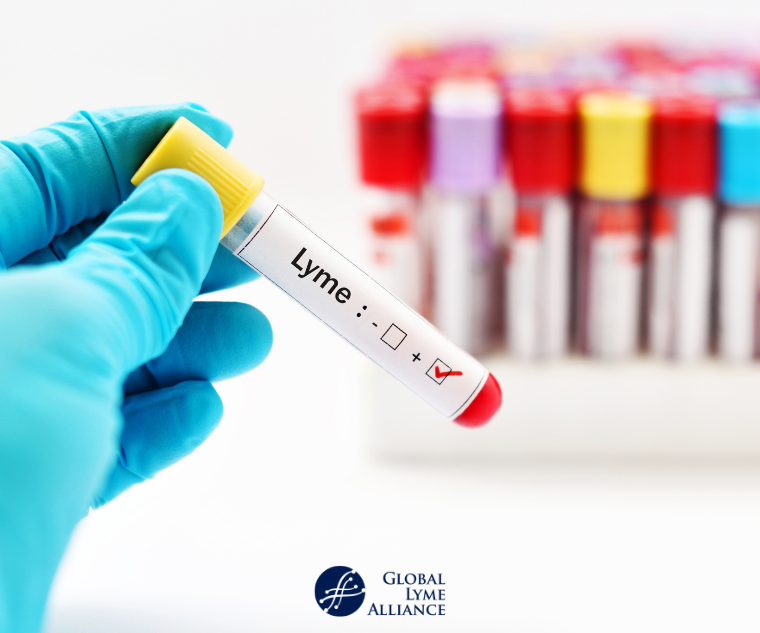
When someone finds an engorged tick, their doctor may tell them to “wait and see” if they develop a rash or other symptoms. This approach is downright dangerous. Here’s why.

Though ticks are a year-round threat, we are in prime season right now, as blacklegged (deer) nymph ticks search for a first meal. People I know have reported pulling ticks off themselves, their children, and their pets by the dozens. “We go for a walk in the neighborhood and my dog comes back covered in ticks,” one friend told me. Even if a dog is vaccinated against Lyme, it can still bring all those ticks into the house, where they then can bite humans. Outside, ticks are everywhere: not just in the woods, but in yards, parks, playgrounds, beach grass, and yes, even cities.

We can help ward off tick bites by using good preventive measures like wearing long, light-colored clothing; putting that clothing in the dryer on high heat after coming inside; using repellent containing DEET or picaridin; spraying clothing and gear with permethrin; using a lint brush to wipe down skin and clothes; showering after spending time outside; and doing daily tick checks. Despite our best efforts, though, we are still at risk. If you should notice a bite or find the tick itself (which you can save to get tested), you have a good chance of getting diagnosed early and treated appropriately.

But this is where it gets tricky. Even when someone finds an engorged tick, their doctor may tell them to “wait and see” if they develop an Erythema Migrans (EM) rash, commonly referred to as a bullseye rash, or symptoms such as fever, body aches, or facial palsy. The doctor will not treat the person for Lyme disease unless these symptoms appear. That approach is downright dangerous, and here’s why:

  • Not everyone gets or sees a rash: We must dispel the myth that Lyme is always associated with the “tell-tale” bullseye rash. It can be. If you are lucky enough to see one of those rashes, you can be sure you have Lyme. But the reality is that less than 50% of Lyme patients get, or see, a rash at all. Others may develop the rash weeks, months, or even years after infection. And not all Lyme rashes are created equal. Mine was a series of red dots; other people get blotchy lesions. To wait for a rash to appear is to miss critical time in treating a Lyme infection early.
  • Not everyone gets the same symptoms: While there are more common symptoms of Lyme disease such as flu-like malaise, fever, and joint aches, there are over 100 possible symptoms of Lyme disease. Lyme is called the “Great Imitator” because symptoms can mirror so many other conditions, such as rheumatoid arthritis and fibromyalgia. If someone with a known tick bite isn’t treated right away and then develops more nebulous symptoms like brain fog or chronic fatigue down the road, they may easily be misdiagnosed.
  • Not everyone gets symptoms right away: Some people take weeks to develop symptoms. By then, the Lyme bacteria (spirochetes) may have disseminated to a later stage of disease, making it much more complicated to treat. Early intervention after a known tick bite can shorten overall treatment time and save someone from prolonged suffering.
  • Ticks don’t only carry Lyme: The symptoms you may be waiting for, such as an EM rash, may never develop at all because you don’t in fact have Lyme; you have a different tick-borne illness. You may not know to look for symptoms of those, such as night-sweats or hypoglycemia with babesiosis(which requires different treatment than Lyme disease). Or, you may have contracted Lyme and co-infection(s). It’s important to ask your doctor about testing for all tick-borne illnesses, not just Lyme, when you have a known tick bite. A Lyme test does not cover these co-infections; you need to test for them specifically. And if your doctor tells you, “Oh, that was a dog tick, so you don’t have to worry,” make to test for illnesses that dog ticks carry, like Rocky Mountain Spotted Fever and tularemia.
  • Tests are inaccurate: A doctor may tell you to “wait and see” what the tests results say before starting treatment. Because standard Lyme tests only look for antibodies against the bacteria, not the bacteria itself, they are notoriously inaccurate. It can take a while for someone to build up enough antibodies to show up on a test, which can dangerously delay treatment.
  • Ticks can transmit diseases faster than you think: Many doctors subscribe to the old belief that a tick needs to be attached for at least 36 hours to transmit Lyme. But it’s hard to know exactly when a tick first became attached. Each hour—each minute—that a tick is attached, the greater the chance that it will infect you. Other tick-borne illnesses such as Powassan encephalitis can be transmitted in as little as 15 minutes.

A much safer bet, rather than “waiting and seeing”, is to treat immediately with antibiotics. Even if that treatment ends up being prophylactic, it is better to be safe than sorry.

Another dangerous time to use the “wait and see” approach with Lyme disease is after a round of treatment is complete. Most Lyme Literate Medical Doctors (LLMDs) treat for 21-28 days and then make continued clinical evaluation. If the patient’s symptoms have not cleared up, they continue treating the infection, rather than waiting to see what happens. Unfortunately, Centers for Disease Control (CDC) and Infectious Disease Society of America (IDSA) guidelines only call for 10-14 days of treatment, or even just one dose of Doxycycline as prophylactic treatment. Patients who experience symptoms beyond the initial course are often told they have something else. Untreated Lyme infection can then spread further into the body and cross the blood-brain barrier, causing symptoms that become much more difficult to treat. It’s important to remember that co-infections can also complicate and prolong treatment.

If you do a web search on Lyme disease, you will find lots of conflicting information. Some sites will tell you that there is a danger of Lyme over-diagnosis, or that long-term antibiotic treatment is dangerous (it has its risks, which any good LLMD will address). In my opinion, the greatest danger with Lyme disease is the “wait and see” approach. If you get a tick bite, or if you’re treated for Lyme but have ongoing symptoms, I encourage you to reject the “wait and see” approach, and to instead be proactive. Your health is at stake!

https://danielcameronmd.com/no-neurologic-damage-three-children-lyme-disease-powassan-virus/

CAN POWASSAN VIRUS CAUSE ENCEPHALITIS OR OTHER NEUROLOGIC DAMAGE?

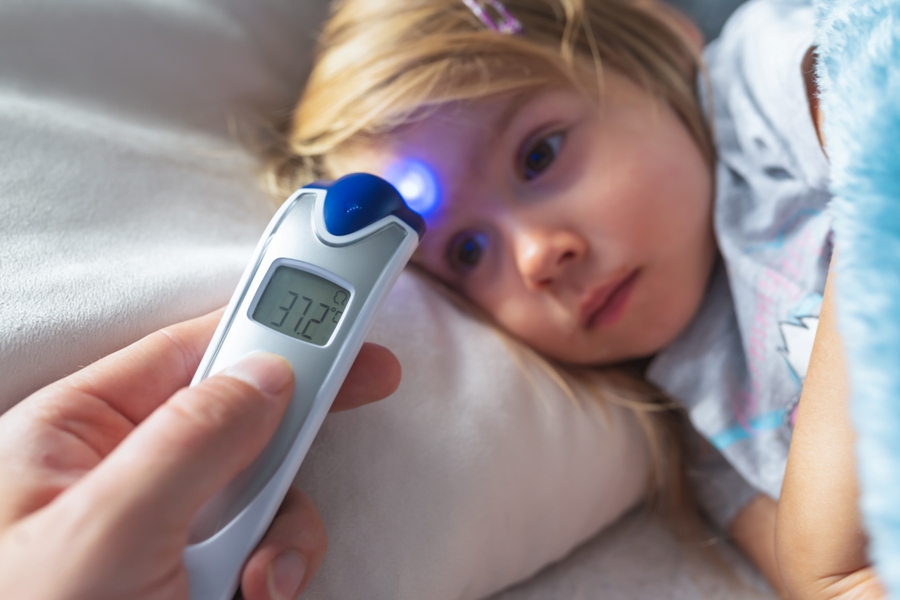
Child with Powassan virus and encephalitis getting temperature taken

Over the past ten years, there have been 75 cases of Powassan virus reported in the United States, according to the Centers for Disease Control and Prevention (CDC). [1] Most cases have been confined to the Northeast and Great Lakes region. That, however, may change. As Lyme disease continues to spread throughout the country, so too may this potentially deadly virus.

The Powassan virus (POWV) can be transmitted in as little as 15 minutes and is spread primarily through the bite of an infected deer tick. There is no treatment for the Powassan virus, yet it can cause devastating neurologic damage including encephalitis, meningitis or even death.

“About 15% of patients who are infected and have symptoms are not going to survive,” Dr. Jennifer Lyons, chief of the Division of Neurological Infections and Inflammatory Diseases at Brigham and Women’s Hospital in Boston told CNN. [2] “Of the survivors, at least 50% will have long-term neurological damage that is not going to resolve.”

In 2017, two men from Cape Code died from the virus. In 2019, a man from upstate New York died, along with a former US senator from North Carolina. The 66-year-old woman died “nearly three years after she was first hospitalized with what doctors later said was encephalitis” caused by the Powassan virus. [3]

With so much media attention focused on the deaths caused by Powassan virus, both parents and the public are understandably worried. However, a new study published in the journal Emerging Infectious Diseases provides a more optimistic outlook, finding not all subjects had neuroinvasive disease.

3 children with Lyme disease and Powassan virus

Frost and colleagues, from the Marshfield Clinic in northern Wisconsin, looked at serologic evidence of Powassan virus from 95 patients who tested positive for Borrelia burgdorferi, the causative agent of Lyme disease. The patients had visited their clinic between July and August of 2015. [4]

Clinical data was available for only 51 of the 95 patients (53.7%) suspected of having a tick-borne illness. Out of the 51 patients, 3 were children, all of whom had IgM evidence of Powassan virus, as well as IgM and IgG evidence of B. burgdorferi.

However, none of the children, who were all female, had neuroinvasive disease (i.e. encephalitis). [4]

  1. Age 14: 3-day history of urticarial rash. She was treated with doxycycline for 14 days.
  2. Age 4: 1-week history of fever (103°F), listlessness, headache, fatigue, and a maculopapular rash. She was treated with amoxicillin for 21 days.
  3. Age 3: 1-week history of intermittent fever, fussiness, and erythema migrans rash. After developing a urticarial rash on cefuroxime, she was treated with amoxicillin for 21 days.

“In POWV-endemic regions, up to 7% of ticks carry the virus, and seroprevalence among small mammalian hosts can exceed 90%,” the authors point out. Meanwhile, the seroprevalence of the Powassan virus in some regions of North America ranges from 0.5% to 3.3%. [4]

The authors’ conclusion is encouraging:

“The spectrum of disease is broader than previously realized, with most patients having minimally symptomatic infection.”

UPDATED: June 15, 2021


https://www.who.int/emergencies/diseases/novel-coronavirus-2019/covid-19-vaccines/advice

Children should not be vaccinated for the moment.

There is not yet enough evidence on the use of vaccines against COVID-19 in children to make recommendations for children to be vaccinated against COVID-19. Children and adolescents tend to have milder disease compared to adults. However, children should continue to have the recommended childhood vaccines.

The WHO truly meant “for the moment” because 48 hours later it did an about face.  Seems our public health authorities flip flop more than a waffle maker.

______________________

**Comment**

I would argue that the same could be said for everyone.

These experimental, fast-tracked injections are not vaccines. Further, more adverse reactions including death have been reported to VAERS for these injections than for any other vaccine in human history, and this is with the knowledge that only 1% of reactions get reported to VAERS, so the numbers are much, much higher.

  • Regarding efficacy, it’s important to recognize that there has been a horrific ‘slight of hand’. Big Pharma has manipulated data on effectiveness by not taking absolute risk into account. When absolute risk is taken into account, COVID ‘vaccines’ are less than 1% effective!
  • Then there’s the issue of the inappropriately named “break-through” cases where fully “vaccinated” people are not only testing positive for COVID but can become ill and/or have died from it. An expert states that 6% of all “break-through”cases result in death. This fact challenges manufacturer’s claims that the injections prevent death from COVID. The CDC has also used a ‘slight of hand’ by creating new guidelines on post-vaccination viral breakthrough cases by only recording cases involving hospitalizations and deaths, leaving the majority of symptomatic breakthrough cases of the virus unreported. So again, true numbers are going to be much, much higher.
  • A dire warning by experts that “clear and present danger” exists for those who have had COVID-19 and subsequently get vaccinated due to viral antigens that remain in the body after a person is naturally infected; the immune response reactivated by the COVID-19 vaccine may trigger inflammation in tissues where the viral antigens exist.
  • Other experts are warning that mass vaccination campaigns drive COVID variants or mutations, which are more severe and more resistant to vaccines.
  • The creator of mRNA and another vaccine specialist states that the spike protein is biologically active — contrary to initial assumptions — and causes severe problems.  It also has reproductive toxicity, and Pfizer’s biodistribution data show it accumulates in women’s ovaries. Data suggests the miscarriage rate among women who get the COVID “vaccine” within the first 20 weeks of pregnancy is 82%. Israeli data show boys and men between the ages of 16 and 24 who have been vaccinated have 25 times the rate of myocarditis (heart inflammation) than normal.  Last year  GSK whistleblower stated that the COVID injections cause sterility in 97% of women.
  • According to a study recently submitted for publication, ‘Analysis suggests the vaccines are likely the cause of reported deaths, spontaneous abortions, anaphylactic reactions, cardiovascular, neurological, and immunological adverse events’.
  • There is a potential for the COVID-19 injections to induce prion-based disease.
  • Last, but not least, vaccines are only needed for diseases that have no treatment.  Cheap, effective treatments for COVID exist but are being heavily censored, banned and maligned by conflict-riddled public health ‘authorities.’  There has also been a plethora of junk-science to discredit these treatments.  Doctors all over the world are speaking out on censorship and junk-science as the science does not reflect what they experience clinically with these successful treatments. They state tens of thousands of lives could have been saved if information on treatments wasn’t suppressed. Sadly, judges are having to get involved to utilize these banned treatments.

https://www.foxbusiness.com/politics/wisconsin-lawmakers-advance-bill-banning-covid-19-vaccine-passports

Wisconsin lawmakers advance bill banning COVID-19 vaccine passports

By

June 17, 2021

The legislation requires approval by the state senate and the governor

Lawmakers in Wisconsin advanced a bill this week that would prohibit any public or private entity in the state from requiring proof of COVID-19 vaccinations.

The bill was backed by state Republicans with proponents arguing that residents have a right to keep their medical decisions private. 

Some have also argued that the passports would force individuals to get vaccinated just so they could resume their routine activities.

The legislation still requires approval by the state Senate and the official green light from Democratic Gov. Tony Evers, who has signaled he would not sign the bill if it arrives at his desk, as reported by several local news outlets.

“I think it’s a reasonable request of a business to make those requests,” Evers said earlier this month, as reported by WISN, the ABC affiliated TV station in Milwaukee. “If you’re a healthcare institution, you may want to ask those questions. Certainly, Lawrence University is already out in front of this – asking, requiring students and therefore asking them to show proof.”

A handful of states have banned vaccine passports as a prospective way to keep a lid on virus cases, including Florida, Georgia, Idaho and Texas.

______________________

**Comment**

As Lyme/MSIDS patients we should care about this issue as our bodies are already in a war of epic proportions.  Vaccination for us has the potential of reactivating latent infections and worsening our cases. I’ve sat across the table from 20-somethings who have had to quit school and work to move back home with their parents after a flu vaccine caused them such harm they were unable to care for themselves.  What would an experimental, fast-tracked injection that has caused more adverse reactions and death than any vaccine in human history do?

Please contact your representatives and Governor Evers on the importance of medical privacy and the fact vaccination isn’t for everyone.

Medical decisions should be made between a doctor and patient and that privacy should be upheld at all costs. 

For more:

For more on the COVID injections, which are not “vaccines:”

https://www.globallymealliance.org/blog/gastrointestinal-issues-with-lyme-disease

When patients consider taking long-term antibiotics for persistent Lyme disease, they need to weigh risks and benefits of treatment. Gastrointestinal risks can include the possibility of a C.diff infection, or candidaovergrowth, which is a yeast infection that occurs not just in typical places you imagine but also in the gut. A good Lyme Literate Medical Doctor (LLMD) will put a patient on probiotics and a specific diet to mediate these risks, or may decide to go the intravenous route to take pressure off the gut.

Medication is not the only way that the gut can be impacted by Lyme disease; the infection itself can cause gastrointestinal issues. In his book How Can I Get Better? An Action Plan for Treating Resistant Lyme & Chronic Disease, Richard I. Horowitz, MD notes that Lyme and co-infections can cause inflammation leading to issues such as abdominal pain, nausea, gas, bloating, constipation, diarrhea, or reflux disease, with occasional vomiting. He writes, “…a review of gastrointestinal and liver problems associated with tick-borne diseases found that in 5 percent to 23 percent of those with early Lyme borreliosis, patients presented with varied gastrointestinal symptoms, such as nausea, vomiting, abdominal pain, anorexia with loss of appetite, and hepatitis, and some even had symptoms of an enlarged spleen and liver.”[i] And that’s just in early Lyme—in later stages of the disease, spirochetes(Lyme bacteria) can burrow deeper into the gastrointestinal tract, causing more damage. Other tick-borne diseases can also cause their own gastrointestinal issues, often overlapping with Lyme symptoms when the patient is co-infected.

Because every case of tick-borne illness is different, some Lyme patients may not experience any gastrointestinal symptoms. When I was at my sickest with Lyme disease, babesiosis, ehrlichiosis, possible bartonella, and chronic active Epstein-Barr virus, I used to joke, “Well, at least my stomach feels okay.” Because I wasn’t experiencing abdominal pain or vomiting, I figured my stomach was the one part of my body that had gotten off easy.

In fact, many of the symptoms I experienced in other parts of my body, including joint and muscle pain, migraine headaches, fever, and fatigue, were directly related to weakness in my gut caused by disease. Unbeknownst to many people—myself included before I got sick—the gut is a major player in the immune system. Dr. Horowitz writes that the “GI tract houses 80 percent of our immune system and 70 percent of our lymphocytes, making it the first line of defense against infections.” He goes on to explain that “…the gut can hold as many as 100 trillion microbes, referred to as the microbiome.” The bacteria in each person’s unique microbiome “help to supply essential vitamins; fight dangerous pathogens; keep the immune system in balance and modulate autoimmune disease (like MS and rheumatoid arthritis); modulate hormones, appetite, weight, glucose metabolism, and diabetes; modulate cardiovascular risk, neurological and psychiatric diseases (like Parkinson’s and schizophrenia); affect epigenetics, modulate cancer risk and affect inflammatory reactions in the body, including allergies, asthma, Crohn’s disease, and colitis.”i

An imbalanced microbiome can lead to intestinal permeability, commonly called “leaky gut syndrome.” This can allow toxins pass into the gut, causing inflammation and changes in flora; it’s similar to what happens when the blood-brain barrier is compromised. A 2020 study done by researchers at Johns Hopkins University School of Medicine, Northeastern University, and University of California San Diego found that the gut microbiome of post treatment Lyme disease patients was distinctly different than the gut microbiome of healthy subjects.

Whether Lyme patients experience gastrointestinal symptoms or not, their microbiome is impacted by their infection(s), their medications, and their diet. A weakened microbiome means a weakened ability to heal. As Lyme patients, we can help strengthen our microbiome by taking probiotics to replace good bacteria that are killed by antibiotics (some patients also take an anti-fungal medication, which can have anti-spirochetal effects, too), and by sticking to “The Lyme Diet.” Gluten and sugar are particular menaces to the microbiome, and your doctor may also recommend other dietary changes or nutritional supplements to help you maintain gut health. As I’ve come to learn, it is central to overall health!

[i] Horowitz, Richard I., MD. How Can I Get Better? An Action Plan for Treating Resistant Lyme & Chronic Disease. New York: St. Martin’s Griffin, 2017 (327, 328-9).