Archive for the ‘Uncategorized’ Category

CDC Agrees to Add Disclaimer to Lyme Disease Case Definition

https://globallymealliance.org/news/cdc-agrees-to-add-disclaimer-to-lyme-disease-case-definition/?

lyme disease case definition

Washington, DC – WEBWIRE – Monday, July 22, 2019

The Centers for Disease Control and Prevention (CDC) has agreed to add a disclaimer to the surveillance case definition for Lyme disease that it is

not intended to be used by healthcare providers for making a clinical diagnosis or determining how to meet an individual patient’s health needs.”

According to a July 16 letter from Lyle Peterson, MD, Director of the CDC Division of Vector-Borne Diseases, this change is being implemented on “all individual case definition pages, including the 2017 Lyme disease case definition page.”

This action was taken following an Information Quality Request for Correction complaint filed by the Patient Centered Care Advocacy Group on May 20, 2019.

According to the complaint, many healthcare providers incorrectly rely on the case definition to interpret results of the two-tier test, resulting in large numbers of patients who are misdiagnosed and denied medically necessary treatment and insurance coverage. This situation worsens the Lyme epidemic and increases the financial impact on our country in terms of lost productivity, disability, and increased medical expenses.

The CDC disclaimer states:

“A surveillance case definition is a set of uniform criteria used to define a disease for public health surveillance. Surveillance case definitions enable public health officials to classify and count cases consistently across reporting jurisdictions. Surveillance case definitions are not intended to be used by healthcare providers for making a clinical diagnosis or determining how to meet an individual patient’s health needs.”

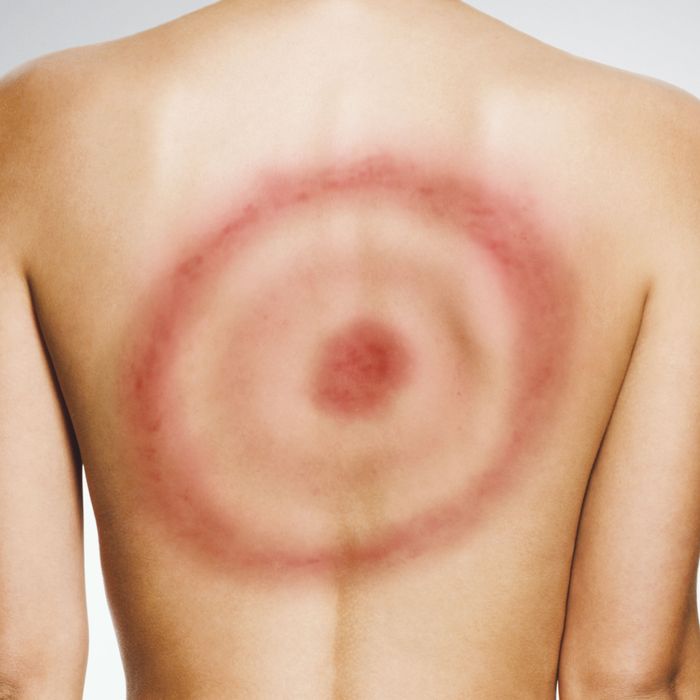
According to the case definition for Lyme disease, most patients must either have an erythema migrans rash (EM, also known as a bull’s eye rash) or test positive on a two-tier blood test according to a narrow threshold. Yet many patients never get a rash, and a systematic meta-analysis of published data shows the mean sensitivity of two-tier test to be only 35.4% in the acute stage and 64.5% in the convalescent stage, with an overall sensitivity of 59.5%. The unreliability of the two-tier test is compounded by widespread misconception by healthcare providers and insurers that patients must test positive according to the surveillance criteria to confirm they have a legitimate case of Lyme disease.

“The disclaimer is a step in the right direction,” said Bruce Fries, President of the Patient Centered Care Advocacy Group, “but a lot more needs to be done to educate healthcare providers that the two-tier test is unreliable and the case definition should not be used for diagnosis. CDC has been encouraged by Congress as far back as 2002 to aggressively pursue and correct the misuse of the definition. Unfortunately, however, little was done and the case definition continues to be misused.

Following are links to the complaint and CDC’s response.

Information Quality Request for Correction
www.lymepatientadvocacy.org/Documents/CDCInfoRequestforCorrection-05-20-2019.pdf

CDC Response
www.lymepatientadvocacy.org/Documents/CDCResponse-071619-CaseDefinition.pdf

_____________________

For more: https://madisonarealymesupportgroup.com/2019/06/27/idsa-aan-acr-2109-draft-lyme-guidelines-public-comments-allowed-until-aug-10-2019/

https://madisonarealymesupportgroup.com/2019/07/09/idsa-lyme-disease-treatment-management-business-as-usual-leaves-those-with-persisting-symptoms-to-suffer-die/

https://madisonarealymesupportgroup.com/2019/07/22/idsas-insincere-request-for-guidelines-feedback/

https://madisonarealymesupportgroup.com/2017/08/19/dr-liegner-guidelines-used-by-managed-care-causing-lyme-deaths/

https://madisonarealymesupportgroup.com/2017/06/29/british-lord-says-cdcidsa-lyme-guidelines-not-fit-for-purpose/

The Science of Detoxification + How To Boost Your Natural Detox Powers

https://vitalplan.com/blog/the-science-of-detoxification

The Science of Detoxification + How to Boost Your Natural Detox Powers

By Beth Janes Posted 07-19-2019

Toxins are everywhere in our modern world. They’re in the air we breathe outdoors from cars and mining and industrial processes, plus the air inside our homes from cleaning products, gasses emitted from things like carpet and paint, and dust and mold particles.

We also ingest toxic substances that hitch a ride in food and drinks, such as herbicide and pesticide residue, chemicals from plastic packaging, and others produced during frying or processing. Toxins can enter our system through skin, too, often via the very self-care products we apply to it to keep it healthy.

That’s all sounds like scary stuff, but the good news is, the human body has developed a sophisticated mechanism for dealing with and expelling toxins and all the other junk that doesn’t belong. The process has evolved as a means of survival, and it’s essential considering just how much toxins can interfere with the functioning of our cells and systems.

Here’s why this three-phase detox process is vital to your overall well-being, how it works, and the simple ways you can optimize your natural detox powers every day.

Why Daily Detoxing is So Important

The most dangerous toxins we’re exposed to — usually the environmental, man-made ones — affect you in one of two basic ways: By direct attack, or by a secondary offensive on the body’s communication systems.

“These toxins can directly damage cell membranes, cellular components, and DNA through oxidative stress with free radicals,” says Dr. Bill Rawls, M.D., medical director of Vital Plan. “Or, they can also disrupt cellular messaging systems, which your cells rely on to help your body function properly.”

Crushed plastic bottles heap

For example, chemicals like bisphenol A (BPA) from plastic residue can mimic hormones, particularly estrogen. That’s problematic because hormones are primarily used as signaling tools that set in motion various processes in the body, Dr. Rawls explains. So if your body suddenly senses an influx of “fake” hormones, it throws everything out of whack. Other toxins like pesticides, meanwhile, target and interfere with hormonal communication.

The effects of toxins can be troublesome for everyone. Exposure to environmental toxins, for example, have been linked to a variety of chronic illnesses, including obesity, cancer, and immune and reproductive problems.

But if you’re already suffering from a chronic illness or recovering from one, toxins can be especially problematic, Dr. Rawls says. “If your body’s communication systems are already messed up, adding in any extra burden from accumulated toxins can tip the scales and mess things up badly.”

The 3 Phases of Natural Detoxification

If you haven’t yet fathomed just how miraculous the human body is, when you understand exactly how and what goes into isolating and disposing of toxins you can’t help but appreciate its power. Here, a brief explanation of the three-step detox process:

Phase 1

Toxins are primarily fat-soluble compounds, but in order for your body to begin eliminating them, they must first be made water-soluble. This is the job of what’s called the cytochrome P450 system, or CYP 450, which involves a specialized family of enzymes that break down or metabolize the molecules, Dr. Rawls says.

“The cytochrome P450 system is one of the most important systems in the body, and it works primarily in the liver, although all cells contain CYP 450 enzyme systems,” Dr. Rawls adds. Part of what makes the system so special is its ability to create new, highly specific enzymes for different toxins you may be exposed to.

It doesn’t always happen right away, though. For example, if you’re taking a new drug for the first time, your body hasn’t developed enzymes to deal with those particular chemicals. But over time, your body could develop ways to process and deal with it.

Phase 2

In this step, conjugation occurs: Once a toxin has been made water soluble, other molecules then bind to it — a.k.a., conjugation — which fully neutralizes and prepares it to be disposed of into bile, Dr. Rawls says. “Glucuronic acid, glutathione, and other amino acids strap on and prevent it from recirculating.”

Phase 3

Once conjugated, the toxin is ready to be transported into bile. Think of this stage as taking out the trash. Once dumped into bile, which is like the garbage truck, the majority of toxins are released into the upper part of the small intestine and incorporated into stool and eventually expelled, Dr. Rawls says. Some, however, take a different path through the kidneys and to the bladder, then are released with urine or out of your pores in sweat.

The Role of the Lymph System

Certain substances we might not necessarily think of as toxic can still put a burden on our systems and our health. “We all have to deal with abnormal proteins from food that might cross the intestinal barrier and spur antibodies that need to be removed via our lymph system,” Dr. Rawls says.

Enterobacterias. Gram-negative bacterias escherichia coli

We also make toxins inside our bodies — they’re the byproducts of metabolic processes and produced by our vast collection of microbes. “I call it the ‘microbe burden’ — our microbes produce toxic substances that we have to neutralize,” Dr. Rawls says.

How to Support Detox Processes the Healthy Way

Even though you’ve developed a highly sophisticated system for regularly removing toxins, there are things that can gum up the works, such as a sluggish or inflamed liver, stagnant or low bile flow, irregular bowel movements, and clogged lymphatic channels. And while there are things you can do to energize the process in the short term, overall detoxing should not be considered something you do for a few days and move on, but rather a constant element in your overall approach to health.

In fact, most of the “detox” products you find on the market are the equivalent of a crash diet that’s designed to deliver rapid weight loss results. To achieve the effects, the products often rely on laxatives, Dr. Rawls says. And so instead of actually addressing meaningful and important aspects of the three detox phases, the laxatives instead help flush a buildup of “bad” bacteria that can occur from eating a high-carb, processed food diet and irregularity — but the relief is only temporary.

water-closet-with-open-door-and-white-toilet-bowl

Sure, flushing your bowels can make you feel better temporarily if you’ve not been regularly eliminating the junk, but the effects are fleeting. What’s more, there’s little evidence that detox diets or the fad products are effective, according to a review in the Journal of Human Nutrition and Dietetics.

So tune out the hype, and instead use these more sound, effective, and systemic approaches that support your body’s natural detoxification every step of the way, every day.

1. Limit Your Toxin Load as Much as Possible

“The biggest thing you can do is not overload your system with toxins in the first place,” Dr. Rawls says. It’s unrealistic to think you can avoid all toxins, but there are certainly ways to greatly reduce your exposure.

Because toxins can get into your body in only one of three ways — breathing them in, ingesting them, or absorbing them through your skin — you have a lot of control, he says. Some simple ways:

• Switch to natural cleaning products. You’ve got many options to clean “green.”Instead of standard, chemical-laden household disinfectants and agents, for example, try simple DIY solutions that include ingredients like vinegar, castile soap, borax, and baking soda mixed with warm water.

Accessories and nontoxic detergents for cleaning home, household duties concept

• Choose organic when possible. Eating organic food reduces your exposure to pesticide and herbicide residue — and (surprise!) you can do it on a budget.

• Drink filtered water. Your kitchen tap could be delivering heavy metals and other pollutants along with H2O. It’s worth investing in a high-quality filter.

• Escape to green spaces. The more rural the better! Cars, trucks, and other motor vehicles contribute significantly to toxic air pollution.

• Fill your home with natural air purifiers. Not only are plants like peace lilies, Boston ferns and others pretty to look at, they help scrub the air.

2. Use the Right Detox Herbs and Foods to Support Your Liver

“During each phase of detoxification, a lot of oxidative stress is produced, and a lot of free radicals are generated that can damage the liver,” Dr. Rawls says. But there are a number of natural remedies and foods that help protect liver cells:

• Glutathione. Sometimes called “the great protector,” this powerful cellular antioxidant plays an important role in maintaining liver health, and there are several enzymes your liver needs to make for natural detoxification that depend on glutathione.

Silybum marianum.Wild medicinal plant thistle on retro background

• Milk Thistle. Sometimes referred to as silymarin (which is one of its main components), milk thistle is known for his liver-protective properties and ability to help support glutathione levels. In one study examining its effects in liver cells, silymarin was shown to suppress cellular inflammation. It also helps stimulate bile flow, Dr. Rawls says.

• Andrographis. A potent antioxidant and anti-inflammatory herb that also helps boost bile flow, andrographis has been shown to have liver-protecting qualities and an ability to modulate liver enzymes, according to a review in the Asian Pacific Journal of Tropical Disease.

• Burdock Root. Used for thousands of years in traditional Chinese medicine to detoxify the blood and boost circulation, burdock root is known to support liver health. For example, burdock root extract was found to help prevent damage to liver tissue caused by high doses of acetaminophen, reports a study in the journal Current Therapeutic Research. It’s also an anti-inflammatory and natural diuretic, and it provides prebiotic fiber for gut bacteria, which helps improve digestion.

• Chanca Piedra. Known as the “stone breaker” for its ability to help prevent or break up kidney stones, this herb helps promote healthy kidney and liver function, plus it counters oxidative stress and fights inflammation.

• White Peony Root Extract. A gentle and anti-inflammatory herb, this extract is known to promote kidney health and support the liver, according to a review in Frontiers of Pharmacology.

• Cruciferous veggies. All fruits and vegetables provide antioxidants, but cruciferous vegetables — broccoli, cabbage, Brussels sprouts and the like — are especially beneficial for the liver. For starters, they contain glucosinolates, including sulforaphane, which help spur the liver to produce detoxifying enzymes. For example, mice who ate Brussels sprouts for two weeks showed an increase in phase 1 and phase 2 detoxification enzymes, according to a study in the Journal of Food Science.

3. Focus on Fiber

Dietary fiber helps trap toxins in your colon so they don’t get reabsorbed again, and it ensures regular bowel movements that move toxins out of your body, Dr. Rawls says. But fiber also has a big impact on your gut’s microbiome — it can feed the good bacteria while keeping the bad bugs in check.

That’s good news for detoxification for a few reasons: A healthy microbiome contributes to a strong gut barrier, which keeps toxic proteins out of your system. Plus, research now suggests gut bacteria may directly help metabolize pollutants and reduce your toxic load.

Aim to get most of your fiber from vegetables, which are also high in protective antioxidants and other phytonutrients. When you do choose grains, opt for whole grains like brown rice and oatmeal rather than processed wheat products such as bread and pasta.

Organic Brown Rice Pasta Penne

4. Drink Enough Water

You needn’t guzzle gallons a day, but do make sure you stay well-hydrated. Urine and sweat are important ways your body removes toxins, and adequate hydration is necessary for moving stool. A good barometer is the color of your urine. If it looks like lemonade, you’re getting just the right amount. Anything darker means you need to drink more (or eat more water-rich produce); if it’s clear, you may be overdoing it.

5. Boost Your Bile

Anything that helps encourage proper bile production and flow will help support phase 3 of the detoxification process. Several liver-protective herbs do that naturally, such as milk thistle and andrographis, but plants and other herbs known to help encourage healthy digestion are also beneficial for bile flow, Dr. Rawls says. The best are usually bitter: Berberine and dandelion, as well as vegetables like arugula, kale, and other leafy greens.

6. Encourage Lymphatic Flow and Blood Circulation

Your lymph system helps filter and remove cellular byproducts and other junk out of your body, and it’s closely related to your circulatory system. When lymph channels become clogged and circulation stagnates, however, it can be difficult for your body to properly dispose of the waste. Fortunately, there are some simple ways to ensure everything hums along smoothly.

For starters, both red root and nettle root are herbs known for their ability to help boost lymphatic flow and drainage, which works to better cleanse the body of toxins and waste. Physically moving your body is also a must. Any type of physical activity will get your blood flowing and help manually encourage lymph to flow through its channels.

healthy young man morning workout

Ultimately, if you’re ready to embark on a cleaner lifestyle, the key detox habits to follow daily will always be eating a healthier, plant-based diet, enjoying more exercise, reducing your stress levels, and limiting exposure to pollutants and chemicals.

But if you want to initiate a more intensive “jumpstart” to your detox, short-term herbal remedies can help get you on track, Dr. Rawls says. For the best results, remember to avoid products that contain high doses of laxatives or laxative herbs, which offer only fleeting benefits, he says. Instead, for longer-lasting detox support, choose those with detox herbs that promote healthy liver and/or renal function, and that encourage lymphatic flow and circulation. A good one to try is Cleavers extract.

And, of course, after the initial detox period, continue to support your body’s daily detox processes with those same healthy habits and daily detox herbs.

References
Claus, Sandrine P. et al. “The gut microbiota: a major player in the toxicity of environmental pollutants?” NPJ Biofilms Microbiomes.2016; 2: 16003
Klein, AV and Kiat, H. “Detox diets for toxin elimination and weight management: a critical review of the evidence.” J Hum Nutr Diet. 2015 Dec;28(6):675-86.
Lovelace, Erica S. “Silymarin Suppresses Cellular Inflammation By Inducing Reparative Stress Signaling.” J Nat Prod. 2015 Aug 28; 78(8): 1990–2000.
El-Kott, Atalla Farag and Bin-Meferij, Mashael Mohammed. “Use of Arctium lappa Extract Against Acetaminophen-Induced Hepatotoxicity in Rats.” Curr Ther Res Clin Exp. 2015 Dec; 77: 73–78.
Guan, Yong-Song and He, Qing. “Plants consumption and liver health.” Evid Based Complement Alternat Med. 2015; 2015: 824185
Robbins, MG et al. “Induction of detoxification enzymes by feeding unblanched Brussels sprouts containing active myrosinase to mice for 2 wk.” Journal of Food Science. 2010 Aug 1;75(6):H190-9.
Yoshida, K et al. “Broccoli sprout extract induces detoxification-related gene expression and attenuates acute liver injury.” World J Gastroenterol. 2015 Sep 21;21(35):10091-103.

________________________

**Comment**

One issue not mentioned is that many Lyme/MSIDS patients are deficient in magnesium:  https://madisonarealymesupportgroup.com/2018/01/16/magnesium-an-invisible-deficiency/  I list the type I take in the comment section. I have no affiliation with any companies.

https://madisonarealymesupportgroup.com/2018/03/12/the-importance-of-vitamin-d-k-and-magnesium-for-lyme-msids-patients/

Another topic not mentioned is sweating for detoxification:  https://madisonarealymesupportgroup.com/2017/09/29/epsom-salts-for-lymemsids/

Hot epsom salt baths kill 3 birds with one stone as it causing sweating for detoxification, replaces magnesium with the epsom salts, and helps with painhttps://madisonarealymesupportgroup.com/2017/09/29/epsom-salts-for-lymemsids/

Hotter bodies also are better at fighting disease:  https://madisonarealymesupportgroup.com/2018/09/28/hotter-bodies-better-at-fighting-disease/

As for lymph drainage, jumping on a mini-trampoline & dry brushing are helpful:  https://madisonarealymesupportgroup.com/2018/04/18/activate-your-lymphatic-system/

For more:  https://madisonarealymesupportgroup.com/2015/12/06/tips-for-newbies/  Lots of detox ideas in article.

Also, MSM is an inexpensive, helpful addition to any regimen as it helps detoxification, heals leaky gut, and helps with inflammation among other things:   https://madisonarealymesupportgroup.com/2018/01/03/the-invisible-universe-of-the-human-microbiome-msm/  Within this link is a lengthy article about DMSO and MSM you should read and understand. These substances are inexpensive and very helpful for many issues.

Human Seroprevalence of Tick-Borne Anaplasma, Lyme, and Rickettsia Species in Northern California

https://www.ncbi.nlm.nih.gov/pubmed/31295054/

2019 Jul 11. doi: 10.1089/vbz.2019.2489. [Epub ahead of print]

Human Seroprevalence of Tick-Borne Anaplasma phagocytophilum, Borrelia burgdorferi, and Rickettsia Species in Northern California.

Abstract

There is a paucity of data on human exposure to tick-borne pathogens in the western United States. This study reports prevalence of antibodies against three clinically important tick-borne pathogens (Borrelia burgdorferi, Anaplasma phagocytophilum, and Rickettsia spp.) among 249 people in five counties in northern California. Individuals from Humboldt County were recruited and answered a questionnaire to assess risk of exposure to tick-borne pathogens. Samples from other counties were obtained from a blood bank and were anonymized. Seventeen (6.8%) samples were seropositive for antibodies against at least one pathogen: five for A. phagocytophilum, eight for B. burgdorferi, and four for Rickettsia spp. Women and people aged 26-35 had higher seroprevalence compared to other demographic groups. Santa Cruz County had no seropositive individuals, northern Central Valley counties had three seropositive individuals (all against A. phagocytophilum), and Humboldt County had 14 (all three pathogens), a significant, four-fold elevated risk of exposure. The Humboldt County questionnaire revealed that a bird feeder in the yard was statistically associated with exposure to ticks, and lifetime number of tick bites was associated with increasing age, time watching wildlife, and time hiking. Three-quarters of respondents were concerned about tick-associated disease, 81.0% reported experiencing tick bites, and 39.0% of those bitten reported a tick-borne disease symptom, including skin lesions (76.4%), muscle aches (49.1%), joint pain (25.5%), or fever (23.6%).

Despite high levels of concern, many individuals who had been bitten by a tick were not tested for a tick-borne pathogen, including those with consistent symptoms.

We highlight the need for further research and dissemination of information to residents and physicians in Northern California regarding tick-associated disease, so that appropriate medical attention can be rapidly sought and administered.

________________

**Comment**

Again, the numbers are going to be much higher as they used the abysmal serology testing which tests for antibodies – not the organisms.

More on California:  https://madisonarealymesupportgroup.com/2018/05/24/lyme-in-california-what-you-need-to-know/

https://madisonarealymesupportgroup.com/2018/05/19/infected-ticks-in-california-its-complicated/

https://madisonarealymesupportgroup.com/2017/08/07/california-lyme-cases-get-no-respect/

https://madisonarealymesupportgroup.com/2018/06/23/say-what-california-fifth-in-nation-for-lyme-insurance-claims/

https://madisonarealymesupportgroup.com/2018/02/02/miyamotoi-in-ixodes-pacificus-in-california/

https://madisonarealymesupportgroup.com/2018/02/15/b-miyamotoi-in-ca-ticks-for-a-long-time/

https://madisonarealymesupportgroup.com/2018/02/14/borrelia-miyamotoi-in-ca-serodiagnosis-is-complicated-by-multiple-endemic-borrelia-species/

https://madisonarealymesupportgroup.com/2017/10/09/bb-in-california-chipmunk-and-squirrels/

https://madisonarealymesupportgroup.com/2019/05/26/educating-california-about-lyme-disease/

Biofilms: What Are They? How Do They Impact Chronic Infections?

https://www.galaxydx.com/biofilms-bartonella-borrelia-chronic-infections/

By Galaxy Labs

Biofilms: What are they? How do they impact chronic infections?

Why Most Health Commissioners End Up in Bed With Big Pharma

https://articles.mercola.com/sites/articles/archive/2019/07/17/why-health-commissioners-end-up-with-big-pharma.aspx?

Why most health commissioners end up in bed with Big Pharma

Analysis by Dr. Joseph MercolaFact Checked
why health commissioners end up with big pharma

STORY AT-A-GLANCE

  • Past FDA Commissioner Scott Gottlieb is the most recent in a long list of commissioners who have taken jobs with Big Pharma, supporting the impression there may be an underlying agreement between the pharmaceutical industry and those charged with regulating approval of their products
  • While in office, Gottlieb pushed several policies to speed drug approvals and to encourage greater use of biosimilars, generic copies of more expensive biologic drugs used to treat autoimmune diseases and some cancers; Pfizer, on which Gottlieb will serve on the board of directors, is a manufacturer of these drugs
  • The CDC also has a history of leaders who do business with Big Pharma. Dr. Julie Gerberding, head of the CDC until 2009, left and a short while later joined Merck as president of the vaccine division, and CDC director Brenda Fitzgerald resigned after it was revealed she purchased shares in tobacco, drug and food companies while the director of the CDC
  • It may be more important than ever to protect your health. Some of the simplest strategies are to eat a whole food diet, get at least eight hours of quality sleep, exercise daily and move consistently throughout the day

Treatments for medical problems have been used since the beginning of human civilization.1 While many illnesses were thought to be the work of supernatural forces, various ancient civilizations created unique systems for treating individuals using, among other things, herbal remedies.2

Despite a lack of scientific knowledge and use of modern technology, many of these early remedies were useful and are still currently used.3 The beginning of pharmacy practice goes back as far as the Middle Ages.4 However, the industry we know had its roots in the 19th century.

Since then, it has become one of the most profitable and influential industries.5 In the past, many drugs were discovered by accident or through the identification of an active ingredient used in traditional remedies.6

The pharmaceutical industry of the 21st century chooses a different approach, attempting to understand disease and infection at the molecular and physiological level and then targeting the development of drugs based on this knowledge.7

The marriage of experimentation and the Industrial Revolution was likely first undertaken by Merck in Germany as they moved toward the manufacturing and selling of alkaloids. As the industry and their profits grew, George Merck, founder of Merck, declared:8

“We try never to forget that medicine is for the people. It is not for the profits. The profits follow, and if we have remembered that, they have never failed to appear. The better we remember it, the larger they have been.”

History of FDA commissioners and Big Pharma

Merck’s statement from 1950 continues to resonate within the industry as Big Pharma manufacturers, markets and sells medicines to the people and for the people, raking in profits that far outweigh the benefits most experience. This is counter to the role given to the U.S. Food and Drug Administration to protect:9

“[The] public health by ensuring the safety, efficacy, and security of human and veterinary drugs, biological products, and medical devices; and by ensuring the safety of our nation’s food supply, cosmetics, and products that emit radiation.”

After leaving the top leadership position at the FDA, nine out of the last 10 commissioners in the past 33 years have gone on to work for pharmaceutical companies.

This stretch began when Arthur Hayes went on to join E.M. Pharmaceuticals in 1986 after resigning as commissioner in 1983.10 The last to join this group is the most recent FDA commissioner, Scott Gottlieb, who just announced he is joining Pfizer as a member of their board.11

Although none of these moves of past FDA Commissioners to pharmaceutical companies is illegal, the emerging pattern gives the perception of a revolving door, or an unstated agreement between the pharmaceutical industry and those who are charged with regulating the approval of their products.12

The single hold out who did not join any pharmaceutical company was David Kessler, who served as the FDA Commissioner from 1990 to 1997 under past President George W. Bush.13 Kessler went along to serve as the chair of the board of directors at the Center for Science in the Public Interest, a nonprofit nutritional watchdog organization.

He spoke to Quartz, saying he was worried the politicization of the FDA may be seen as a threat to independent, scientific analysis.14 He is not alone. Concerns were raised 34 years ago, in 1985 when the Chicago Tribune reported that Dr. Alexander Schmidt, commissioner under President Nixon, told state regulators:15

“We have more politicization of the agency than is either warranted by rational politics or good for the American people.”


Scott Gottlieb joins ranks with Pfizer

Gottlieb announced his move from FDA commissioner, which he resigned April 5, 2019,16 to the Pfizer board of directors June 27, 2019, on his Twitter account, posting:17

“I’m honored to be joining the board of directors of #Pfizer and working together with more than 90,000 Pfizer colleagues to promote medical innovation, advance patient care, and secure access to better healthcare outcomes for families around the world. @pfizer”

This announcement came just four days after he announced18 he was joining the advisory board at the National Institute for Health Care Management Foundation. The NIHCM press release reported:19

“Gottlieb served under the Trump Administration as the 23rd Commissioner of Food and Drugs from 2017 to 2019, where he improved the efficiency of the regulatory process for novel drugs and medical devices and mobilized action on public health initiatives like teen nicotine use, opioid addiction and drug competition, and promoting affordable access to medicines.”

As Gottlieb splits his time between a nonprofit organization20 “dedicated to transforming health care through evidence and collaboration” and Pfizer pharmaceutical company whose mission is21 “to be the premier, innovative biopharmaceutical company,” it may be difficult to split his focus.

Pfizer gets inside scope on biosimilars

During his term at the FDA, Gottlieb pushed several policies intended to speed up drug approvalsand use the power of the FDA22 to encourage greater use of biosimilars, or generic copied versions of more costly biologic drugs used to treat autoimmune diseases and some cancers.23

One manufacturer of biosimilar drugs is Pfizer, which had complained about perceived roadblocks to making these drugs more available. With Gottlieb on the board of directors at Pfizer, this may help the big company navigate the FDA rules and regulations more easily. Pfizer executive chairman and former CEO said in a statement:24

“Scott’s expertise in health care, public policy and the industry will be an asset to our company and enable our shareholders to continue to benefit from a Board representing a balance of experience, competencies and perspectives.”

Stat News25 reported in 2018 that board members were given cash retainers of $142,500 plus stock expected to be valued at $159,000 in 2019. Gottlieb will be serving on two board level committees, the Regulatory Compliance Committee and Science and Technology Committee.26

Pfizer is now moving more deeply into the treatment of cancer following the acquisition of Array BioPharma and a reorganization establishing businesses in medicine, consumer health care and innovative medicine.27

Sydney Wolfe, a founder of Public Citizen Health Research Group28 had expressed concern about the FDA commissioners ties to industry before Gottlieb joined the agency. Following the announcement Gottlieb would be joining Pfizer, Sidney Wolfe commented to Stat News:29

“This is classic and it’s not surprising. Philosophically, he’s returning to the ecosystem where he’s most comfortable. And he’ll get paid very well for it, too.”

CDC director resigns after conflict of interest revealed

While the FDA is currently in the spotlight, the CDC is not far behind. In 2002 Dr. Julie Gerberding was the first woman to be appointed as a director for the CDC.30 While there she overhauled the structure of the organization causing many of the senior scientists and leaders to leave, as she replaced them with those who had ties to the vaccine industry.

During her years at the CDC, the FDA approved the Gardasil vaccine for human papilloma virus vaccination manufactured by Merck. In 2009, Gerberding left the CDC and later became the president of Merck’s vaccine division.31

In early 2018, Alex Azar was appointed as the Secretary to Health in Human Services. Less than 48 hours later, he accepted the resignation from then CDC director Brenda Fitzgerald after it was revealed she purchased shares in tobacco, drug and food companies while serving as the head of the CDC.32

Her problems in the organization may have started with her unwillingness to address some aspects of the opioid crisis, but Politico33 reported her purchase of tobacco stock after starting at the CDC may have been the last straw.

Following her resignation, the World Mercury Project team, led by Robert F. Kennedy Jr., issued a press release34 discussing Merck’s “statistical gimmicks” to conceal Gardasil risks, falsification of mumps vaccine data and the then upcoming merger between Bayer and Monsanto, which was subsequently granted after the companies agreed to sell $9 billion in assets.35

Pharmaceutical industry uses influence to protect interests

Pfizer may enlist Gottlieb’s help on more than biosimilar drugs. In late 2018, while Gottlieb was in office at the FDA and in what was seen as a slap in the face to President Trump, Pfizer announced it would increase the list prices on 41 different drugs in January 2019. This affected 10% of Pfizer’s portfolio, most of which increased 5%.36

Just eight days after Gottlieb announced his move to Pfizer, Trump promised an executive order to enable the U.S. government to pay lower prices for prescription drugs. The aim is at a “favored nations clause” placing a limit on the cost to the government for any medication not to be greater than the lowest cost to other nations or companies.37

The Affordable Care Act expanded coverage to an additional 16.9 million Americans who were previously uninsured, creating a larger pool of individuals with access to medication.38 However, while the industry had access to a greater number of individuals, there continues to be a push toward “understanding the characteristics of early adopters” of new medications. Researchers wrote:39

“The successful diffusion of new drugs is crucial for both pharmaceutical companies and patients — and of wider stakeholder concern, including for the funding of healthcare provision.”

Trump’s reference in his promised executive order to close the gap in a two-level pricing system for prescription medications is well-known to those who live on the Canadian border. In one evaluation of the 13 largest pharmaceutical companies in the world, 45% of the combined revenue came from sales in the U.S. alone.40

This may be due in part to the difference in pricing. Dr. David Belk evaluated medications and pharmaceutical companies finding a vast difference in price per pill between the U.S. and Canada. For instance, Xarelto 20 mg is $14.37 per pill in the U.S. and $3.07 per pill in Canada.41

However, he points out the costs are in Canadian dollars and the prices for the U.S. are what the pharmacy pays for the drugs and not what the consumer pays, increasing the price difference. And in a look at the 2011 annual report from Pfizer,42 Belk finds on page 17 Pfizer reported $67.4 billion in revenues, $9.1 billion on research and development spending and $19 billion on marketing.

He compared some of these same factors in 13 major pharmaceutical companies finding the amount spent on marketing was about 60% more than what they spent on research.43

However, the pharmaceutical industry may be using the term “research” loosely. As Mariana Mazzucato, Ph.D., University College of London director for Innovation and Public Purpose44discusses,45 78% of the patents approved by the FDA correspond to drugs currently on the market.46

In other words,47 the industry is no longer working toward the innovation of new drugs to treat illness, but instead is expending time and energy to extend patents and use other gimmicks to essentially release the same drug and maintain pricing.

Protecting your health may be more important than ever

It may be more important than ever to protect your health. Some of the simplest strategies are to eat a whole food diet, get at least eight hours of quality sleep, exercise daily and move consistently throughout the day. Steer clear of habits that may negatively impact your health, such as smokingand electromagnetic fields.

It is important to remember just small changes may reap big rewards, so don’t get overwhelmed by the thought of making changes. These links to some of my past articles will help provide tips and guidelines to get started.

________________

For more: https://madisonarealymesupportgroup.com/2019/07/16/house-orders-pentagon-to-say-if-it-weaponized-ticks-and-released-them/

https://madisonarealymesupportgroup.com/2019/07/09/idsa-lyme-disease-treatment-management-business-as-usual-leaves-those-with-persisting-symptoms-to-suffer-die/

https://madisonarealymesupportgroup.com/2018/01/31/another-cdc-conflict-of-interest-director-resigns/

https://madisonarealymesupportgroup.com/2016/11/29/spider-attacks-cdc/  CDC scientists speak out on agency corruption.

https://madisonarealymesupportgroup.com/2017/09/25/speaking-of-fake-science-fifty-seven-million-anti-trust-lawsuit-against-cdc-lyme-tests/  An anti-trust law suit of $57 million is being prepared against the CDC. They are accused of deliberately suppressing the use of an accurate DNA direct diagnostics for Lyme disease.

https://madisonarealymesupportgroup.com/2017/10/06/remembering-dr-masters-the-rebel-for-lyme-patients-who-took-on-the-cdc-single-handedly/  Dr. Masters went over the charts with a fine tooth comb and found huge CDC errors. Another contentious point was the arbitrary cut off date imposed by the CDC which did not pick up serious late-stage symptoms. Another was the CDC’s rejection of many positive blood tests performed in its own lab, as well as other lab work showing “motile spirochetes” in nearly 5% of lone star nymphs. Long story short, after numerous revisions, Masters could never sign onto the bastardized study. The CDC had purposely tossed out data and manipulated the results.

https://madisonarealymesupportgroup.com/2018/01/31/when-als-is-lyme-letter-to-tbi-working-group/  The racketeering scheme to downplay the severity of Lyme disease as identified in the RICO lawsuit should be addressed and documented by the TBD Working Group and not ignored as if this crime does not exist otherwise it will be business as usual at the Centers for Disease Control and we’ll have another thirty years of failure to properly diagnose, treat and control this life-altering infection.

https://madisonarealymesupportgroup.com/2017/12/05/bought-documentary-on-pharma-vaccines-gmos/ “The goal of officials at the U.S. Centers for Disease Control and Prevention (CDC) is to achieve a 90 percent health care worker vaccination rate by 2020, and a key strategy for meeting this goal is to tie a health care facility’s employee flu vaccination rate to the facility’s Medicare and Medicaid reimbursements from the federal government.”

https://madisonarealymesupportgroup.com/2017/09/07/20268/  LYMErix did not produce antibodies. It is a fungal antigen. It activates latent herpesviruses, which are basically the main drivers of the MS and Lupus outcomes. And OspA-induced tolerance to similar TLR2-agonists causing the ALS and Chronic Fatigue outcomes (mycoplasma bear OspA-like antigens). LYMErix vaccine (and the Tuberculosis vaccines) all failed because they caused immunosuppression, no antibodies, and they made the victims more susceptible to other infections.  https://madisonarealymesupportgroup.com/2018/01/28/the-secret-x-files-the-untold-history-of-the-lymerix-vaccine/
https://madisonarealymesupportgroup.com/2017/12/02/still-a-pig-with-lipstick-cdc-removes-link-to-idsa-guidelines/  And you’ll notice that for information about “chronic Lyme disease” and long-term treatment, the CDC page kicks you to the National Institutes of Health website. If you follow the link, you’ll find the same-old, same-old tripe about how long-term treatment doesn’t help, etc. (Based on three statistically puny studies of “chronic Lyme” the NIH funded years ago.)  Perhaps the CDC is trying to make its ties to the IDSA less glaringly obvious.
https://madisonarealymesupportgroup.com/2017/10/12/the-cdc-needs-a-good-dictionary/  The statement “this disease does not occur nationwide” is inaccurate.  According to CDC surveillance reports, Lyme disease has been reported in every U.S. state except Hawaii, and the black-legged tick that transmits Lyme disease has been found in 45 percent of U.S. counties.
https://madisonarealymesupportgroup.com/2016/02/16/a-blast-from-the-past/ The CDC’s treatment of Lyme/MSIDS is perhaps the greatest debacle in medical history. The continued denial, ignorance, and research bias and control is unbelievable.