Archive for the ‘Treatment’ Category

Ehrlichiosis Presenting as Severe Sepsis & Meningoencephalitis in an Immunocompetent Adult

https://www.ncbi.nlm.nih.gov/m/pubmed/30425837/

Ehrlichiosis presenting as severe sepsis and meningoencephalitis in an immunocompetent adult.

Buzzard SL, et al. JMM Case Rep. 2018.

Abstract

Introduction: Ehrlichia are obligate intracellular pathogens transmitted to vertebrates by ticks.

Case presentation: We report the case of a 59-year-old man who presented to the University of Kentucky Albert B. Chandler Medical Center (Lexington, KY, USA) after being found fallen down in the woods. A lumbar puncture revealed what appeared to be bacterial meningitis, yet cerebrospinal fluid cultures, Gram stains and a meningitis/encephalitis panel were inconclusive. However, an Ehrlichia DNA PCR of the blood resulted as being positive for Ehrlichia chaffeensis antibodies. The patient received a 14 day course of doxycycline, and recovered from his multiple organ failure. The aetiology of the ehrlichial meningoencephalitis was likely transmission through a tick-bite, due to the patient’s outdoor exposure.

Conclusion: While it is rare to see Ehrlichia as a cause of meningitis, this illness can progress to severe multisystem disease with septic shock, meningoencephalitis or acute respiratory distress syndrome (ARDS). Those with compromised immunity are at a higher risk of developing the more severe form of the disease and have higher case fatality rates.

__________________

**Comment**

Nothing about this monster is rare – it’s just not in the literature yet.  Again, researchers would be wise to remember that just because something isn’t found in the literature, doesn’t mean it doesn’t happen, particularly in a disease complex that testing misses half the cases and much goes unreported because it’s undiagnosed or misdiagnosed.

Notice this poor man was found flat on his face in the woods – that’s how serious this stuff can be.  Please notice his immune system was fine.

Meningeal involvement (brain swelling) is NOT rare.  Why would it be?  When these pathogens can cross the blood/brain barrier, it makes complete, logical sense that people would deal with swelling.  They deal with swelling in their elbows, knees, fingers, wrists, and about every other place in the body.  Dr. Phillips talks about Balanitus, a painful swelling of the foreskin, or head of the penis in males here:  https://madisonarealymesupportgroup.com/2018/12/22/s-e-x-lyme-msids/

I had swelling in my head so great that I wondered if I’d ever go a day without excruciating headaches that honestly felt like I’d been kicked by a horse, but the pain was completely all over in the lining of my head (meningeal).  I had an MRI, which came back normal, but I’ve met numerous folks with a Lyme and Chiari diagnosis:  https://madisonarealymesupportgroup.com/2016/04/02/chiari/

Warning – some with Lyme/MSIDS go through with the Chiari surgery but continue to have symptoms because until the pathogens are dealt with, symptoms will not resolve.  

Now, I’m just a crazy gray-hair, but doesn’t it seem quite logical to have swelling in the brain with Lyme/MSIDS?

For more:  https://madisonarealymesupportgroup.com/2018/12/02/everything-thats-known-about-ehrlichiosis/

https://madisonarealymesupportgroup.com/2018/10/15/ehrlichiosis-masquerading-as-thrombotic-thrombocytopenia-purpura/

https://madisonarealymesupportgroup.com/2018/10/02/north-carolina-ehrlichia-often-overlooked-when-tick-borne-illness-suspected/

https://madisonarealymesupportgroup.com/2018/07/24/oklahoma-ehrlichiosis-central/

https://madisonarealymesupportgroup.com/2018/11/11/gestational-lyme-other-tick-borne-diseases-dr-jones/

https://madisonarealymesupportgroup.com/2018/03/09/dogs-ehrlichiosis/

Research News: Dr. Steven Phillips

https://www.stevenphillipsmd.com

Research News

In the link above, Dr. Steven Phillips talks about two research projects he is working on.

  1. The first project is a joint venture between Duke, Johns Hopkins, and Tulane which was fully funded by the Steven and Alexandra Cohen Foundation. The goal is to use a specialized high thoughput proteomics platform to find new drugs to treat Lyme and bartonella. It’s the same precision medicine technology used to find drugs for cancer and HIV, only this time it’s finally turned toward eradicating Lyme and Bartonella. And we already have lots of initial hits!
  2. The second project is further along thanks to funding from Bay Area Lyme Foundation. We’ve moved forward with starting drug formulation and laboratory testing. I’m working alongside Dr. Neil Spector of Duke, Dana Parish, Dr. Ed Breitschwerdt and his team from Galaxy Diagnostics and NC State, and too many others to list here. We’re developing what we believe will be a game-changing drug for the treatment of bartonella and Lyme, made possible by this joint-development effort involving some of the smartest folks from academia, the private sector, and the non-profit world.  First, we plan to demonstrate in the test tube that we can eradicate these bacteria after they’ve infected cells. If all goes well, then it’s on to an animal study, and from there, human trials. This project has been funded by Bay Area Lyme Foundation, an organization which leads the fight against Lyme disease by funding research with a goal to put an end to this pandemic. We are also funded by our publicly announced co-funding partnership with Lyme Connection, a premier non-profit Lyme foundation under the auspices of the Town of Ridgefield, CT. Unlike general pool donations where you don’t know where your donation is going, with our co-funding effort, the following link specifically directs that donations go toward developing this new drug:  Click on link to Make a Tax Deductible Donation to Fund Our Research:  https://co.clickandpledge.com/sp/d1/default.aspx?wid=134576

A big thank you to our newest research funding partner, RescueRenovations.
​
They do general contracting and mold abatement and will donate 5% of any job to our research if you mention donating to Project Bartonella. You can contact them at RescueRenovations.net and if you know of another company that also wants to become a research funding partner, please let us know.

More on Dr. Phillips:  https://madisonarealymesupportgroup.com/2017/10/04/dr-steven-phillips-writing-book-on-lyme-and-bartonella-treatment/

https://madisonarealymesupportgroup.com/2016/07/11/dr-phillips-completely-trounces-cdc/

https://madisonarealymesupportgroup.com/2016/07/01/unedited-interview-with-dr-phillips-fox-5-ny/

https://madisonarealymesupportgroup.com/2016/04/03/dr-phillips-does-it-again/


Diagnosing LD in Children With Neuropsychiatric Illness

https://www.rheumatologyadvisor.com/lyme-disease/lyme-disease-diagnostic-uncertainty-in-children-with-neuropsychiatric-illness/article/783880/

Diagnosing Lyme Disease in Children With Neuropsychiatric Illness

Please see comment at end of article
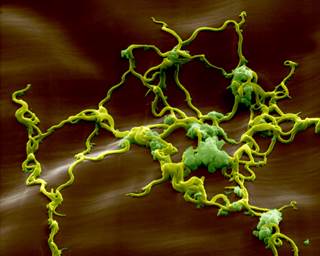
There is a general lack of understanding of Lyme disease among physicians, and Lyme neuroborreliosis is notoriously very difficult to recognize in children. <i>Credit:Eye of Science/Science Source</i>
There is a general lack of understanding of Lyme disease among physicians, and Lyme neuroborreliosis is notoriously very difficult to recognize in children. Credit:Eye of Science/Science Source


Lyme disease can present with a multitude of symptoms that often mimick other diseases, making differential diagnosis difficult. Neurologic involvement has been reported in up to 15% of untreated Borrelia burgdorferi infection,1 which can be devastating, particularly in children and young adults, who have been reported to be more at risk. According to the US Centers for Disease and Control and Prevention (CDC), Lyme disease is on the rise.2 Each year, at least 300,000 people in the United States are diagnosed with Lyme disease, with the highest infection rates occurring in children age 5 to 10 years.2,3

Lyme neuroborreliosis can affect any part of the nervous system, and there are a wide range of neurologic and psychiatric symptoms that can manifest weeks, months, or even years after the initial infection. For example, memory impairment, irritability, and somnolence have been reported months to years after the initial classic presentation of Lyme disease, and encephalopathy has been reported to occur more than 10 years after the onset of the disease.4,5 The presenting neurologic symptoms, including facial palsy, debilitating fatigue, various levels of cognitive loss, psychiatric symptoms, behavior changes, and learning difficulties have a significant and negative effect on the critical stages of child development, including school attendance and decline in school performance.6,7

Full recovery from Lyme neuroborreliosis can be achieved when the disease is diagnosed promptly and accurately and appropriate treatment is initiated. However, there is a general lack of understanding of Lyme disease among physicians, and Lyme neuroborreliosis is notoriously very difficult to recognize and diagnose in children. Shannon Delaney, MD, MA, director of child and adolescent research and evaluation at the Lyme and Tick-Borne Diseases Research Center at Columbia University Medical Center in New York told Rheumatology Advisor that,

“Neuroborreliosis can be missed because it is not considered in the differential [diagnosis] and because spinal taps are often not [performed] unless a child has very obvious symptoms of encephalitis or meningitis.”

The overlap of symptoms with other neurologic, cognitive, and psychiatric symptoms contributes to the delayed diagnosis or the misdiagnosis. For example, case reports of neuropsychological manifestations of Lyme disease include Tourette syndrome, acute delirium, catatonia, and psychosis.8

Dr Delaney advises that,

“Any child with acute onset neuropsychiatric symptoms, such as [obsessive-compulsive disorder], psychosis, restricted eating, sensory issues, urinary frequency, anxiety, cognitive dysfunction, or extreme fatigue should be given a set of lab tests to rule out typical infectious causes of Pediatric Acute-onset Neuropsychiatric Syndrome/Pediatric Autoimmune Neuropsychiatric Disorder Associated with Streptococcal Infections.”

Dr Delaney added,

“Testing should include a Lyme ELISA [enzyme-linked immunosorbent assay], preferably Borrelia burgdorferi C6 peptide, and a Lyme Western blot to evaluate for exposure to Lyme disease.”

Because symptoms of Lyme neuroborreliosis affect the joints, muscle, and the central and peripheral nervous systems, health professionals from many disciplines, including neurology and psychiatry, need to be able to recognize the clinical presentations, know the essential diagnostic tests, and understand the treatment approach. Erythema migrans is a distinct early presentation of localized Lyme disease,8 and for the experienced physician, this presentation can be sufficient for a clinical diagnosis. Serologic testing at this early disease stage is of limited diagnostic value because of the high incidence of false negative results.

When serologic testing is indicated, the Infectious Diseases Society of America (IDSA) recommend enzyme immunoassay for Lyme-specific antibodies, confirmed with Western immunoblot assay for immunoglobin G; however, many physicians struggle with the correct interpretation of Western blot results.9,10 Dr Delaney cautions,

“Clinicians should be aware that the 2-tier method of testing (ELISA and Western blot), while informative, can have false negative [results] and, less frequently, false positive [results].” Furthermore, although several tests for Lyme disease are available commercially, many are not validated for clinical use, and the CDC strongly warns against their use, as they have been associated with high levels of misdiagnosis.8  

The IDSA recommends antibiotics for the treatment of Lyme disease for a period of 10 to 21 days for early disease and 2 to 4 weeks for late disease.9 Despite the recommendations, studies that distinguish the treatment of Lyme disease from that of Lyme neuroborreliosis are lacking.9 In fact, a systematic review that examined antibiotic treatment for Lyme neuroborreliosis in 450 participants included no trials conducted in the United States.11 The review found no clear evidence for the additional efficacy of repeated antibiotics beyond the initial treatment.11

In addition, prolonged use of antibiotics to treat post-Lyme disease symptoms has not been shown to be efficacious and is generally not recommended, as fatalities from Clostridium difficile and Candida parapssilosis have been reported.8

“Clinically, we do recognize that there are a subset of patients who only get better after a repeated course of antibiotics,” said Dr Delaney, adding, “In the future as the science progresses, hopefully, we will be able to make use of blood tests that provide biomarkers indicating who needs additional antibiotic therapy and who needs another approach. This is the age of precision medicine and our goal at Columbia is to help in the identification of these essential biomarkers that will help guide treatment.”

The need for additional research is evident to better define the optimal use of antibiotics for the treatment of Lyme neuroborreliosis.11 The effect of long-term use of antibiotics also deserves attention. Inappropriate antibiotic use can alter the balance of the gut microbiome and may lead to side effects. The effect of long-term antibiotics on the gut microbiome is an area of emerging study and should provide very useful information in the future regarding whether or not the alterations themselves are contributing to ongoing symptoms. Until more research is available to better guide the management of the neurologic manifestations of B burgdorferi infection, it is important that physicians have heightened awareness of Lyme disease. They must also have a clinical suspicion of Lyme neuroborreliosis in children who present with neuropsychiatric illness and must diagnose the disease promptly and provide appropriate treatment, which may include referral for appropriate symptom management.

References

  1. Marques AR. Lyme neuroborreliosis. Continuum (Minneap Minn). 2015;21(6):1729-1744.
  2. US Centers for Disease Control and Prevention. Lyme disease. Lyme disease graphs. https://www.cdc.gov/lyme/stats/graphs.html. Updated November 1, 2017. Accessed July 17, 2018.
  3. US Centers for Disease Control and Prevention. Lyme disease. How many people get Lyme disease? https://www.cdc.gov/lyme/stats/humancases.html. Updated September 30, 2015. Accessed July 17, 2018.
  4. Bloom BJ, Wyckoff PM, Meissner HC, Steere AC. Neurocognitive abnormalities in children after classic manifestations of Lyme disease. Pediatr Infect Dis J. 1998;17(3):189-196.
  5. Szer IS, Taylor E, Steere AC. The long-term course of Lyme arthritis in children. N Engl J Med. 1991;325(3):159-163.
  6. Lyme Disease Action. Neurology and Psychiatry. Involvement of the Central and Peripheral Nervous System. https://www.lymediseaseaction.org.uk/about-lyme/neurology-psychiatry/. Updated November 26, 2016. Accessed July 17, 2018.
  7. Cameron D. Adolescents with Lyme disease. http://danielcameronmd.com/adolescent-lyme-disease/. 2018. Accessed July 17, 2018.
  8. Koster MP, Garro A. Unraveling diagnostic uncertainty surrounding Lyme disease in children with neuropsychiatric illness.Child Adolesc Psychiatr Clin N Am. 2018;27(1):27-36.
  9. Wormser GP, Dattwyler RJ, Shapiro ED, et al. The clinical assessment, treatment, and prevention of Lyme disease, human granulocytic anaplasmosis, and babesiosis: clinical practice guidelines by the Infectious Diseases Society of America. Clin Infect Dis. 2006;43(9):1089-1134.
  10. Conant JL, Powers J, Sharp G, Mead PS, Nelson CA. Lyme disease testing in a high-incidence state: clinician knowledge and patterns. Am J Clin Pathol. 2018;149(3):234-240.
  11. Cadavid D, Auwaerter PG, Rumbaugh J, Gelderblom H. Antibiotics for the neurological complications of Lyme disease. Cochrane Database Syst Rev. 2016;12:CD006978.

__________________

**Comment**

A few points of contention:

  1. While the EM rash IS an early symptom that clinically proves the person has Lyme, many never see or have a rash at all or it is certainly not a “typical” EM rash.  Clinicians need education in this.
  2. Numbers are notoriously low on all things Lyme/MSIDS, including this supposed 15% who have neurologic involvement.  Everyone I work with is in this category so I’m either just a lucky-duck or the numbers are far higher in the real world.  I suspect the latter.
  3. Testing for Lyme/MSIDS IS ABYSMAL.  Absolutely worthless.  It misses over half of all cases.  I’m thankful the article states professionals need to be educated because this is a CLINICAL DIAGNOSIS.  Anyone who says otherwise is smoking something.  Again, clinicians need education.
  4. Where the article really falls apart is in the treatment section.  This article ONLY discusses the IDSA approach which is essentially 21 days of doxycycline despite the presentation.  I couldn’t disagree more.  If you read the ILADS guidelines, you will discover that treatment is far more complex.  There are many who have gotten well or improved dramatically with this approach.  The reason for this is numerous:  1) we are typically infected with more than borrelia, necessitating numerous drugs 2) all of these pathogens are stealthy and many are persistent requiring far longer treatment courses than appreciated 3) these pathogens work together to suppress the immune system and complicate the picture requiring numerous treatments
  5. The Cochrane review of antibiotics for neuro-Lyme mentioned had numerous flaws: none included a placebo control, only ONE was blinded, most were not adequately powered for non-inferiority comparison, they ONLY investigated four antibiotics:  penicillin G & ceftriaxone in 4 studies, doxycycline in 3 studies, cefotaxime in two studies, and amoxicillin vs. placebo for only 3 months following initial treatment with IV ceftriaxone.  (I consider many of these antibiotics poor choices for Lyme and I’ve never taken two of them.  I had to look one up as I’d NEVER even heard of it!) The trials measured efficacy using heterogeneous physician‐ or patient‐reported outcomes, or both.  None of the studies reported on the proposed primary outcome, ‘Improvement in a measure of overall disability in the long term (three or more months).’ The quality of adverse event reporting was low.  So, as far as I’m concerned this “review” is extremely weak yet it’s presented as evidence that long-term antibiotics do not work.  Please see this article for comparison:  https://madisonarealymesupportgroup.com/2017/07/09/idsa-founder-used-potent-iv-antibiotics-for-chronic-lyme/  Also, I would not be writing this article without the judicious use of long-term antibiotics.
  6. It’s interesting that although the author disses long-term antibiotics using the IDSA clap-trap and an extremely weak and flawed review, she did include the quote from Dr. Delaney,

“Clinically, we do recognize that there are a subset of patients who only get better after a repeated course of antibiotics,” said Dr Delaney

Hmmm….that appears to be a cognitive disconnect.

To clear the record:  nearly all of us out here in Lymeland HATE taking antibiotics.

We take them because they often work better than other things we’ve tried.  They are also more affordable than other many other options.

But, if we could press some magic button, believe me –  we would.  

I find it interesting that people with acne can take antibiotics forever, yet patients with life-threatening tick-borne illness are told extended antibiotics can give them C-diff, therefore they are bad and shouldn’t be considered.  Period.

 This disconnect is wholly unacceptable.


Will the IDSA Dare to Give Lyme Patients Coal for Christmas?

https://www.linkedin.com/pulse/infectious-diseases-society-america-dare-give-lyme-new-luche-thayer/

GrinchPublished on December 17, 2018

Jenna Luche-Thayer

Friends,

There is the speculation the Infectious Diseases Society of America (IDSA) plans to release their new Lyme Guidelines during the 2018 Christmas holiday season.

A Christmas release of the new IDSA Lyme Guidelines would mark a 12 year passage since the 2006 IDSA Lyme Guidelines were unleashed and spread misinformation, propaganda and unnecessary pain, suffering, bankruptcy, disability and death across the globe.

The 2006 Lyme Guidelines ignored the scientific evidence regarding persistent or chronic borrelia infection, serology-seronegative infection, flawed prophylaxis recommendation and the immunosuppressive nature of the infection. The Guidelines’ authors and related committees did not fully reveal their conflicts of interest, nor acknowledge that ‘optimal diagnostic and therapeutic modalities’ were still undefined, nor address the misuse of the Lyme ‘surveillance definition’.

The world has changed a great deal since 2006.

IDSA Fouls Itself

Since 2006, IDSA’s own non-science-based actions, policies and practices regarding the global Lyme and relapsing fever borreliosis epidemic have become very evident. This evidence has fouled the IDSA brand and the reputations of certain members and close affiliates.

This evidence and related harm have resulted in long overdue corrective measures. It should be noted that the US Government has taken no initiative in these corrective measures.

In fact, the US Government is deeply invested in supporting the IDSA’s propaganda and practices. The US government benefits financially from uniting with IDSA Lyme opinions and policies. For example, the Department of Defense and Veterans Affairs can continue to throw out Lyme infected military personnel with no benefits by claiming they are malingerers and hypochondriacs because they failed to respond to the restricted IDSA Lyme protocol.

Corrective Measures

As with other historical cases of deeply institutionalized and government-condoned discrimination and human rights abuse, these corrective measures are being undertaken by average folk. Some examples follow.

  • In June 2019, a major lawsuit will go forward that has documented IDSA’s many years of promoting fraudulent science in collusion with many actors— all for financial gain at the cost of patients’ health and lives.


  • Lawsuits in both France and Norway have succeeded in proving the unreliability of the two-tiered serology tests long promoted by IDSA and the US Centers for Disease Control and Prevention (CDC), and the disastrous results when these serology tests are relied upon for Lyme diagnosis. In the French case, the patient sent her blood to a veterinary laboratory in order to access a direct detection test based on finding genetic material of Lyme borreliosis. The two-tiered test showed a negative result whereas the direct detection test gave a positive result. Following a positive direct detection test result, the patient had long-term antibiotic treatment, left her wheelchair, and resumed an active life that includes skiing.


  • Microbiologist and clinician Dr. Sin Hang Lee has also succeeded in securing a lawsuit against the CDC for their unfounded slander, libel and obstruction against patient access to the Lyme direct detection test he developed.


  • Two comprehensive Reports were put into record with the Office of the United Nations High Commissioner for Human Rights (OHCHR) via Special Rapporteurs. [1][2] These Reports documented how IDSA has actively promoted human rights abuses against Lyme and relapsing fever borreliosis patients.


  • The IDSA is documented as instrumental in causing human rights abuses across 11 international and regional human rights treaties. Their abuses include obstruction to diagnostic technologies that meet state, national and/or international standards and treatment options from Guidelines that meet internationally accepted standards for evidence-based medicine.

Other documented abuses include:

—torture and homicide by the withholding of validated treatment options from patients with proven persistent infection

—supporting the seizing of infected children from parents who are protecting their human right to medical care.

These abuses include IDSA’s:

—unfounded attacks on clinicians who treat borreliosis patients with valid treatment options

—false testimony intended to strip the clinicians of their livelihoods and medical licenses.

Certain members of IDSA, including a former president of IDSA, and certain IDSA affiliates, have their public statements, articles and PowerPoint presentations documented in two the Reports that were entered into UN record. These Reports are also registered with the US Library of Congress.

Their statements include bizarre, unprofessional name-calling of clinicians —where certain IDSA members and certain affiliates falsely claim these clinicians are terrorists, gurus, quacks, practice ‘off license’ medicine and make death threats against ‘true’ doctors and scientists.

Certain IDSA member and certain affiliates have habitually slandered and libeled legitimate Lyme-related technologies and therapies for which they gain no royalties and are proven superior to the decades-old technologies and therapies hawked by IDSA and their affiliates.

IDSA Endorsement Strategy Will Fail

The IDSA appears to believe that a strategy of ‘Guidelines endorsement’ by other medical societies will somehow the erase their scientific fraud and human rights abuse. The global awareness regarding the true nature of Lyme as a life-threatening, persistent and immunosuppressive infection, however, dooms their strategy to failure.

This global awareness extends to politicians in the many countries where campaign contributions from pharmaceutical and insurance companies, private medical societies, and other corrupting influences are illegal.

The awareness encompasses government officials who are exposed to Lyme and other tickborne illnesses by their responsibility to manage parks, recreation areas and infrastructure. Members of farmers associations, foresters, telecommunications lineman, golfers, football and rugby players, gardeners and dog walkers know the epidemic has escalated and the IDSA-influenced public health and medical response has failed many.

Across the globe, the public and elected officials have been informed that the Lyme opinions, practices and policies promoted from the CDC and IDSA are deeply compromised by conflicts of interest and related corruptions, e.g.:

— US federal agencies and government officials are allowed to earn money off patents and in partnership with private enterprises

— there are CDC and National Institutes of Health (NIH) officials who hold Lyme patents

— these officials have the power to repudiate and dismiss patent products that compete with their own, or patents held by their agencies.

The global community is being educated as to how IDSA has made a practice of introducing ‘research terminology’ that is quickly morphed for predetermined objectives. For example, to offload the cost of medical care by predatory private insurers and unscrupulous national health systems onto the vulnerable ill patient community.

Many have quickly understood how Post Treatment Lyme Disease Syndrome (PTLDS) has been used to falsely claim a person is a hypochondriac or malingerer, when in fact severe and disabling symptoms are usually due to the IDSA protocols’ treatment failure. This treatment failure is tied to the discriminatory practices of restricted care for Lyme patients, discrimination that stands in contrast to the extended antimicrobials provided to many patient groups suffering from other infectious agents.

On November 15, 2018, the European Parliament unanimously endorsed a resolution for a series of actions based on the following facts:

“Lyme borreliosis is the most common zoonotic disease in Europe, with an estimated 650 000 – 850 000 cases and a higher incidence in Central Europe …… many Europeans are constantly exposed to Lyme borreliosis through their professional activities (farmers, forestry workers, researchers and students carrying out field research such as biologists, geologists, surveyors or archaeologists) …

… infected ticks and the disease seem to be expanding geographically … a bite by an infected tick and the symptoms of Lyme disease can go unnoticed or even in some cases be asymptomatic, which can sometimes lead to severe complications and permanent damage similar to that of a chronic disease, in particular when the patient is not promptly diagnosed …

… Lyme disease is still underdiagnosed, in particular because of the difficulties encountered in the detection of symptoms and the absence of appropriate diagnostic tests … many patients are neither promptly diagnosed nor have access to suitable treatment …… more reliable early diagnosis of Lyme disease will significantly reduce the number of later-stage cases, thus improving the quality of life of patients; whereas it will also reduce the financial burden of the disease…

… the ILADS (International Lyme and Associated Diseases Society) treatment practice guidelines differ from those of IDSA and these differences between the two approaches to the disease also have an impact on treatment practices in the EU … the medical profession often follows outdated recommendations on Lyme disease that do not take sufficient account of research developments … health professionals have been sounding the alarm about this health issue for nearly a decade, as have patients’ associations and whistle-blowers …”

World Health Organization

The IDSA and their affiliates were apparently blindsided by the World Health Organization’s (WHO) new International Classification of Diseases codes or ICD11 codes for Lyme borreliosis. Remarks by certain members of the IDSA and certain affiliates included (paraphrased):

— ‘the ICD is just a dictionary and has nothing to do with diagnosis and clinical care’

— ‘the ICD11 codes for Lyme still have to be decided’

— ‘our country doesn’t use the ICD codes’

— ‘WHO has nothing to do with our surveillance system’

— ‘ICD codes don’t represent validated conditions’

Every one of the above remarks are entirely inaccurate and simply another example of the deliberate misinformation disseminated by certain members of IDSA and certain affiliates. Apparently, they do not yet understand their misinformation are being documented, disseminated globally and put into record with various authorities.

TO NOTE: WHO is the only global multi-governmental public health institution in the world. All code additions to the ICD11, including the new codes for Lyme, went through a strict evidence-based review process. Hundreds of peer-reviewed Lyme publications —many of them dismissed, suppressed or ignored by IDSA and affiliates— were validated by WHO by multiple reviews. The validation of this science can be used today to improve Lyme-related practices and policies.

ICD10 Codes for Lyme borreliosis were limited to: A69.2 Lyme Disease; M01.2 Arthritis due to Lyme; G01 Meningitis due to Lyme; G63.0 Polyneuropathy due to Lyme.

Many complications from Lyme still require codes, however, ICD11 is far more comprehensive than ICD10:

1C1G Lyme borreliosis

1C1G.0 Early cutaneous Lyme borreliosis

1C1G.1 Disseminated Lyme borreliosis

1C1G.10 Lyme Neuroborreliosis

1C1G.11 Lyme Carditis

1C1G.12 Ophthalmic Lyme borreliosis

1C1G.13 Lyme arthritis

1C1G.14 Late cutaneous Lyme borreliosis

1C1G.1Y Other specified disseminated Lyme borreliosis

1C1G.1Z Disseminated Lyme borreliosis, unspecified

1C1G.2 Congenital Lyme borreliosis

1C1GY Other specified Lyme borreliosis

6D85.Y Dementia due to Lyme Disease

9C20.1 Infectious panuveitis in Lyme disease

9B66.1 Infectious intermediate uveitis in Lyme disease

8A45.0Y Central Nervous System demyelination due to Lyme borreliosis

ICD11 is a 400 percent increase from ICD10 in the recognition of the complications from Lyme borreliosis. Five of the fifteen codes identify complications documented as life threatening: Lyme Neuroborreliosis, Lyme Carditis, Congenital Lyme borreliosis, Dementia due to Lyme Disease, and Central Nervous System demyelination due to Lyme borreliosis.

ICD11 codes for Lyme now describe a disease which may cause severe and potentially fatal central nervous system complications and is passed from pregnant mother to fetus.

Fourteen of the fifteen ICD11 codes can be applied to late stage, systemic complications and persistent forms of the illness. This underscores the unreliability of the recommended serology diagnostics —resulting in late stage, systemic and persistent illness.

The multiple codes for late stage and systemic complications also demonstrate widespread treatment failure following the standard IDSA protocol.

TO NOTE: Although PTLDS is widely abused to deny medical care, it is not recognized in ICD11 because this syndrome has never been validated as a diagnosis.

IDSA and Affiliates Need an Exit Strategy

On October 24, 2017, The UN Special Rapporteur on the right to health, Dainius Pūras presented his report on corruption to the UN General Assembly. He told his audience, “In many countries, health is among the most corrupt sectors, this has significant implications for equality and non-discrimination …”

He noted domestic and global root causes of corruption, including those related to the pharmaceutical industry, others from “institutional corruption”. He emphasized the “normalization” of corruption in healthcare which includes practices undermining medical ethics, social justice, transparency and effective healthcare provision, as well as illegal acts.

As stated, the world has changed since 2006.

The IDSA and affiliates are increasingly outnumbered and outmaneuvered by the escalating population of persons living with Lyme and tickborne diseases and those who understand the threat and true nature of the infection. This population includes many with significant skill sets, experience, resources, determination and ethics.

Healthcare sector corruption is being thoroughly documented and remedies are starting to be applied. The shift within this larger context is disabling the IDSA and affiliates’ Lyme propaganda machine. Their powerful allies are also under the microscope by many different organizing entities and authorities.

Globalization and the implementation of globalized corruption is becoming widely understood.

Under these circumstances, IDSA and affiliates need a viable exit strategy from their Lyme propaganda. They need help from sources that have experience taking a sad and bad situation and turning it into a helpful and positive situation.

Given the season and required experience, I recommend Rudolph the Red Nose Reindeer!

[1] Updating ICD11 Borreliosis Diagnostic Codes: Edition One, March 29, 2017. ISBN-10: 1978091796, ISBN-13: 978-1978091795. Copyright © 2017

[2] The Situation of Human Rights Defenders of Lyme and Relapsing Fever Borreliosis Patients: Edition One, March 6, 2018 ISBN-10: 1722988061, ISBN-13: 978-1722988067. Copyright © 2018

Report this

__________________

**Comment**

Rudolf will not help the IDSA as he’s infected with Lyme/MSIDS and is on a hefty treatment regimen.  Santa’s been infected by Rudolf and requests no cookies or dairy this year, and would prefer an apple and some celery.

The IDSA is going to have to find and blame the one armed man.
For the IDSA:

Small Town Titans – “You’re A Mean One, Mr. Grinch”


Essential Oils – Highly Effective at Destroying Lyme Bacterium (in a Petri Dish)

 Approx. 7 Min.

Dec. 17, 2018

Written by Joseph Mercola

Story at-a-glance

  • In lab tests conducted at Johns Hopkins, essential oils from garlic and other herbs and medicinal plants were found to be highly effective at destroying the bacterium that causes Lyme disease
  • At least 300,000 Americans are diagnosed annually with Lyme disease, which is a bacterial infection spread by ticks commonly found in the U.S. and at least 60 other countries
  • Treating Lyme disease is often complicated by coinfections, nutrient deficiencies and toxin overload, as well as the fact many of its symptoms mimic illnesses like fibromyalgia and multiple sclerosis
  • While conventional medicine most often turns to long-term antibiotic use to treat Lyme, I encourage you to investigate the many natural solutions available, including the use of antioxidants, probiotics and lumbrokinase
  • If you are not finding the help you need and your condition is worsening, you may want to consider learning more about the treatment protocol recommended by Dr. Dietrich Klinghardt, one of the leading authorities on Lyme disease

Lab-based research conducted at Johns Hopkins School of Public Health suggests various essential oils, including garlic, can effectively kill persistent forms of Lyme disease bacterium. While clinical trials are needed to validate the lab-based results, this is good news for anyone who had previously been relying on antibiotics alone to treat this life-threatening, tick-based disease.

Notably, 10 of the 35 essential oils tested showed strong killing activity against dormant and slow-growing “persister” forms of Lyme disease bacterium.1

If you are struggling with Lyme disease, I encourage you to look beyond conventional treatment, which often focuses on the use of long-term antibiotics. You owe it to yourself to investigate essential oils and other natural solutions, which I highlight below.

Essential Oils Shown To Be Effective for Treating Lyme Disease

As presented in the featured video, a new study published in the journal Antibiotics2 suggests essential oils such as garlic and eucalyptus may be useful in treating Lyme disease.

Interested in the oils’ strong antibacterial properties and many other health benefits, a team of researchers from the Johns Hopkins School of Public Health conducted lab tests designed to treat Lyme bacterium with 35 essential oils.

Previously, lead study author Dr. Ying Zhang, professor in the department of molecular microbiology and immunology, and his colleagues identified five essential oils, including oregano, cinnamon bark and citronella, that have higher antipersister activity than the commonly used Lyme antibiotic drug daptomycin.3 Results of the current research revealed:4,5,6

  • Ten of the 35 essential oils that were tested showed “strong activity” against persister forms of Lyme disease bacterium
  • Essential oils derived from allspice berries, cinnamon bark, cumin seeds, eucalyptus, garlic cloves, myrrh trees and thyme leaves are among those found to effectively combat persister forms of Lyme disease
  • Five of these oils were effective against dormant forms of the Lyme bacterium in a concentration of only 1 part per 1,000
  • Essential oils from allspice berries, garlic, may chang trees, myrrh trees and spiked ginger lily not only eradicated all Lyme disease bacteria in seven days, but also prevented regrowth in 21 days

About the study outcomes, Zhang stated, “We found that these essential oils were even better at killing the ‘persister’ forms of Lyme bacteria than standard Lyme antibiotics. At this stage, these essential oils look very promising as candidate treatments for persistent Lyme infection, but ultimately we need properly designed clinical trials.”7

Given the study outcomes, essential oils are certainly worth consideration when it comes to addressing Lyme symptoms. Later in this article, I will share other natural remedies you may want to consider. For now, let’s take a closer look at what causes the disease and how it is most commonly contracted.

What Causes Lyme Disease?

Lyme disease is caused by a spirochete — a corkscrew-shaped bacterium called Borrelia burgdorferi. It is primarily transmitted by deer ticks and black-legged ticks found in grassy and wooded areas throughout the U.S. and at least 60 other countries.8

Lyme is sometimes accompanied by a characteristic bullseye rash and may include flu-like symptoms such as: body aches, fatigue, fever, headaches and stiff or swollen joints.

As I have often mentioned, early treatment is vital because it may help you avoid future complications such as chronic joint inflammation (Lyme arthritis), cognitive defects, heart rhythm irregularities and neurological symptoms.

Quite often, Lyme disease can be complicated by factors such as coinfections, nutrient deficiencies and toxin overload.9 LymeDisease.org provides the following facts about the disease:10

  • Most people contract Lyme from the bite of an immature tick — and the bite is often so tiny and painless, you may not realize you’ve been bitten
  • An undisturbed tick can feed for several days; the longer it is attached to your body, the greater the chances it will transmit Lyme and other pathogens into your bloodstream
  • Lyme, which is known as “The Great Imitator,” is very challenging to diagnose because its symptoms mimic conditions such as amyotrophic lateral sclerosis (ALS), chronic fatigue syndrome, depression, fibromyalgia and multiple sclerosis
  • Lyme disease can affect any organ of your body, including your brain and nervous system, muscles and joints and even your heart

Who Gets Lyme Disease?

Lyme disease is no respecter of persons and one bite from a tick the size of a poppy seed may be the only thing separating you from this devastating illness. At least 300,000 Americans are diagnosed with Lyme disease annually.11

According to the U.S. Centers for Disease Control and Prevention (CDC), Lyme disease cases are mainly concentrated in the Northeast and upper Midwest, with 14 American states accounting for more than 96 percent of the cases reported to the CDC.12

The people at greatest risk of picking up a Lyme-infected tick include children and older adults, as well as firefighters, park rangers and others who spend time in areas known to increase their exposure to ticks.13

Antibiotic Treatment for Lyme Disease Is Not Always Effective

In most cases, the first line of treatment for Lyme disease usually involves the administration of antibiotics such as amoxicillin, cefuroxime or doxycycline for two to four weeks. That said, antibiotics are not always effective. It’s also important to note that the overuse of these drugs contributes to antibiotic resistance, which is becoming an increasingly bigger issue worldwide.

A 2013 study suggested 36 percent of antibiotic-treated patients continued to suffer from fatigue six months after taking the medication, whereas 20 percent experienced ongoing joint or musculoskeletal pain and 45 percent dealt with persistent neurocognitive symptoms.14

This poorly understood condition that lingers after standard treatment has been completed is known as “persistent Lyme infection” or “post-treatment Lyme disease (PTLDS) syndrome.”15 While the cause of so-called persistent Lyme infection is unknown, experts have observed that the Lyme bacterium can enter a dormant stage in which its cells multiply very slowly or don’t divide at all.

As such, these so-called persister cells are known to be more resistant to antibiotics. About this aspect of Lyme disease, authors of the Johns Hopkins study stated:16

“We found that the variant persister forms such as round bodies, microcolonies and biofilms with increasing degree of persistence in vitro, cannot be killed by the current Lyme antibiotics or even persister drugs like daptomycin alone. [T]hey can only be killed by a combination of drugs that kill persisters and drugs that kill the growing forms.

These observations provide a possible explanation in support of persistent infection despite antibiotic treatment in vivo.

Although daptomycin has good antipersister activity, it is expensive and is an intravenous drug and difficult to administer and adopt in clinical setting, and it has limited penetration through blood brain barrier (BBB). Thus, there is interest to identify alternative drug candidates with high anti-persister activity.”

Natural Strategies to Fight Lyme Disease

As mentioned, conventional Lyme treatment usually focuses on antibiotics, which often stop short of addressing the underlying issues associated with the disease. Due to the damage it will do to your gut microbiome, I do not recommend long-term antibiotic use for Lyme.

The use of antibiotics also increases your risk of fungal or yeast infections. Moreover, antibiotics tax your natural immune function and increase your risk of antibiotic-resistant infections.

Rather than choose antibiotic therapy as your primary means of treating Lyme, you’d be wise to investigate the many natural alternatives first, or, at least use the natural remedies in concert with any recommended pharmaceutical medications. You may find the following nutritional supplements useful in addressing Lyme disease:

Andrographis and artemisinin — herbs that treat a Lyme coinfection called Babesia Krill oil — this omega-3 powerhouse helps reduce inflammation and relieve Lyme symptoms
Astaxanthin — a powerful antioxidant that neutralizes toxins and relieves joint pain Probiotics — promotes healthy gut flora and boosts your immunity
Cilantro — a natural chelator for heavy metals Quercetin — an antioxidant known to reduce histamine, which is usually high in Lyme patients
CoQ10 — a potent antioxidant that alleviates muscle pain, boosts cardiac health and reduces brain fog Resveratrol — this antioxidant helps with detoxification and may treat the common coinfection called Bartonella
Curcumin — the active ingredient in the spice turmeric, which eliminates neurological toxins and helps reduce brain swelling Serrapeptase — helps dissolve biofilms
GABA and melatonin — two great sleep supplements that will help address insomnia, a common complaint of Lyme sufferers Transfer factors — help boost your immune function
Grapefruit seed extract — known to kill bacteria, Candida and parasites and may help treat the Borrelia bacterium in cyst form Whey protein concentrate — may be useful as a dietary supplement

Lumbrokinase Also Shown to Help Treat Lyme

Beyond the natural remedies mentioned above, lumbrokinase, a group of six proteolytic (protein digesting) enzymes derived from earthworms, has been successfully paired with antimicrobial remedies for the treatment of Lyme disease.

Lumbrokinase is believed to effectively penetrate through thick clumps of gut bacteria known as biofilms, which are one of several factors involved with Lyme. When pathogenic bacteria hide within biofilms, they can feed and replicate out of the reach of your immune system.

As such, they remain strong and unaffected by any antimicrobial medications, including antibiotics and herbs, you may be taking. The fact lumbrokinase is helpful in breaking down fibrinogen is an important aspect of Lyme treatment because the pathogenic bacteria use fibrinogen, which they convert to fibrin, to strengthen their network.17

Researchers studying the effects of lumbrokinase18 say earthworms have been used for thousands of years within traditional medicine in Asian countries such as China, Japan and Korea. In these countries, dry earthworm powder taken orally has been shown to promote healthy blood circulation.

Dr. Miguel Gonzalez, a functional, integrative and holistic medicine specialist from Thousand Oaks, California, and creator of the Lyme People website, suggests lumbrokinase, “appears to assist in dissolving the excess fibrin that covers and hides the bacteria, is involved in the regulation of blood clotting and also eliminates the abnormal proteins that are released as a result of the bacteria’s activity.”19

You May Want to Try Klinghardt Academy’s Lyme Treatment Protocol

My mentor Dr. Dietrich Klinghardt, founder of the Klinghardt Academy in Woodinville, Washington, is one of the leading authorities on the treatment of Lyme disease. Having been used successfully to restore health to hundreds of patients, his Lyme disease treatment protocol is most definitely something you should check out, especially if you have been unable to get the help you need elsewhere.

Be Vigilant: Preventing Lyme Disease Is Your Best Option

Lyme disease is a complex, controversial and extremely challenging condition to treat, making prevention your safest and best option. Your first line of defense is to take precautions to avoid the ticks that transmit the disease. After all, no tick bites, no Lyme disease. Because the ticks can be as small as poppy seeds, you must be vigilant to safeguard yourself, your loved ones and your pets from ticks.

Whatever you do, do not spray your body or your clothes with insect repellant containing N,N-Diethyl-m-toluamide, also known as DEET. Because DEET is a known neurotoxin,20 I recommend avoiding all DEET-containing products. If you live or spend time in a high-risk area, you can protect yourself from tick bites by:21,22

  • Avoiding tick-infested areas such as densely wooded areas and always walk in the middle of trails to avoid brushing against tall grasses and other plant material that may house ticks
  • Looking for ticks on your body and hair immediately upon returning from a high-risk area and continuing to check your body, hair and bedding daily for several days afterward
  • Wearing long sleeves and pants, as well as closed shoes and a hat, when venturing into wooded areas
  • Checking your pets for ticks, which can latch onto collars and fur
  • Removing ticks properly and, if possible, keeping them alive; for detailed instructions on handling ticks, visit the lymedisease.org tick removal page

__________________

**Comment**

Please remember, this study is in vitro (in a lab) not in vivo (the human body).  I believe they are in the process of mouse studies.

Back to EO’s.  My husband and I both used the combination of clove, cinnamon, and oregano (2 drops each, so 6 drops in a capsule twice a day for a grand total of 12 drops of EO’s).  I also added 2 drops of turmeric for inflammation as well as 8 or so drops of black seed oil as a good fat).  We used this protocol 1 week out of every month as a maintenance program as we have treated extensively with both antibiotics, herbs, blood ozone under UV light, and with high dose vitamin C IV’s for over FIVE YEARS.

WE BOTH RELAPSED ON THIS EO maintenance program.  

I got the EO idea from here:  https://madisonarealymesupportgroup.com/2017/10/13/oregano-cinnamon-and-clove-found-to-have-high-anti-persister-activity-for-bb/

When I went to the ILADS convention I happened to catch Greg Lee, who uses many modalities in treating Lyme/MSIDS, including liposomal EO’s & I ran my protocol by him.  He agreed that the protocol seemed sound and of the correct strength.

However, again, we BOTH relapsed.

I do not believe at this point that EO’s ALONE with conquer this beast.  They very well could help and in combination with other modalities could be quite powerful.  Also, the other detail is perhaps this only works on a daily basis with no breaks.  So, either the dosage is too low, we didn’t take it often enough, or it just flatly doesn’t work.

I must add a final personal observation because I know the desperation out there is very great.  The “naturalists” who hate antibiotics always jump on these in vitro studies as if they are the 10 commandments or a sure thing.  BTW:  I hadn’t taken abx for over 20 years until Lyme/MSIDS and consider myself a quasi-naturalist! Please be aware of folks’ well-meaning biases.  In the end, it’s your body and your choice what treatment you will follow.  Do your homework.  It’s complex and much is still unknown.  I chose to go with the biggest bang for my buck that I actually saw noticeable improvement upon.  This looks differently on everyone.  For some, abx doesn’t appear to help them and in fact for some, they flatly can not tolerate them.  If this is true for you, then by all means, don’t use them!  However, also keep in mind that how you feel during this nightmare is quite different than anything you’ve ever experienced before.

In other words, I felt like _ _ _ _ on a stick for the entire 5 years of treatment with a few “good days.”  Treatment is hard.  But, you know you are making progress when you notice a herx.  Managing that herx is an entirely different matter and books could be written about this, but here’s a start:  https://madisonarealymesupportgroup.com/2015/08/15/herxheimer-die-off-reaction-explained/

https://madisonarealymesupportgroup.com/2015/12/06/tips-for-newbies/

https://madisonarealymesupportgroup.com/2017/06/28/jarisch-herxheimer-a-review/  At the end of the article I explain my herxes.  I would like to also add that since that time I’ve started taking MSM daily with great success for pain.  In fact, I’m pain-free and have been for some time.  I know; however, that when pain returns, that’s the beginning of my spiral downward and the sign of a relapse.  Upon another stint of abx (usually 2-3 months) I’m back to normal, but this is how it has played out for me, my husband, and my LLMD states this is how it plays out for many others she treats. I tried MSM earlier while IN treatment to no effect but now that I’m off treatment it works well.  I do believe the pathogen load needs to be decreased substantially, at least in my case, for the MSM to work.  Please see this article on it:  https://madisonarealymesupportgroup.com/2018/03/02/dmso-msm-for-lyme-msids/

Please remember, these experiences are my own so yours may be slightly different depending on your presentation.  I feel it’s important to share this as it’s important to collect as much knowledge as you can, but always remembering that this complex illness varies from person to person.  And lastly, please find a knowledgable health professional.  One who is trained by ILADS and is open-minded.

Two heads are definitely better than one when it comes to tick-borne illness!

P.S.  I didn’t notice a darn thing on stevia or grapefruit seed extract.  My LLMD feels they aren’t strong enough.  For me, Tinidazole was a game changer as well as minocycline for the ability to cross the blood/brain barrier.  I NEVER only took one thing.  I was on 3-4 things simultaneously throughout treatment but we did pulse these.

Read more here on Tindy: https://www.dovepress.com/evaluation-of-in-vitro-antibiotic-susceptibility-of-different-morpholo-peer-reviewed-article-IDR
However, both metronidazole and tinidazole had far superior action:
Metronidazole led to reduction of spirochetal structures by ~90% and round body forms by ~80%. Tigecycline and tinidazole treatment reduced both spirochetal and round body forms by ~80%–90%.
In terms of qualitative effects, only tinidazole reduced viable organisms by ~90%. Following treatment with the other antibiotics, viable organisms were detected in 70%–85% of the biofilm-like colonies.

LLMD’s almost all use drug combinations due to the complexity of the organism as well as to ward off any potential resistance, and the fact coinfections are often involved. For examples: https://madisonarealymesupportgroup.com/2016/02/13/lyme-disease-treatment/

More on Mino:  https://madisonarealymesupportgroup.com/2017/06/04/minocycline-for-ms-and-much-more/