Bloodstream infections (BSIs) are an emerging cause of significant morbidity and mortality in severe Coronavirus disease 2019 (COVID-19). We aimed to assess the prevalence, clinical profile and outcome of BSIs in critically ill COVID-19 patients.
Methods
This was a single-centre retrospective study conducted at a tertiary care hospital in Western India. All patients (age > 18 years) with reverse-transcription polymerase chain reaction (RT-PCR) confirmed COVID-19 admitted in the intensive care unit (ICU) were included. Hospital electronic records were searched for demographic data, time of bloodstream infection since admission, clinical profile, antimicrobial resistance pattern and clinical outcome of all patients who developed BSIs.
Results
Out of 750 patients admitted in COVID ICU, 8.5% developed secondary BSIs.All severe COVID-19 patients who developed BSIs succumbed to illness. A significant proportion of BSIs were Gram-negative pathogens (53/64, 82.8%). Acinetobacter baumanniiwas the commonest isolate, followed by Klebsiella pneumoniae (32.8% and 21.9%, respectively).Multidrug-resistance organisms (MDRO) were found in 57.8% of the cases. The majority of MDRO belonged to K. pneumoniae and Enterococcus groups. The proportion of Gram-negative bacteria resistant to carbapenems was 47.2% (25/53). On multivariate analysis, raised total leukocyte counts, mechanical ventilation and presence of comorbidities were significantly associated with the incidence of BSIs.
Conclusion
We found a significant prevalence of Acinetobacter baumannii in COVID-19 associated BSIs. The presence of comorbidities raised leukocyte counts and mechanical ventilation should alarm clinicians for possible BSIs. The timely initiation of empirical antibiotics and rapid de-escalation is vital to improve the outcome. At the same time, strict compliance of infection control practices should be accomplished to reduce the occurrence of MDRO.
Argentina has extensive medical experience with ivermectin. Before the COVID-19 pandemic, it was used to treat dengue fever, which is endemic in Argentina
Early in the pandemic, Dr. Hector Carvallo, a retired medical professor in Argentina, devised two ivermectin trials to assess the drug’s usefulness against SARS-CoV-2. His treatment protocols are used in five Argentinian provinces. In one province, the death rate was reduced to one-third in less than a month, in the middle of the outbreak
When used preventatively, ivermectin is administered in conjunction with carrageenan, which also has antiviral properties
When treating mild cases, ivermectin is administered with aspirin; in moderate cases with aspirin and corticosteroids, and in severe cases, ivermectin is given with enoxaparin, an anticoagulant drug
These drug combinations were selected based on what was known about other viruses that cause similar health effects as SARS-CoV-2, such as the rhabdovirus’ effect on neurology, the paramyxovirus, which causes hyperinflammation in the lungs, and the dengue virus, which overamplifies the immune system
In this interview, we continue the COVID-19 discussion with a medical expert from Argentina, Dr. Hector Carvallo, whose focus since early 2020 has been the prevention and treatment of COVID-19.
Carvallo graduated from medical school in 1981 — the same year AIDS emerged as a global pandemic. In the first two years, AIDS killed 2 million people. Since 1981, it has claimed the lives of 35 million. While officially retired for a couple of years, the 2020 COVID pandemic brought him out of retirement.
“My first fire baptism was with AIDS,” he says. “I have dedicated my professional time to teaching and assisting. I graduated as a professor in 1996, and worked as a professor for the School of Medicine in Buenos Aires, which is public. Later, I was an associate professor of internal medicine for two private schools of medicine until I retired a couple of years ago.”
Ivermectin Is a Potent Antiviral
Interestingly, Carvallo had experience with ivermectin as an antiviral before the COVID outbreak. Argentinian doctors were using it against dengue fever, which is endemic in Argentina. So, when SARS-CoV-2 emerged, they decided to take another look at the drug to see if it might be useful.
“We came across some studies that were being conducted in Australia at the Monash University by people like Dr. Kylie Wagstaff,” Carvallo says. “We supposed that it would be very useful because the virology in effect already proved that, and we decided — even before they published their first findings — to replicate what they were doing, but in vivo. That is, not in the laboratory but in human beings.”
In early April 2020, Carvallo and his team developed two trials submitted to the National Library of Medicine in the United States. One was for preexposure1 (prevention) and the other for treatment. In both cases, ivermectin was used as an adjunct to other compounds, as they didn’t believe it was a silver bullet by itself.
For preventive purposes, they used ivermectin together with carrageenan, a food emulsifier and thickener that has a long history of use in both food and medicine. According to Carvallo, carrageenan has antiviral effects too, so the ivermectin was used in combination with topical carrageenan, administered through the nose and mucus membranes of the mouth.
In the treatment trial, ivermectin was combined with aspirin for mild cases, aspirin and corticosteroids for moderately severe cases, and enoxaparin (an anticoagulant drug) for severe cases.
These drug combinations were selected based on what was known about other viruses that cause similar health effects as SARS-CoV-2, such as the rhabdovirus’ effect on neurology, the paramyxovirus, which causes hyperinflammation in the lungs, and the dengue virus, which overamplifies the immune system.
Early Treatment Is Crucial
Like so many other doctors, Carvallo knew right from the start that early treatment would be crucial and that telling patients to just wait it out at home until they couldn’t breathe would be a death sentence.
“We knew from the very first day we entered the school of medicine that the sooner you treat any illness, the more chances you will have to be successful in the treatment,” he says. “You have to treat quickly, and strongly. This is natural thinking. Nobody has to be a genius to know that. In this case, inexplicably, many doctors have been told to do nothing.
To keep the patients in their homes on their own with just a few pills of Tylenol — which we know it’s good for nothing — until they cannot breathe properly. Then they have to be referred to the hospital. That is patient abandonment under any law in any country …
If you walk around a corner and you see your neighbor’s house on fire, you may call 911. You may play hero and enter the house and try to save them. You may cry out for help. The only thing you must not do is nothing.
I believe in any attempt to keep a mild patient, mild. What I cannot accept as a medical doctor — because it is against our oath — is to remain with arms folded until that person gets worse. That’s criminal … There’s only one reason for all this. The reason is summarized in one word, greed.”
Aspirin was chosen for its anticoagulant effects. Another option recommended by American doctors is NAC, an over-the-counter supplement that both prevents blood clots and breaks up existing ones. NAC also has other benefits that makes it useful against COVID-19. Argentina does not allow the sale of supplements without prescription, so no dietary supplements were used in these particular trials.
“That doesn’t mean we say they are not good,” Carvallo says. “We simply adjusted ourselves to what was there. We believe in the effectiveness of hydroxychloroquine. We believe in the effectiveness of azithromycin. Vitamin D, zinc, doxycycline. We believe in those compounds too. But we have not tried them.”
Situational Update in Argentina
So far, only five of the 24 provinces in Argentina have authorized these ivermectin-based protocols for prevention and early treatment, but at least that’s better than the U.S., where ivermectin is rejected outright. In many U.S. hospitals, doctors who dare prescribe it face being fired.
As you’d expect with something that actually works, those five provinces are indeed faring better in terms of infection rates, hospitalizations and deaths. In one province, the death rate was reduced to one-third in less than a month, in the middle of the outbreak, when no vaccines were available.
Argentina didn’t start rolling out their COVID shots until March 2021, and the vaccination campaign has been slow. Carvallo estimates no more than 40% of the population has received two doses so far.
He believes the slow vaccine uptake is partly due to logistical challenges, and partly due to safety concerns. “Many people have preferred to use alternative methods instead of vaccines,” he says. Argentina may still move to make the injections mandatory, though.
“You know what? Making an experiment mandatory and using the media to convince everybody to use it is not new,” Carvallo says. “It was done during the second World War. Josef Mengele and Joseph Goebbels did that.
One made any experiment he wanted on people that were hopeless and at the camps. The other one was a minister of propaganda who convinced everybody that everything was OK … That’s what we are seeing. Let’s forget about science — common sense has been disregarded.”
Carvallo himself ended up taking the Chinese COVID shot, as proof of vaccination was required for him to travel to Europe. In an effort to counter any potential side effects, he continues to take aspirin to prevent blood clots, and ivermectin. “I keep on using Ivermectin,” he says, “I’ve been using it for over a year.”
Recommended Dosing Schedule
In the U.S., ivermectin has been mocked and misrepresented as a veterinary drug. In reality, it’s been approved for human use for decades, and won the Nobel Prize for medicine in 1995, at which time it was considered a miracle drug.
“Even people from the CDC have said, ‘You are not a horse. You are not a cow. Why should you use Ivermectin?’” Carvallo says. “I would answer them, if they consider ivermectin is only for veterinary use, they are neither horses nor cows, they are asses. The fact is, we use ivermectin on a weekly basis for preexposure, that’s for prevention. The dose is 0.2 mg per kilo [of bodyweight. To calculate pounds into kilos, divide your weight in pounds by 2.2].
We adjust the dose to the patient’s weight. One of the worst comorbidities for somebody contracting the virus is obesity. You cannot give the same dose to a skinny person and to an obese or morbid obese person. So, we adjust for that.
We use it once a week. Now that Delta is appearing in South America, we are considering reducing it to three or four days between doses. Do you know why we use it on a weekly basis? Because ivermectin will work for 3.5 days. For the other three days, you will be exposed.
You may contract the virus, but even before the virus can replicate enough to pass from the incubation period to the invasion period, you will take ivermectin again. So, you won’t know it exists. You won’t even realize you have contracted the disease. Your immune system will have [encountered] the virus and will start creating immunity …
We keep on using that four months. We’ll stop for a couple of months because ivermectin will accumulate in the fat tissue. After two months of not using it, we start again.”
Carvallo also points out that natural immunity is far stronger than artificial immunity created by the COVID shots. This is no surprise, because that’s how it’s always been with all other viruses. The key is to prevent the infection from getting a strong foothold. With early treatment, you’ll get through the infection just fine, and have robust and likely lifelong immunity.
Addressing Toxicity Concerns
As for the safety of ivermectin, studies in Africa have used doses that were 10 times higher than the 0.2 mg/kg recommended for COVID, without toxic effects. Hydroxychloroquine, on the other hand, has a far narrower safety margin. This is well-known, and was clearly used to discredit the drug. As explained by Carvallo:
“What they did with hydroxychloroquine in order to discredit it was easy. Hydroxychloroquine is also very useful against COVID. But the safety margin is narrow. What they did was to use three times the dose in order to cause toxicity. There were 200 studies in favor of hydroxychloroquine.
There was one study talking about the toxicity, and all the scientific community in the world latched on to that one. That’s crazy. In the case of ivermectin, it was so wide a gap between safety and toxicity that they couldn’t do that. So, they just disregarded it.”
Now, there are veterinary formulations of ivermectin. Do not use these, as they typically contain polyethylene glycol (PEG), which is toxic to humans. Ironically, the COVID shots actually contain PEG. Many are allergic to this substance, which is why anaphylaxis is such a common acute side effect of the jabs.
Why Are COVID Jabs Still Recommended?
As of September 24, 2021, the U.S. Vaccine Adverse Event Reporting System (VAERS) had received 15,937 reports of deaths following the COVID shot, 71,036 hospitalizations and more than 752,800 adverse events in total.2
Calculations by Steve Kirsch, executive director of the COVID-19 Early Treatment Fund, based on VAERS data suggests the actual death toll may be around 212,000.3 He estimates side effects and deaths are under-reported by a factor of 41 or more, so the total number of injuries is likely between 2 million and 5 million.
Even if we were to accept the official VAERS numbers, the death toll is astronomical. Under normal circumstances, a pandemic vaccine would be pulled after about 50 deaths. No explanation has ever been given for why the COVID shots are still being universally recommended after nearly 16,000 reported deaths.
What we’re living is really a classic imitation of George Orwell’s book “1984.” Almost everything government and health officials say is the exact opposite of the truth. Right is left. Up is down. Black is white. For those who know the facts, it’s a surreal experience. Double standards have also become the norm. As noted by Carvallo:
“The vaccine is almost sacred. It’s like a Bible. Whatever we say in favor of other treatments is a sin. Nobel Prize [winners] of medicine, like Luc Montagnier and Satoshi Omura, have been censored on the media. It’s crazy.”
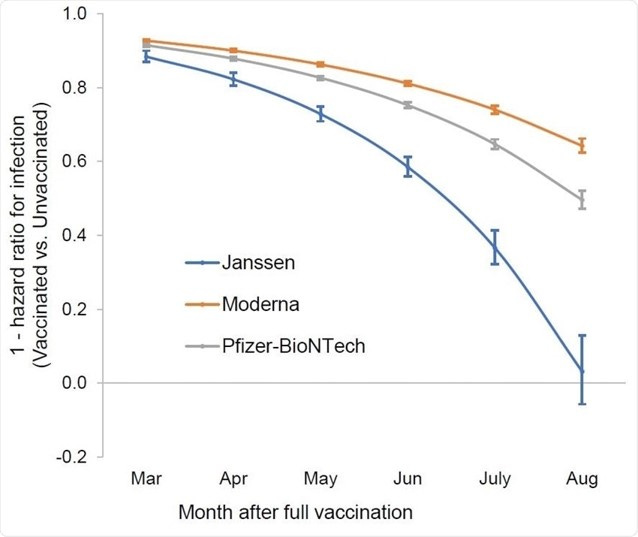
What’s more, we already have evidence showing the shots don’t work as advertised. They lose effectiveness very rapidly.The answer we’re given is booster shots.Israel is already talking about a fourth dose, and the injections have not even been out for a full year yet.
“If you give a medicine and don’t get a positive result in a few days, you reconsider either your diagnosis or your treatment,” Carvallo says. “You don’t insist on the same thing because it’s insane to insist on the same thing trying to get different results.”
The reason we keep getting more variants is because the vaccine is “leaky.” It doesn’t prevent you from getting infected, so the virus starts to mutate to evade the vaccine-induced antibody. Carvallo agrees, adding that it’s equally insane that the shots are designed to produce antibodies against just one portion of the virus, the spike protein, rather than act against the pathogenesis of the virus.
When you recover from a natural infection, you have both humoral and cellular immunity, and even though humoral immunity (antibodies) will decrease within a few months, you still have latent cellular immunity that will spring into action when needed.
The COVID shots do not provide any cellular immunity, which is why they cannot achieve herd immunity, even if 100% of a population is injected. Carvallo also points out that the SARS-CoV-2 virus is now the weakest it’s ever been. The real enemy at this point is the propaganda that keeps fear alive.
Now’s the Time to Take Control of Your Health
Carvallo is one of those rare individuals who has been able to perform research others cannot at this time. He’s retired, so he has no funding or career to lose. He hopes that, eventually, more doctors will go back to thinking for themselves and return to their oath to do no harm, and to focus on what’s best for their patients rather than the bureaucracy currently dictating what they can and cannot do.
According to projections, we could potentially see billions of people die or be permanently disabled from these experimental injections. How are we going to take care of them all? Who’s going to pay for their care? Already, U.S. entitlement programs — Social Security, Medicare and Medicaid — are nearing bankruptcy.
According to David Martin, Ph.D.,4pension programs and entitlement programs will all run out by 2028, and as they run out of money, the drug industry will collapse as well, as they are the primary beneficiaries of these programs. Medicare and Medicaid pay for the bulk of the drug dependency in America.
So, in just a few years’ time, we’ll be facing a convergence of collapses on multiple fronts, and at the same time, large portions of the population may be severely ill and wholly dependent on these systems for their survival.
Society also requires all sorts of infrastructure, and if large portions of society are crippled or dead, society will collapse from lack of qualified workers alone. So, the COVID shot mandates are clearly making an already precarious situation far worse, as the financial system would be collapsing anyway.
The best thing anyone can do right now to prepare for this convergence of collapses is to focus on your health. Make sure you’re as healthy as you can be. Be sure to optimize your vitamin D level, for example, and avoid toxins of all kinds. Getting used to growing some of your own food would also be a good idea, as would looking into ways to protect your retirement assets.
More Information
To learn more about ivermectin, you can download a free ebook created by Carvallo and his team. It contains not only their Argentinian studies but also other peer-reviewed scientific articles detailing the benefits of ivermectin in the fight against COVID-19. You can find the bilingual (English and Spanish) book, “Ivermectin in COVID-19: Prophylaxis and Treatment,” on iniciatherapeutics.com.
Drug repositioning is a highly studied alternative strategy to discover and develop anticancer drugs. This drug development approach identifies new indications for existing compounds. Ivermectin belongs to the group of avermectins (AVM), a series of 16-membered macrocyclic lactone compounds discovered in 1967, and FDA-approved for human use in 1987. It has been used by millions of people around the world exhibiting a wide margin of clinical safety. In this review, we summarize the in vitro and in vivo evidences demonstrating that ivermectin exerts antitumor effects in different types of cancer. Ivermectin interacts with several targets including the multidrug resistance protein (MDR), the Akt/mTOR and WNT-TCF pathways, the purinergic receptors, PAK-1 protein, certain cancer-related epigenetic deregulators such as SIN3A and SIN3B, RNA helicase, chloride channel receptors and preferentially target cancer stem-cell like population. Importantly, the in vitro and in vivo antitumor activities of ivermectin are achieved at concentrations that can be clinically reachable based on the human pharmacokinetic studies done in healthy and parasited patients. Thus, existing information on ivermectin could allow its rapid move into clinical trials for cancer patients.
The Research Is Clear: Ivermectin Is a Safe, Effective Treatment for COVID. So Why Isn’t It Being Used?
Despite efforts to denigrate ivermectin as “horse paste” and prevent doctors from prescribing it and patients from using it, the latest research shows this safe, inexpensive drug is effective at keeping COVID patients out of the hospital.
A patient with Type 1 diabetes called to tell me the pharmacist at our local Walgreens refused to fill the prescription I had written for ivermectin, so I called to ask why.
The young pharmacist, a few years out of pharmacy school, informed me he did not understand why I was using ivermectin for early treatment of COVID because “SARS-CoV-2 does not have an exoskeleton.”
I explained I was not using ivermectin as an anti-parasitic medication, but that it had impressive data as an anti-inflammatory and anti-viral.
Furthermore, as a pediatrician, I have more than 40 years of experience managing multiple viral illnesses. There is value in treating viruses early, often with inexpensive natural remedies, rather than “staying at home until you have problems breathing then go to the hospital” as U.S. public officials have advised for COVID.
The pharmacist was not buying my initial explanation. “I am not going to fill prescriptions for ivermectin that are used in pseudo vaccine doses,” he told me.
32 Randomized Controlled trials Show Ivermectin Works
Oct. 13, 2021
Dr. Jack and Dr. Kory discuss the sociopathologies afflicting clinical and translational research surrounding COVID-19 therapies and treatments.
Randomized controlled trials are not omnipotent. Other data, including clinical data, is important.
Only two sources can fund RCTs: Big Pharma and the NIH (both are not to be trusted)
They have compared RCTs to observational controlled trials throughout history, and have found they have nearly identical outcomes.
Regarding RCTs: Dr. Kory states, “I’m not playing that game, it’s nonsense.”
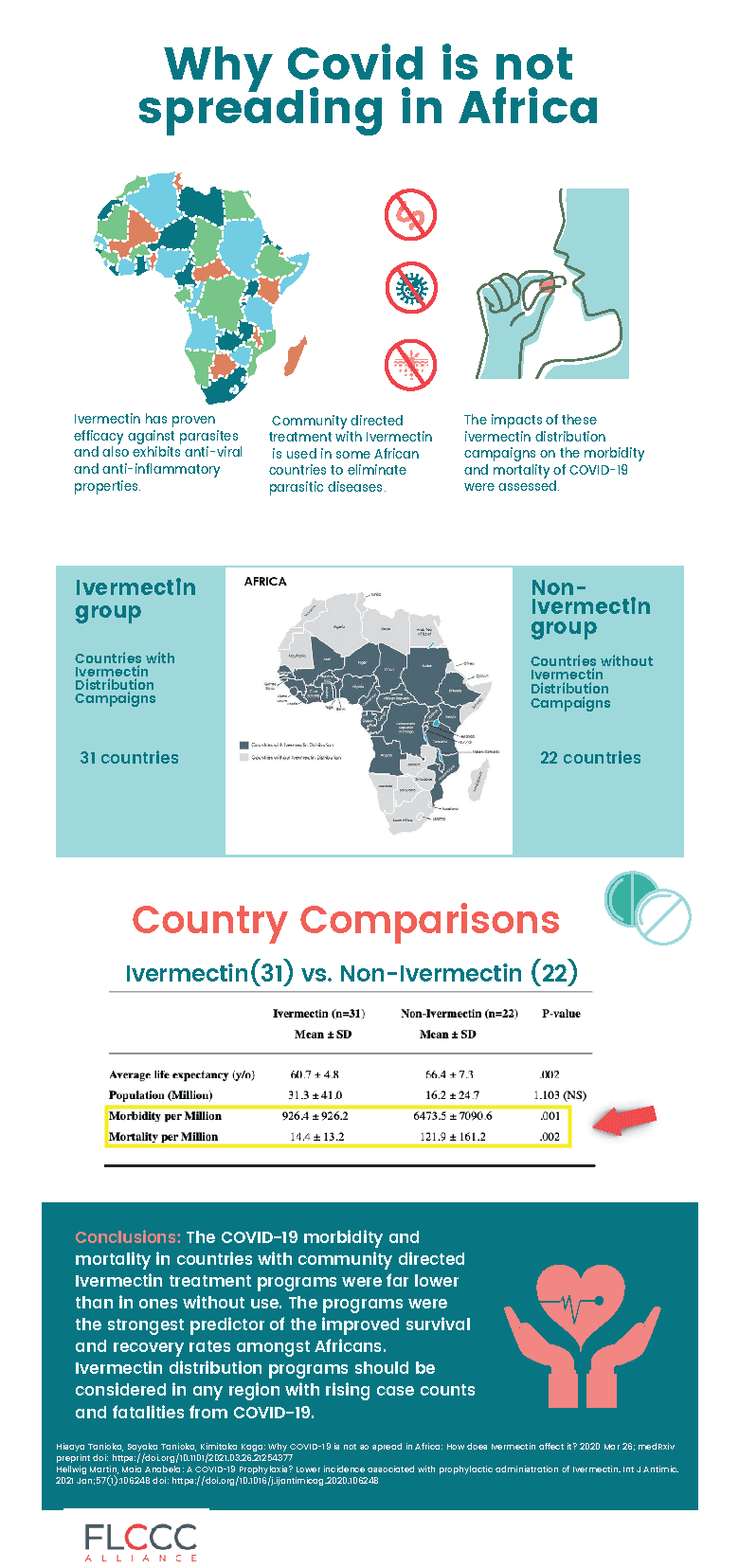
In Peru, they looked at a governmental operation where they gave out ivermectin, within about 11 days you saw a severe drop in COVID.
In Mexico City they put out mobile units and gave out early treatment of ivermectin for 3 days (only 12mg, which Dr. Kory states is the minimum dose that should be used. It’s what I used successfully.) They saw a 76% reduction in COVID. They emptied hospitals in 6-8 weeks.
Two states in Argentina by giving ivermectin had an 88% reduction in COVID.
Weiler states the culpability of denying treatment is very real.
Weiler gave a direct quote from Fauci which states he didn’t want too many people obtaining natural immunity because it would interfere with the need for a “vaccine” program.
Weiler reminds the listener of the “fake science” regarding HCQ where they gave patients fatal doses.
15:00 Kory states he never understood the regulatory capture, censorship, and severe conflicts of interest until the events of this past year.
Kory describes how his paper was retracted after peer review. The journal brought in an anonymous, independent peer reviewer who disagreed with their study so it was retracted after it had already been reviewed. This was his “heads up” that something was wrong.
He lists numerous examples of the exact same thing happening to other researchers.
Big Pharma has a long history of attacking research on repurposed drugs.
They both agree that what has occurred has been a “slaughter of science and a slaughter of people.”
LYME SCI: My re-cap of recent LDA/Columbia Lyme conference
On October 2, I attended the 21st annual scientific conference put on by the Lyme Disease Association and Columbia University’s Vagelos College of Physicians & Surgeons. The virtual event was entitled Lyme & Other Tick-Borne Diseases: Research for a Cure.
Pat Smith, President of the Lyme Disease Association, welcomed the audience and reviewed the huge body of research the LDA has funded. A recent highlight: a paper showing thatchanges in the eye may serve as a biomarker for Lyme disease.
She also discussed how the CDC’s criteria for listing states as low-incidence leads to underreporting of Lyme disease. (This topic was also featured in the Summer 2021 issue of The Lyme Times.)
I especially enjoyed Pat’s introduction of Dr. Brian Fallon, of Columbia University, which included pictures and stories of their many collaborations since 1995.
The conference was divided into four sessions and was moderated by Dr. Fallon and Monica Embers, PhD, of Tulane University.
Session 1
The first speaker was John Aucott, MD, of Johns Hopkins University. He spoke on Long Haulers: Lessons from Lyme Disease, ME/CFS, and COVID-19.
Summary: The COVID-19 pandemic has drawn attention to the varied outcomes that may follow acute infectious diseases. COVID long haulers present another example of a patient group that fails to recover their normal health after the initial phase of infection has passed. Long haulers in COVID 19 and Lyme disease share many clinical features including extreme fatigue, cognitive difficulties and chronic pain. The current COVID-19 pandemic may present insights and research discoveries that help understand the underlying mechanisms involved in such persisting symptoms. Understanding the cause of these chronic symptoms is the first step to future treatments and recovery.
Dr. Aucott is currently collaborating with several of the following researchers to investigate the proposed mechanisms of chronic Lyme including: persistent infection, immune dysregulation due to by-products of past infection, auto-inflammation, auto-immunity, and neural network alteration. (I will be writing more about these mechanisms in my next article.)
Next up was Dr. Fallon’s talk: Depression, Suicidal Behaviors, and Lyme: Results from a Nationwide Study in Denmark.
Summary: This presentation reviewed the results of Dr. Fallon’s recent U.S.- Denmark collaboration to determine whether in fact mental disorders and suicidal behaviors are increased after the diagnosis of Lyme disease. Although cases reports, small series, and office-based practice chart reviews have been published suggesting an association, these studies all had methodological limitations which left these questions unanswered.
Using a nationwide sample of people living in Denmark between 1994 and 2016 (n=6,945,837) and data from the Danish registries of hospital-based diagnoses, they investigated whether the rates of mental disorders, affective disorders, suicide attempts, and suicide were each higher after a hospital diagnosis of Lyme borreliosis compared to the rest of the Danish population without a registered diagnosis of Lyme borreliosis. They examined whether temporal proximity to the diagnosis and number of episodes increased the rates of these adverse mental health outcomes.
The third speaker of the morning was Ed Breitschwerdt, DVM, of North Carolina State University. He spoke on: Bartonella Bacteremia and Neuropsychiatric Illnesses.
Summary: In the past two decades, over 40 Bartonella species have been discovered, many of which have been implicated in association with a spectrum of disease in animals and human patients. The extent to which, or the mechanisms by which Bartonella infection contributes to neuropsychiatric illnesses has not been systematically studied. However, microbiological detection of the DNA of several species of Bartonella in blood supports a potential role for these bacteria in neuropsychiatric diseases such as Pediatric Acute Onset Neuropsychiatric Syndrome (PANS) and schizophrenia.
In 2021, Dr. Breitschwerdt and his lab published the initial results of a pilot study showing that out of 17 patients with schizophrenia, 12 tested positive for Bartonella in their blood. They now have funding to proceed with a larger study that will include diagnosis and treatment for Bartonella.
Q and A
At the end of Session 1, Dr. Embers moderated the questions and answers session. I found it enlightening to have these high-level researchers and clinicians answering questions from the audience, including other scientists.
I asked a question about co-infections: “It appears both Lyme and Bartonella patients are prone to psychiatric illness. Has anyone looked at or compared the number of patients who have both? Do we know if these [Fallon study] Lyme patients have Bartonella, or do we know how many of the Bartonella patients [Breitschwerdt study] have Lyme?”
Dr. Breitschwerdt said it is important to track this and that the work coming out of his lab as well as Embers’ work is helping to elucidate. Embers added:
“Borrelia may be comparable to AIDS, in its ability to suppress the immune system and these co-infections definitely warrant further study.”
Session 2
The first speaker of session two was Brandon L. Jutrus, PhD, of Virginia Tech. The title of his talk: Not just another brick in the wall.
Summary: The unusual peptidoglycan of Borrelia burgdorferi. The peptidoglycan sacculus is a mesh-like bag that protects bacterial cells from bursting. Virtually all bacteria have similar peptidoglycan structure. Borrelia burgdorferi—the Lyme disease agent— produces peptidoglycan with extremely unusual chemical features. Further, during growth, peptidoglycan is shed and is capable of causing arthritis. He discussed how the Jutras lab is exploiting the unusual properties of B. burgdorferi peptidoglycan to understand and diagnose Lyme disease.
Dr. Jutrus presented some unpublished data that may lead to an early diagnostic test and targeted treatment for Lyme.
The next speaker was Catherine A. Brissette, PhD, of the University of North Dakota School of Medicine and Health Sciences. The title of her talk: Borrelia colonization of the dura mater induces inflammation in the CNS.
Summary: “Lyme disease, which is caused by infection with Borrelia burgdorferi, can lead to inflammatory pathologies affecting the joints, heart, and nervous systems including the central nervous system (CNS). Laboratory mice have been used to define the kinetics of B. burgdorferi infection and host immune responses in other tissues, but similar studies are lacking for the CNS of these animals. Previously, we reported the ability of B. burgdorferi to colonize the dura mater of mice during late disseminated infection. We now show acute and persistent extravascular B. burgdorferi colonization of the dura mater after both needle inoculation and tick transmission, accompanied by increases in expression of inflammatory cytokines. These increases in inflammatory gene expression are similar to what is observed with B. burgdorferi stimulation of human astrocytes, microglia, brain endothelial cells, and choroid plexus epithelial cells in vitro. In addition, we observe a robust interferon response in the dura mater. Dura colonization is associated with perivascular leukocyte infiltration and meningitis, demonstrating for the first time that B. burgdorferi-infected mice can develop meningitis. We also observe an increase in interferon-stimulated genes in both the cortex and hippocampus of infected mice, despite a lack of detectable bacteria in the brain parenchyma. Combined with the increases in inflammatory gene expression and down-regulation of genes involved in maintenance of blood-brain and blood-CSF barriers in both mice and human cell culture models, these results could provide insights into the mechanism of B. burgdorferi dissemination into the CNS and the damage associated with this pathogen.”
The last speaker of Session 2 was Adrian Baranchuk, MD, FACC, FRCPC, FCCS, FSIAC, of Queen’s University in Ontario, Canada. The title of his talk: All you need to know about Lyme carditis…and more.
Summary: Lyme disease (LD) is a tick-borne bacterial infection caused by Borrelia burgdorferi. It is the most reported vector-born disease in North America, and its incidence has risen dramatically in recent years. In up to 10% of cases, bacterial dissemination of LD may lead to cardiac tissue inflammation and early disseminated Lyme carditis. The most common clinical presentation of Lyme carditis is high-degree atrioventricular block (AVB) which can progress rapidly over minutes, hours, or days.Most AVB in Lyme carditis resolves with appropriate antibiotic treatment without the need for a permanent pacemaker.
At the end of Session 2, there was another question and answer time, moderated by Dr. Fallon. Let me just say the work coming out of the labs of Dr. Jutrus and Dr. Brissette is groundbreaking. I will definitely be writing more about what I learned from this session.
Session 3
The first speaker for session three was Dr. Monica Embers, on the topic of Combined Antimicrobial Therapy for Eradication of B. burgdorferi.
Summary: Given the potential for standard antibiotic treatment regimens for Lyme disease to fail to eradicate persisters, we aim to discover a drug combination that can eliminate B. burgdorferi infection. The goals of this project are to: (1) using a library of FDA-approved drugs, identify the optimal antimicrobial combinations that could kill B. burgdorferi in vitro; and (2) test them in animal models of Lyme disease for cure of infection. The most effective combinations of drugs that kill the bacteria have been identified with in vitro studies. These were then evaluated in B. burgdorferi-infected mice, using long-term infection to allow for regrowth of persisters. Finally, the most effective regimens are being assessed in nonhuman primates. Importantly, we have refined the selection of drugs to those that can be administered orally.
Next, Kim Lewis, PhD, of Northeastern University, spoke about Developing therapies for Lyme disease.
Summary: Symptoms of Post-Treatment Lyme Disease Syndrome (PTLDS) are experienced by approximately 10% of patients after antibiotic therapy for an acute B. burgdorferi infection. The underlying causes of PTLDS symptoms have remained unclear. We reasoned that the gut microbiome may play an important role in PTLDS given the overlapping symptoms associated with a dysbiotic microbiome, including mood, cognition, and autoimmune disorders. Using sequencing data from stool of a cohort of PTLDS patients, weidentified a gut microbiome signature characterized primarily by high relative abundance of Blautia species and reduction in levels of the symbiotic Bacteroides genus. These findings suggest that Lyme disease should be treated with selective antibiotics that will not harm the microbiome. We find that hygromycin A selectively kills B. burgdorferi and cures the acute disease in a mouse model without affecting the microbiome.
The last speaker for session three was Kenneth B. Liegner, MD, discussing Disulfiram in the Treatment of Lyme disease: Promise & Perils.
Summary: Some four years have elapsed since disulfiram was first knowingly applied in the treatment of persons with Lyme disease. Dr. Liegner reviewed several trial cases of patients with Lyme disease who responded positively to disulfiram. He cautioned that the drug comes with a strong warning against alcohol use/proximity, and cross-reactions to certain other medications.
The Q&A segment at the end of session 3 was moderated by Dr. Fallon. It was really fantastic to have Dr. Liegner who has been treating Lyme patients for the past 30 years, be able to interact with these researchers who are both currently working hard to finding a cure for Lyme disease. Dr. Fallon made a point of stating the use of disulfiram is experimental and not currently approved for Lyme disease.
Session 4
Session four began with Marna Erricson, PhD, of the University of Minnesota. She spoke on Bartonella henselae Detected in Malignant Melanoma
Summary: Bartonella bacilliformis (B. bacilliformis), Bartonella henselae (B. henselae), and Bartonella quintana (B. quintana) are bacteria known to cause verruga peruana or bacillary angiomatosis, vascular endothelial growth factor (VEGF)‐dependent cutaneous lesions in humans. Given the bacteria’s association with the dermal niche and clinical suspicion of occult infection by a dermatologist, we determined if patients with melanoma had evidence of Bartonella spp. infection. Within a one‐month period, eight patients previously diagnosed with melanoma volunteered to be tested for evidence of Bartonella spp. exposure/infection. Subsequently, confocal immunohistochemistry and PCR for Bartonella spp. were used to study melanoma tissues from two patients. Blood from seven of the eight patients was either seroreactive, PCR positive, or positive by both modalities for Bartonella spp. exposure. Subsequently, Bartonella organisms that co‐localized with VEGFC immunoreactivity were visualized using multi‐immunostaining confocal microscopy of thick skin sections from two patients. Using a co‐culture model, B. henselae was observed to enter melanoma cell cytoplasm and resulted in increased vascular endothelial growth factor C (VEGFC) and interleukin 8 (IL‐8) production. Additionally, the two tissues also were found to have BRAF mutations, an oncogene expressed in up to 70% of melanomas. Findings from this small number of patients support the need for future investigations to determine the extent to which Bartonella spp. are a component of the melanoma pathobiome. Being at the frontier of understanding the role of the microbiome in cancer, we will discuss some new papers on this topic and future research plans.
The final speaker of the day was, Richard Maggi, PhD, North Carolina State University. His topic: Simultaneous detection and absolute quantification of Babesia, Bartonella and Borrelia by droplet digital PCR.
Summary: This presentation describes the development, optimization, and validation of a ddPCR assay for the simultaneous detection of Babesia, Bartonella, and Borrelia spp. DNA from several sample matrices, including clinical blood samples from animals and patients, vectors (ticks, fleas, sandflies), as well as samples from human and animal cell lines and tissues from animal models (infected with Bartonella and/or B. burgdorferi). The multiplex ddPCR assay (BBB ddPCR), developed based upon a recently published a Bartonella ddPCR assay using the QX200 system from Bio-Rad, is able to detect 31 Bartonella spp. (including 8 previously uncharacterized species), 8 Borrelia spp, and 24 Babesia spp. (including 8 previously uncharacterized species). The assay is also able to detect 2 Theilaria spp. (T. equi and T. cervi) and well as C. felis from naturally infected wildlife species. The BBB ddPCR assay, based on the QX One ddPCR system from Bio-Rad, showed to be able to perform the simultaneous detection and absolute quantification of multiple vector-borne pathogens (such as Babesia, Bartonella and Borrelia) from clinical samples.
Q & A
The Q&A at the end was moderated by Dr. Embers. The research presented by these two was highly technical, but I can say their work will provide better diagnostics that will lend to each of the previous researcher work.
LymeSci is written by Lonnie Marcum, a Licensed Physical Therapist and mother of a daughter with Lyme. She serves on a subcommittee of the federal Tick-Borne Disease Working Group. Follow her on Twitter: @LonnieRhea Email her at: lmarcum@lymedisease.org.
Merck’s New COVID Drug Is Making News — How Does It Compare to Ivermectin?
In his latest video, John Campbell, Ph.D., compared ivermectin, whose use as a COVID treatment has been widely criticized by mainstream media, with Merck’s new COVID drug, Molnupiravir, which is garnering positive media coverage.
In his latest video, John Campbell, Ph.D., compared ivermectin, whose use as a COVID treatment has been widely criticized by mainstream media, with Merck’s new COVID drug, Molnupiravir, which has been the subject of glowingmediaattention.
Campbell, a UK-based nurse teacher, cited several studies as he compared the two treatments on the basis of effectiveness, safety and cost. He first turned to a paper in the Austin Journal of Pharmacology and Therapeutics, “Drugs Shown to Inhibit SARS-Cov-2 in COVID-19 Disease: Comparative Basic and Clinical Pharmacology of Molnupiravir and Ivermectin.”
The peer-reviewed paper refers to ivermectin as the most studied “repurposed” medication globally, and notes that it is approved by the U.S. Food and Drug Administration and “classified by the World Health Organization (WHO) as an ‘essential’ broad spectrum antiparasitic, antibiotic, and has demonstrated broad antiviral activity against RNA viruses, including HIV, Zika, MERS and coronavirus.”
“And of course, ivermectin also won the Nobel Prize in 2015,” Campbell said.
According to the paper, Campbell said, Molnupiravir — though still going through trials and safety testing — is believed to “work against seasonal and pandemic flu, MERS, coronavirus and SARS-CoV-2.” The paper’s author noted that Molnupiravir does not inhibit inflammation, whereas ivermectin does.
How do the two drugs compare on cost? Ivermectin is exponentially cheaper than Merck’s new Molnupiraravir.
The cost of a complete five-day course of Molnupiravir is $700 — or $70 per pill. That amounts to a 4,000% markup over what it costs Merck to make the drug.
Citing 2013 prices provided by the WHO, Campbell said a five-day course of ivermectin — 10 3mg pills — costs $0.53. (However, at today’s U.S. prices, 10 3mg pills cost about $39).
On effectiveness, Molnupiravir is lacking data. The only publicly available clinical data on Molnupiravir comes from a Merck press statement claiming the new drug is 50% effective against hospitalizations and deaths, when used as an early treatment.
For ivermectin, using publicly available data, Campbell referred to one peer-reviewed study that pegs ivermectin’s effectiveness in early treatment at 62%, and an ongoing meta-analysis which shows ivermectin is 66% effective in early treatment and 86% effective as a prophylactic.
Using VigiBase, a WHO database on pharmaceutical safety data, Campbell showed that out of 3.7 billion doses given of ivermectin there have been only 5,693 reports of adverse events — far fewer, according to Campbell, than the number of adverse event reports associated with amoxicillin and ibuprofen, both widely used and considered safe.
Comparable safety information for Merck’s Molnupiravir is not yet available, as trials and studies are still ongoing. But Campbell did raise concern about Molnupiravir’s mutagenic properties. He cited the Austin Journal of Pharmacology and Therapeuticspaper which states, “there is some concern about the safety of [Molnupiravir’s] NHC-nucleoside triphosphate, which is mutagenic to mammalian cells.”
According to Campbell, Merck denies this is a problem. But the paper suggests, at the very least,” it needs looking into,” Campbell said.
Watch the video here:
The views and opinions expressed in this article are those of the authors and do not necessarily reflect the views of Children’s Health Defense.
__________________
**Comment**
“Merck denies this is a problem.”
Ha, ha, ha….seriously, at some point you have to just look at this as theater of the absurd.
Due to Merck’s denial, our corrupt government and complicit mainstream media and medicine also will not see a problem.
It’s called blindness.
Two Indian Drugmakers have ended their trials of molnupiravir. They should have just followed the success of their countrymen in Uttar Pradesh as ivermectin brought COVID deaths down to ZERO.
The interesting part: Merck earlier suspended its own development of it due to…..wait for it…..because many patients reached a phase of the disease that is too late for an antiviral drug to provide much help.
Because of the way they are constructed, Randomized Control Trials will never show any benefit for any antiviral against COVID-19. Not Remdesivir, not Kaletra, not HCQ, and not Ivermectin. The reason for this is simple; for the patients that they have recruited for these studies, such as Oxford’s ludicrous RECOVERY study, the intervention is too late to have any positive effect.
This fact, while taken into account for their “golden child,” drug is completely ignored by those denying the efficacy of ivermectin.
There have been 63 AND COUNTING studies involving 26,000 patients showing a 96% reduction in DEATH using ivermectin.
That’s a big deal. BIG!
A source with the Drug Controller General of India said molnupiravir has not shown “significant efficacy” against moderate COVID. Aurobindo and MSN are conducting studies on patients with mild COVID.
The elephant in the room is ivermectin, which works beautifully in the exact same phases and costs a fraction of the price, but is being censored out of existence.