Effective and Affordable Testing for Chronic Vector-borne Diseases
Join Vibrant and Amy Offutt MD for an introduction and discussion of Vibrant’s new expanded tickborne and infections panels, including additional Lyme and TBRF markers, added coinfections, and now with opportunistic infections commonly missed alongside Lyme and coinfections.
Time: 6:00 PM CT (US and Canada)
Date: Oct 22, 2020
Dr. Amy Offutt is a director on the ILADS board, and the medical director and co-owner of Heart & Soul Integrative Health and Yoga located in Marble Falls, Texas. She completed her undergraduate studies at Abilene Christian University, medical school at The University of Texas Health Sciences Center in San Antonio, and a residency in Family Medicine at Christus Health. She also has a Master’s Degree in Integrative Medicine from George Washington University and has completed a fellowship in Integrative Medicine. Her calling to look for the cause of disease, in addition to how to manage symptoms, led to her appointment by Governor Greg Abbott to the Pediatric Acute-Onset Neuropsychiatric Syndrome Advisory Council in the summer of 2019. She has been married to her high school sweetheart, Brad, for 30 years, and they have 3 children, ages 19, 17, and 12. They enjoy family time, being on the lake, traveling, and healthy living.
Background: The incidence of Lyme disease (LD) in North America has increased substantially in the past two decades. Concomitant with the increased incidence of infection has been an enhancement in the recognition of LD complications. Here, we report a case of Lyme carditis complicated by heart block in a pediatric patient admitted to our children’s hospital. What is unique about this case is that the complaint of chest palpitations is an infrequent presentation of LD, and what it adds to the scientific literature is an improved understanding of LD in the pediatric population.
Case presentation: The patient was a 16-year-old male who presented with the main concerns of acute onset of palpitations and chest pain. An important clinical finding was Erythema migrans (EM) on physical exam. The primary diagnoses were LD with associated Lyme carditis, based on the finding of 1st degree atrioventricular heart block (AVB) and positive IgM and IgG antibodies to Borrelia burgdorferi. Interventions included echocardiography, electrocardiography (EKG), and intravenous antibiotics. The hospital course was further remarkable for transition to 2nd degree heart block and transient episodes of complete heart block. A normal sinus rhythm and PR interval were restored after antibiotic therapy and the primary outcome was that of an uneventful recovery.
Conclusions: Lyme carditis occurs in < 5% of LD cases, but the “take-away” lesson of this case is that carditis can be the presenting manifestation of B. burgdorferi infection in pediatric patients. Any patient with suspected Lyme carditis manifesting cardiac symptoms such as syncope, chest pain, or EKG changes should be admitted for parenteral antibiotic therapy and cardiac monitoring. The most common manifestation of Lyme carditis is AVB. AVB may manifest as first-degree block, or may present as high-grade second or third-degree block. Other manifestations of Lyme carditis may include myopericarditis, left ventricular dysfunction, and cardiomegaly.Resolution of carditis is typically achieved through antibiotic administration, although pacemaker placement should be considered if the PR interval fails to normalize or if higher degrees of heart block, with accompanying symptoms, are encountered. With the rising incidence of LD, providers must maintain a high level of suspicion in order to promptly diagnose and treat Lyme carditis.
___________________
**Comment**
Repeat: Researchers need to refrain from stating that something is “rare” with Lyme disease as:
testing misses more than 70% of cases (thousands go undiagnosed)
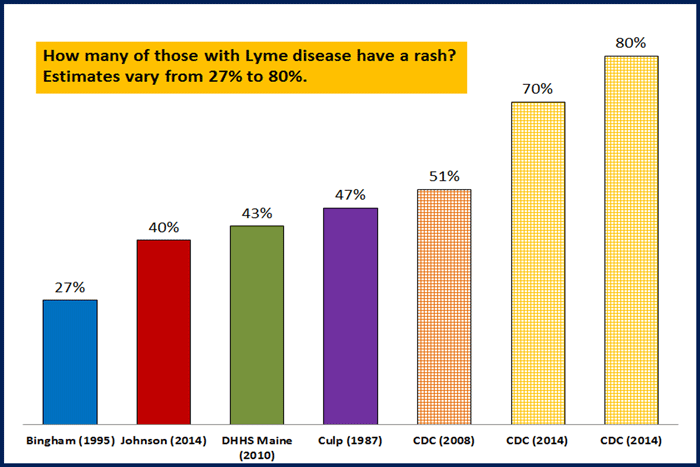
much fewer report the EM rash than is quoted
this is still a misunderstood illness that doctors are woefully uneducated on. If a patient doesn’t present with the EM rash, doctors unfamiliar with the wide symptom presentation are not going to catching this.
Click on image to see better. The graph is clear that there is a wide range of those with those finding the EM rash. While the EM rash is diagnostic for Lyme disease, many do not get it. In the first ever patient group in Lyme, Connecticut, only a quarter had the rash:
Again, mainstream medicine continues with abysmal testing and ancient dogma that is hurting patients.
More accurate scientific language would be: “Heart palpitations are rarely reported in the literature.”What happens in the real world is often quite different than what is reported in the literature – particularly with Lyme as research has been hijacked by The Cabal: https://madisonarealymesupportgroup.com/2017/01/13/lyme-science-owned-by-good-ol-boys/
BTW: I had chest palpitations, my husband had chest palpitations, and most of the patients I work with have them. I don’t think it’s nearly as rare as is being reported.
In 90% of cases, the most common consequence of Lyme carditis is heart block. The severity of the heart block can fluctuate rapidly and the progression to complete heart block can be fatal. Importantly, the heart block in Lyme carditis can be transient and usually resolves with antibiotic therapy. Additionally, Lyme carditis can affect other parts of the heart’s conduction system, as well as the heart’s muscle, valves, and outer layer of the heart wall.
The German Corona Extra-Parliamentary Inquiry Committee (Außerparlamentarischer Corona Untersuchungsausschuss), launched July 10, 2020, was founded by four trial attorneys to investigate and prosecute those responsible for implementing the economically devastating lockdowns around the world, as well as using fraudulent testing to engineer the appearance of a dangerous pandemic
The Corona Extra-Parliamentary Inquiry Committee will be working with an international network of lawyers to argue the most massive tort case ever — a case described as “probably the greatest crime against humanity ever committed”
They argue that pandemic measures were intended to sow panic so that the pharmaceutical and tech industries can generate huge profits from the sale of PCR tests, antigen and antibody tests and vaccines, and the harvesting of our genetic fingerprints
Lockdowns were unnecessary, and any claim to the contrary is wrong, the Inquiry Committee insists. The virus was already in retreat and infection rates were starting to decline when lockdowns were imposed; scientific evidence shows a majority of people already have built-in protection against the virus due to cross-reactive T cell immunity, and the PCR test cannot be used to identify an active infection with SARS-CoV-2 or any other virus
While mortality statistics during the pandemic have been within the norms of any given year, meaning the pandemic has not resulted in an excess number of deaths or a death toll higher than normal, the collateral damage from pandemic response measures is nearly incalculable
The video announcement1,2,3,4 above by Dr. Reiner Fuellmich5 is long, but I strongly recommend listening to it in its entirety. Fuellmich has been a consumer protection trial lawyer in California and Germany6 for 26 years and is one of four founding members of the German Corona Extra-Parliamentary Inquiry Committee (Außerparlamentarischer Corona Untersuchungsausschuss7),8,9launched July 10, 2020.
The other three founding members, all lawyers, are Viviane Fischer, Antonia Fischer and Justus P. Hoffmann, Ph.D.10 Fuellmich is heading up the committee’s corona crisis tort case. All meetings are live-streamed and available on the Committee’s YouTube channel11 (at least for now).
According to Fuellmich, an international class-action lawsuit will be filed against those responsible for implementing the economically devastating lockdowns around the world, as well as using fraudulent testing to engineer the appearance of a dangerous pandemic.
This includes everyone from local policy makers all the way to the World Health Organization and drug companies. He claims more than 50 other countries will be following suit.
“I have been practicing law primarily as a trial lawyer against fraudulent corporations such as Deutsche bank, formerly one of the world’s largest and most respected banks, today one of the most toxic criminal organizations in the world;
VW, one of the world’s largest and most respected car manufacturers, today notorious for its giant diesel fraud; and Cunard and Niagara the world’s largest shipping company. We’re suing them in a multi-million-dollar bribery case,” Fuellmich says.
“All the above-mentioned cases of corruption and fraud committed by the German corporations pale in comparison in view of the extent of the damage that the corona crisis has caused and continues to cause. This corona crisis, according to all we know today, must be renamed a corona scandal; and those responsible for it must be criminally prosecuted and sued for civil damages.”
Exposing Corrupt Agendas
Fuellmich stresses that, on a political level, all-out efforts must be made to ensure “that no one will ever again be in a position of such power as to be able to defraud humanity, or to attempt to manipulate us with their corrupt agendas.”
To that end, the Corona Extra-Parliamentary Inquiry Committee will be working with an international network of lawyers to argue the most massive tort case ever — a case Fuellmich describes as “probably the greatest crime against humanity ever committed.”
As explained by Fuellmich, crimes against humanity, first defined during the Nuremberg trials following World War II, are today regulated in Section 7 of the International Criminal Code. The three questions the committee seeks to answer through judicial means are:
1. Is there a COVID-19 pandemic or is there only a polymerase chain reaction (PCR) test pandemic?
Specifically, does a positive PCR test result mean that the individual is infected with SARS-CoV-2 and has COVID-19, or does it mean absolutely nothing in connection with the COVID-19 infection?
2. Do pandemic response measures such as lockdowns, mask mandates, social distancing and quarantine regulations serve to protect the world’s population from COVID-19, or do these measures serve only to make people panic?
Are these measures intended to sow “panic in order to make people believe, without asking any questions, that their lives are in danger, so that the pharmaceutical and tech industries can generate huge profits from the sale of PCR tests, antigen and antibody tests and vaccines, as well as the harvesting of our genetic fingerprints?”
3. Is it true that the German government was massively lobbied — more so than any other country — by the chief protagonists of this COVID-19 pandemic?
According to Fuellmich, Germany “is known as a particularly disciplined country and was therefore to become a role model for the rest of the world for its strict and, of course, successful adherence” to pandemic measures.
Answers to these questions are urgently needed, he says, because SARS-CoV-2, which is touted as one of the most serious threats to life in modern history, “has not caused any excess mortality anywhere in the world.”
Pandemic measures, on the other hand, have “caused the loss of innumerable human lives, and have destroyed the economic existence of countless companies and individuals worldwide,” Fuellmich says.
He points out that in Australia, residents are now thrown into prison if they do not comply with mask rules, and in the Philippines, people can be shot dead if they defy lockdown orders or don’t wear a mask.12,13 During the first week of April 2020, Philippine President Rodrigo Duterte announced he would “not hesitate” to kill anyone challenging his pandemic restrictions:14,15
“I will not hesitate. My orders are to the police and military, as well as village officials, if there is any trouble, or occasions where there’s violence and your lives are in danger, shoot them dead.
Is that understood? Dead. Instead of causing trouble, I will bury you. Do not intimidate the government. Do not challenge the government. You will lose,” Duterte said.
This hardly seems to be a strategy aimed at preserving life. Fuellmich goes on to present “the facts as they present themselves,” based on expert testimony collected by the committee so far.
The German Congress on Global Health
According to Fuellmich, in May 2019, and again in early 2020, the Christian Democratic Union (CDU) of Germany held a congress on global health. In addition to political leaders, including Mr. Tedros Adhanom, head of the WHO, and German health officials, speeches were also given by chief lobbyists of the Bill and Melinda Gates Foundation and the Wellcome Trust.
“Less than a year later these very people called the shots in the proclamation of the worldwide corona pandemic, made sure that mass PCR tests were used to prove mass infections with COVID-19 all over the world, and are now pushing for vaccines to be invented and sold worldwide,” Fuellmich says.
“These infections, or rather the positive test results that the PCR tests delivered, in turn became the justification for worldwide lockdowns, social distancing and mandatory face masks.”
He also points out that the very definition of “pandemic” was altered 12 years ago. Originally, a pandemic was defined as a disease that spread worldwide, resulting in widespread serious illness and deaths. Twelve years ago, the definition was changed to reflect a disease that spreads worldwide only. “Many serious illnesses and many deaths were not required anymore, to announce a pandemic,” he says.
The Swine Flu Pandemic That Wasn’t
This change to the definition of a pandemic is what allowed the WHO to declare the swine flu a pandemic in June 2009,16 which resulted in the sale of many millions of dollars of fast-tracked swine flu vaccines. Within months, cases of disability and death from the H1N1 vaccine were reported in various parts of the world.
In the aftermath, the Council of Europe Parliamentary Assembly (PACE) questioned the WHO’s handling of the pandemic. In June 2010, PACE concluded “the handling of the pandemic by the World Health Organization (WHO), EU health agencies and national governments led to a ‘waste of large sums of public money, and unjustified scares and fears about the health risks faced by the European public.'”17
Specifically, PACE concluded there was “overwhelming evidence that the seriousness of the pandemic was vastly overrated by WHO,” and that the drug industry had influenced the organization’s decision-making.
A joint investigation by theBritish Medical Journal and the Bureau of Investigative Journalism (BIJ) also uncovered serious conflicts of interest between the WHO — which promoted the global vaccination agenda — and the drug companies that created those vaccines.18 As noted by Fuellmich:
“These vaccines proved to be completely unnecessary because the swine flu eventually turned out to be a mild flu and never became the horrific plague that the pharmaceutical industry and its affiliated universities kept announcing it would turn into, with millions of deaths certain to happen, if people didn’t get vaccinated.
These vaccines also led to serious health problems: about 700 children in Europe fell incurably ill with narcolepsy and are now forever severely disabled. The vaccines bought with millions of taxpayers’ money had to be destroyed, with even more taxpayers’ money.”
The Virologist Responsible for Germany’s Lockdown Orders
One of the characters that drummed up panic in 2009 with his doomsday prophesies was German virologist Christian Drosten, head of the Institute of Virology at the University of Bonn Medical Centre, best known for developing the first diagnostic test for SARS in 2003. He also developed a diagnostic test for the swine flu.19
Drosten spoke at the 2019 CDU congress on global health, and according to Fuellmich, when it came time to decide on a response for COVID-19, the German government relied on the opinion of Drosten alone.
“In an outrageous violation of the universally accepted principle audiator at ultra parse, which means that one must also hear the other side, the only person they listened to was Mr. Drosten, that is, the very person whose horrific panic-inducing prognosis had proved to be catastrophically false 12 years earlier,” Fuellmich says.
Meanwhile, many “highly renowned scientists” painted a completely different picture of the COVID-19 pandemic. Among them, professor John Ioannidis of Stanford University in California; professor Michael Levitt, a biophysicist at Stanford University and Nobel prize winner for chemistry; German professors Karin Mulling, Sucharit Bhakdi, Klud Wittkowski and Stefan Homburg.
Dr. Mike Yeadon, former vice president and scientific director of Pfizer, is also on this list. Yeadon recently went on record stating “there is no science to suggest a second wave should happen,” and that false positive results from unreliable PCR tests are being used to “manufacture a ‘second wave’ based on ‘new cases.'”20
“They assumed, and still do assume, that there was no disease that went beyond the gravity of the seasonal flu; that the population had already acquired cross or T-cell immunity against this allegedly new virus; and that there was therefore no reason for any special measures and certainly not for vaccinations,” Fuellmich says.
He also quotes21 from a scientific paper published in September 2020 by Yeadon and colleagues, in which they state:
“We’re basing our government policy, our economic policy and the policy of restricting fundamental rights presumably on completely wrong dataand assumptions about the coronavirus. If it weren’t for the test results that are constantly reported in the media, the pandemic would be over, because nothing really happened.”
Situational Analysis
Commenting on “the current, actual situation regarding the virus’s danger; the complete uselessness of PCR tests for the detection of infections; and the lockdowns based on nonexistent infections,” Fuellmich states:
“We know that the health care systems were never in danger of becoming overwhelmed by COVID-19. On the contrary, many hospitals remain empty to this day and some are now facing bankruptcy. The hospital ship Comfort which anchored in New York at the time, and could have accommodated a thousand patients, never accommodated more than some 20 patients.
Nowhere was there any excess mortality. Studies carried out by Professor Ioannidis and others have shown that the mortality of corona is equivalent to that of the seasonal flu; even the pictures from Bergamo and New York that were used to demonstrate to the world that panic was in order proved to be deliberately misleading.
Then, the so-called ‘panic paper’ was leaked which was written by the German Department of the Interior. Its classified content shows beyond a shadow of a doubt that in fact the population was deliberately driven to panic by politicians and mainstream media.
The accompanying irresponsible statements of the head of the RKI, remember the CDC, Mr. Wieler who repeatedly and excitedly announced that the corona measures must be followed unconditionally by the population, without them asking any question shows that he followed the script verbatim.
In his public statements, he kept announcing that the situation was very grave and threatening although the figures compiled by his own institute proved the exact opposite. Among other things, the panic paper calls for children to be made to feel responsible, and I quote, ‘for the painful tortured death of their parents and grandparents if they do not follow the corona rules.'”
Fuellmich goes on to cite data showing that in Bergamo, Italy, 94% of deaths were not the result of COVID-19 infection spreading wild but, rather, the consequence of the government’s decision to transfer sick patients from hospitals to nursing homes, where they spread infection — colds, flu and SARS-CoV-2 — among the old and frail.
This was also done by New York Governor Andrew Cuomo,22 in direct violation of federal guidelines,23as well as in Minnesota, Ohio,24 Pennsylvania, New Jersey, Michigan and California.25Fuellmich also points out the routine malpractice that occurred in some New York hospitals, where all suspected COVID-19 patients were placed on mechanical ventilation, which turned out to be a death sentence.
“Again, to clarify, COVID-19 … is a dangerous disease, just like the seasonal flu is a dangerous disease, and of course COVID-19, just like the seasonal flu, may sometimes take a severe clinical course and will sometimes kill patients,” Fuellmich says.
“However, as autopsies have shown, which were carried out in Germany, in particular by the forensic scientist Professor Klaus Püschel in Hamburg, the fatalities he examined had almost all been caused by serious pre-existing conditions and almost all of the people who had died, had died at a very old age, just like in Italy, meaning they had lived beyond their average life expectancy.
In this context, the following should also be mentioned: the German RKI, that is again the equivalent of the CDC, had initially, strangely enough, recommended that no autopsies be performed and there are numerous credible reports that doctors and hospitals worldwide had been paid money for declaring a deceased person a victim of COVID-19 rather than writing down the true cause of death on the death certificate, for example a heart attack or a gunshot wound.
Without the autopsies, we would never know that the overwhelming majority of the alleged COVID-19 victims had died of completely different diseases but not of COVID-19.“
Lockdowns Were and Are Unnecessary
Based on the expert testimony collected so far by Fuellmich and his colleagues, lockdowns were unnecessary, and any claim to the contrary is wrong. The three reasons for this are:
Lockdowns were imposed at a time when the virus was already in retreat and infection rates were starting to decline
Scientific evidence shows a majority of people already have built-in protection against the virus due to cross-reactive T cell immunity from exposure to cold and flu viruses26,27,28,29,30,31,32,33,34,35
The PCR test — which is being used as a gauge of infection rates and a justification for restrictive measures — “do not give any indication of an infection with any virus let alone an infection with SARS-CoV-2″
The PCR Test Fraud
First of all, the PCR test have not been approved for diagnostic purposes. Its inventor, Kary Mullis, has repeatedly yet unsuccessfully stressed that this test should not be used as a diagnostic tool. As noted by Fuellmich:
“[PCR tests] are simply incapable of diagnosing any disease … A positive PCR test result does not mean that an infection is present. If someone tests positive, it does not mean that they’re infected with anything, let alone with the contagious SARS-CoV-2 virus. Even the United States CDC … agrees with this and I quote directly from page 38 of one of its publications on the coronavirus and the PCR tests dated July 13 2020:36
Detection of viral RNA may not indicate the presence of infectious virusor that 2019-nCoV is the causative agent for clinical symptoms.
The performance of this test has not been established for monitoring treatment of 2019-nCoV infection.
This test cannot rule out diseases caused by other bacterial or viral pathogens.
The PCR swabs take one or two sequences of a molecule that are invisible to the human eye and therefore need to be amplified in many cycles to make it visible. Everything over 35 cycles is … considered completely unreliable and scientifically unjustifiable.
However, the Drosten test as well as the WHO recommended tests … are set to 45 cycles. Can that be because of the desire to produce as many positive results as possible and thereby provide the basis for the false assumption that a large number of infections have been detected?”
Equally important is the fact that PCR tests cannot distinguish between inactive viruses and “live” or reproductive ones. As a result, they may pick up dead debris or inactive viral particles that pose no risk whatsoever to the patient and others. What’s more, the test can pick up the presence of other coronaviruses, so a positive result may simply indicate that you’ve recuperated from a common cold in the past.
“Even Drosten himself declared in an interview with a German business magazine in 2014 … that these PCR tests are so highly sensitive that even very healthy and non-infectious people may test positive,“ Fuellmich notes.
“In my view, it is completely implausible that [Drosten] forgot in 2020 what he knew about the PCR tests and told the business magazine in 2014. In short, this test cannot detect any infection, contrary to all false claims stating that it can.
An infection, a so-called hot infection, requires that the virus … penetrates into the cells, replicates there and causes symptoms such as headaches or a sore throat. Only then is a person really infected, in the sense of a hot infection; because only then is a person contagious, that is, able to infect others.
Until then it is completely harmless for both the host and all other people that the host comes into contact with … Anumber of highly respected scientists worldwide assume that there has never been a corona pandemic but only a PCR test pandemic …
Dr. Yeadon, in agreement with the professors of immunology, Camera from Germany, Capel from the Netherlands and Cahill from Ireland as well as a microbiologist, Dr. Harvey from Austria, all of whom testified before the German corona committee, explicitly points out that a positive test does not mean that an intact virus has been found.”
In the September 20, 2020 article37 “Lies, Damned Lies and Health Statistics — The Deadly Danger of False Positives,” Yeadon details the problems with basing our pandemic response on positive PCR tests.
In summary, the PCR test simply measures the presence of partial DNA sequences that are present in a virus, but it cannot tell us whether that virus is active or inactive. Chances are, if you have no symptoms, a positive test simply means it has detected inactive viral DNA in your body. This would also mean that you are not contagious.
Collateral Damage
While mortality statistics during the pandemic have been within the norms of any given year,38,39meaning the pandemic has not resulted in an excess number of deaths or a death toll higher than normal, the collateral damage from pandemic response measures is nearly incalculable. Public health, both physical and mental, as well as the global economy, have all suffered tremendous blows.
Fuellmich cites yet another leaked document written by a German official in the Department of the Interior, dubbed “the False Alarm paper,”40,41 which concludes that there’s no evidence to suggest SARS-CoV-2 posed a serious health risk for the population, at least the danger is no greater than that of many other viruses, while pandemic measures have “manifold” and “grave” consequences.
“This, he concludes, will lead to very high claims for damages, which the government will be held responsible for. This has now become reality but the paper’s author was suspended,” Fuellmich says.
“More and more scientists, but also lawyers, recognize that as a result of the deliberate panic-mongering and the corona measures enabled by this panic, democracy is in great danger of being replaced by fascist totalitarian models …
According to psychologists and psychotherapists who testified before the corona committee, children are traumatized en masse, with the worst psychological consequences yet to be expected in the medium and long term.
In Germany alone, 500,000 to 800,000 bankruptcies are expected in the fall to strike small and medium-sized businesses which form the backbone of the economy. This will result in incalculable tax losses and incalculably high and long-term social security money transfers for, among other things, unemployment benefits.”
Legal Consequences
In closing, Fuellmich reviews the legal consequences that are currently underway. This includes looking at the constitutionality of the measures. He notes:
“Very recently, a judge, Torsten Schleife … declared publicly that the German judiciary, just like the general public has been so panic-stricken that it was no longer able to administer justice properly. He says that the courts of law, and I quote:
‘Have all too quickly waved through coercive measures which for millions of people all over Germany represent massive suspensions of their constitutional rights.’ He points out that German citizens, again I quote:
‘Are currently experiencing the most serious encroachment on their constitutional rights since the founding of the Federal Republic of Germany in 1949. In order to contain the corona pandemic federal and state governments have intervened,’ he says, ‘massively and in part threatening the very existence of the country, as it is guaranteed by the constitutional rights of the people.'”
Then there are the issues of fraud, intentional infliction of damage and crimes against humanity. According to Fuellmich, there’s evidence showing a range of falsehoods and misrepresentations of facts have purposely been circulated, such that, based on the rules of criminal law, “it can only be assessed as fraud,” and “based on the rules of civil tort law, this translates into intentional infliction of damage.”
“The German professor of civil law, Martin Schwab, supports this finding in public interviews in a comprehensive legal opinion of around 180 pages. He has familiarized himself with the subject matter like no other legal scholar has done thus far and in particular has provided a detailed account of the complete failure of the mainstream media to report on the true facts of this so-called pandemic,” Fuellmich says.
“Under the rules of civil tort law, all those who have been harmed by these PCR tests, PCR tests induced lockdowns are entitled to receive full compensation for their losses. In particular, there is a duty to compensate, that is, a duty to pay damages, for the loss of profits suffered by companies and self-employed persons as a result of the lockdown, and other measures.
In the meantime, however, the anti-corona measures have caused and continue to cause such devastating damage to the world’s population’s health and economy that the crimes committed by Messrs Drosten, Wieler and the WHO must be legally qualified as actual crimes against humanity, as defined in Section 7 of the International Criminal Code.”
To address these grievances, the German Corona Extra-Parliamentary Inquiry Committee is prepared to file a class-action lawsuit — a legal remedy available in the U.S. and Canada — against the responsible parties.
“It should be emphasized that nobody must join the class action, but every injured party can join the class action,” Fuellmich explains. “The advantage of the class action is that only one trial is needed, namely, to try the complaint of a representative plaintiff who is affected in a manner typical of everyone else in the class.”
Such a lawsuit would also open the door to pretrial discovery, which requires all relevant evidence to be presented to the other party. Destruction or withholding evidence has serious consequences, as “the party withholding or … destroying evidence loses the case under these evidence rules.“
In Germany, a group of tort lawyers have already started the process of disseminating information and legal forms, and estimating damages among German plaintiffs. Fuellmich concludes his announcement explaining how the lawsuit will proceed from here:
“Initially, this group of lawyers had considered to also collect and manage the claims for damages of other non-German plaintiffs but this proved to be unmanageable.
However, through an international lawyers’ network, which is growing larger by the day, the German group of attorneys provides to all of their colleagues, in all other countries, free of charge, all relevant information, including expert opinions and testimonies of experts showing that the PCR tests cannot detect infections and they also provide them with all relevant information as to how they can prepare and bundle the claims for damages of their clients so that they too can assert their clients claims for damages either in their home countries, courts of law, or within the framework of the class action as explained above …
To the politicians, who believe those corrupt people, these facts are hereby offered as a lifeline, that can help you readjust your course of action and start the long overdue public scientific discussion and not go down with those charlatans and criminals.”
I only wish this had occurred in April when Dr. Redfield of the CDC presented research showing COVID was on its way out, but nobody at the meeting was willing to point out that the emperor had no clothes on, and he certainly wasn’t going to admit it.
Hopefully this article will squash any fear you may have. While I realize COVID-19 can be severe in a certain population, there is much you can do to avoid becoming ill OR reducing the illness should you contract it. Talk to your practitioner and develop a plan of action as we are heading into the cold and flu season.
Apologies for the tardiness of this, but PLEASE watch it while you can & share it widely. The information contained within the documentary is not only eye-opening but imperative for women to understand for their health.
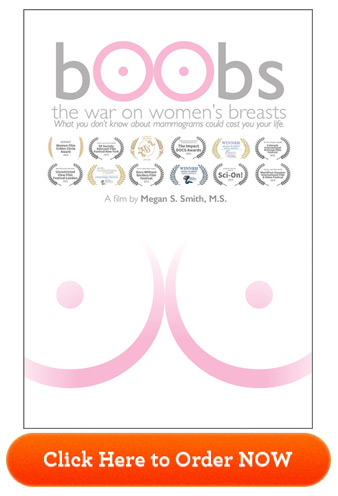
The documentary “Boobs: The War on Women’s Breasts” explores how mammography is causing more harm than good for many women
One of the harms of using mammography as a screening tool is that it can often lead to overdiagnosis and overtreatment, including false-positive tests and unnecessary biopsies
Due to the introduction of mammography, breast cancer was overdiagnosed — meaning that tumors were detected that would never lead to clinical symptoms — in 1.3 million women over a 30-year period
Mammograms and their resulting biopsies may increase the spread of cancer, and up to 1 in 4 breast tissue biopsies may be incorrectly diagnosed by pathologists, with unnecessary mastectomies being performed as a result
There’s also the issue that mammograms use ionizing radiation at a relatively high dose, which in and of itself can contribute to the development of breast cancer
Other potentially safer options to mammography such as thermography and ultrasound are not widely available because the billion-dollar mammagoraphy industry prevents the widespread use of these beneficial tests
When asked how much radiation women are exposed to from mammograms, Dr. Ben Johnson, author of “No Ma’am-ograms,” says, “At least the amount of 100 chest X-rays.”
It’s a statement that would surprise many women who are advised to receive a mammogram as the standard of care for breast cancer prevention in the U.S. — and it’s just one of the eye-opening facts presented in the documentary “Boobs: The War on Women’s Breasts.”
The film begins with a written statement informing viewers that all of the information you’re about to hear is supported by scientific literature, even though much of it opposes the assertions made by conventional medicine. Doctors from across the United States and around the world — including California, Georgia, Switzerland, Virginia and Arizona — are interviewed, providing expert testimony on why you may want to rethink this controversial procedure.
The ‘Early Detection’ Myth and Biopsy Risks
One myth perpetuated by conventional medicine is that mammography is the most important screening test for breast cancer because it can detect breast cancer “up to two years before the tumor can be felt by you or your doctor.”1
However, the film points out that by the time you can feel a cancerous lump in your breast, the cancer has already been growing for two to five years. “Mammograms are not early detection,” Johnson says.
The myth that mammograms don’t spread cancer is also addressed, via the story of one woman who was diagnosed with stage 4 cancer and given only 1 year to live. She made significant changes to her lifestyle and many of the tumors disappeared. The cancer was stable years later, until she received a biopsy and subsequent mammograms, which she says made the cancer spread — and a tumor appeared in the area where the biopsy was done.
During a biopsy, a piece of tissue from a tumor or organ is removed so that it can be examined under a microscope, often to determine if it is cancerous. Needle biopsies, for instance, are widely used as part of the traditional allopathic approach to diagnosing breast cancer. But they may accidentally cause malignant cells to break away from a tumor, resulting in its spreading to other areas of your body.
One of the harms of using mammography as a screening tool is that it can often lead to overdiagnosis and overtreatment, including false-positive tests and unnecessary biopsies.2
One study from the John Wayne Cancer Institute revealed that a needle biopsy may increase the spread of cancer compared to patients who receive excisional biopsies, also known as lumpectomies.3 They concluded, “Manipulation of an intact tumor by FNA [fine-needle aspiration] or large-gauge needle core biopsy is associated with an increase in the incidence of SN [sentinel node] metastases, perhaps due in part to the mechanical disruption of the tumor by the needle.”4
Johnson said he calls biopsies “the kiss of death,” describing how the needle gets driven through a billion cells, blows through the cancer and goes out the other side, dragging cells back through and spreading the cancer. Dr. Manfred Doepp, medical director of the Couros Center in Switzerland, agrees that biopsies can spread cancer, while the physical act of squeezing the breast during mammography may also trigger the cancer to spread.
The film cites a rapid response published in the BMJ, which states “robust scientific data, published in prestigious medical journals, have lent meaningful support to the concept” that the squeezing motion of mammography is in itself potentially harmful.5
Breast Cancer Overdiagnosed in 1.3 Million Women
The notion that mammography is an accurate screening tool is another myth busted in the film. Both false positives and false negatives occur, and even the skill of the radiologist in reading the mammogram is a factor in whether or not mammography is able to detect cancer.
Overall, when researchers examined trends in early-stage breast cancer and late-stage breast cancer from 1976 to 2008 among women 40 years and older, they found the introduction of mammography in the U.S. was linked to a doubling in the number of early-stage breast cancer cases detected each year.6
However, the rate at which women developed late-stage cancer decreased by 8% during that time, leading the researchers to suggest that only a small number of early-stage cancer diagnosed would progress into advanced disease:7
“Despite substantial increases in the number of cases of early-stage breast cancer detected, screening mammography has only marginally reduced the rate at which women present with advanced cancer.
Although it is not certain which women have been affected, the imbalance suggests that there is substantial overdiagnosis, accounting for nearly a third of all newly diagnosed breast cancers, and that screening is having, at best, only a small effect on the rate of death from breast cancer.”
They concluded that due to the introduction of mammography, breast cancer was overdiagnosed — meaning that tumors were detected that would never lead to clinical symptoms — in 1.3 million women over a 30-year period.
Up to 80% of Breast Biopsies Are Benign
The overdiagnosis of breast cancer comes with serious risks, including needless treatments and unnecessary stress and anxiety. In another study cited in the film, it’s stated that more than 1 million breast biopsies are performed annually in the U.S., 75% to 80% of which turn out to be benign.8 Sometimes, the benign result isn’t uncovered until an unnecessary mastectomy has already occurred.
Up to 1 in 4 breast tissue biopsies may be incorrectly diagnosed by pathologists,9 and unnecessary mastectomies have been performed as a result. In a case that went to trial in 2020 in Israel, a woman was diagnosed with breast cancer after a biopsy tested at two medical centers came back positive.
She underwent six months of chemotherapy as a result, as well as a partial mastectomy to remove the growth. After the growth was removed, the lawsuit alleges, it turned out to be benign.10 In 2015, researchers with Boston Children’s Hospital in Massachusetts revealed that false-positive mammograms and breast cancer overdiagnoses among women ages 40 to 59 cost the U.S. $4 billion each year.11
Mammograms May Not Work for Women With Dense Breasts
The story of Nancy Cappello is also covered in the film. Cappello was diagnosed with breast cancer after receiving two normal mammograms. The cancer was missed because she has dense breast tissue, and was only revealed when her doctor felt a ridge in her breast and prescribed an ultrasound test in addition to a mammogram.
Cappello was a pioneer in the movement to teach women about dense breast tissue and how using a mammogram to detect cancer in such tissue is “like finding a polar bear in a snowstorm.” She said:12
“So I went on a quest — for research — and I discovered for nearly a decade BEFORE my diagnosis, six major studies with over 42,000 women concluded that by supplementing a mammogram with an ultrasound increases detection from 48% to 97% for women with dense tissue.
I also learned that women with extremely dense tissue are 5x more likely to have breast cancer when compared with women with fatty breasts and that research on dense breast tissue as an independent risk factor for breast cancer has been studied since the mid 70s.
… I endured a mastectomy, reconstruction, 8 chemotherapy treatments and 24 radiation treatments. The pathology report confirmed — stage 3c cancer because the cancer had traveled outside of the breast to my lymph nodes. Eighteen lymph nodes were removed and thirteen contained cancer — AND REMEMBER — a “normal” mammogram just weeks before. Is that early detection?”
As a result of Cappello’s movement, 38 states have passed mandatory breast density reporting laws. The film states that up to 90% of women may have some degree of dense breast tissue that may affect a mammogram’s outcome and could benefit from whole breast ultrasound — a procedure that’s not widely available. Women are also interviewed that were told they had dense breast tissue, but not what that meant for the effectiveness of mammography.
‘Precancer’: Ductal Carcinoma in Situ
Ductal carcinoma in situ (DCIS) refers to the abnormal growth of cells within the milk ducts of the breast forming a lesion commonly between 1 to 1.5 centimeters (cm) in diameter. While the cells appear malignant under a microscope, they have not invaded surrounding tissue and are considered “precancer,” noninvasive or “stage zero breast cancer.” Some experts have also argued that DCIS should be considered noncancerous.
Despite this, the film tells the story of one woman who had both breasts removed due to a DCIS diagnosis. Such diagnoses now represent 20% to 25% of all “breast cancers,”13 and the standard of care is to treat all DCIS with mastectomy or breast-conserving surgery with radiotherapy. According to a review in the British Journal of Cancer:14
“In effect, women with DCIS are labelled as ‘cancer patients’, with concomitant anxiety and negative impact on their lives, despite the fact that most DCIS lesions will probably never progress to invasive breast cancer.
Owing to the uncertainty regarding which lesions run the risk of progression to invasive cancer, current risk perceptions are misleading and consequently bias the dialogue between clinicians and women diagnosed with DCIS, resulting in overtreatment for some, and potentially many, women.”
Is Radiation From Mammograms Dangerous?
There’s also the issue that mammograms use ionizing radiation at a relatively high dose, which in and of itself can contribute to the development of breast cancer. In a 2016 study, it’s stated, “ionizing radiation as used in low-dose X-ray mammography may be associated with a risk of radiation-induced carcinogenesis.”15
They point out that people who carry certain genetic variations or have an inherited disposition of breast cancer, in particular, should avoid ionizing radiation as much as possible — the latter group being one that conventional medicine often recommends for routine or even extra mammography screening. Again, they refer individuals to a different, safer, form of testing: ultrasound or magnetic resonance imaging (MRI).16
A “new and improved” type of mammogram called 3D tomosynthesis, which is basically a CT scan for your breasts, is particularly problematic, as your radiation exposure is even greater than from standard mammograms — and by a significant margin.
According to one study,17 annual screening using digital or screen-film mammography on women aged 40 to 80 years is associated with an induced cancer incidence and fatal breast cancer rate of 20 to 25 cases per 100,000 mammograms. Meaning, annual mammograms cause 20 to 25 cases of fatal cancer for every 100,000 women getting the test.
The 3D mammogram requires multiple views in order to achieve three-dimensionality, so it stands to reason your total radiation exposure would be considerably higher than from a standard 2D mammogram.
Thermography and Ultrasound Use No Radiation
In order to make informed decisions, women should be provided with all of their screening options, along with an explanation of their strengths and weaknesses, and be allowed to utilize the option of their choice.
Mammography is only one option, with considerable drawbacks. Other potentially safer options include self and clinical breast exams, thermography, ultrasound and MRI. Thermography and ultrasound use no radiation, and may detect abnormalities that mammograms miss, especially in women with dense breast tissue.
These are explained in detail toward the end of the film, but they can be difficult to access in the U.S., as the billion-dollar mammography industry prevents the widespread use of these beneficial tests.
It’s also important to understand that mammography doesn’t prevent breast cancer in any way. Breast cancer prevention involves a healthy lifestyle, avoidance of toxins and attention to certain nutritional factors, such as vitamin D. It is absolutely vital to know and optimize your vitamin D level as it can radically reduce your risk of breast cancer.
Ignoring these factors and simply getting an annual mammogram and believing you’re protected is the end result being foisted upon many women trusting the advice of conventional medicine. By leading a healthy lifestyle, and seeking to get informed about all of your breast cancer screening options, you can avoid this potentially deadly pitfall.
About the Director
I believe in bringing quality to my readers, which is why I would like to share some information about the filmmaker, Megan S. Smith, M.S., and what went in to making “bOObs: The War on Women’s Breasts.” Thank you, Megan, for sharing with us.
What was your inspiration for making this film?
My inspiration for making this film, as well as in making my next film on alternative cancer therapies, was the death of my husband 11 years ago from lung cancer. Specifically, for “bOObs,” my inspiration was emboldened by the death of my three dear friends in as many years after their breast cancer returned following 10-plus years in remission.
What was your favorite part of making the film?
My favorite part of making this film was interviewing the patients and doctors. I learned during my interviews of Drs. Ben Johnson and Galina Migalko about the detriments of mammograms and that we might instead be using thermography in conjunction with ultrasound. This nonradiation protocol made sense to me.
Also, my interview with The American Cancer Society’s Dr. Otis Brawley was an eye opener, as he disclosed, “Mammography is a suboptimal test” and “We need a better test.” All these doctors were spot on. More information on the film can be found here.
Illustrative photo by Aleksandra Suzi via Shutterstock.com
It would be nice if Covid-19 disappeared before the flu and cold season hit us. Unfortunately, all three virus-caused conditions will likely be with us at once.
And that will put a dose of anxiety into every sneeze. How can we know if it’s trivial winter sniffles or something more serious? (See link for article)
_________________
**Comment**
The experts state that while some symptoms are common to each, others are unique, such as:
Covid-19 can give shortness of breath, loss of smell, and dry cough
Flu: headache, body aches, fever, chills, sore throat, loss of appetite Kids can get middle-ear infections and upset stomaches
Cold: runny/stuffy nose, no fever
Similarities:
both flu and Covid-19 can cause fever and dry cough
One of the experts state that a possible good surprise that could occur is infection rates could decline more quickly than expected and that although viruses don’t disappear they do wane over time.
They still don’t understand why seasonal flu epidemics tend to end after two months.
They also caution that differences in symptoms can be subtle and there are individual differences in presentation.
They state that rapid testing, which should be available soon, will change the game and can rule COVID out within 10 minutes.
Dr. Mike Yeadon, a former Vice President and Chief Science Officer for Pfizer for 16 years, says that half or even “almost all” of tests for COVID are false positives.