Archive for the ‘Testing’ Category

Woman Leaks Cerebrospinal Fluid After COVID Test

https://www.ctvnews.ca/health/coronavirus/woman-with-skull-defect-leaks-cerebrospinal-fluid-from-her-nose-after-a-nasal-swab-covid-19-test-

Woman with skull defect leaks cerebrospinal fluid from her nose after a nasal swab COVID-19 test

Alexandra Mae JonesCTVNews.ca writer

Published Thursday, October 1, 2020 

brain fluid leakA woman started leaking cerebral fluid out of her nose after she received a COVID-19 test administered with a nasal swab, according to a new case report. (JAMA Otolaryngology/University of Iowa Hospitals and Clinics)

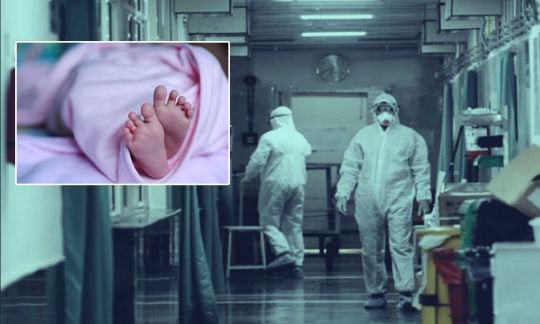
TORONTO — A woman with an undiagnosed skull defect started leaking cerebral fluid out of her nose after she received a COVID-19 test administered with a nasal swab, according to a new case report.

The report, published Thursday in the journal JAMA Otolaryngology – Head & Neck Surgery, described a singularly unusual situation, where the nasal swab disturbed a mass in the woman’s nasal cavity containing cerebrospinal fluid and brain tissue.  (See link for article)

_______________________

**Comment**

The article states that it’s not uncommon to screen patients for COVID before elective surgeries, which is what happened here. 

The patient had a COVID test prior to hernia surgery. A CT scan done in 2017 showed the skull issue existed then, but was misdiagnosed as paranasal sinus disease (inflammation of the sinuses).  She also had a medical history of high pressure in the brain due to CSF buildup.

They theorize the swab itself did not cause the hole in the patient’s bone.

The article states that CSF leaks are ‘rare’ but sometimes misdiagnosed as migraines or other headaches.

Important quote:

“As the number of daily COVID-19 nasal and nasopharyngeal swab specimen collection procedures increases, a greater burden is placed on the health care system to properly train clinicians and even the general public to safely perform nasal and nasopharyngeal swab testing,” the report stated. 

They suggested that alternative testing methods be used for patients with a history of sinus issues or skull base defects. (I would argue Lyme/MSIDS patients fit into this group)

The patient developed a runny nose, metallic taste, headache, neck stiffness, sensitivity to light, and vomiting.
 
I post this article not to scare the bejesus out of you but for your illumination, because as you know, things are often not as ‘rare’ as authorities often state.  Also, Lyme/MSIDS patients often have a lot of symptoms in their head including a ton of inflammation.  They are also battling a brain infection(s) that can cause major brain swelling.
 
I’ve written about this before, but I personally had this.  It was one of my marquee symptoms that took years to get on top of.  Sticking anything high up into the nasal cavity for Lyme patients seems risky to me.  It is my opinion that extra precautions should be taken with Lyme/MSIDS patients who are having anything done in the nasal cavity, as well as in the mouth (dental work) due to the proximity of pathogens in the brain.


Coronavirus Cases Plummet When PCR Tests Are Adjusted

https://thevaccinereaction.org/2020/09/coronavirus-cases-plummet-when-pcr-tests-are-adjusted/

doctor taking nasal mucus test sample from male nose performing respiratory virus testing procedure. Checking the nasal cavity in ENT.

By Barbara Caceres

Published September 29, 2020 | Medicine, Public Health

Health experts now say that PCR testing for SARS-CoV-2, the virus associated with the illness COVID-19, is too sensitive and needs to be adjusted to rule out people who have insignificant amounts of the virus in their system.1 The test’s threshold is so high that it detects people with the live virus as well as those with a few genetic fragments left over from a past infection that no longer poses a risk. It’s like finding a hair in a room after a person left it, says Michael Mina, MD, an epidemiologist at the Harvard T.H. Chan School of Public Health.2

In three sets of testing data that include cycle thresholds compiled by officials in Massachusetts, New York and Nevada, up to 90 percent of people testing positive carried barely any virus, a review by The New York Times found.3

Manufacturers and Labs Set Criteria for Positive COVID-19 Test Results

The reverse transcriptase quantitative polymerase chain reaction (RT-qPCR) test used to identify those people infected with the SARS-CoV-2 virus uses a nasal swab to collect RNA from deep within the nasal cavity of the individual being tested. The RNA is reverse transcribed into DNA and amplified through 40 or more cycles, or until virus is detected.4 The result is reported as a simple “yes” or “no” answer to the question of whether someone is infected.

The U.S. Food and Drug Administration (FDA) officials state they do not specify the cycle threshold ranges used to determine who is positive, and that commercial manufacturers and laboratories set their own threshold ranges.5

PCR Test Threshold for COVID-19 Positivity Is Too Sensitive

Any test with a cycle threshold (CT) above 35 is too sensitive, says Juliet Morrison, PhD, a virologist at the University of California, Riverside. “I’m shocked that people would think that 40 [cycles] could represent a positive.” A more reasonable cutoff would be 30 to 35, she added. Dr. Mina said he would set the figure at 30, or even less. Those changes would mean the amount of genetic material in a patient’s sample would have to be 100-fold to 1,000-fold that of the current standard for the test to return a positive result worth acting on.6

The CDC’s own calculations suggest that it is extremely difficult to detect any live virus in a sample above a threshold of 33 cycles.7

“We’ve been using one type of data for everything, and that is just plus or minus—that’s all,” Dr. Mina said. “We’re using that for clinical diagnostics, for public health, for policy decision-making.” But “yes” or “no” isn’t good enough, he added. It’s the amount of virus that should dictate the infected patient’s next steps. “It’s really irresponsible, I think, to forgo the recognition that this is a quantitative issue,” Dr. Mina said.8

The number of people with positive results who aren’t infectious is particularly concerning, said Scott Becker, executive director of the Association of Public Health Laboratories. “That worries me a lot, just because it’s so high,” he said.9

SARS-CoV-2 Positive Case Numbers Drop When Cycle Threshold is Adjusted, Removing Need for Contact Tracing

Officials at the Wadsworth Center, New York’s state lab, have access to CT values from tests they have processed, and analyzed their numbers at The Times’s request. In July, the lab identified 872 positive tests, based on a threshold of 40 cycles. With a cutoff of 35 cycles, about 43 percent of those tests would no longer qualify as positive. About 63 percent would no longer be judged positive if the cycles were limited to 30.

In Massachusetts, from 85 to 90 percent of people who tested positive in July with a cycle threshold of 40 would have been deemed negative if the threshold were 30 cycles, Dr. Mina said. “I would say that none of those people should be contact-traced, not one,” he said.

“I’m really shocked that it could be that high—the proportion of people with high CT value results,” said Ashish Jha, MD, director of the Harvard Global Health Institute. “Boy, does it really change the way we need to be thinking about testing.”10

“Gold Standard” PCR Tests Leave Many Unanswered Questions Due to Knowledge Gaps

A positive PCR test does not tell doctors whether the person is currently ill or will become ill in the future, whether they are infectious or will become infectious, whether they are recovered or recovering from COVID, or whether the PCR test identified a viral fragment from another coronavirus infection in the past. The CDC reports that a person who has recovered from COVID-19 may have low levels of virus in their bodies for up to three months after diagnosis and may test positive, even though they are not spreading COVID-19.11

CT Value Adds Context to PCR Results, Personalizes Care

Although the cycle threshold (CT) is not reported on PCR tests, new evidence suggests the CT value could help to better inform clinical decisions, particularly when testing in the absence of symptoms for COVID-19. When SARS-CoV-2 virus is detected after fewer amplification cycles, that indicates a higher viral load and a higher likelihood of being contagious, while virus detected after more amplifications indicates a lower viral load.

“It’s just kind of mind-blowing to me that people are not recording the CT values from all these tests—that they’re just returning a positive or a negative,” said Angela Rasmussen, PhD, a virologist at Columbia University in New York. “It would be useful information to know if somebody’s positive, whether they have a high viral load or a low viral load,” she added.12

In a study published in Clinical Infectious Diseases in May, 2020,13 the authors suggested that viral load based on CT cutoff could establish whether inpatients have transmissible disease or need to be retested. This would conserve valuable testing capacity, reagents, and personal protective equipment (PPE), and determine when a patient could discontinue isolation. Taking the CT value into account may also help justify symptom-based strategies recommended by the CDC. CT values may enable contact tracers to focus only on persons most likely to be infectious, which will become increasingly important as asymptomatic screening expands.

Another study14 found that patients with positive PCR tests at a CT above 33-34 are not contagious and can be discharged from the hospital or strict confinement at home.

Evidence from both viral isolation and contact tracing studies supports a short, early period of transmissibility. By accounting for the CT value in context, RT-qPCR results can be used in a way that is personalized, highly sensitive, and more specific.15

FDA Approves Rapid, Less Sensitive Coronavirus Antigen Test

Highly sensitive PCR tests seemed like the best option for tracking the coronavirus at the start of the pandemic. But for the outbreaks raging now, Dr. Mina said, what’s needed are coronavirus tests that are fast, cheap and abundant enough to frequently test everyone who needs it—even if the tests are less sensitive. “It might not catch every last one of the transmitting people, but it sure will catch the most transmissible people, including the super spreaders.”

The FDA noted that people may have a low viral load when they are newly infected. A test with less sensitivity would miss these infections. That problem is easily solved, Dr. Mina said: “Test them again, six hours later or 15 hours later or whatever,” he said. A rapid test would find these patients quickly, even if it were less sensitive, because their viral loads would quickly rise. People infected with the virus are most infectious from a day or two before symptoms appear till about five days after. But at the current testing rates, “you’re not going to be doing it frequently enough to have any chance of really capturing somebody in that window,” Dr. Mina added.16

When a patient is tested for the coronavirus, doctors typically tell them to stay home until the results come in. If a patient tests positive and faces a two-week quarantine, that means they could spend a total of three weeks in isolation. That’s a long time for anybody who has bills to pay or kids to care for, and it’s understandable that some people will continue working until the results come in. The problem is that anybody who does this with a serious infection is putting others at risk.17 Rapid tests can be helpful in these situations.

In late August, the U.S. Food and Drug Administration (FDA) approved the first rapid coronavirus test that doesn’t need any special computer equipment. Made by Abbot Laboratories, the 15-minute test will sell for U.S. $5 but still requires a nasal swab to be taken by a health worker.18 The Abbot test is the fourth rapid point-of-care test that looks for the presence of antigens rather than the virus’s genetic code as the PCR molecular tests do. 19

References: Angela Rasmussen, Ashish Jha, Association of Public Health Laboratories, Barbara Cáceres, bbot Laboratories, CDC, Centers for Disease Control and Prevention, Clinical Infectious Diseases, Columbia University, coronavirus, COVID-19, FDA, Food and Drug Administration, Harvard Global Health Institute, Harvard T.H Chan School of Public Health, Juliet Morrison, National Vaccine Information Center, NVIC, PCR tests, personal protective equipment, PPE, reverse transcriptase quantitative polymerase chain reaction, RT-qPCR, SARS-CoV-2, The Vaccine Reaction, Wadsworth Center

_____________________

**Comment**

We have precisely the opposite problem with Lyme/MSIDS testing. The arbitrary antibody cut off has kept the sickest from ever testing positive.  This is another perfect example of how the tests are rigged for the CDC’s predetermined outcome.  In the case of COVID, they want to show high numbers to buttress their fear-mongering.  In the case of Lyme/MSIDS they want low numbers so everyone thinks it’s ‘rare’ and unimportant, and undeserving of research dollars.

If  ‘authorities’ show sudden interest in Lyme/MSIDS it’s because there’s a vaccine in the pipeline.

And yes, Lyme testing is rigged:  https://madisonarealymesupportgroup.com/2020/02/10/the-bitter-feud-over-lymerix/

Intestinal Bacteria Could Give Doctors An Objective Test For Chronic Lyme Disease

https://news.northeastern.edu/2020/09/29/intestinal-bacteria-could-give-doctors-an-objective-test-for-chronic-lyme-disease/

Fatigue, muscles aches, brain fog—are these symptoms of chronic Lyme disease, or merely side effects of the daily grind of human existence? It’s hard to tell. 

Chronic Lyme disease, also known as post-treatment Lyme disease syndrome or PTLDS, is incredibly hard to diagnose because symptoms vary greatly, and there is currently no biological test to detect the disease.

Now, Kim Lewis, University Distinguished Professor of biology and director of the Antimicrobial Discovery Center at Northeastern, has proposed a new way to objectively diagnose this elusive disease by analyzing the microbes in a patient’s gut.  (See link for article)

_____________________

**Comment**

A few points of consideration:

  1. The article falsely states that 10-20% go on to suffer with symptoms – 800,000 by their estimation.  It’s far, far more than that. Their number needs to be doubled to even get remotely close to reality according to microbiologist Holly Ahern:  https://madisonarealymesupportgroup.com/2019/02/25/medical-stalemate-what-causes-continuing-symptoms-after-lyme-treatment/
  2. The author is obviously clueless as they have the audacity to compare this madness to the ‘side effects of the daily grind of human existence’ which historically came straight out of Gary Wormser’s mouth. Not being able to get out of bed is a far cry worse than ‘aches and pains of daily living!’ 
  3. Dr. Lewis more accurately states that Lyme prevents people from having a normal life.
  4. He also says some doctors don’t believe in chronic Lyme.
  5. The study compared fecal matter from healthy people, ICU patients, and PTLDS patients and found that people with PTLDS have two distinct differences in microbial levels compared to the other groups—an abundance of a type of bacteria called Blautia (usually seen in obesity, Alzheimer’s, and MS) and a suppression of a type of bacteria called Bacteroides (help regulates digestion, inflammation, immune responses and produces GABA, the neurotransmitter that wards off anxiety & depression).
  6. ICU patients on antibiotics did not experience these same changes suggesting antibiotics alone are not responsible for the difference.
  7. Lewis believes this will provide a potential diagnostic tool as well as new treatments.

“If we can fix the microbiome, then we could perhaps find an intervention for PTLDS,” Lewis says.  

For more:  https://madisonarealymesupportgroup.com/2018/08/06/meet-the-researcher-kim-lewis-ph-d/

https://madisonarealymesupportgroup.com/2016/10/31/news-story-on-researcher-kim-lewis-and-chronic-lyme/

https://madisonarealymesupportgroup.com/2015/07/07/promising-new-research-for-persisting-lyme/  Interestingly, Lewis’ past research focused on borrelia persistence.  This is what he found:

His team started by killing Borrelia (the causative agent of Lyme Disease) with antibiotics and waiting three weeks.  He expected and found that persisters remained.  He found this promising as it helps explain why many continue to have symptoms.

He tried numerous things against the persisters – all of which failed, until they focused on Borrelia’s weakness:  it doesn’t develop antibiotic resistant “superbugs.”  From this conclusion they decided to manipulate dosing by killing the Borrelia, waiting, and then going back and hitting them again.  After doing this four times, the researchers discovered no bacteria in the petri dishes.

This is what Dr. Burrascano found clinically as well.  He called it ‘cycling’ antibiotics and cured himself and many of his patients with this method.  He also found blood levels of antibiotics were important as well:  https://madisonarealymesupportgroup.com/2018/12/28/the-history-of-lyme-disease-dr-burrascano/

https://madisonarealymesupportgroup.com/2017/11/03/lyme-bug-stronger-than-antibiotics-in-animals-and-test-tubes-now-study-people/

Why Should We Care About Lyme Disease: A Colorful Tale of Government Conflicts of Interest, Probable Bioweaponization, and Pathogen Complexity

iu

Why Should We Care About Lyme Disease?

A Colorful Tale of Government Conflicts of Interest, Probable Bioweaponization, and Pathogen Complexity

September 25, 2020

By Alicia Cashman, MS, Lyme patient and Advocate

According to a report, one million are predicted to get Lyme disease in the U.S. and 2.4 million in Europe. This makes it more prevalent than Breast Cancer, AIDS, West Nile Virus, H1N1, and Ebola.  Authorities warn that ticks transmitting Lyme disease are spreading rapidly and to new geographical areas.  Nearly everyone is exposed to ticks just from gardening or hanging out in your backyard. And due to COVID-19 isolation, more and more people are getting outside which puts them at a higher risk for tick exposure. 

001_fastest316x316

Lyme disease was described in Europe as far back as the 1800’s as causing dermatological, neurological, rheumatological, and neuropsychiatric problems, but this early history has largely been lost and forgotten. It wasn’t until 1965 when Polly Murray began to be plagued by mysterious ailments, followed by the rest of her family and others in her hometown of Lyme, Connecticut that it began to get noticed. Unable to obtain help from doctors, she began a personal investigation and contacted the state health department.

This eventually led to the 1982 discovery of the etiologic agent of Lyme neuroborreliosis in the Ixodid hard tick by Willy Burgdorfer.  Borrelia burgdorferi (Bb), named after it’s discoverer is commonly known as Lyme disease after the town, and is mostly transmitted by ticks although there is research to indicate sexual as well as congenital (mother to fetus) transmission. Bb has also been found in mosquitoes, horse flies, and deer flies amongst others.

42_congenital316x316

What Exactly is Lyme Disease?

There are two answers to this question.

The first answer is the accepted narrative from our public health officials at the Centers for Disease and Control and Prevention (CDC), whom direct medical doctors regarding testing, diagnosis, and treatment. In lockstep with the CDC is the Infectious Diseases Society of America (IDSA). This accepted narrative simplistically states that a singular bacterium, Borrelia burgdorferi, from the bite of an infected tick causes a “classic” bullseye rash, fever, headache, and fatigue and merely requires 21 days of doxycycline to be cured.  While the CDC website states Lyme is diagnosed based on symptoms, physical findings (e.g., rash), and tick exposure, history has repeatedly shown a heavy reliance upon faulty testing that misses 70% – 86% of cases, due to omitting two of the most specific bands due to vaccine involvement. It also makes perfect sense due to the fact there are 300 strains of borrelia and counting worldwide, with 100 strains and counting in the U.S. Current CDC testing only tests for ONE strain. The CDC website makes it clear that only their “validated” testing should be used.

002_ignored316x316

The second answer is based upon real-life experience with patients which defies the accepted narrative. For this reason some doctors have formed their own group called the International Lyme and Associated Diseases Society (ILADS) which has differing guidelines and indeed an entirely different paradigm regarding tick-borne illnesses.  These doctors primarily diagnose clinically based upon symptoms but also use smaller CLIA-certified labs for more sensitive testing. In brief, these doctors have observed that Lyme disease can be relapsing in nature and persistent in the body making the CDC mono-therapy insufficient. Research has shown that not only are ticks coinfected with numerous pathogens but in fact patients are coinfected as well, further demonstrating the ineffectiveness of CDC treatment.

45_symptoms316x316

       39_lyme316x316

Why is There Polarization in the Medical Community Regarding Lyme Disease?

Recently, epidemiologist Dr. Wittkoski stated that money for research prior to the discovery of Lyme disease used to be independently obtained, but since has become ever more dependent upon government grants. The gate-keeper of this $5 billion annual pot of money is NIAID’s Dr. Anthony Fauci who has held this powerful position since 1984, which is in the same timeline as Lyme disease. Fauci is a fan of “big science” or randomized controlled trials (RCTs) as well as in a simplistic germ theory where one germ is solely to blame with one treatment curing it. Lyme disease often does not fit into this simplistic four cornered box.  It is also clear that those entrusted with public health have severe conflicts of interest owning patents on everything from test kits and vaccines, to the very pathogens they study to create products from which they profit financially, all the while making public health policy. They also own the patents on their approved and required “validated” testing that they have rigged for their patent purposes.

According to former Justice official John Loftus, Nazi scientists brought to the U.S. after WW2 may have test-dropped “poison ticks.” It should be noted that Loftus’ reputation for gathering accurate, hard-hitting information is strong. (See: “The Belarus Secret: The Nazi Connection in America.”)

When Polly Murray made her now-famous call to the Connecticut health department to report the strange epidemic among children and adults in her town, her initial reception was lukewarm. However, some weeks later, she got an unexpected call from a Dr David Snydman, of the Epidemic Intelligence Service (EIS), who was very interested. He arranged for fellow EIS officer Dr Allen Steere to get involved. By the time Mrs. Murray turned up for her appointment at Yale, the doctor she had expected to see had been relegated to the role of an onlooker. Allen Steere had taken charge – and his views were to shape the course of Lyme medicine for the next thirty years, up till today. (You can read about Murray’s journey in “The Widening Circle: A Lyme Disease Pioneer Tells Her Story”)

To understand the significance of all this, we need a closer look at the Epidemic Intelligence Service, the EIS.

The EIS is an elite, quasi-military unit of Infectious Disease experts set up in the 1950’s to develop an offensive biowarfare capability. Despite the banning of offensive biowar in the 1970’s, the crack troops of the EIS continue to exist, ostensibly for non-offensive research into “emerging disease” threats, a blanket phrase covering both bioweapon attacks and natural epidemics at the same time. Graduates of the EIS training program are sent in to occupy strategic positions in the US health infrastructure, taking leadership at federal and state health agencies, in academia, industry and the media. The organisation also extends its influence abroad, training officers for public health agencies in Britain, France, the Netherlands etc. 

In fact a high proportion of Steere camp Lyme experts are involved with the EIS. Given that the EIS is a small, elite force, (in 2001 the CDC revealed there were less than 2500 EIS officers in existence since the unit was first created in 1951 [xiii]), it seems incredible that so many of America’s top Infectious Disease experts would devote their careers to what they themselves claim is a “hard-to-catch, easily-cured” disease. Source


In 1995 when the director of Plum Island, Dr. Harley Moon, was asked for tick research records, he insisted there wasn’t any paperwork on tick experimentation.  Now, thanks to recently declassified documents, we know for a fact that the outbreak in Lyme, Connecticut is directly linked to a U.S. bioweapons program.  

We also know that between 1966 and 1969, the U.S. military released 282,800 lone star ticks made radioactive with Carbon-14 across Virginia sites along bird migration routes. The radioactive marking allowed researchers to track the ticks’ spread using Geiger counters over several years.

Before these experiments, lone star ticks were not found above the Mason-Dixon Line. Within years of the Virginia releases, they had established populations on Long Island for the first time. Two tick experts consulted about these releases said they “were aghast” and “you’d never be able to do that now.” Source

We have lone star ticks in Wisconsin now.

Further demonstrating this corruption is the fact there is a literal Cabal doing all the research for Lyme disease that protects each other and the accepted narrative.  Research funding for tick-borne illness is scant and therefore highly competitive. It is common knowledge that in order to receive government funding you must toe the line and parrot the accepted CDC narrative.

Recently, there has been push-back.

  • Congressman Smith has started a DOD inquiry into the bioweaponization of ticks.

  • A pathologist has accused the CDC of Lysenkoism to perpetuate Lyme disease and is suing them for $57.1 million.

  • Twenty four patients are behind a federal antitrust lawsuit against six members of the IDSA and eight insurance companies. They claim they have been denied care and were harmed under existing insurance and medical protocols. The lawsuit has resulted in numerous settlements which remain secret with sealed documents.

Thousands of other patients with Lyme disease have also been denied medical coverage due to the unscientific, antiquated, and tyrannical CDC Lyme guidelines. Insurance companies hide behind these guidelines and are the ones who call and rat doctors out who depart from them to state medical boards who then complete in-depth investigations which can lead to hefty fines, educational requirements, and even loss of medical licensing.  The real reason behind this is quite simple: insurance companies don’t want to pay. 

Why Lyme Disease is Complicated

Both factions agree on two things: 1) it’s best to simply avoid ticks in the first place with preventative measures. 2) if bitten, the earlier the diagnoses and treatment is, the better the outcome. The only rubs are, despite prevention people still get bitten, some are infected congenitally or potentially sexually, as well as through other insects. Early diagnosis is difficult due to the heavy reliance upon 40 year old abysmal testing. Doctors also continue to take a “wait and see” approach which delays things further.  They are also woefully uneducated on tick-borne illness and blindly follow the accepted narrative, often due to fear of persecution. These issues continue on unchanged. Due to the potential severity of illness this can cause, ILADS educates doctors to discuss immediate prophylactic treatment of black-legged tick bites with patients, as an appropriate course of antibiotics has been shown to prevent the onset of infection. 

Borrelia Persistence and Strain Diversity

The reason for this prompt treatment is due to the fact that treatment failures have been seen in nearly every antibiotic study ever done. With Lyme disease, time is truly of the essence. Borrelia is a complex organism that research has shown to be slow-growing and shape-shifts to evade treatment. Borrelia exists in four different forms: spirochete (cork screw shaped), L-form (lives in cells), microscopic cyst form (non cell wall), and biofilm (a protective colony).  Borrelia can change shape whenever it feels threatened and can lie dormant until conditions are beneficial. This complexity allows it to sequester in tissues throughout the body and persist in immunopriviledged sites like synovial fluid and the brain. Public authorities; however, deny persistent infection and state that patients are either suffering from a syndrome or they are imagining it all.  Lyme patients have been told for decades it’s “all in their heads.”

Further complicating things, there are 37 known species, 12 of which are Lyme disease related to date, but this is continually being updated.  Strains differ in clinical symptoms and presentation as well as geographic distribution; however, putting Bb strain diversity into a geographical box is a huge mistake as the bird, reptile, fox, rodents, and humans are never confined to one location and migrate freely taking ticks and their pathogens with them. To this day people are still being told they can’t have Lyme disease because it doesn’t exist in their state.

Coinfection Involvement

Garg et al. recently reported what has been seen in doctors’ offices all around the world: “microbial infections in patients suffering from Tick borne diseases (TBDs) do not follow the one microbe, one disease Germ Theory as 65% of the TBD patients produce immune responses to various microbes.” Patients are often infected with multiple pathogens, some of which are opportunistic and others which are tick-borne pathogens transmitted by the same tick bite. What scant research exists on this topic shows that coinfected patients have more severe illness for a longer duration of time. According to a study the most common co-infections were Babesia (32%), Bartonella (28%), and Ehrlichia (15%) while a study in Canada found that the most common were Bartonella (36%), Babesia (19%), and Anaplasma (13%).  Doxycycline won’t touch many of these coinfections, which is why patient after patient remains ill after taking standard CDC treatment. Yet, despite this common experience and smaller case studies on this topic, large randomized controlled trials have not been done, so public authorities just sniff, look the other way, and continue to dole out their ineffective mono therapy.

Hopefully this article clarifies why everyone should care about Lyme disease, why it is so difficult to get medical help, why it’s so hotly contested, and why it’s so hard to get appropriate treatment.


Go here for an excellent read on how our government has a long and sordid history of experimenting upon an unsuspecting public, how ticks have been manipulated in a lab and dropped from airplanes.

Operation Moonshot: What Do the Leaked Documents Say? UK Government Faces Legal Action

https://www.bmj.com/content/370/bmj.m3558


Operation Moonshot: What do the leaked documents say?

BMJ 2020; 370 doi: https://doi.org/10.1136/bmj.m3558 (Published 11 September 2020)Cite this as: BMJ 2020;370:m3558

  1. Elisabeth Mahase

Operation Moonshot is the name of the UK government’s newly proposed covid-19 mass testing scheme. The plan, revealed by The BMJ,1 involves an expansion of testing from the current hundreds of thousands of tests each day to 10 million a day by early 2021. But how does the government propose to do this?

How will testing increase between now and early 2021?

The documents show a proposed three stage rollout. They state that the UK will carry out between 200, 000 to 800, 000 tests a day between September and December 2020. This might break down to:

  • 200, 000 tests a day on people with symptoms,

  • 100, 000 a day on people without symptoms in local areas to suppress outbreaks,

  • 250, 000 a day on people without symptoms in the NHS and care homes, and

  • 100 000 a day through national prevalence studies.

The plan then states that there would be “full rollout” in early 2021 to 10 million tests a day, to “enable people to return to and maintain normal life.” At this stage, weekly testing would be made available progressively to the whole population to allow people to go to high risk events by using a “digital passport” to show they have tested negative for the virus.

How will testing capacity be increased?

The documents talk about “buying large scale capabilities” from partners such as the drug company GSK to “build a large scale testing organisation.” However, under “potential partners for increasing laboratory capacity” the documents list only the company AstraZeneca. Under logistics and warehousing, the documents list potential partners as Boots, Sainsbury’s, DHL, Kuehne+Nagel, G4S, and Serco. Under workforce are listed universities, the Society of Microbiologists, and the British Society of Immunology.

Alongside mainly commercial partnerships, the documents also state that a number of new tests and technologies would need to be used, including some that do not yet exist.

“Delivering testing at the scale and level of ambition set by the prime minister is likely to mean developing, validating, procuring, and operationalising testing technology that currently does not exist,” the plans state. Lower sensitivity testing for “screening/enabling purposes” could also be used, with polymerase chain reaction (PCR) testing then used to “confirm positive results or in situations where accuracy is needed for highest risk individuals.”

Testing technology listed in the documents includes qrt-PCR, Endpoint PCR, LAMP, LamPORE, lateral flow antigen test, and whole genome sequencing. Two of these tests—lateral flow antigen tests and LAMP—are listed as having a “lower sensitivity” of between 80% and 100%.

Where will people get tested?

The documents propose venues such as general practices and pharmacies, workplaces and schools, and community based local testing sites.2 Testing may also be carried out on site at events before people can enter.

Are there any plans to get the public on board?

The documents show that there have been discussions over how to incentivise people to be tested. They point to enforcing testing “via a sanction-based model” or through “offering individuals opportunities/access from being tested,” such as being able to attend events.

What is a digital passport?

Testing for access to certain spaces features heavily in the documents, with reference to “immunity/virus free passports,” likely to be available through an app. The plans say that testing could be used to “give people assurance that, at least for a limited time, they are unlikely to have the virus and are at low risk of transmitting it to others.”

They say, “A negative test result (or potentially a positive antibody result) may inform not just whether you could attend an in-patient appointment, but if you go to work that day, access a venue, get on a flight or visit an elderly relative.” The documents also point to a “significant expansion” of testing funded and delivered by the private sector, such as in football stadiums to allow access.

Do the documents acknowledge any concerns?

Yes, although not in great detail. In reference to the non-PCR tests, it is repeatedly noted that “new types of test are likely to be less accurate [than PCR], introducing some level of risk.” In terms of how testing would affect behaviour, the documents say that regular testing “might make people behave in safer ways, by building covid-safe routines into their daily lives, or less safely by giving false a degree of comfort.”

However, the documents also say, “We will need to take some risks, experiment and evaluate carefully, and find out what works and what does not.”

How will the £100bn be spent?

This figure is mentioned only briefly in the documents. They state that “opening up the economy” and allowing the population to “return to something closer to normality” would cost “over £100bn to deliver.” The figure is not broken down.

What reason does the government give for Moonshot?

The documents state that the objective of the mass testing programme is to “utilise the full range of testing approaches and technologies to help reduce the R rate, keep the economy open and enable a return to normal life.” They say that Moonshot has been described by the prime minister as the “only hope for avoiding a second national lockdown before a vaccine, something that the country cannot afford.”

This article is made freely available for use in accordance with BMJ’s website terms and conditions for the duration of the covid-19 pandemic or until otherwise determined by BMJ. You may use, download and print the article for any lawful, non-commercial purpose (including text and data mining) provided that all copyright notices and trade marks are retained.

https://bmj.com/coronavirus/usage

References

_________________________

**Comment**

There are a number of problems with this, including the fact ALL testing for COVID is abysmal – particularly but not limited to the PCR:  https://madisonarealymesupportgroup.com/2020/05/13/president-of-tanzania-punks-who-sending-samples-of-fruit-goats-sheep-even-motor-oil-for-covid-testing-nearly-half-come-back-positive/

I’m skeptical that a PRC test is ever true. It’s a great scientific research tool. It’s a horrible tool for clinical medicine.30% of your infected cells have been killed before you show symptoms. By the time you show symptoms…the dead cells are generating the symptoms.” Dr. David Rasnick, bio-chemist, protease developer, and former founder of an EM lab called Viral Forensics

https://madisonarealymesupportgroup.com/2020/08/09/gov-mike-dewine-of-ohio-tests-positive-then-negative-for-coronavirus/

Viral cultures for COVID-19 infectivity assessment. Systematic review. Tom Jefferson, Elizabeth Spencer, Jon Brassey, Carl Heneghan medRxiv 2020.08.04.20167932; doi: https://doi.org/10.1101/2020.08.04.20167932

The authors reviewed 14 studies that they labeled of “moderate quality” due to being inadequately sized, lack of protocols, standardized methods and reporting and reporting bias. They hit on some interesting issues like time of testing in relation to symptom severity, viral shedding, etc.  They also pointed out that time of testing is important because:

The lower the cycle threshold level the greater the amount of RNA (genetic material) there is in the sample. The higher the cycle number, the less RNA there is in the sample.

What does this mean?

This detection problem is ubiquitous for RNA viruses detection. SARS-CoV, MERS, Influenza Ebola and Zika viral RNA can be detected long after the disappearance of the infectious virus.

In other words, the test is picking up RNA material but the patient isn’t infected any more.The authors point out that this material can linger for weeks in the body.

And the most important point:

IF THIS IS NOT UNDERSTOOD, PCR RESULTS MAY LEAD TO RESTRICTIONS FOR LARGE GROUPS OF PEOPLE WHO DO NOT PRESENT AN INFECTION RISK.

The UK government faces legal action

https://www.theguardian.com/uk-news/2020/sep/18/government-faces-legal-action-over-moonshot-covid-testing-project  (Article within link)

Excerpt:

The health secretary, Matt Hancock, and the minister for the Cabinet Office, Michael Gove, are named in a case that alleges the project, as described in leaked papers, is unlawful because it ignores scientific evidence, involves potentially huge private contracts that may not have been tendered and breaks the government’s own value-for-money rules.

The group behind this legal action is the Good Law Project which wants a judicial review of the moonshot plan and states that it should have consulted the National Screening Committee first. There’s also concern over the vast sum of public money, without transparency and public input, involved for technology that doesn’t even exist.  It also states he leaked document reveals the following as potential key partners in the project:

  • the accountancy firm Deloitte
  • G4S
  • Serco
  • Boots
  • Sainsbury’s
  • AstraZeneca
  • GSK and Smith and Nephew.