Archive for the ‘research’ Category

AONM Newsletter: Long COVID, Mitochondrial Test, PANS Conference, Book Reviews, Upcoming Events

AONM-Newsletter-January-2022 (1)

Please read in it entirety.  A few teasers:

  • University of Washington reports that almost a third go onto suffer persistent COVID symptoms.  They found that the S1 segment of the spike protein is recoverable from human monocytes in PASC patients up to 15 months after an acute infection compared to controls.
  • The Royal Society’s SET-C group describe a wide range of symptoms that overlap with M.E.
  • Since its introduction in 2006, Seahorse XF technology has been used in over 7,000 peer-reviewed publications and AONM now offers a range of tests of mitochondrial and cellular performance using Seahorse as well as extracellular flux analysis with luciferase assays. AONM will be holding a series of webinars in the first quarter of 2022 explaining the tests.
  • Virtual conference on autoimmune encephalopathy (PANDS/PANDAS) takes place on Feb. 9-11.
  • Early bird tickets if you do not wish to be awarded CPD points are available here hopehealingknowledge.com for $69 for all three days, until January 17th, after which the price rises to $99. For medical professionals (with CPD included), the early bird until Jan. 17th is $325, and $375 afterwards:  https://inevent.com/en/FoundationforTotalRecovery-1625240794/94-FoundationforTotalRecovery-1639074062/purchase.php  You can view the complete agenda and lineup of  incredible speakers by clicking here.
  • The books Toxic Legacy and Chronic are reviewed.
  • A list of upcoming events is at the end of the newsletter.

Case Report: Powassan Virus

https://danielcameronmd.com/case-report-powassan-virus-meningoencephalitis/

Case report: Powassan virus meningoencephalitis

death-powassan-virus

Powassan virus (POWV) is a rare tick-borne infection which can lead to encephalitis, meningitis, and meningoencephalitis in humans. In this case report, the authors describe a 62-year-old man who developed “rapid deterioration of mental status including profound expressive aphasia and required intubation and high-dose steroids.” The man later tested positive for the Powassan virus. [1]

The patient presented to the hospital with fevers, headaches, fatigue, and a history of night sweats, according to the case report, “Powassan Meningoencephalitis: A Case Report Highlighting Diagnosis and Management.”

He had a history of chronic lymphocytic leukemia (CLL), Lyme disease, and reactive arthritis. He was not on any medication for Lyme disease or CLL. And had been treated for a year with methotrexatem, which had been stopped one week before admission.

The patient’s spinal tap was consistent with meningitis or encephalitis. The patient was treated with empiric antibiotics (vancomycin and ceftriaxone) and an antiviral (acyclovir). The diagnosis of CLL was confirmed but there was no evidence of bulky lymphadenopathy. His MRI showed mild generalized cerebral and cerebellar atrophy and a few small nonspecific hyperintensities.

Symptoms quickly worsen

“The patient’s mental status deteriorated over the hospital day 1-2 and he developed profound expressive aphasia and ataxia,” wrote the authors. “He was transferred to the ICU and intubated for airway protection on hospital day 6.”

CSF serologies returned positive for Powassan virus (POWV), which supported a diagnosis of Powassan meningoencephalitis.

“He was given a five-day course of IV methylprednisolone with gradual improvement in neurologic status,” wrote the authors. “The infectious diseases service was consulted and recommended no further treatment in the in-patient setting.”

The man was discharged to a skilled nursing facility after being hospitalized for 34 days.

On follow-up, he demonstrated significant left-sided ataxia, expressive aphasia, spasticity of both upper extremities and occasional pain in the left upper extremity.

He underwent physical and occupational therapy and was treated with gabapentin, baclofen 10 mg TID, botulinum toxin (Botox) injections, and received a baclofen pump.

“Neurologic symptoms seen in POWV include altered mental status, seizures, headache, memory impairment, blurry vision, diplopia, nystagmus, upward gaze palsy, dizziness, spastic and flaccid paralysis, and positive Babinski sign,” according to the authors.

Other findings have included upper and lower motor neuron involvement, focal deficits, such as hemiplegia and hemiparesis in the setting of intracranial bleeding, and neuropsychiatric symptoms such as anhedonia [the inability to feel pleasure] and depression.

The authors also highlighted the potential for long-term sequelae. “Long-term sequelae are variable, ranging from severe, disabling residual deficits to a return to near baseline function with a normal neurologic exam.”

“While rare, infections with POWV carry a 10-15% fatality rate, with some reports exceeding 20%,” the authors wrote.

No treatment for Powassan virus

There is no vaccine or treatment for POWV.

“Physicians should be prepared to recognize the common presenting symptoms of POWV, including fever, headache, confusion, encephalopathy, and neurological symptoms, and to provide both aggressive supportive care in the initial phases and appropriate management of long-term neurologic sequelae,” wrote the authors.

“It is important to have a broad differential diagnosis when evaluating patients presenting with symptoms of neuroinvasive infection. While rare, as demonstrated by our patient’s case, infection with POWV may lead to rapid clinical deterioration and long-term neurologic deficits.”

Editor’s perspective: I have not seen a case of Powassan virus meningoencephalitis at my practice. These cases would typically be evaluated in the ER or hospital. I refer my patients with significant neurologic findings to an ER, hospital, infectious disease specialist or neurologist.

I am concerned when doctors overlook other tick-borne infections during a POWV evaluation. An 18-year-old man believed to have the Powassan virus later died from Lyme disease.² Since Lyme disease tests were negative, the young man did not receive antibiotic treatment. An autopsy confirmed the presence of spirochetes in multiple body organs.

References:
  1. Pach JJ, Zubair AS, Traner C, Falcone GJ, Dewey JJ. Powassan Meningoencephalitis: A Case Report Highlighting Diagnosis and Management. Cureus. Jul 2021;13(7):e16592. doi:10.7759/cureus.16592
  2. Young man dies from Lyme carditis. https://danielcameronmd.com/lyme-disease-podcast-17-year-old-young-man-dies-from-lyme-carditis/ Last accessed 10/10/21.

For more:

According to this study by Coppe Labs, right here in Wisconsin, 85% of Powassan infected ticks come from Northern Wisconsin. Another study by Coppe showed that when 95 patients were tested for suspected tick-borne disease, 66% showed evidence of current or prior Lyme infection.  Of those patients, 17% had serologic evidence of acute POWV infection, demonstrating that POWV may affect more patients than we know.

‘Vaxxed’ Injured Pilots Speak, South African Doctor Tells All, and German Pathologists Show Microscopy of Scary Objects in Shots & Patient Blood

**UPDATE March, 2023**

This update contains a list of pilots and flight attendants who recently had cardiac arrests inflight, many of whom died suddenly.  Now, in a “cost cutting solution,” and due to staffing shortages, there is a push to only have ONE fully vaxxed pilot in the cockpit which would be devastating should it occur, due to the potential for these pilots to suffer events while flying with no one else to take over.

https://rumble.com/vs048b-jab-injured-pilot-speaks-out-pilot-blacks-out-mid-air-bioweapon-shot-tearin.html  Video Here  (Approx. 17 Min)

COVID Shot Injured Pilot Speaks on Stew Peter’s Show

Cody Flint is 34 years old. Until recently he worked as an agricultural pilot. He has fifteen years of flying experience. Like so many other people, Cody received the Pfizer shot last year. He waited 48 hours, then went up for a flight, but everything was wrong. He got a severe headache, “like a bomb went off inside his head.” He got tunnel vision, couldn’t properly move his arms and legs, and he even blacked out. It’s a miracle he managed to successfully land his plane, and Cody isn’t sure how he did it because he doesn’t remember actually landing. Cody Flint joins us to discuss.

Now, ponder for a moment all the other pilots flying commercial airplanes which could be putting the public at great risk due to an injection that isn’t safe or effective, and isn’t even needed due to safe, effective treatments for COVID.

__________________

https://rumble.com/vrwsu9-pilot-speaks-out.html  Video Here (Approx 2 Min)

Another Pilot Speaks Out

Pilot Greg Pearson experienced heart issues after the COVID jab.  He was diagnosed with atrial fibrillation which can lead to blood clots in the heart and is a major cause of strokes. He states other pilots are too afraid to speak up even though they too are experiencing adverse reactions.

_________________

https://rumble.com/vrg01s-46096192.html  Video Here (Approx 22 Min)

Mother of Teen Working to Become Pilot Speaks Out

Canadian MPP Randy Hillier Exposes Adverse Reactions In Canada: 16 year old, actively working to become a pilot has been forced to put his dreams on hold because of the results of the pressure he faced to receive the shot.

  • pins and needles after shot
  • light headed, feel like he was going to pass out
  • chest pain
  • couldn’t breathe
  • heart rate was 137 bpm when his normal rate was 78 bpm
  • ultrasound showed water around his heart (pericarditis). Doctor states it is a “known side effect” of the Pfizer shot

For more:

___________________

https://www.bitchute.com/video/IQoUmvcoiStX/  Video Here (Approx. 11 Min)

“The Bigger Plan”

Dr. Chetty calls it “covid illness,” because a virus has not been completely isolated; however, the pathogen causing sickness and death IS the spike protein, and spike protein is what the “vaccine” is meant to make in your body.  He states this protein is one of the most contrived toxins or poisons that man has ever made, and that the aim of this toxin is to kill billions without anyone noticing. So the toxin or poison has been put into a virus (vector) to expose the entire population.

“This plan is to make sure that we can control and kill off a large proportion of our population without anyone suspecting that we were poisoned and so I think the justification for everything we see is warranted in understanding the endgame.” ~ Dr. Shankara Chetty

South African doctor, Dr. Shankara Chetty is a general practitioner with a natural science background in genetics, advanced biology,microbiology and biochemistry. From the start of the Covid pandemic, he has been critically watching the information arising from observations around the world.  He clearly explains what the COVID injections do and don’t do.  The spike protein is the toxin.

___________________

https://www.bitchute.com/video/LPBdTIqVXocL/  Video Here (Approx. 11 Min)

More Microscopy on COVID Vials Showing Sharp Objects, Worms With Eggs, & Perhaps a Microchip

German Pathologists and doctors present an analysis of the coronavirus “vaccine” during a shocking press conference in September, 2021. A clip of the conference reveals they also found numerous foreign objects in the injection, as well as in ‘vaxxed’ blood.

The live-streamed press conference was organized by the Stiftung Corona-Ausschuss, which can be loosely described as Germany’s equivalent of America’s Frontline Doctors. As expected, their remarkable presentation was slammed by the German legacy media.

The event was spearheaded by:

  • Prof. Dr. Arne Burkhardt, who served as “head of the Institute of Pathology in Reutlingen for 18 years and then worked as a pathologist in private practice”
  • Prof. Dr. Walter Lang, who “worked as a pathologist at the Hannover Medical School from 1968 to 1985” before founding a private institute for pathology in Hanover 
  • Prof. Dr. Werner Birkholz, a former professor of electrical engineering with a focus on quality and risk management at Jacobs University in Bremen.
  • Introductions and the presentation was made by Dr. Ute Langer, a physician, and a surgeon.

SUMMARY:

  • Some of the foreign objects were described as “accurately constructed.”
  • Worms/parasites with visible eggs, which would normally drop their tail – had intact tails and were clearly seen – even their digestive tract. 
  • The type of worms seen cause cancer and severe pain as in rheumatoid diseases, joint pain, or even Alzheimer’s if they are found in the brain.
  • There appears to be an object that could be a microchip.  There are transparent objects with very sharp edges that shine like glass.
  • In May of 2021, Ulm University stated on South West TV News that after examining 4 batches of AstraZeneca COVID vials, up to two-thirds of the contents had substances that don’t belong there and only one-third was actually “vaccine” material.  Nobody has a clue what these foreign substances do inside the human body.
  • Authorities simply do not care and the manufacturing company didn’t even bother to respond. 
  • In December, the German doctors held a second powerful press conference headlined “Are Deaths and Adverse Health Effects After Vaccination Against Covid-19 Related in a Pathologically Detectable Way?”.

Please see this article on the subject, complete with pictures of the foreign objects as well as a transcript.  Also, go here for over 1,000 studies showing the COVID injections are dangerous.

For more:

Independent experts from across the globe are finding the exact same things.


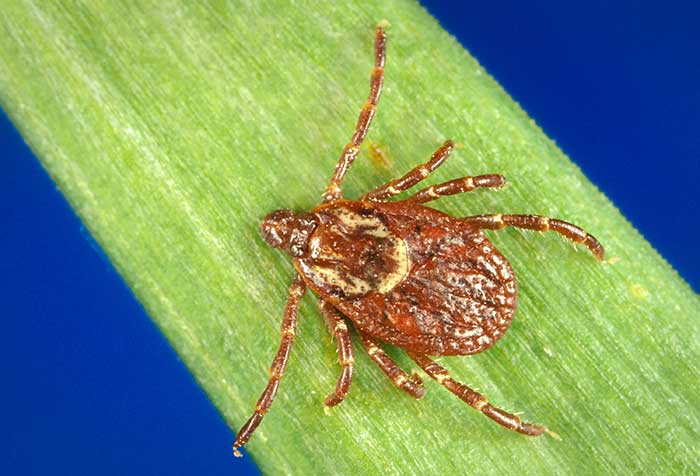
Houston, We Have a Problem: Doctors Can’t Identify Ticks

https://danielcameronmd.com/clinicians-difficulty-identifying-ticks/

Clinicians have difficulty identifying ticks

identifying-ticks

Welcome to another Inside Lyme Podcast with your host Dr. Daniel Cameron. In this episode, Dr. Cameron discusses findings from a recent study which examined the proficiency of clinicians at identifying ticks in the northeastern region of the United States.

The study by Laga and colleagues entitled “Proficiency at Tick Identification by Pathologists and Clinicians Is Poor” was published in The American Journal of Dermatopathology.¹

Using high-resolution photographs of ticks, the authors surveyed 115 health care providers, which included primarily medical students, medical residents, and physicians.

CLICK HERE TO WATCH A VIDEO DISCUSSING TICK IDENTIFICATION WITH DR. CAMERON
The survey was simple. Each health care provider was asked to look at high-resolution color pictures of ticks provided by the University of Rhode Island Tick Encounter Resource Center.  (The dimensions of each image were 1 5/8 inches by 2 inches.)

The participants were asked to select one of 5 possible answers for each photograph:

  1. American dog tick
  2. Deer/ blacklegged tick
  3. Lone Star tick
  4. Brown dog tick
  5. “I do not know”

Only 1 in 3 ticks were correctly identified.

The survey participants correctly identified 60% of the non-engorged black-legged ticks but only 34% correctly identified a partially engorged black-legged tick.

“Likely explanations are that texts and media rarely show partially engorged ticks,” the authors explain.

Additionally, “the color contrast seen between the scutum and abdomen in the blacklegged tick, for example, is lost after 2.5–3 days of engorgement.”

Participants had more difficulty identifying the other tick species:

  • 1 in 2 participants identified a non-engorged Lone Star tick;
  • 1 in 3 identified a non-engorged American dog tick;
  • 1 in 4 identified a non-engorged adult Brown dog tick.

The number of ticks correctly identified was worse for partially engorged ticks.

Medical students and non-physician health care providers (i.e., nurses, physician assistants) fared the worse with only about 1 in 4 correctly identifying the ticks.

In everyday practice, health care providers do not view high-resolution photographs of ticks. Their experience, instead, is with actual ticks which appear much smaller.

“In addition to choosing the easier-to-identify female ticks for our test, we also chose adult rather than nymphal ticks for the quiz,” the authors explain.

“Nymphal ticks, in addition to be being smaller, tend to have more muted colors and less distinctive markings on their scutums.”

In actual practice, it’s important that health care providers can identify engorged ticks. Yet, the survey shows that engorged ticks were more difficult for providers to identify.

The following questions are addressed in this podcast episode:

  1. How often is the tick seen?
  2. Have you found it difficult to identify a tick?
  3. What are a few tips to identifying ticks?
  4. What diseases does each tick carry?
  5. Why is it important to be able to identify an engorged tick?
  6. What is the risk of an engorged tick?
  7. What educational information should clinicians receive?
  8. What do Lyme disease patients know?
  9. What are treatment options for a tick bite?
  10. What are the risks and benefits of a single 200 mg dose of doxycycline for a tick bite?
  11. How effective is testing of ticks for diseases?

Please remember that the advice given is general and not intended as specific advice as to any particular patient. If you require specific advice, then please seek that advice from an experienced professional.

Inside Lyme Podcast Series

This Inside Lyme case series will be discussed on my Facebook and made available on podcast and YouTube.  As always, it is your likes, comments, and shares that help spread the word about this series and our work. If you can, please leave a review on iTunes or wherever else you get your podcasts.

References:
  1. Laga AC, Granter SR, Mather TN. Proficiency at Tick Identification by Pathologists and Clinicians Is Poor. Am J Dermatopathol. May 11 2021.

____________________

**Comment**

As they say, “There’s no such thing as a good tick.”

That said, doctors are woefully educated on ticks, the diseases they spread, how to diagnose, treat, and recognize not just various ticks but the wide variety of symptoms patients struggle with.

This study partially reveals the many problems in Lyme-land.

Yesterday, I posted an article proposing guidelines by supposed ‘experts’ that call themselves the ‘Wilderness Medical Society.’  In the comment section I break down the various continually regurgitated myths used as talking points and the basis for all research and clinical guidelines. One of the things discussed is how the “wait and see” approach has been dooming patients for decades. This essentially means that rather than quickly treating known tick bites prophylactically, they simply wait and see if the person develops symptoms.

They also continue to push the one-dose doxy prophylactic treatment which doesn’t work. Neither does two pills. Unfortunately, researchers still believe the EM rash is some magical symbol.  The EM rash comes and goes at will and should never be a marker for effectiveness of treatment.

The catch with all of this is doctors can’t identify the ticks involved.

Ironically, if the doctor can’t identify the tick, or if attachment time is unknown, they still recommend the “wait and see” approach, even though that particular refrain has caused untold damage.


Experts Weigh In After Suing FDA for Access to Pfizer Data

**UPDATE May, 2022**

Please see this article which includes the update at the beginning on how frequently adverse events were reported as “unrelated” to the ‘vaccine.’

Recently, a judge ruled in favor of a group of experts who sued the FDA over lack of access to Pfizer COVID injection data.  Instead of the FDA’s request of 75 years to slow drip the data, the judge ordered them to release 55,000 pages per month – which would take approximately 8 months for completion. Unfortunately, the FDA will redact information that it decides is not for public consumption, which might make the data meaningless. For instance, if the FDA redacts batch numbers it will be difficult to identify which participants were harmed by which batches. If they redact ID numbers, it will be difficult to track adverse events.

https://maryannedemasi.com/publications/f/experts-weigh-in-after-suing-fda-for-access-to-pfizer-trial-data

Experts weigh in after suing FDA for access to Pfizer trial data

20 December 2021|COVID-19
COVID-19, mRNA, vaccine, Pfizer, transparency, trial data, FDA, DOJ, Aaron Siri, Aaron Kheriaty, Tom Jefferson

By Maryanne Demasi, PhD

In Dec 2020, the US drug regulator (FDA) granted emergency use authorisation to Pfizer’s Covid-19 mRNA vaccine with limited data from phase III trials.

Amid the urgency of the pandemic, the review of the trial data was conducted faster than usual. What would normally take an average of 10 months to review, only took the FDA 108 days.

Immediately, it raised doubts about the speed with which the agency made its decision.

Fast forward to Aug 2021 and the FDA granted full approval to Pfizer’s (Comirnaty) mRNA vaccine, without releasing the full data set to the public for independent scrutiny. 

Experts became concerned that all the publicly available information on a fully licensed product, was limited to journal articles, press releases, and assessments by drug regulators – all of which are subject to conflicts of interest and bias.  (See link for article)

________________

Highlights:

  • 80 public health officers and researchers formed an alliance to get the data.
  • The group filed a FOIA lawsuit in September due to lack of public disclosure of FDA data.
  • The placebo & therefore the control group was eliminated because the shot was offered to all.
  • The group argues that due to insufficient and hurried testing & a culture of secrecy, the idea of informed consent is arguable.
  • There has been under-reporting adverse events, falsification of data, and a lack of efficacy  regarding the Pfizer injections.
  • DOJ lawyers wanted to drip feed Pfizer data over decades (75 years in fact, which is laughable).
  • The FDA claims it is insufficiently staffed.  They have 18,000 employees and $6.5 billion in funding.

Important quote:

“It is dystopian for the government to give Pfizer billions, mandate Americans to take its product, prohibit Americans from suing for harm, but yet refuse to let Americans see the data underlying its licensure.” ~ Aaron Siri, US attorney acting on behalf of PHMPT

  • The first round of Pfizer’s documents has already been released by the FDA.
  • It showed 1,223 people died from the shot within the first 90 days of the rollout, but much of the document is redacted and it is unknown how many doses had been shipped out, i.e. how many total doses were given.
  • Please see top link for a telling graph of 10 months of the COVID shots vs 20 years of flu vaccines.  Shocking would be an understatement.
  • https://phmpt.org/wp-content/uploads/2021/11/5.3.6-postmarketing-experience.pdf  Starting on page 30, there are nearly 9 pages of single spaced adverse reactions.